WASHINGTON (AP) — Defense Secretary Pete Hegseth announced Wednesday that he is rolling out a new screening program for “testosterone deficiency” among troops, calling it necessary to allow them to operate at their "absolute best.”
The screenings will be conducted annually as part of service members' required medical screenings for those 30 and older, he said. Troops under 30 can volunteer to be tested. In a video on social media, Hegseth said receiving testosterone replacement therapy would be voluntary.
In the video, Hegseth simply refers to troops, though it appears he is talking about only testing men in uniform for hormone irregularities.
The move comes as other Trump administration officials have begun to advocate for men to have easier access to testosterone replacement therapies, but the messaging from Hegseth and others blends known science on the hormone with broader, and less substantiated, claims.
When asked what conditions Hegseth was looking to address with the new policy, the Pentagon referred to Hegseth’s remarks in the video that mentioned keeping troops “strong, resilient and capable” and that the rigors of the modern battlefield demand “maximum psychological and mental readiness.”
Over the past several years, special operations troops — and specifically Navy SEALs — have come under scrutiny for their use of testosterone and similar substances to enhance performance.
The death of a SEAL recruit during training in 2022 led to a discovery of substances in his possession, including testosterone, and revealed far more rampant drug use among the elite program than was previously acknowledged.
A year after the recruit's death, the Navy said it would begin a drug-testing program to screen for “any hormonal substance, chemically or pharmacologically related to testosterone, that promotes muscle growth.”
Hegseth said his new initiative is "not about artificial enhancement.”
The Pentagon did not respond to questions about what research or academic studies underpinned the move. It also didn’t say if female troops would be able to be evaluated for estrogen-based therapy as they entered perimenopause.
Testosterone levels in men decline naturally with age and have long been linked to issues like erectile dysfunction, low libido, mood changes and weight gain. But experts have debated for years how to diagnose those problems and whether they should be treated by replacing the hormone.
Hegseth’s announcement comes as Health Secretary Robert F. Kennedy Jr. and other Trump administration officials are moving to make it easier for doctors to prescribe testosterone. Last month, the Food and Drug Administration proposed easing prescribing limits on testosterone gels, pills, patches and injections.
The current FDA label specifies that the medications are only for men with hypogonadism, a medical condition that causes drastically low testosterone.
But many influencers and proponents of Kennedy’s “Make America Healthy Again” movement tout testosterone as a way to look younger, build muscle and stay mentally sharp — although those uses aren’t accepted by most medical experts.
Still, recent studies have bolstered the case for testosterone’s benefits, for certain conditions, while allaying worries about its safety — particularly concerns about heart safety.
Last year, the FDA removed a boxed warning about possible risks of heart attack and stroke from the drugs.
Separately, a series of studies by the National Institutes of Health in older men found that taking testosterone improved erectile dysfunction, libido and other sexual measures and had a small effect on mood. But there was little or no improvement in other measures like fatigue, memory or overall well-being.
Other studies have shown potential improvements in muscle-building, strength and bone density.
However, current medical guidelines generally recommend against blanket testing of testosterone levels. Typically, doctors are advised to discuss testosterone therapy with men who have troubling symptoms and documented low levels of the hormone on two separate blood tests.
Testing for testosterone is challenging because levels of the hormone fluctuate throughout the day. Accurate testosterone readings are typically measured in the morning after fasting.
Sen. Tammy Duckworth, an Illinois Democrat and Iraq War veteran, said the announcement sounded “like gender-affirming care to me," referencing Hegseth's stance against transgender troops.
Rep. Chrissy Houlahan, a Pennsylvania Democrat and Air Force veteran, said it “proves that Secretary Hegseth takes direction from the far corners of the manosphere.”
Both lawmakers called on Hegseth to make hormone testing available for both men and women.
"Let’s extend hormone screenings for all of our brave servicemembers to help us identify fertility issues early — since studies show that both women and men in our military disproportionately face higher rates of infertility than the general population,” Duckworth, who is on the Senate Armed Services Committee, said in a statement.
Hegseth has previously said he does not believe women should hold combat roles and that those positions should be based on the “highest male standard.” He has blocked some military promotions for women or fired female leaders since becoming Pentagon leader.
He has made other changes related to the medical treatment of troops.
In April, he announced the repeal of the military’s long-standing flu vaccine mandate, citing “medical autonomy” and religious freedom. In June, a flu outbreak at the U.S. Air Force’s boot camp sickened at least nearly 300 people.
Associated Press writer Ben Finley contributed to this report.
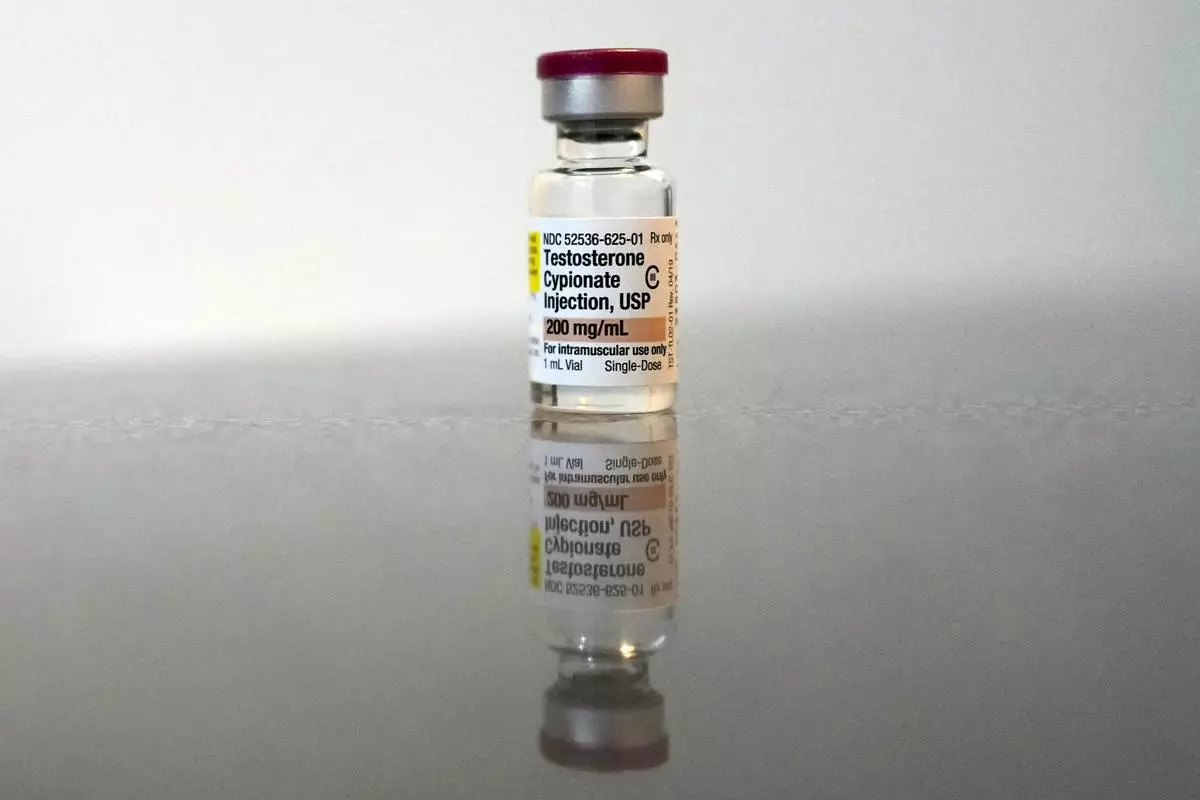
FILE - A vial of testosterone cypionate in Columbus, Ohio, on Jan. 18, 2024. (AP Photo/Carolyn Kaster, File)
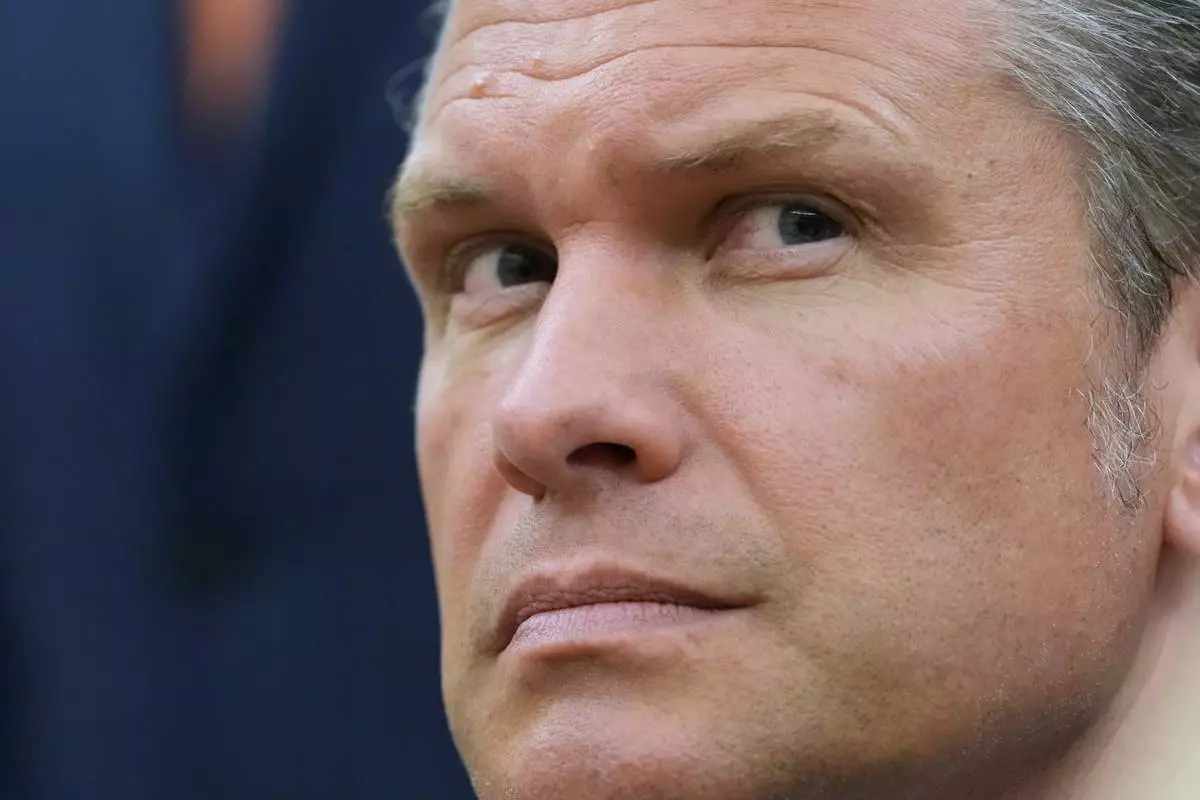
Secretary of Defense Pete Hegseth listens as President Donald Trump meets with Iraq's Prime Minister Ali al-Zaidi in the Oval Office of the White House, Tuesday, July 14, 2026, in Washington. (AP Photo/Julia Demaree Nikhinson)
WASHINGTON (AP) — Acting Attorney General Todd Blanche confronted skeptical questions at a Senate confirmation hearing Wednesday about the creation of a fund to compensate President Donald Trump's allies and a tax immunity deal for the president as he aimed to lock down the Republican support needed to advance his nomination.
Blanche insisted that the $1.776 billion “Anti-Weaponization Fund,” which was scrapped after fierce bipartisan backlash, was “not moving forward.” But lawmakers, including Republican Sen. John Cornyn, conveyed concerns that the Trump administration has yet to commit in writing that the fund is dead and could therefore conceivably be resurrected.
“Just to be clear, the president of the United States, who's a plaintiff in this lawsuit, has not agreed in writing to delete the weaponization fund and there’s no guarantee that he or one of the other plaintiffs" won’t raise the issue in the future, Cornyn asked. Blanche replied that Trump has no power over the fund, which was to have been administered by the Justice Department but was never launched.
Cornyn's questions were closely watched since Blanche requires the backing of all Republicans on the Judiciary Committee and the Texas senator has not committed his support.
The hearing arrived at a tumultuous time for the Justice Department, with mass firings and resignations having hollowed out the workforce and Democrats and other critics raising alarms that Blanche is still functioning as Trump's personal lawyer. He has led the department on an interim basis since April, functioning as the public face of the maligned fund and accelerating investigations into perceived Trump adversaries. Even as he said the fund was shelved, he made clear that immunity from tax audits afforded to Trump this year remained in place despite a congressional outcry.
Those actions, plus the flawed release of files from the Jeffrey Epstein sex-trafficking investigation, received fresh scrutiny Wednesday.
“You’re in charge of a Department of Justice I don’t recognize, prosecuting the president’s political enemies, firing rank and file prosecutors and FBI agents,” Democratic Sen. Chris Coons of Delaware told Blanche. “These are some actions that in your previous confirmation hearing before us, you said you would not take.”
Blanche, for his part, pointed to investigations into Trump during the Biden administration to argue that he had inherited a politicized Justice Department.
“In recent years, we watched the Justice Department turned against many of you and a former president, and it damaged the public’s faith in justice,” Blanche argued. “We are fixing that."
Key to Blanche's confirmation are Cornyn of Texas, who in May lost his primary, and Sen. Thom Tillis, a North Carolina Republican who has opted not to seek reelection. In the final stretches of their Senate career, both are seen as more likely than before to split from Trump and both have been outspoken critics of the fund the Trump administration created to compensate people who feel unjustly persecuted by the criminal justice system.
After questioning Blanche, Cornyn told CNN he continues “to have some concerns” and is not “going to make any decisions at this point.” Tillis, meanwhile, indicated during questioning that he is likely to support Blanche, even as he said he wanted “to stick a fork in this turkey of a 1776 fund."
The death of South Carolina Republican Sen. Lindsey Graham, who was a member of the committee, left 11 Republicans and 10 Democrats on the panel. With Democrats united in solidarity against Blanche, =a no-vote by even a single Republican on the panel would scuttle Blanche's nomination.
The fund emerged from a settlement of Trump’s $10 billion lawsuit against the Internal Revenue Service over his leaked tax returns. Blanche had initially defended the initiative only to later reveal that it was being scrapped amid fierce bipartisan backlash.
The judge handling the case said in a scathing ruling Monday that Trump had effectively engaged in self-dealing through the lawsuit. She said she was troubled Blanche had signed the settlement given his prior representation of Trump and was concerned the acting attorney general had given misleading testimony. Blanche said Wednesday that he disagreed “with the judge's insinuations about me.”
Blanche also defended a separate element of the settlement that afforded Trump and members of his family protection from tax audits and that, he has said, remains on track. He said the deal covers any existing audits but does not protect the president from examination of future tax filings.
“Nobody is above the law,” Blanche said. Such a settlement "doesn’t make any of those individuals above the law.”
Blanche was also pressed on the department's staggered release of the Epstein files, a process beset by problems, including redaction errors that left exposed nude photos showing the faces of potential victims.
During a podcast interview with Joe Rogan released Wednesday, Vice President JD Vance said the administration “absolutely” mishandled the communications surrounding the files, including when then-Attorney General Pam Bondi distributed binders of Epstein documents at the White House to far-right influencers that contained already-public material.
Blanche acknowledged that “mistakes were made" in the release process but nonetheless defended the work.
“I want to make sure that the American people know that this administration, when it comes to Jeffrey Epstein, has been more transparent than any administration,” he said. The Justice Department only released additional files after Trump bowed to bipartisan pressure to sign a law forcing the department to do so.
A former federal prosecutor and key member of Trump's defense team as the Republican battled four indictments, Blanche arrived at the Justice Department last year as deputy attorney general. At one point, under friendly questioning from Republican Sen. John Kennedy about whether he and Trump are friends, Blanche responded: “I’m his lawyer,” before quickly correcting himself to say he “was his lawyer.”
He ascended to the top job in April after Trump ousted Bondi, who had frustrated the White House by struggling to bring successful cases against Trump's political opponents. Blanche has tried to satisfy Trump in that regard, including with an indictment of ex-FBI Director James Comey, another Trump adversary, on charges of threatening the 47th president by posting a social media photograph of seashells in the numerical arrangement of “86 47.”
Comey has said the numbers were not a call to violence.
Tillis, who has said he would not support for attorney general anyone who equivocates on the events of Jan. 6, 2021, when pro-Trump rioters stormed the U.S. Capitol, asked Blanche if he agreed that any Capitol Police officer assaulted that day was the “victim of a heinous crime.” Blanche said he agreed.
Democrats, meanwhile, pressed Blanche on the violence and Trump’s sweeping clemency action benefiting more than 1,500 people, including those convicted of violently attacking police.
Democratic Sen. Sheldon Whitehouse criticized Blanche for comments at a political conference this year where he appeared to characterize the Jan. 6 pardons as an administration accomplishment. Blanche replied that he has “never said that any sort of violence against law enforcement is appropriate.”
“He has the absolute right to pardon anybody for any reason he sees fit,” Blanche said of the president. “I am not celebrating that. It is a fact.”
Associated Press writers Meg Kinnard and Michael Kunzelman contributed to this report.
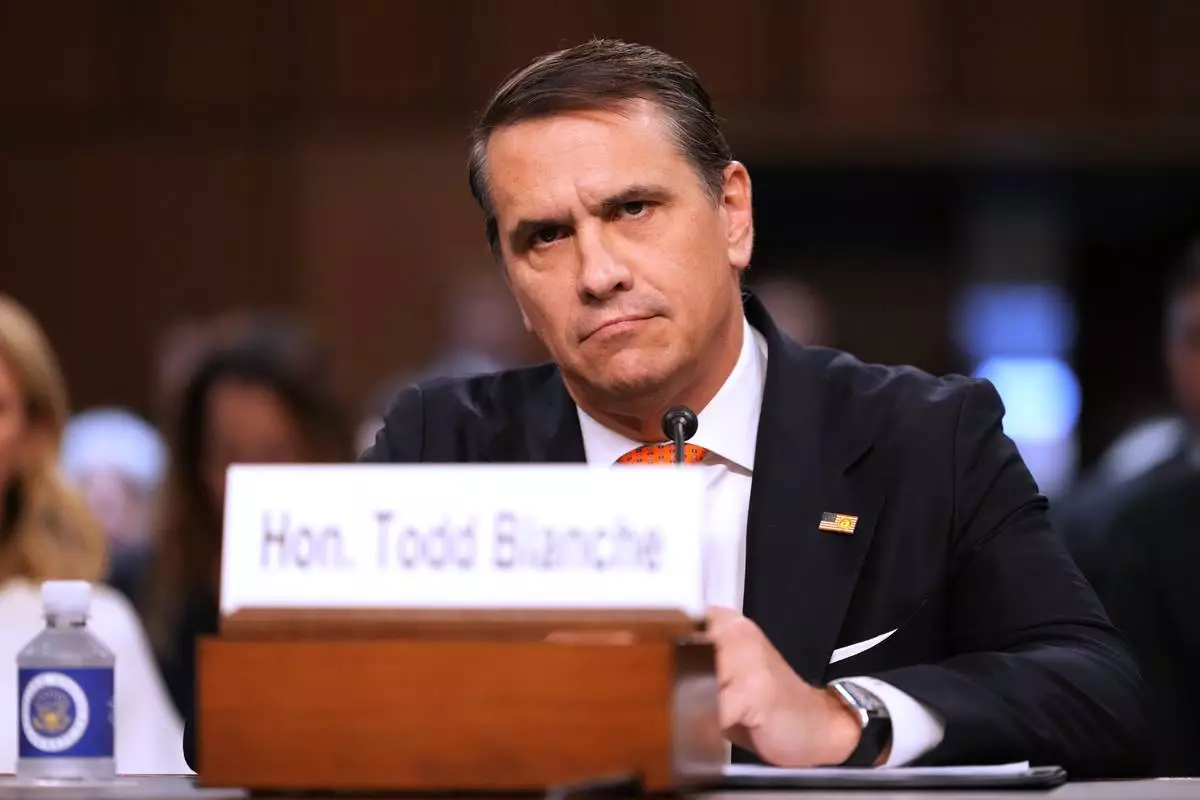
Acting Attorney General Todd Blanche appears before the Senate Judiciary Committee on Capitol Hill in Washington, Wednesday, July 15, 2026. (AP Photo/Mark Schiefelbein)
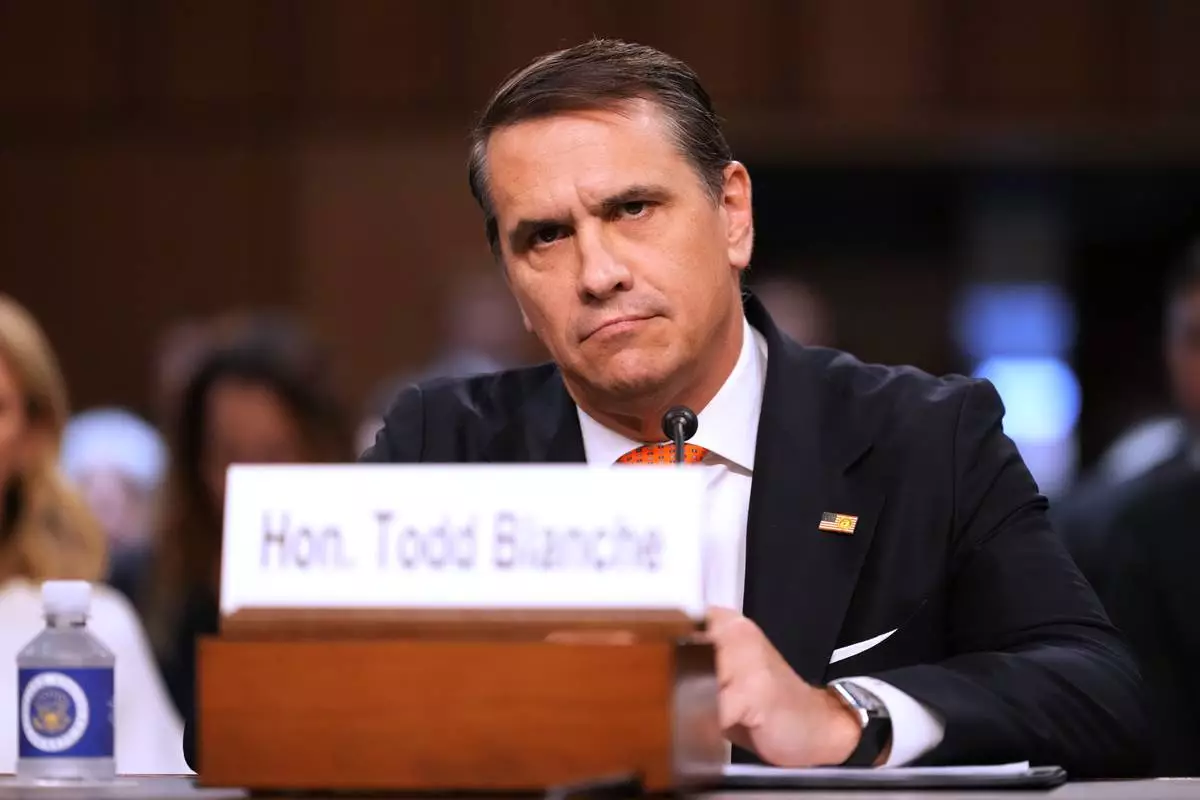
Acting Attorney General Todd Blanche appears before the Senate Judiciary Committee on Capitol Hill in Washington, Wednesday, July 15, 2026. (AP Photo/Mark Schiefelbein)
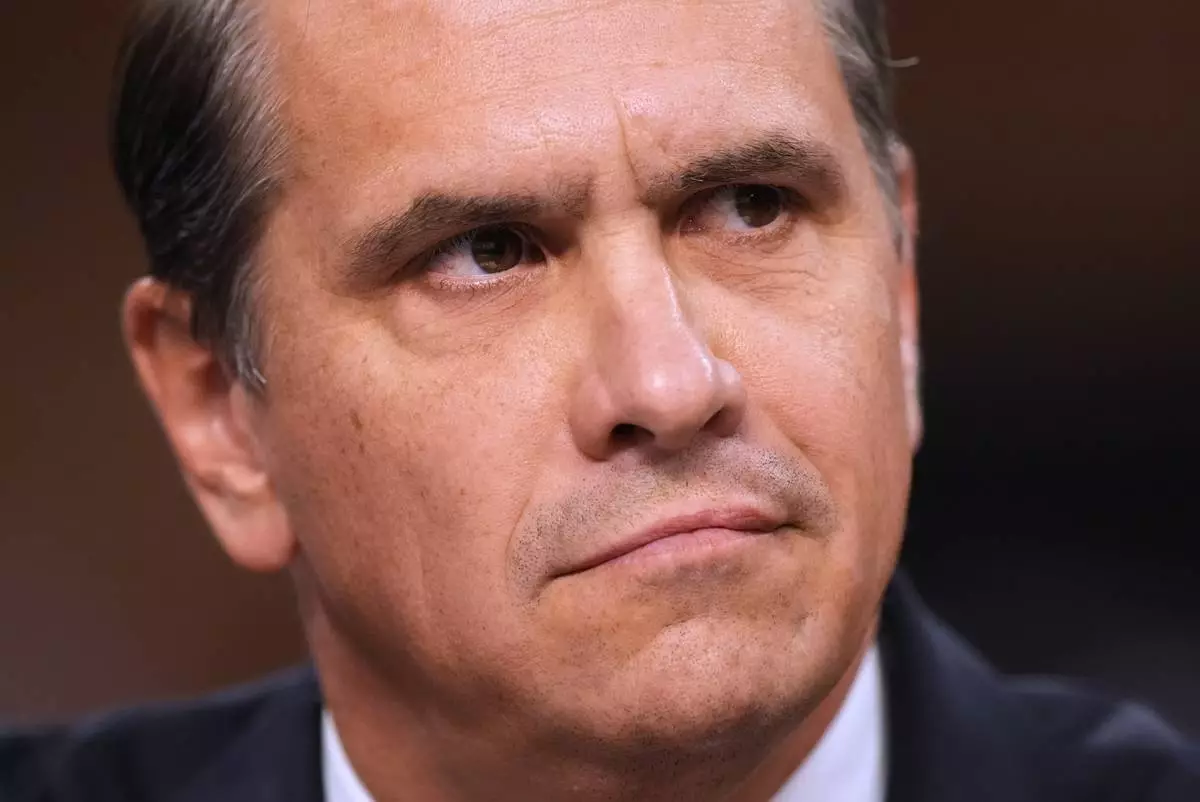
Acting Attorney General Todd Blanche appears before the Senate Judiciary Committee on Capitol Hill in Washington, Wednesday, July 15, 2026. (AP Photo/Mark Schiefelbein)
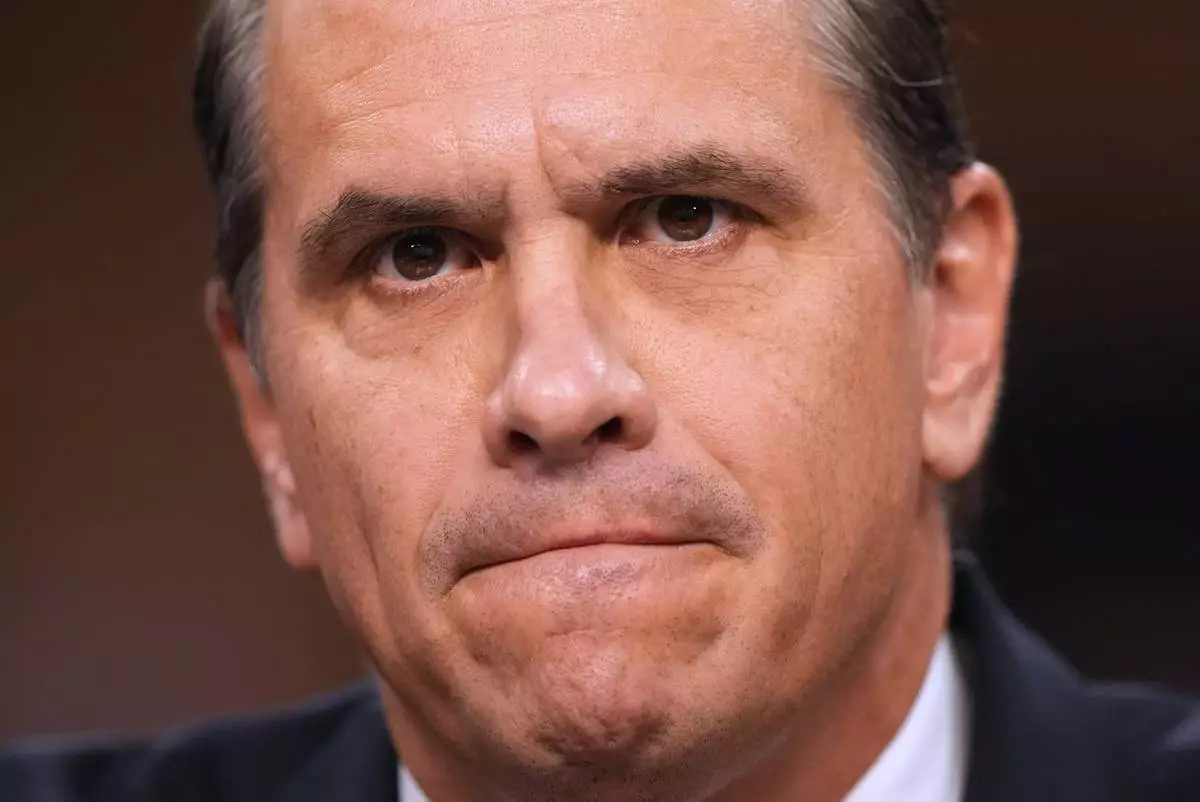
Acting Attorney General Todd Blanche appears before the Senate Judiciary Committee on Capitol Hill in Washington, Wednesday, July 15, 2026. (AP Photo/Mark Schiefelbein)
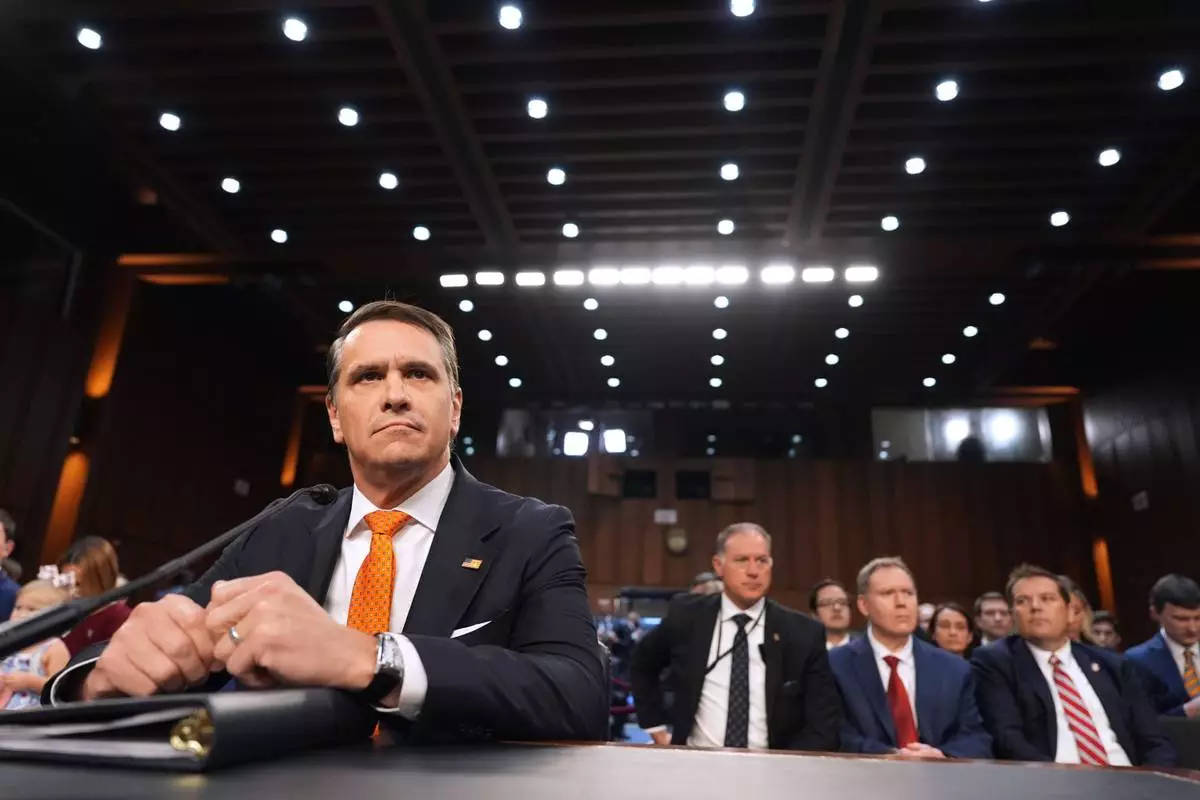
Acting Attorney General Todd Blanche appears before the Senate Judiciary Committee on Capitol Hill in Washington, Wednesday, July 15, 2026. (AP Photo/Mark Schiefelbein)
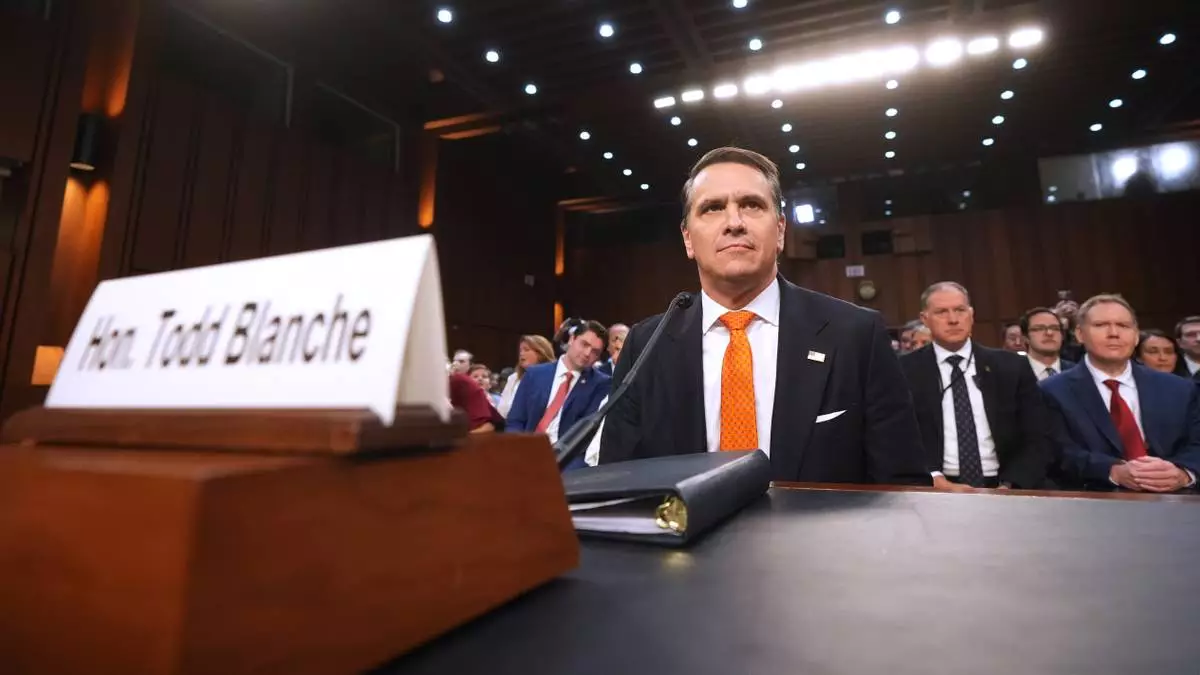
Acting Attorney General Todd Blanche appears before the Senate Judiciary Committee on Capitol Hill in Washington, Wednesday, July 15, 2026. (AP Photo/Mark Schiefelbein)