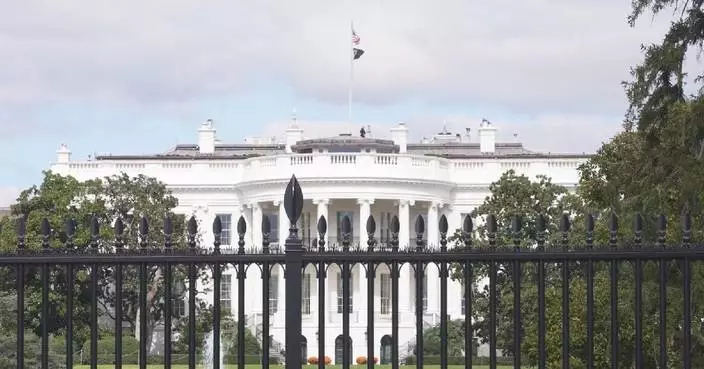
Israel and Lebanon concluded a new round of talks in Rome on Wednesday, moving closer to launching a pilot project, under which control of parts of southern Lebanon would be transferred from Israeli forces to the Lebanese army.
Israel and Lebanon have made progress on a mechanism for the withdrawal of Israeli forces from the first two "pilot zones" in southern Lebanon and agreed to continue negotiations at a later date.
The talks in Rome focused on implementing the trilateral framework reached in Washington on June 26. The two sides further clarified the sequence and conditions for the withdrawal of Israeli forces, the deployment of the Lebanese Armed Forces (LAF), the disarmament of Hezbollah, and the verification of the Lebanese state's effective control over the areas concerned, according to a report by Italian news agency Agenzia Nova.
Citing sources close to the negotiations, the report said that Israel is expected to proceed with the withdrawal from the first two pilot zones because the designated areas are considered posing no direct threat to Israel's security.
The pilot project is intended to test the Lebanese army's ability to take control of the areas, remove military infrastructure and prevent Hezbollah from re-establishing a presence before the mechanism is expanded to other parts of southern Lebanon.
The U.S. Embassy in Lebanon announced on Wednesday that the talks in Rome had concluded after two days of "productive and positive discussions," adding the two sides agreed on the structure and guidelines for the pilot zone process.
The process will be finalized and implemented in the coming days, the U.S. embassy said in a statement.
The talks will move to expanded technical discussions on implementing all aspects of the trilateral framework to reach a comprehensive agreement between Lebanon and Israel, according to the statement.
The sixth round of talks, held at the U.S. Embassy in Rome, followed a previous meeting in Washington late in June aimed at advancing a ceasefire framework. The parties also agreed to hold another round of talks, with the date yet to be determined.
According to Lebanese media reports, officials from both sides will hold a virtual meeting on July 24 to finalize the boundaries of the "pilot zones" and to set an official date for implementation.

Israel, Lebanon conclude Rome talks
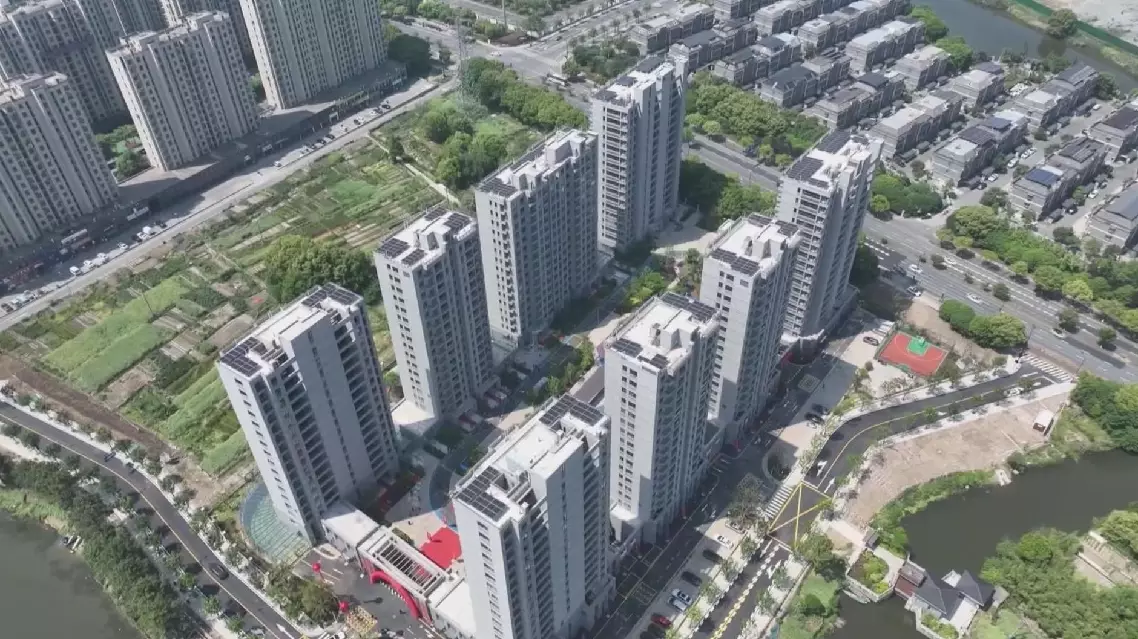
China's real estate market witnessed positive changes in the first half of the year as supportive property policies continued to take effect, an official with the National Bureau of Statistics (NBS) said on Wednesday.
With home prices in major cities stabilizing, unsold housing inventory declined and second-hand home transactions remained active, Mao Shengyong, deputy director of the NBS, said at a press conference in Beijing, adding that policy adjustments and optimization measures introduced across the country have gradually delivered results, contributing to an improving property market.
Data showed that since March, the month-on-month sales prices of both newly built commercial homes and second-hand homes in first-tier cities have risen for four consecutive months, Mao said.
The inventory of unsold commercial housing also continued to decline. By the end of June, the floor space of unsold commercial housing nationwide had fallen 0.9 percent year on year, with the pace of decline widening by 0.5 percentage points from the previous month, he said.
The inventory has registered year-on-year declines for four straight months.
And the second-hand housing market remained active. In the first half of the year, the floor space of online-registered second-hand home transactions increased 10.2 percent year on year, 2.5 percentage points faster than the growth recorded in the January-May period.
"As China's real estate market continues to readjust, profound changes are taking place in both the structure and overall scale of property transactions. The traditional market pattern, which was driven mainly by sales of newly built homes, is rapidly shifting toward one featuring both new and second-hand home transactions. Second-hand home sales have become an important part of the housing market. According to online registration data from the Ministry of Housing and Urban-Rural Development, the transaction area of second-hand homes is now roughly equivalent to that of newly built homes. When combining online-registered transactions of both new and second-hand homes, total transaction volume in the past three months has recorded positive growth continuously. Overall, the supply-demand relationship in the real estate market is gradually improving, and market expectations have continued to recover," said Mao.
Property market sees positive changes in H1