Without cutting duodenal sphincter, the wireless microrobot can squeeze in narrow bile duct, wrap non-invasively the gallstone and take it out of the patient. This is the minimally invasive gallstone surgery achievable in the future.
Developed by Professor Zhang Li’s Lab in the Department of Mechanical and Automation Engineering at CUHK’s Faculty of Engineering, this liquid-bodied, magnetically controlled robot, dubbed the "Slime Robot", mimics the softness, high deformability, and viscoelasticity of Venom. The team aims to developing it as Super Medical Robot in the future.
Click to Gallery
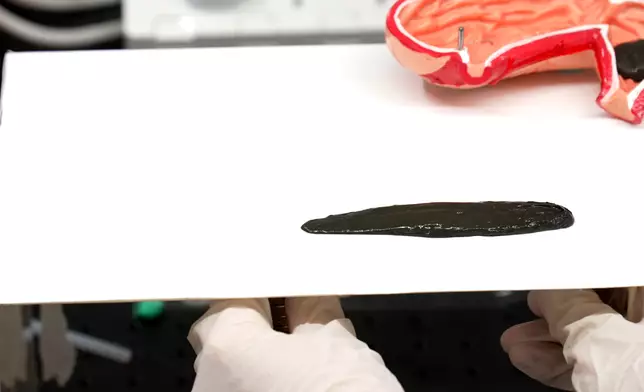
The magnetic-controlled liquid robot developed by Professor Zhang Li's team at the Chinese University of Hong Kong is also known as a "slime" robot due to its strong deformability. Photo by Bastille Post
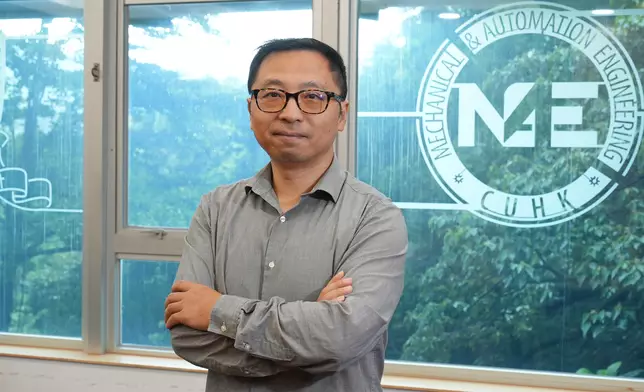
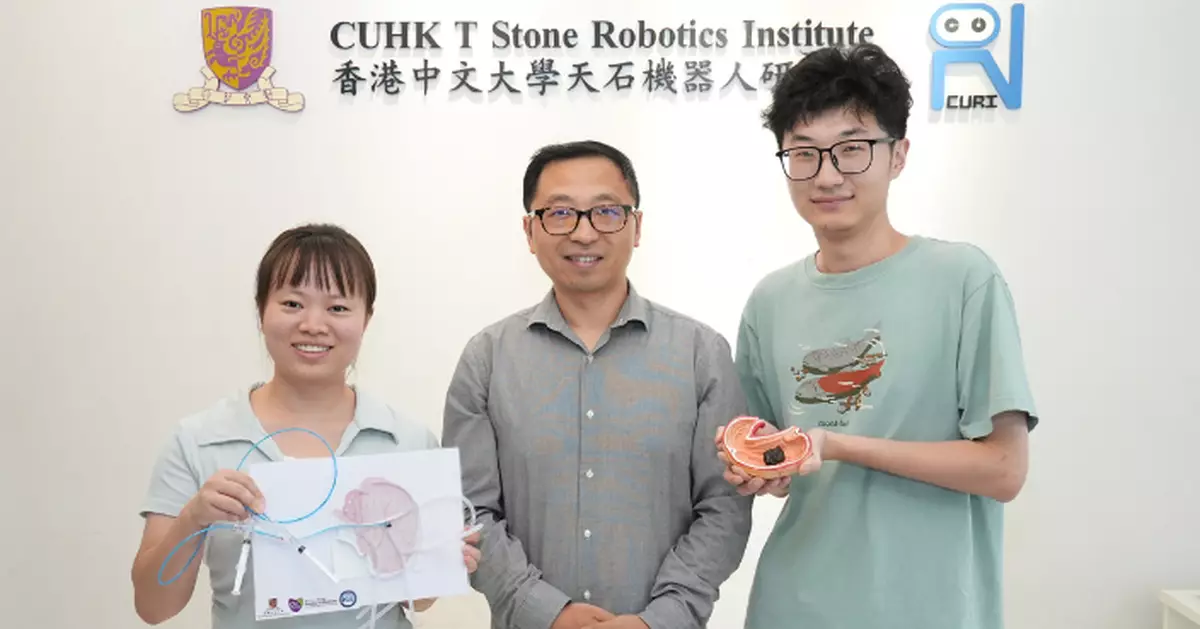
Professor Zhang Li, Department of Mechanical and Automation Engineering at CUHK’s Faculty of Engineering. Photo by Bastille Post
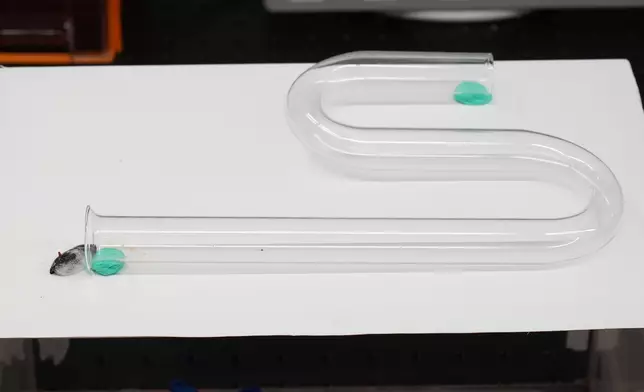
The "slime" robot can wrap around and remove foreign objects through narrow pipes. Photo by Bastille Post

Zhang Li points out that the "Slime" robot's autonomy is between Level 1 and Level 2, meaning the robot can perform simple route planning and follow the path to its destination. Photo by Bastille Post
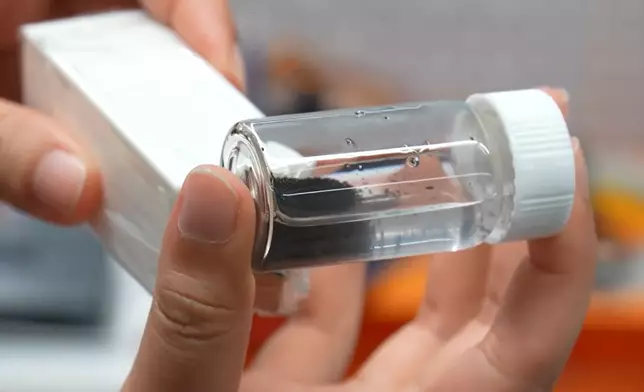
Zhang Li's team developed a swarm of biomimetic micro-robots inspired by bee swarm behavior. Photo by Bastille Post
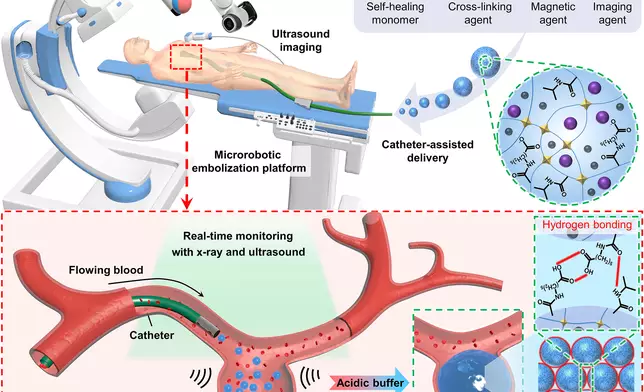
A schematic diagram of a swarm of biomimetic microrobots used in vascular interventional therapy. Provided by Peng Yusong, a PHD student in Zhang Li's research team
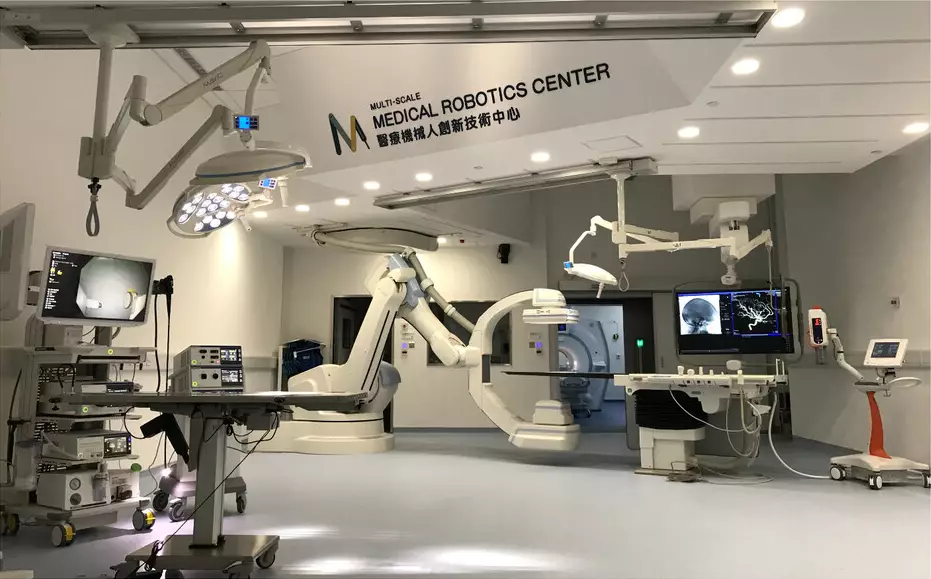
Medical Robotics Center. Image from the website
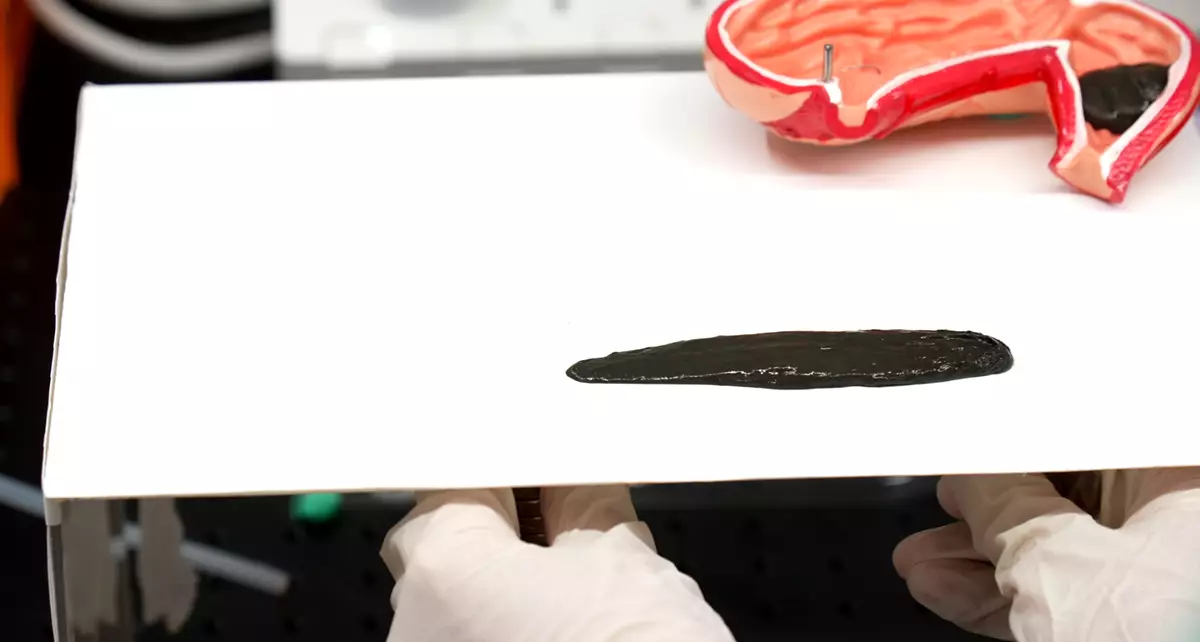
The magnetic-controlled liquid robot developed by Professor Zhang Li's team at the Chinese University of Hong Kong is also known as a "slime" robot due to its strong deformability. Photo by Bastille Post
“We hope our microrobot can assist doctors to complete high difficulty task, and develop it as Super Medical Robot, ”Professor Zhang Li says when accepting exclusive interview with Bastille Post.
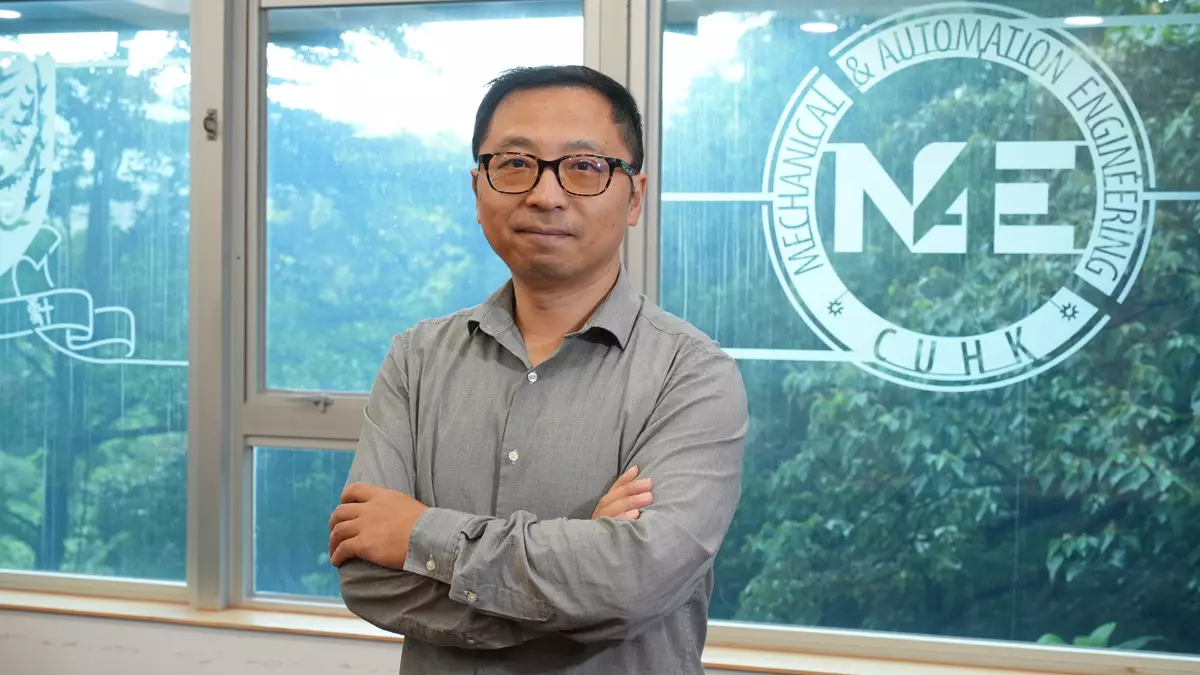
Professor Zhang Li, Department of Mechanical and Automation Engineering at CUHK’s Faculty of Engineering. Photo by Bastille Post
As early as in 2022, Zhang Li’s team unveiled Slime Robot successfully, which is mainly made of dynamic cross-linked magnetic hydrogel, used robotic arm to manipulate permanent magnet to control routes of the robot, cooperated with medical imaging equipment to track it.
Zhang Li notes, the prototype of Slime robot is Amoeba limicoline, which can transform into any shapes.
Early this year, the team developed the globally first antibiofilm liquid-bodied magnetic-controlled robot on the foundation of Slime robot. Zhang Li’s team planned to use Slime robot to fetch foreign bodies in stomach.
However, they found it cannot work out since the stomach acid would corrode the robot, so they shifted focus toward to antibiofilm.
“During the process of implanting devices into human bodies, sometimes it might bring bacteria, which will become biofilm that is difficult to remove after reproduction,” Zhang Li explains, “The research also finds that over 70 or 80 percent of chronic infection inside the body is due to biofilm, that is why we chose it as future direction.”
Zhang Li also hopes Slime robot can be used in minimally invasive gallstone surgery. To reach the narrow bile duct to do surgery, doctors currently use endoscopy which is of great difficulty. Therefore, Zhang Li’s Lab designs to make use of Slime robot’s strong deformation ability to enter the bile duct, wrap the gallstone and take it outside. Since the robot uses wireless control system, it is more flexible, the surgery wound can be smaller.
“This is a very wild idea,” Zhang Li laughs.
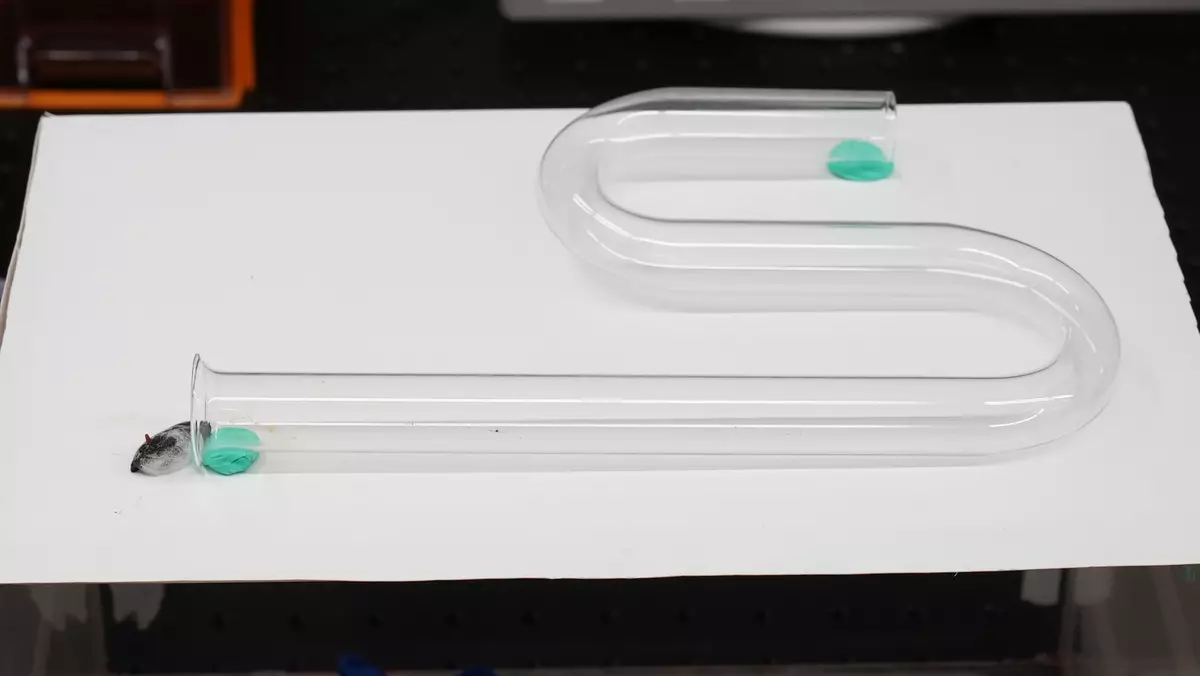
The "slime" robot can wrap around and remove foreign objects through narrow pipes. Photo by Bastille Post
Using Slime robots to remove biofilm infection on bile duct has been tested successfully on pig sample. Zhang Li hopes, the future clinic trial can be done in Hong Kong.
“One of the biggest advantages of Hong Kong is being backed by motherland, which means we can share multiple resources with other cities in the Greater Bay Area.” Zhang Li points out that starting the first human trial is an important task for them.

Zhang Li points out that the "Slime" robot's autonomy is between Level 1 and Level 2, meaning the robot can perform simple route planning and follow the path to its destination. Photo by Bastille Post
Since Slime robot can finish the tasks that are difficult for current minimally invasive robots, some local hospitals already expressed interest toward the project.
However, the medical community still holds concerns to the wireless control system of the robot.
“Traditional wire robots are more controllable when moving inside human body,” Zhang Li says, “some hospital worries that once it loses control inside human body, it is hard to get it back.”
In response to this, Zhang Li holds a 3S slogan when developing microrobots, which is Smaller, Smarter and Safer. His team also develops backend control system of microrobot to benefit the practical operation under commercialized scenarios.
In addition to the Slime robot, Zhang Li’s team has also developed a bionic microrobotic swarm inspired by swarm behavior patterns, which can similarly be navigated via magnetic fields.
Peng Yusong, a PhD student in Zhang Li’s research group, explained that the microrobotic swarm is designed for vascular interventional therapy and has already been successfully tested on human placental samples. For instance, during the treatment of cerebral aneurysms, the microrobotic swarm can assist in embolizing the aneurysm to prevent blood flow impact, thereby reducing the risk of rupture and hemorrhage.
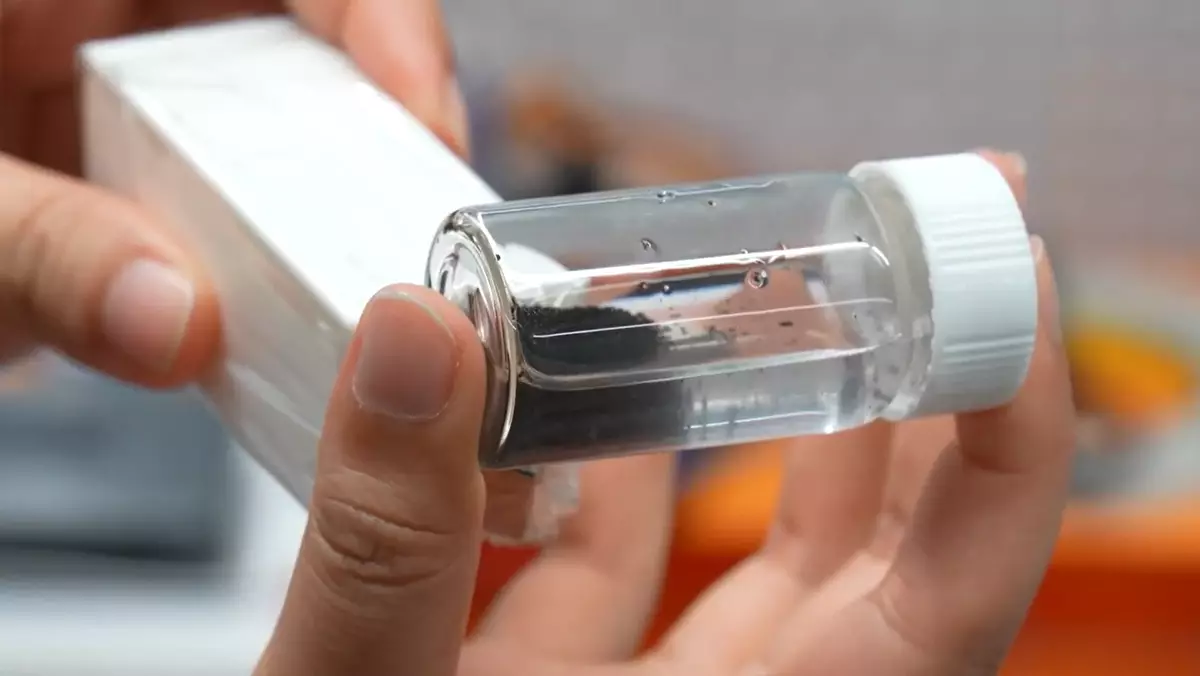
Zhang Li's team developed a swarm of biomimetic micro-robots inspired by bee swarm behavior. Photo by Bastille Post
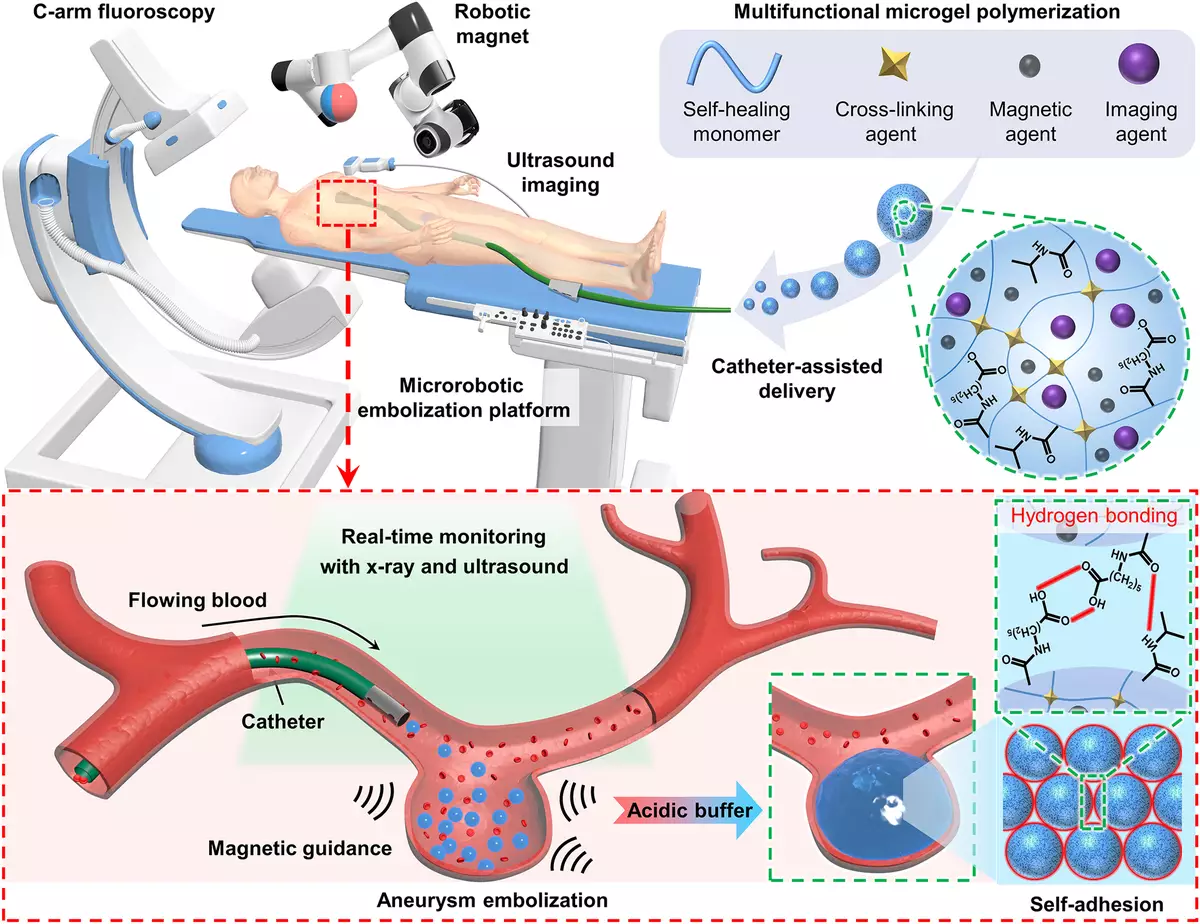
A schematic diagram of a swarm of biomimetic microrobots used in vascular interventional therapy. Provided by Peng Yusong, a PHD student in Zhang Li's research team
Zhang Li’s team has long engaged in extensive collaborations with prominent international research groups. As early as 2017, they established the "Joint Research Center for Innovative Medical Technology" together with Daegu Gyeongbuk Institute of Science and Technology (DGIST) in South Korea and ETH Zurich in Switzerland, to advance research and development of micro- or nanorobots, along with other nanotechnology applications for the diagnosis and treatment of gastrointestinal and cardiovascular diseases.
In 2020, with support from the Hong Kong government and led by The Chinese University of Hong Kong (CUHK), the team partnered with ETH Zurich, Imperial College London, Johns Hopkins University, and the Technical University of Munich to establish the Innovation Centre for Medical Robotics at Hong Kong Science Park. Serving as a collaborative platform, the center facilitates the translation of innovative biomedical engineering research into practical medical applications.
Medical Robotics Center. Image from the website