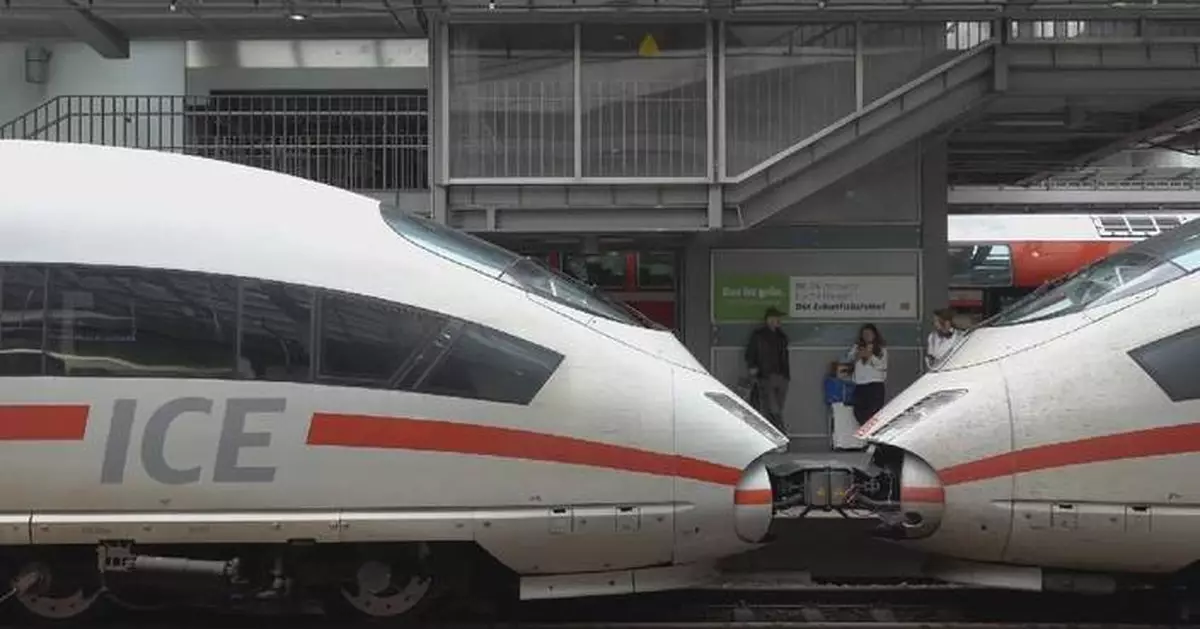
A lack of maintenance and a growing workload have further strained the condition of the German railway network, resulting in mounting inconvenience for passengers, according to a CCTV interview.
Delay, cancellation and malfunctions have become common issues for daily train commuters in Germany over the years.
"The trains always delay. So I have to take that into account and plan ahead," said a passenger.
With a total length of 35,000 kms, the country's railway network is more than 100 years old.
Its tracks, signals, power supply, and bridges are aging without up-to-date maintenance and upgrades.
"There is one thing that can be sure: Germany has underestimated the maintenance needs of infrastructure. This problem not only involves railways, but also relates to other public infrastructure. A political logic is behind it. The public always wants the government to prioritize funding for things that will have quick results; however, investment in infrastructure takes longer to show results. So, in other words, there is political pressure -- as long as politicians want to win the election and enjoy popular support, they are inclined to focus on quick fixes, while in turn, the long-term projects are more likely to be overlooked," said Christian Bottger, professor of HTW Berlin - University of Applied Sciences.
Apart from the aging facilities, another outstanding problem of German railways is its rising workload.
"The usage of the German railway network grows by approximately 0.75 percent each year. It may not seem much. But over the past 20 years, Germany has barely built any new routes. This means that the traffic volume has increased by about 15 percent. As the railway network has already operated at full capacity, any small malfunctions could lead to a series of following adjustments," Bottger said.
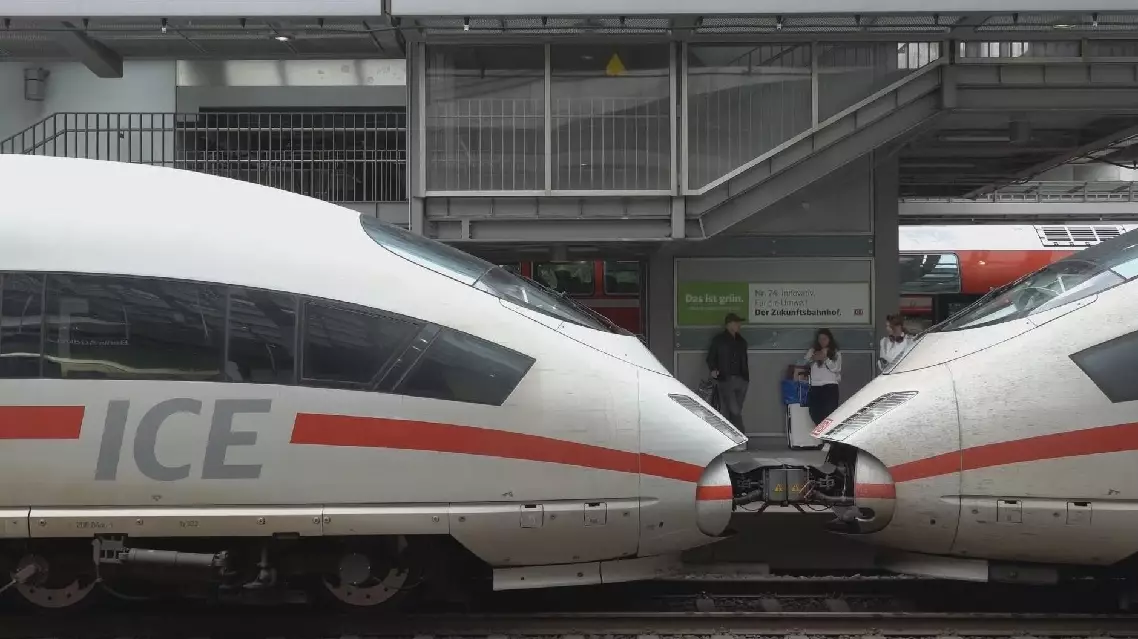
Lack of maintenance, higher volume strain German railway network: expert