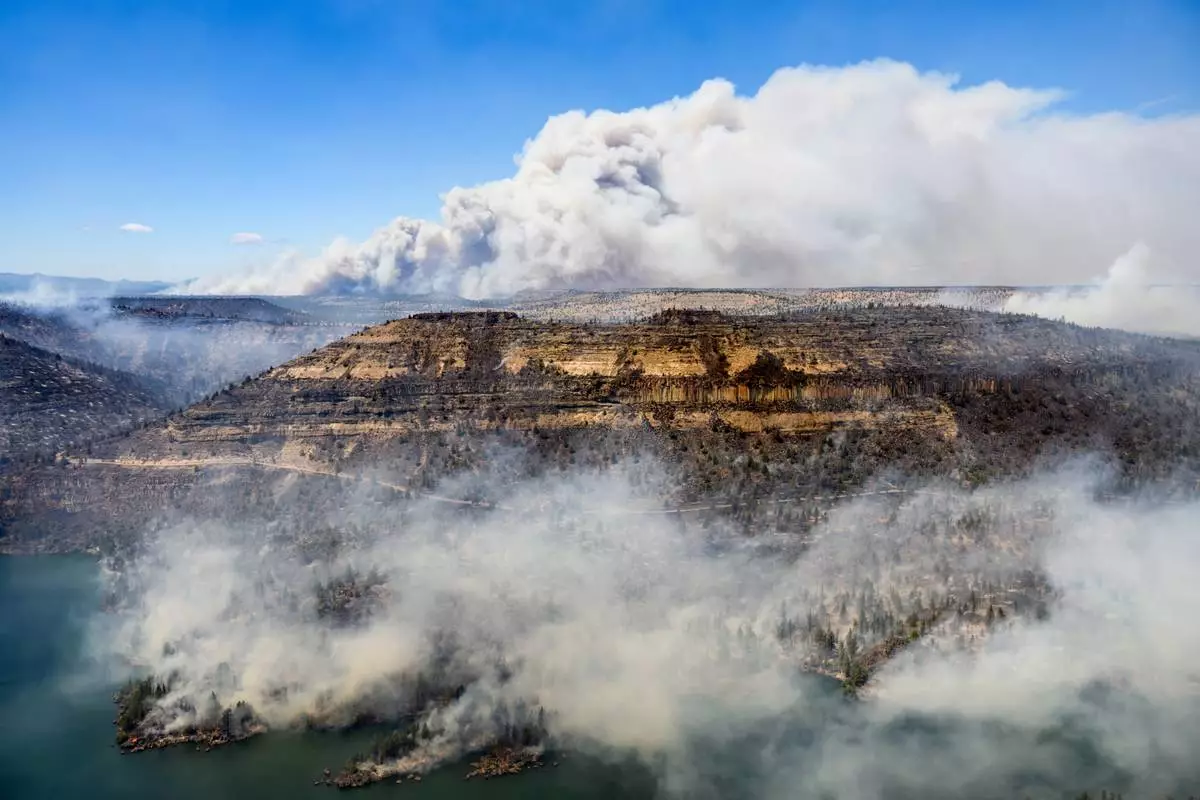
EAST RUTHERFORD, N.J. (AP) — Smoke from Canadian wildfires that engulfed the Northeast in haze is expected to mostly clear from the New Jersey area just in time for the World Cup final on Sunday thanks to thunderstorms passing through, meteorologists said.
Still, warnings of unhealthy air remained in effect Saturday across a wide swath of the United States, and President Donald Trump continued to lay blame on Canada for the smoke crossing the border.
Trump, who planned to attend the cup final, threatened to impose tariffs in response, and Ontario Premier Doug Ford criticized that as unacceptable and shortsighted.
At MetLife Stadium, where the World Cup final is scheduled to take place, the sky was the same thick, soupy gray it has been for days, even after a drenching thunderstorm prompted warnings of flash flooding and forced the Spanish national team to suspend its last outdoor training session ahead of the clash with Argentina.
After the rain cleared, Netherlands tourists Joost Timpers and his two sons were among fans taking photos outside the open-air venue, which has been renamed the New York/New Jersey Stadium for the matches.
They did not have tickets to the final but biked more than an hour from their hotel just to see the arena up close. Timpers said he was certain players and fans will fare just fine even if conditions do not improve.
“We’re not experts in air quality, of course, but we are experiencing the quality now,” he said. “I didn’t experience anything different from cycling in the Netherlands or anywhere else.”
Saturday's storm front will largely move the smoke out of the Northeast before the final between Spain and Argentina, said Tyler Roys, a senior meteorologist at AccuWeather.
“There could be some lingering smoke that would make things hazy, but very faint,” Roys said. “In terms of the thickest smoke, the smoke that has really been eye-popping and leads to poor air quality, that is not expected across New York City or much of the Northeast.”
WFLA-TV Chief Meteorologist and Climate Specialist Jeff Berardelli, in Tampa, Florida, echoed Roys, saying the storm front would “sweep the atmosphere clean,” leaving only a thin smoke that World Cup spectators may still smell in the air.
The air quality index shows an improvement from unhealthy air for sensitive groups on Saturday to “moderate” air quality Sunday in East Rutherford, which means little to no health risk for the general public.
“It won't be dangerous anymore,” Berardelli said. “It's going to be dramatically better.”
The smoke could still cause issues for people who are sensitive to particulate matter, and they should check the air quality index particularly in the morning, said Rob Shackelford, a meteorologist for The Weather Channel app and weather.com.
Air quality at the field is measured every 10 minutes, said David Lu, CEO and co-founder of Clarity Movement, an environmental technology company providing air quality monitoring services. In the past two days, the readings have swung between the level where the air is unhealthy for sensitive groups and the level where it's very unhealthy, Lu said. He said Saturday afternoon he expects to see improvement in the readings within hours because of the rain.
Temperatures are forecast to be around 80 degrees Fahrenheit (27 degrees Celsius), with light breezes and low humidity for the start of the final.
“You couldn’t have asked for much better weather for the World Cup,” Berardelli added.
Both Roys and Berardelli expect the heavier smoke Sunday to be concentrated closer to the fires, hanging over parts of the Midwest and the Great Lakes region.
The president made no mention of the World Cup final but said on his social media platform, “We are holding Canada responsible.” He added that the U.S. “is being unnecessarily invaded by filthy, polluted, and unhealthy air, the quality of which is dangerous, and totally unacceptable!”
Canadian Prime Minister Mark Carney addressed the topic of U.S. officials complaining about smoke from during a news conference Thursday. Carney said climate change is the responsibility of everyone, including the United States.
Ford said Canada has contributed to fighting fires in the U.S. and offered assistance when Georgia was hit by a hurricane in 2024 because “that’s what neighbors do.” Ford called the rhetoric “absolutely unacceptable” when Canada is “trying to get through this.”
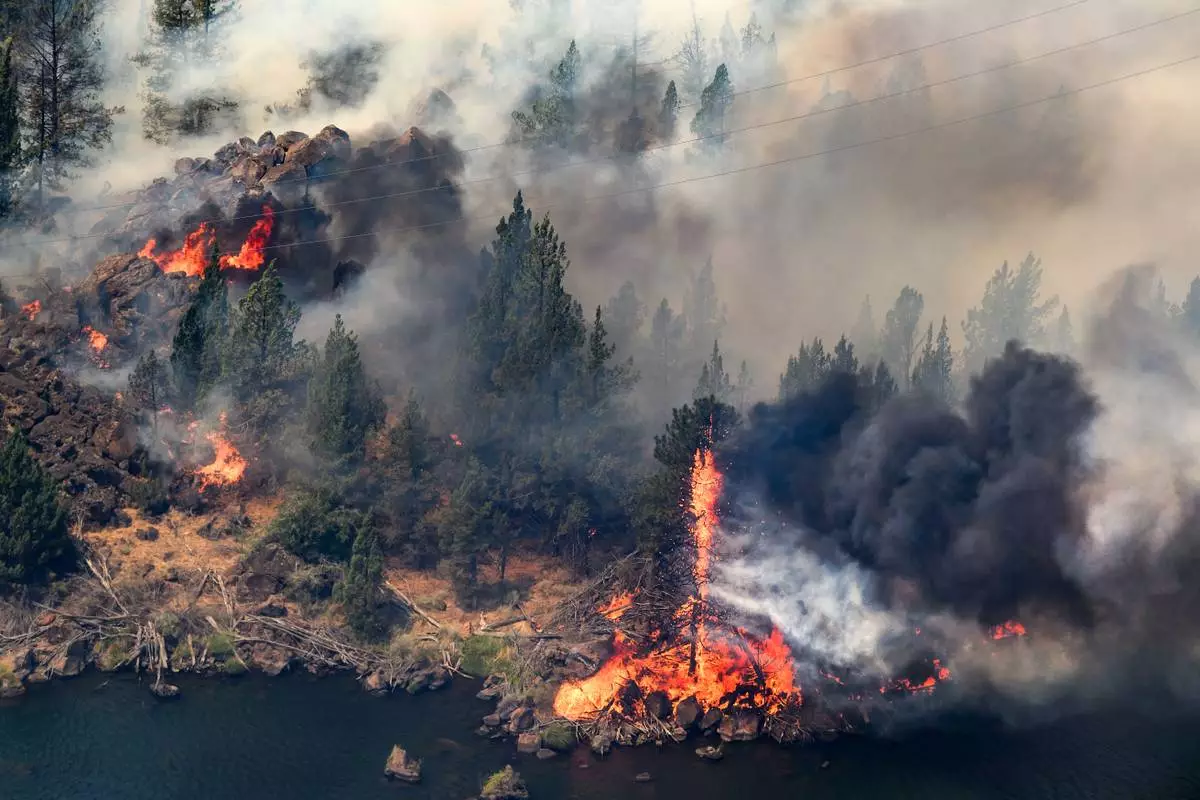
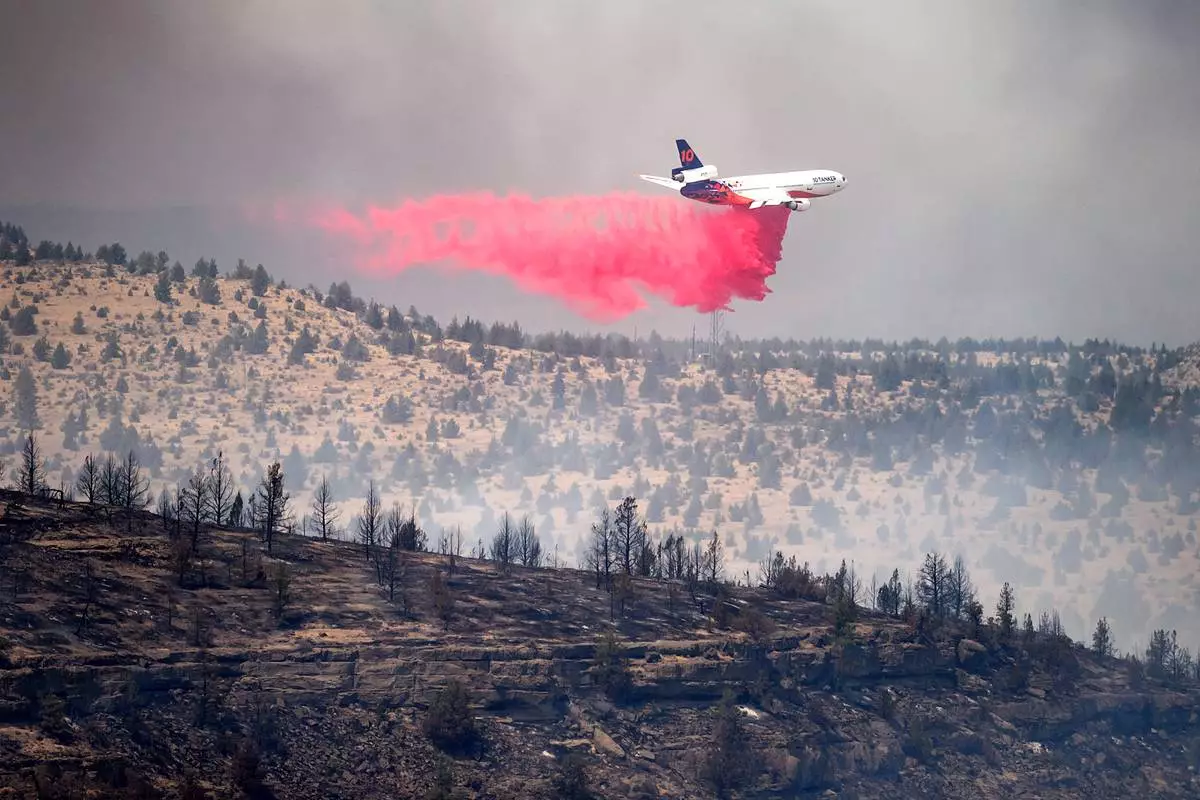
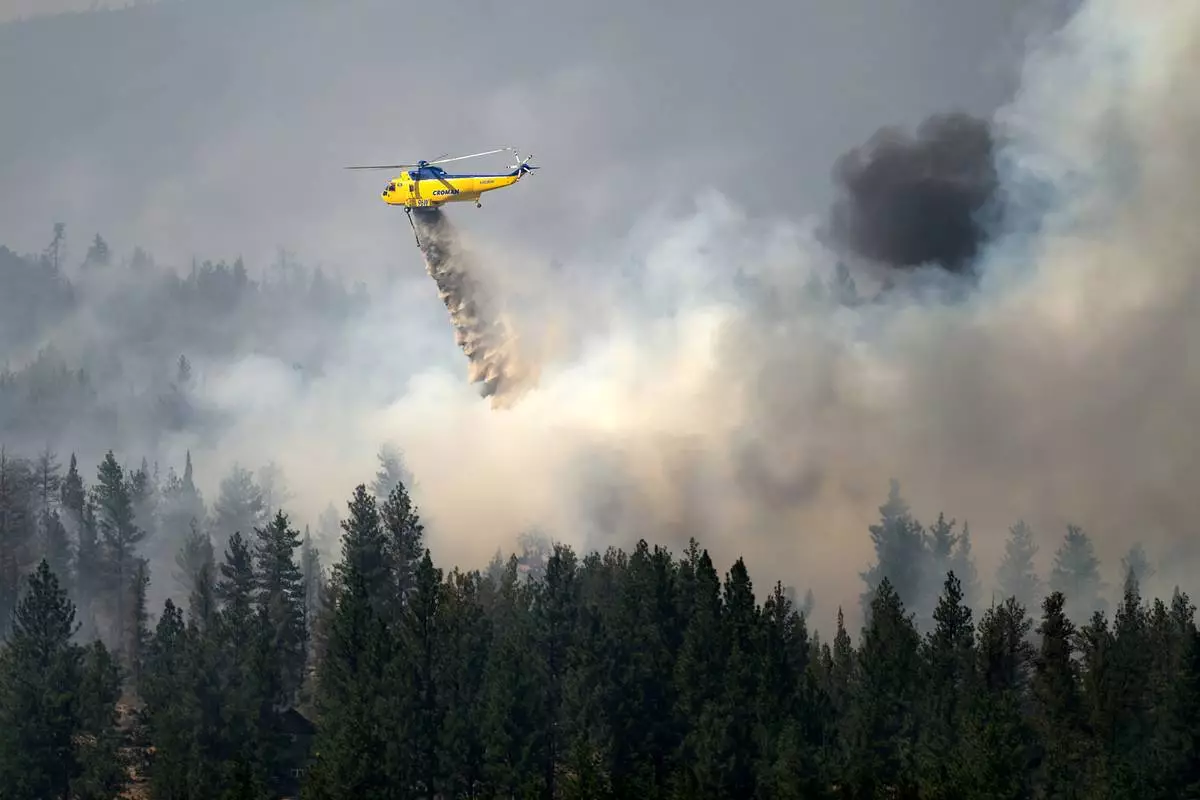
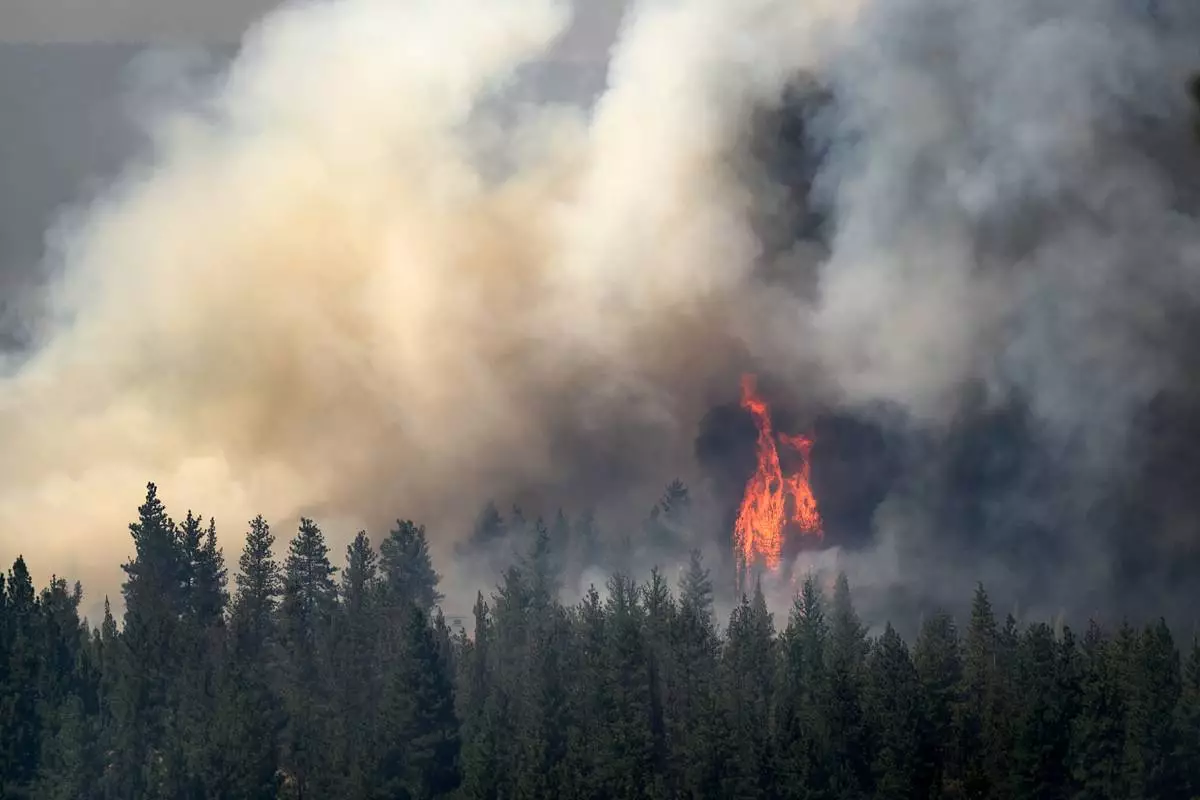
Wildfires have been igniting across Canada and northern Minnesota this month. Berardelli said they are burning longer and faster because of climate change. The Canadian Wildland Fire Information System showed hundreds of active fires Saturday. Environment Canada issued air quality warnings across the country and into the Northwest Territories.
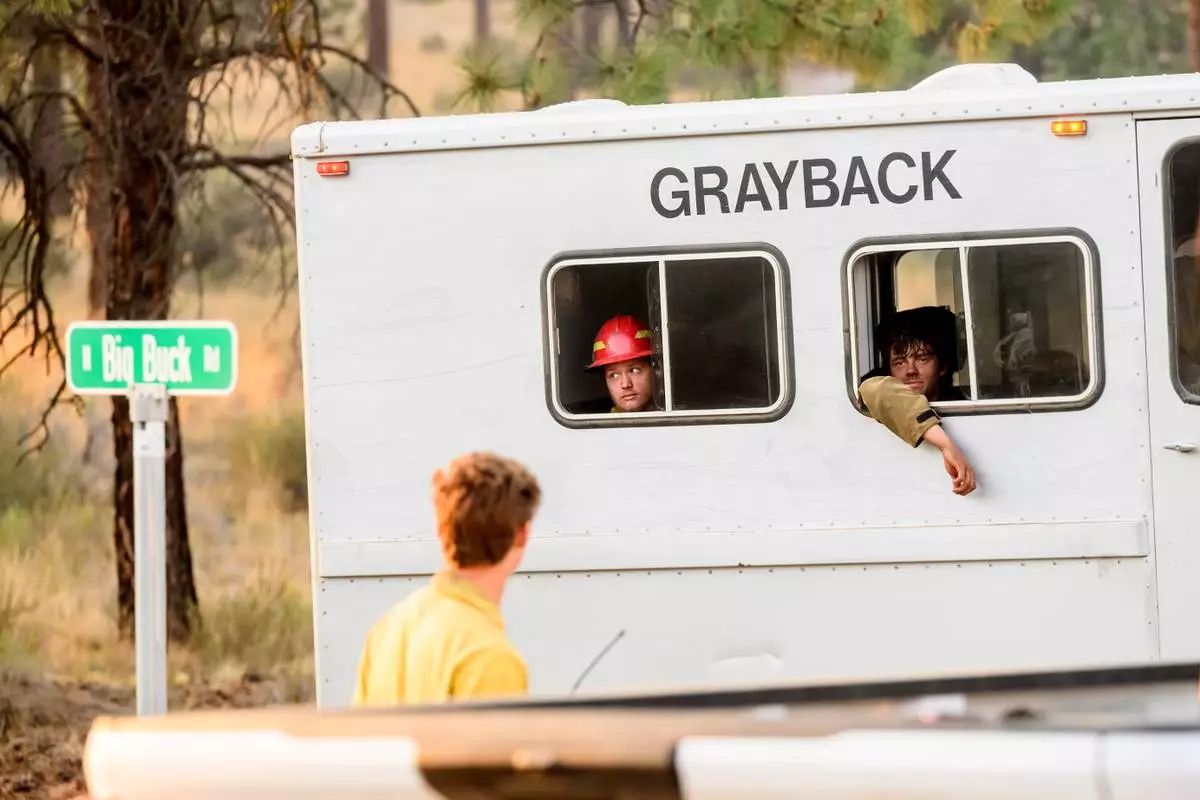
The fires prompted evacuations, including in Nova Scotia where there's a large fire that local and provincial crews have been fighting since Wednesday, and in northwestern Ontario, where some of the most intense fires are burning.
In Ontario, nearly 200 wildfires have already scorched more land than all of last year’s fires. In Thunder Bay, Ontario, Fire Chief Dave Tarini said this fire season is unprecedented in his more than 35 years as a firefighter.
In British Columbia, about 100 fires are burning, a huge jump from the 20 firefighters were facing Wednesday. The BC Wildfire Service says the fires are largely the result of 4,000 lightning strikes that hit the province Friday.
McDermott reported from Providence, Rhode Island. Associated Press writer Jim Morris in Vancouver, British Columbia, and Sports Writer Stephen Whyno in New York contributed.
The Associated Press’ climate and environmental coverage receives financial support from multiple private foundations. AP is solely responsible for all content. Find AP’s standards for working with philanthropies, a list of supporters and funded coverage areas at AP.org.
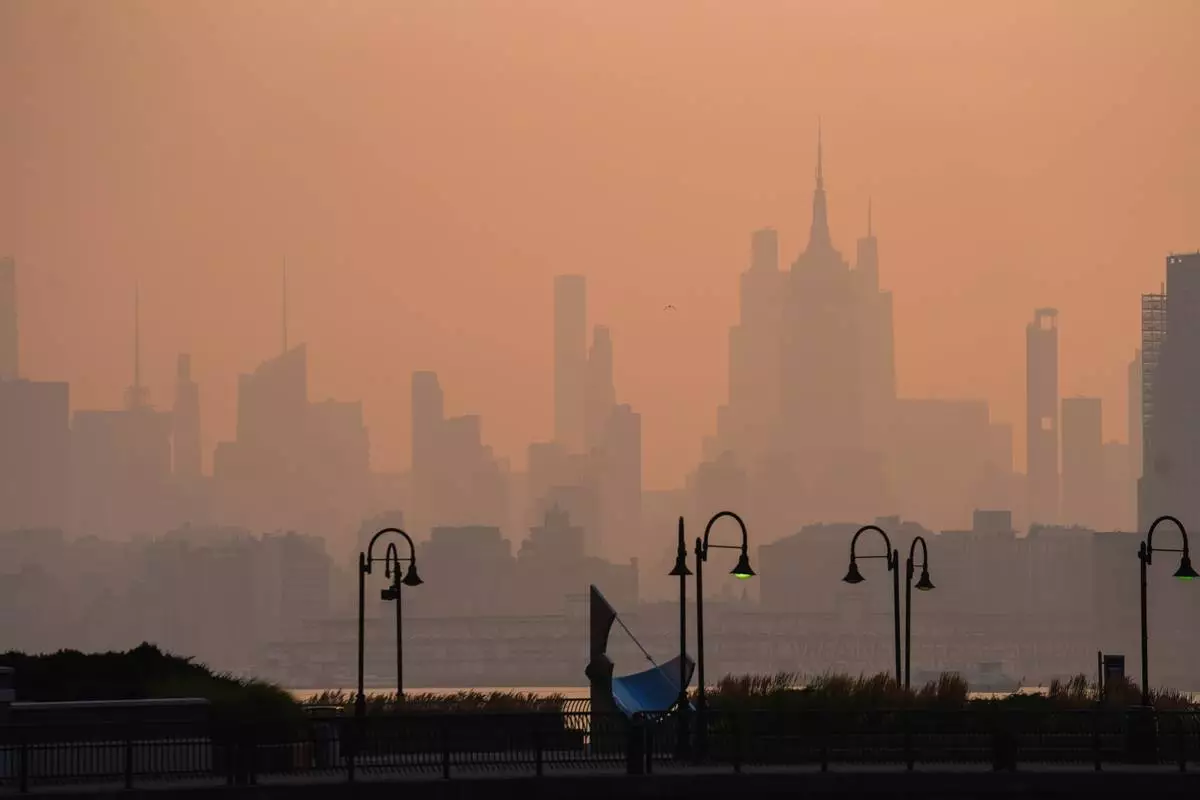
The New York City skyline is seen through a cover of wildfire smoke, in Jersey City, N.J., Friday, July 17, 2026. (AP Photo/Ryan Murphy)