LD reminds employers and employees to take heat stroke preventive measures in times of Heat Stress at Work Warning
As the Heat Stress at Work Warning is now in effect, the Labour Department (LD) reminds employers and employees to take appropriate measures during the effective period of the warning to prevent heat stroke when working in hot weather or hot environments.
The Labour Department, Photo source: reference image
Employees who work outdoors or in non-air-conditioned indoor environments face high levels of heat stress and are at a relatively higher risk of heat stroke. Employers should assess the risk factors of heat stress for employees at work and, based on the identified risk factors, take necessary preventive and control measures, including rescheduling work periods, setting up shading covers, providing ventilation and heat dissipation equipment, and reminding employees to replenish water and rest in a timely manner.
The Heat Stress at Work Warning is formulated by the LD based on the Hong Kong Heat Index. There are three levels of the warning: Amber, Red and Black, which help employers and employees better understand the level of heat stress while working outdoors or indoors without air-conditioning systems.
A spokesman for the LD said that when the department issues the Heat Stress at Work Warning, employers must refer to the criteria and recommendations provided in the "Guidance Notes on Prevention of Heat Stroke at Work" to conduct risk assessments, according to the workloads and other relevant heat stress risk factors, for employees who work outdoors or in non-air-conditioned indoor workplaces. Appropriate rest breaks should be arranged every hour, as far as reasonably practicable, based on various levels of the Heat Stress at Work Warning, to reduce employees' risk of heat stroke.
Employees must also follow instructions to rest on time. Whenever there are any symptoms of heat-related illnesses, such as headache, dizziness, thirst, and nausea, they should rest in a cool and shady place, drink water, and inform employers/supervisors to take appropriate action immediately.
The LD issued the "Guidance Notes on Prevention of Heat Stroke at Work", detailing the various risk factors that should be considered when conducting heat stress risk assessments and recommending corresponding control measures for identified risk factors for employers' and employees' reference. For the Heat Stress at Work Warning and related guidelines, please refer to the department's thematic webpage: www.labour.gov.hk/eng/news/prevention_of_heat_stroke_at_work.htm.
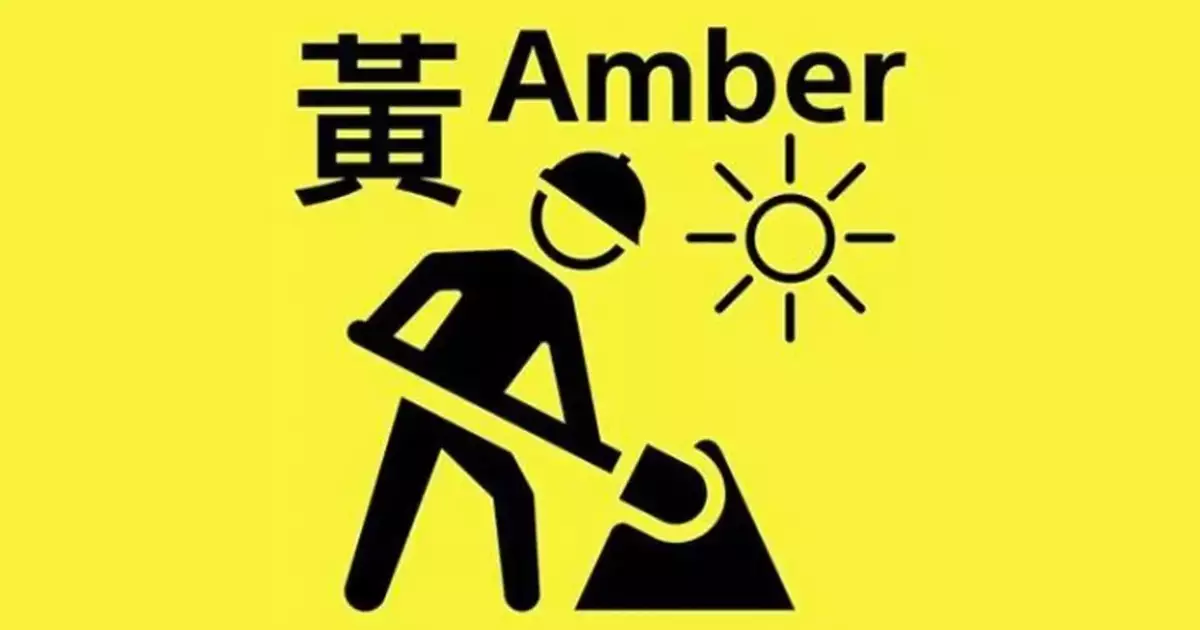
Heat Stress at Work Warning
Hong Kong Customs detects three drug trafficking cases involving incoming passengers at airport
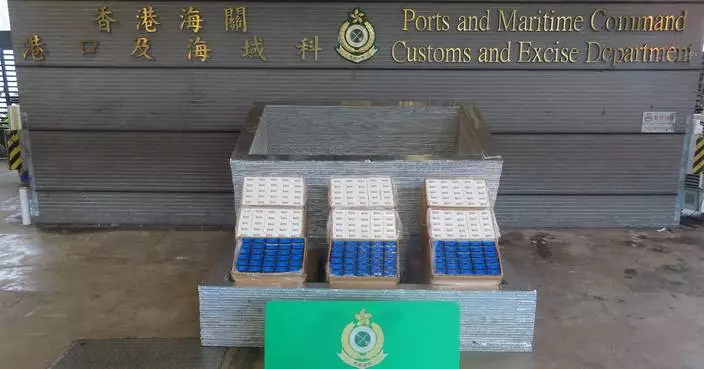
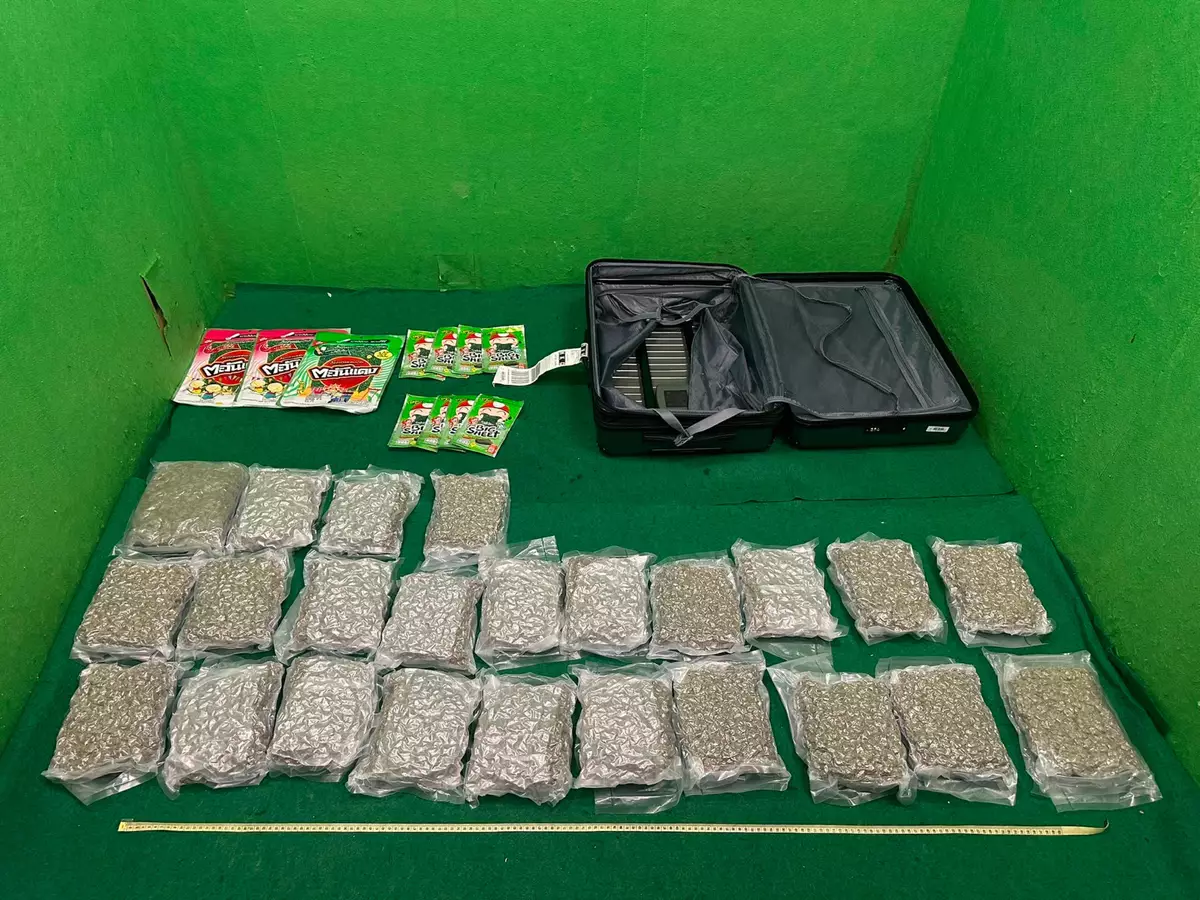
Hong Kong Customs yesterday (July 18) and today (July 19) detected three drug trafficking cases involving incoming air passengers at Hong Kong International Airport, and seized a total of about seven kilograms of suspected cannabis buds, about 15kg of suspected ketamine, about 1kg of suspected cocaine and 587 tablets of suspected Part I poison, with a total estimated market value of about $7.9 million. A man and two women were arrested.
In the first case, a 33-year-old local female arrived in Hong Kong from Bangkok, Thailand, yesterday. During customs clearance, Customs officers found the batch of suspected cannabis buds with an estimated market value of about $1.3 million inside her check-in baggage. The woman was subsequently arrested.
In the second case, a 49-year-old Taiwan female passenger arrived in Hong Kong from Brussels, Belgium, today. During customs clearance, Customs officers found the batch of suspected ketamine with an estimated market value of about $5.9 million inside her check-in baggage, and the batch of suspected Part I poison inside her carry-on tote bag. The woman was subsequently arrested.
In the third case, a 48-year-old Japanese male passenger arrived in Hong Kong from Kuala Lumpur, Malaysia, today. During customs clearance, Customs officers found a batch of suspected cocaine with an estimated market value of about $0.7 million in the shoes worn by him. He was subsequently arrested.
The arrested woman in the first case has been charged with one count of trafficking in a dangerous drug and the case will be brought up at the West Kowloon Magistrates' Courts tomorrow (July 20). The investigations of the second and the third case are ongoing.
Customs will continue to step up enforcement against drug trafficking activities through intelligence analysis. The department also reminds members of the public to stay alert and not to participate in drug trafficking activities for monetary return. They must not accept hiring or delegation from another party to carry controlled items into and out of Hong Kong. They are also reminded not to carry unknown items for other people.
Customs will continue to apply a risk assessment approach and focus on selecting passengers from high-risk regions for clearance to combat transnational drug trafficking activities.
Under the Dangerous Drugs Ordinance, trafficking in a dangerous drug is a serious offence. The maximum penalty upon conviction is a fine of $5 million and life imprisonment.
Under the Pharmacy and Poisons Ordinance, any person who possesses any poison included in Part 1 of the Poisons List other than in accordance with provisions commits an offence. The maximum penalty upon conviction is a fine of $100,000 and imprisonment for two years.
Members of the public may report any suspected drug trafficking activities to Customs' 24-hour hotline 182 8080 or its dedicated crime-reporting email account (crimereport@customs.gov.hk) or online form (eform.cefs.gov.hk/form/ced002).
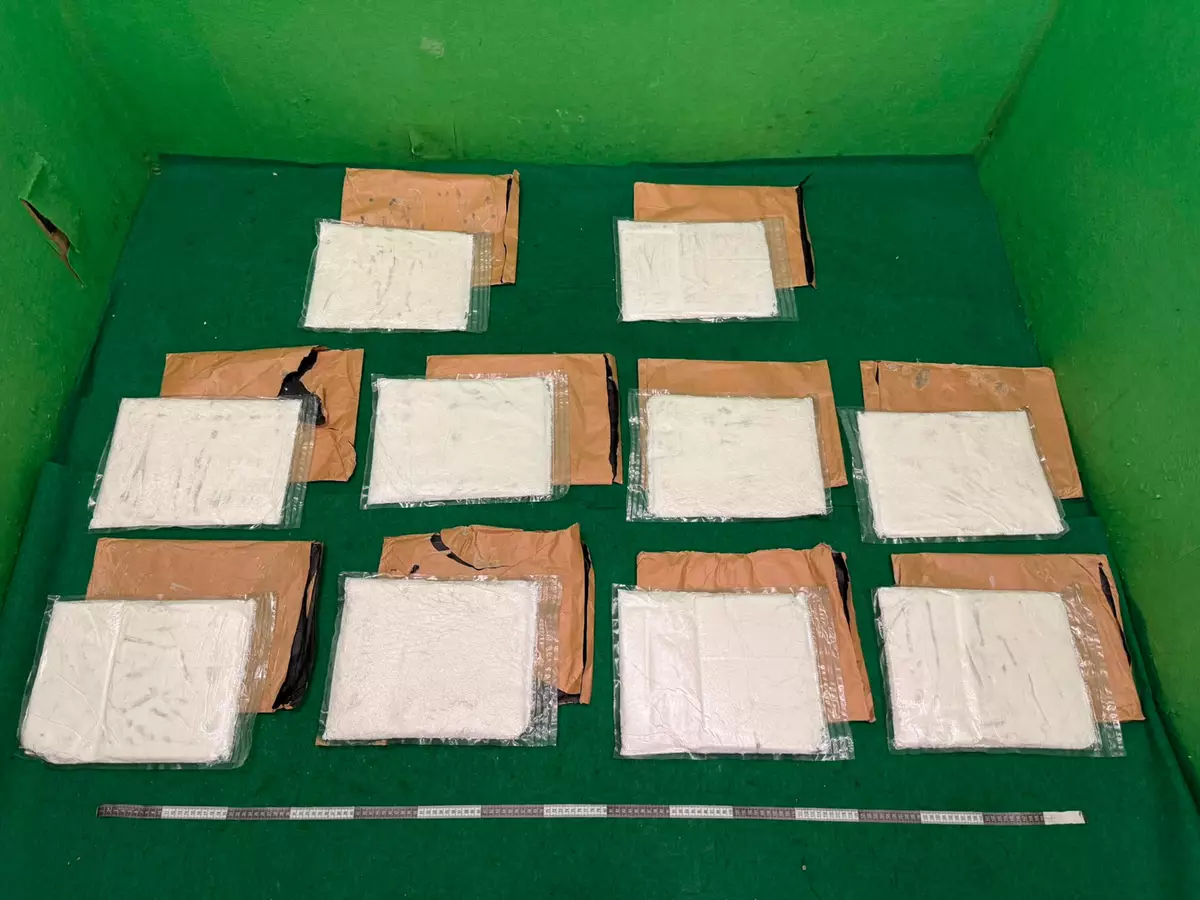
Hong Kong Customs detects three drug trafficking cases involving incoming passengers at airport Source: HKSAR Government Press Releases
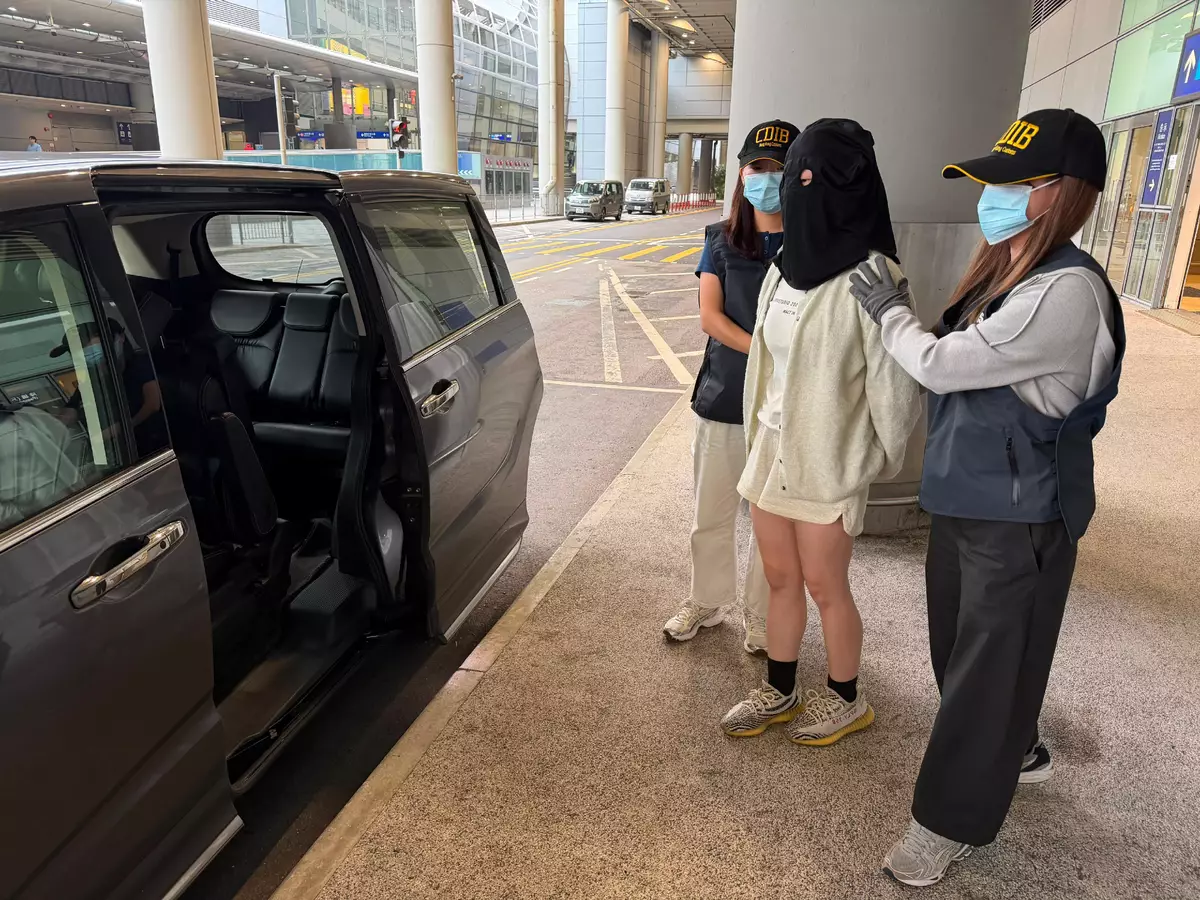
Hong Kong Customs detects three drug trafficking cases involving incoming passengers at airport Source: HKSAR Government Press Releases
Hong Kong Customs detects three drug trafficking cases involving incoming passengers at airport Source: HKSAR Government Press Releases