Multinational executives at the just‑concluded 2026 World Artificial Intelligence Conference (WAIC) in Shanghai reaffirmed China as a leading hub for artificial intelligence (AI) investment, highlighting its complete ecosystem and unmatched industrial base.
The 2026 World AI Conference and High-Level Meeting on Global AI Governance, which ran from Friday to Monday, brought together official representatives, business leaders, scholars and researchers from more than 100 countries and international organizations.
The conference included 140 forum sessions, with a total exhibition area exceeding 100,000 square meters. More than 1,100 enterprises presented over 3,000 products at the event.
First-time participant Achim Peltz, CEO of Digital Industries Automation China of Siemens, said he was impressed by China's complete AI ecosystem and hoped to establish partnerships with local firms for AI manufacturing innovation.
"I have to say it's the first time that I am at this WAIC, and it's very impressive. It's not only impressive because it's an AI exhibition, it's also impressive because you meet here the entire ecosystem. In order to be successful in a very manufacturing-strong country like China, you have to have a local contact, you have to understand the specific needs of manufacturing in China. And therefore, we would like to do this together. We want to do this in a partnership and we want to create real value for the manufacturing industry," Peltz said.
Xiong Yi, senior vice president of Schneider Electric, highlighted China's strong industrial base as a key driver of AI development.
"In AI-related industries, China's supply chain capability is extremely strong, including semiconductors in the upstream and robotics. And in terms of energy facilities tied to our industry, the supply chain and industrial foundation are excellent. China has a strong and resilient grid and distributed energy resources. This power foundation can underpin AI computing and enable the whole ecosystem to work in synergy," Xiong said.
Han Chen, president of ABB Robotics China, cited China's status as the world's leader in industrial robotics, saying the unmatched scale of installations can help accelerate the development of AI models.
"China now has the largest number of installed robots in the world. And Chinese customers are highly receptive to AI and are actively embracing it, which provides us with massive application scenarios that other markets simply cannot match. In this process, vast amounts of data are generated, allowing us to rapidly develop AI models. This is absolutely a globally unique market opportunity," Han said.
Lan Zhenzhen, president of public affairs of L'Oreal North Asia and China, stressed the need of using human creativity to leverage AI technologies.
"We will continue our efforts in this area to make good use of AI and give play to human innovation to integrate the technology into various ecosystems, so that our breakthroughs in local innovation scenarios can improve our services not only for Chinese customers in this market but also for global customers," Lan said.
Miguel Faustino, president of Thermo Fisher China, underscored AI as a strategic priority for investment in China and reaffirmed his firm's enduring presence.
"AI has been identified as one of these really critically important and strategically important areas of investment focus for China. China's innovation ecosystem has also reached a new level of global relevance. We've been in China for over 40 years here and we continue to really invest in and are as committed as we have been," Faustino said.
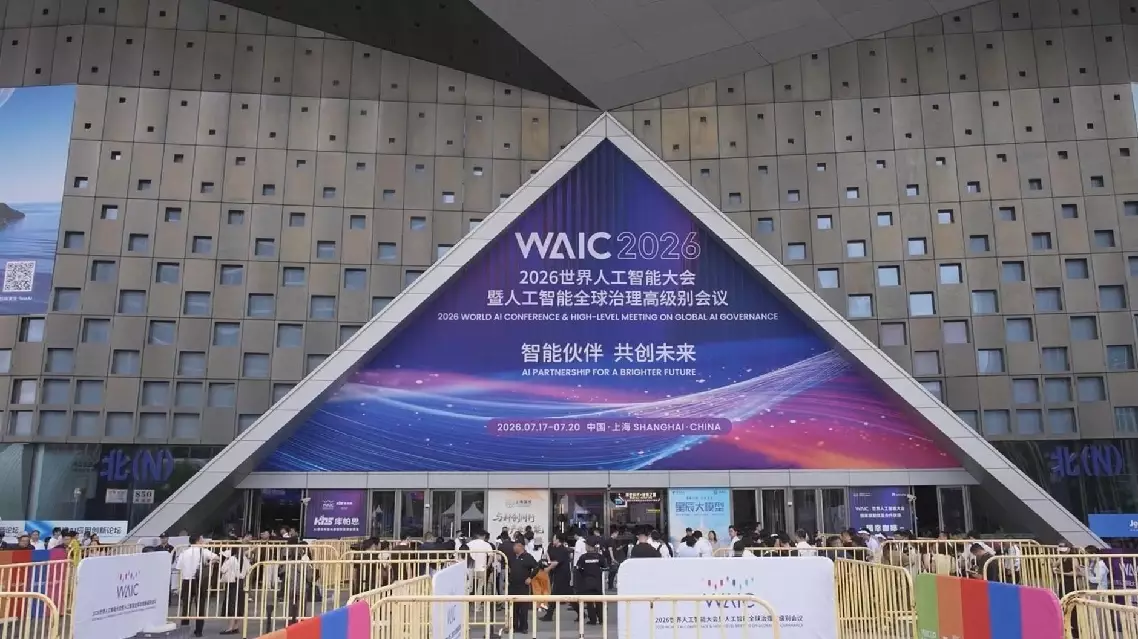
Global firms spotlight China as AI hub at Shanghai conference
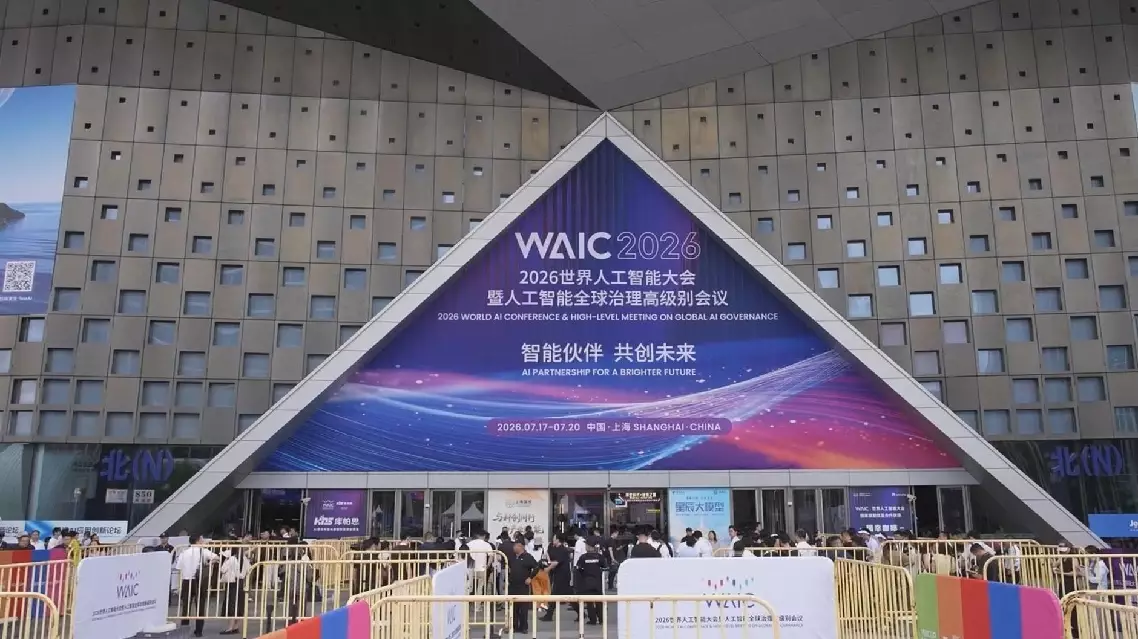
Global firms spotlight China as AI hub at Shanghai conference