Skip to Content Facebook Feature Image

Health Authorities Investigate CPE Cluster Among Elderly Residents in Mong Kok Care Home

HK

Health Authorities Investigate CPE Cluster Among Elderly Residents in Mong Kok Care Home
HK

HK

Health Authorities Investigate CPE Cluster Among Elderly Residents in Mong Kok Care Home

2026-07-21 19:36 Last Updated At:19:48

CHP investigates cluster of Carbapenemase-producing Enterobacteriaceae carrier cases

The Centre for Health Protection (CHP) of the Department of Health is today (July 21) investigating a cluster of Carbapenemase-producing Enterobacteriaceae (CPE) carrier cases involving nine residents of a residential care home for the elderly (RCHE). The CHP reminded all RCHEs to implement measures for the prevention and control of infectious diseases in accordance with theGuidelines on Prevention of Communicable Diseasein RCHEs(the Guidelines).

The CHP received notifications from the Hospital Authority (HA) that nine residents (six males and three females, aged between 76 and 102) living on the same floor of an RCHE in Mong Kok District had been admitted to a public hospital for treatment due to their underlying illnesses in the past two months. Their admission screening samples tested positive for CPE upon laboratory testing. It cannot be ruled out that they were infected at the RCHE before their admission. All patients are carriers, with none of them having exhibited symptoms associated with CPE infection. They are in stable condition.

Following the HA's notifications, the CHP immediately conducted epidemiological investigations and inspected the RCHE concerned. The CHP found that carriers have been detected on the same floor of the RCHE since May this year. The RCHE management had not duly implemented the related infectious disease prevention and control measures, which led to transmission within the RCHE through the staff, contaminated environment or the sharing of items within the facility.

The CHP reminded the RCHE management to strictly adhere to the Guidelines, thoroughly clean and disinfect the environment, and ensure good hand hygiene among staff and residents. The CHP also recommended that the RCHE cohort the carriers in the same area and provide adequate hand-washing facilities.

The CHP will continue to investigate the cluster of cases and conduct screening at the RCHE concerned to determine whether there are any other CPE-carriers. The CHP will also continue to put the RCHE under medical surveillance.

Enterobacteriaceae (such as Escherichia coli andKlebsiella) are common pathogens that can cause infections in various parts of the body, including urinary tract infections, intra-abdominal infections or blood infection. CPE are enterobacteriaceae that produce carbapenemase, an enzyme that can deactivate carbapenems and other beta-lactam antibiotics such as penicillins. These bacteria are commonly resistant to multiple antibiotics, limiting therapeutic options, and may render severe clinical infections difficult to treat. The range of diseases associated with CPE varies from asymptomatic carriage to potentially life-threatening or fatal infections. The level of risk depends on which part of the body is affected by the infection and the patient's general health.

The proper use of antibiotics and maintaining good personal and environmental hygiene, especially hand hygiene, are important for preventing the emergence and cross-transmission of multi-drug resistant organisms (MDROs), such as CPE. In addition, susceptible individuals such as the elderly, infants, young children, people with weakened immunity and pregnant women can reduce their risk of contracting MDROs by avoiding raw or undercooked foods.

Source: AI-found images

Source: AI-found images

FEHD cracks down on illegal sale of food by unlicensed hawkers

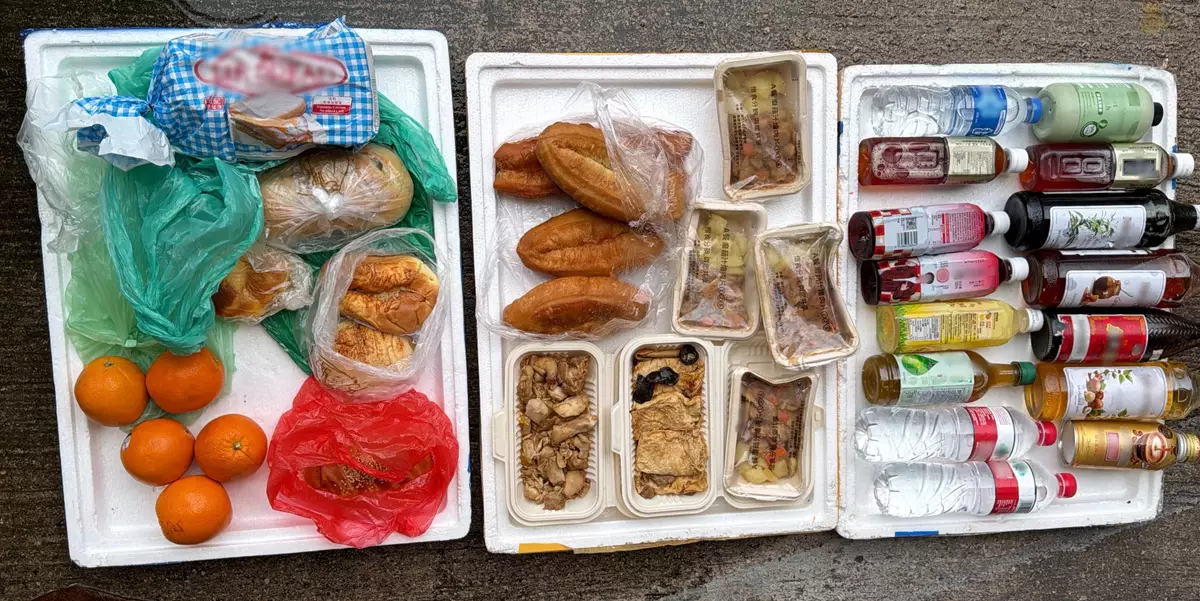
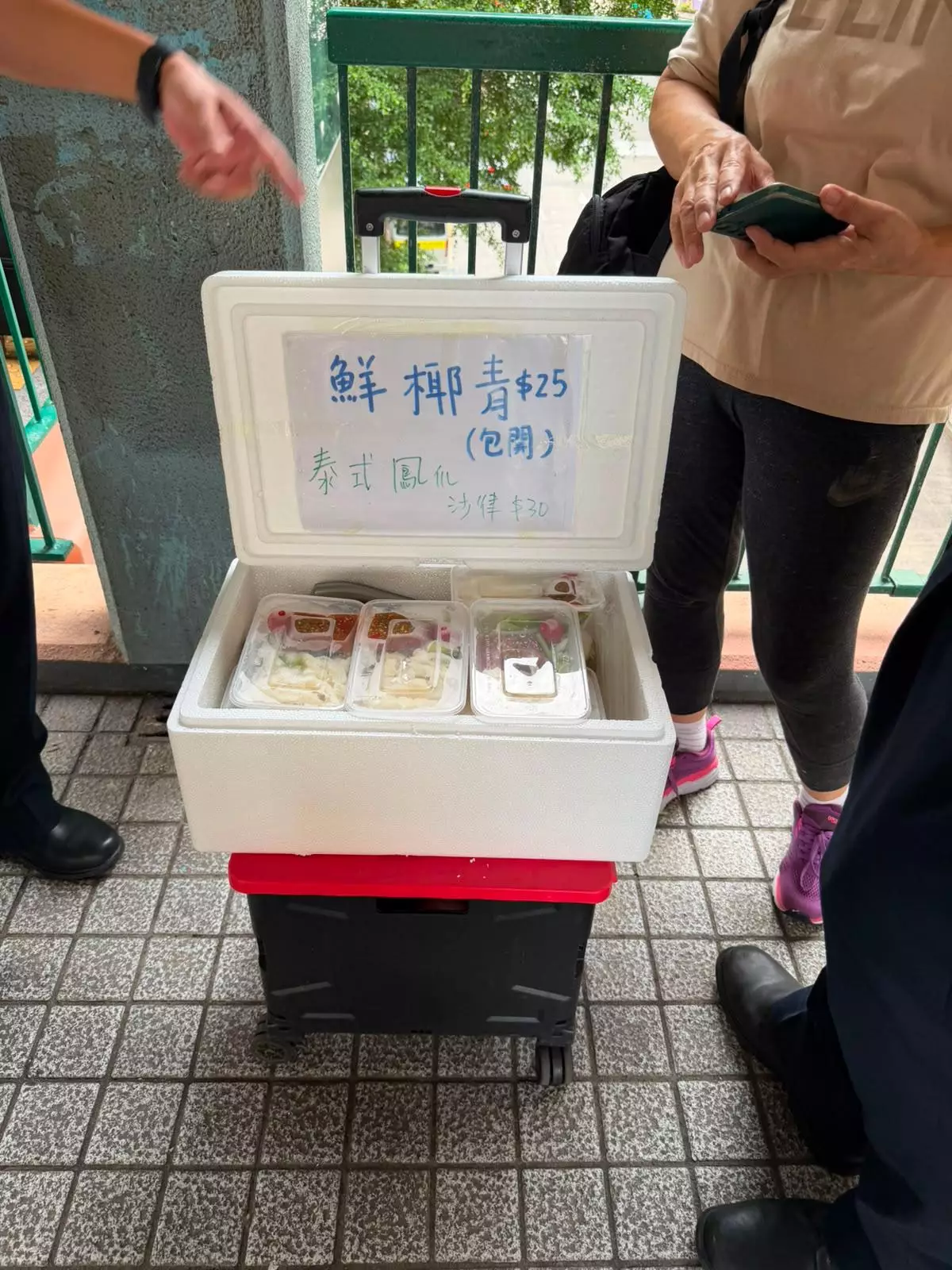
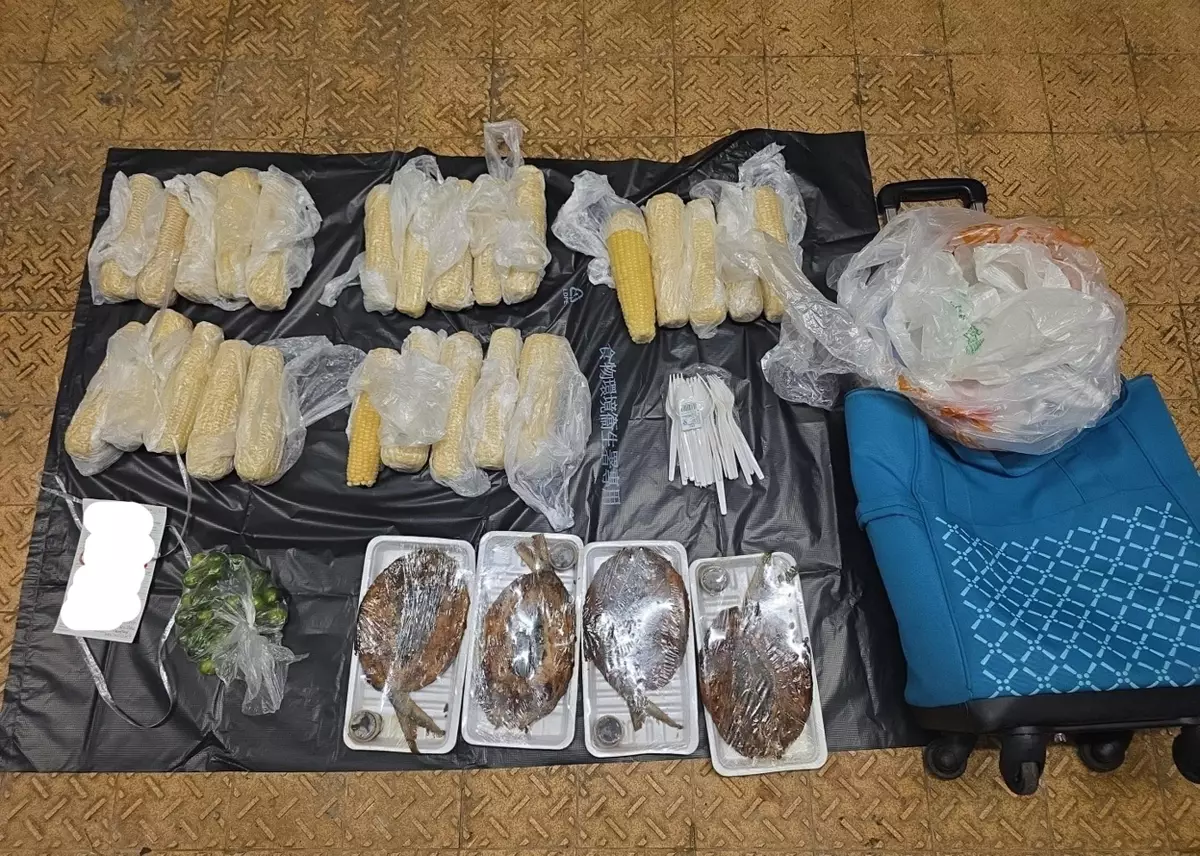
A spokesman for the Food and Environmental Hygiene Department (FEHD) said today (July 21) that in hot and humid weather, food is susceptible to spoilage and the growth of harmful bacteria. In view of the public health risks posed by illegal hawking of food from unknown sources, expired food, restricted food, or improperly stored food, the FEHD has been conducting an intelligence-led operation codenamed "Dawn Net" across the territory since July 17. The operation aims to take targeted enforcement actions at high-risk locations to resolutely combat the illegal sale of high-risk food items and food from unknown sources, so as to safeguard food safety.

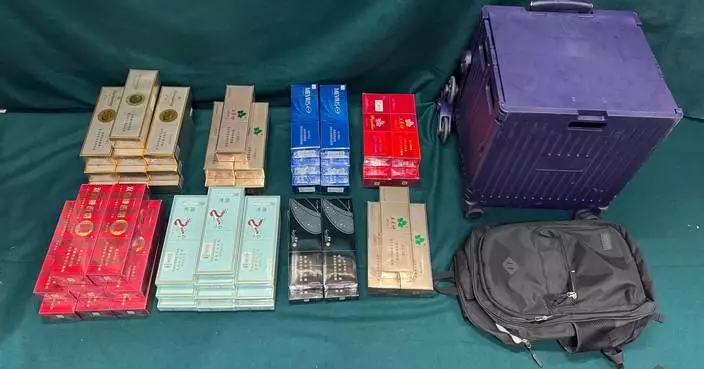
As of yesterday (July 20), the FEHD had arrested six persons suspected of illegal hawking and causing obstruction in public places, and seized a total of about 260 kilograms of food items, including cooked food, lunch boxes, bread, beverages, and expired food. The operation will continue in order to safeguard public hygiene.

The FEHD has long adopted a reasonable and compassionate approach to handling unlicensed hawkers, exercising discretion towards elderly or disabled hawkers. However, to safeguard food safety and public health, if the sale of cooked food, food from unknown sources, expired food, prohibited or restricted high-risk food is involved, the department will adopt a "zero-tolerance" approach, including immediate arrests without prior warning.

According to the Public Health and Municipal Services Ordinance (Cap. 132), no person shall hawk in any street unless he or she holds a valid hawker licence issued by the FEHD. Offenders are liable to a maximum penalty of a fine of $5,000 and one month's imprisonment for a first conviction, and a fine of $10,000 and six months' imprisonment for a subsequent conviction. If unlicensed hawking activities also cause obstruction to passageways, law enforcement officers may institute additional prosecutions against offenders who cause obstruction by placing articles in public places under the Summary Offences Ordinance (Cap. 228), which carries a maximum fine of $25,000 or three months' imprisonment. In addition, any person who sells restricted food (including frozen meat, sashimi, and sushi) without permission commits an offence and is liable upon conviction to a maximum fine of $50,000 and six months' imprisonment.

The FEHD reaffirms its commitment to continue stepping up enforcement against unlicensed hawking activities, particularly illegal acts involving the sale of food . The department calls on members of the public not to patronise unlicensed hawkers and to report any suspicious activities immediately, so as to jointly safeguard food safety and environmental hygiene.

FEHD cracks down on illegal sale of food by unlicensed hawkers Source: HKSAR Government Press Releases

FEHD cracks down on illegal sale of food by unlicensed hawkers Source: HKSAR Government Press Releases

FEHD cracks down on illegal sale of food by unlicensed hawkers Source: HKSAR Government Press Releases

FEHD cracks down on illegal sale of food by unlicensed hawkers Source: HKSAR Government Press Releases

FEHD cracks down on illegal sale of food by unlicensed hawkers Source: HKSAR Government Press Releases

FEHD cracks down on illegal sale of food by unlicensed hawkers Source: HKSAR Government Press Releases

Recommended Articles