DENVER--(BUSINESS WIRE)--Jul 21, 2026--
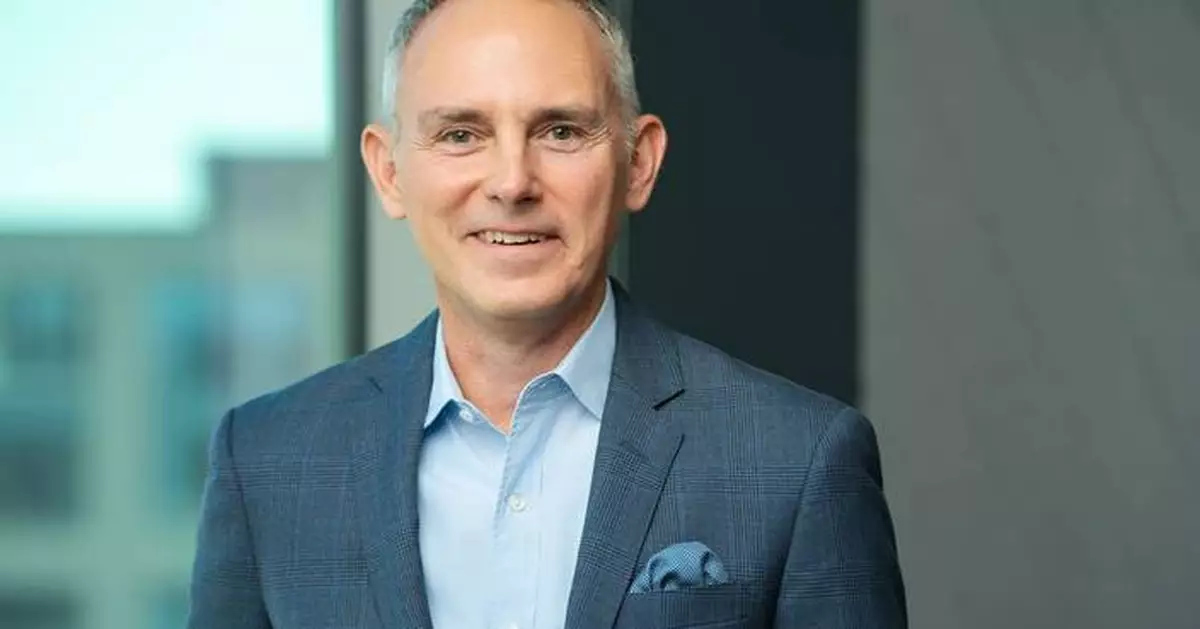
Vantage Data Centers, a leading global provider of hyperscale data center campuses, today announced the appointment of Ed Harnaga as chief marketing and communications officer. Reporting to Jeff Tench, executive vice president, Harnaga will lead Vantage’s global marketing and communications organization, with responsibility for brand strategy, corporate reputation, public relations, executive communications and regional marketing across North America, EMEA and Asia Pacific.
This press release features multimedia. View the full release here: https://www.businesswire.com/news/home/20260721605988/en/
Harnaga joins Vantage at a pivotal moment as global demand for AI and cloud infrastructure continues to accelerate and customers increasingly require trusted partners capable of delivering capacity at speed and scale. In this role, he will work closely with Vantage’s sales, public policy, sustainability, product and executive leadership teams to strengthen the company’s market position, support customer growth and advance its global brand.
“Ed brings the strategic perspective, leadership experience and communications expertise needed to help shape Vantage’s next phase of growth,” said Tench. “He has a proven track record of building world-class brands, advising executive teams and strengthening corporate reputation at global organizations. His leadership will be instrumental as we continue to scale our platform and deepen our role as a trusted infrastructure partner for the world’s leading AI and cloud companies.”
Harnaga joins Vantage from Pfizer, where he most recently served as senior vice president and chief communications officer, leading the company’s global communications organization across corporate reputation, media relations, executive communications, digital and social media, branding and stakeholder engagement. During his tenure, he led Pfizer’s first corporate rebrand in more than 75 years, directed global communications throughout the company’s historic COVID-19 response and helped reposition Pfizer as one of the world’s leading science-driven organizations.
Previously, Harnaga held senior leadership roles at FTI Consulting and Ruder Finn, advising Fortune 500 companies on corporate reputation, executive communications, public affairs and brand strategy. Across more than 30 years, he has counseled executives through business transformations, corporate transactions, public policy matters and high-profile communications challenges across the healthcare, technology and consumer sectors.
“Vantage is helping power the next era of AI and cloud innovation, and I’m thrilled to join the company at such an important moment,” said Harnaga. “Vantage has earned a strong reputation for operational excellence, customer partnerships and responsible growth. I look forward to working with the team to strengthen our global brand and tell the stories of the customers, people and innovations driving the company forward, as well as the positive impact Vantage is making in the communities where it operates.”
About Vantage Data Centers
Vantage Data Centers is a global provider of digital infrastructure serving AI and cloud innovators. With operations spanning North America, EMEA and Asia Pacific, Vantage delivers capacity at speed and scale, driven by a commitment to operational excellence and customer success. Vantage is empowering transformative companies to shape the future.
For more information, visit http://www.vantage-dc.com.
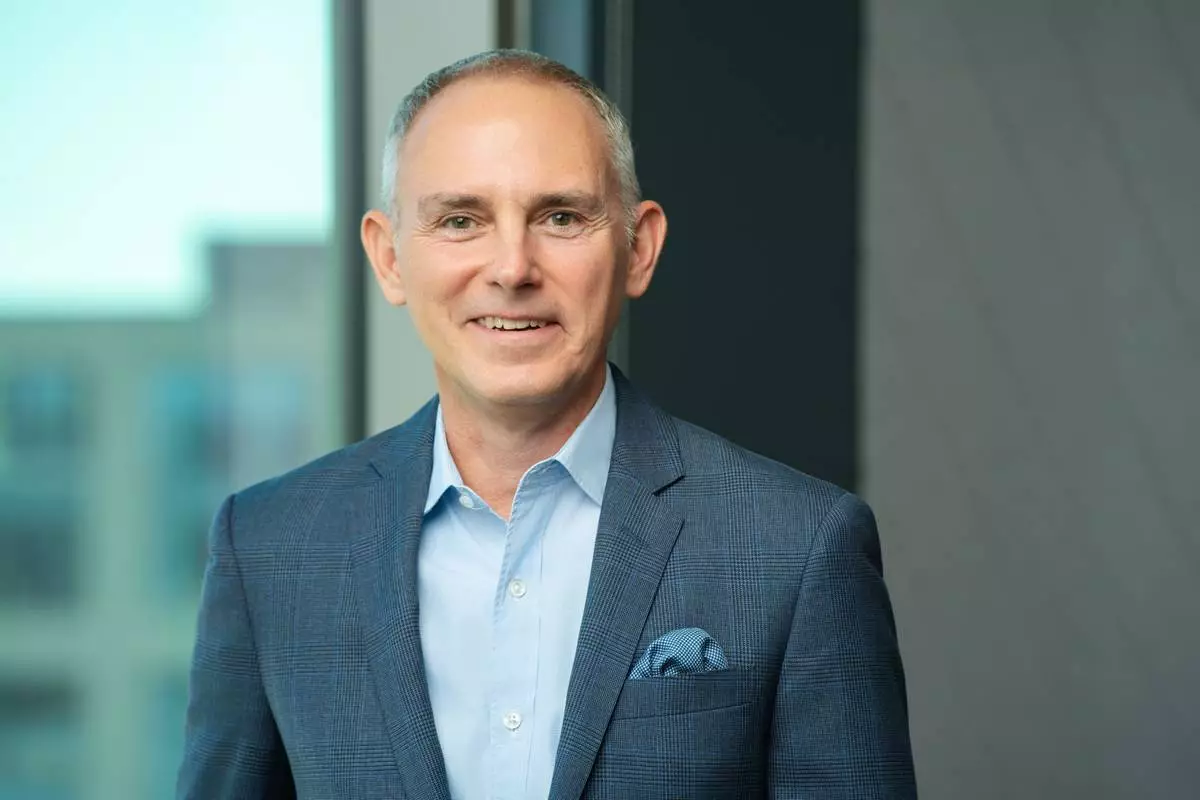
Vantage Data Centers appoints Ed Harnaga global chief marketing and communications officer.
The Trump administration on Tuesday said it was deferring more than $1 billion in Medicaid payments to Minnesota and California because of “suspected fraud and noncompliance,” the latest in a series of punitive steps it has linked to allegations of fraud in mostly Democratic-led states.
Health Secretary Robert F. Kennedy Jr. said the new actions — which come after previously announced Medicaid funding deferrals in those states — are part of the administration's strategy to “stop the fraud before it happens” rather than claw back problematic spending after bad actors are prosecuted, as previous administrations had done.
“We have a duty to stop the payments, demand answers and then follow the evidence wherever it leads,” Kennedy told a news conference.
The tactic is part of the administration’s sweeping campaign to show it’s cracking down on fraud and saving taxpayers money when rising healthcare costs and other economic stressors have made affordability a top voter issue in November’s midterm elections.
In March, Vice President JD Vance launched a new anti-fraud task force at the request of President Donald Trump, bringing together officials from various departments to use data and technology to identify and investigate suspected wrongful use of federal dollars.
But the federal government hasn't provided “data or explanation on how the deferral amount was calculated or what it was based on” to Minnesota, said John Connolly, the temporary commissioner and state Medicaid director for Minnesota's Department of Human Services.
“Today's actions show that the federal government is acting again in unprecedented and punitive ways as part of their war on Medicaid and its recipients,” he said in a statement. “Partnership — not politics — is required to stop criminals and protect services for the people who need them.”
Minnesota’s Democratic Gov. Tim Walz suggested the Republican administration was deferring the funds to pay for Trump’s tax cuts to wealthy Americans. California’s Democratic Gov. Gavin Newsom accused the administration of targeting it for political reasons.
The Trump administration intensified anti-immigration efforts in Minnesota earlier this year, sending in a robust force of Immigration and Customs Enforcement officers whose actions there caused weeks of counterprotests and included the shooting deaths of two civilians. Trump himself has frequently denounced California as a badly governed state.
The strategy has led to some false starts and headaches for states.
In April, for example, the Centers for Medicare & Medicaid Services acknowledged to The Associated Press it made a significant error in figures it used to help justify a fraud probe in New York. Last month, California's Medicaid director told a congressional committee that CMS had not yet provided “any instances of fraud, waste or abuse” to the state in its justification of a $1.3 billion Medicaid funding deferral announced in May.
And in Minnesota, state officials have been executing a thorough corrective action plan to defray CMS concerns that have led the agency to defer some $260 million in federal money and to threaten future cuts.
“We have cooperated in good faith and proactively engaged the Centers for Medicare and Medicaid Services to first raise the alarm on fraud in Minnesota’s Medicaid program, to effectively investigate fraud and to institute further safeguards against future misuse of funds,” Connolly said.
Kennedy didn't specify in Tuesday's announcement whether the new deferrals — $867.5 million in federal Medicaid payments to California and $199 million to Minnesota — are in addition to, or overlap with, earlier deferrals announced this year.
CMS Administrator Dr. Mehmet Oz didn't provide concrete examples of fraud in the two states in justifying the deferrals. He did mention some patterns the agency noticed that it found questionable, including that some providers were billing for four or more patients at the same time, or billing after the date of a Medicaid beneficiary's death.
Oz also highlighted a fast rate of growth in California's home care program as a reason for concern. California officials have disputed that idea, explaining that the state's home care program has grown because of an intentional strategy to keep people out of more expensive nursing homes.
Kennedy and Oz said states could restart the flow of federal funding by providing documentation proving the payments in question were legitimate.
A representative for California's Medicaid program didn't immediately respond to a request for comment. Officials in the state have previously acknowledged they are working with the federal government to provide the requested information.
Oz said Minnesota had already returned documents to the federal government and they were being “reevaluated very carefully.”
Kennedy also suggested Tuesday that he would extend the power to exclude providers from Medicaid, Medicare and other federal health programs to CMS. In the past, that authority has rested solely with his department’s Office of the Inspector General.
“This is going to be a full force multiplier,” HHS Inspector General Thomas March Bell told a news conference. “It's going to create additional momentum, and it's going to exclude additional bad actors.”
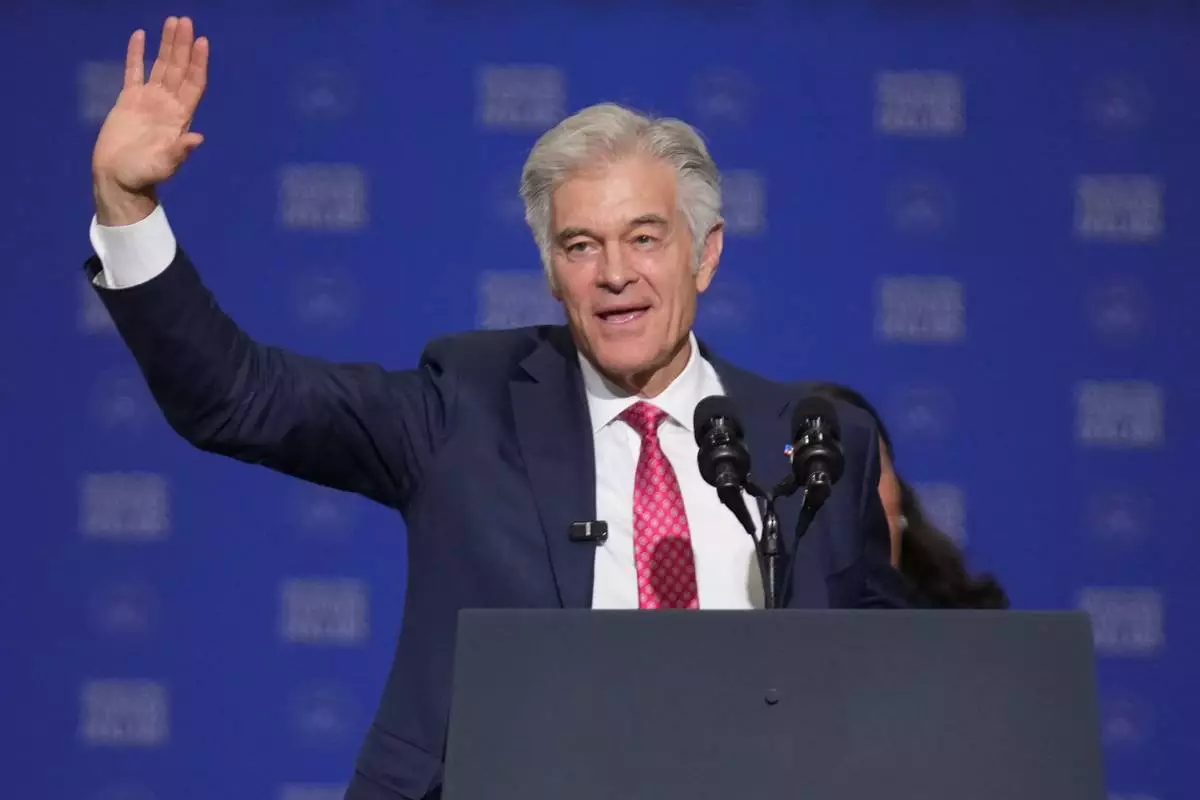
Centers for Medicare & Medicaid Services administrator Dr. Mehmet Oz speaks before Vice President JD Vance at the Wisconsin Air National Guard facility at Milwaukee Mitchell International Airport, Wednesday, July 8, 2026, in Milwaukee. (AP Photo/Mark Schiefelbein, Pool)
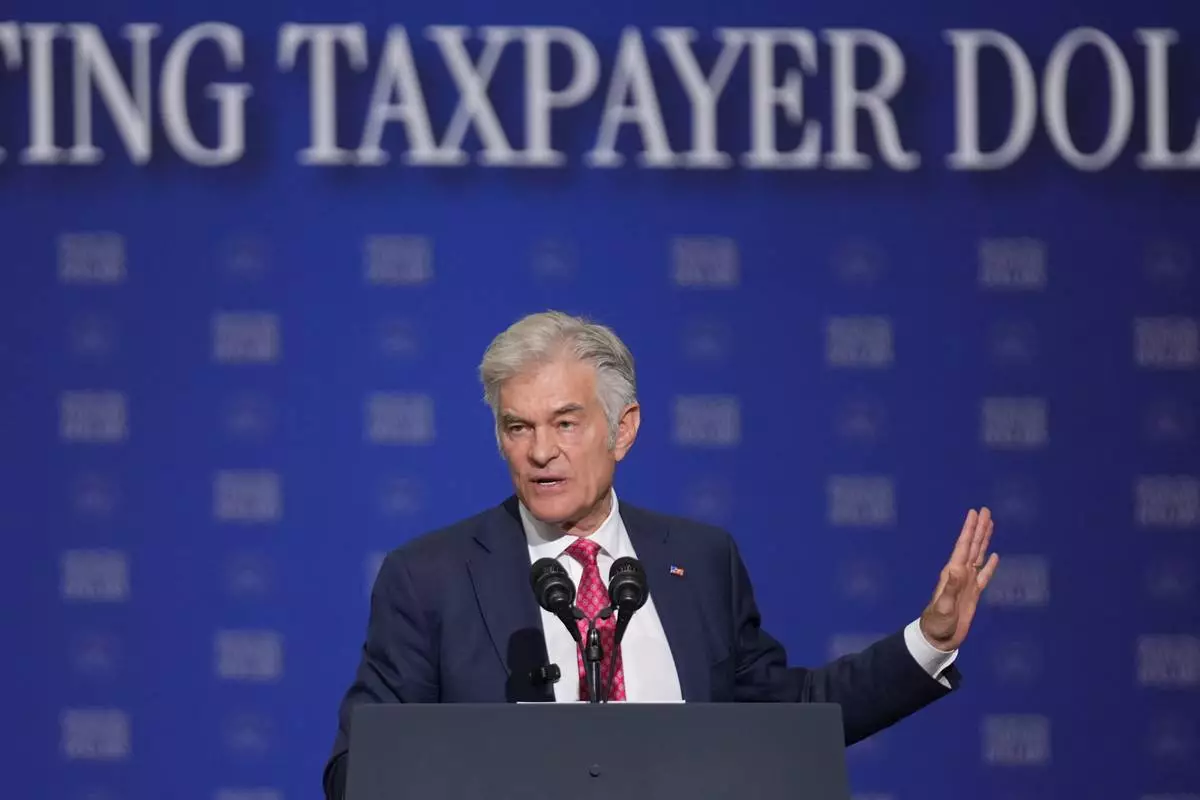
Centers for Medicare & Medicaid Services administrator Dr. Mehmet Oz speaks before Vice President JD Vance at the Wisconsin Air National Guard facility at Milwaukee Mitchell International Airport, Wednesday, July 8, 2026, in Milwaukee. (AP Photo/Mark Schiefelbein, Pool)