KYIV, Ukraine (AP) — President Volodymyr Zelenskyy on Tuesday fired Gen. Oleksandr Syrskyi as commander-in-chief of Ukraine’s armed forces and named his replacement, following days of mass protests in Kyiv, the country's capital, and other cities across the nation demanding his removal.
It was the second major change Zelenskyy has made under street pressure, after protests last summer forced him to undo a law weakening Ukraine’s anti-corruption watchdogs.
Click to Gallery
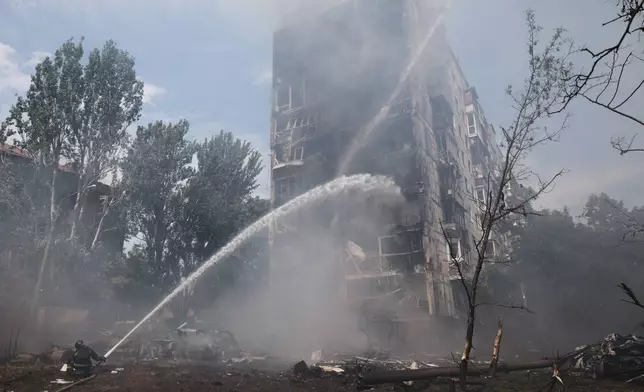
Rescue workers try to put out a fire of a residential building burning after a Russian air guided bomb strike in Zaporizhzhia, Ukraine, Tuesday, July 21, 2026. (AP Photo/Kateryna Klochko)
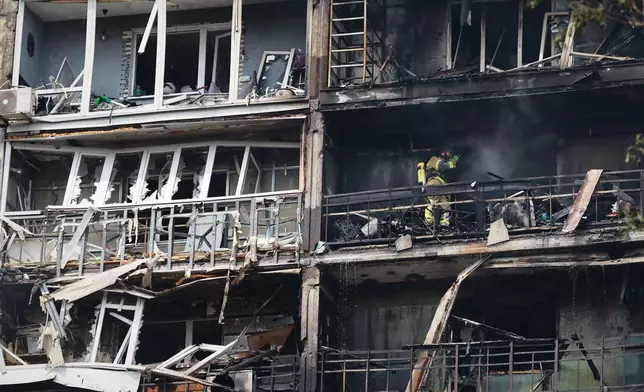
Rescuers work at the damaged apartment building following a Russian air guided bomb strike in Zaporizhzhia, Ukraine, Tuesday, July 21, 2026. (AP Photo/Kateryna Klochko)
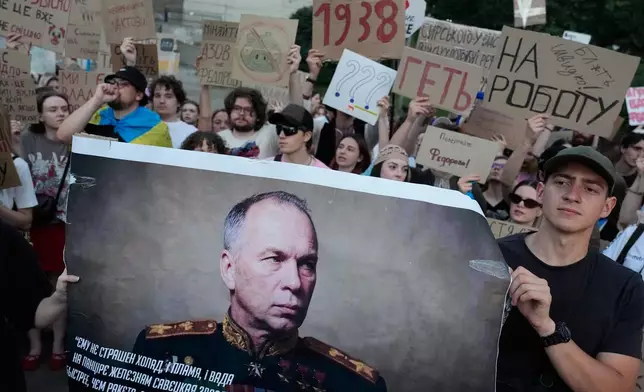
Activists hold a portrait of Ukraine's Armed Forces Commander-in-Chief Oleksandr Syrskyi demanding his resignation during a rally to denounce President Volodymyr Zelenskyy's decision to dismiss Defense Minister Mykhailo Fedorov after six months in the post, in Kyiv, Ukraine, Saturday, July 18, 2026. (AP Photo/Efrem Lukatsky)
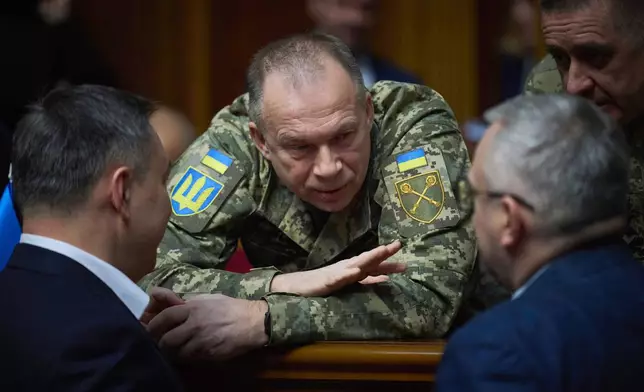
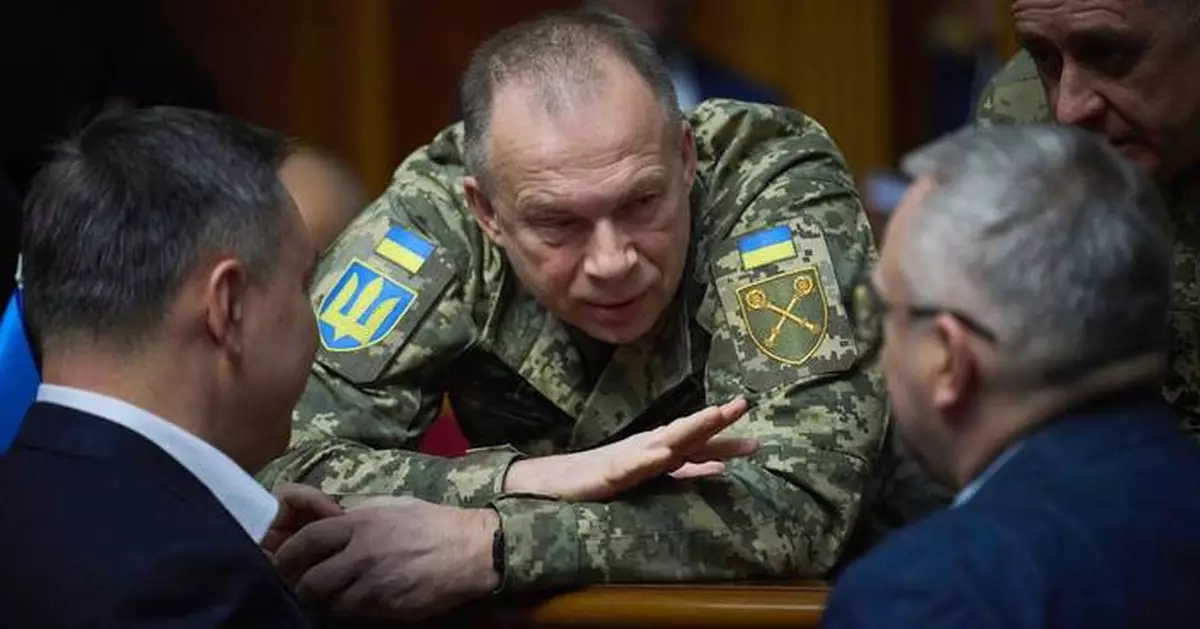
FILE - In this photo provided by the Press Service Of The President Of Ukraine on Nov. 19, 2024, Gen. Oleksandr Syrskyi speaks to parliamentarians at Verkhovna Rada in Kyiv, Ukraine. (Press Service Of The President Of Ukraine via AP, File)
Zelenskyy appointed Mykhailo Drapatyi as the new army chief, according to a statement on social media. “Our shared wish is one — victory over the enemy and conditions at the front and in pressure on Russia that would force Russia toward peace,” Zelenskyy said.
The Ukrainian leader said he made the decision after a series of meetings with military commanders. They began shortly after protests broke out demanding the reinstatement of former Defense Minister Mykhailo Fedorov, seen by demonstrators as a driver of military modernization, and the removal of Syrskyi, who they said embodied the army’s old, Soviet-style command culture.
Zelenskyy thanked Syrskyi for his achievements in Ukraine's fight against Russia and praised him for the defense of Kyiv and for operations in Kharkiv and Kursk.
“I am grateful to Oleksandr Syrskyi and to every one of our warriors for Ukraine’s strong front-line positions,” he said. “I am grateful to Mykhailo Drapatyi for holding that same view.”
Drapatyi wrote in a Facebook post that serving Ukraine "has always been an honor for me, and during this war for independence, it means absolute responsibility.” He thanked Syrskyi for his consistent work strengthening the Ukrainian military.
“I grew up in it,” he added, referring to the army. “I will work responsibly, with focus and with respect for the people defending our state today.”
Zelenskyy said Drapatyi and other commanders must present an updated defense strategy, including continued reform of the corps system, faster weapons and drone deliveries, stronger air defense against Russian strikes and a clearer mobilization plan.
Zelenskyy met separately with Fedorov on Tuesday and offered him what he called a respected position in the government that would unify the country’s technology sector. It wasn't clear if Fedorov accepted the offer — or whether the latest moves would satisfy protesters and calm the streets.
Fedorov congratulated Drapatyi, calling the appointment “new hope in the fight of free people for freedom and justice” and “a voice for change that could not go unheard.”
Fedorov had criticized Syrskyi publicly before his dismissal, saying the general was blocking his reform efforts and needed to be replaced for Ukraine not to fail in its resistance against Russia. He said Ukrainians’ high expectations must now be met with a clear vision for ending the war, decisive action to preserve soldiers’ lives, expand robotic warfare at the front, strike asymmetrically and exhaust Russia’s economy.
Fedorov called Syrskyi to thank him for defending the Kyiv region, the Kharkiv operation and other battles, calling it “already an important part of Ukraine’s history” but adding that the country must “move even faster and write new chapters, correcting all previous mistakes.”
The crisis began last Thursday, when Zelenskyy overhauled his wartime government, replacing his prime minister and firing Mykhailo Fedorov as defense minister after just six months in the post.
Zelenskyy cited an unworkable rift between Fedorov and Syrskyi, telling reporters that as the two couldn’t resolve their dispute, he would “have to resolve it.”
Following his dismissal, Fedorov publicly accused Syrskyi of blocking military reforms and fostering a top-down command culture, criticism that echoed complaints from soldiers and veterans over heavy casualties in costly front-line assaults.
The reshuffle immediately drew thousands of protesters into the streets of Kyiv and other cities, framing Fedorov’s removal as Zelenskyy siding with an entrenched military old guard over a reformer.
The backlash promptly spread to inside the military: the Air Force’s deputy commander resigned in protest, warning the move would weaken Ukraine’s air defenses; veterans and soldiers on leave joined the protests in Kyiv and other cities, and numerous public figures among soldiers spoke out publicly against Syrskyi on social media.
Syrskyi has long been associated with a Soviet-style, top-down command culture, and many protesters said they wanted a new generation of generals who would place a higher priority on preserving soldiers’ lives.
Within the military, Syrskyi has earned the gruesome nickname of “Butcher,” which particularly spread during his command of the defense of Bakhmut, one of the war’s longest and costliest battles.
His already precarious public standing eroded further after Ukrainian outlet Babel published an investigation in June detailing allegations of abuse within the Skelia assault regiment, a unit closely associated with Syrskyi that has reportedly suffered higher-than-average battlefield losses. The investigation documented dozens of deaths among recruits.
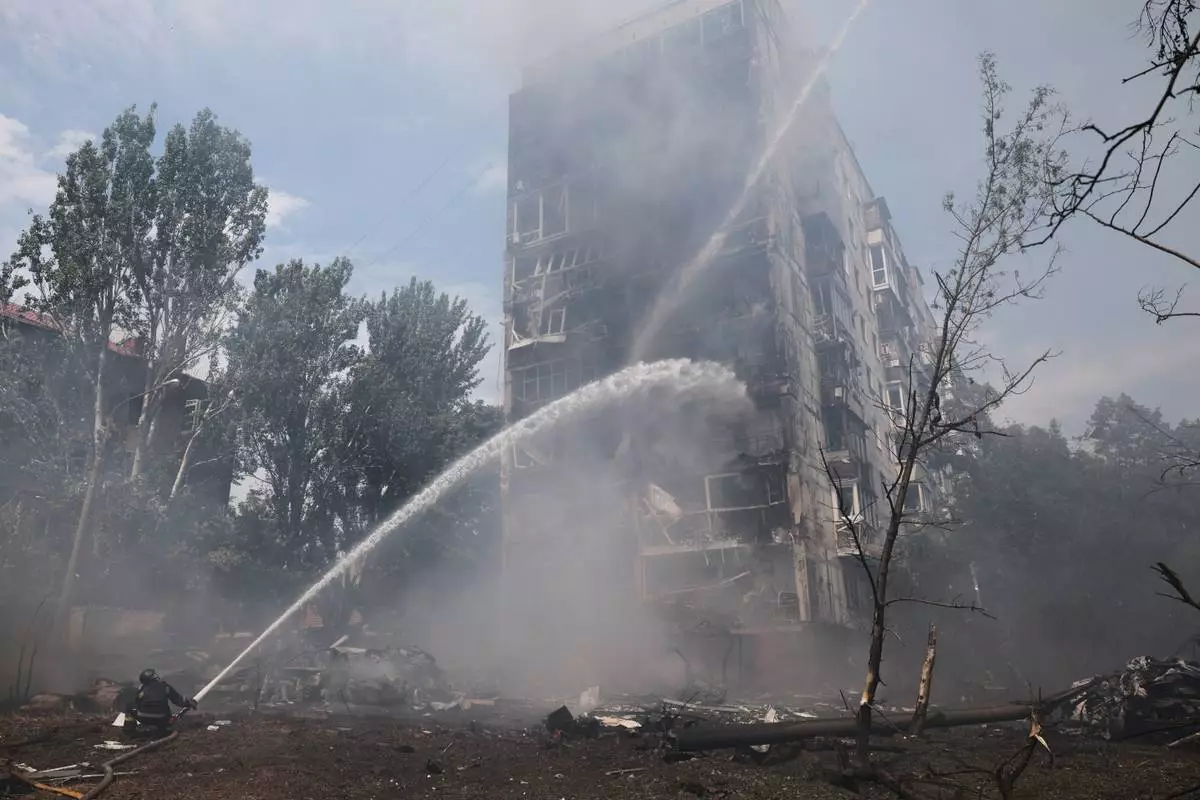
Rescue workers try to put out a fire of a residential building burning after a Russian air guided bomb strike in Zaporizhzhia, Ukraine, Tuesday, July 21, 2026. (AP Photo/Kateryna Klochko)
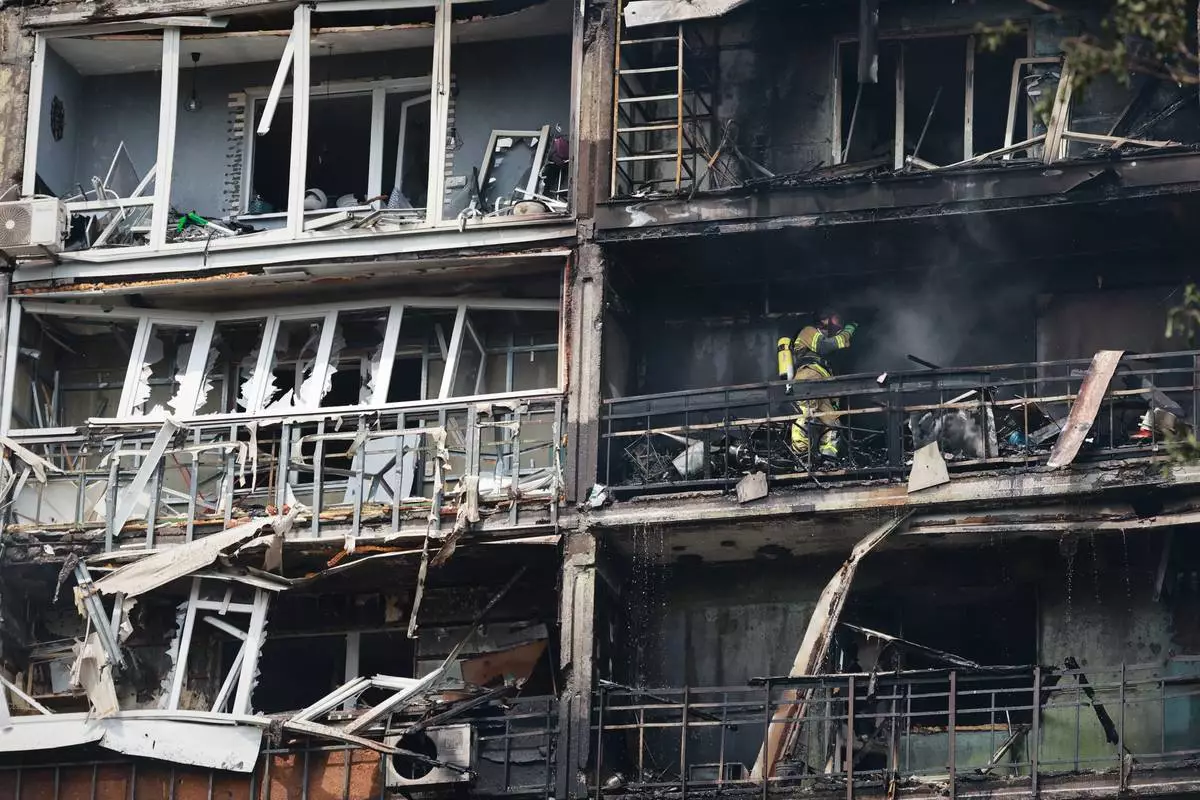
Rescuers work at the damaged apartment building following a Russian air guided bomb strike in Zaporizhzhia, Ukraine, Tuesday, July 21, 2026. (AP Photo/Kateryna Klochko)
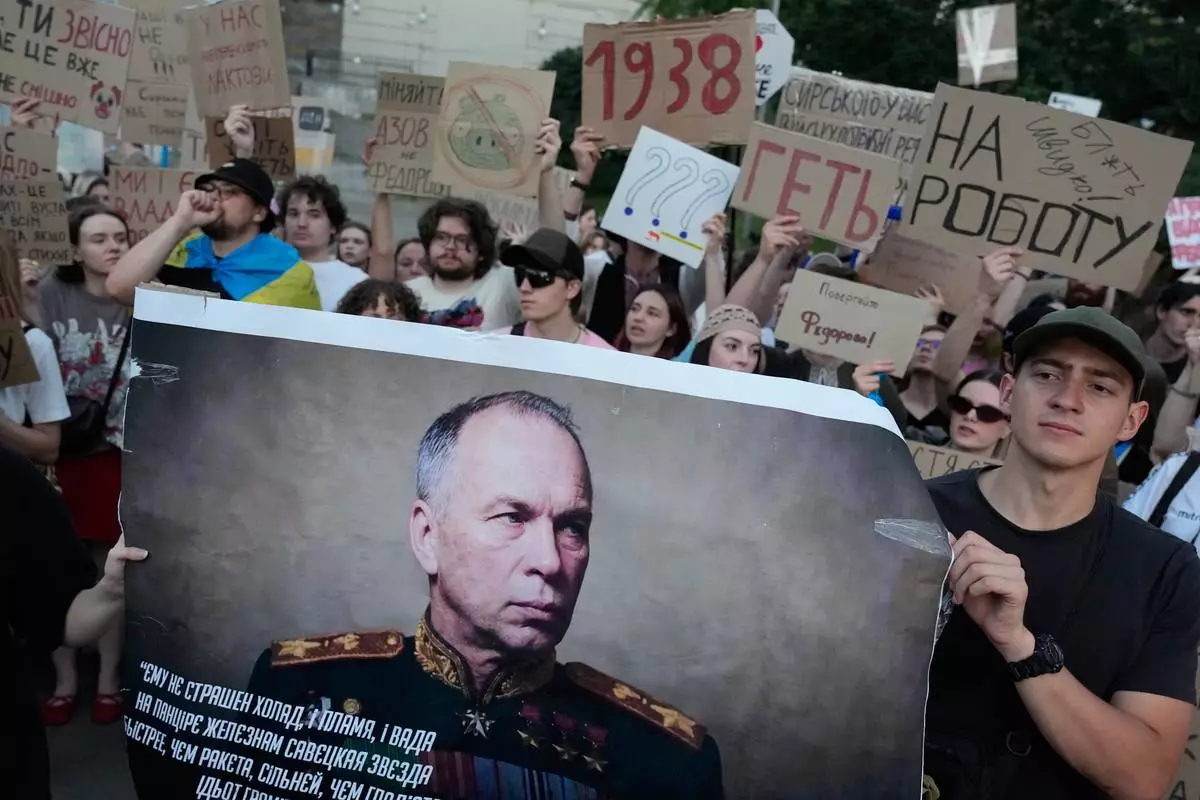
Activists hold a portrait of Ukraine's Armed Forces Commander-in-Chief Oleksandr Syrskyi demanding his resignation during a rally to denounce President Volodymyr Zelenskyy's decision to dismiss Defense Minister Mykhailo Fedorov after six months in the post, in Kyiv, Ukraine, Saturday, July 18, 2026. (AP Photo/Efrem Lukatsky)
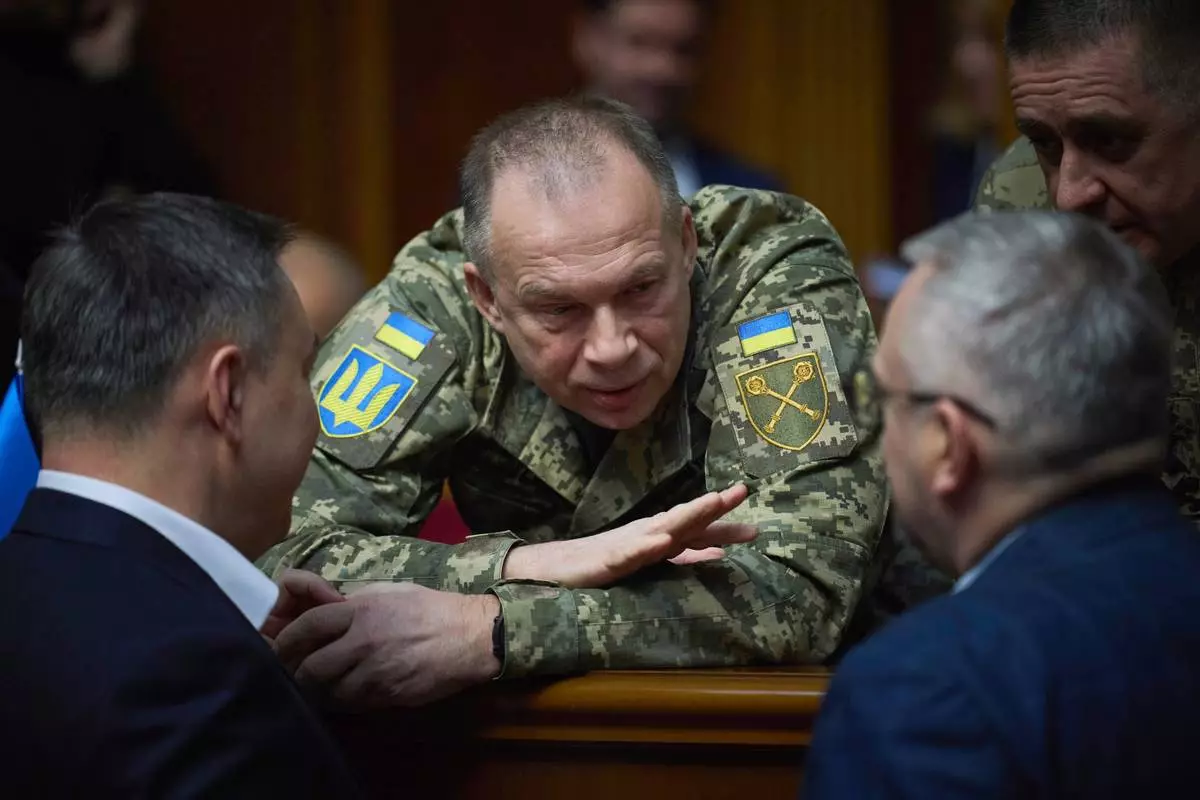
FILE - In this photo provided by the Press Service Of The President Of Ukraine on Nov. 19, 2024, Gen. Oleksandr Syrskyi speaks to parliamentarians at Verkhovna Rada in Kyiv, Ukraine. (Press Service Of The President Of Ukraine via AP, File)