The Ministry of Industry and Information Technology issued a circular on the construction of national zero-carbon factories on Wednesday, aiming to push the development of zero-carbon factories and zero-carbon computing facilities.
Zero-carbon factory development refers to a process in which factories continuously reduce carbon dioxide emissions within their premises and gradually move toward near-zero levels through emissions-cutting measures by technological innovation, structural adjustment and management optimization.
According to the document, manufacturing enterprises and computing facilities which possess a solid foundation for construction, have clear construction goals and implementation pathways, and are committed to achieving their construction goals within the stipulated time frame will be selected on a merit basis to be included in the national zero-carbon factory construction list.
Three evaluation indicators have been established: carbon emissions per unit of energy consumption, proportion of non-fossil energy consumption, and proportion of physically verified non-fossil energy electricity consumption.
Applicants must meet the basic requirements for these core indicators and meet the target requirements for these indicators within the construction period.
Moving forward, the ministry will advance the development and cultivation of national zero-carbon factories, promote the establishment of an industrial ecosystem for zero-carbon factory construction encompassing energy supply, technology research and development, standard-setting, and financial support and enhance the industry's competitive edge in low-carbon development, said the notice.
According to a guideline issued by five government departments including the Ministry of Industry and Information Technology in January, China will begin selecting a group of zero-carbon factories from 2026 to set benchmarks for wider replication.
The guideline outlined a phased, tiered approach. By 2027, China will foster and build a number of zero-carbon factories in sectors of automobiles, lithium batteries, photovoltaics, electronics and electrical appliances, light industry, machinery and computing power facilities.
By 2030, the initiative will be gradually expanded to industries of steel, nonferrous metals, petrochemicals, building materials and textiles, exploring new pathways for decarbonizing traditional energy-intensive sectors, according to the guideline.
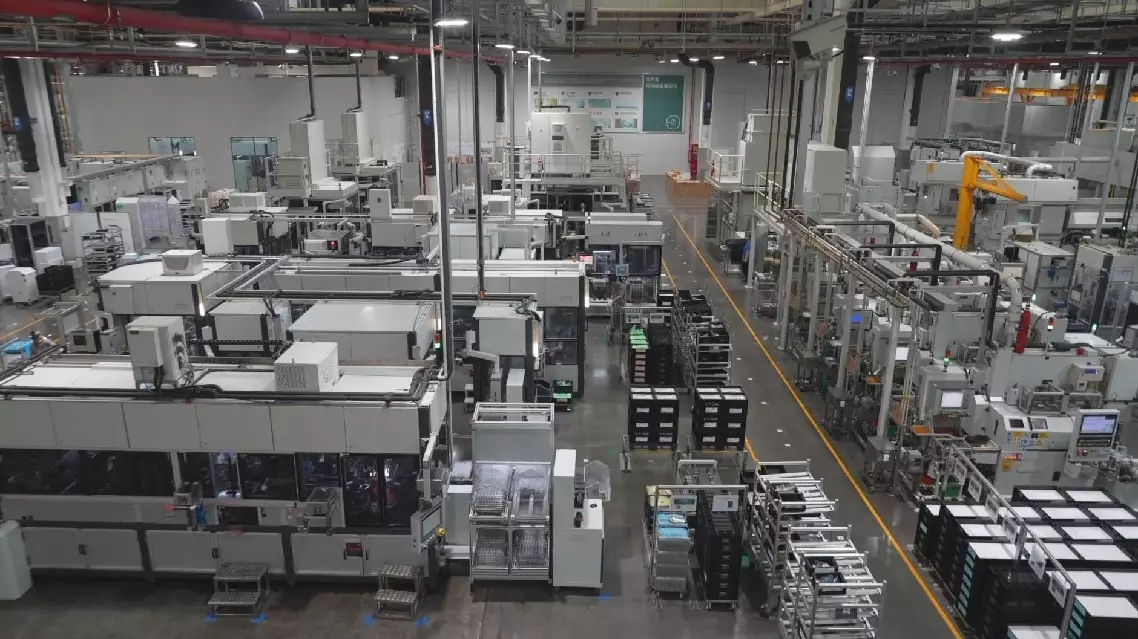
China to build zero-carbon factories, computing facilities
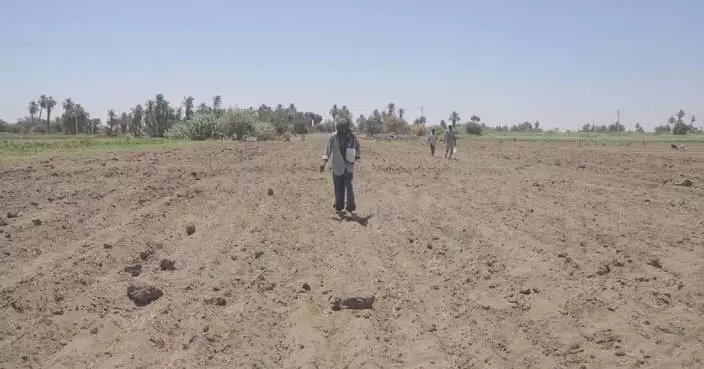
An intense heatwave has gripped Egypt, forcing residents to adopt coping measures while disrupting work schedules, tourism and agriculture across the country.
The soaring summer temperatures have driven many Egyptians to seek relief at Red Sea and Mediterranean beaches, where cold drinks and ice cream offer brief respite from the scorching sun. Vacationer Rania said this year's heat feels harsher than usual, prompting her to adjust daily routines.
"It's always hot in the summer but this year is much worse than before. Most of our outings start in the afternoon till late at night. I drink a lot of water and cold drinks, try to avoid direct sun," said Rania. While many Egyptians seek relief indoors or at the seaside, others must continue working outdoors in temperatures that soar above 45 degrees Celsius.
Among them is Aly, a construction laborer in Alexandria, who says the conditions are exhausting despite shorter hours and extra breaks. "We work eight hours a day. It's exhausting. Now we take more breaks than usual to have a drink, tea, water, but we can't take long breaks as we have to finish tasks every day," said Aly Gamal, a laborer.
The heatwave has forced companies to adjust work schedules, cutting hours and adding safeguards to protect employees from soaring temperatures. "It's a commercial residential compound with 150 laborers working each day from 09:00 to 15:00. Last few years we increased the rest hours during the day, we provide more water, shades and umbrellas to protect them from sun and in many cases we tell them to come to work in the evenings only," said Mohamed Shokr, owner of Construction Company.
The mounting heat is taking a toll not only on daily life but also on Egypt's wider economy, disrupting work, power supply and production. A peak in electricity consumption during the summer season has forced the government to increase imports of expensive oil and gas to keep power stations running. The tourism industry has been hard hit, with bookings dropping sharply at open‑air archeological sites in Luxor, Aswan and Cairo. Meanwhile, unfavorable conditions are weakening harvests of key crops such as wheat, rice, fruits and vegetables.
"Less supply of agricultural products raises food prices, hike inflation and this affects low-income earners. The government increases subsidies to the poor to cover the shortages in supplies and price hikes. In turn lower productivity means less income for the state and this obviously adds more burden on the state budget," said Hossam El-Ghayesh, general manager, Osool Holding Company for Investments. In response, the government has introduced measures to ease the impact of recurring summer heatwaves, from cutting outdoor working hours to expanding renewable energy projects.
"The government is trying to address this issue by cutting working hours for outdoor workers in agriculture and construction. It also reduced office working hours for employees to lower electricity consumption especially ACs. At the same time it is establishing new solar and wind energy projects to avoid dependence on costly fossil fuels," he said.

Egypt heatwave strains workers, disrupts economy