Conviction case of unlicensed operation of "student hostel"
An operator of an unlicensed "student hostel" was convicted today (July 22) at the Kowloon City Magistrates' Courts of contravening the Bedspace Apartments Ordinance (Cap. 447) (the Ordinance).
Officers of the Office of the Licensing Authority (OLA) under the Home Affairs Department (HAD) conducted an inspection in March this year at a premises located in Kowloon Tong, and discovered an unlicensed bedspace apartment equipped with bedspaces being used as sleeping accommodation under rental agreements. After investigation, the OLA obtained sufficient evidence and instituted prosecution. The operator concerned pleaded guilty to operating a bedspace apartment without a certificate of exemption or a licence, in contravention of sections 5(1) and 6(a) of the Ordinance.
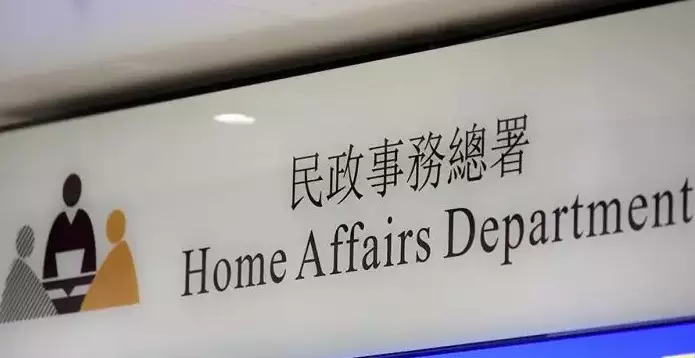
The Home Affairs Department, Photo source: reference image
A spokesman said, "The OLA is committed to combatting unlicensed bedspace apartments to safeguard the safety of occupants and other users of the building. Recently, there are premises in the market self-styled as 'student hostels' or 'student residences', some of which involve 12 or more bedspaces used or intended to be used for accommodation under rental agreements, and are thus regulated by the Ordinance. Under the Ordinance, any premises containing 12 or more bedspaces that are used or intended to be used as sleeping accommodation under rental agreements requires a bedspace apartment licence before commencing operation. Operating an unlicensed bedspace apartment is a criminal offence."
The OLA attaches great importance to the issue of unlicensed bedspace apartments and will continue to adopt a multipronged approach to combat unlicensed bedspace apartments through continuous enforcement, stepped-up enforcement efforts, and extensive publicity. Upon receiving reports or complaints, officers of the OLA will conduct investigations into the premises concerned, and will take enforcement and prosecution actions when sufficient evidence is found. The OLA has also strengthened its intelligence-gathering work, including proactively conducting inspections, gathering relevant intelligence through various channels, establishing a notification mechanism with District Offices to obtain information on suspected unlicensed bedspace apartments, and continuing joint interdepartmental operations with other law enforcement agencies to combat unlicensed bedspace apartments. From 2021 to date, the OLA has instituted 12 prosecutions against unlicensed bedspace apartments, and all cases have resulted in convictions.
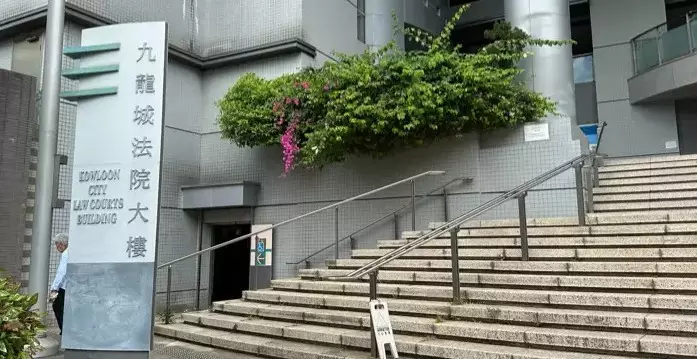
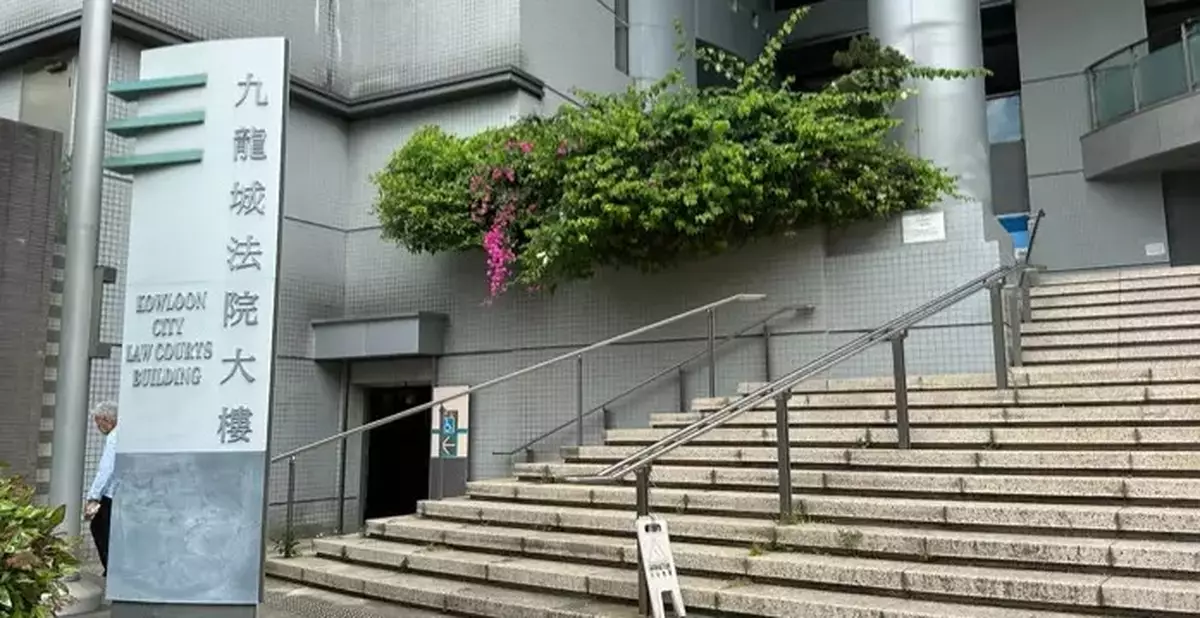
The Kowloon City Magistrates' Courts, the Kowloon City Law Courts Building
Health Bureau releases Hong Kong's Domestic Health Accounts 2024/25
The Health Bureau (HHB) released Hong Kong's Domestic Health Accounts (DHA) 2024/25 today (Aug 26), together with revised figures for previous years adjusted in accordance with international practice to incorporate the latest available information. The DHA provides a systematic description of the flow of health expenditure in Hong Kong over a 12-month period, forming a basis for assessing and understanding the levels and trends of health spending in Hong Kong.
Overall speaking, the trend of health expenditure for 2024/25 remained steady. The Current Health Expenditure (CHE) in Hong Kong was $262,513 million, representing an increase of 5.0 per cent (or $12,491 million) over a year earlier. The CHE as a percentage of Gross Domestic Product (GDP) was 8.2 per cent, similar to that of last year. The CHE per capita was $34,890.
Public healthcare expenditure ($135,450 million) accounted for 51.6 per cent of the CHE in 2024/25, and public CHE per capita was $18,000. Public CHE as a percentage of GDP was 4.2 per cent, similar to that of last year. Over the past 10 years, both CHE and public CHE in Hong Kong as a percentage of GDP showed an upward trend in general.
As for private healthcare expenditure ($127,063 million), it accounted for 48.4 per cent of the CHE in Hong Kong, or 3.9 per cent as a percentage of GDP, in 2024/25.
The Government has been actively advancing primary healthcare reform in accordance with the directions set out in the Primary Healthcare Blueprint, gradually shifting the emphasis of the healthcare system from treatment-focused secondary and tertiary care to prevention-oriented, family doctor-centred primary healthcare. Since its establishment, the Primary Healthcare Commission has not only continued to expand the district health network, but has also been continuously enhancing and promoting the Chronic Disease Co-Care Scheme. In 2024/25, the primary healthcare expenditure accounted for 30.4 per cent of the overall CHE, and is progressing towards the Blueprint's objective of achieving a better balance between primary and secondary/tertiary care in overall healthcare expenditure, such as around 3.5:6.5 or even 4:6, in the long run. This reflects that the Government is gradually establishing a more sustainable healthcare system to cope with challenges posed by an ageing population, the increasing prevalence of chronic diseases, and more.
The DHA is compiled in accordance with the guidelines given in "A System of Health Accounts 2011" collaboratively published by the Organisation for Economic Co-operation and Development, Eurostat and the World Health Organization. It classifies the overall health expenditure into four dimensions of analysis, namely Health Care Financing Schemes (HFS), Revenues of HFS, Health Care Providers and Health Care Functions. These data enable policymakers, researchers and members of the public to assess the performance of the Hong Kong health system over time and to make comparisons with other economies that adopt the same framework in calculating their health expenditure.
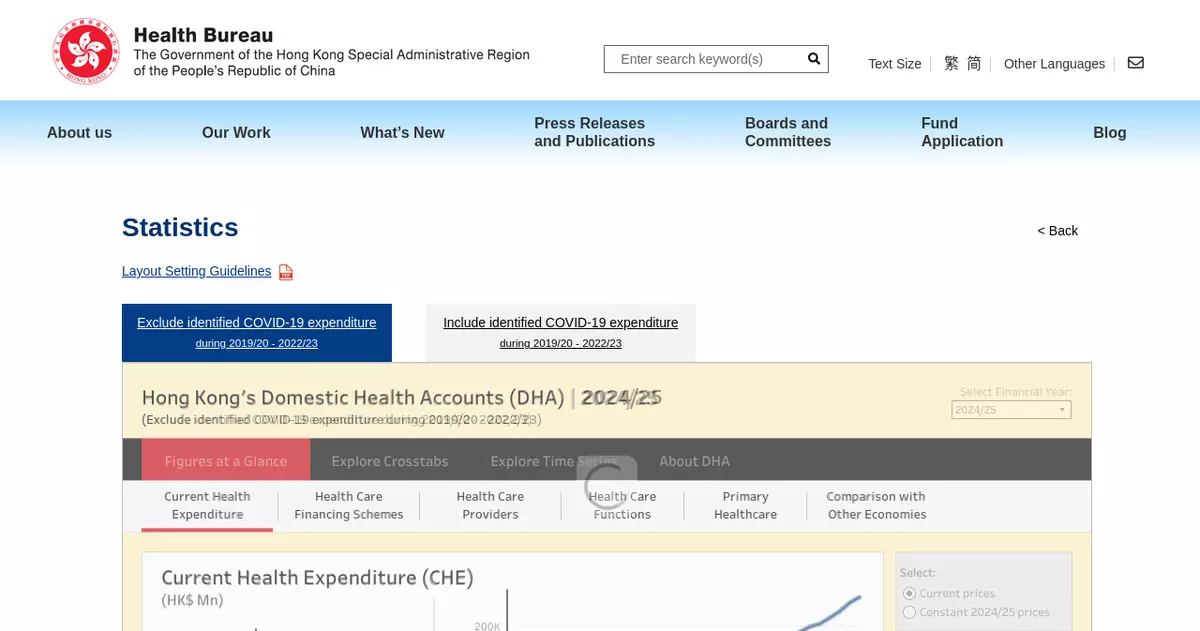
The DHA 2024/25 has been uploaded to the HHB website (www.healthbureau.gov.hk/statistics/en/dha.htm). Detailed classifications and time-series data are shown in an online interactive data dashboard with tables and graphs available to facilitate further analysis and research.
Source: AI-found images