HAVANA (AP) — Cuba held a traditional rally on Sunday to commemorate one of the revolution’s most important anniversaries, with former President Raúl Castro, 95, conspicuously absent.
It’s the first time in at least 30 years that Castro did not attend the event, and no explanation was offered.
The event was presided by President Miguel Díaz-Canel, who read a congratulatory message from Castro to his compatriots in the eastern city of Pinar del Río, where the rally was held.
The annual event commemorates the July 26, 1953, assault led by brothers Fidel and Raúl Castro on the Moncada and Carlos Manuel de Céspedes barracks in Cuba’s eastern region. The military action against former dictator Fulgencio Batista failed, but it marked the beginning of the revolutionary struggle that culminated on Jan. 1, 1959.
Castro’s last public appearances were in June during an event to establish the Ministry of the Interior and on May 1 to celebrate Labor Day.
Castro no longer holds any formal positions, but his symbolic presence is strong, and he was recently identified as one of the negotiators in talks with the United States following the imposition of a U.S. energy embargo.
Facing a crowd of hundreds of people waving Cuban flags early Sunday, Díaz-Canel rejected a report that the U.S. State Department published last week that accused Cuba of running a leftist espionage and influence network against the United States and Latin America for decades.
“Every day they issue a threat against the revolution, and every week they announce a new punishment for Cuban companies and officials,” the president said.
In May, Castro was charged in a U.S. indictment with murder and other crimes for his alleged role in the downing of two civilian aircraft operated by Miami-based exiles in 1996 off the coast of the Caribbean island.
The accusations were widely rejected by Cuba’s government.
Cuba is going through one of the worst periods in its historically tense relationship with the United States.
U.S. President Donald Trump has said he hopes to “take over” the island after his January attack on Venezuela — a key ally of Cuba for decades — and imposed an oil embargo that has practically paralyzed the Caribbean nation, pressuring it to change its economic and political model.
“Cuba is the victim of a coldly calculated genocide,” Díaz-Canel said during his speech, in which he accused the Trump administration of imposing a policy of “maximum pressure” and intensified “economic strangulation.”
Daily blackouts are lasting more than 20 hours, workdays have been reduced, industrial production halted, and shortages of water and medicine are hitting an island already undergoing a severe crisis in the past five years given previous sanctions imposed by the U.S. and an internal financial reform that sparked inflation.
Meanwhile, hotel chains including Spain’s Meliá, payment processors like Visa and Mastercard and airlines such as Air Canada and Air France have left the island as its economic and financial crises deepen.
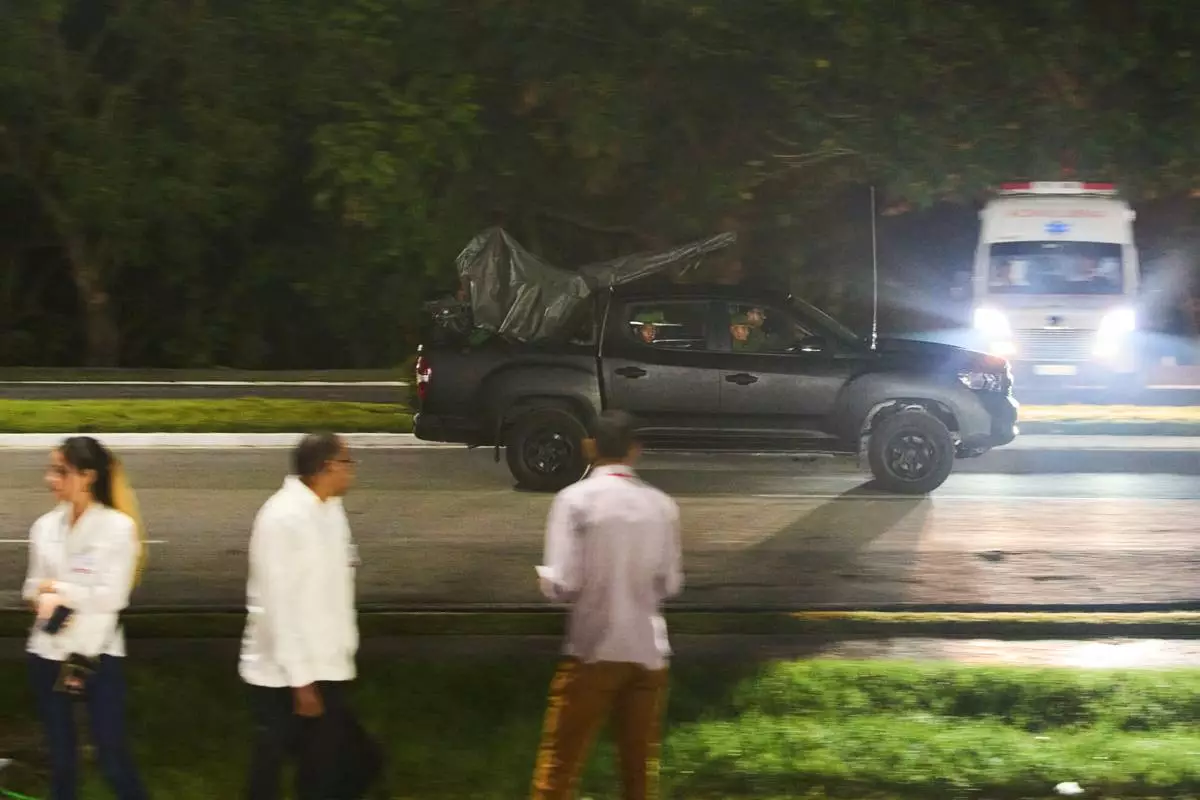
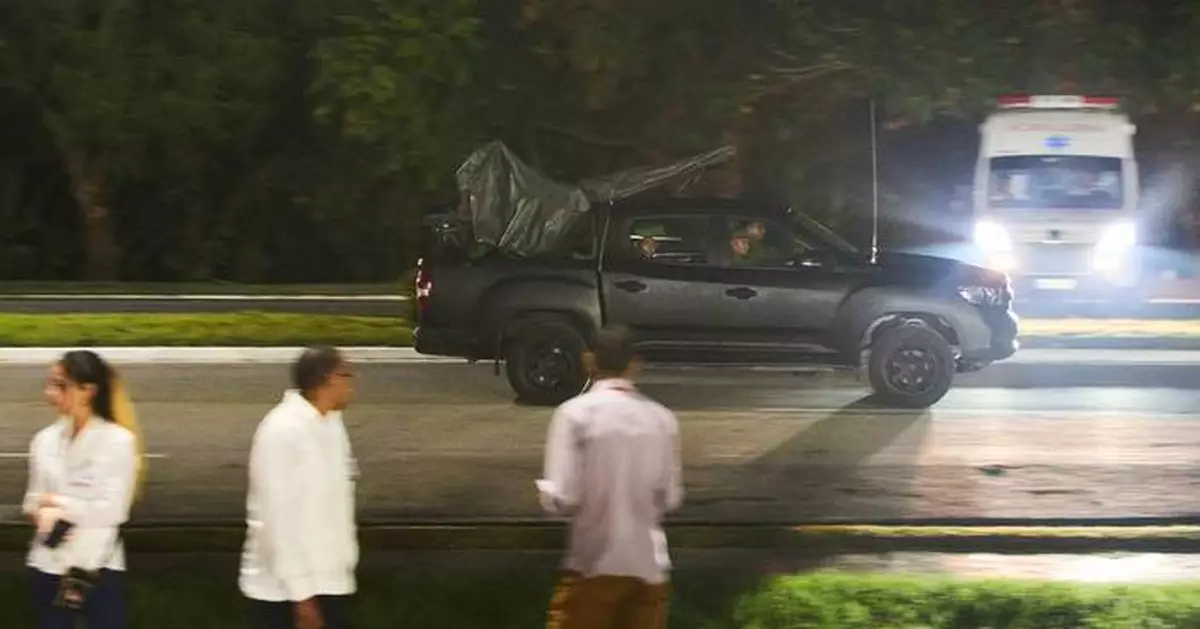
A security vehicle equipped with an anti-aircraft gun patrols during an event marking the 73th anniversary of the start of the Cuban Revolution in Pinar del Rio, Cuba, Sunday, July 26, 2026. (AP Photo/Ramon Espinosa)
CAIRO (AP) — The United States paused its attacks on Iran for a second straight day Sunday and Tehran said it had done so too, as efforts continued to bring the countries back to negotiations on an interim ceasefire deal largely undermined by recent exchanges of fire.
It was not clear why the U.S. has paused after targeting Iranian coastal areas and infrastructure in a nearly two-week escalation sparked by Iran’s firing at ships trying to transit the Strait of Hormuz. The Pentagon did not immediately respond to questions Sunday.
“President (Donald) Trump has always been consistent in saying he prefers a diplomatic solution, but he continues to retain all options if Iran continues terrorist activities in the Strait of Hormuz or against allies," White House communications director Steven Cheung said, adding: “It would be wise for Iran to work toward a negotiated deal. Otherwise, they know what will happen.”
Since the U.S. has halted attacks for the past two nights, Iran has as well, its army spokesperson told Iran’s state TV on Sunday. Tehran in recent days has counterattacked against countries in the region hosting U.S. military forces, killing at least three at a base in Jordan.
The 60-day period that began when the interim deal was signed by both countries in mid-June is now well into its second half, and major issues that were meant to be negotiated -– notably Iran’s nuclear program at the heart of tensions -– remain set aside as mediators try to keep both sides talking.
A regional official involved in mediation efforts said diplomacy was underway and that a pause in U.S. and Iranian strikes was a “positive signal that helps their efforts to de-escalate.”
The official said both countries want to return to the interim ceasefire deal and that a compromise being negotiated centers on having Iran run vessel transit through the Strait of Hormuz with fewer restrictions on ships. The official was not authorized to discuss the matter and spoke on condition of anonymity.
Concerns continued about shipping on the strait and now on another crucial waterway in the region, the Bab al-Mandeb strait to the Red Sea. Iranian-backed Houthi rebels in Yemen last week threatened a blockade of Saudi shipping there.
Global energy supplies and the economy remain in the balance as gasoline prices have risen again.
Iran on Sunday said it continued to speak with Oman about managing the safe passage of ships on the Strait of Hormuz, which passes between the countries. Iran’s Foreign Ministry spokesperson, Esmail Baghaei, said talks had made progress and continued.
Baghaei also said the strait's status remained unchanged. Tehran has asserted that the interim deal with the U.S. allows it to manage shipping on the waterway for now, and it has objected to U.S. efforts to support a route through the strait that passes close to Oman instead.
The U.S. military on Saturday said its recently reimposed naval blockade against Iran continued, with a dozen commercial ships redirected, two disabled and two boarded. U.S. forces “remain highly vigilant, focused, lethal, and ready,” it added.
Meanwhile, Israeli Prime Minister Benjamin Netanyahu plans to travel to the United States and meet with Trump in Washington on Tuesday, his office has said. They last met in Washington in February, weeks before they launched the war on Iran that killed senior leaders including Supreme Leader Ayatollah Ali Khamenei.
The Iranian-backed Hezbollah fired at Israel two days after the war began, and Israel responded with airstrikes and ground forces in southern Lebanon. Since then, the U.S. has supported landmark direct talks between Lebanon and Israel to try to calm that front and find a way to disarm Hezbollah.
Netanyahu on Sunday told Fox News he “fully” backs Trump's efforts to weaken Iran and press it to end its nuclear program, adding: “If he can do so without returning to intense military fighting, that’s fine. Why not?”
The prime minister indicated he would not present new information to “our good friend” Trump and instead would listen to “what he has in mind, because I think in many ways, it’s his decision.”
But Netanyahu warned that if Iran again attacks Israel, directly or with armed proxies, “it will make a terrible mistake.”
Anna reported from Lowville, New York. Associated Press writers Darlene Superville and Ben Finley in Washington contributed.
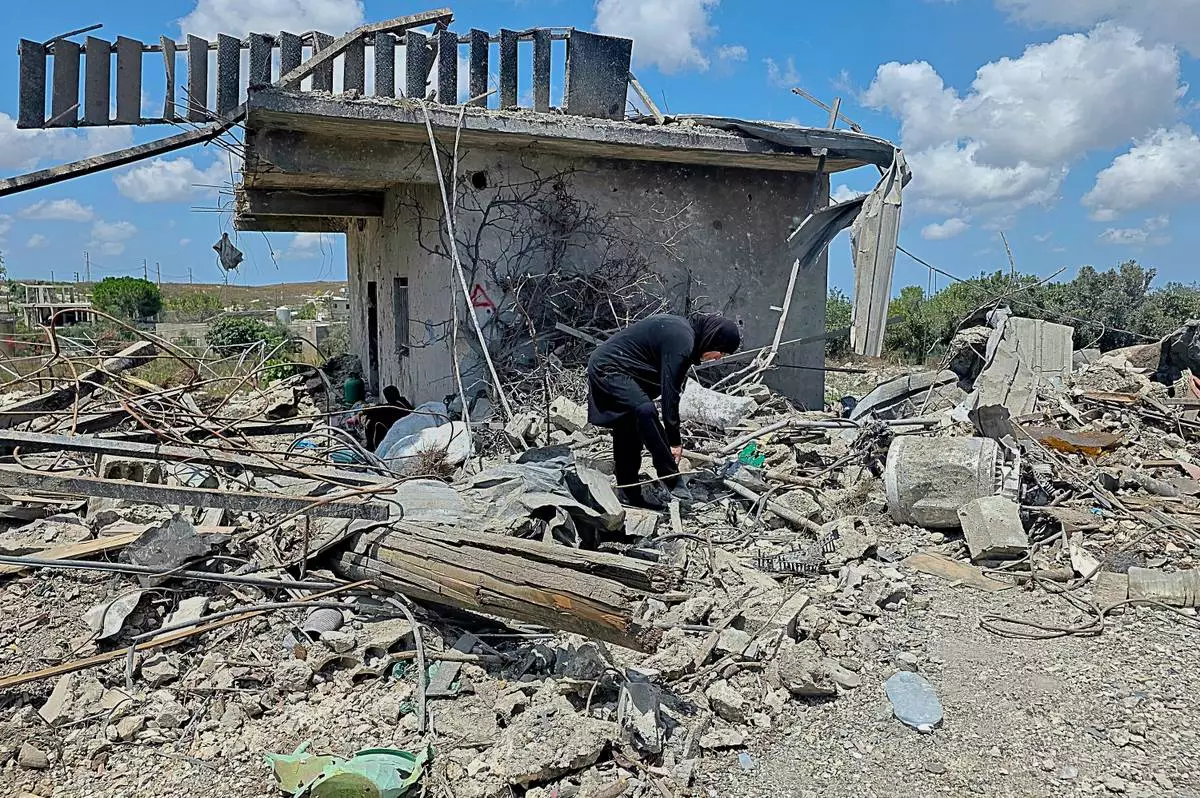
A Lebanese woman clears debris of her destroyed house in the village of Zawtar al-Gharbiyeh, southern Lebanon, Sunday, July 26, 2026. (AP Photo/Ahmad Mantash)
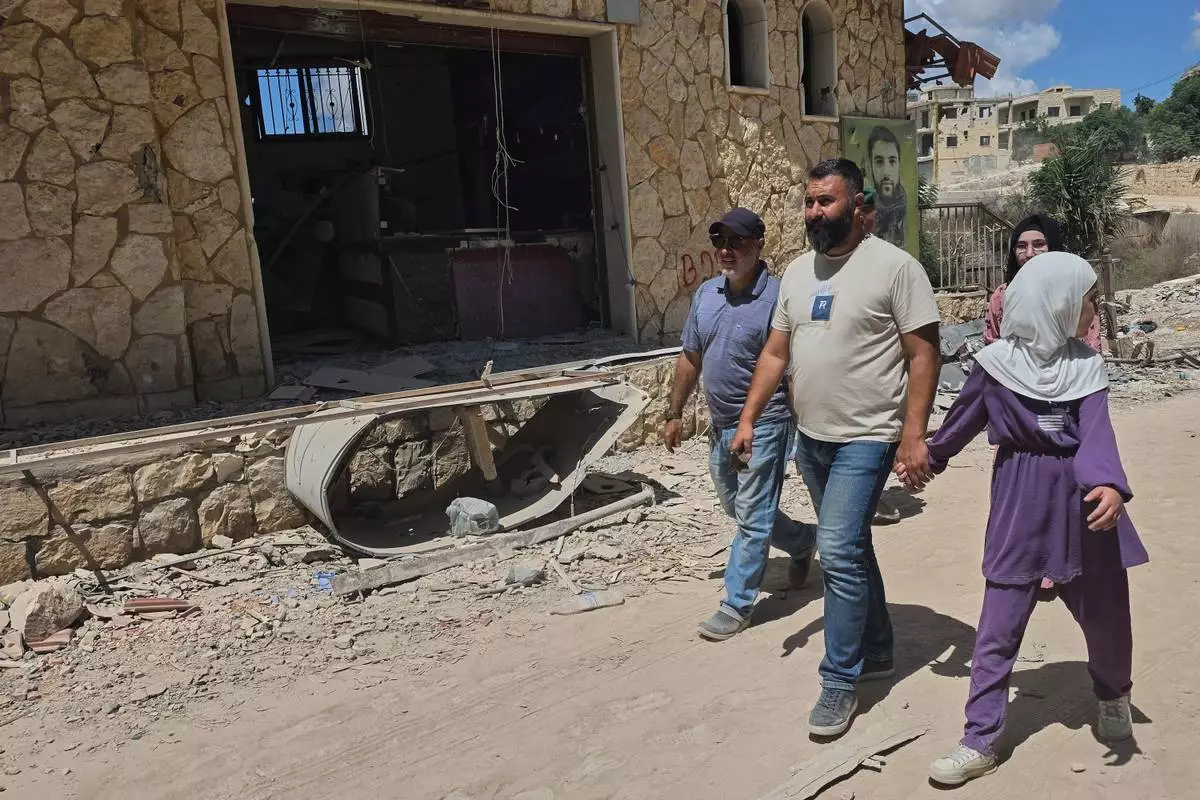
People walk through the village of Zawtar al-Gharbiyeh after the Lebanese army deployed to the village in southern Lebanon, Sunday, July 26, 2026. (AP Photo/Ahmad Mantash)
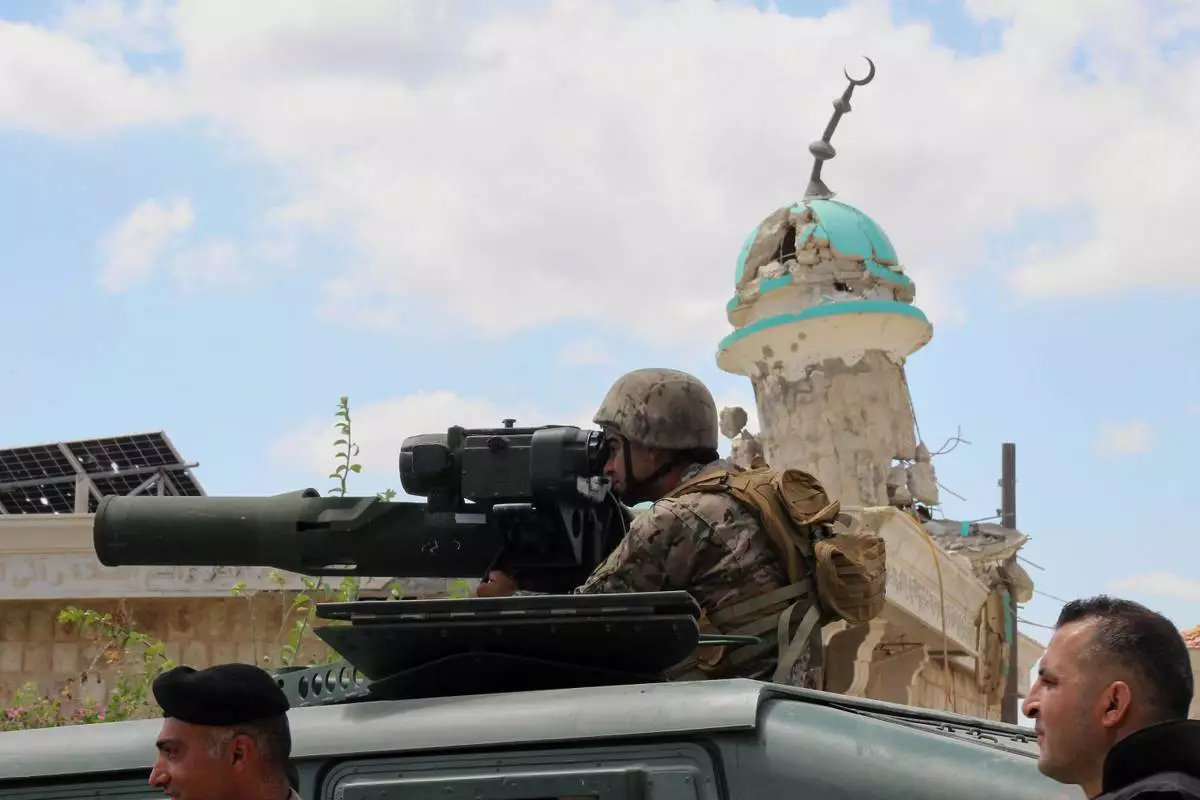
A Lebanese soldier looks through the binoculars of an anti-tank launcher in front of a destroyed mosque after deploying in the village of Zawtar al-Gharbiyeh, southern Lebanon, Sunday, July 26, 2026. (AP Photo/Ahmad Mantash)
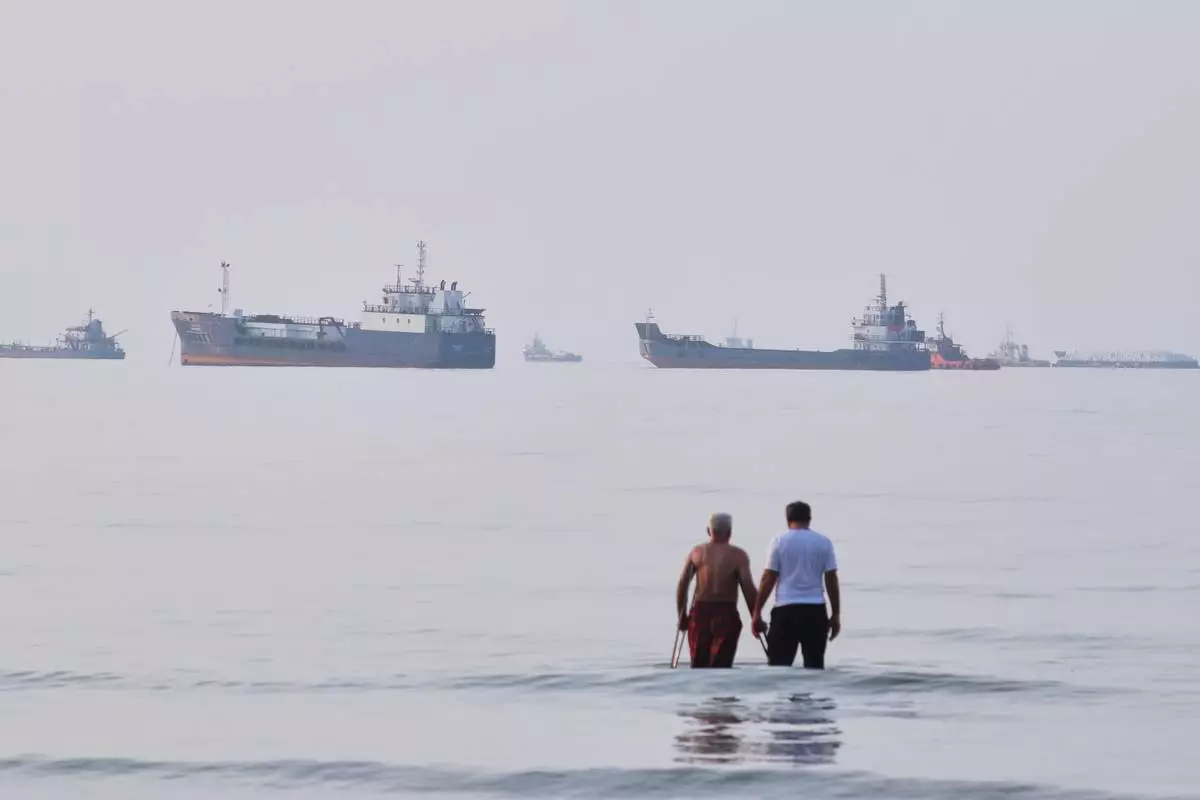
Two men wade in the waters of the Strait of Hormuz with vessels anchored in the background, off Bandar Abbas, Iran, Sunday, July 12, 2026. (Razieh Poudat/ISNA via AP)