The teenager who killed two students and two teachers in a 2024 shooting at Georgia's Apalachee High School had a chaotic, lonely upbringing and immersed himself in an online community of people interested in mass shootings, a psychologist testified Monday.
Colt Gray, 16, pleaded guilty Friday to 55 counts, including murder, in the Sept. 4, 2024, shooting that also left several others wounded at the school about 45 miles (73 kilometers) northeast of Atlanta.
He entered the plea without having reached a plea deal with prosecutors. Murder carries a minimum sentence of life in prison, and it is up to Barrow County Superior Court Judge Nicholas Primm to decide whether he will have the possibility of parole after hearing testimony and considering evidence.
Teachers Richard “Ricky” Aspinwall, 39, and Cristina Irimie, 53, and students Mason Schermerhorn and Christian Angulo, both 14, died in the shooting. Another teacher and eight more students were wounded, seven of them hit by gunfire.
A forensic psychologist who evaluated Gray after the shooting at the request of the teen's attorney testified that during their first meeting in May 2025, Gray asked if he could pull his arms inside his sweatshirt to wrap them around himself.
“I thought he was kind of an odd kid," Kevin Richards said. The psychologist said he did four interviews with Gray for a total of about 15 hours and also spoke to Gray's mother twice for a total of about three hours.
“It was pretty chaotic,” the psychologist said of Gray's upbringing, noting that the family had financial problems and moved around a lot, so he wasn’t enrolled in school for long stretches. His parents used drugs and fought a lot, and Gray had a lonely and neglected childhood, Richards testified.
Gray was paranoid, Richards said. He talked about fearing that teachers were plotting against him, and that people in public were whispering about him. The teen also believed his home computer had been infiltrated, prompting him to keep changing usernames and destroying external storage devices, the psychologist said.
Richards said that while he believes Gray experienced paranoia, he doubts that motivated the attack.
“I don’t think he was driven by hallucinations or delusions to do what he did. I think he planned it out,” Richards said.
Most of the teen's social life was online, Richards said. He was a gamer but also became immersed in a community of young true crime enthusiasts who were particularly fascinated by mass shootings. Initially, Gray focused on Adam Lanza, who killed 26 people at Sandy Hook Elementary School in Connecticut, as well as James Holmes, who killed 12 people in a Colorado movie theater. Richards said Gray was particularly interested in Nikolas Cruz, the shooter in the 2018 massacre at Florida’s Marjory Stoneman Douglas High School.
“He had just kind of disappeared into Discord and disappeared into the true crime community,” Richards said.
District Attorney Brad Smith showed Richards some of Gray's online conversations on Discord, an online communication platform. They established that Gray would sometimes lie about his own mental health symptoms and drugs when talking to people online to establish common ground with them and get attention.
When asked by Smith if Gray studied and emulated school shooters, Richards responded that Gray was “kind of obsessed” with them.
After Gray entered his plea Friday, the judge heard victim impact statements from family members of those killed and victims of the shooting. Most asked the judge to sentence him to life without the possibility of parole.
Prosecutors also played recordings of two interviews the lead investigator did with Gray, one that took place less than an hour after the shooting at the school and another that was done several hours later at the sheriff's office. During those interviews, the teen mentioned uncontrollable urges and hearing people tell him to do things.
A jury in March convicted his father, Colin Gray, on charges including second-degree murder and involuntary manslaughter. He is scheduled to be sentenced later this week. Prosecutors said he gave his son the assault-style rifle used to open fire at the school.
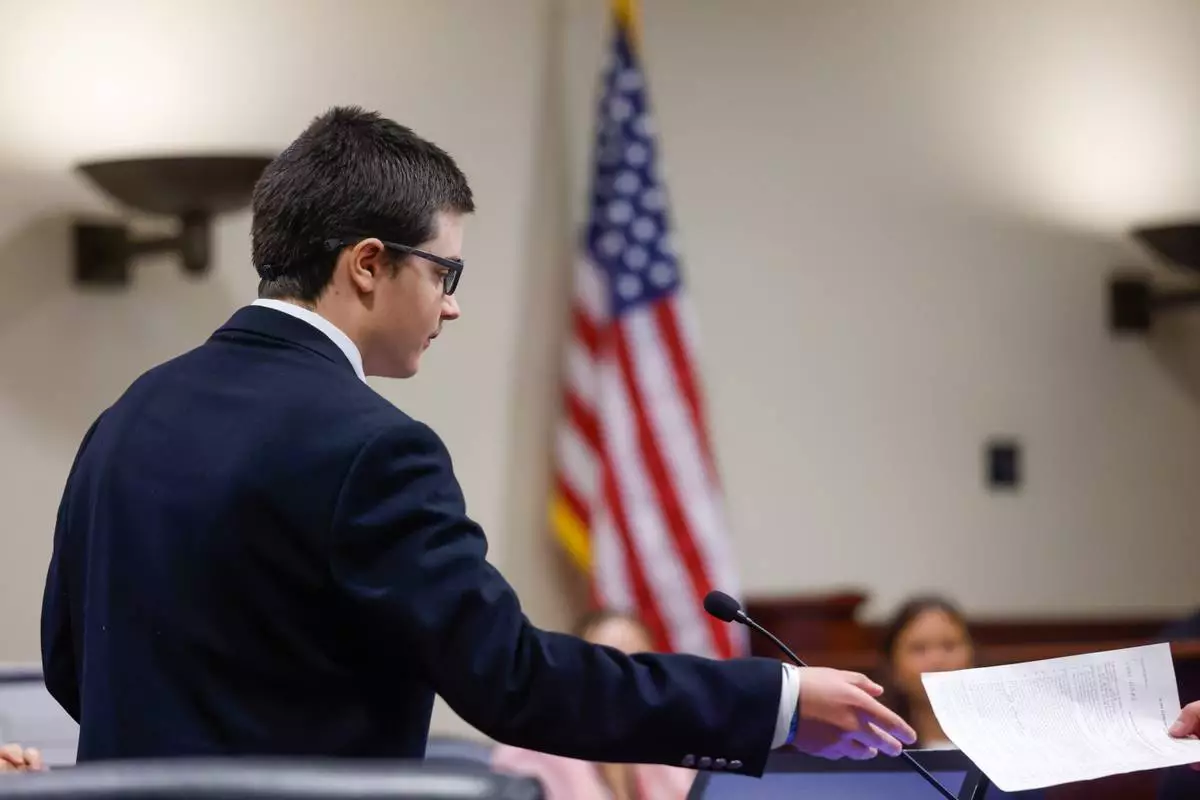
Colt Gray, the 16-year-old Apalachee High School shooting suspect, pleads guilty at Barrow County Superior Court in Winder, Ga., on Friday, July 24, 2026. (Arvin Temkar/Atlanta Journal-Constitution via AP)

Colt Gray, left, the 16-year-old Apalachee High School shooting suspect, stands next to his attorney Charlton Allen and pleads guilty at Barrow County Superior Court in Winder, Ga., on Friday, July 24, 2026. (Arvin Temkar/Atlanta Journal-Constitution via AP)
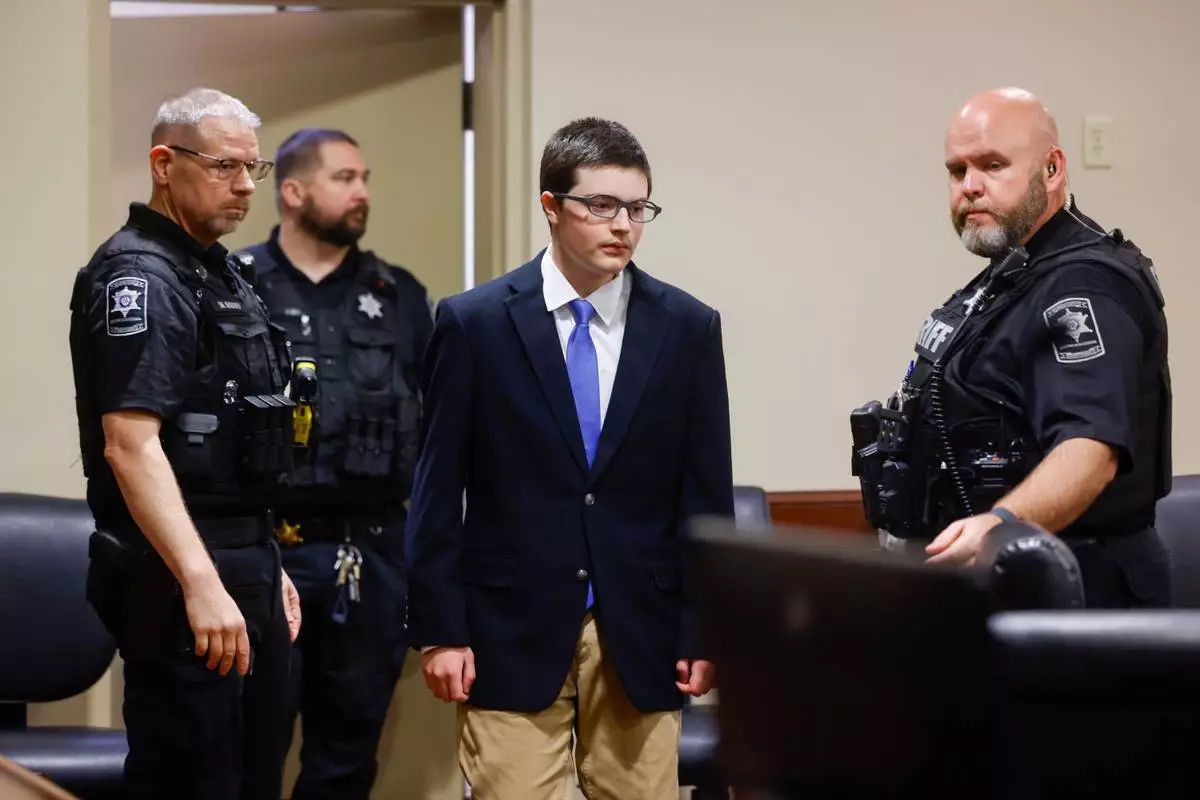
Colt Gray, the 16-year-old Apalachee High School shooting suspect, is led in by deputies for a plea hearing at Barrow County Superior Court in Winder, Ga., on Friday, July 24, 2026. (Arvin Temkar/Atlanta Journal-Constitution via AP)
PLYMOUTH, Mass. (AP) — In the months after the birth of her third child, Lindsay Clancy 's mental health collapsed. Manic, unable to sleep and stricken with thoughts of harming herself, she sought care from experts in postpregnancy mood disorders, was put on multiple psychiatric medications, and when nothing worked, checked in to a psychiatric hospital.
Nineteen days after she was discharged, she strangled her three children at their Massachusetts home.
A jury is set to hear opening statements Monday in Clancy's murder trial, which will feature dueling views about her culpability and mental state.
Prosecutors are set to argue that Clancy, a former labor and delivery nurse at Massachusetts General Hospital, carefully planned the killings and bears full responsibility for their deaths.
Clancy's lawyer, Kevin Reddington, will argue that at the time of the killings she was suffering from postpartum psychosis, a rare mental illness linked to the stress, sleep deprivation and hormonal changes that follow childbirth.
The trial is expected to take several weeks.
Elyse Hershon, a Boston criminal defense attorney and legal analyst, said the verdict will likely depend on how the jury views Clancy’s “intent and mental capacity."
“Whenever there are deaths of children, it rattles emotions. Because these actions are incomprehensible and the outcome so horrific, people tend to want to hold someone responsible,” Hershon said. “Some people naturally will identify and sympathize with Clancy and her postpartum depression, and others will not be able to understand how one could end their children’s lives, and demand responsibility.”
While postpartum depression is fairly common among women who have given birth, postpartum psychosis is estimated to afflict only 1 to 2 per 1,000 women after delivery. Symptoms include hallucinations, delusions, paranoia, mood changes and thoughts of harming yourself or others. Most women who have the condition, however, do not wind up harming their children.
Prosecutors say Clancy strangled her children — Cora, 5, Dawson, 3, and Callan, 8 months — on Jan. 24, 2023, after sending her then-husband, Patrick, out for some errands. She then jumped out of the home’s second-story window and was paralyzed from the waist down in the fall.
At the time, she had been getting psychiatric care for about four months. On the day of the killings, she said she heard voices telling her, “This is your last chance. Kill the children so you can kill yourself," according to her lawyer.
If convicted of murder, Clancy faces life in prison without parole. If found not guilty due to a lack of criminal responsibility, she would be committed to a state mental health facility.
The case has parallels to several others involving mothers accused of killing their children.
In 2001, Andrea Yates drowned her five children in a bathtub in Texas. Her attorneys she suffered from severe postpartum psychosis and, in a delusional state, believed Satan was inside her and that killing the youngsters would save them from hell.
Her initial murder conviction was overturned and in a retrial she was found not guilty by reason of insanity and committed to a state mental hospital.
Another Texas mother, Dena Schlosser, was found not guilty by reason of insanity in 2006 after she killed her 10-month-old daughter by cutting off her arms.
Nicole Cirino, the director of the division of reproductive psychiatry at Baylor College of Medicine, who has been an expert defense witness in infanticide cases, said many of the women who harm their children while in the grip of postpartum psychosis believe their actions are helping the child.
In their own minds, “they may be saving their children from damnation," Cirino said.
Clancy and her former husband, Patrick Clancy, filed lawsuits accusing her medical providers of failing to properly diagnose and treat her condition.
Awareness about postpartum psychosis has grown since the Yates case, but Cirino and other maternal mental health advocates said prosecutors rarely consider a mother's mental state. Illinois is the only state with a law allowing for undiagnosed or untreated postpartum depression or postpartum psychosis to be a mitigating factor in sentencing.
“Women who kill their children in the throes of this medical illness, postpartum psychosis, are seriously and profoundly mentally ill. They are not evil,” said Dr. Catherine Birndorf, the CEO and founder of The Motherhood Center in New York City, which treats mothers with perinatal mood and anxiety disorders.
“To me it’s illness until proven otherwise,” she continued. “The fact that we consider it criminal until proven otherwise is problematic.”
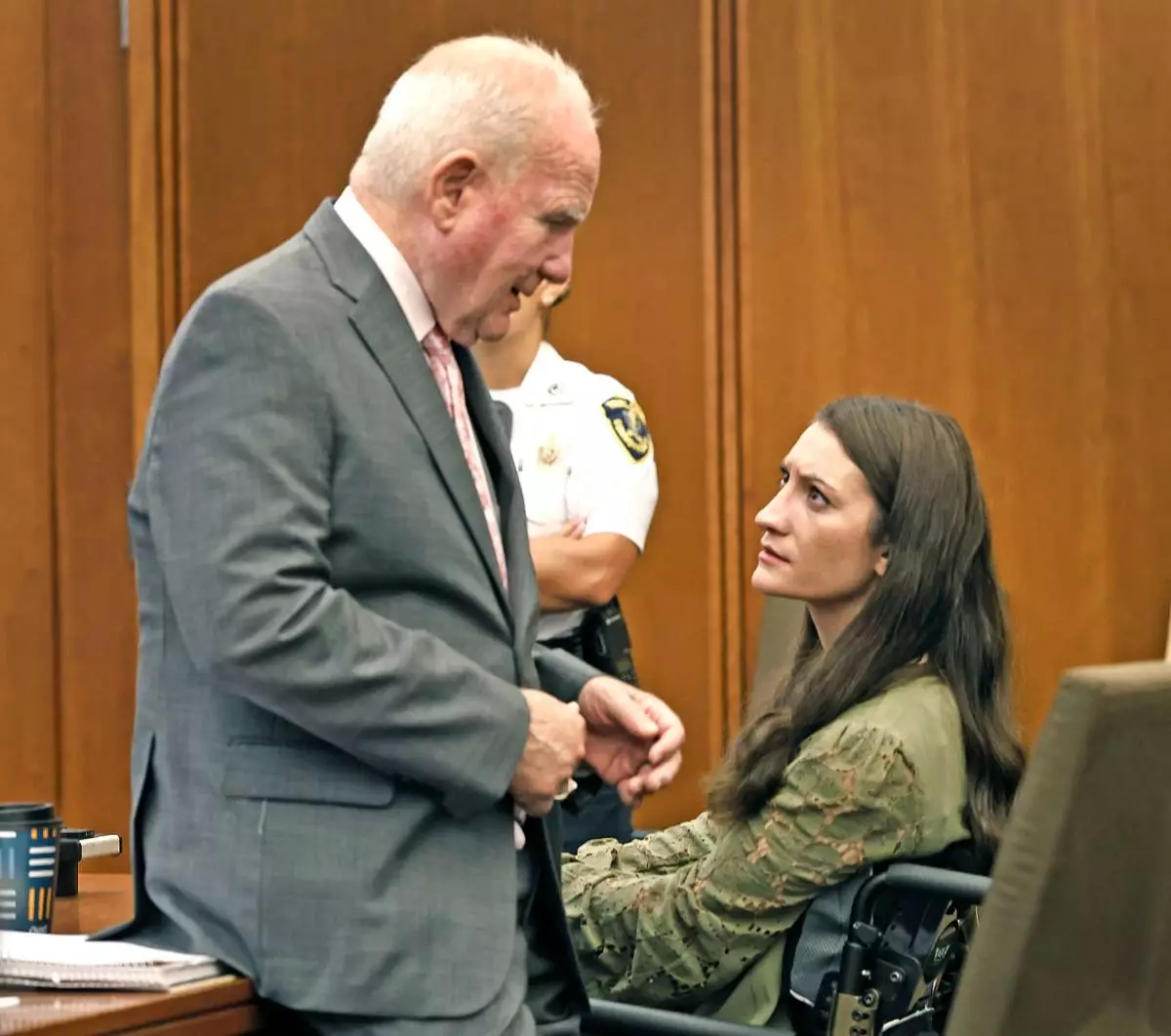
Defense attorney Kevin Reddington stays at the side of his client Lindsay Clancy during her murder trial where she is charged in the 2023 killing of her three children, Wednesday, July 22, 2026, in Plymouth Superior Court in Plymouth, Mass. (Greg Derr/The Patriot Ledger via AP, Pool)
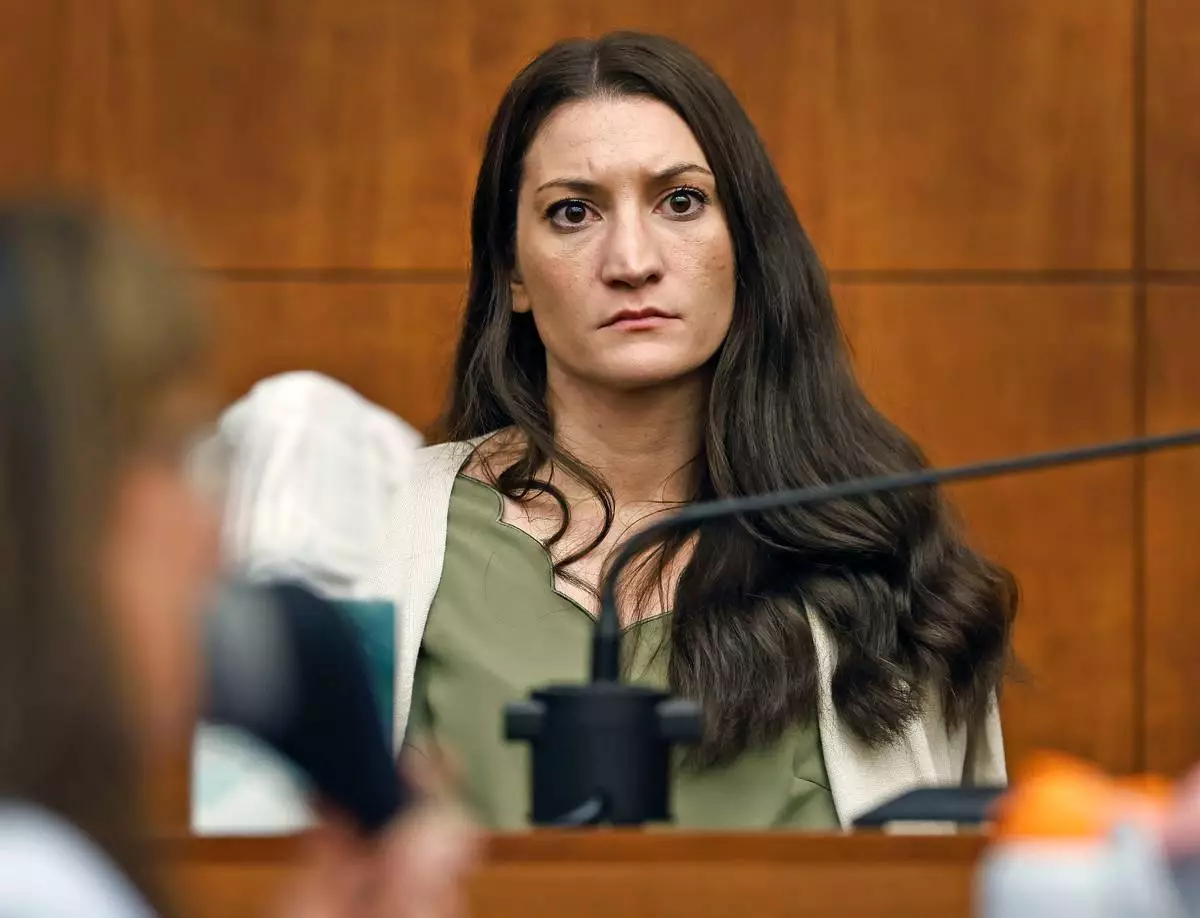
Lindsay Clancy waits for the judge to call a prospective jury member into court in her murder trial where she is charged in the 2023 killing of her three children, Wednesday, July 22, 2026, in Plymouth Superior Court in Plymouth, Mass. (Greg Derr/The Patriot Ledger via AP, Pool)
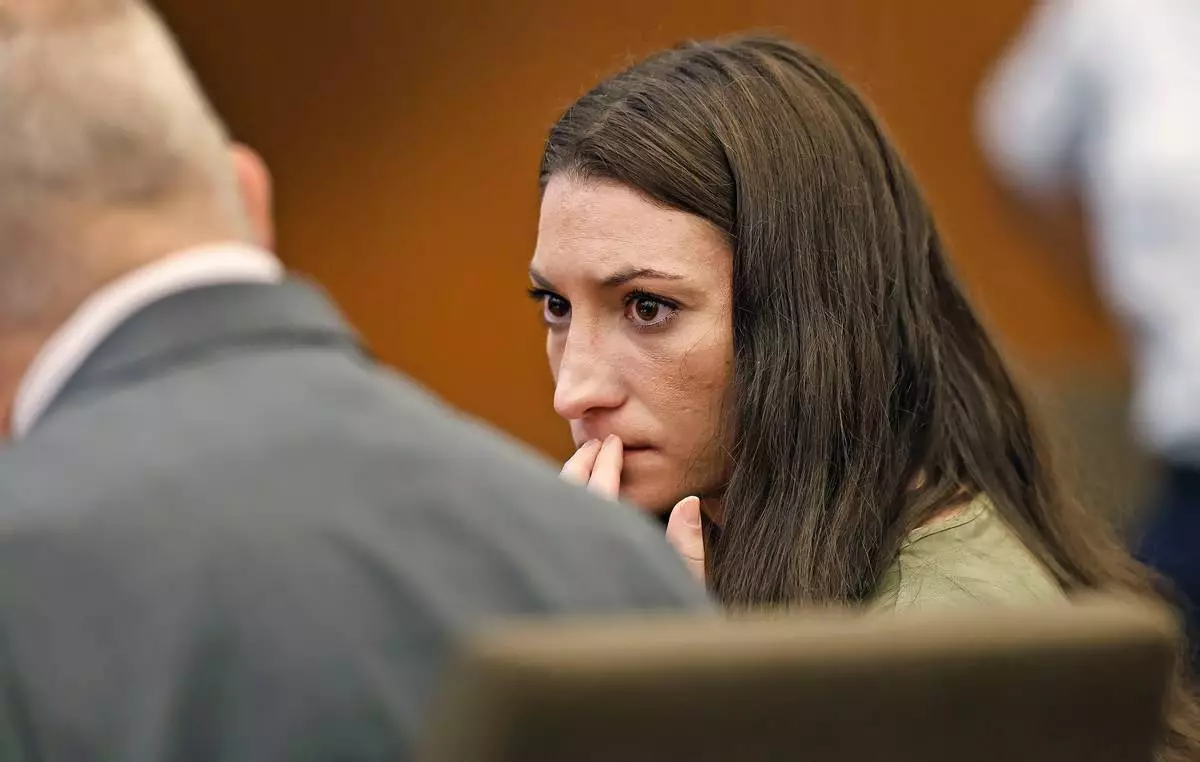
Clancy confers with her lawyer Kevin Reddington during her murder trial where she is charged in the 2023 killing of her three children, Wednesday, July 22, 2026, in Plymouth Superior Court in Plymouth, Mass. (Greg Derr/The Patriot Ledger via AP, Pool)