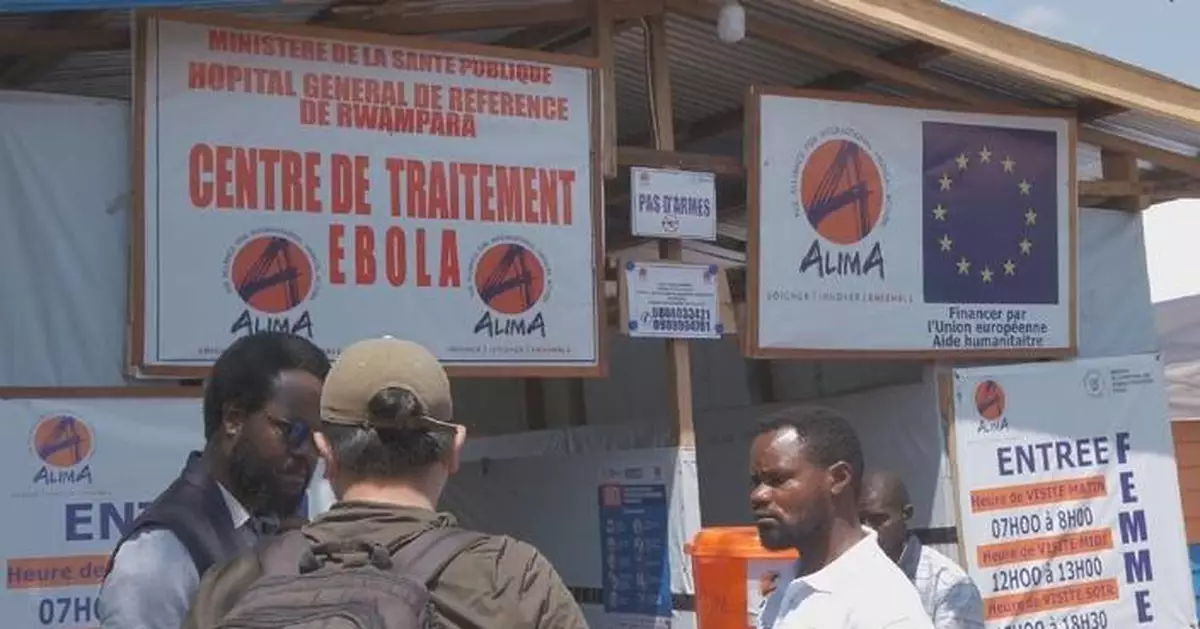
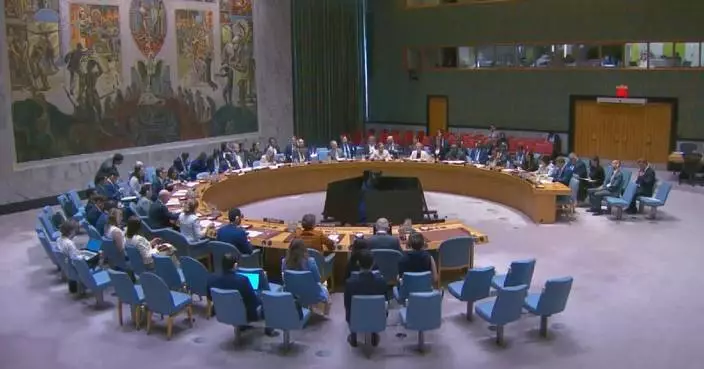
The number of confirmed Ebola cases in the Democratic Republic of the Congo (DRC) has reached 3,200, Farhan Haq, deputy spokesman for UN Secretary-General Antonio Guterres, said during a press conference at the UN headquarters on Monday.
Haq said that the Ebola outbreak continues to expand, with rising numbers of cases and deaths putting ever more pressure on health services and UN efforts to respond.
"As of July 25, national health authorities had reported 3,200 confirmed Ebola cases across Ituri, North Kivu, South Kivu, Haut-Uele and Tshopo provinces. More than 100 new confirmed cases have been reported for the second consecutive day. We, along with our partners, continue to support the authorities on surveillance, contact tracing, laboratory testing and patient care. The World Food Programme (WFP) has provided more than 140,000 hot meals and food to over 23,000 patients, contacts and vulnerable people impacted by the outbreak in Ituri, North Kivu and South Kivu provinces. UNICEF (United Nations Children's Fund) and our partners have also carried out more than 27,000 household visits to support the identification and follow-up of suspected cases in affected communities," said Haq.
The death toll from the Ebola outbreak in the DRC rose to 1,405, according to the latest situation report released by the country's health authorities late Sunday.
Declared on May 15, the ongoing Ebola outbreak is caused by the Bundibugyo virus and has spread from the northeastern province of Ituri to five provinces.
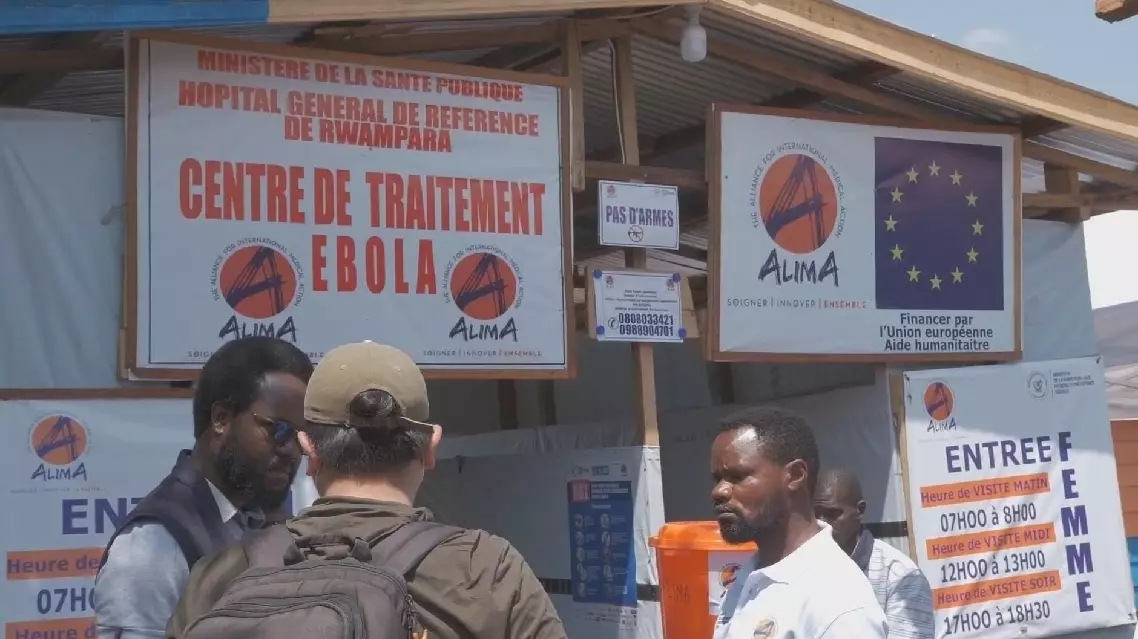
DR Congo's confirmed Ebola cases top 3,200: UN spokesman
A massive forest fire in southwest France's Gironde has raged for nearly a week, forcing some 220,000 residents to evacuate, with many families at shelters voicing growing anxiety and desperation to return home.
At the convention center in northern Bordeaux, the largest evacuation site, four exhibition halls have been opened since the fire broke out on July 22. At its peak, over 6,000 people spent the night there. Many still recall the panic when the evacuation order arrived.
"We were really stressed when we got the evacuation message. It was the first time this had ever happened to us," said Louise Rigaud, a young evacuee.
"It's especially hard for my mother, because she's already ill. The stress has been overwhelming for her," said Dahlia Rigaud.
The Rigaud family initially thought they would only stay for a day or two, but the fire raged on. Nearly a week later, they still had no clear answer on when they could go home.
Facing similar uncertainty, the Montessuy family from the northwestern suburbs of Bordeaux said they were particularly worried about the psychological toll on their children.
"Beyond the physical impact, there's also a psychological one. We're especially concerned about the children for this is something they've never experienced before. Being evacuated, losing so much, not knowing what comes next, we're trying to reassure them as much as we can," said Benedict Montessuy.
On Monday, the Gironde authorities reiterated that no one would be allowed to return until the fire was brought under control. The French government and the Bordeaux metropolitan area have begun arranging temporary housing, with more than 13,000 aid applications already filed. But for those in shelters, a temporary bed is no substitute for home.
"I really want to go home soon. I miss my bed, my bathroom, my cuddly toys, and my family," said young Cyrielle Montessuy.
As of Monday afternoon, the fire remained uncontrolled. For the displaced residents, the hardest part was not a temporary shelter, but the uncertainty, not knowing when they could return, nor what would be left of their homes.
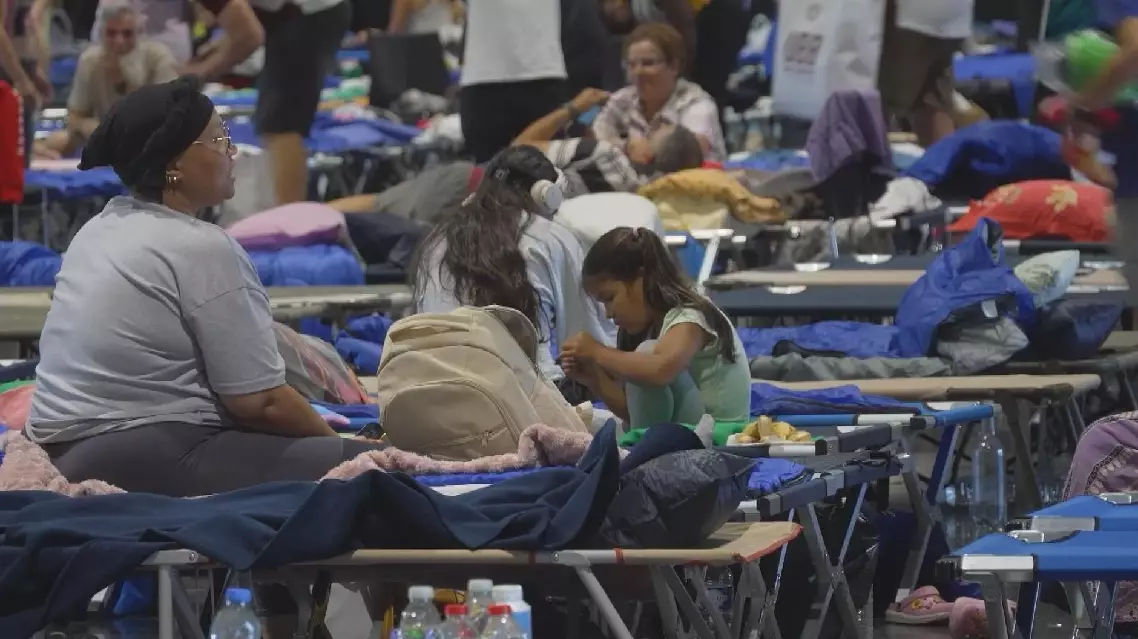
Wildfire displaces 220,000 in southwest France as evacuees yearn to return home