College sports marketing company Learfield saw a 123% increase in female athlete participation in name, image and likeness compensation activities over the 2025-26 fiscal year, the company revealed in a report released Tuesday.
Solly Fulp, Learfield’s head of NIL, doesn’t think the rapid surge is a coincidence.
“What we’re discovering with female student-athletes and their engagement with our brands is they’re excellent content creators and storytellers, they’re generally social media savvy and they have a genuine brand enthusiasm,” Fulp said.
Since the NCAA approved NIL compensation in July 2021, high revenue-generating sports like football and basketball have topped the list of earners. Five years later, women’s sports are beginning to close the gap, with women’s basketball ranking third in all sports and softball creeping into the top five behind baseball.
“It’s not just an emerging market now — it’s accelerating," Fulp said. “It's awesome for us to see when it comes to not just the focus being on football, men’s basketball and the revenue sports, but seeing the Olympic sports really step front and center.”
Female athlete engagement in NIL activities more than doubled in 2026, growing from 2,136 to 4,772.
Brands most frequently partnered with athletes through production shoots, social media content, ambassador programs, public appearances and autograph sessions. Restaurants led all sponsor categories, followed by financial services, health care and business and professional services.
Twenty-two national brands struck deals with college athletes over the fiscal year, including Geico, SeatGeek, State Farm, EA Sports, Uber, AT&T and Marriott. More than 260 athletes across 69 schools were featured in national campaigns.
Fulp said the return on investment is high for all parties when athletes pursue deals catered to their specific passions and interests.
“The authenticity is coming out in the content and storytelling that they provide in these campaigns ... it humanizes the partnership and provides that deeper connection," Fulp said. "The brands are definitely seeing the benefits with the engagement rates related to those campaigns.”
AP college sports: https://apnews.com/hub/college-sports
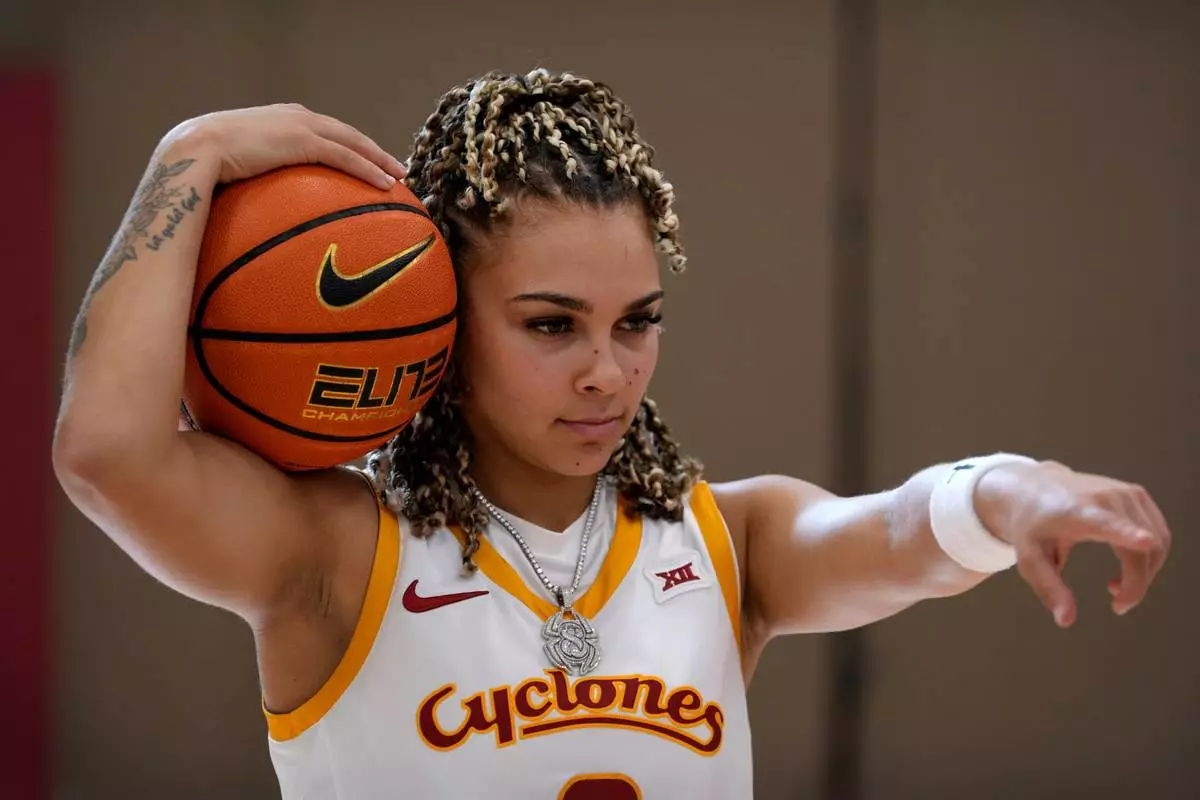
FILE - Iowa State guard Jada Williams poses for photographers during NCAA college basketball media day, Thursday, Oct. 16, 2025, in Ames, Iowa. (AP Photo/Charlie Neibergall)

FILE - Southern California guard JuJu Watkins (12) plays against UCLA during the first half of an NCAA college basketball game in the championship of the Big Ten Conference tournament in Indianapolis, Sunday, March 9, 2025. (AP Photo/Michael Conroy, File)
LAGOS, Nigeria (AP) — Nigerian industrialist Aliko Dangote opened his refinery to public ownership Monday with plans to raise $1.6 billion from retail investors across the continent in Africa’s biggest initial public offering, or IPO.
Dangote, Africa's richest man, dubbed the IPO one "for the people” and said he wants everyone to be able to own a share. Retail investors can buy shares in the sprawling Lagos-based refinery for 5,250 naira ($4) per share with a minimum purchase of 10 shares. Dangote retains 87% ownership of the refinery, Africa's largest.
The refinery's scale and potential returns, especially at a time when global oil prices have risen following the U.S.-Iran war, have generated excitement among retail investors.
“I will be a fool not to partake in it and see how it goes. I am placing a lot of emphasis on his name and on the refinery being the biggest in Africa,” Titi Adetoye, an Abuja-based operations manager who hopes to buy up to 1,000 shares, told The Associated Press.
Production began at the $19 billion refinery in 2024 as Nigeria, one of Africa's top oil producers, continues to struggle with local refining capacity.
The Dangote refinery has transformed the energy-rich country of more than 210 million people from an importer of refined oil into an exporter.
“It is going to be a game-changing IPO for Nigeria’s markets,” said Mohammed Saidu, head of research and investment analysis at Lagos-based TrustBanc. Saidu said he predicted there would be millions of new investors from the IPO.
The IPO has raised questions about Dangote retaining significant ownership and the refinery's purported valuation after the offering. At $49 billion, the valuation is more than twice what it cost to build it. The refinery's officials have denied that its valuation is inflated.
“It is not something someone can classify as people-driven if you still own 87% of the refinery and there are many ways that narrative breaks down,” Joachim McEbong, a senior West Africa analyst at Control Risks, said.
Nigeria has relied for many decades on foreign refining of its oil due to decrepit state-run refineries, many of which operate below capacity or have remained stagnant for years due to poor maintenance.
The Dangote refinery reached its full capacity of 650,000 barrels per day earlier this year. Dangote announced plans last year to increase capacity to 1.4 million barrels per day, a move its officials say will make it the world's largest refinery by surpassing India’s Jamnagar refinery.
Dangote has also set out to expand into East Africa, and has proposed building a refinery in Kenya by 2030.
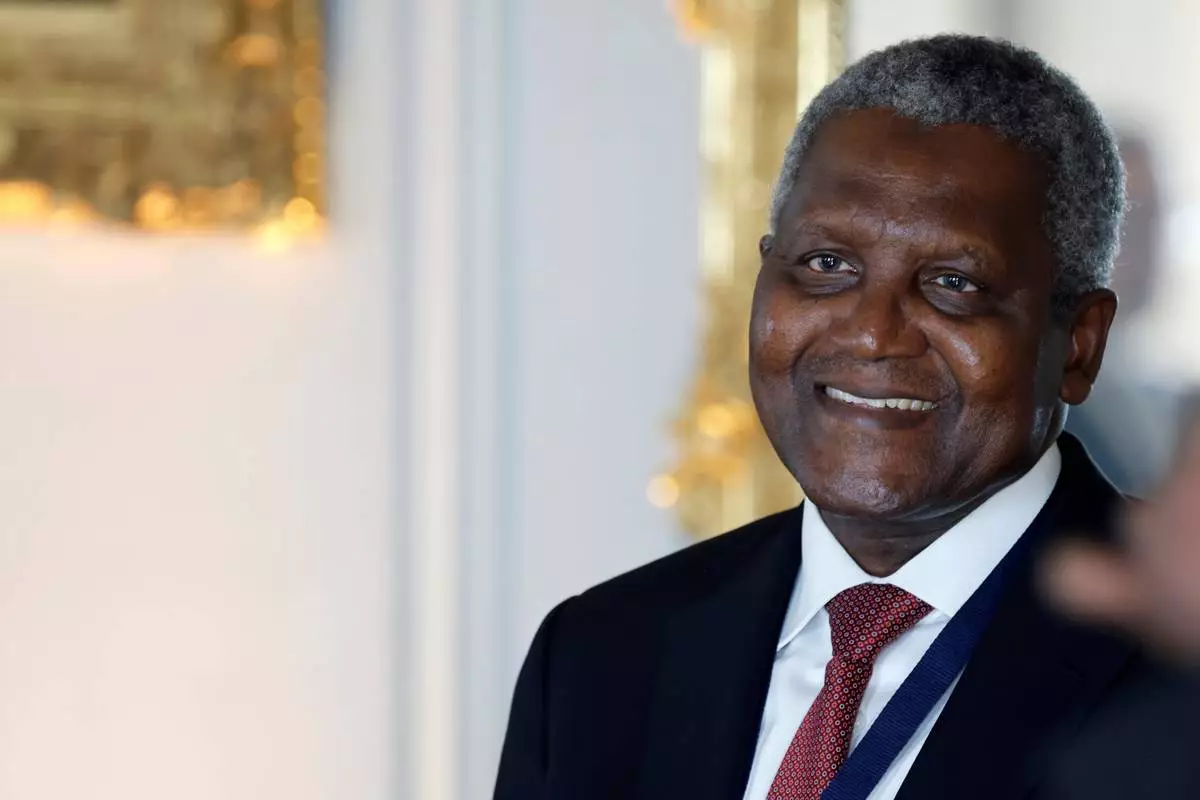
FILE - Nigerian multinational industrial conglomerate Dangote Group's CEO Aliko Dangote during the seventh "Choose France Summit", aiming to attract foreign investors to the country, at the Chateau de Versailles, outside Paris, Monday, May 13, 2024. (Ludovic Marin, Pool via AP, File)