KEY WEST, Fla. (AP) — For more than a month, Bobby Kuchinsky arrived at his restaurant each morning worried about whether he still had enough staff or if this might be the last shift for some of his Haitian workers, who have spent over a decade as cooks, busboys and oyster shuckers.
On Tuesday, he suspended six of them after they lost authorization to work in the U.S.
Click to Gallery
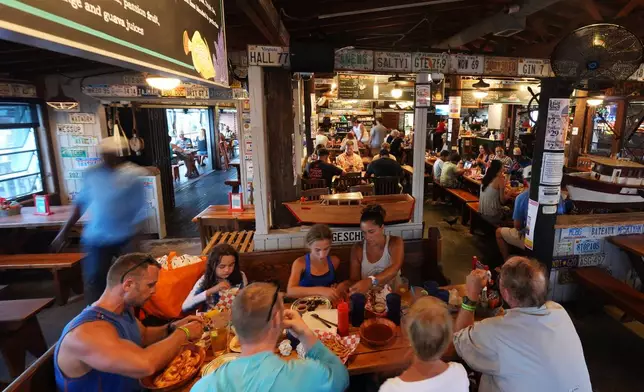
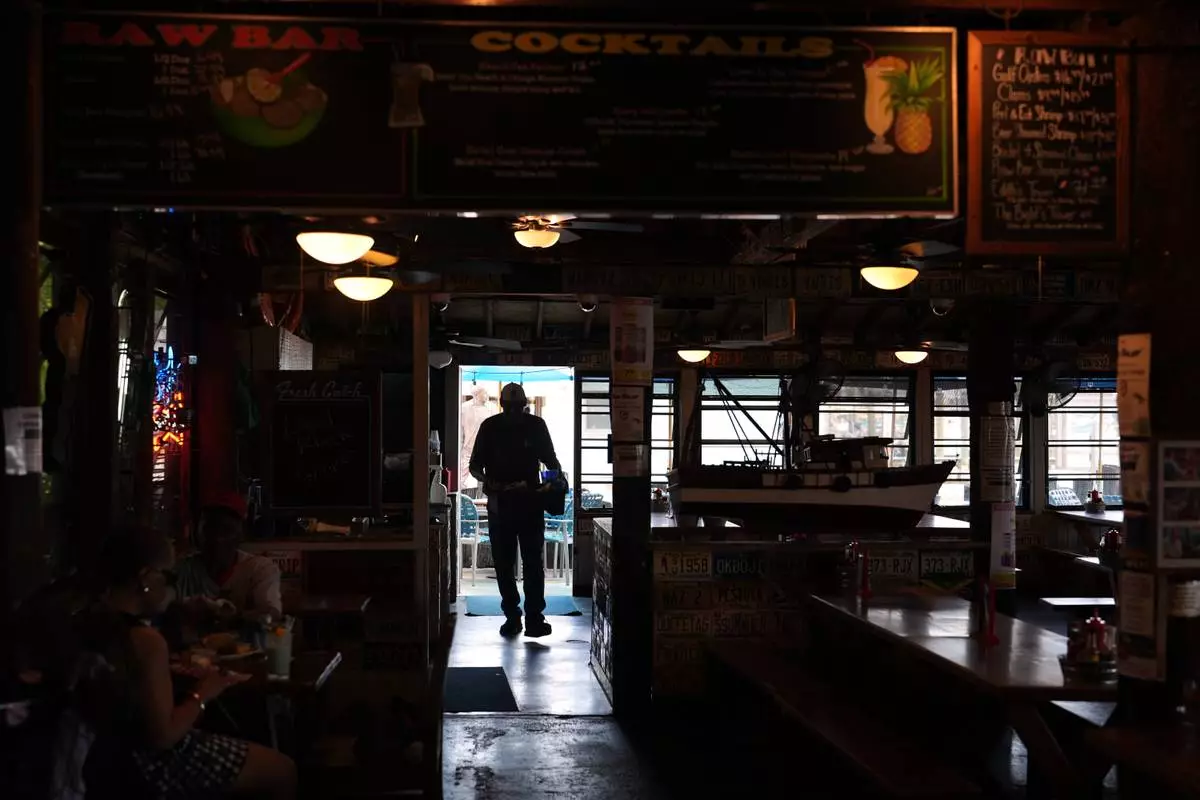
An employee bussing tables, left, walks past diners as he works inside Half Shell Raw Bar, Friday, July 24, 2026, in Key West, Fla. (AP Photo/Rebecca Blackwell)
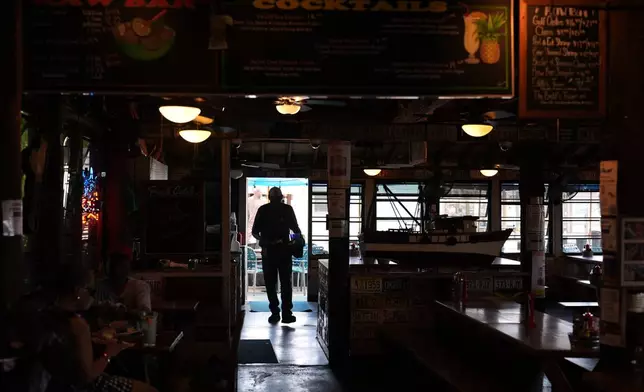
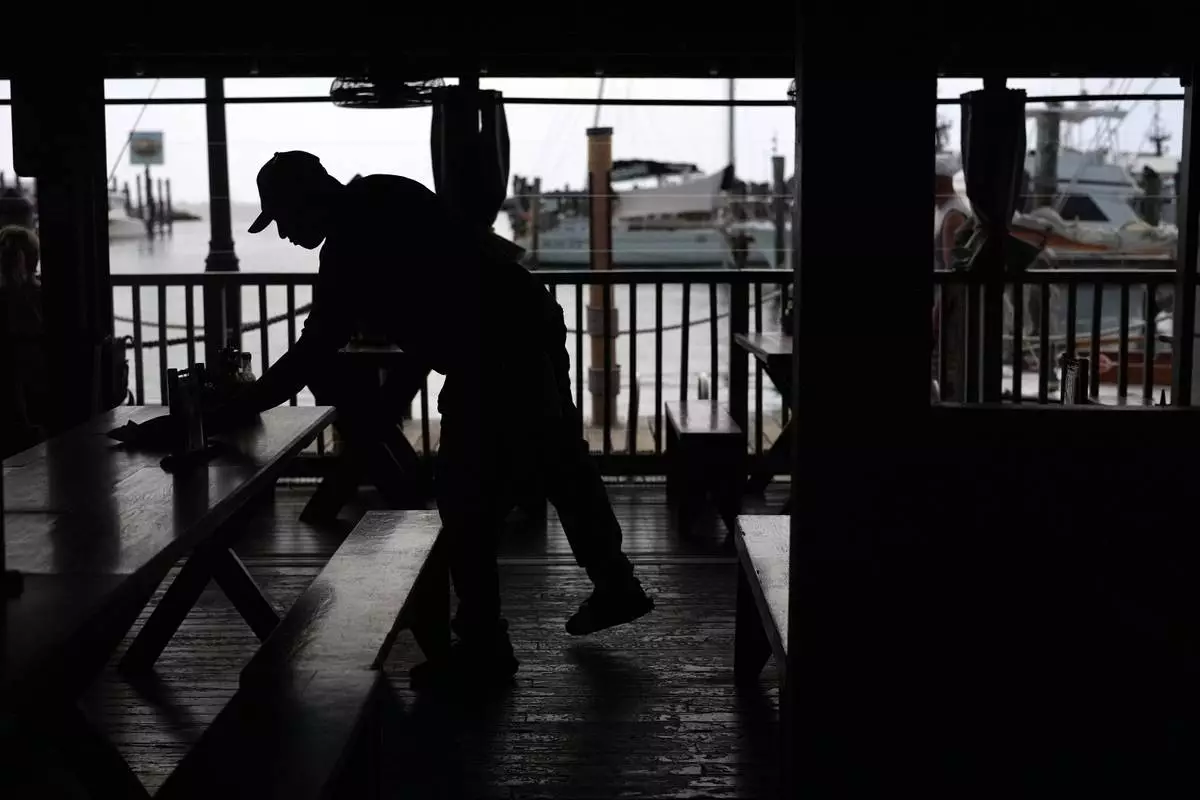
A Haitian worker with Temporary Protected Status busses tables at Half Shell Raw Bar, Friday, July 24, 2026, in Key West, Fla.(AP Photo/Rebecca Blackwell)
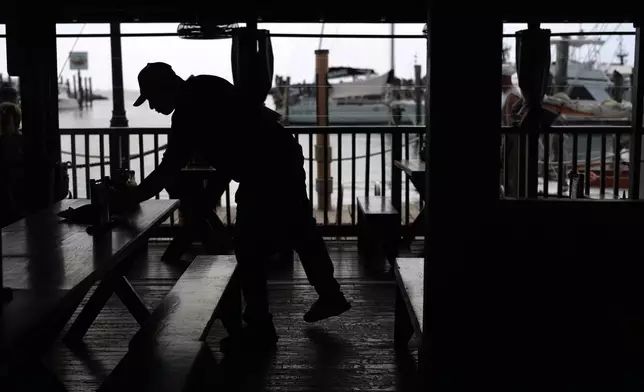
A Haitian worker with Temporary Protected Status cleans and busses tables at Half Shell Raw Bar, Friday, July 24, 2026, in Key West, Fla. (AP Photo/Rebecca Blackwell)
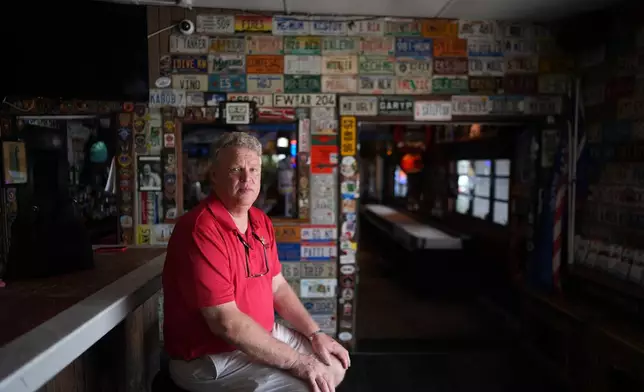
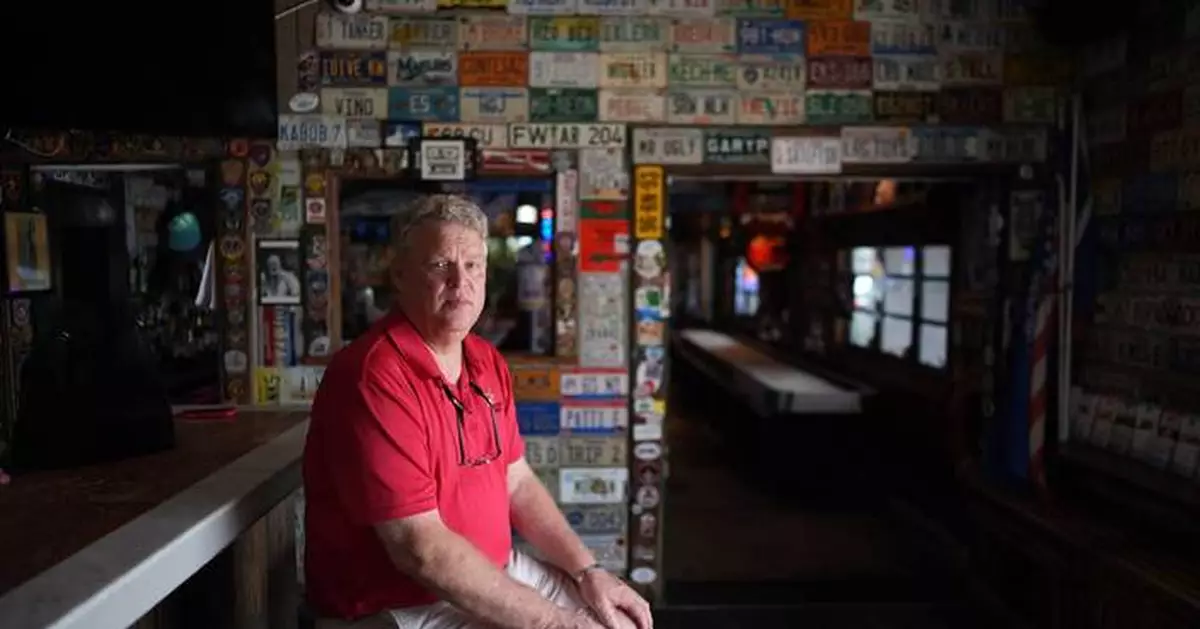
Bobby Kuchinsky, general manager of Half Shell Raw Bar, poses for a portrait inside his restaurant, Saturday, July 25, 2026, in Key West, Fla. (AP Photo/Rebecca Blackwell)
Kuchinsky and thousands of other businesses owners and managers are living in a state of constant uncertainty because confusion clouds the status of work permits for Haitian employees with Temporary Protected Status, better known as TPS.
As part of its crackdown on legal and illegal immigration, the Trump administration terminated TPS for about 1 million people from more than a dozen countries, including 350,000 Haitians who have been living and working legally in the U.S. since 2010. The termination, which exposed them to deportation, was challenged in district courts. On June 25, the Supreme Court sided with the government, allowing the TPS program to end.
The cases went back to the lower courts, which generally take 32 days to announce their decisions following the high court's recommendations. In the meantime, U.S. Citizenship and Immigration Services, extended the Haitians' work permits. The agency usually acted on the same day that the permits expired and offered extensions of only a few days, creating confusion and desperation among employers and the Haitian community.
Then on Monday, the work permits were not extended, and fear mounted — not only due to the loss of jobs but also because of the potential for arrest and deportation to one of the poorest and most violent countries in the Western Hemisphere.
Almost 1.5 million people have been displaced because of gang violence in Haiti, where more than half of the country’s nearly 12 million inhabitants need humanitarian aid. More than 2,300 people have been killed and more than 1,100 injured since January, according to the United Nations.
Citizenship and Immigration Services did not immediately respond to an email from The Associated Press requesting clarification on the validity of work permits.
In a written statement to AP, the Department of Homeland Security said TPS was created to be a temporary program, and the agency encouraged Haitians to request a $2,600 check to buy a “free flight home."
“It’s closing time, which means you don’t have to go home, but you can’t stay here," the DHS statement said.
As he did every morning, Kuchinsky, general manager of the Half Shell Raw Bar in Key West, logged onto the government website Tuesday to verify the work permits of six Haitian employees who were TPS beneficiaries. This time he learned their permits were no longer valid.
“I told them they are suspended,” he said after meeting with his employees. “It was horrible. It wasn't fun ... they had fear in their face, tears in their eyes.”
The manager, who has been working at the restaurant for more than 35 years, said he would keep checking the website for any changes. He said he decided to suspend the employees because it is easier than rehiring them, should they be allowed to work again at some point.
Before they left, he handed them a package containing information about their rights and the documents they would need in the event of being detained. He plans to pay them severance on Friday, if nothing changes.
Miriam Singer, CEO at Jewish Community Services of South Florida, said the organization advised 18 employees that they were no longer eligible to work.
“It’s been a very hard process,” Singer said. “They are devastated and without a path forward for caring for themselves and their families.” The Haitian workers provided home care to elderly Holocaust survivors.
Robert Dominguez, associate general counsel for Engage PEO, a human resources consultancy, said TPS has been “front of mind” for many businesses. He said it’s hard for employers to keep up with the government's changes, particularly in industries such as construction, hospitality and long-term care, which rely on workers from outside the U.S.
“You just see change after change. You just see a bunch of alerts,” Dominguez says. “I don’t think it’s clear-cut for most employers.”
Katie Smith Sloan, CEO of LeadingAge, which represents nonprofit long-term care homes, said member facilities have been on edge.
“These providers and the patients themselves are dealing with a ton of uncertainty for months and months,” she said. “And so now it all feels like it’s about to come to a head.”
For some of the TPS holders, returning to Haiti is a possible death sentence.
One of the workers at the Half Shell said he left Haiti because of gang violence, arrived at the U.S. in 2016, got a work permit a few months later and requested TPS in 2020. Since then, he has been working in the restaurant industry, washing dishes.
“Each day feels like the last day,” said the 62-year-old man, who spoke on condition of anonymity out of fear that he could be detained. “I don’t know how I’m going to live — pay the rent, buy food — if I don’t work.”
The man, who rents a room in a mobile home, said he sends about $550 a month to his wife and two brothers in Haiti. But he panics just thinking of going back there.
“I am afraid of being detained, deported, and sent back to Haiti — of being killed there,” he said in a soft voice, with his gaze cast downward.
His two adult sons, who also live in the U.S, were beneficiaries of TPS and are seeking asylum, he said.
Kuchinsky said he is also concerned about 19 of his employees with pending asylum cases. The government has also targeted asylum seekers, and many have been detained in Key West, a tourist destination at the southern tip of the United States, he noted.
Among them is Bendy Gabriel, who worked in rice fields and left Haiti in 2017 after receiving death threats. He first traveled to Chile, where he worked in construction, but after three years he moved to the United States because he was not earning enough money to send to his family in Haiti.
Gabriel, his wife and then 5-year-old son arrived in the U.S. in December 2021 and five months later requested asylum.
But the process was slow, and they applied for TPS too. Now that TPS is over, he said he can continue working until his permit expires in 2030, although he does not feel safe.
“Some days I’m afraid. If immigration officers catch me and take me back to my country, they’ll kill me when I get there,” the 36-year-old man said.
Gabriel, who has a 4-year-old son who was born in the U.S., works as a cook at the Half Shell and another restaurant. He earns around $5,000 a month, enough to pay $2,400 in rent, buy food, and send at least $300 a month to his father in Haiti.
“If we lose our jobs, it doesn’t just affect us,” he said. “How are we going to manage to send money to our families in Haiti so they can eat?”
Sedensky reported from New York.
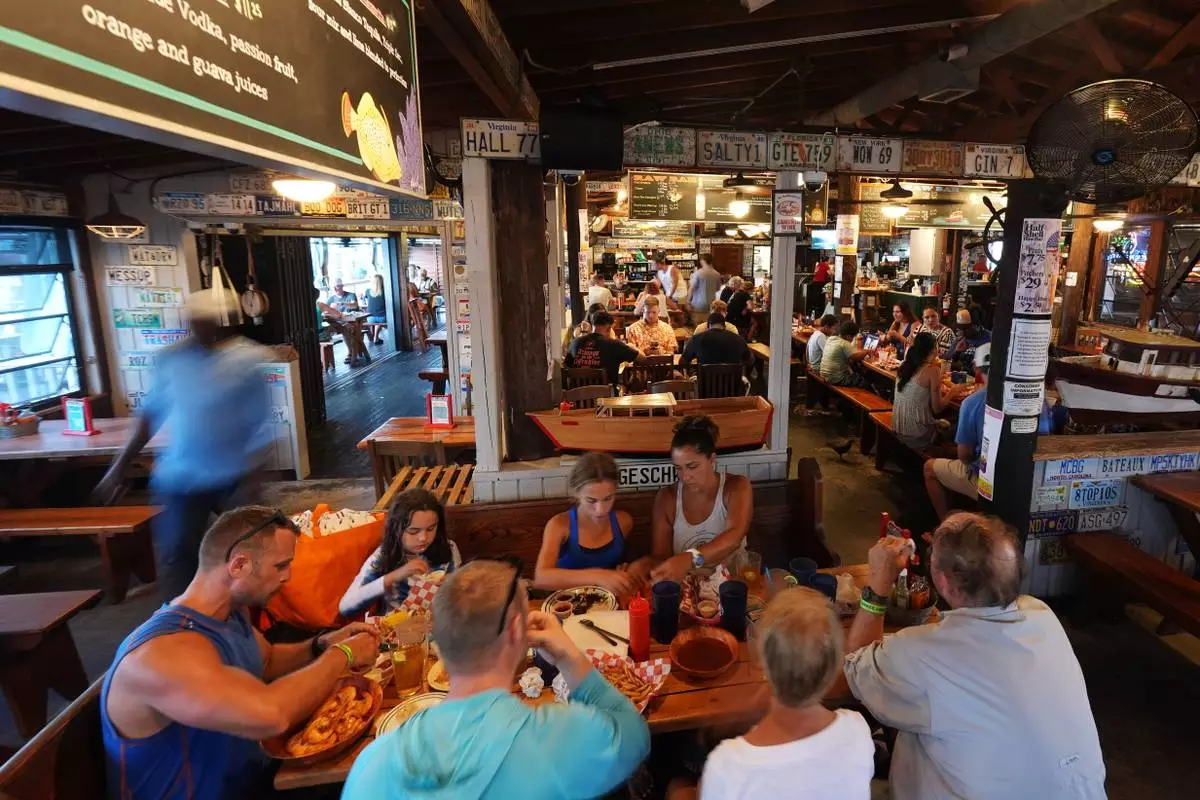
An employee bussing tables, left, walks past diners as he works inside Half Shell Raw Bar, Friday, July 24, 2026, in Key West, Fla. (AP Photo/Rebecca Blackwell)
A Haitian worker with Temporary Protected Status busses tables at Half Shell Raw Bar, Friday, July 24, 2026, in Key West, Fla.(AP Photo/Rebecca Blackwell)
A Haitian worker with Temporary Protected Status cleans and busses tables at Half Shell Raw Bar, Friday, July 24, 2026, in Key West, Fla. (AP Photo/Rebecca Blackwell)
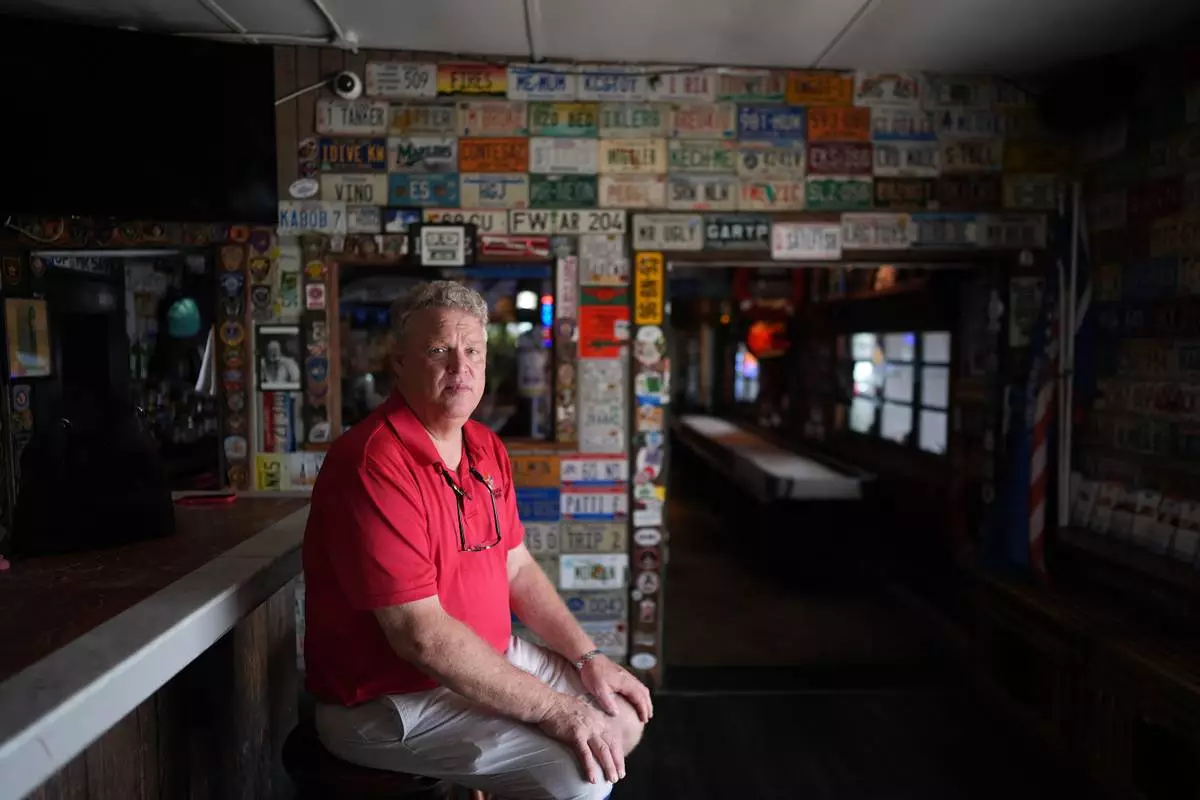
Bobby Kuchinsky, general manager of Half Shell Raw Bar, poses for a portrait inside his restaurant, Saturday, July 25, 2026, in Key West, Fla. (AP Photo/Rebecca Blackwell)