From front-page news to powerful moments you may have missed, this gallery showcases today's top photos chosen by Associated Press photo editors.
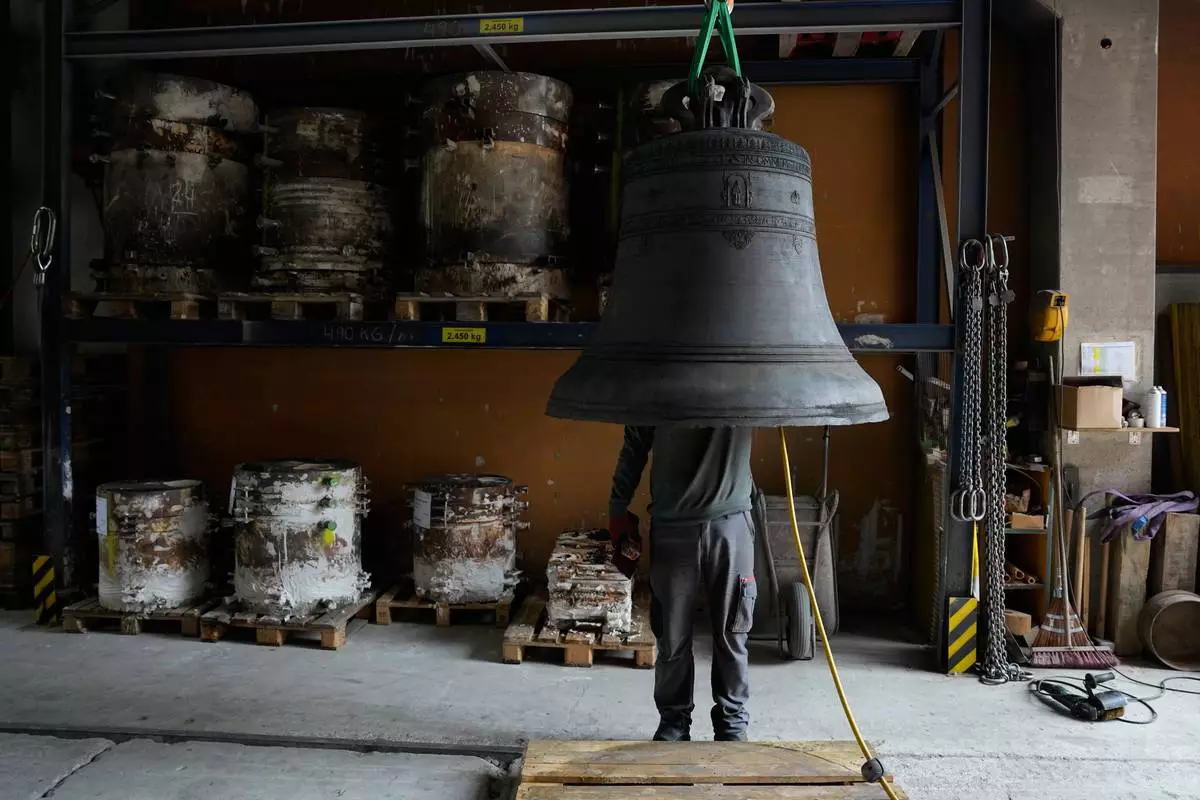
An employee works on the inside of a bell at the 400-year-old family-owned bell foundry Grassmayr in Innsbruck, Austria, Friday, July 17, 2026. (AP Photo/Matthias Schrader)
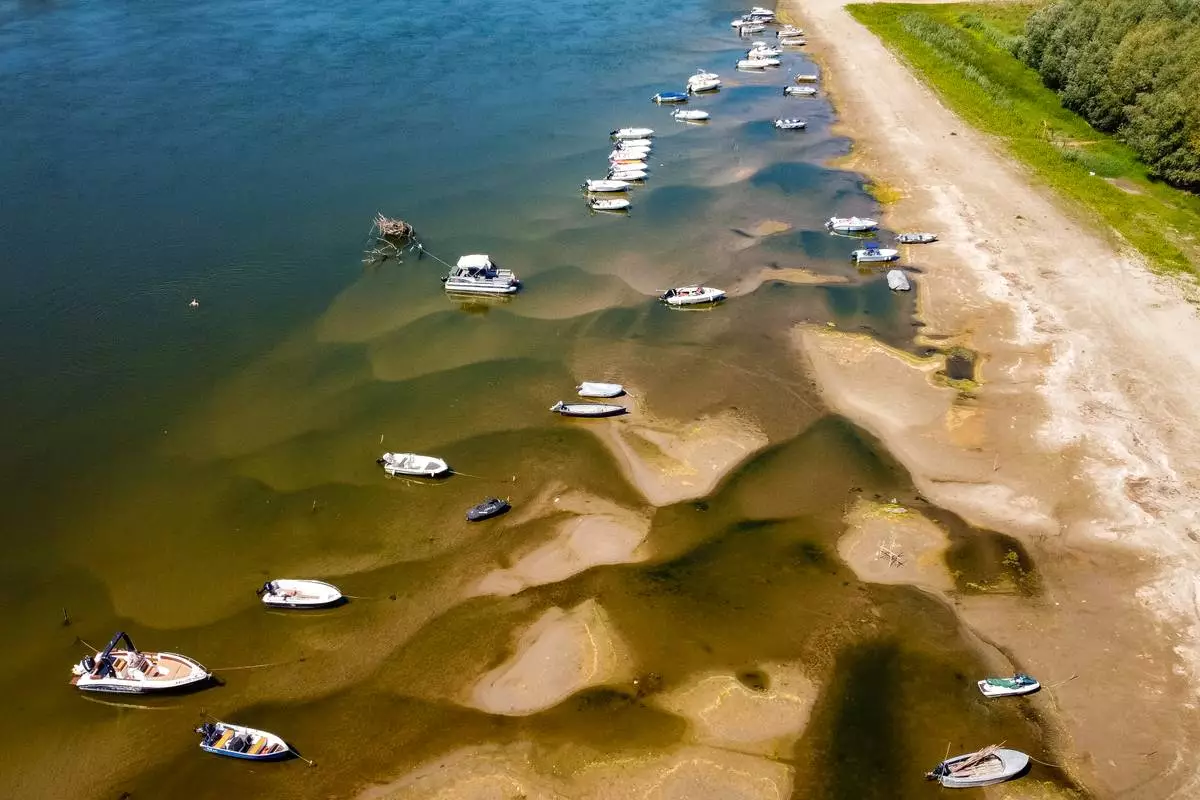
Boats sit on a bank of the Danube River where usually submerged areas are exposed due to extremely low water levels following an extended period of drought in Islaz, Romania, Wednesday, July 29, 2026. (AP Photo/Nicolae Dumitrache)
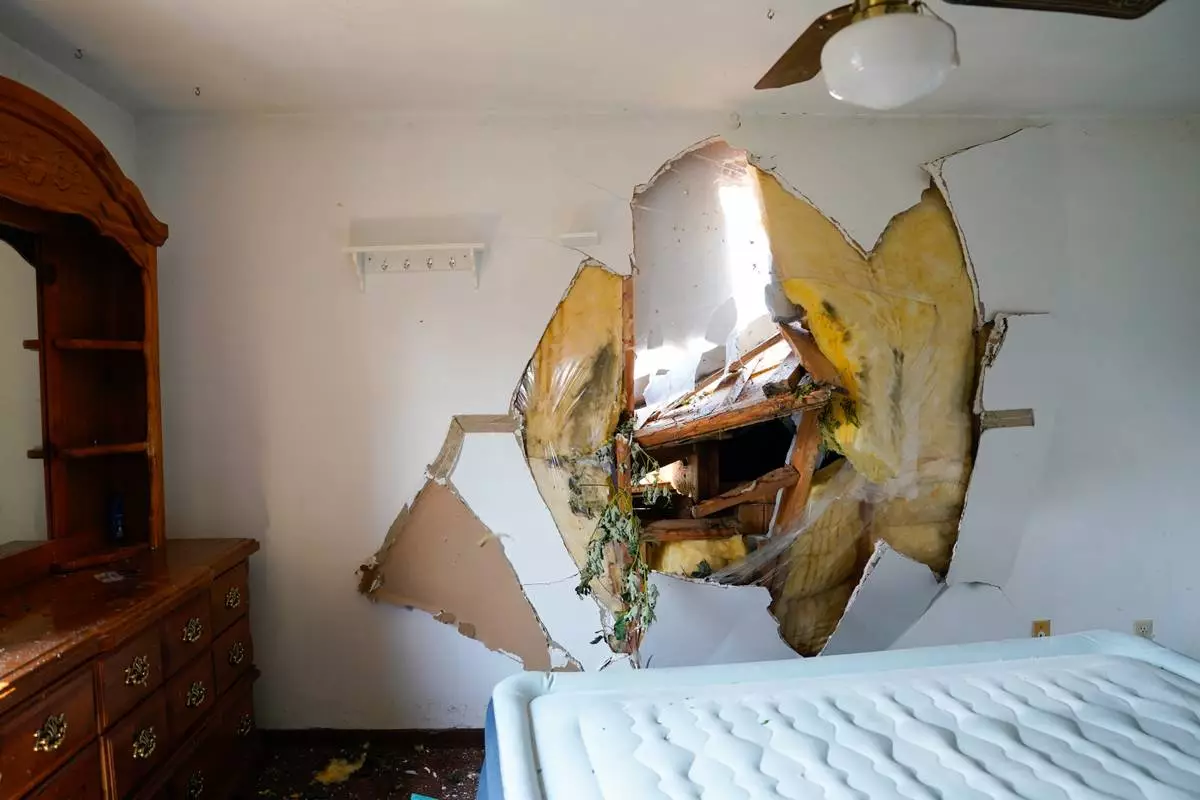
Debris is seen through the drywall of a bedroom after a tornado hit the day before in Menasha, Wis., Tuesday, July 28, 2026. (AP Photo/Kayla Wolf)
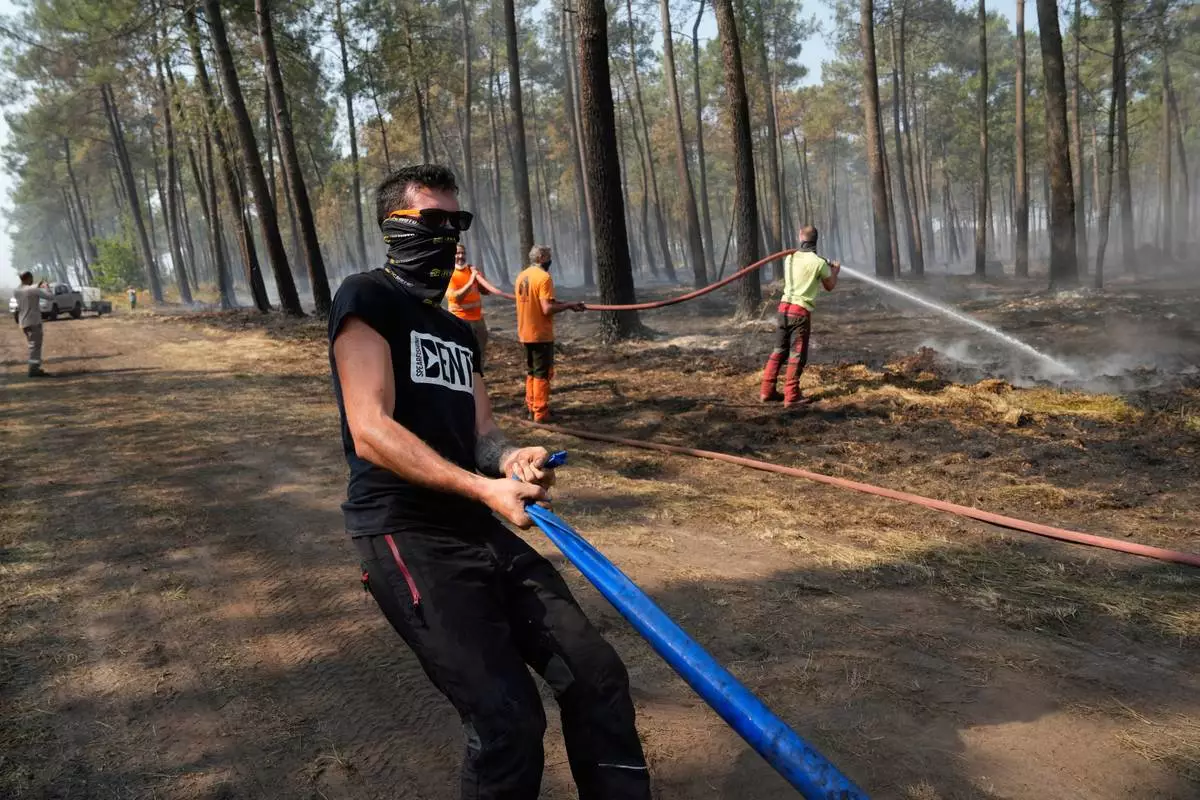
Local residents hose down smoldering fires in a forest in Souge, during wildfires in southwestern France, Wednesday, July 29, 2026. (AP Photo/Baz Ratner)

Mourners carry coffins draped in the Iranian flag, foreground, and the Iraqi flag during a group funeral for Iranian advisers and Popular Mobilization Forces fighters killed in airstrikes on bases belonging to Iraq's Popular Mobilization Forces, a coalition of predominantly Shiite militias that includes Iran-backed groups, in Mosul, Iraq, Wednesday, July 29, 2026. (AP Photo/Hadi Mizban)
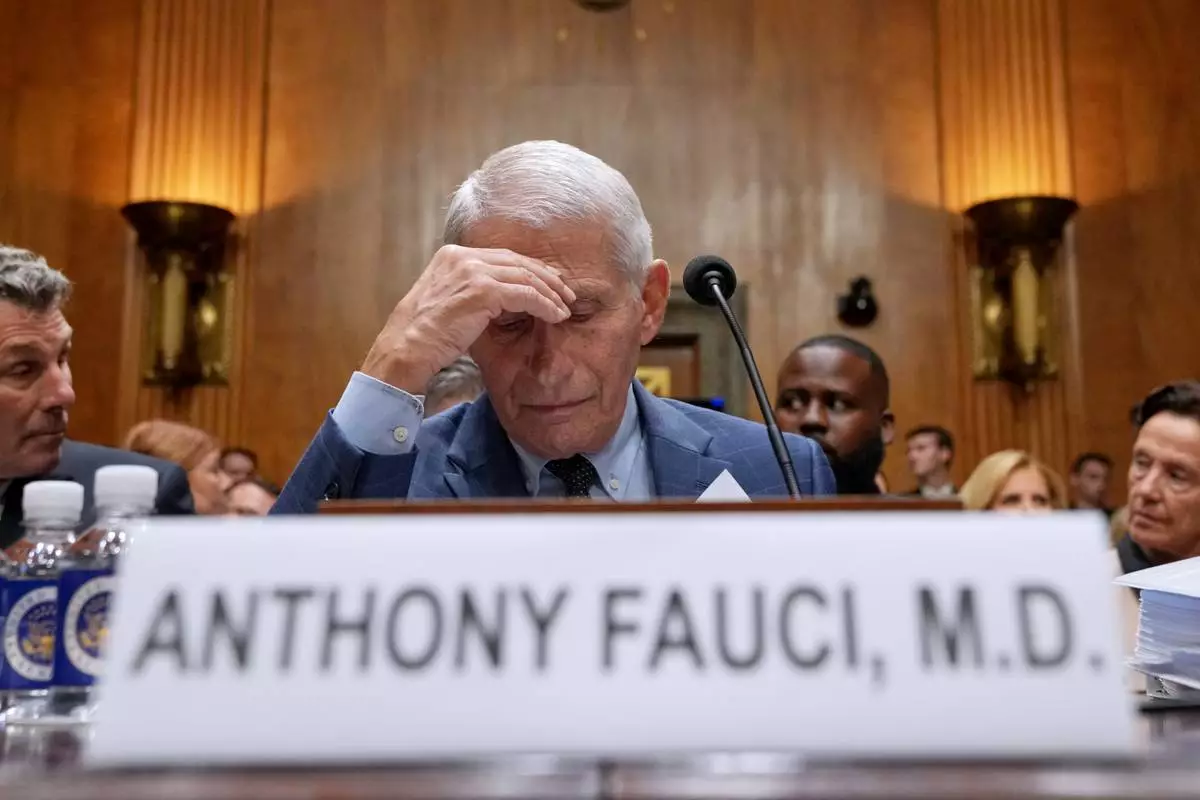
Dr. Anthony Fauci appears before the Senate Homeland Security and Governmental Affairs Committee at the Capitol, Wednesday, July 29, 2026, in Washington. (AP Photo/Allison Robbert)
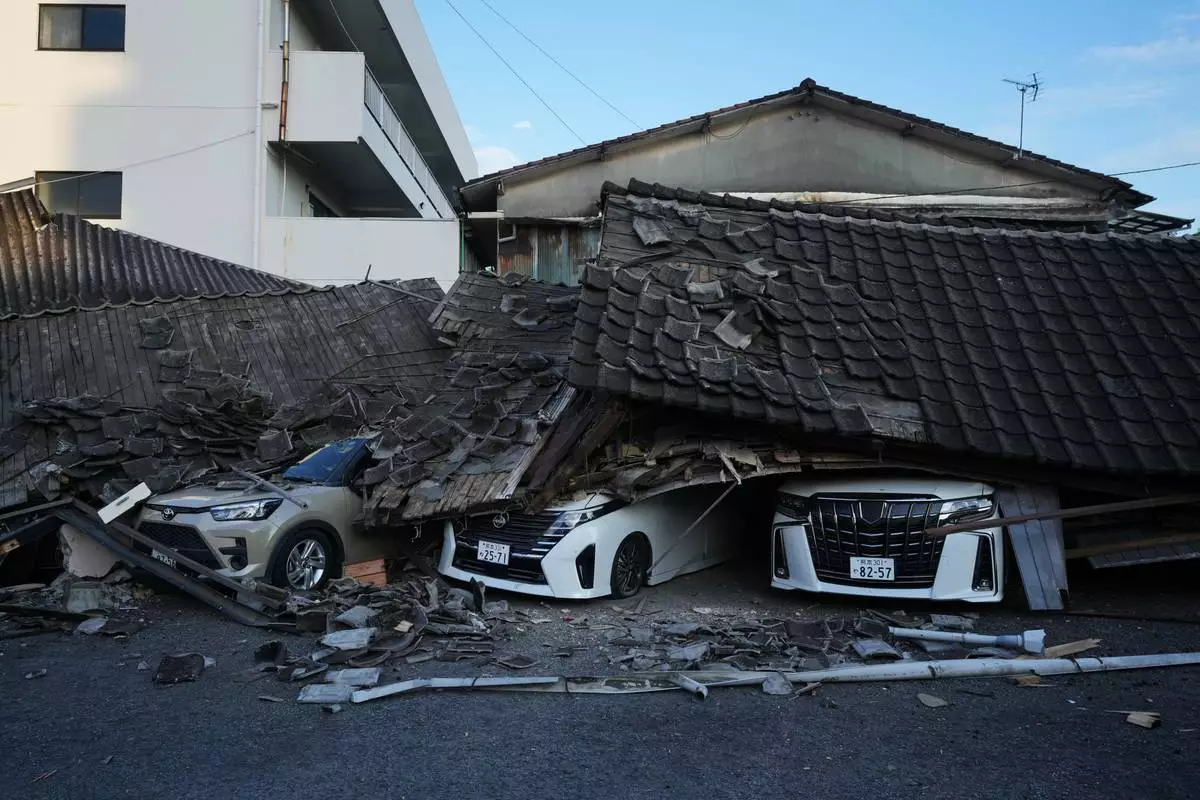
Vehicles are crushed under collapsed buildings in Yatsushiro, southwestern Japan, Wednesday, July 29, 2026, the day after an earthquake hit the area. (AP Photo/Hiro Komae)
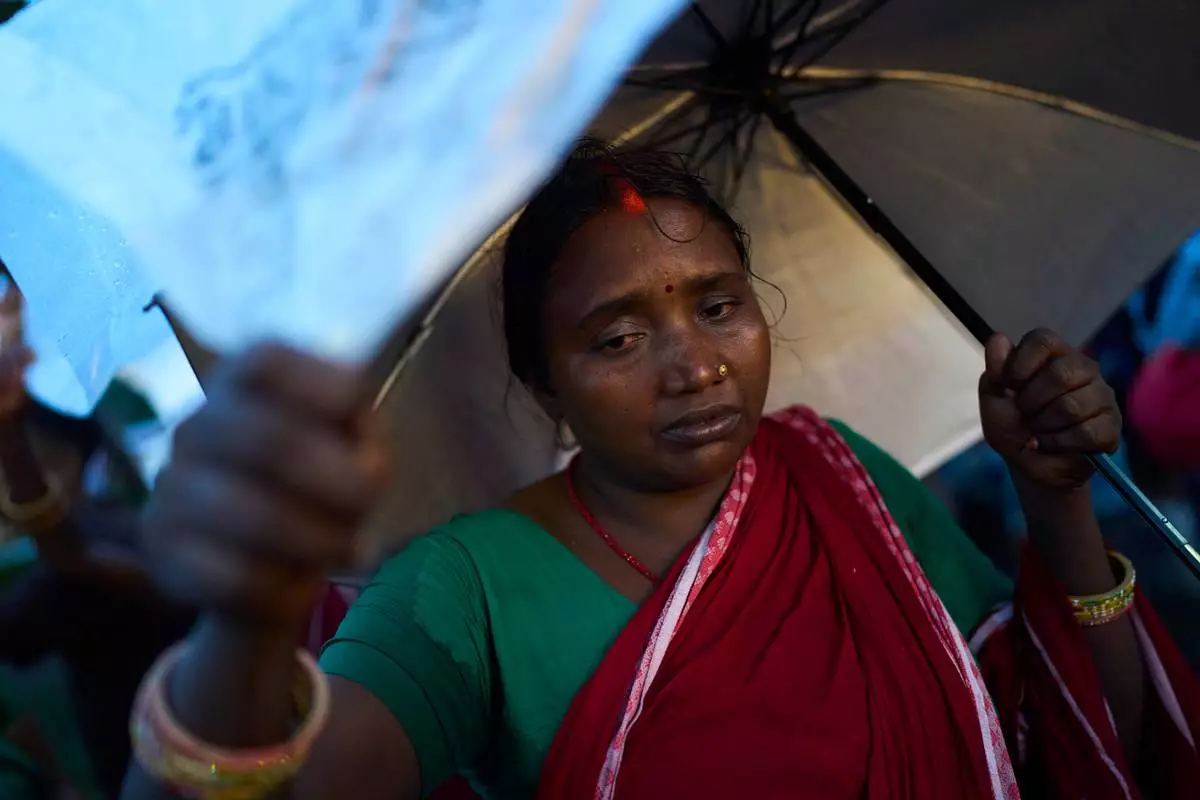
Farmers and laborers shelter from the rain along a roadside after taking part in a demonstration against what they describe as exploitative lending practices by microfinance institutions, calling for the release of collateral pledged against loans and the provision of interest-free loans, in Kathmandu, Nepal, Wednesday, July 29, 2026. (AP Photo/Niranjan Shrestha)
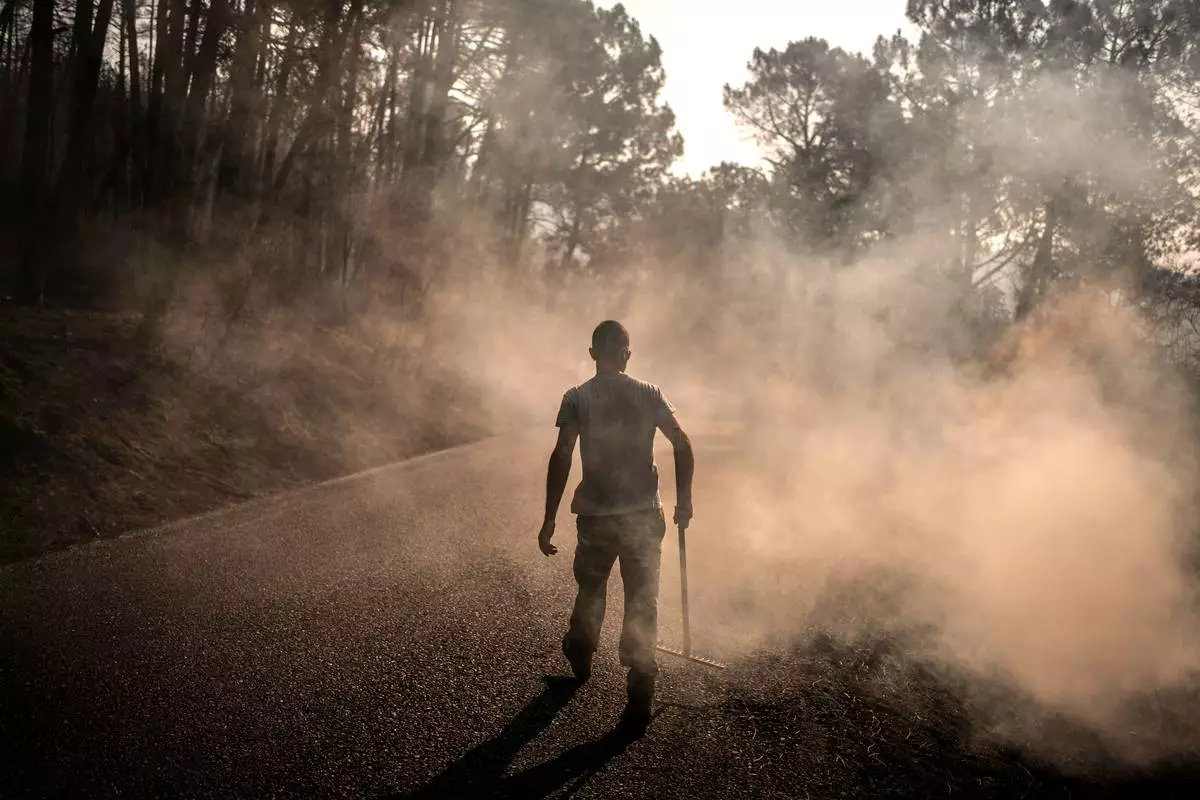
A man works to extinguish hot spots in an area burned by a wildfire near Casavieja, Ávila province, Spain, Wednesday, July 29, 2026. (AP Photo/Olmo Calvo)

Brazilian President Luiz Inácio Lula da Silva pretends to examine World Health Organization Director-General Tedros Adhanom Ghebreyesus with dental equipment during a visit to the Andaraí Hospital in Rio de Janeiro, Brazil, Tuesday, July 28, 2026. (AP Photo/Bruna Prado)
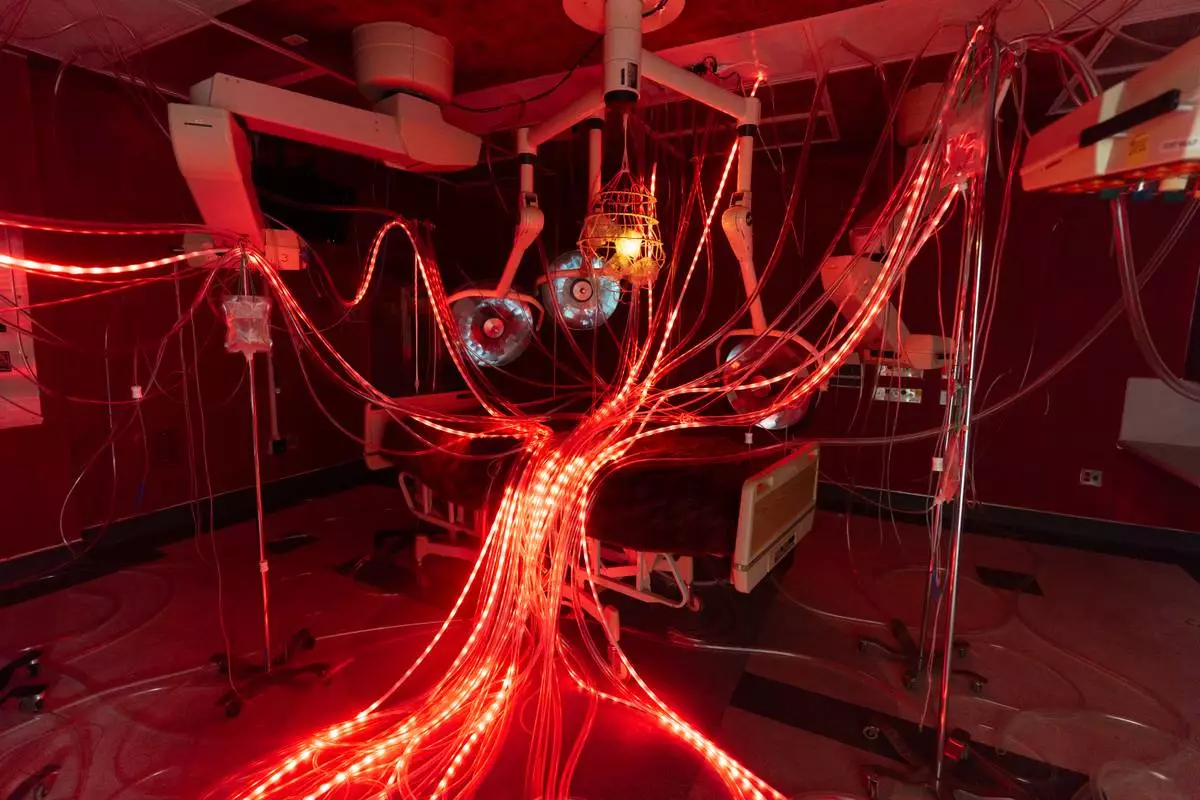
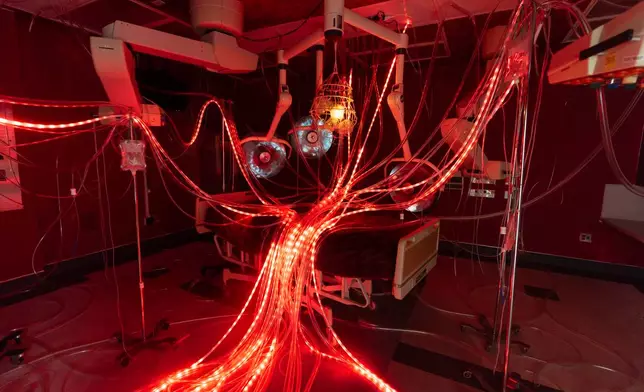
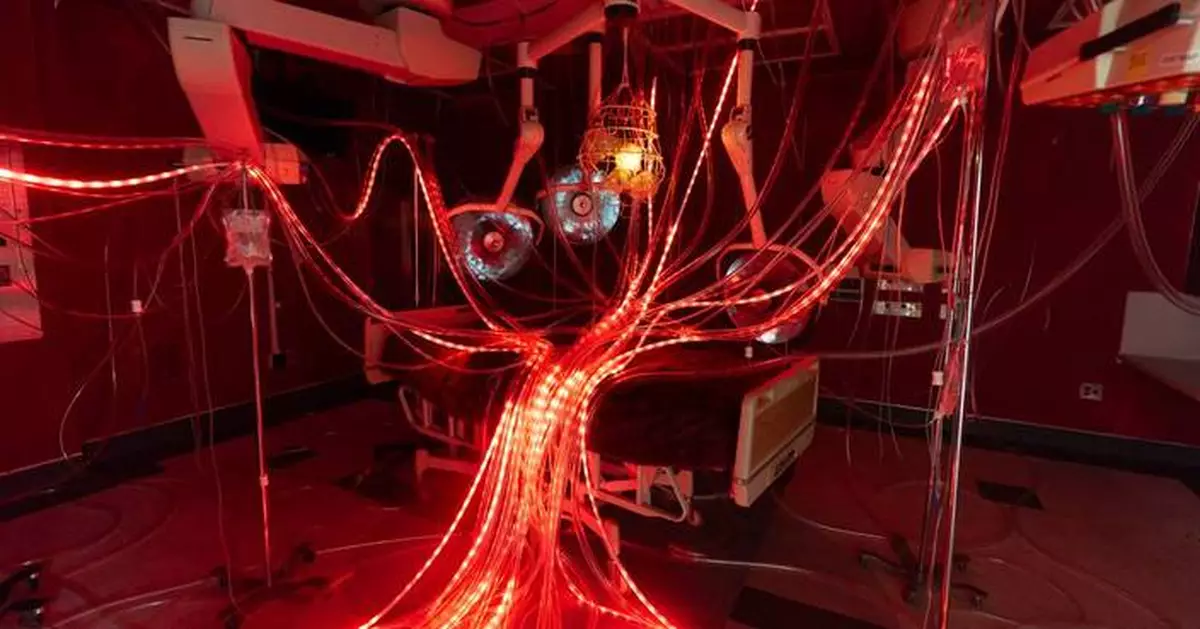
The installation "Breathworks" by artists Anna Matsumoto and Bhumikorn Kongtaveelert is displayed during the "Hospital of Emotions" exhibition inside a former hospital building in Los Angeles, Wednesday, July 22, 2026. (AP Photo/Jae C. Hong)
Click to Gallery
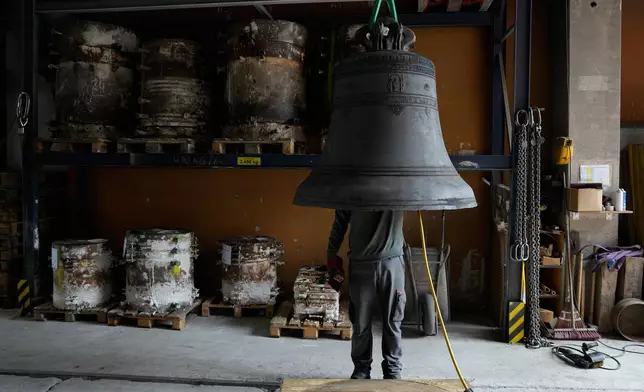
An employee works on the inside of a bell at the 400-year-old family-owned bell foundry Grassmayr in Innsbruck, Austria, Friday, July 17, 2026. (AP Photo/Matthias Schrader)
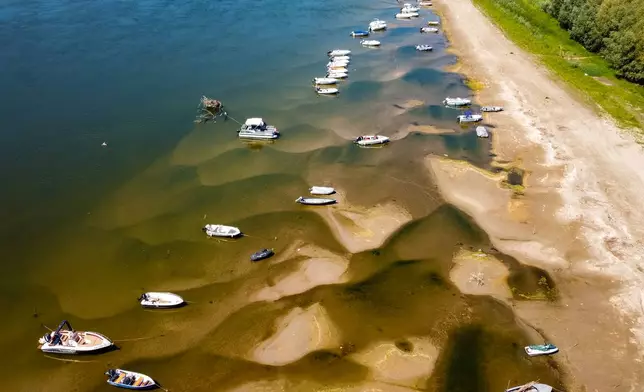
Boats sit on a bank of the Danube River where usually submerged areas are exposed due to extremely low water levels following an extended period of drought in Islaz, Romania, Wednesday, July 29, 2026. (AP Photo/Nicolae Dumitrache)
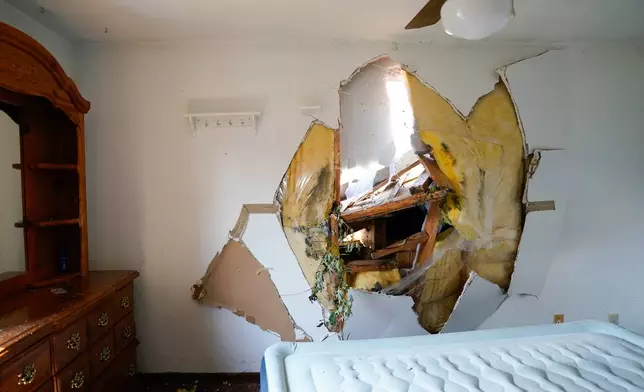
Debris is seen through the drywall of a bedroom after a tornado hit the day before in Menasha, Wis., Tuesday, July 28, 2026. (AP Photo/Kayla Wolf)
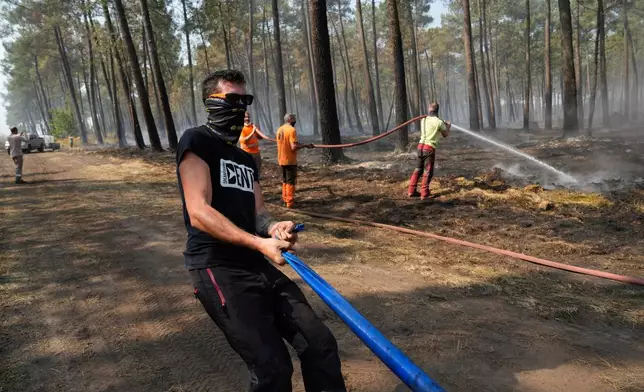
Local residents hose down smoldering fires in a forest in Souge, during wildfires in southwestern France, Wednesday, July 29, 2026. (AP Photo/Baz Ratner)
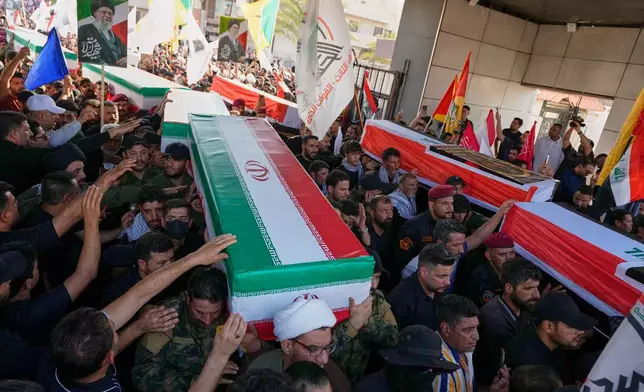
Mourners carry coffins draped in the Iranian flag, foreground, and the Iraqi flag during a group funeral for Iranian advisers and Popular Mobilization Forces fighters killed in airstrikes on bases belonging to Iraq's Popular Mobilization Forces, a coalition of predominantly Shiite militias that includes Iran-backed groups, in Mosul, Iraq, Wednesday, July 29, 2026. (AP Photo/Hadi Mizban)
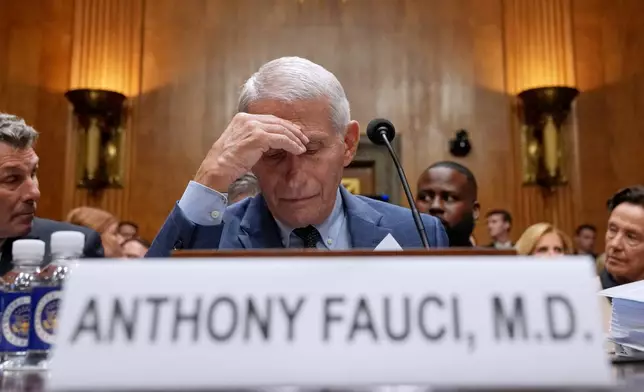
Dr. Anthony Fauci appears before the Senate Homeland Security and Governmental Affairs Committee at the Capitol, Wednesday, July 29, 2026, in Washington. (AP Photo/Allison Robbert)
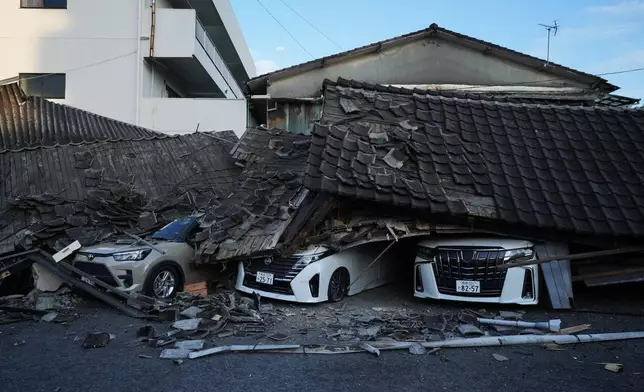
Vehicles are crushed under collapsed buildings in Yatsushiro, southwestern Japan, Wednesday, July 29, 2026, the day after an earthquake hit the area. (AP Photo/Hiro Komae)
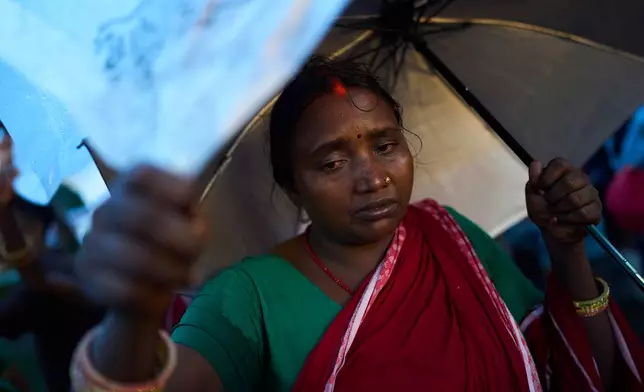
Farmers and laborers shelter from the rain along a roadside after taking part in a demonstration against what they describe as exploitative lending practices by microfinance institutions, calling for the release of collateral pledged against loans and the provision of interest-free loans, in Kathmandu, Nepal, Wednesday, July 29, 2026. (AP Photo/Niranjan Shrestha)
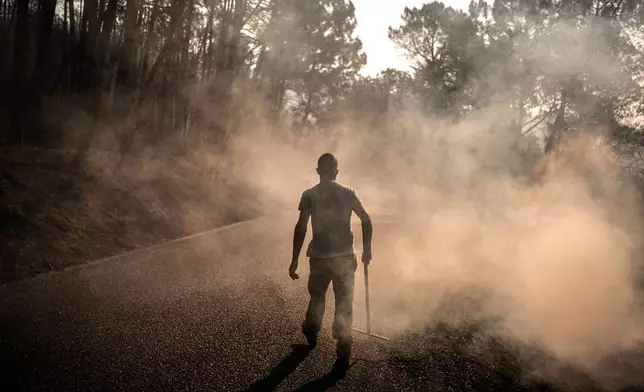
A man works to extinguish hot spots in an area burned by a wildfire near Casavieja, Ávila province, Spain, Wednesday, July 29, 2026. (AP Photo/Olmo Calvo)

Brazilian President Luiz Inácio Lula da Silva pretends to examine World Health Organization Director-General Tedros Adhanom Ghebreyesus with dental equipment during a visit to the Andaraí Hospital in Rio de Janeiro, Brazil, Tuesday, July 28, 2026. (AP Photo/Bruna Prado)