FEHD releases sixth batch of gravidtrap indexes for Aedes albopictus in July
The Food and Environmental Hygiene Department (FEHD) today (July 30) released the sixth batch of gravidtrap indexes and density indexes for Aedes albopictus in July, covering 15 survey areas, as follows:
Click to Gallery
FEHD releases sixth batch of gravidtrap indexes for Aedes albopictus in July Source: HKSAR Government Press Releases
FEHD releases sixth batch of gravidtrap indexes for Aedes albopictus in July Source: HKSAR Government Press Releases
FEHD releases sixth batch of gravidtrap indexes for Aedes albopictus in July Source: HKSAR Government Press Releases
FEHD releases sixth batch of gravidtrap indexes for Aedes albopictus in July Source: HKSAR Government Press Releases
| District | Survey Area | July 2026 | |
| First Phase Gravidtrap Index | First Phase Density Index | ||
| Southern | Deep Water Bay and Repulse Bay | 3.4% | 1.0 |
| Islands | Tung Chung | 0.0% | N/A |
| Kowloon City | Ho Man Tin | 9.1% | 1.2 |
| Sham Shui Po | Cheung Sha Wan | 30.9% | 1.9 |
| Lai Chi Kok | 9.3% | 1.4 | |
| Sai Kung | Tseung Kwan O East | 7.5% | 1.5 |
| Tseung Kwan O West | 9.1% | 1.2 | |
| District | Survey Area | July 2026 | |
| Area Gravidtrap Index | Area Density Index | ||
| Eastern | Chai Wan | 16.3% | 1.0 |
| Kowloon City | Hung Hom and To Kwa Wan | 18.1% | 1.1 |
| Kowloon Tong | 9.1% | 1.2 | |
| North | Fanling North | 0.0% | N/A |
| Sha Tin | Sha Tin East | 5.0% | 1.0 |
| Tsuen Wan | Sheung Kwai Chung | 4.5% | 1.4 |
| Tsuen Wan West | 8.5% | 1.2 | |
| Yuen Long | Yuen Long Town | 13.2% | 1.5 |
The FEHD continues to carry out a series of measures, including:
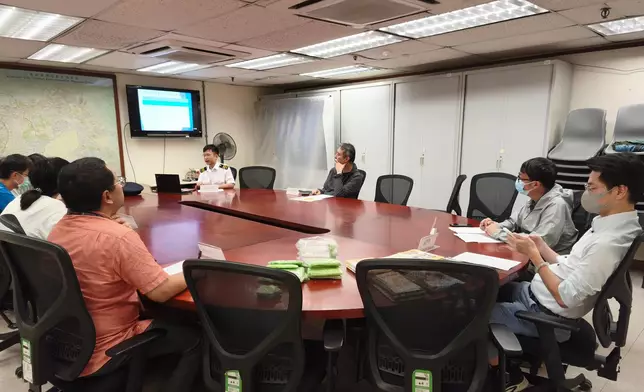
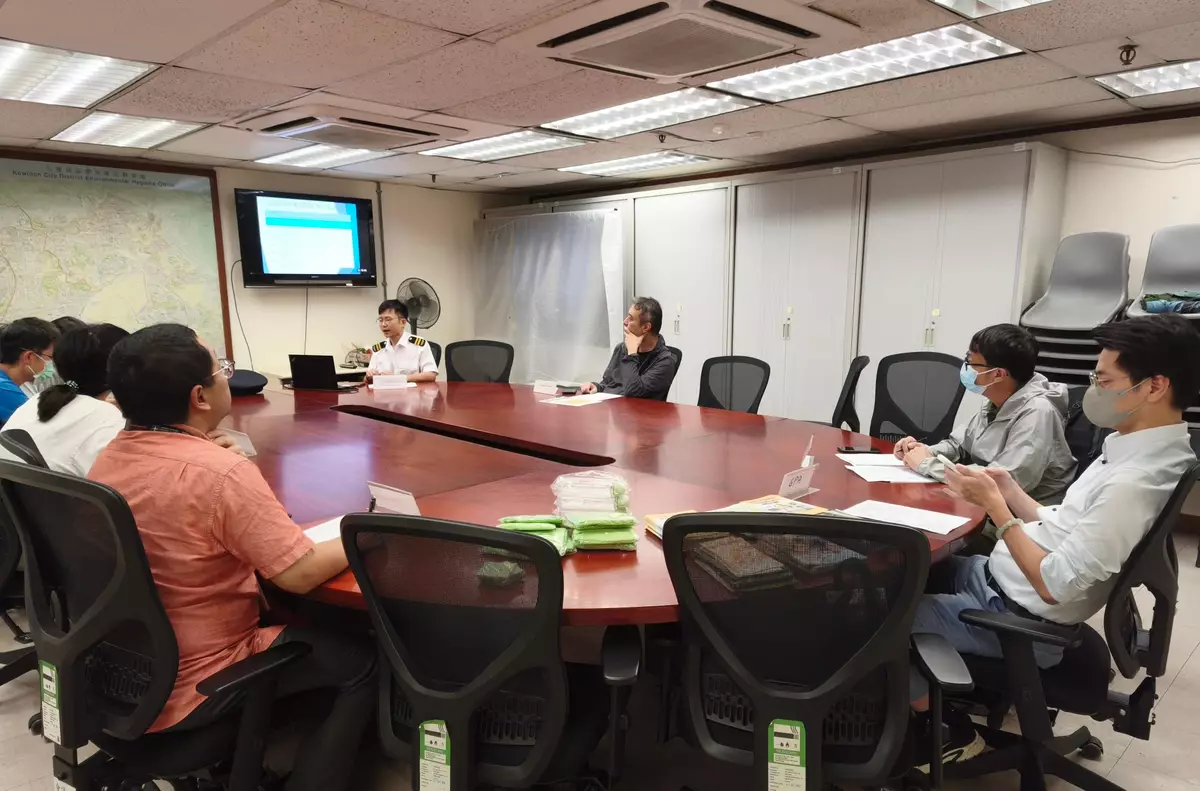
- interdepartmental collaboration: convening special meetings of the interdepartmental task forces on anti-mosquito work to co-ordinate relevant departments and stakeholders (such as construction site contractors, schools and property management companies) in strengthening mosquito control work at venues;
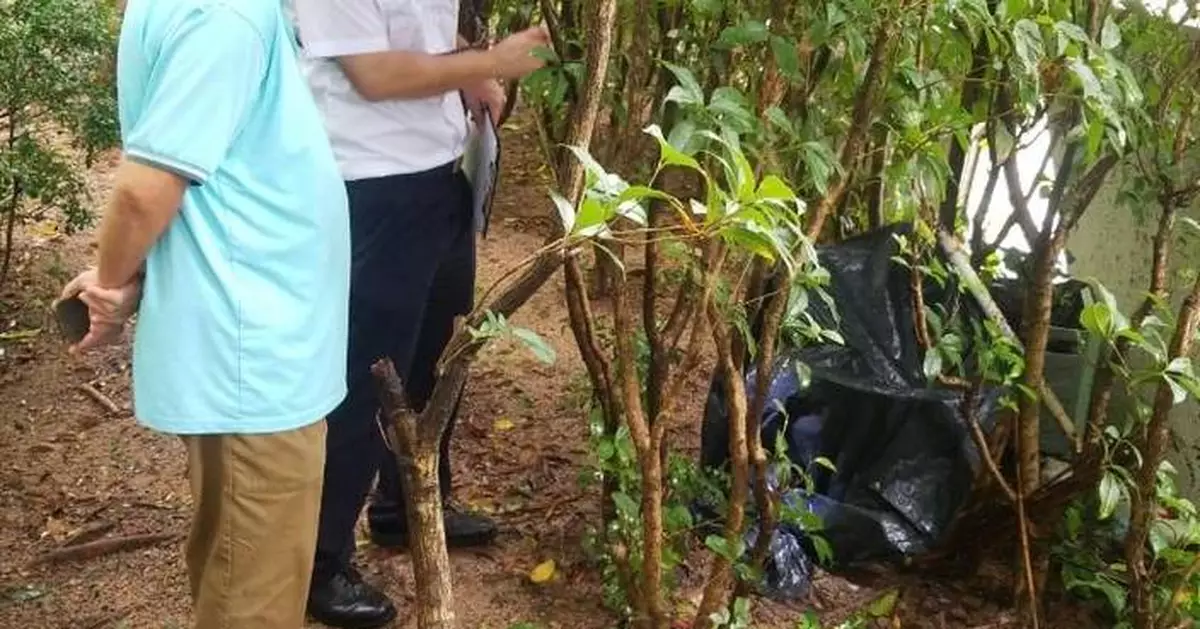
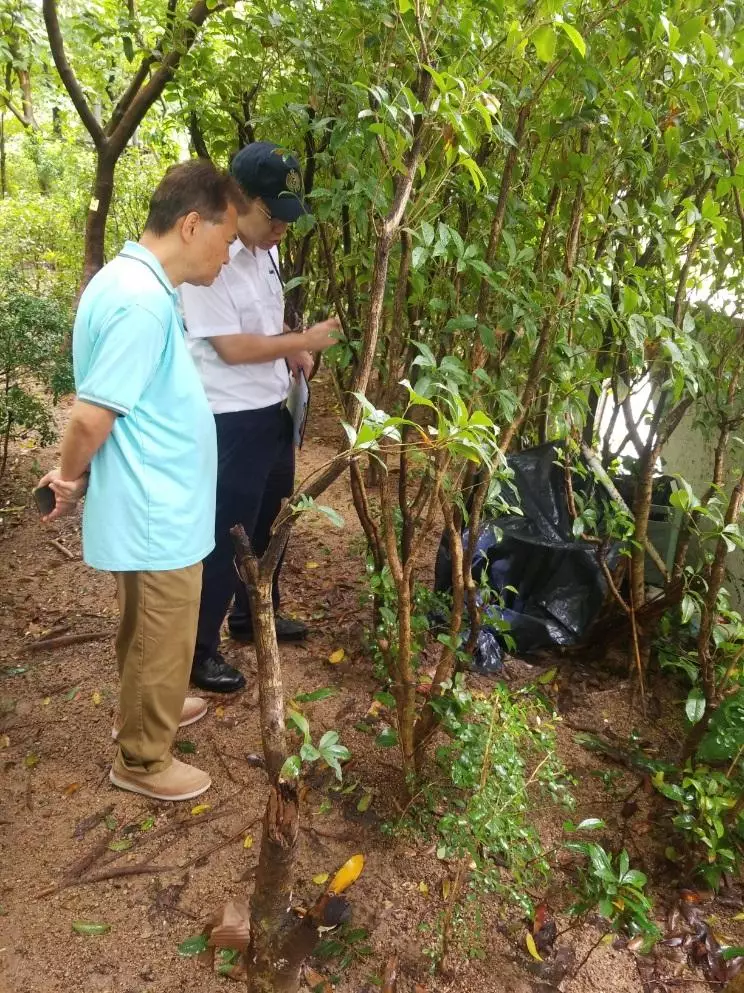
- precise risk assessments: carrying out intensive and targeted mosquito control work at locations with more serious mosquito infestations, including stepping up inspections, eliminating mosquito breeding and potential breeding grounds, applying larvicides, conducting fogging operations to eradicate adult mosquitoes, and placing mosquito trapping devices at appropriate locations;
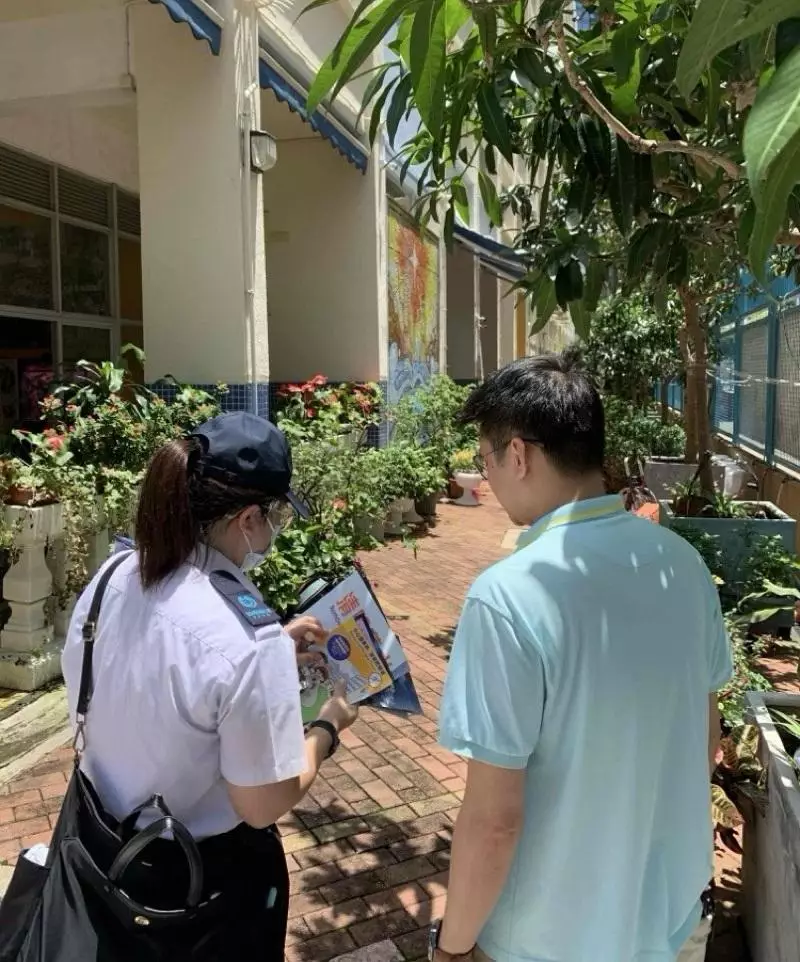
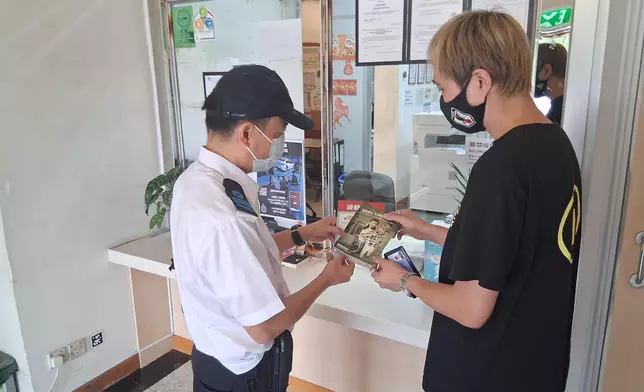
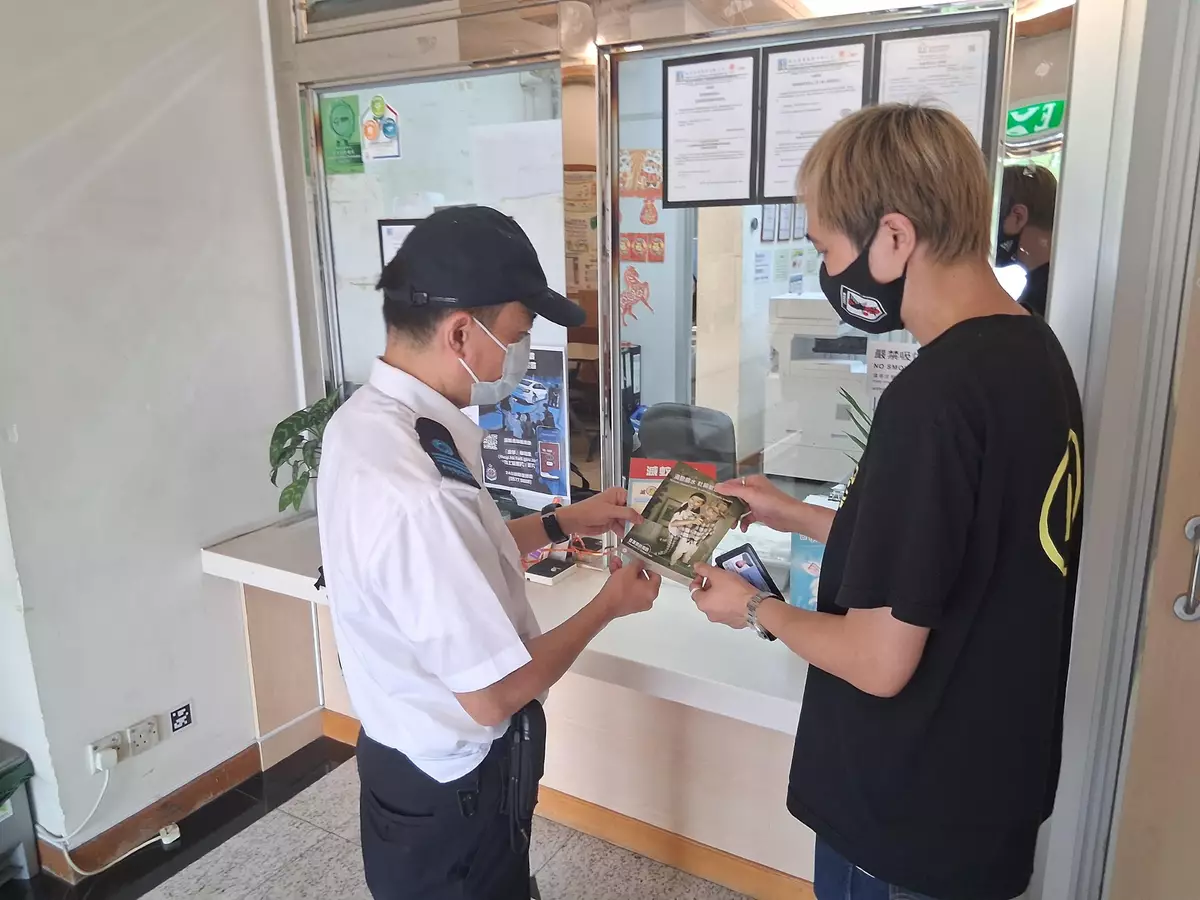
- promotion and education: organising exhibitions with relevant departments and stakeholders, and distributing leaflets and posters to enhance public awareness of mosquito control and prevention; and
- rapid alert mechanism: notifying residential estates that have subscribed to the gravidtrap Rapid Alert System, and advising property management companies and residents to stay vigilant and work together in taking mosquito prevention and elimination measures.
During the follow-up actions and following the discovery of stagnant water or stagnant water containers at one park, three public housing estates and three private housing estates in Sham Shui Po District, the FEHD has issued a total of eight statutory notices to the responsible persons-in-charge, requiring the clearance of such items within a specified timeframe.
Public participation is crucial to the effective control of mosquito problems. The FEHD appeals to members of the public to continue to work together in strengthening personal mosquito control measures, including:
- tidy up their premises and check for any accumulation of water inside the premises;
- remove all unnecessary water collections and eliminate the sources;
- check household items (those placed in outdoor and open areas in particular), such as refuse containers, vases, air conditioner drip trays, and laundry racks to prevent stagnant water;
- change water in flower vases and scrub their inner surfaces thoroughly, and remove water in saucers under potted plants at least once a week;
- properly cover all containers that hold water to prevent mosquitoes from accessing the water;
- properly dispose of articles that can contain water, such as disposable meal boxes and empty cans; and
- scrub drains and surface sewers with alkaline detergent at least once a week to remove any mosquito eggs.
Starting in August 2025, following the completion of the surveillance of individual survey areas, and once the latest gravidtrap index and the density index are available, the FEHD has been disseminating relevant information through press releases, its website and social media. It aims to allow members of the public to quickly grasp the mosquito infestation situation and strengthen mosquito control efforts, thereby reducing the risk of chikungunya fever (CF) transmission.
Following recommendations from the World Health Organization and taking into account the local situation in Hong Kong, the FEHD sets up gravidtraps in districts where mosquito-borne diseases have been recorded in the past, as well as in densely populated places such as housing estates, hospitals and schools to monitor the breeding and distribution of Aedes albopictus mosquitoes, which can transmit CF and dengue fever. At present, the FEHD has set up gravidtraps in 62 survey areas of the community, with a surveillance period of two weeks. During the surveillance period, the FEHD will collect the gravidtraps once a week. After the first week of surveillance, the FEHD will immediately examine the glue boards inside the retrieved gravidtraps for the presence of adult Aedine mosquitoes to compile the Gravidtrap Index (First Phase) and Density Index (First Phase). At the end of the second week of surveillance, the FEHD will instantly check the glue boards for the presence of adult Aedine mosquitoes. Data from the two weeks of surveillance will be combined to obtain the Area Gravidtrap Index and the Area Density Index. The Gravidtrap and Density indexes for Aedes albopictus in different survey areas, as well as information on mosquito prevention and control measures, are available on the department's webpage (www.fehd.gov.hk/english/pestcontrol/dengue_fever/Dengue_Fever_Gravidtrap_Index_Update.html#).
FEHD releases sixth batch of gravidtrap indexes for Aedes albopictus in July Source: HKSAR Government Press Releases
FEHD releases sixth batch of gravidtrap indexes for Aedes albopictus in July Source: HKSAR Government Press Releases
FEHD releases sixth batch of gravidtrap indexes for Aedes albopictus in July Source: HKSAR Government Press Releases
FEHD releases sixth batch of gravidtrap indexes for Aedes albopictus in July Source: HKSAR Government Press Releases