WASHINGTON (AP) — The Trump administration's activation of a long-dormant court to seek an Afghan woman's deportation violates her constitutional rights, a defense lawyer argued Thursday at a hearing for the first case to be heard in the obscure court since its creation 30 years ago.
The woman's attorney, Matthew Farley, urged the chief judge of the Alien Terrorist Removal Court to dismiss the case against Nazira Haji Zada and immediately release his client, who the government alleges is an Islamic State supporter. Judge Joan Ericksen denied Farley’s requests but said Zada's lawyers can renew them as the case proceeds in the nation's capital.
“This entire scheme is in violation of due process and unconstitutional,” said Farley, an assistant federal public defender.
The case against Zada opens a new, untested front for President Donald Trump’s aggressive deportation campaign, which has flooded the nation’s federal court system with immigration proceedings, sometimes based on novel or shaky legal foundations.
The court, established in 1996, had never received a petition until this month, when the Justice Department filed an application seeking Zada's removal. The court has a specific authority to conduct deportation proceedings for individuals whom the Department of Justice classifies as “alien terrorists.”
FBI agents arrested her Tuesday at her Fort Worth, Texas, home. She is not charged with any crimes.
“This is a runaround for bringing a criminal case,” Farley said during the court's first-ever public hearing.
Ericksen, a senior judge who sits in Minnesota and was nominated to the bench by Republican President George W. Bush, acknowledged that the court was operating without a clear blueprint.
“We probably read the same law review articles. There aren't that many,” the judge told Farley.
An FBI memo dated July 15 said it “developed information” that Zada is an IS supporter who had her children pledge their loyalty to the terrorist group. The memo says she “supported” a plot by relatives to carry out an ISIS-inspired attack in the United States.
Zada is a lawful permanent resident of the U.S. Court filings identify her as the mother and mother-in-law of two Afghan men who were convicted in Oklahoma for their roles in the 2024 Election Day plot. Her son, Abdullah Haji Zada, was sentenced in November to 15 years in prison and court records show he previously agreed to be removed from the U.S. after his release.
Her son-in-law, Nasir Ahmad Tawhedi, previously worked as a security guard for an American military installation in Afghanistan. He pleaded guilty to conspiring and attempting to provide material support to IS. Prosecutors have said he took steps to advance his attack plans by ordering AK-47 rifles, liquidating his family’s assets and buying one-way tickets for his wife and child to travel home to Afghanistan.
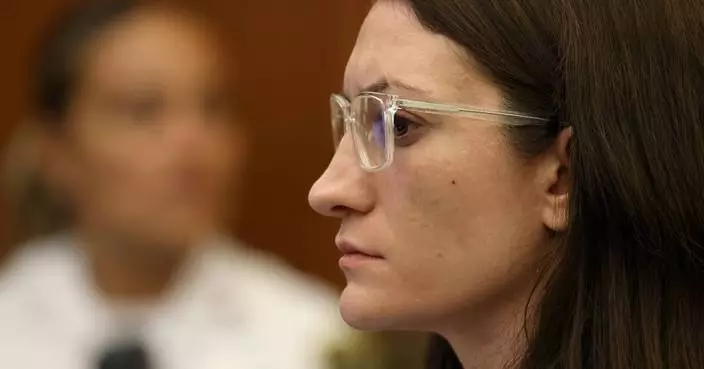
Zada was led into the courtroom by U.S. Marshals Service deputies. Interpreters translated the proceedings for Zada, who answered the judge's questions with head nods instead of words. The judge cautioned that the court was still in the process of building up its “infrastructure.”
“This is not a criminal matter,” the judge told her. “This is a civil matter that arises under the immigration code.”
Justice Department attorney Hayden O'Byrne read aloud a brief summary of the case but noted that the FBI's investigation of Zada involves classified information that cannot be made public. The judge assured Zada that the federal courts routinely handle cases involving classified information, even though her case is the first of its kind.
Eriksen one of five federal judges from different districts across the country who are appointed to the court by the chief justice of the United States.
Acting Attorney General Todd Blanche said in a statement that Congress created the court to deport “alien terrorists who never should have been here in the first place.”
“The allegations in this case show the matriarch of an ISIS-sympathizing family aiding in a plot to launch a mass casualty attack on American voters on Election Day. The Department’s application in this court makes clear that terrorists have no place in the United States of America,” Blanche added.
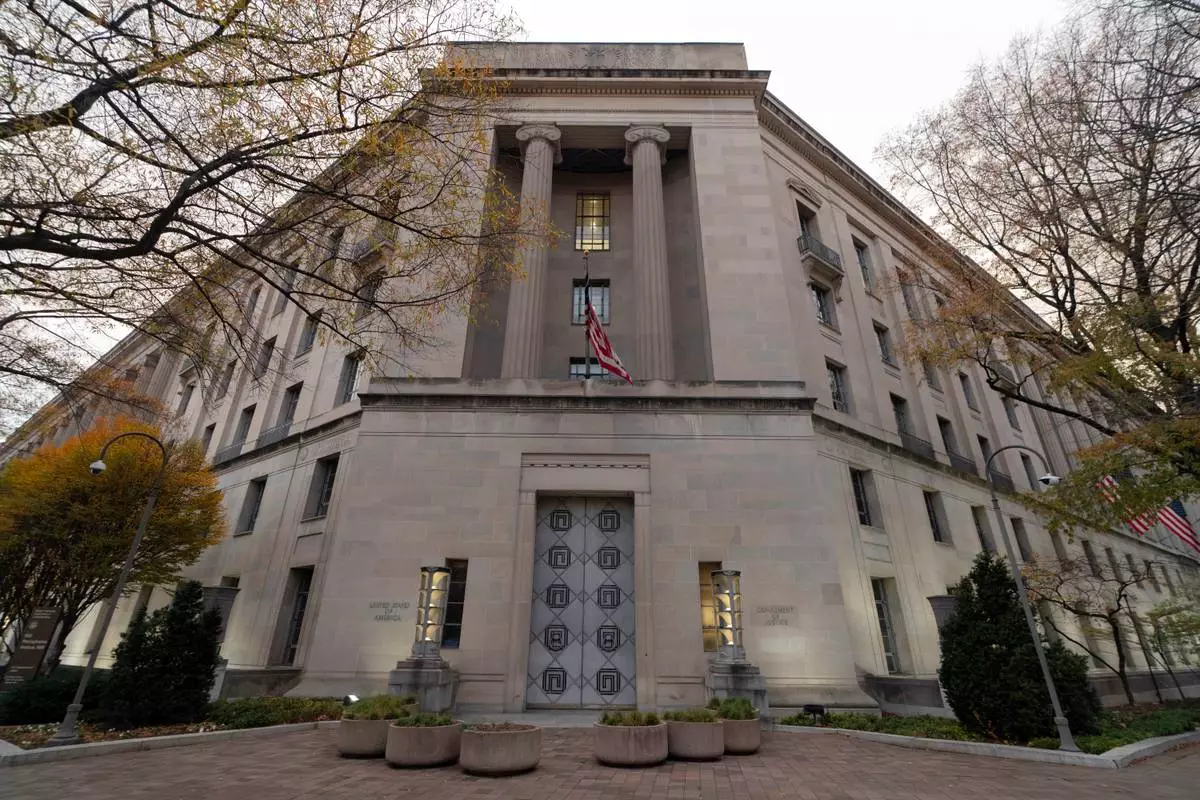
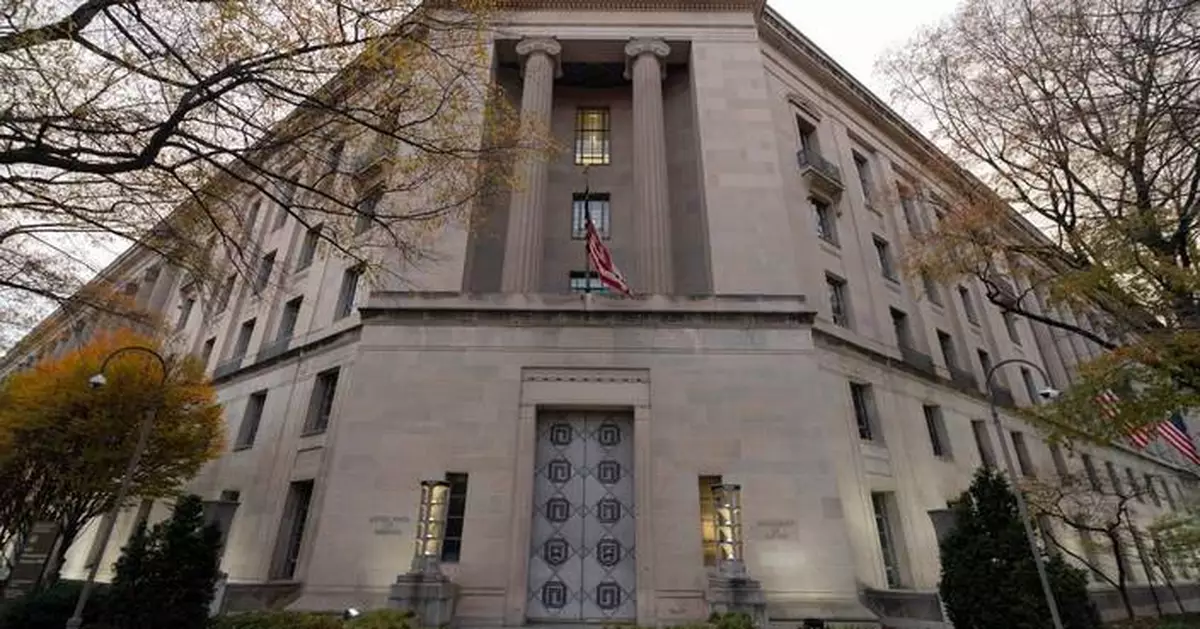
FILE - The U.S. Department of Justice building is seen in Washington, Saturday, Dec. 7, 2024. (AP Photo/Jose Luis Magana, File)
A man who gave his son the gun he used to kill two students and two teachers at Apalachee High School in Georgia was sentenced Thursday to 15 years in prison.
Colin Gray’s sentencing comes days after his son, Colt Gray, was sentenced to life in prison without the possibility of parole in the Sept. 4, 2024, shooting at the school 45 miles (70 kilometers) northeast of Atlanta. Colt Gray, 16, had pleaded guilty to murder and other charges.
Judge Nicholas Primm, who also sentenced Colt Gray, was blunt in addressing the elder Gray: “It is clear you failed as a parent.” But he said punishing crimes of negligence is particularly difficult because there was no intent to commit a crime.
“My heart aches for everyone that was there that day, for all of you that have been impacted by it. But the law requires that I set aside emotion. I don’t get to sentence with passion. I have the nearly impossible task of sentencing you without passion despite the immeasurable heartache that you caused,” Primm said.
Gray, 55, is one of a handful of American parents who have been criminally charged after their children were accused in shootings.
A jury in March found Colin Gray guilty of second-degree murder in the deaths of two 14-year-old students, Mason Schermerhorn and Christian Angulo. Georgia law defines second-degree murder as causing the death of a child by committing the crime of cruelty to children. Gray was also found guilty of involuntary manslaughter in the killings of teachers Richard Aspinwall, 39, and Cristina Irimie, 53.
Another teacher and eight other students were wounded, seven of them hit by gunfire.
Family members of those who died and victims of the shooting, many of whom also spoke during Colt Gray's sentencing, condemned what they said were Colin Gray's failures as a parent and urged the judge to give him the maximum sentence.
“This wasn’t unavoidable. This was preventable. Because of the choices made inside the Gray household, four families were handed life sentences of grief,” said Breanna Schermerhorn, whose son was killed.
“He did not pull the trigger but purchased and left a firearm accessible to a minor," said Shayna Aspinwall, whose husband was killed. She said the sentence must take into account "the families left behind who must carry the grief and trauma for the rest of our lives.”
The judge addressed those in the courtroom after announcing the sentence: “This only closes the legal chapter for this horror. The pain, the heartache, they continue. I understand that. I hope all of you know this community loves you, and I ask that God gives you peace.”
Prosecutors said Colin Gray gave his son the rifle as a Christmas gift along with ammunition, a gun sight and other shooting accessories.
An investigator testified that Colt Gray carried the semiautomatic rifle onto the school bus with the barrel sticking out and wrapped in poster board. The teenager left his second-period class and went to a bathroom, emerged with the rifle and shot people in the hallway and a classroom, the investigator said.
Colt Gray, who was 14 at the time of the shooting, had shown signs of deteriorating mental health in the weeks leading up to the killings, according to testimony. He belonged to a “true crime community” online where he and other young people discussed their obsession with mass shooters, an investigator testified.
The teen's mother, Marcee Gray, who was separated from Colin Gray, told investigators she had argued with her estranged husband weeks before the shooting, asking him to secure his guns and restrict their son's access.
Defense attorney Brian Hobbs asked the judge for a sentence of 10 years in prison followed by 10 years on probation. Barrow County District Attorney Brad Smith said Gray deserved a sentence of 80 years in prison.
Hobbs argued that Colt Gray “actively hid the depth of his involvement” in the online community obsessed with mass shooters, and the red flags enumerated by prosecutors were outliers among happier moments.
Smith countered that Colin Gray ignored “a substantial and unjustifiable risk."
“This was the risk that he was ignoring, that there would be a mass shooting of children at a school, and he gave his son the exact tool he would need to accomplish this," Smith said.
Prosecutors have in recent years held parents responsible when they believe they can prove a parent contributed to a killing.
Jennifer and James Crumbley were the first U.S. parents to face such charges after their son, Ethan, killed four students and wounded others at Michigan’s Oxford High School in 2021. Like Colin Gray, they were unaware of their son’s plans but had gifted him a gun before the shooting. They are serving 10-year prison terms for involuntary manslaughter. Hobbs, the defense attorney, urged the judge to use that sentence as a guide.
The judge called these cases “divisive.” There would have been no crime by the father if the son hadn't brought a gun to school and shot people, he noted. But he said Colin Gray could have locked up the guns, kept ammunition out of the house, had someone else keep the guns and gotten his son counseling.
“You were convicted because the warning lights were flashing brighter and brighter and you didn’t get him help and you didn’t remove his access to the guns,” Primm said.
This story has been corrected to show the school is called Apalachee High School, not Appalachee.
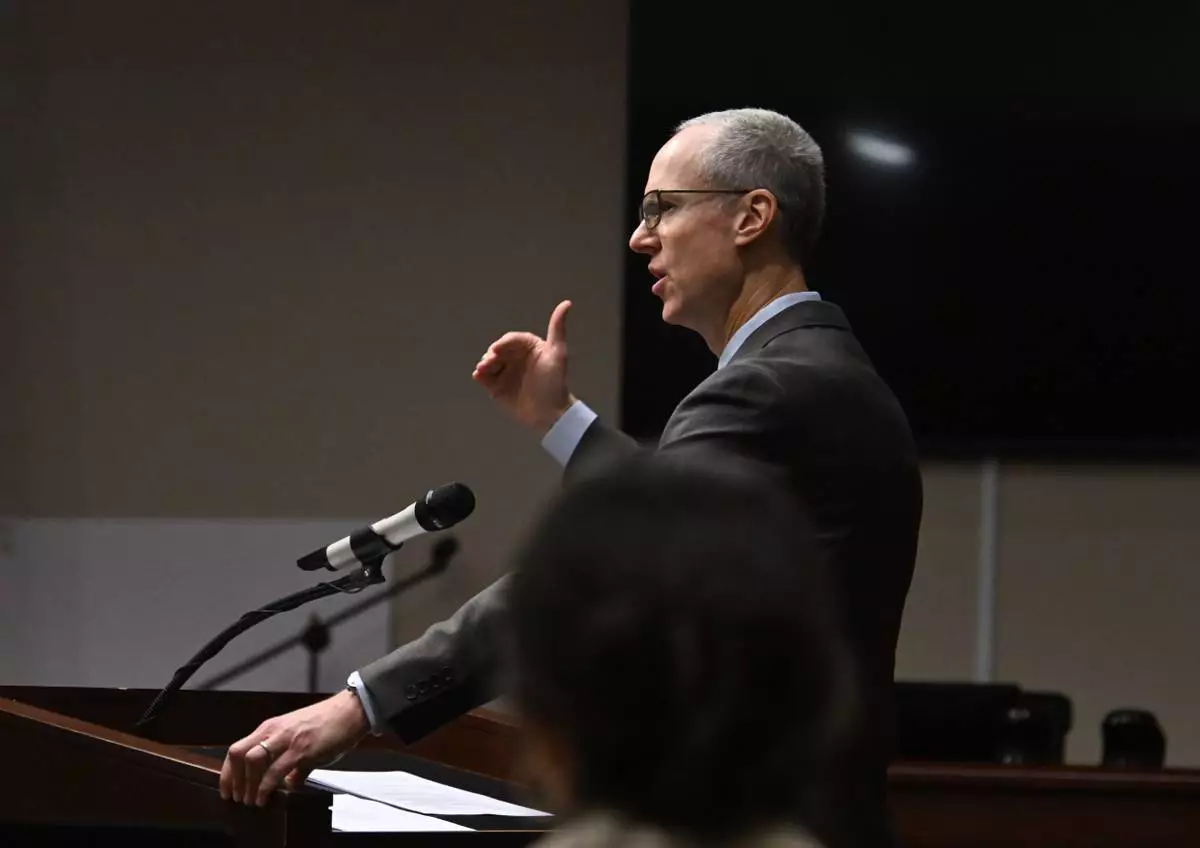
District Attorney Brad Smith speaks in front of Judge Nicholas Primm during the sentencing hearing of Colin Gray, father of Apalachee High School shooter Colt Gray, at Barrow County Superior Court on Thursday, July 30, 2026, in Winder, Ga. (Hyosub Shin/Atlanta Journal-Constitution via AP, Pool)
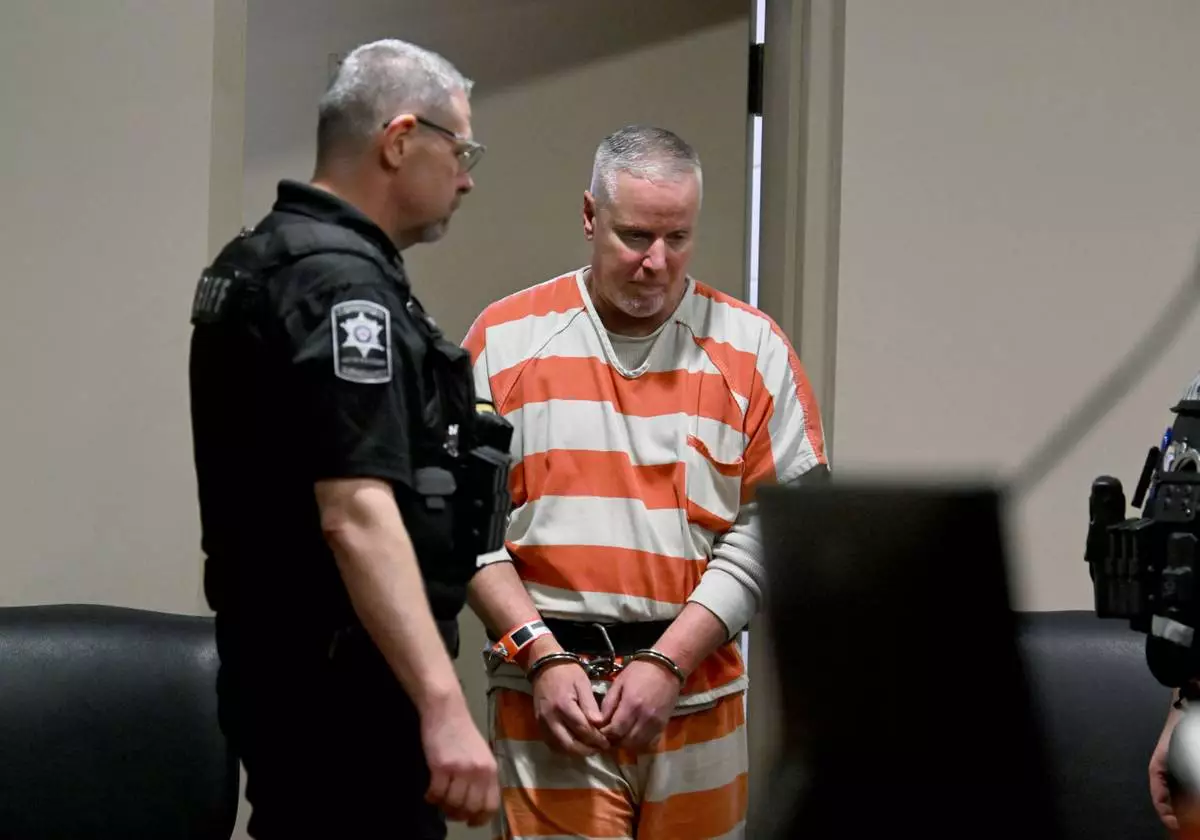
Colin Gray, father of the Apalachee High School shooter Colt Gray, enters the courtroom during his sentencing hearing at Barrow County Superior Court on Thursday, July 30, 2026, in Winder, Ga. (Hyosub Shin/Atlanta Journal-Constitution via AP, Pool)
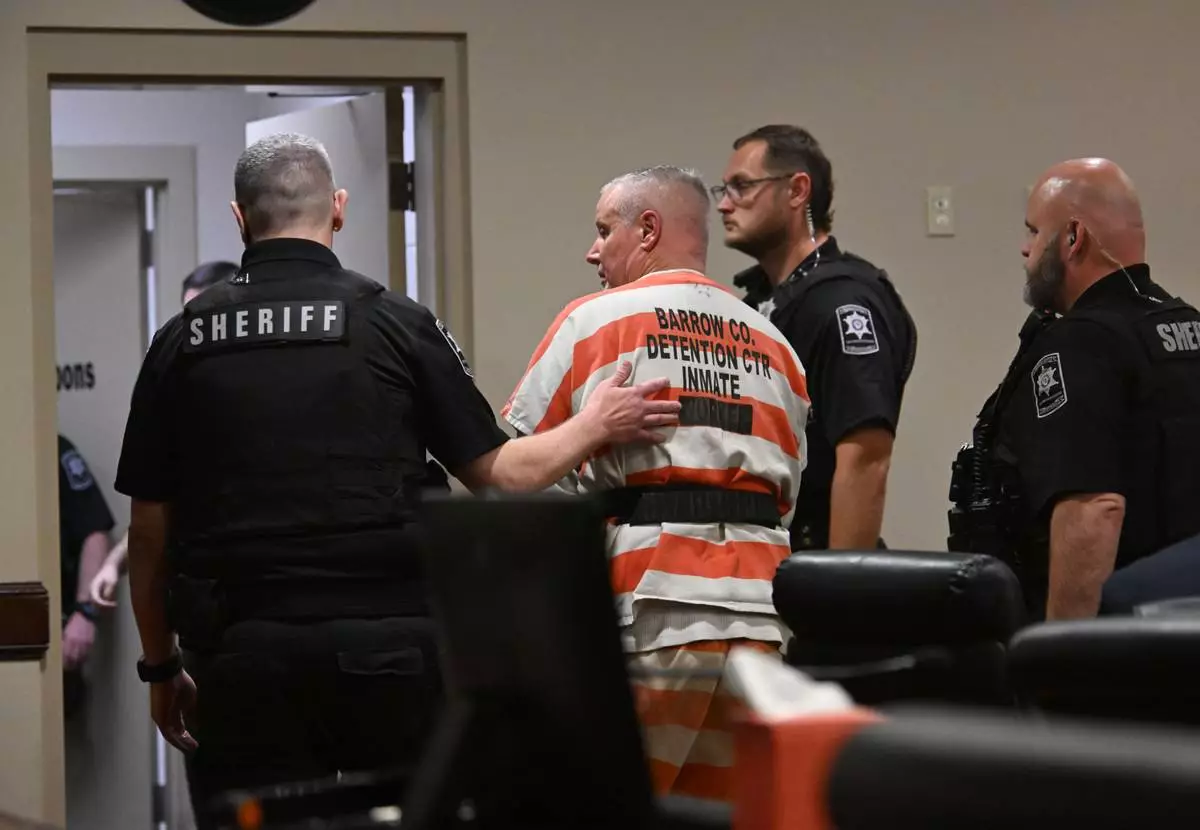
Colin Gray, father of the Apalachee High School shooter Colt Gray, is handcuffed following his sentencing during his sentencing hearing at Barrow County Superior Court on Thursday, July 30, 2026, in Winder, Ga. (Hyosub Shin/Atlanta Journal-Constitution via AP, Pool)
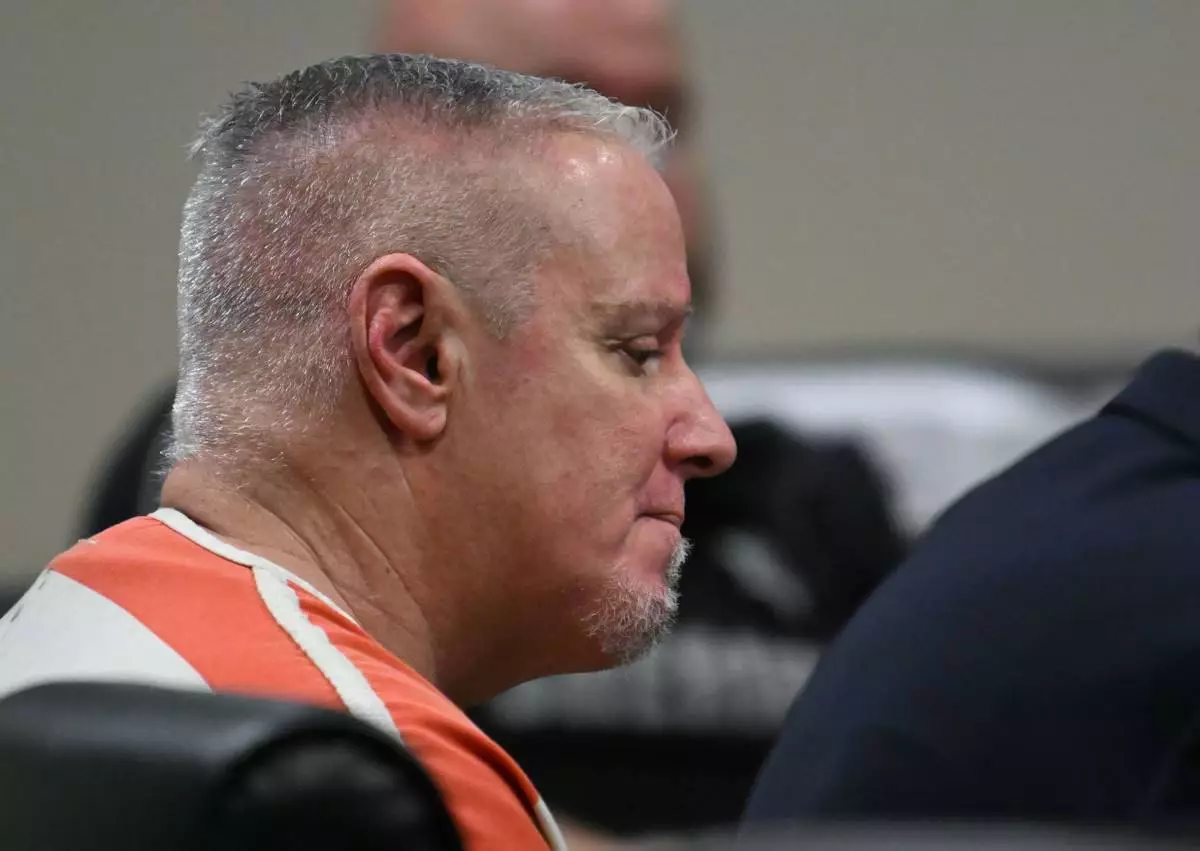
Colin Gray, father of the Apalachee High School shooter Colt Gray, reacts as he sits with his attorneys during his sentencing hearing at Barrow County Superior Court on Thursday, July 30, 2026, in Winder, Ga. (Hyosub Shin/Atlanta Journal-Constitution via AP, Pool)
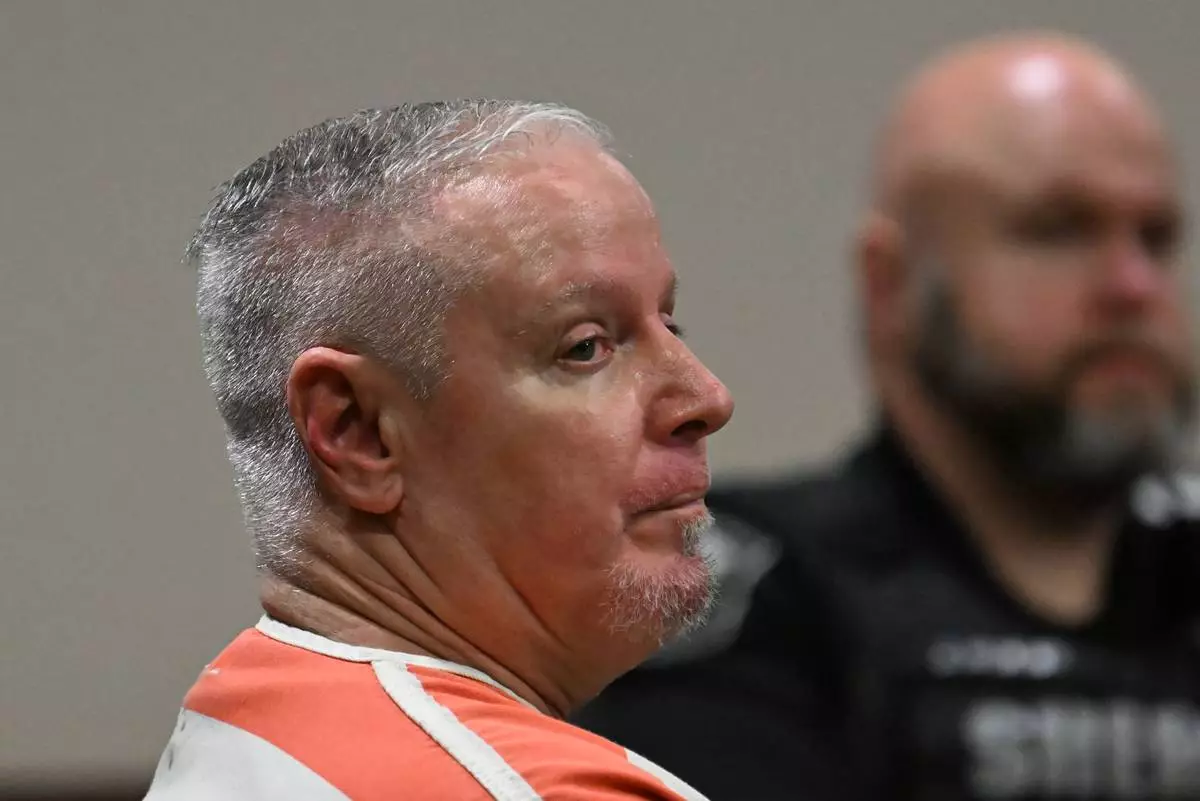
Colin Gray, father of the Apalachee High School shooter Colt Gray, sits with his attorneys during his sentencing hearing at Barrow County Superior Court on Thursday, July 30, 2026, in Winder, Ga. (Hyosub Shin/Atlanta Journal-Constitution via AP, Pool)
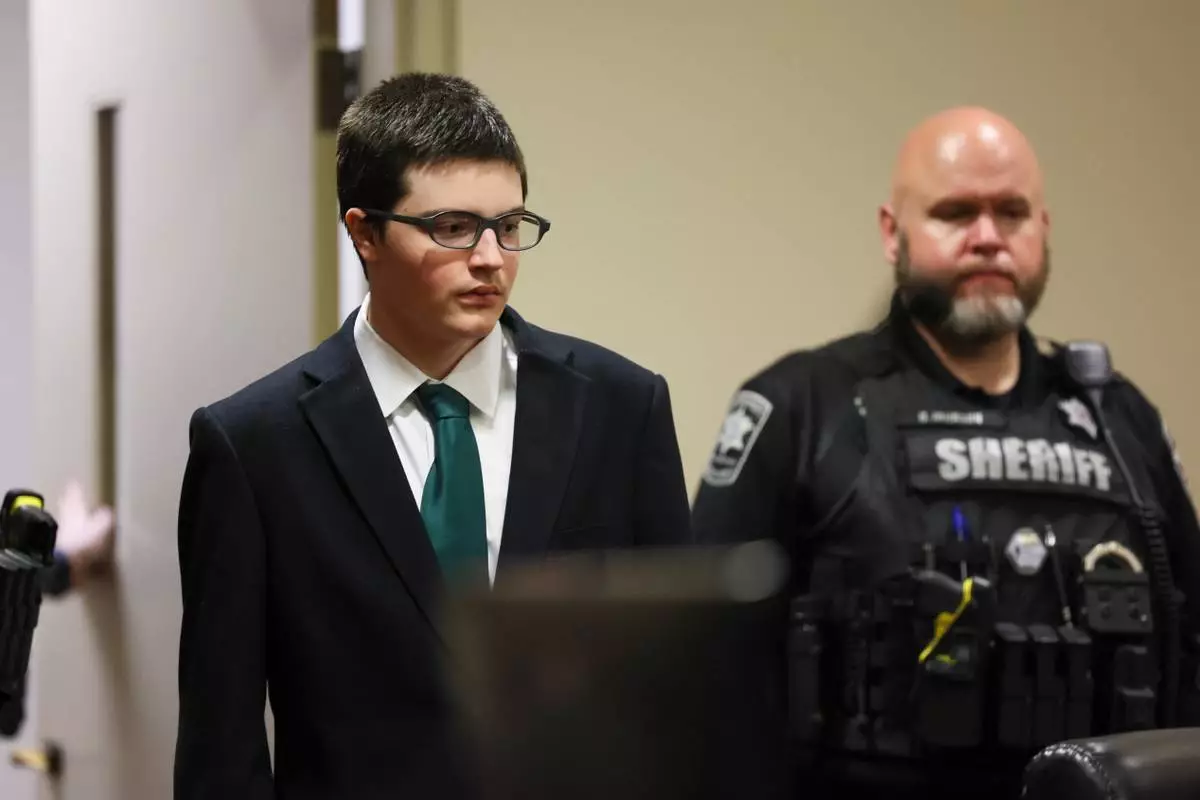
Colt Gray, the 16-year-old Apalachee High School shooting suspect, is led in by deputies for his sentencing at Barrow County Superior Court, Monday, July 27, 2026, in Winder, Ga. (Jason Getz/Atlanta Journal-Constitution via AP, Pool)
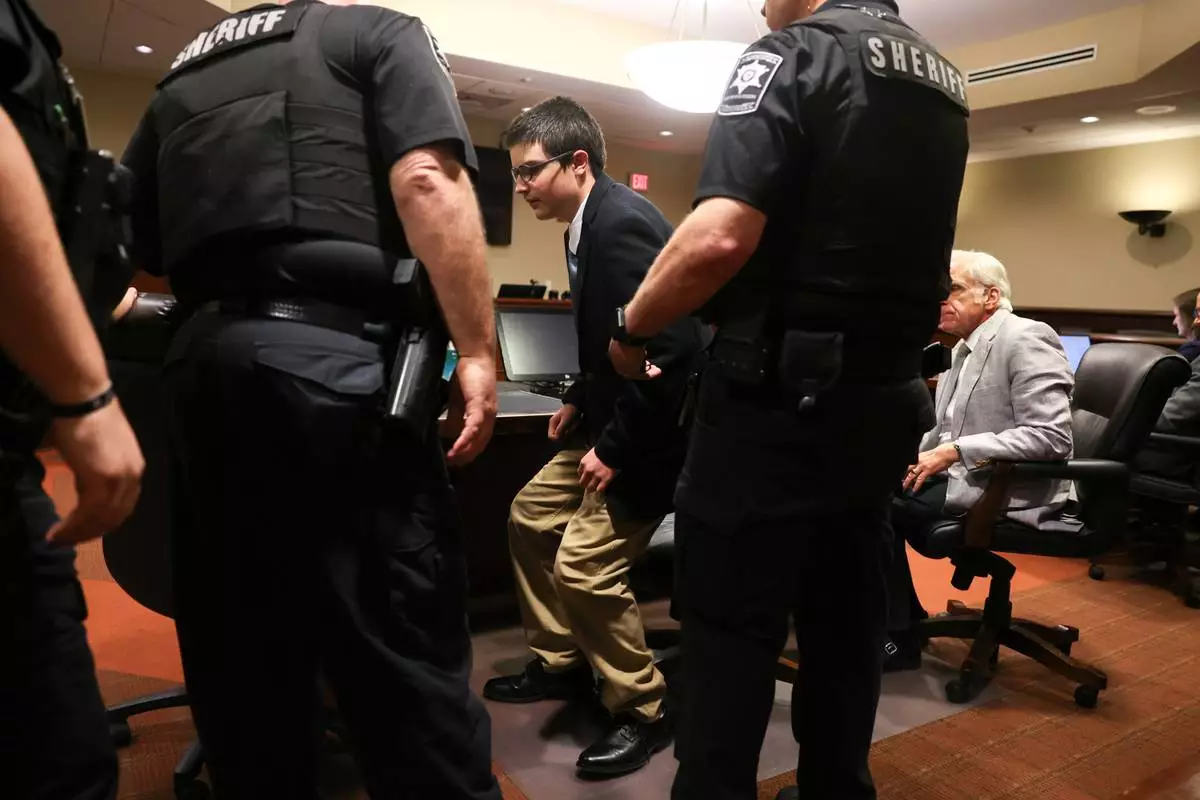
Colt Gray, the 16-year-old convicted in the Apalachee High School shooting, stands to be handcuffed following his sentencing at Barrow County Superior Court in Winder, Ga., on Tuesday, July 28, 2026. (Arvin Temkar/Atlanta Journal-Constitution via AP)

FILE - Colin Gray, the father of Apalachee High School shooting suspect Colt Gray, arrives to the courtroom at the Barrow County courthouse, Dec. 18, 2025, in Winder, Ga. (AP Photo/Brynn Anderson, File)