Authorities were working Thursday to find the source of cyberattacks that targeted over 30 water systems in Minnesota and came amid warnings that Iranian hackers have been focused on such systems.
Minnesota IT Services said state officials had yet to identify who was behind the attacks that took place Sunday and Monday. There were no reports that residents had been impacted by the attacks, though one city asked residents to conserve water for a couple hours while they tried to determine what was wrong.
The FBI, which is investigating, has not publicly identified a culprit and a spokesperson declined to say Thursday who the bureau thought might be responsible. The FBI, Cybersecurity and Infrastructure Security Agency and other agencies warned in an advisory last week that Iranian hackers have been targeting water and wastewater systems and the operational controls other critical infrastructure sectors.
Digital warfare has become ingrained in military conflict, and local water plants or healthcare facilities often lack the funds and know-how to install the latest software patches or take other security steps. That has made them a favorite target, both because of the relative ease of penetrating them and because of the panic such disruptions can cause.
Iran has the “geopolitical motivations” and a recent history of targeting water systems, said Cynthia Kaiser, the former deputy assistant director of the FBI's cyber division who has been closely monitoring threats to critical infrastructure from hackers linked to the country.
“I think most credible researchers and responders would be right to treat it like it’s Iran until proven otherwise,” added Kaiser, who is now the senior vice president of Halcyon’s Ransomware Research Center. “When it walks like a duck and talks like a duck, it's really important to call it out.”
Iran's interest in the operations of water systems inside the U.S. dates back years. In 2016, the Justice Department charged a group of Iranian hackers in connection with a cyberattack targeting a small dam near New York City.
Minnesota IT Services said that as of Thursday, there were no active requests from Minnesota communities for residents to modify usage of their drinking water. The state agency said most of the confirmed attacks involved technology that water systems use to remotely monitor and control equipment. It said that being impacted meant investigators confirmed there was malicious activity involving the system’s technology and didn’t mean every impacted community had their water service disrupted.
The state agency said there are similarities among the incidents, including timing and the types of technology used, but investigators haven’t determined if the same culprit was behind each one.
For a few hours on Monday, the city of Braham asked residents to minimize water use as they tried to determine why the water plant was offline. The city of about 1,700 people, located about 70 miles (113 kilometers) north of Minneapolis, said in a news release that the water plant outage was due to a cyberattack, but it didn't cause any issue with water quality.
The city said the attackers shut down the operating controls that shut down the well and water treatment plant. That left the city for a time only able to provide residents with the water held in the water tower.
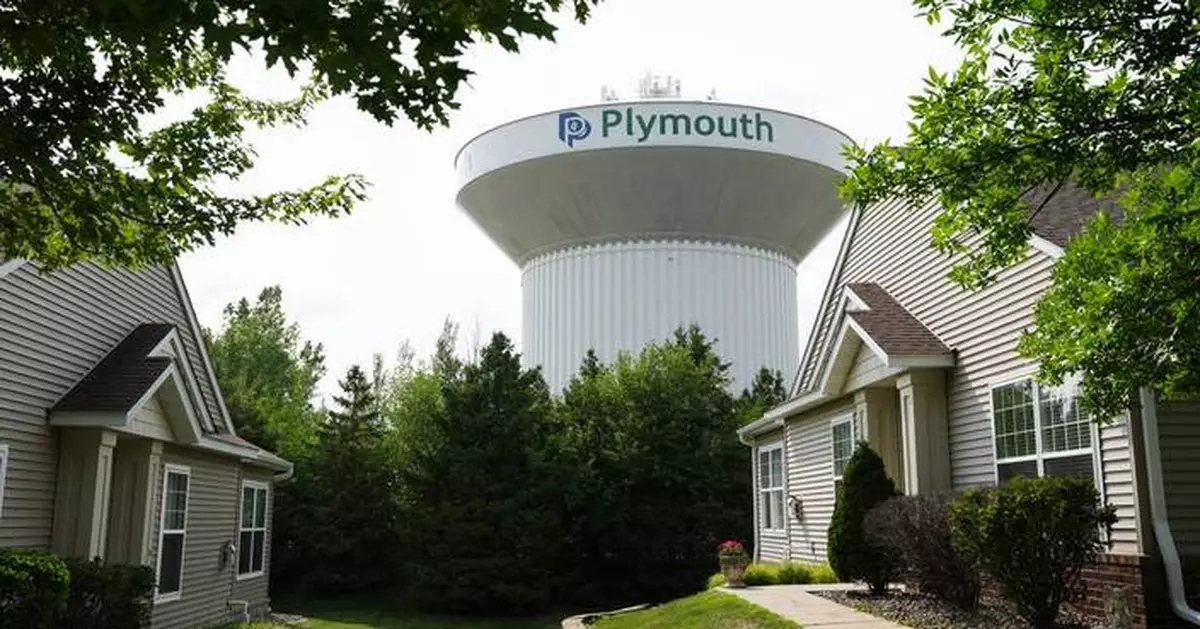
In Plymouth, a city of about 80,000 located outside of Minneapolis, officials said on social media that their water infrastructure communications had been restored by Tuesday afternoon following a cyberattack. The city said crews were able to continue operating the system during the outage and it didn't have any impact on water levels or quality.
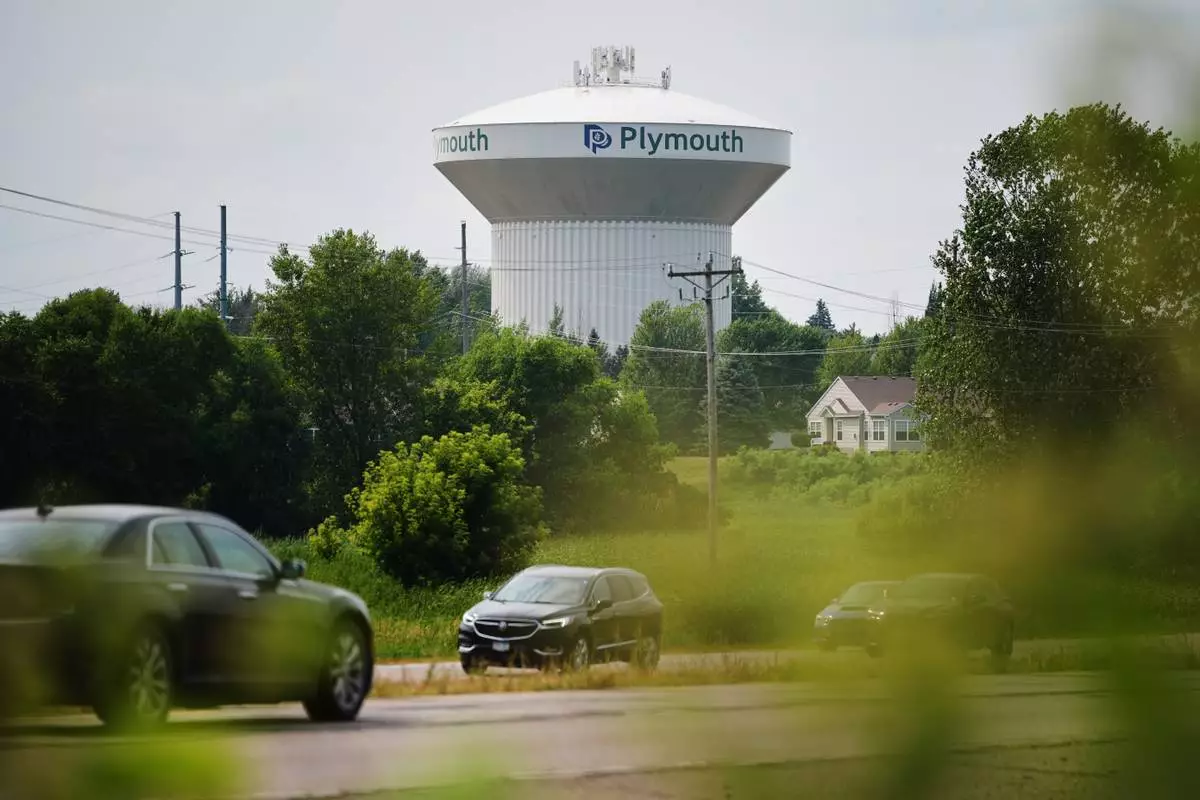
A water tower is seen Thursday, July 30, 2026, in Plymouth, Minn. A cyberattack targeted the operating technology at over 30 water systems in Minnesota, including Plymouth's, earlier this week, state officials said. (AP Photo/Ellen Schmidt)

A water tower is seen Thursday, July 30, 2026, in Plymouth, Minn. A cyberattack targeted the operating technology at over 30 water systems in Minnesota, including Plymouth's, earlier this week, state officials said. (AP Photo/Ellen Schmidt)
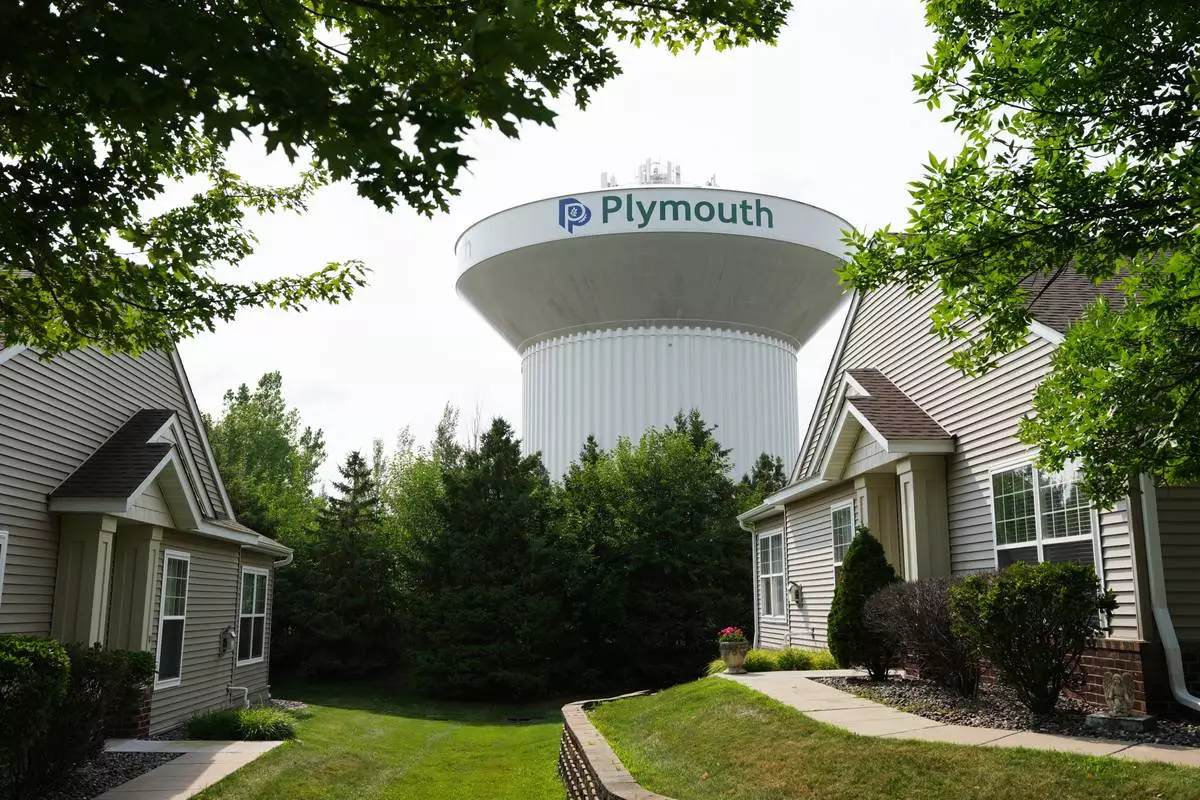
A water tower is seen Thursday, July 30, 2026, in Plymouth, Minn. A cyberattack targeted the operating technology at over 30 water systems in Minnesota, including Plymouth's, earlier this week, state officials said. (AP Photo/Ellen Schmidt)
PLYMOUTH, Mass. (AP) — The two police officers focused first on Lindsay Clancy drifting in and out of consciousness in the snow after jumping from her Massachusetts home's second-floor window. Within minutes, they were racing into the basement after her then-husband screamed that all three of their children were dead.
“I can’t wake them up — I can’t get them up!” he frantically told the officers who, along with firefighters and paramedics, gave jurors firsthand accounts on Thursday of the aftermath.
The murder trial has centered on Clancy’s mental state at the time. Her lawyers do not dispute that she strangled the children with exercise bands. But they say she was in the grip of postpartum psychosis, a rare mental illness linked to the stress, sleep deprivation and hormonal changes that follow childbirth.
Prosecutors say Clancy, a former labor and delivery nurse at Massachusetts General Hospital, acted intentionally and is criminally responsible for the deaths in January 2023.
EDITOR’S NOTE: If you or someone you know needs help, the national suicide and crisis lifeline in the U.S. is available by calling or texting 988. There is also an online chat at 988lifeline.org
The testimony came after jurors spent two days listening to testimony from Patrick Clancy and his anguished 911 call. He was still on the phone when he discovered the bodies of 3-year-old Dawson, 5-year-old Cora, and 8-month-old Callan, minutes after returning home from an errand his wife asked him to run.
Patrick Clancy has said in interviews that he forgives his ex-wife, whom he viewed as ill rather than evil. The trial marks the first time he has seen Lindsay Clancy since the killings.
She remains paralyzed from the waist down after using multiple methods to try to end her life that night. She says a voice told her, “This is your last chance. Kill the children so you can kill yourself,” according to her lawyer.
Officers Stephen Hall and Brian Josephine testified Thursday that they were each dispatched separately to the house in Duxbury, a coastal town south of Boston. Hall said they arrived to find Patrick Clancy yelling for help from behind the home.
Patrick Clancy testified earlier this week that his injured wife told him the kids were in the basement, but she didn't say they were dead.
When the officers followed the sound of his screams downstairs, only 8-month-old Callan had a faint pulse, Josephine testified.
“Based on my training experience from previous incidents, I knew it wasn’t going to be good,” Josephine said. They began rendering aid with help from firefighters.
PJ Hussey, a fire department supervisor, arrived in time to glimpse through a basement window as Patrick Clancy unwrapped an exercise band from his child's neck.
“It turned very chaotic very quickly” as more ambulances rushed to the house, Hussey testified. Duxbury firefighter and paramedic Jennifer Stratton said the infant never regained a pulse.
If convicted of murder, Lindsay Clancy faces life in prison without parole. If found not guilty due to a lack of criminal responsibility, she would be committed to a state mental health facility.
In opening arguments Monday, her attorney said she had bipolar disorder, and that antidepressants prescribed after the birth of her third child worsened her condition.
Patrick Clancy testified about his wife’s deteriorating mental health in the months leading up to the killings. He said she told him about intrusive thoughts of harming the children, as well as thoughts of suicide.
She sought care from experts in postpartum mood disorders and was put on multiple psychiatric medications. When nothing worked, she checked into a psychiatric hospital. She killed the children 19 days after she was discharged.
Clancy and her ex-husband accuse her medical providers of failing to properly diagnose, treat and monitor her, according to lawsuits filed earlier this year.

A wedding photo is seen in a bin of papers during the murder trial for Lindsay Clancy at Plymouth Superior Court in Plymouth, Mass., on Thursday, July 30, 2026. (CJ Gunther/The Boston Herald via AP, Pool)
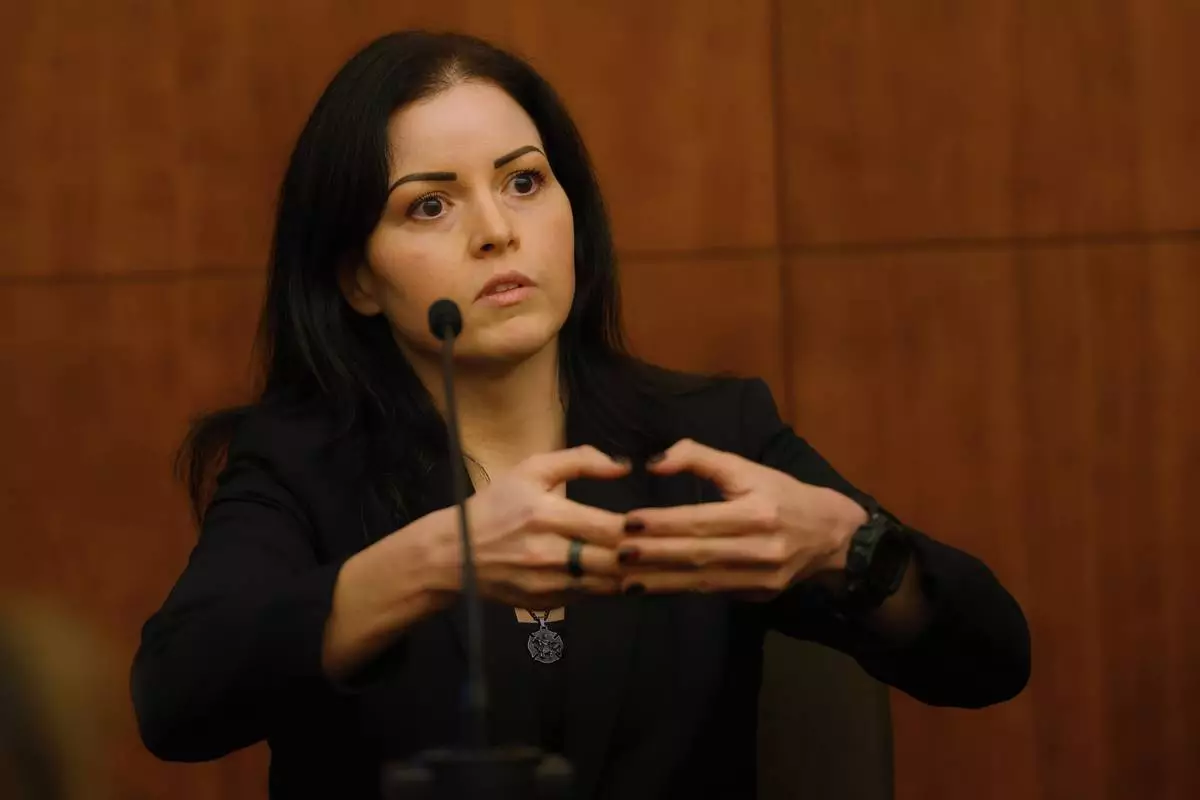
Duxbury firefighter Jennifer Stratton testifies during the murder trial for Lindsay Clancy at Plymouth Superior Court in Plymouth, Mass., on Thursday, July 30, 2026. (CJ Gunther/The Boston Herald via AP, Pool)
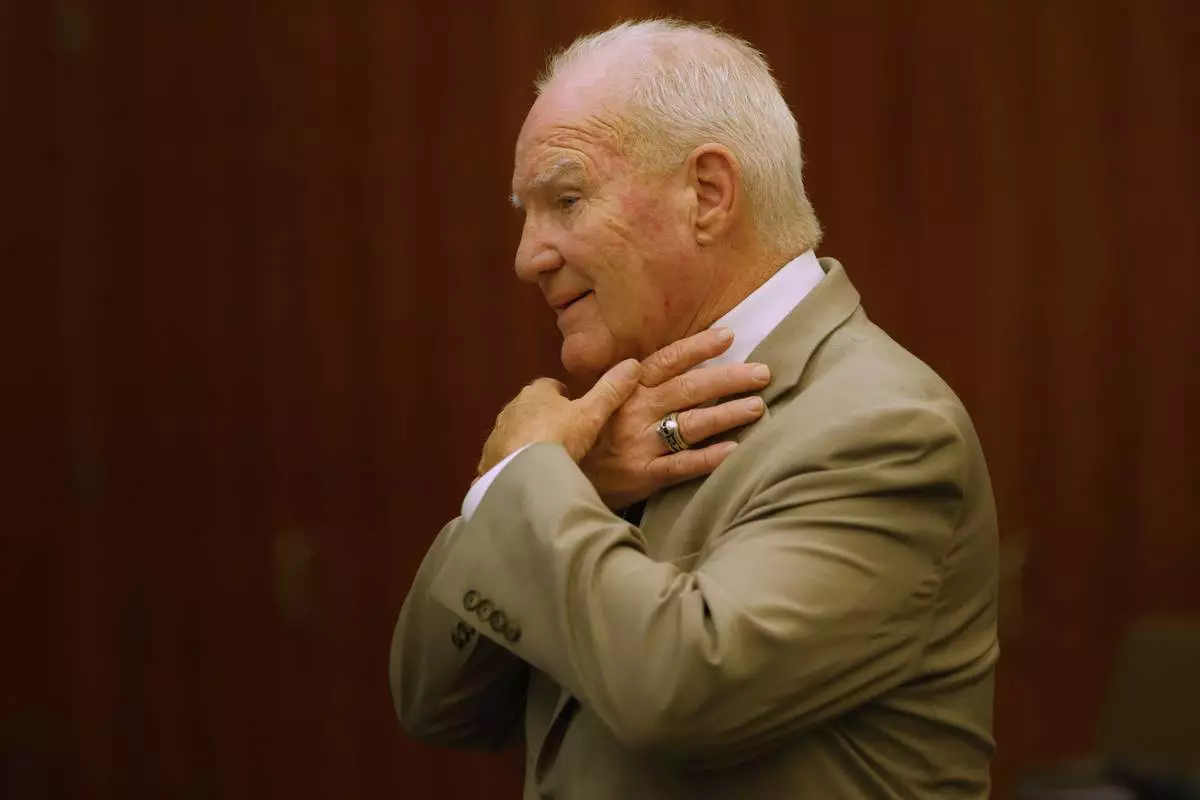
Kevin Reddington, defense attorney gestures as he cross-examines a witness during the murder trial for Lindsay Clancy at Plymouth Superior Court in Plymouth, Mass., on Thursday, July 30, 2026. (CJ Gunther/The Boston Herald via AP, Pool)
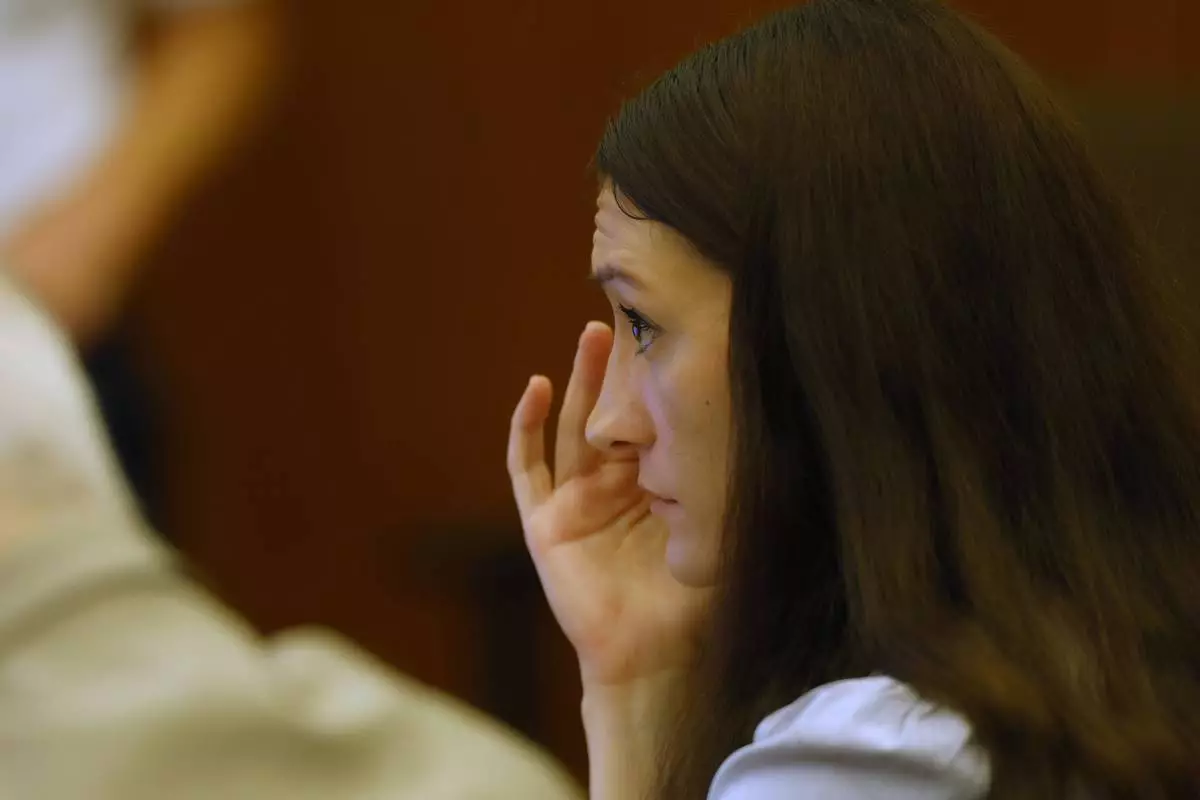
Defendant Lindsay Clancy listens during her murder trial at Plymouth Superior Court in Plymouth, Mass., on Thursday, July 30, 2026. (CJ Gunther/The Boston Herald via AP, Pool)
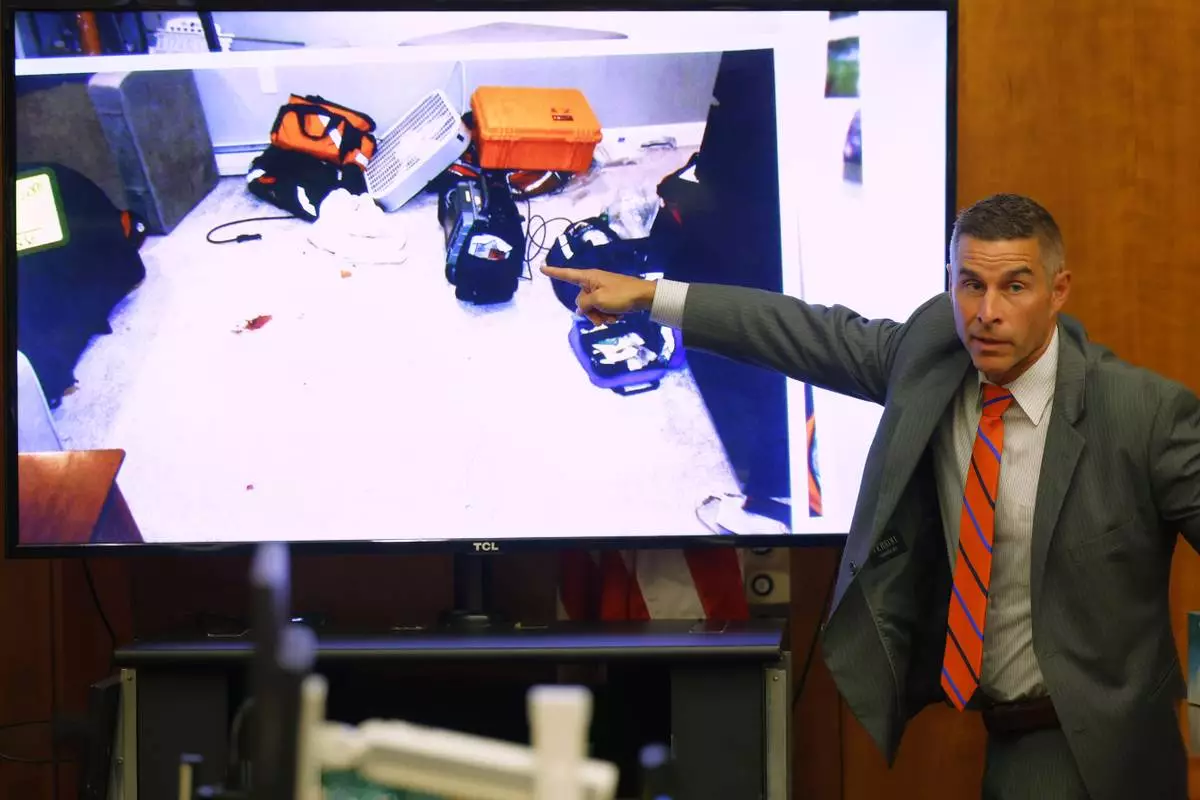
Duxbury firefighter Richard Dwyer testifies during the murder trial for Lindsay Clancy at Plymouth Superior Court in Plymouth, Mass., on Thursday, July 30, 2026. (CJ Gunther/The Boston Herald via AP, Pool)

Patrick Clancy reacts as images of himself and his children on vacation a month before they were killed is shown in the courtroom at Plymouth Superior Court in Plymouth, Mass., Monday, July 27, 2026. (Greg Derr/The Patriot Ledger via AP, Pool)

Lindsay Clancy waits for the judge to call a prospective jury member into court in her murder trial where she is charged in the 2023 killing of her three children, Wednesday, July 22, 2026, in Plymouth Superior Court in Plymouth, Mass. (Greg Derr/The Patriot Ledger via AP, Pool)
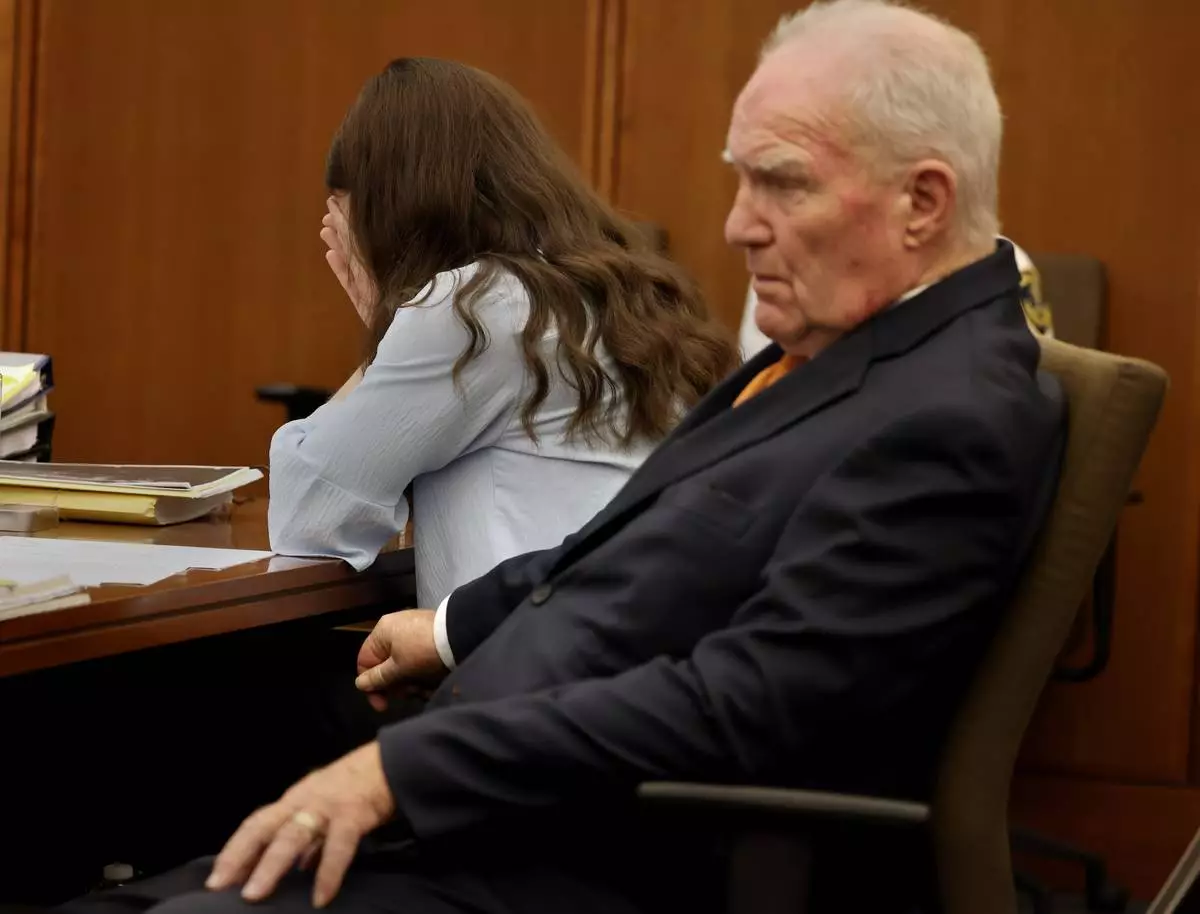
Defense attorney Kevin Reddington and Lindsay Clancy listen to the 911 recording from Jan. 24, 2023, during Clancy's murder trial at Plymouth Superior Court in Plymouth, Mass., on Wednesday, July 29, 2026. (David L. Ryan/The Boston Globe via AP, Pool)
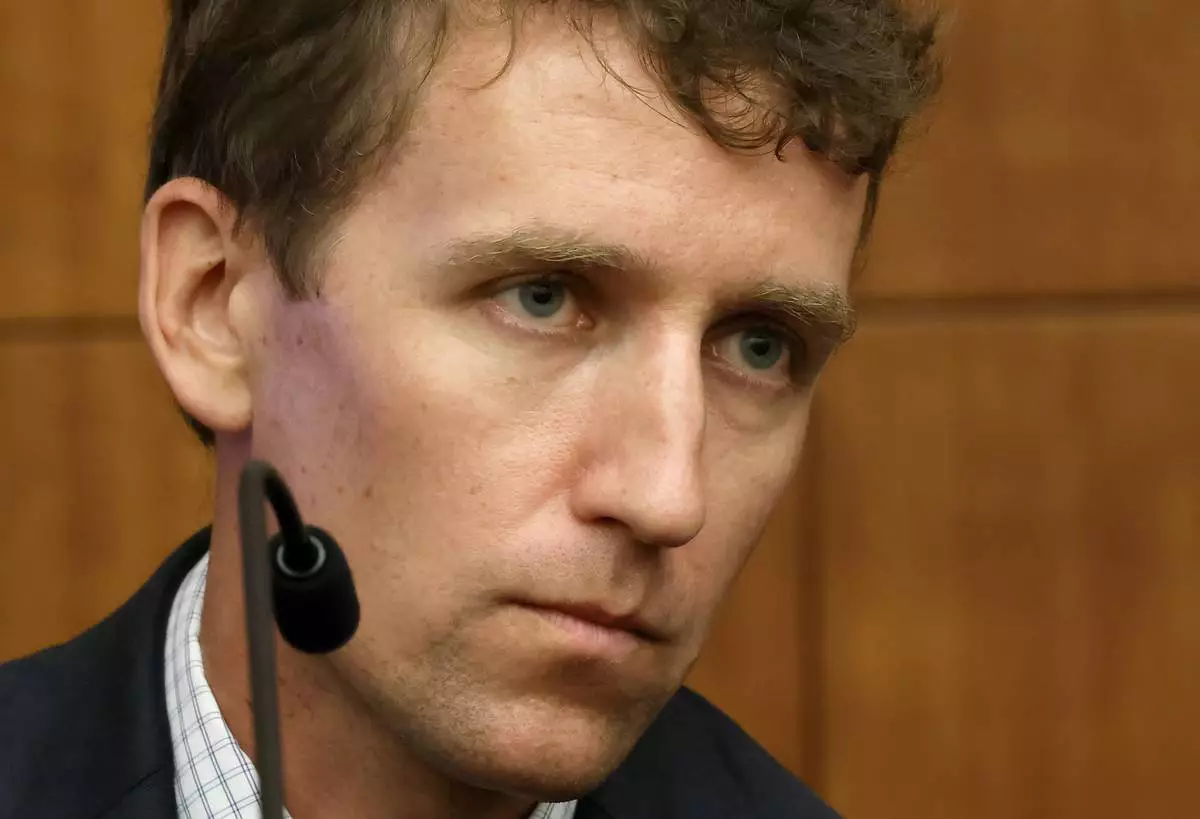
Patrick Clancy sits on the stand during the Lindsay Clancy murder trial at Plymouth Superior Court in Plymouth, Mass., on Wednesday, July 29, 2026. (David L. Ryan/The Boston Globe via AP, Pool)
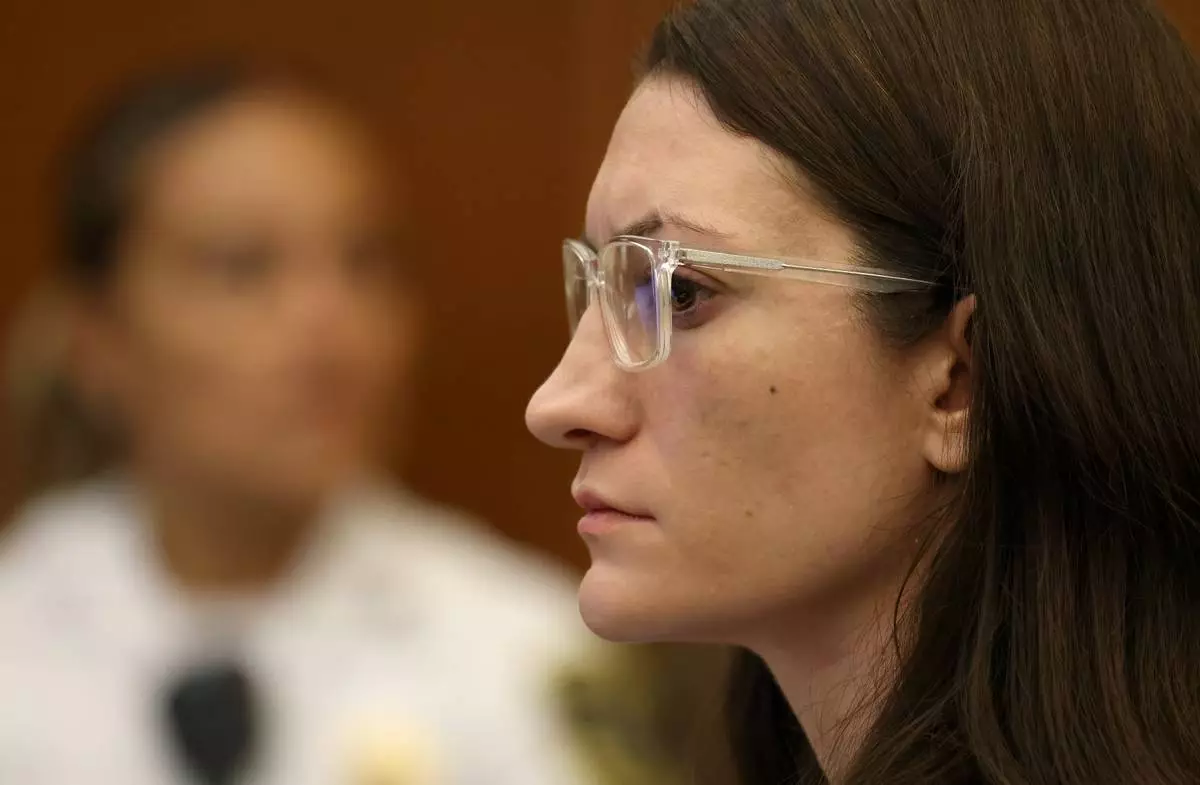
Lindsay Clancy attends her murder trial at Plymouth Superior Court in Plymouth, Mass., on Wednesday, July 29, 2026. (David L. Ryan/The Boston Globe via AP, Pool)