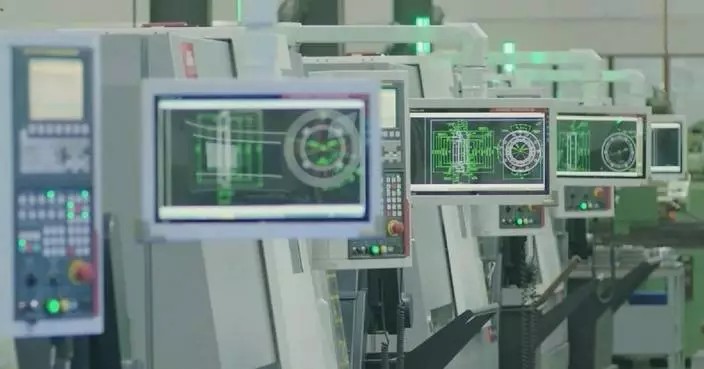
China's manufacturing sector softened slightly in July due to seasonal factors, but underlying growth momentum remained resilient, with emerging industries gaining traction and business confidence continuing to improve.
The purchasing managers' index (PMI) for manufacturers stood at 49.2 in July, down 1.1 percentage points from the previous month, according to data released Friday by the National Bureau of Statistics (NBS).
Historical data shows that for most years, the July PMI has registered a month-on-month dip, largely attributable to seasonal factors such as heavy rainfall, high temperatures, and typhoons. The production index stood at 49.9 percent percent, hovering near the 50-mark threshold that separates contraction from expansion. This suggests that China's manufacturing sector retains a relatively robust level of production resilience, maintaining a stable operational foundation despite extreme weather conditions.
"In terms of specific industries, the production and new orders indices for general equipment, computer communication and electronic equipment both were above 53 percent, indicating strong market activity and rapid growth in production and demand in these sectors," said Huo Lihui, chief statistician at the Service Survey Center of the NBS.
In July, the PMI for the equipment manufacturing sector stood at 51.4 percent, while the high-tech manufacturing PMI registered 53.3 percent, signaling sustained and robust expansion. These figures underscore the role of new growth drivers in steering the manufacturing sector toward improving overall performance.
Analysts suggest that while extreme weather events have had some impact on businesses and logistics, the broader new-growth-engines segment continues to exhibit a positive expansion trend.
"New growth drivers not only maintain a positive development trend, but also continuously strengthen their ability to resist risks, effectively offsetting fluctuations in traditional industries, and promoting high-quality economic development in a deeper and more substantial way," said Ma Zengrong, vice president and secretary-general of the China Federation of Logistics and Purchasing.
The raw materials purchase price index has now declined for four consecutive months, driven partly by recent volatility in bulk commodity prices. This suggests that the earlier upward trend in raw material costs for manufacturers continued to ease.
The business activity expectation index came in at 54.1 percent in July, marking the second consecutive month that the index remained above 54 percent. This indicates that manufacturing firms maintained an optimistic outlook on future market conditions.
Looking ahead, experts expect that as the impact of extreme weather begins to subside, manufacturers in affected areas will resume production capacity and supply chain operations, and market demand will stabilize, which will serve as a solid foundation for a steady recovery in manufacturing activity in August.
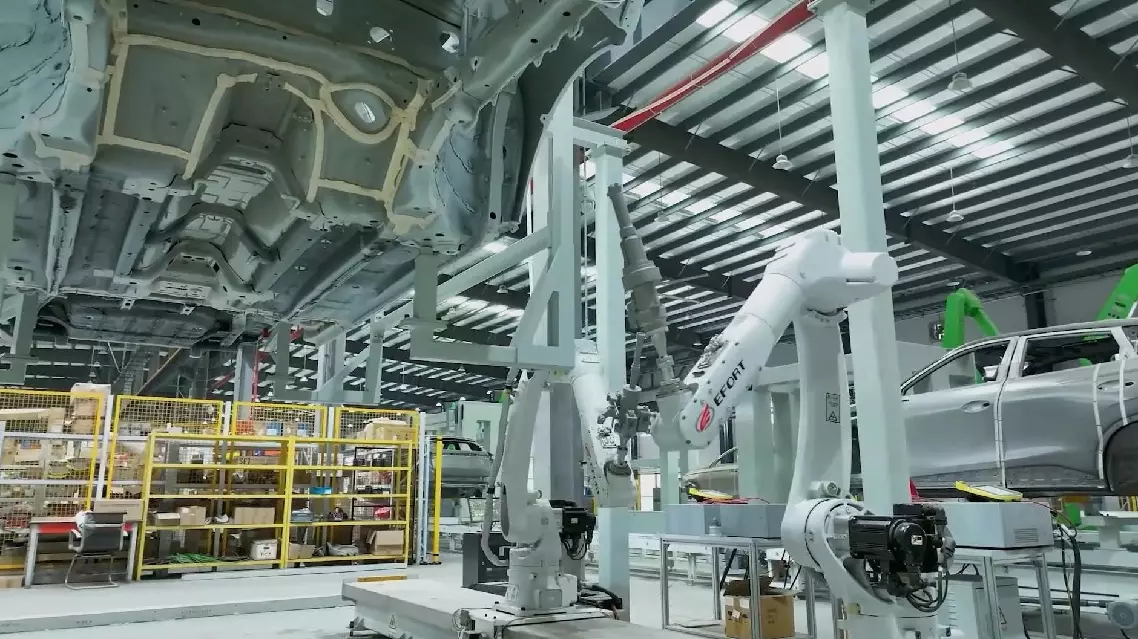
China's manufacturing sector softens in July, but new drivers remain resilient