The families of four teenagers who died by suicide are suing Meta, TikTok, Snapchat and YouTube over what they describe as “years of escalating harms” from using their platforms that eventually resulted in their deaths.
The lawsuit, filed Thursday in the Superior Court of Delaware, is the latest in a flurry of suits filed against the social media giants that alleges their platforms are addictive and dangerous.
The complaint was filed on behalf of four families from Texas, North Carolina, Minnesota and Tennessee whose children died over a 14-month period starting in July 2024 through September 2025.
The Social Media Victims Law Center is bringing the suit on behalf of the families, and its founding attorney, Matthew Bergman, said it's “particularly salient” that the children in this case died “long after” similar suits had been filed.
“These platforms continue to kill kids, despite the platitudes of their executives,” Bergman said in an interview. “This is a clear and present danger to the health and safety of children, not just in the United States but around the world.”
The four teens who died by suicide each experienced harms including social media addiction, severe sleep deprivation, depression, anxiety and suicidal ideation after years of using the social platforms, the complaint states. Livi Castro died at age 13, Riv Kelleher at 14, Nathaniel Chambers at age 17 and Dawson Holden at 18.
The complaint alleges the social media companies knew they were causing harm to young users. Representatives for Meta, YouTube, TikTok and Snap did not immediately respond to requests for comment.
Sacha Haworth, executive director of The Tech Oversight Project, said in a statement that parents, activists and whistleblowers have come forward and met with lawmakers for years and “while Congress has dragged its feet, more children have died."
Federal legislation of social media has moved at a glacial pace. The Senate passed the Kids Online Safety Act — which had the support of parents’ groups and children’s advocacy organizations — exactly two years before this lawsuit was filed. The House of Representatives never voted on that version of the legislation, and the House and Senate are currently disagreeing on key provisions they think should be included.
“Livi, Nathaniel, Dawson, and Riv’s stories are proof that Big Tech companies continue to lie about the safety of their products, choosing instead to pour hundreds of millions of dollars into false advertising, deceptive paid partnerships with trusted education programs and political lobbying,” Haworth's statement continued.
Meta, YouTube, TikTok and Snap are facing numerous state and federal lawsuits over harms to minors. Meta is on trial in Tennessee this week for a lawsuit brought by the state attorney general claiming that the company deliberately designed its platforms, notably Instagram, to make them addictive to young people, and did not warn them of its dangers. And in August, Meta is heading to trial in federal court in Oakland, California to face four of dozens of states that sued the company in 2023. That lawsuit says the company is contributing to the youth mental health crisis by designing addictive features and violated federal law by collecting data on kids under 13 without parental consent.
Not all lawsuits are successful, and many are settled out of court. Last week, a Florida teenager dropped his case against Meta that was set to go to trial in state court in Los Angeles, without receiving any payment from the company. Meta had argued that the teen only used his Instagram and Facebook for just minutes a day, on average, and created most accounts only after hiring a lawyer in his case.
Still, the mounting court cases can get expensive, even for a company like Meta Platforms. Earlier this week Meta said it had $2.4 billion in legal expenses in the second quarter, which contributed to a relatively unusual 14% profit decline.
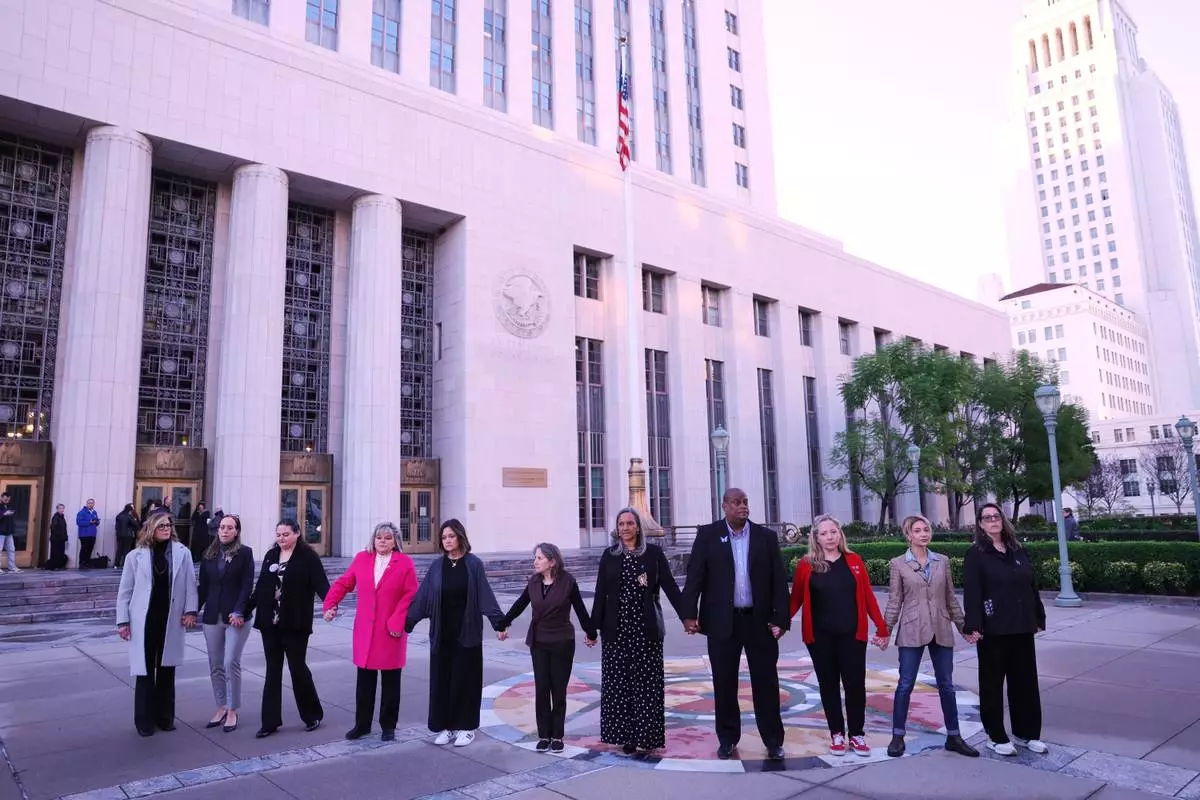
FILE - A group holds hands outside a landmark trial over whether social media platforms deliberately addict and harm children, Wednesday, Feb. 18, 2026, in Los Angeles. (AP Photo/Ryan Sun, File)

FILE - This combination of 2017-2022 photos shows the logos of Facebook, YouTube, TikTok and Snapchat on mobile devices. On Friday, Jan. 6, 2023, Seattle Public Schools filed a lawsuit in U.S. District Court, suing the tech giants behind TikTok, Instagram, Facebook, YouTube and Snapchat, seeking to hold them accountable for the mental health crisis among youth. (AP Photo, File)
ITHACA, N.Y. (AP) — New York’s governor appointed a special prosecutor Thursday to oversee an investigation into a woman’s allegations that she was gang raped at a Cornell University fraternity house, saying she had lost faith in the local district attorney’s ability to handle the case.
Gov. Kathy Hochul said she had signed an executive order appointing the office of New York Attorney General Letitia James as the special prosecutor to oversee the investigation, which had initially been closed without charges in 2024.
The woman's allegations got a rush of new attention when she filed a civil lawsuit last month. Tompkins County District Attorney Matthew Van Houten reopened the investigation Monday, but has been battered by criticism that he'd abandoned the original investigation too quickly.
“Newly released information continues to raise serious questions about the investigation conducted by the Cornell Police Department and the decision by the Tompkins County District Attorney not to prosecute an alleged sexual assault on Cornell University’s campus in October 2024,” Hochul said.
“This has, in turn, undercut my faith, and the public’s faith, in the District Attorney’s ability to effectively investigate and prosecute the case at this time."
Hochul said the attorney general would oversee the investigation and, if warranted, present evidence to a grand jury.
“The young woman at the center of this case deserves to know that every fact will be examined and justice pursued," Hochul said. "This action will ensure that the matter is fully and thoroughly investigated without conflict or bias, and handled independently with the rigor that this matter demands.”
Messages left for Van Houten were not immediately returned late Thursday. Hochul, James and Van Houten are all Democrats.
Hochul's announcement came shortly after dozens of students and community members spent hours demanding transparency and accountability from university leaders at a forum sponsored by Cornell's student government. The case has roiled the Ivy League campus and raised questions about its response and the larger issue of how sexual assaults are handled on college campuses.
The woman, identified only as Jane Doe in court documents, reported the alleged assault to campus police in November of 2024, then discussed it with the university’s internal investigators as part of Cornell's disciplinary process.
The lawsuit against seven fraternity brothers, the university, the Chi Phi fraternity and others, alleges that she was plied with drugs and alcohol, then subjected to sex acts by a group of men while she was partially or entirely incapacitated. One of the men sent a social media message to other fraternity members alerting them to what was happening, and inviting people to take part, according to the lawsuit.
Lawyers for two of the men she is suing have denied they participated in a sexual assault. One said his client hadn’t touched the woman. Attempts by The Associated Press to reach the other men or their representatives have been unsuccessful.
When he reopened the investigation earlier this week, Van Houten said he would review new information in the woman's lawsuit. But he also issued a statement defending his initial decision not to prosecute, maintaining the woman’s first account to police didn’t include allegations that she was drugged against her will, incapacitated beyond the ability to consent, or forced into sex.
Under pressure from the public and politicians, including Hochul, Cornell agreed Wednesday to bring in outside lawyers to independently investigate how it handled the woman’s allegations.
Over more than 2 1/2 hours Thursday, students and other members of the Cornell community expressed anger, frustration and grief over the school's handling of sexual assault allegations in general, with several speakers sharing their own experiences of sexual violence.
Many criticized Cornell President Michael I. Kotlikoff and the university’s administration, calling for greater transparency and accountability in the handling of the case, stronger sexual assault prevention efforts and changes to Greek life.
Jane Wang, a sophomore, said at the forum that when she reported being sexually assaulted on campus a year ago, she was met with a slew of paperwork and little guidance or follow-up. After an initial email chain about starting the investigation, she got few updates and had to prod for answers, she said. The process left her feeling an “overall sense of helplessness within a broader institution.”
“My main message for Cornell here is that we can’t be treating these cases only with care and attention after it catches national news,” Wang said, calling for the university to improve the “seriousness and timeliness” of its response to sexual assault allegations.
There was no immediate response to a message seeking comment about the forum and Wang's case sent to the university late Thursday.
Cornell has said it took a series of actions after the woman identifying as Jane Doe reported being raped at the Chi Phi fraternity in 2024.
It announced publicly that it had opened an investigation, condemned the alleged behavior, indefinitely suspended the fraternity, and convened a university task force to study ways to more effectively protect students against sexual assault.
It also conducted a monthslong investigation, which ended with some students being disciplined or expelled, though it has declined to provide specifics, citing student privacy rules. The university issued a statement Monday saying it supported reopening the criminal investigation.
“I think what happened here is an American problem,” said Hayden Watkins, an undergraduate and executive vice president of the Student Assembly, which hosted the forum.
“People kind of put Cornell on this pedestal because we are an elite institution,” he added. “But if it’s happening at places like Cornell, it’s happening on college campuses all across the country.”
Associated Press reporter Claudia Lauer in Philadelphia contributed to this report.
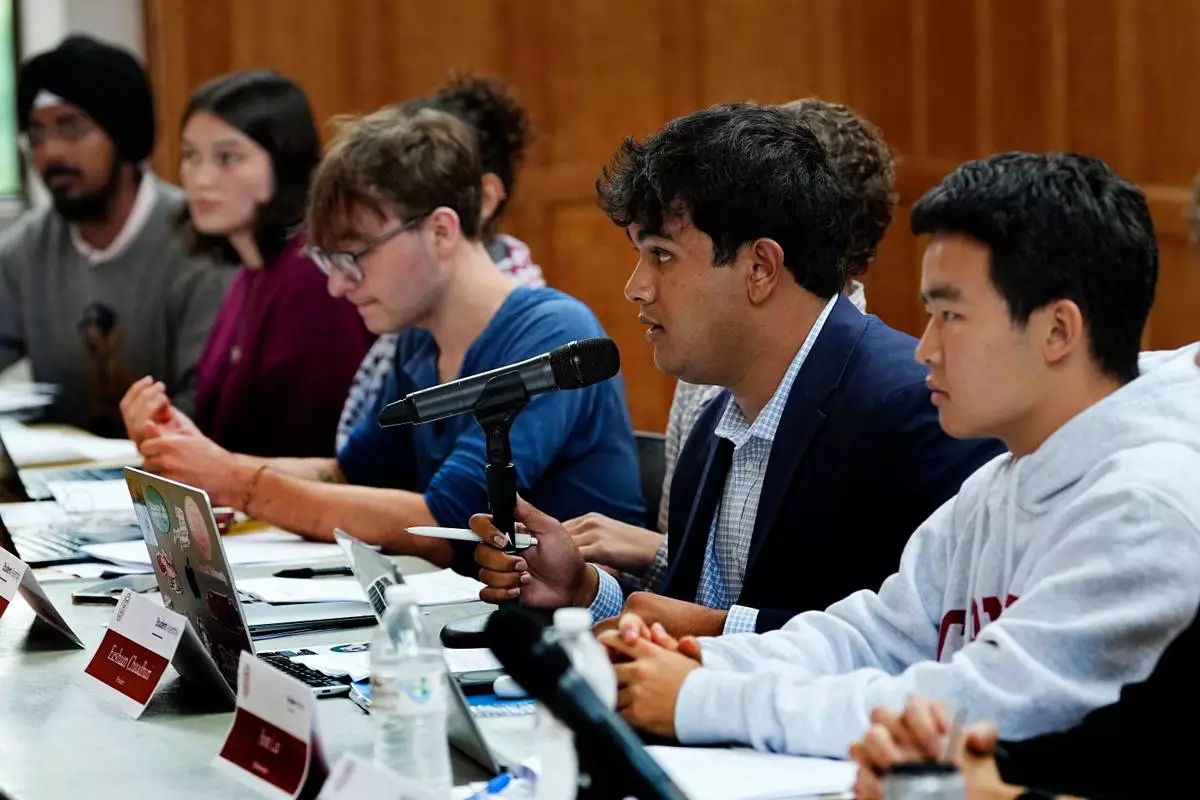
Student Assembly President Eeshaan Chaudhuri speaks during a hearing on sexual assault on campus at Cornell University in Ithaca, N.Y., Thursday, Oct. 1, 2026. (AP Photo/Matt Rourke)
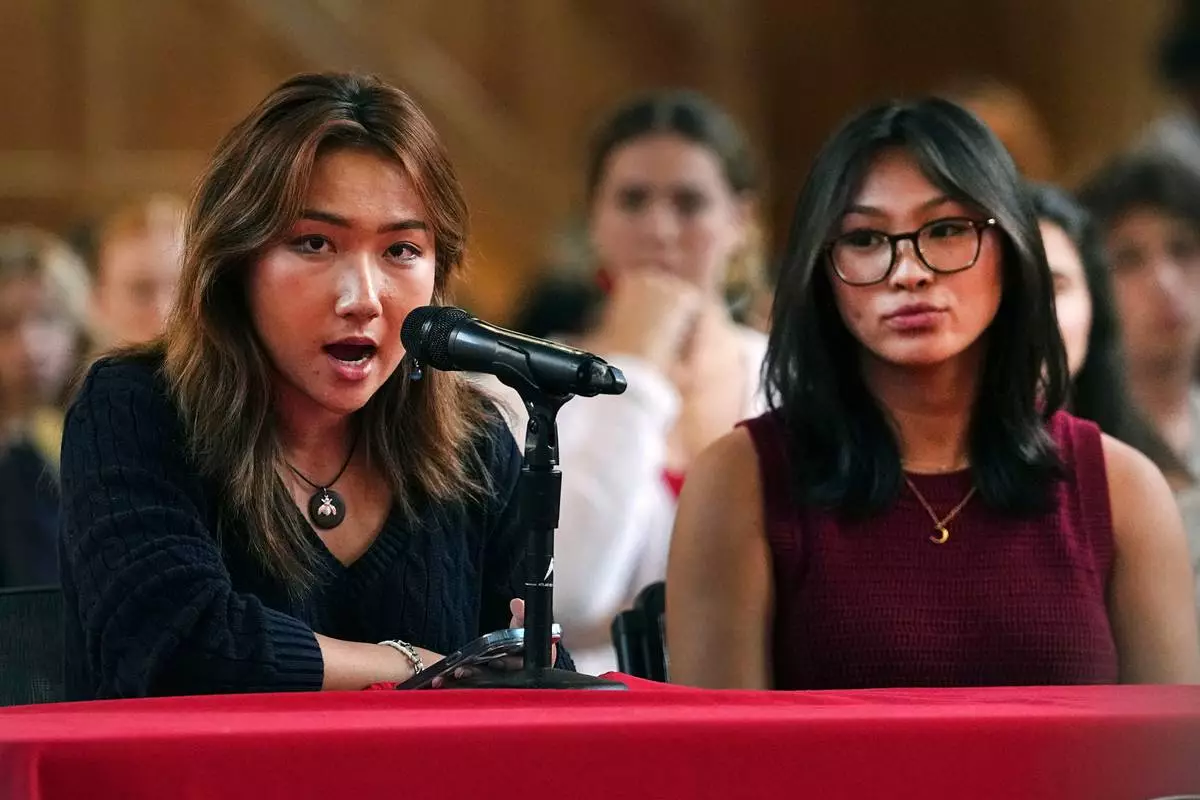
Cornell University students and ACLU student chapter members Jane Wang, left and Sophia Riley Sim, speak about sexual violence on campus during a student assembly meeting at Cornell University in Ithaca, N.Y., Thursday, Oct. 1, 2026. (AP Photo/Matt Rourke)
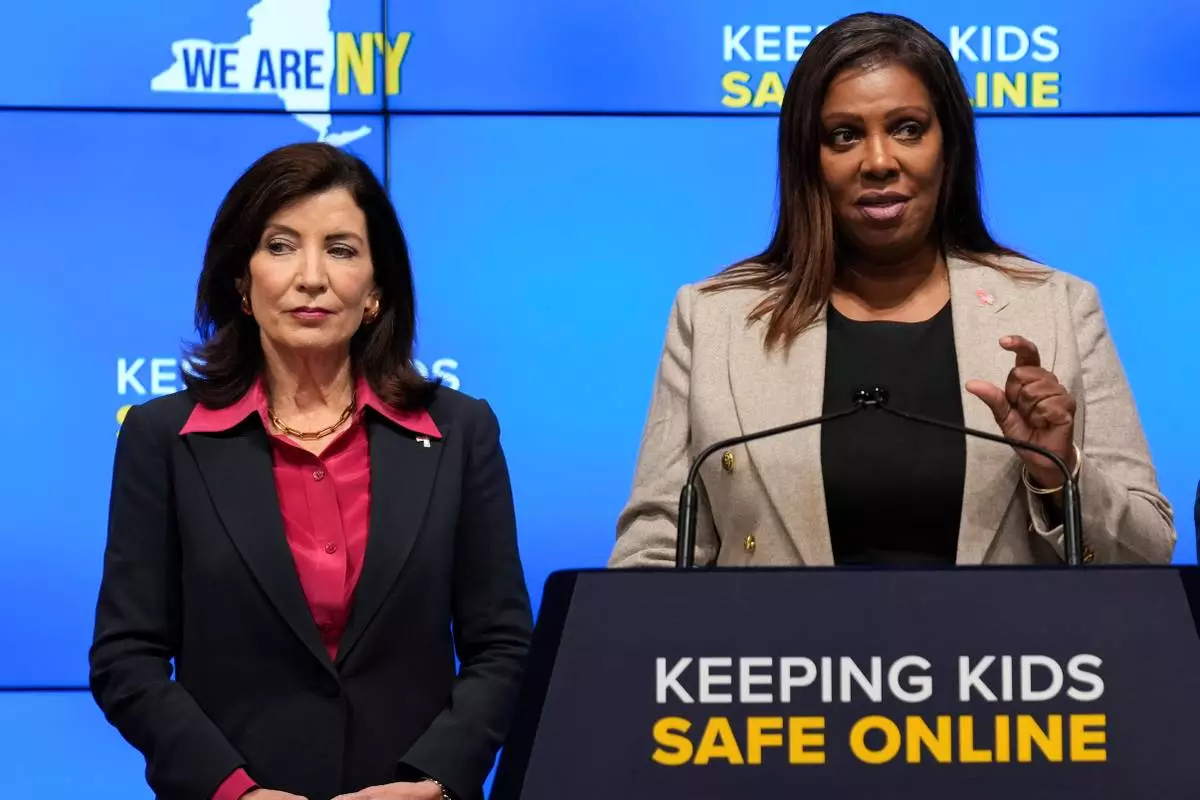
FILE - New York Gov. Kathy Hochul, left, listens as Attorney General Letitia James speaks during a news conference in New York, Oct. 11, 2023. (AP Photo/Seth Wenig, File)
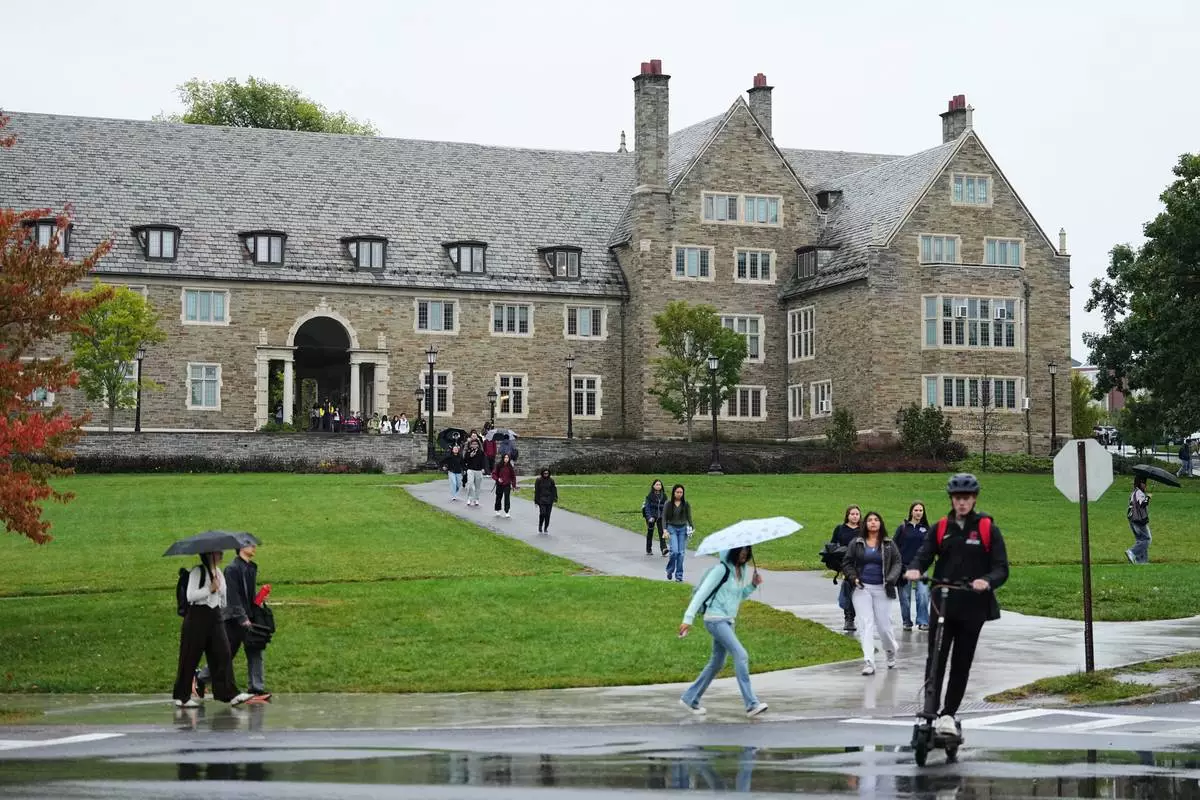
Students walk across the campus of Cornell University in Ithaca, N.Y., Thursday, Oct. 1, 2026. (AP Photo/Matt Rourke)

Students walk across the campus of Cornell University in Ithaca, N.Y., Thursday, Oct. 1, 2026. (AP Photo/Matt Rourke)

Shown is the the Chi Phi fraternity house at Cornell University in Ithaca, N.Y., Thursday, Oct. 1, 2026. (AP Photo/Matt Rourke)