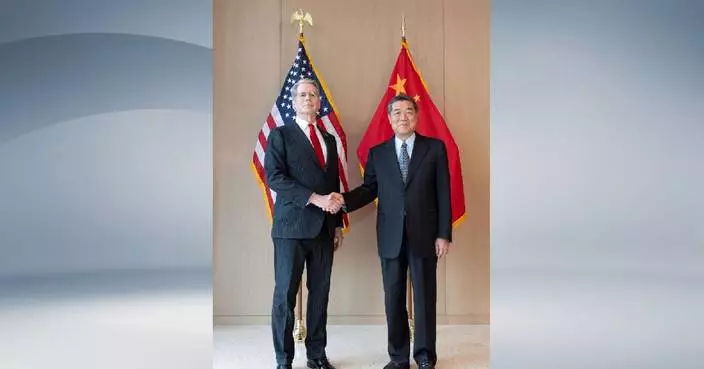
Delegates from the China Council for the Promotion of International Trade (CCPIT) met with members of the US-China Business Council in Washington, D.C., on Friday for exchanges and discussions on strengthening economic and trade cooperation.
Ren Hongbin, chairman of CCPIT, said the council is ready to work with the US-China Business Council to build more high-quality platforms for government-business dialogue and trade exchanges, and to jointly promote cooperation between the two countries' business communities.
Click to Gallery
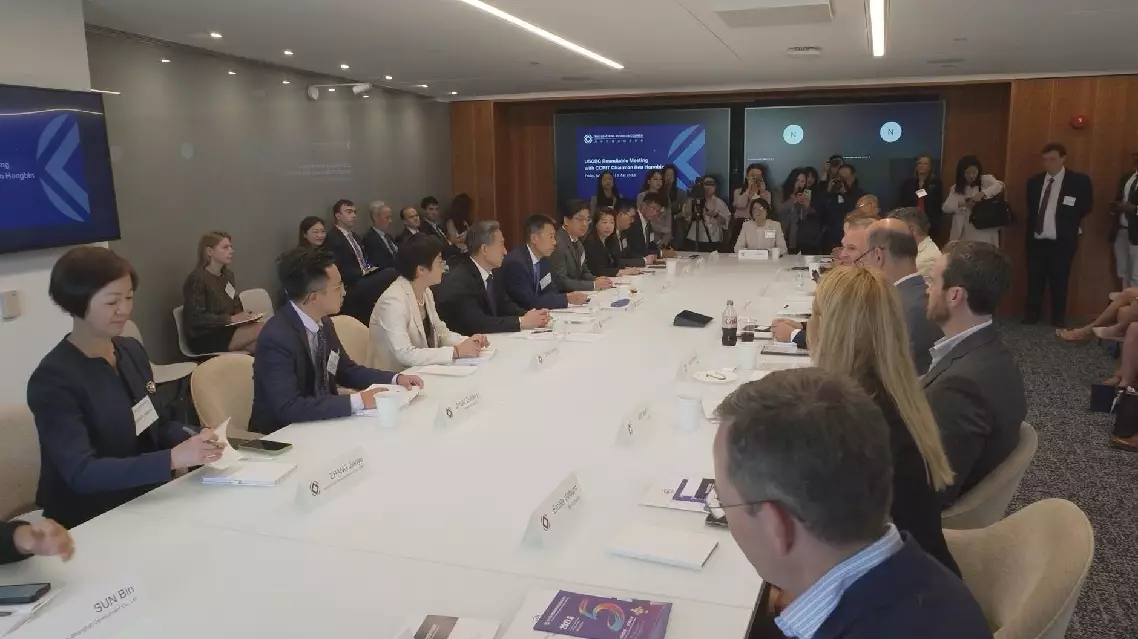
China, US business groups discuss cooperation in Washington
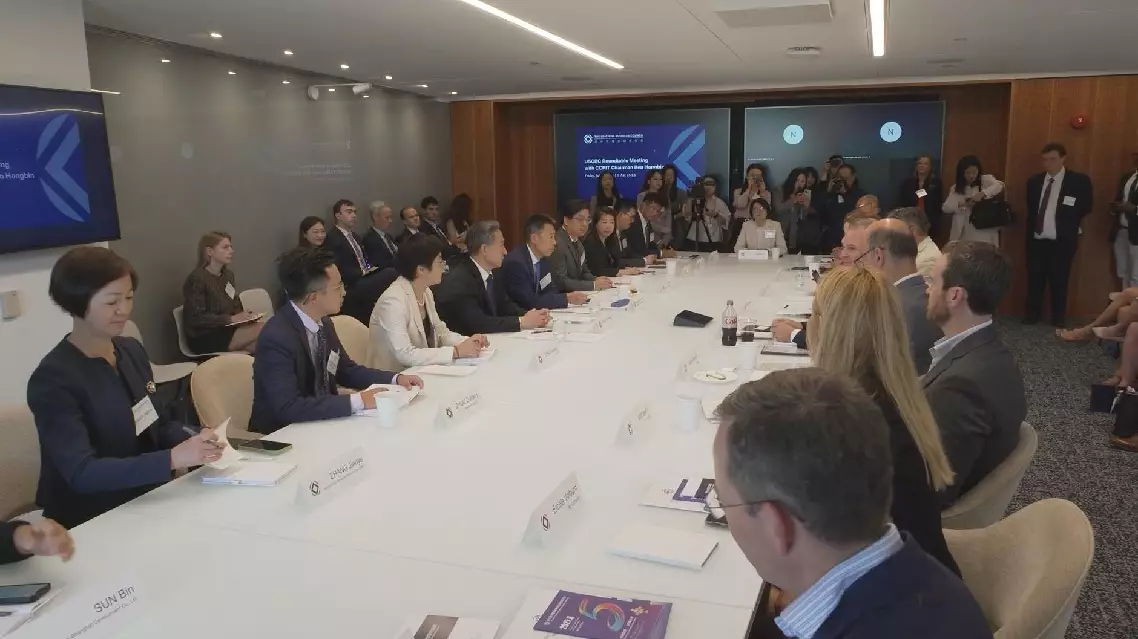
China, US business groups discuss cooperation in Washington
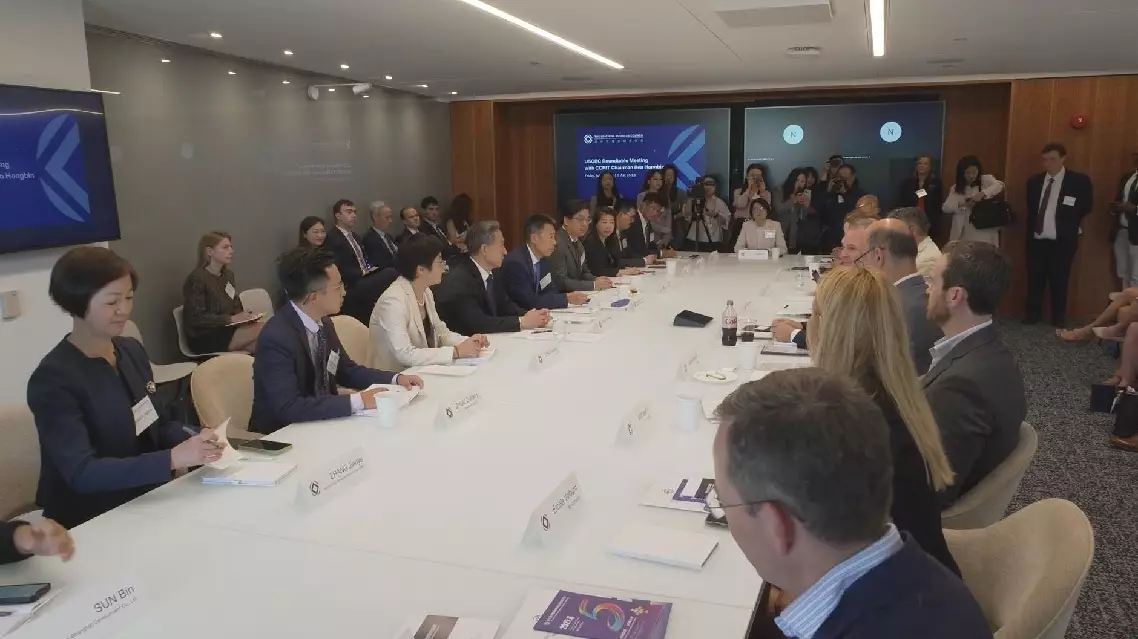
China, US business groups discuss cooperation in Washington
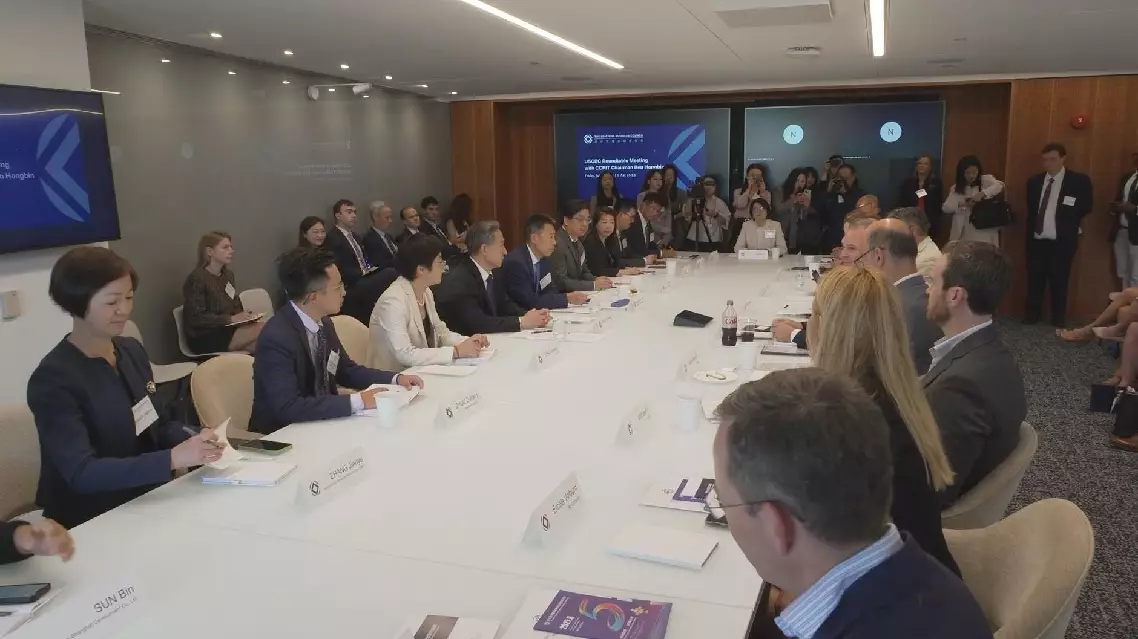
China, US business groups discuss cooperation in Washington
U.S. representatives noted that 2026 is the "China Year" of the Asia-Pacific Economic Cooperation (APEC) and said American companies hope to take part constructively and pragmatically in related events.
"So there's this myth out there that American companies don't want to do business with China. Or there's another myth that says American companies are leaving China. Or the third one, there's a myth that American companies aren't investing in China or that American companies don't welcome Chinese companies in the United States. All of those are myths. All of those are false. As American companies are committed to being in China, they're committed to partnering with Chinese companies. They value their relationship with CCPIT and recognize that CCPIT and these types of exchanges help everybody," said Sean Stein, president of the US-China Business Council.
The U.S.-China Economic and Trade Cooperation Forum and the promotion meeting for the 5th China International Supply Chain Expo (CISCE) was held on Thursday in Chicago, drawing in over 180 representatives from political and business circles of the two countries.
As the world's first national-level exhibition focusing on supply chains, the CISCE has been an internationally shared public good since the first edition was held in 2023. The fifth edition is expected to be held in 2027.
Ren said at the event that China is accelerating the development of new quality productive forces, and there is broad potential for industrial cooperation between Chinese and American companies in areas such as artificial intelligence, green development, and the digital economy.
"Evolving from the world's factory to the world market and now an innovation hub, China will further expand institutional opening up and steadily foster a market oriented, law-based, internationalized business environment. We welcome more U.S. companies to come to China, embrace China opportunity 2.0 and achieve greater success in China," Ren said.
China, US business groups discuss cooperation in Washington
China, US business groups discuss cooperation in Washington
China, US business groups discuss cooperation in Washington
China, US business groups discuss cooperation in Washington