FNIDEQ, Morocco (AP) — It started with Instagram posts that suggested Spain’s border with Morocco was opening up. Then came Facebook users tracking coast guard patrols and TikTok videos showing where to swim.
After many shares and comments, thousands of Moroccans became convinced that Europe was suddenly within reach.
Click to Gallery
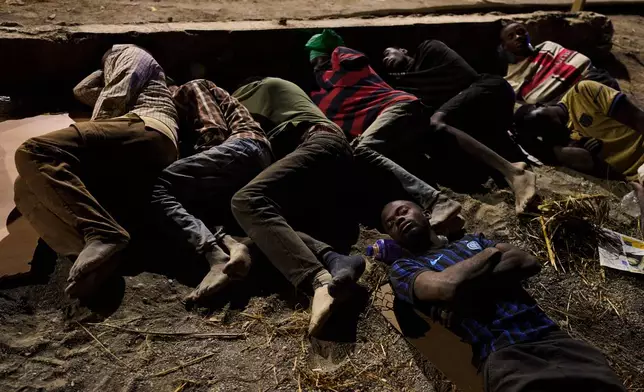
Migrants who crossed into Spain from Morocco sleep on a beach in the Spanish enclave of Ceuta, Monday, Aug. 3, 2026. (AP Photo/Bernat Armangue)
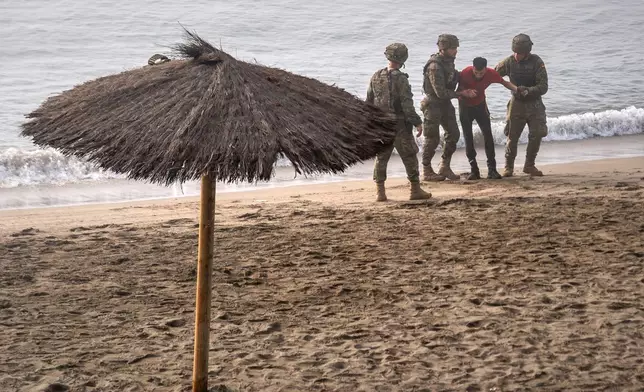
Spanish army soldiers assist a migrant who swam from Morocco to the Spanish enclave of Ceuta, Saturday, Aug. 1, 2026. (AP Photo/Antonio Sempere)
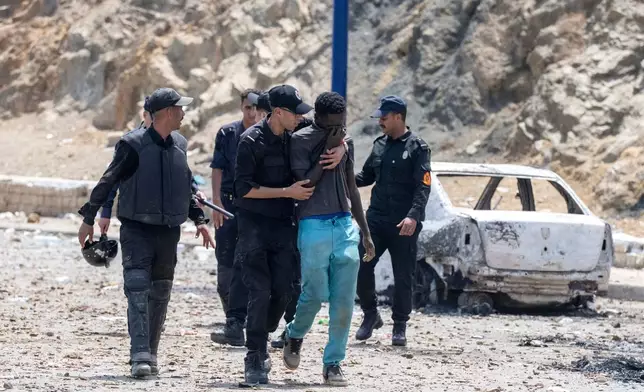
Moroccan security forces detain a man attempting to cross from the Moroccan northern town of Fnideq to the Spanish enclave of Ceuta, Friday, July 31, 2026. (AP Photo)
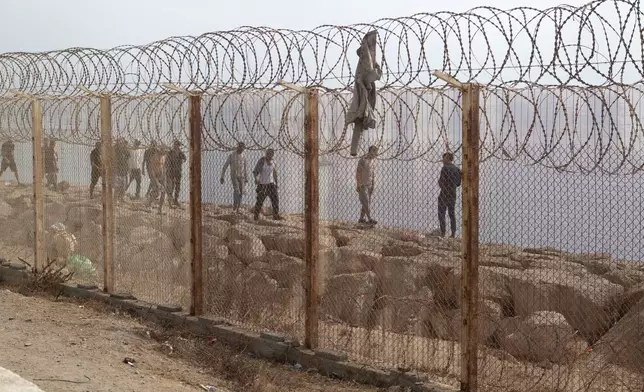
People who attempted crossing to the Spanish enclave of Ceuta return to the Moroccan northern town of Fnideq, Saturday, Aug. 1, 2026. (AP Photo)
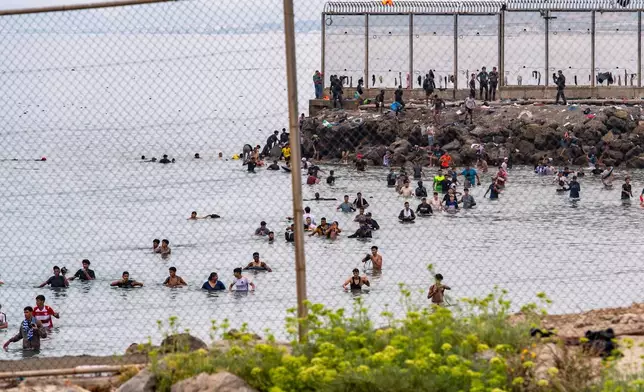
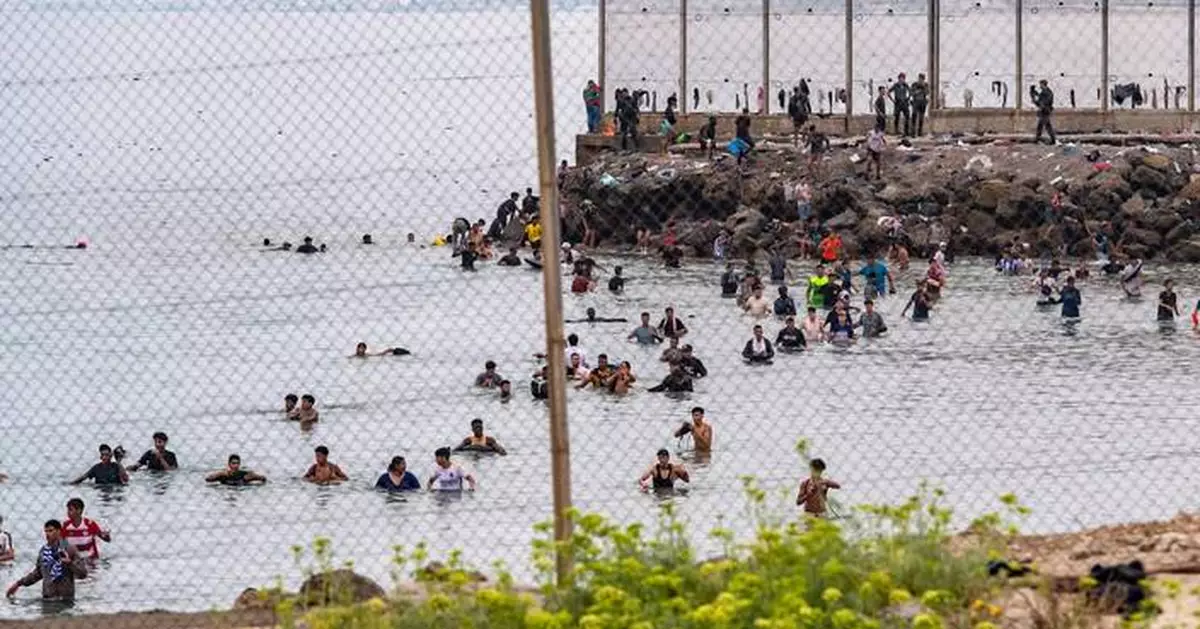
Migrants try to cross from Morocco into the Spanish enclave of Ceuta, Friday, July 31, 2026. (AP Photo/Antonio Sempere)
Within hours, young people began heading toward the border with the Spanish enclave of Ceuta in North Africa. Packed buses rolled into the neighboring Moroccan city of Fnideq. Regional trains filled up. Taxis did too.
By the time authorities reacted, an estimated 60,000 people had reached Ceuta in just a few days, the largest migration surge between Morocco and Spain in years. More than 80 migrants died on both sides of the border, including some who drowned and others who were killed in a stampede, authorities said.
Nearly all of the surviving migrants soon returned, but the fallout from last week’s events will linger.
In the northern Moroccan city of Larache, about 93 miles (150 kilometers) from Ceuta, three friends watched a video posted by an Instagram account called Haraga Ceuta claiming the border would be open. Haraga refers in Moroccan dialect to young migrants who destroy their identification papers and try crossing illegally into Europe.
The post convinced Anas Amrani, Yahya Harak and Ismail Atik that it was worth risking the journey.
For migrants hoping to reach Spanish territory, the most common route begins in Fnideq, where many attempt the roughly 3-mile (5-kilometer) swim around the border breakwater. Others leave from the nearby village of Belyounech.
One TikTok video mapped the exact route swimmers should follow.
On Facebook groups such as Fnideq Bab Sebta, users shared screenshots from vessel-tracking platforms to identify moments when coast guard patrols appeared lighter. Some sought advice on using inflatable boats. Others advertised wetsuits for sale.
“I saw online that the border was open, and I decided to go,” said 17-year-old Omar Danbor from Fnideq, walking back exhausted along the coast.
It's unclear who was behind the claims that the border was open or who operated many of the social media accounts, several of which were deleted soon after the crossings. The Associated Press contacted several accounts but received no response.
As migrants reached the shores of Ceuta, mass chaos erupted at a narrow concrete breakwater where many tried to climb onto land.
According to multiple migrants interviewed by AP, people rushed to scramble over the slick rocks at the same time, pushing and climbing over one another. Several said they saw people knocked back into the water and forced beneath others, leaving them unable to resurface as migrants sought to reach land.
“I stepped on the face of a dead man while I was climbing out. I hope God forgives me and all those whose bodies were found,” said Lahcen Kalouch, a Moroccan migrant who reached Ceuta before returning home distraught.
At least 72 people died on the Spanish side of the border. Another 11 died on the Moroccan side.
Tens of thousands of migrants have since returned to Morocco, either after being expelled or after leaving by choice because of a lack of shelter, food and water in Ceuta.
Some migrants misunderstood recent legal developments in Spain, including Prime Minister Pedro Sánchez’s immigration regularization measures and a court ruling limiting authorities’ ability to immediately return migrants who swim into Ceuta.
Sanchez’s recent efforts to regularize migration were meant only for people already living in Spain prior to Jan. 1, the majority of whom hail from Latin America and entered Spain legally but overstayed their visas. But some in Morocco misinterpreted his policy, believing they would be allowed to stay. That belief spread online.
“Pedro Sánchez is a liar. He told us if we came, we would get jobs and papers, but they sent us back,” said Adam Assil, a migrant from Casablanca, even though Sánchez never made such a promise.
While attempts to reach Ceuta are common, migration activists said this episode was different because of the way rumors snowballed online, encouraging thousands of people to head toward the enclave at the same time instead of in smaller, scattered groups.
Moroccan authorities said the migration wave was not spontaneous. The Interior Ministry blamed the “exploitation of the digital sphere” and “the spread of misinformation.” Officials offered no evidence but said an investigation had been opened. Spain’s government made similar statements.
Ceuta officials said that they had warned the Spanish government of a surge in arrivals before the massive crush on Thursday. The Spanish Interior Ministry said Monday that it had not received “any report or warning regarding the mass arrival of people in Ceuta,” and it praised cooperation with the Moroccan authorities in sending most of the migrants back.
“Nobody addressed how these individuals managed to breach the border," said Mustapha Azaitraoui, a Moroccan geographer specializing in migration dynamics. “If a large group of people can cross the border under these circumstances, it suggests a broader security issue that has yet to be acknowledged publicly.”
Both Morocco and Spain blamed the Ceuta crisis on human smugglers and trafficking networks, saying organized criminal groups encouraged the mass crossings.
But returning Moroccan migrants interviewed by AP largely rejected that explanation.
“No one smuggled me there. I wanted to go of my own free will, but that country is not worth all this sacrifice,” Kalouch said.
“There are no mafias. The border was open, and I crossed. But now I regret it,” said Danbor, his clothes still wet after making the journey back.
The Spanish Interior Ministry said investigations into smuggling networks are ongoing and noted that Spain and Morocco have carried out joint operations against trafficking groups. The Moroccan Interior Ministry did not respond to questions about smuggling networks.
Morocco’s economy is projected to grow by 4.5% this year, boasting major factories, advanced ports and ambitions to become a regional hub for the car industry.
Yet for many young Moroccans, that transformation has not translated into stable work. Youth unemployment remains high, with 37% of people ages 15 to 24 out of work. Among university graduates, unemployment stands at nearly 20%. The dream of migration is often reinforced by stories of relatives who left and returned with cars, new clothes and foreign currency.
One of those who breached the border was a 16-year-old who grew up a few dozen miles from Ceuta. Europe had always seemed a dream close enough to see, yet impossibly far.
So when he saw a post on Facebook suggesting the border was open and thousands were making it across, he joined the rush.
Days later, he was back on the Moroccan side, crying as he asked strangers for money for a taxi home.
“They fired tear gas at me and beat me with batons. There’s nothing for me there,” said the teen, who spoke on condition of anonymity out of fear of being stigmatized following his failed border crossing attempt.
“I just wanted to provide for my mom,” he said, wiping his tears.
Associated Press journalists Bernat Armangue in Ceuta, Spain, and Joseph Wilson in Barcelona, Spain, contributed.
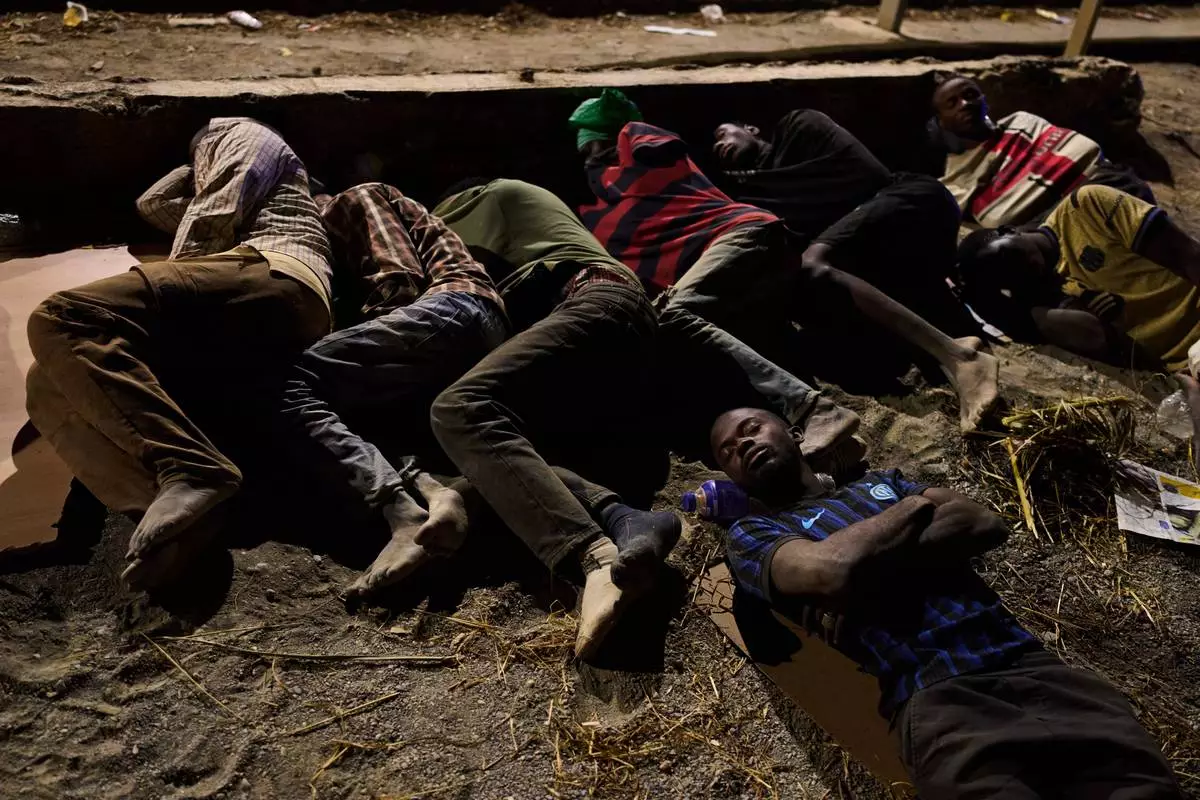
Migrants who crossed into Spain from Morocco sleep on a beach in the Spanish enclave of Ceuta, Monday, Aug. 3, 2026. (AP Photo/Bernat Armangue)
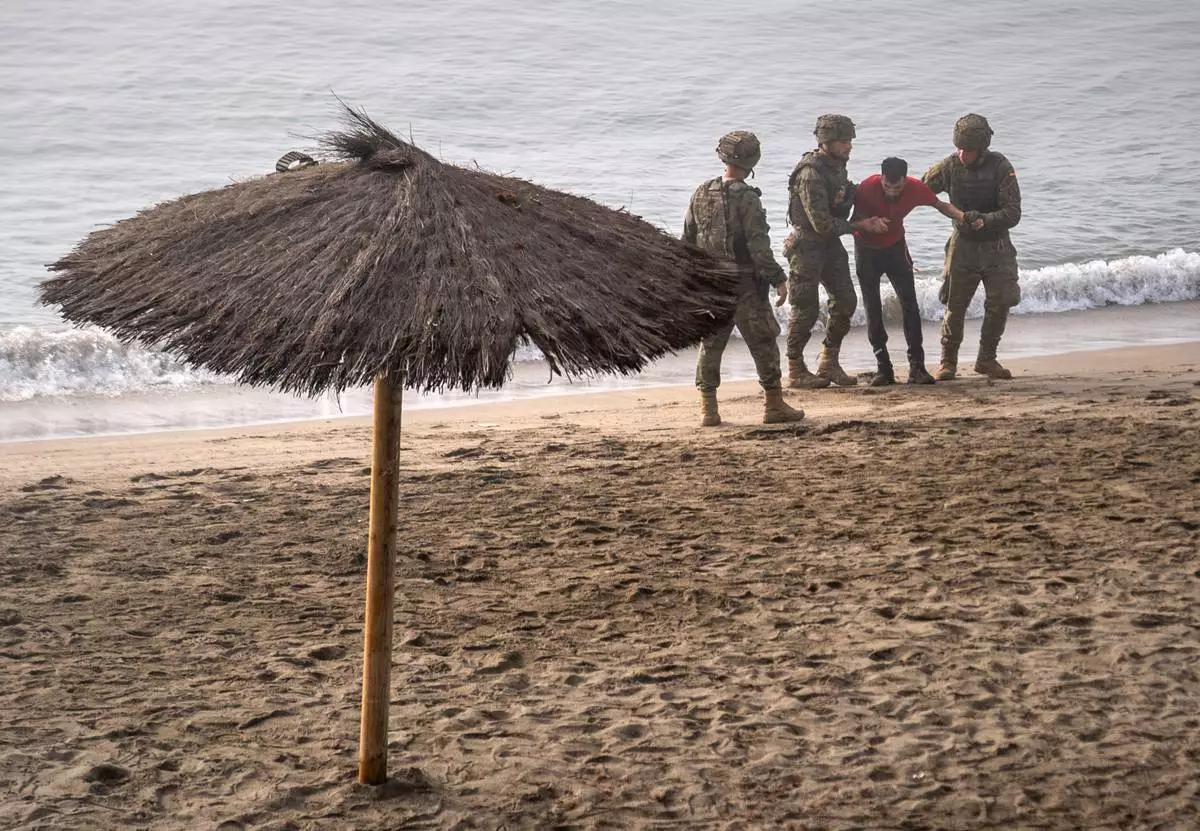
Spanish army soldiers assist a migrant who swam from Morocco to the Spanish enclave of Ceuta, Saturday, Aug. 1, 2026. (AP Photo/Antonio Sempere)
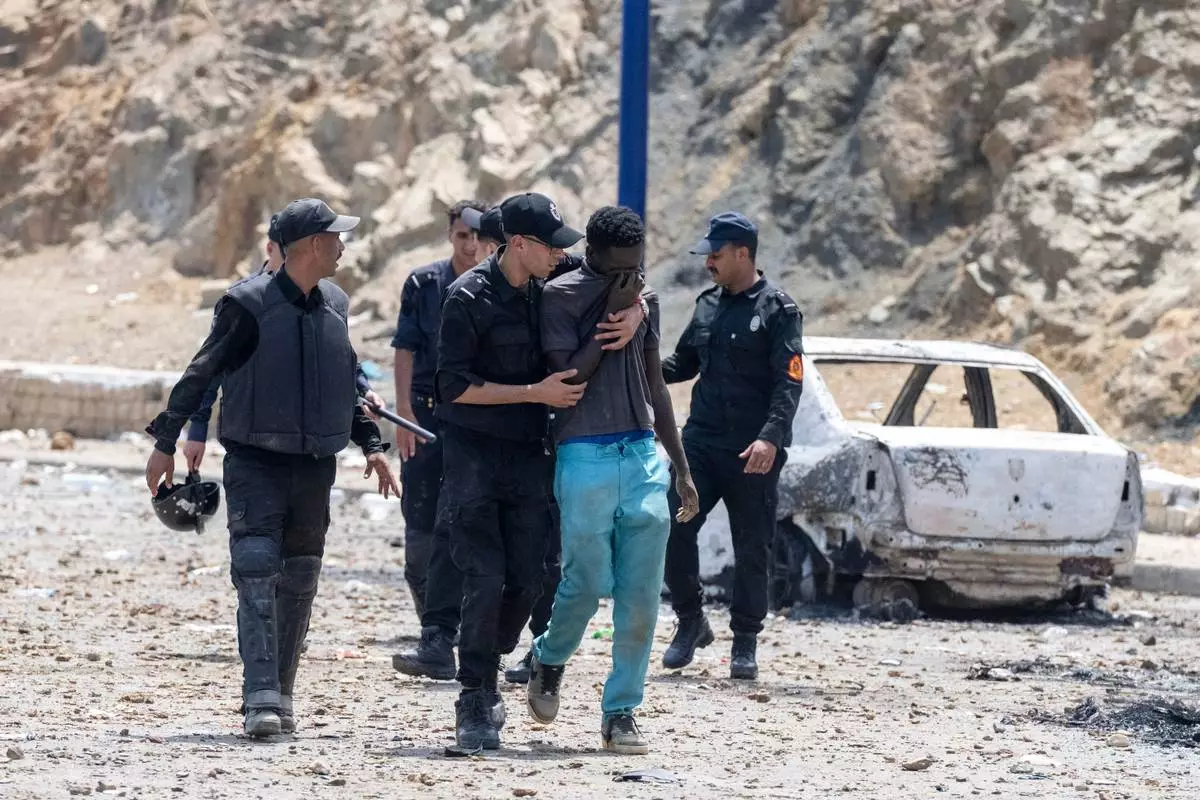
Moroccan security forces detain a man attempting to cross from the Moroccan northern town of Fnideq to the Spanish enclave of Ceuta, Friday, July 31, 2026. (AP Photo)
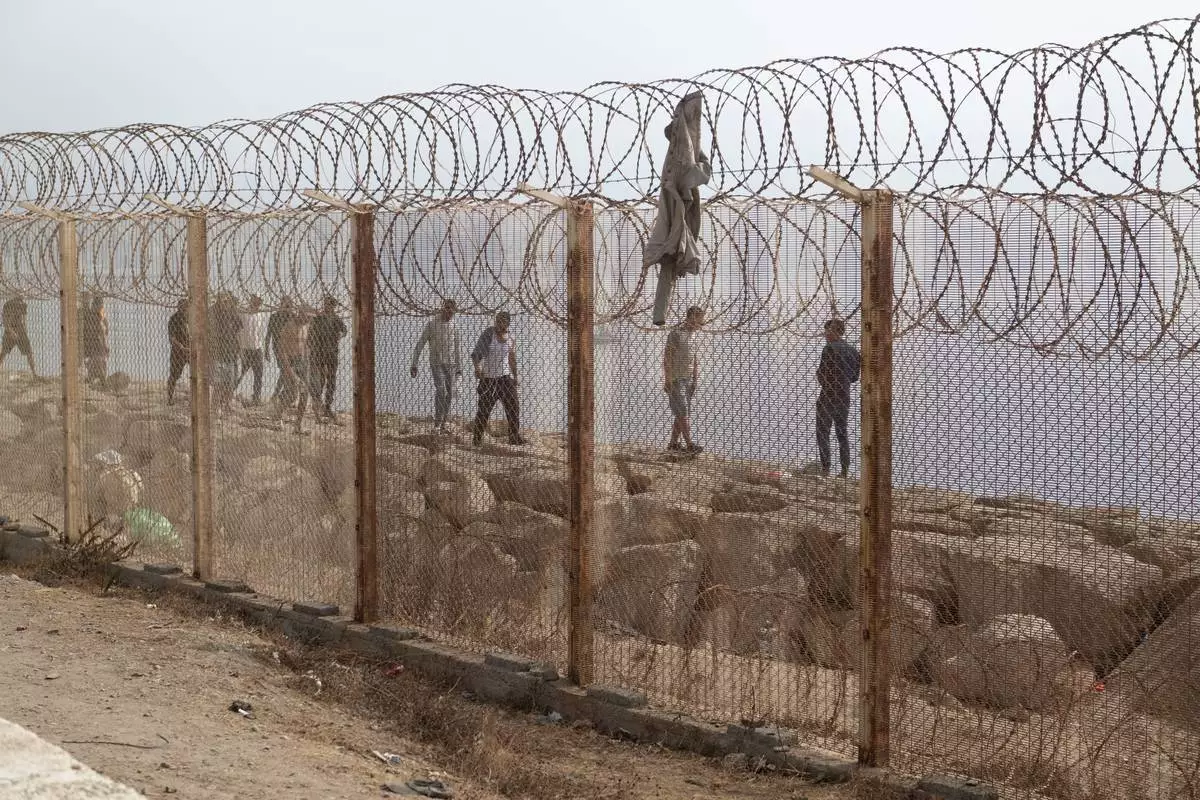
People who attempted crossing to the Spanish enclave of Ceuta return to the Moroccan northern town of Fnideq, Saturday, Aug. 1, 2026. (AP Photo)
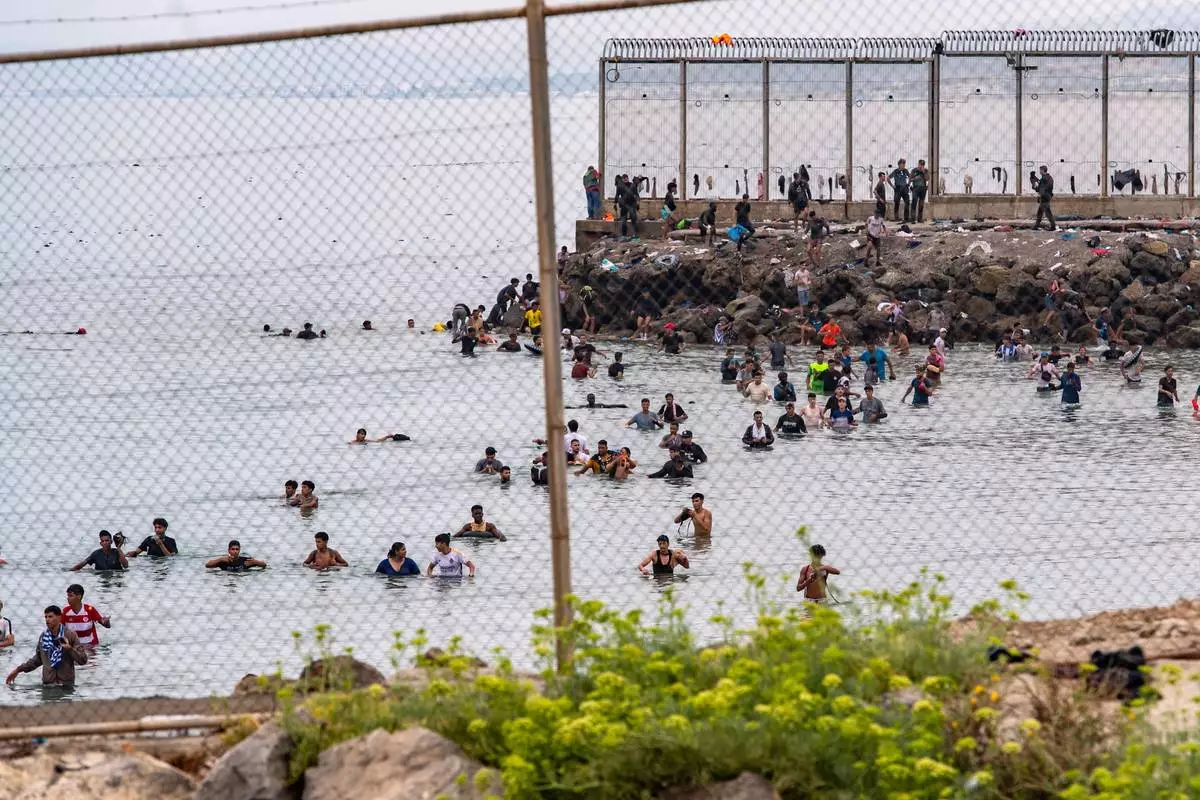
Migrants try to cross from Morocco into the Spanish enclave of Ceuta, Friday, July 31, 2026. (AP Photo/Antonio Sempere)