MIAMI--(BUSINESS WIRE)--Aug 4, 2026--
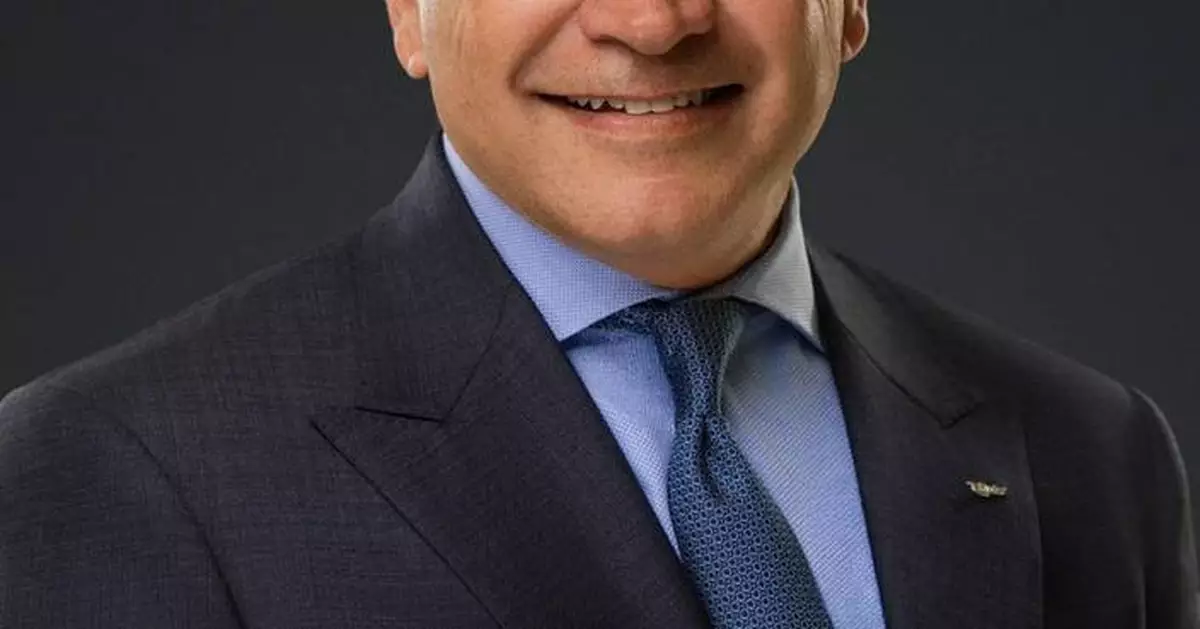
Ryder System, Inc. (NYSE: R) CEO John Diez to address Deutsche Bank’s Chicago Industrials Summit.
This press release features multimedia. View the full release here: https://www.businesswire.com/news/home/20260804492784/en/
About Ryder System, Inc.
Ryder System, Inc. (NYSE: R) is a nearly $13 billion leading provider of outsourced logistics and transportation services throughout the United States, Canada, and Mexico. Ryder offers supply chain, dedicated transportation, and fleet management solutions that integrate every step of the supply chain port‑to‑door, including cross-border logistics, fleet and transportation management, warehousing and distribution, and final delivery to customers’ doorsteps. Ryder’s broad portfolio of services encompasses managed transportation, freight brokerage, dedicated contract carriage with professional drivers, full‑service fleet leasing and maintenance, commercial truck rental, automation and robotics, digital technologies, contract manufacturing and packaging, omnichannel retail fulfillment including e-commerce and last-mile delivery, and used vehicle sales. Serving more than 20 industries, Ryder manages approximately 240,000 commercial vehicles, operates nearly 800 maintenance locations, and runs approximately 320 warehouses totaling more than 100 million square feet. Ryder is consistently recognized for technology‑driven innovation and industry‑leading practices in safety, health, security, talent acquisition, and environmental management, and was most recently named to Fortune’s “America’s Most Innovative Companies” list. www.ryder.com
Note Regarding Forward-Looking Statements: Certain statements and information included in this news release are “forward-looking statements” within the meaning of the Federal Private Securities Litigation Reform Act of 1995. These forward-looking statements are based on our current plans and expectations and are subject to risks, uncertainties and assumptions. Accordingly, these forward-looking statements should be evaluated with consideration given to the many risks and uncertainties that could cause actual results and events to differ materially from those in the forward-looking statements including those risks set forth in our periodic filings with the Securities and Exchange Commission. New risks emerge from time to time. It is not possible for management to predict all such risk factors or to assess the impact of such risks on our business. Accordingly, we undertake no obligation to publicly update or revise any forward-looking statements, whether as a result of new information, future events, or otherwise.
ryder-financial
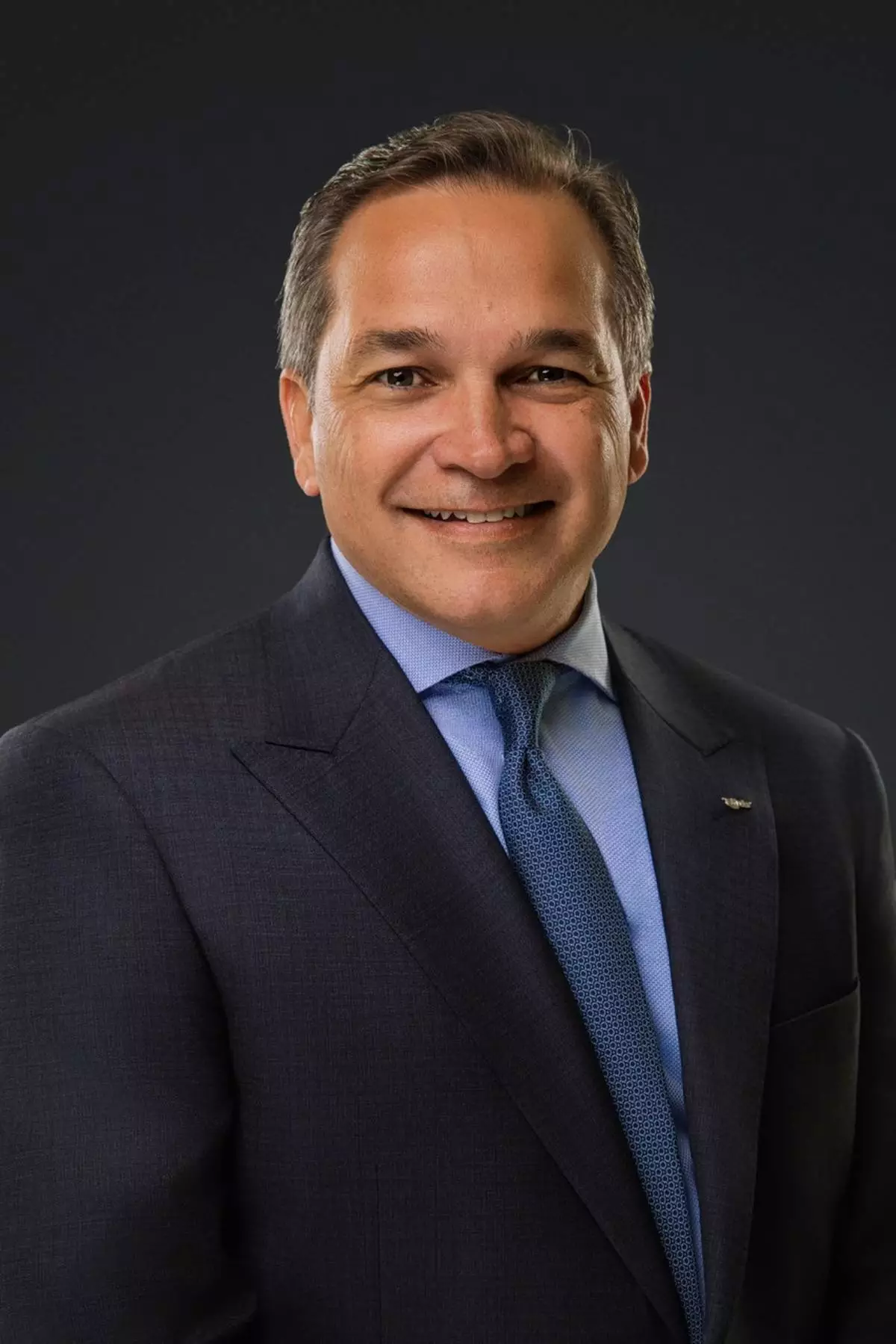
Ryder System, Inc. CEO John J. Diez
TOKYO (AP) — Toyota reported Tuesday a nearly doubling of profit for the fiscal first quarter as solid demand in the U.S. and India combined with a favorable exchange rate to boost results.
The Japanese automaker, which makes the Prius hybrid and Lexus luxury models, recorded a 1.48 trillion yen ($9.4 billion) net profit in the April-June period, up from 841 billion yen the same quarter the previous year.
Quarterly sales rose 10% year on year to 13.5 trillion yen ($85 billion).
A cheap yen raises the value of overseas earnings for Japan’s giant exporters like Toyota Motor Corp. The U.S. dollar was trading at about 145 yen during the fiscal first quarter in 2025, but at about 160 yen for the same period this year.
The dollar is now trading at about 158 yen because of a joint U.S.-Japan market intervention, which came last week, or in the fiscal second quarter.
The favorable currency effect added 345 billion yen ($2.2 billion) to Toyota’s quarterly operating profit in the April-June period.
The automaker is figuring the yen at 160 to the dollar for the full fiscal year.
Chief Officer Takanori Azuma said Toyota sold fewer vehicles globally for the quarter just ended at 2.39 million, compared with 2.41 million vehicles a year ago.
But the automaker expects to sell more vehicles for the full fiscal year at 9.7 million vehicles, compared with 9.595 million the previous fiscal year.
Azuma said demand remains strong for Toyota hybrids in various global markets, including the U.S., where the Camry mid-size sedan and RAV4 compact sport utility vehicle are selling briskly.
Toyota plans to boost hybrid and hybrid battery production through 2030, said Azuma, adding that it will bring down costs. Toyota’s electric vehicle sales are also going strong, he said.
Among the popular models in India were the Urban Cruiser and Innova Hycross, while the Yaris remained a strong seller in Thailand and Europe.
The recent political instability in the Middle East has weighed on Japanese automakers, which rely heavily on the now effectively closed Strait of Hormuz for shipping. Toyota said it was working on tackling such challenges, including finding alternative routes.
Another potential negative impact was the 7.1 magnitude earthquake in Kumamoto in southwestern Japan, which hit July 28.
Toyota's manufacturing facilities in the Kyushu region, where Kumamoto is located, halted production, but are readying to resume production later this week. Its Tahara plant in Aichi Prefecture, central Japan, also halted production, partly because of the quake. Since a summer break is upcoming, unrelated to the disaster, production will be down there through the end of the month.
Toyota is projecting a 3.25 trillion yen ($20.6 billion) profit for the full fiscal year through March 2027, not as good as the 3.85 trillion yen ($24 billion) profit racked up the previous fiscal year.
Annual sales are forecast at 54 trillion yen ($342 billion), better than the 50.7 trillion yen for the previous fiscal year that ended in March.
Toyota shares fell nearly 2% in Tokyo trading after earnings results were announced.
Yuri Kageyama is on Threads: https://www.threads.net/@yurikageyama
FILE -Toyota dealership, April 30, 2026, in Nashua, N.H. (AP Photo/Charles Krupa, File)