LOS ANGELES--(BUSINESS WIRE)--Aug 4, 2026--
Needed, the brand bringing practitioner-grade nutrition to women's supplements, today announced the launch of Needed Women's Creatine, a daily creatine monohydrate supplement where women's physiology drove every decision — from dose to digestion. Creatine builds strength, lean muscle, mental clarity, and cellular energy* — and it's one of the most studied compounds in human performance. But of the more than 4,500 studies published to date, just 4% have focused on women alone, and so far, only a single randomized trial has examined its effects during perimenopause.
This press release features multimedia. View the full release here: https://www.businesswire.com/news/home/20260804392125/en/
Women naturally produce 70–80% of the creatine men do, and 7 out of 10 women consume less than the recommended amount in their diet, due to lower intake of creatine-rich foods like red meat. 12 Yet women need just as much creatine for muscle, brain, and everyday energy (5g daily). Estrogen directly shapes how women’s bodies use what they have, so needs shift across every cycle and lifespan. Needed's latest product is built to close that gap.
"Despite being one of the most-studied supplements in the world, Creatine is one of the most underutilized tools for women's health," said Julie Sawaya, co-founder and co-CEO of Needed. "For decades, Creatine has been marketed almost exclusively through the lens of sports performance. But women experience profound shifts in muscle, brain energy, and metabolism throughout life, and the science increasingly shows Creatine has a role far beyond the gym. We built Women's Creatine to reflect women's biology — not just women's marketing."
"Creatine is just one example of a broader pattern in nutrition research," said Ryan Woodbury, co-founder and co-CEO of Needed. "Women have historically been underrepresented in studies across many nutrients, leaving important questions unanswered about how nutritional needs change throughout the menstrual cycle, pregnancy, postpartum, and perimenopause."
Recognizing the critical need for more research in women's health, Needed is actively collaborating with researchers and practitioners to expand the evidence base for Creatine use during pregnancy and lactation. The company believes women deserve rigorous research across every stage of life, including those historically overlooked in nutrition science.
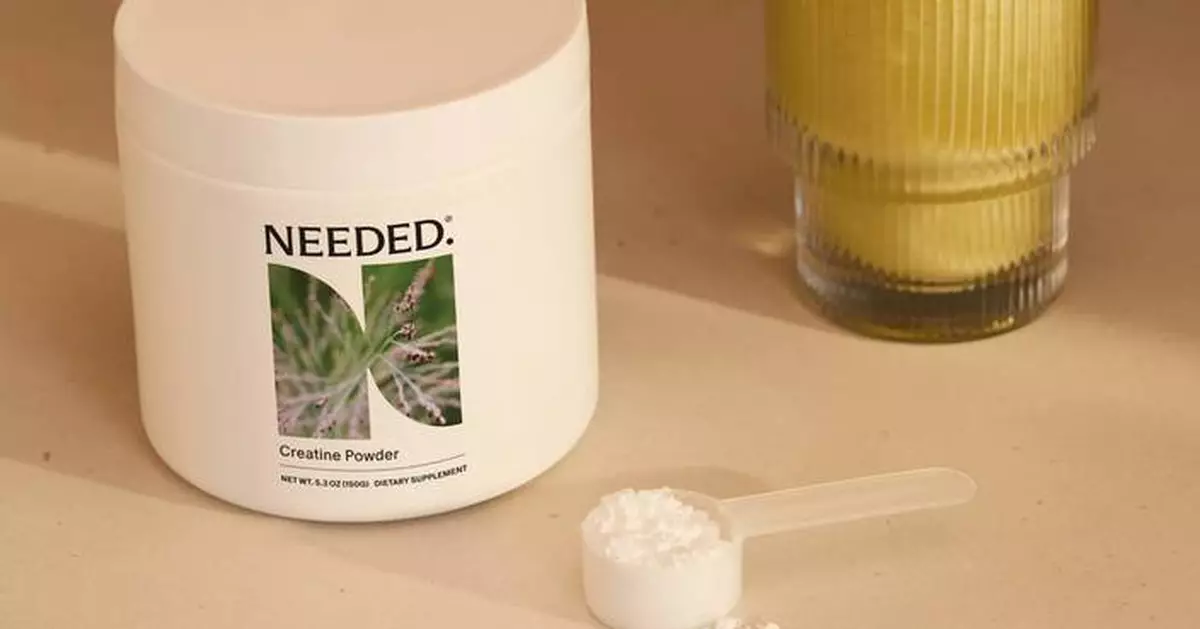
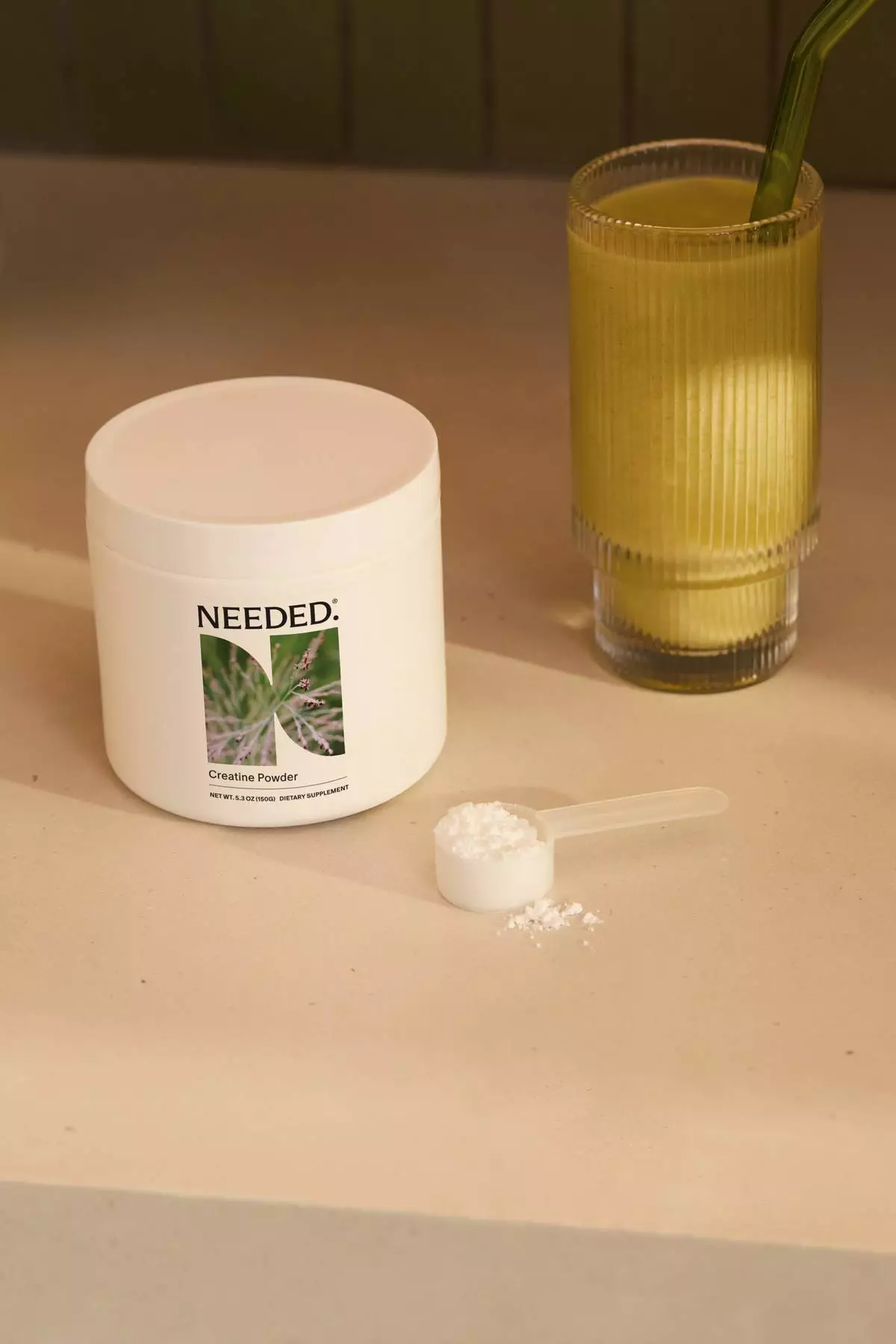
Now available for purchase, Needed Women's Creatine ($24.99 for 30 servings) delivers a clinically studied 5g dose of high-purity Creatine Monohydrate — the most researched form of creatine — and is Biomicronized™ to completely dissolve in seconds in water, with no sludge, grit, bloating, or bulking, addressing common complaints with other creatine powders on the market. The formula was developed in collaboration with women's health practitioners and is third-party tested for purity. Every batch passes through 2,000+ quality checkpoints — from raw material qualification to finished product release. Needed Women's Creatine is NSF Certified for Sport® and Clean Label Project Certified.
Needed Women's Creatine joins the brand's expansive portfolio of clinically informed nutritional supplements designed to help close nutrient gaps unique to women, spanning the menstrual cycle, pregnancy, postpartum, and perimenopause. It's the latest step in a year that has included launching a petition to Congress signed by 25,000 supporters and a full-page advertisement in The New York Times calling for nutrition standards that reflect women's biology.
About Needed: Needed is a women's nutritional supplement company founded by two mothers and trained nutritionists who discovered firsthand that women are nutritionally depleted at the most critical moments of their lives, including during pregnancy, postpartum, and perimenopause. Its formulations are developed in collaboration with clinicians and researchers and are designed to reflect modern research around women's actual nutritional needs. Learn more at thisisneeded.com.
*These statements have not been evaluated by the Food and Drug Administration. This product is not intended to diagnose, treat, cure, or prevent any disease.
Needed Launches Women’s Creatine, Addressing a Long-Overlooked Nutrient Gap