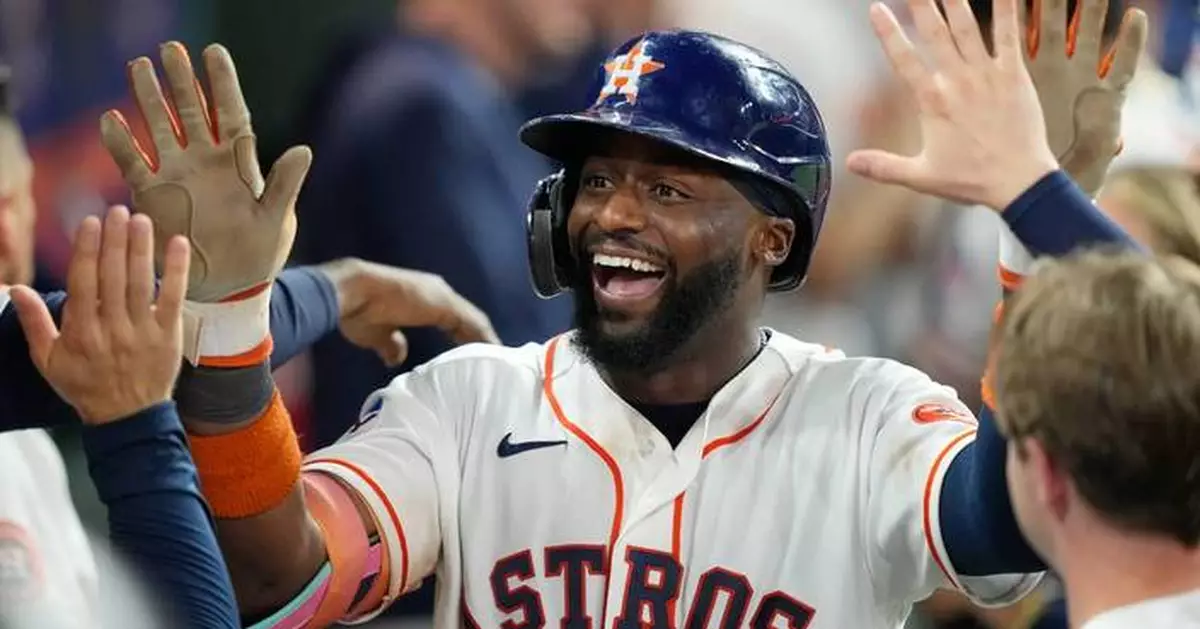
HOUSTON (AP) — Taylor Tremmell hit a three-run homer, Jose Altuve had three hits and two RBIs, and the Houston Astros beat the Toronto Blue Jays 7-2 on Tuesday night.
Altuve hit an RBI single that went off the glove of Blue Jays third baseman Kazuma Okamoto and stayed in play to score Yordan Alvarez in the fifth inning, then added another hit in the seventh to center field. He hit an infield single in the fourth.
Trammell's homer came in the fifth inning, a 388-foot shot over the wall in right for his sixth of the year that made it 6-2. Yainer Diaz and Cam Smith hit back-to-back RBI singles to open the scoring for Houston in the fourth inning.
Astros starter Hayden Wesneski (2-0) pitched six innings, giving up two runs and four hits while striking out four and walking two.
Myles Shaw hit an RBI triple in the fifth for the Blue Jays, scoring Andrés Giménez. He then scored on a wild pitch to tie the game at 2-all.
Toronto starting pitcher Trey Yesavage left the game with the training staff with left knee discomfort after throwing a warm-up pitch in the third inning. He threw a few more before ultimately deciding to leave the game. Chad Dallas (1-1) took over and pitched three innings. He gave up seven hits and six runs. He walked four and struck out three.
RHP Jameson Taillon (2-6, 5.92 ERA) will make his Blue Jays debut in the second game of the series on Wednesday, after coming over from the Chicago Cubs at the trade deadline. It will be his first start since July 26. RHP Hunter Brown (3-1, 3.42) will start for the Astros.
AP MLB: https://apnews.com/hub/mlb
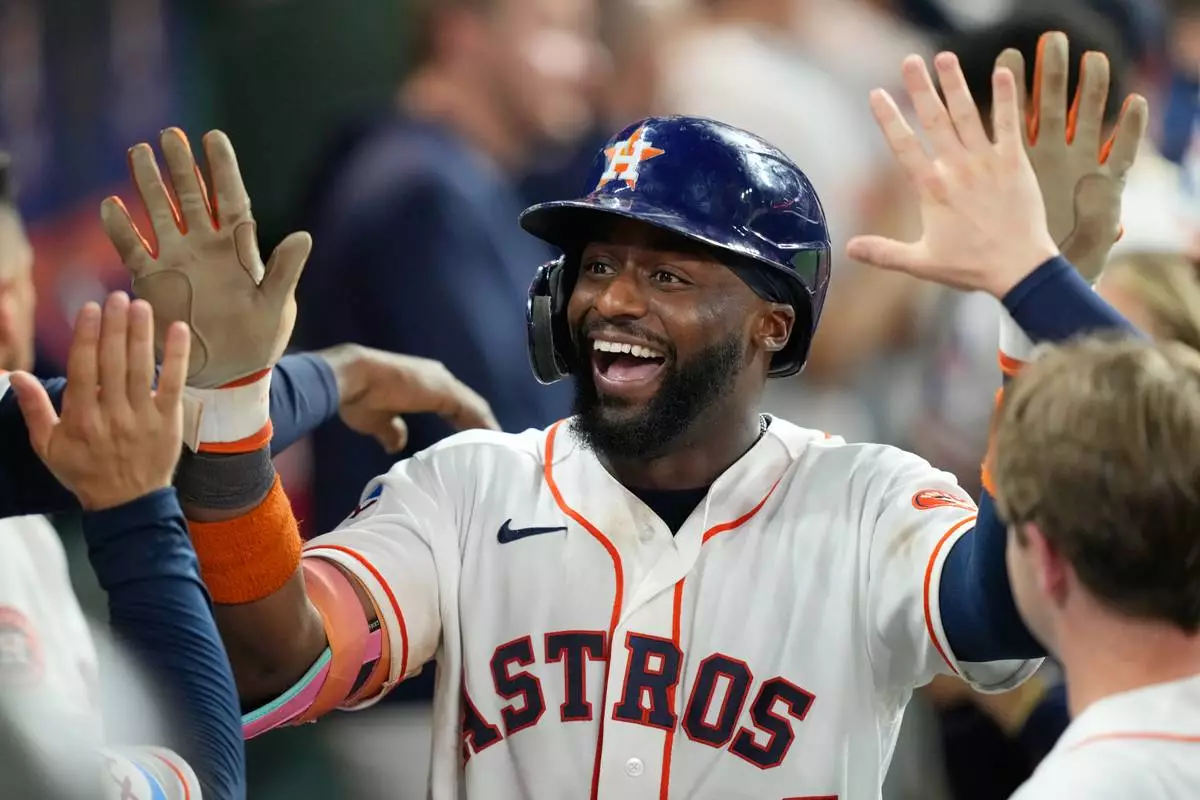
Houston Astros' Taylor Trammell celebrates in the dugout after hitting a three-run home run against the Toronto Blue Jays during the fifth inning of a baseball game Tuesday, Aug. 4, 2026, in Houston. (AP Photo/David J. Phillip)
Democrats confronted a stark divide between party tradition and a rising tide of progressive energy as voters in Michigan went to the polls on Tuesday.
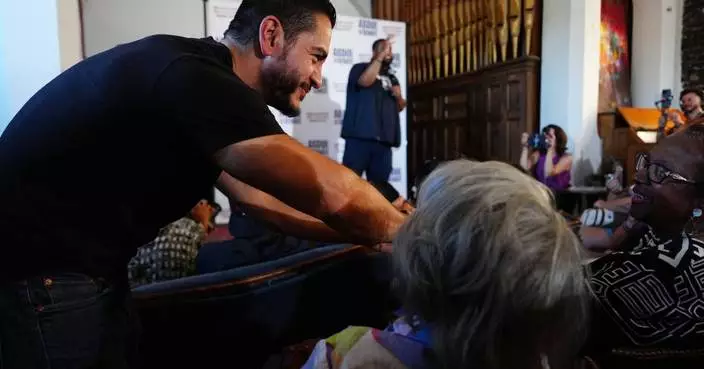
The primary contest between U.S. Rep. Haley Stevens and insurgent contender Abdul El-Sayed for the party's Senate nomination is testing the swing state electorate's willingness to abandon a time-tested strategy of going with moderate candidates in marquee races.
In a year when Democrats need to rack up as many wins as possible to take back the U.S. Senate, the party has little room for error against the Republican nominee, former U.S. Rep. Mike Rogers.
Republicans faced their own test in Michigan in the governor's race, where President Donald Trump's handpicked candidate, U.S. Rep. John James, defeated Perry Johnson, a wealthy, free-spending outsider.
More primaries were taking place in Kansas, Missouri, Virginia and Washington. The contests will solidify November matchups, particularly in Virginia, where Democrats failed to redraw the state's congressional map earlier this year.
Here are some takeaways from Tuesday's elections:
The choice between El-Sayed and Stevens has become a focal point for Democrats this year, and the race has become bitter. Whoever wins will need to bring splintered factions back into the fold to beat Rogers.
The seat is open because Democratic Sen. Gary Peters is retiring, and Democrats are under pressure to defend it to preserve their chance of winning control of the chamber.
The campaigns have taken sharp aim at one another. Sen. Bernie Sanders, one of El-Sayed’s most prominent supporters, called Stevens “nothing more than an employee” of billionaires. El-Sayed has been a pointed critic of Israel and called the military campaign in Gaza a “genocide,” an accusation rejected by the Israeli and U.S. governments.
Stevens has criticized El-Sayed’s style, comparing him unfavorably to a celebrity who is always “running at the first mic or camera.” She has also suggested he’s not electable in the fall, saying Republicans have been propping him up because they think El-Sayed will be easier to beat.
Republican voters picked their nominee for Michigan governor on Tuesday as well, going with Trump's endorsed candidate, Rep. John James.
The president’s backing typically carries significant weight in Republican politics, but businessman Perry Johnson had lent his campaign more than $30 million, according to Michigan campaign finance records.
Trump's endorsement hasn't always overcome big spending. In Georgia’s race for governor, Rick Jackson spent $100 million, largely of his own money, to defeat Trump-backed Burt Jones in a runoff.
On the Democratic side in Michigan, Secretary of State Jocelyn Benson defeated Genesee County Sheriff Chris Swanson.
The American Israel Public Affairs Committee has long been an influential force in U.S. politics, but it's been under pressure as Democratic support for Israel erodes over the war in Gaza.
The organization has suffered a series of losses in Democratic primaries that saw a surge of progressive candidates. Victors range from Rep. Analilia Mejia, who won a special election to Congress in suburban New Jersey, to Evanston Mayor Daniel Biss, who captured the Democratic nomination for a U.S. House seat in Illinois.
AIPAC's biggest investment has been in Michigan, where it and its affiliates have spent more than $30 million supporting Stevens, a stalwart backer of Israel. El-Sayed and his backers have seized on the group's intervention as an example of the problems of big money in politics.
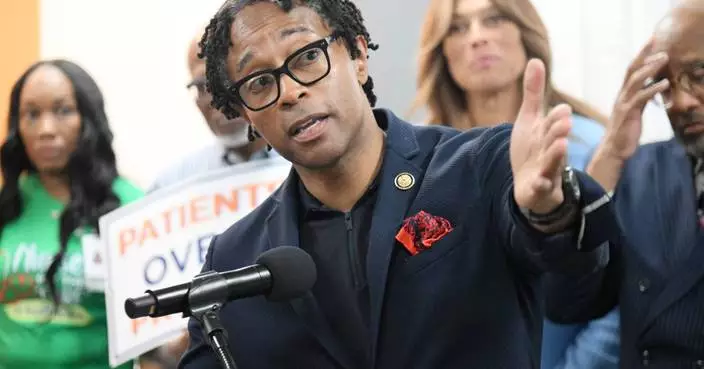
Although the outcome in Michigan remained uncertain, AIPAC had some success Tuesday. In Missouri, former Rep. Cori Bush fell short in her rematch against Rep. Wesley Bell, who defeated her two years ago.
Bush had blamed her previous loss on AIPAC, even vowing revenge on the organization in her concession speech. "AIPAC, I'm coming to tear your kingdom down!” she pledged.
However, she was quickly defeated as voters in the St. Louis-area district decided to stick with Bell.
One of Democrats' most bitter defeats this cycle took place in Virginia, where that state's supreme court in May overturned a voter-approved initiative to redraw the state's House map to make four more seats easier for the party to win.
The failed effort was part of Democrats' attempt to match Republicans' own redistricting campaign, which was spurred by Trump last year in hopes of making it easier for his party to hold control of the House.
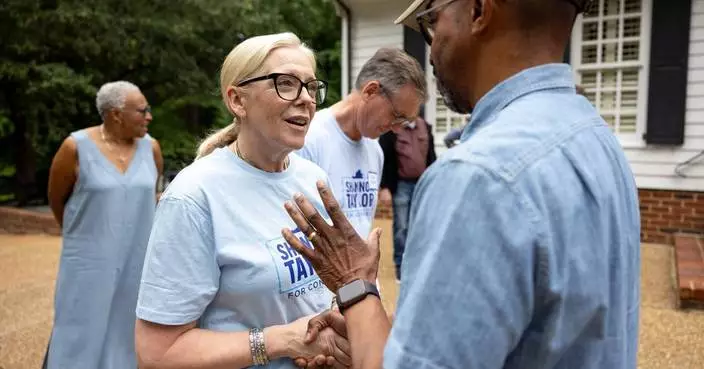
Democrats are optimistic they can recover at least a couple of those Virginia seats the old-fashioned way. On Tuesday, they got what they wanted in the state's two swing seats, with former Rep. Elaine Luria winning the nomination to compete for the 1st District in Virginia Beach and prosecutor Shannon Taylor getting the nod to run in the Richmond-area 2nd District.
The longer shot comes in the heavily rural 5th District in central Virginia, where Tom Perriello, who briefly represented the region in President Barack Obama's first term, won the Democratic nomination to try to win a now even more conservative-leaning seat.
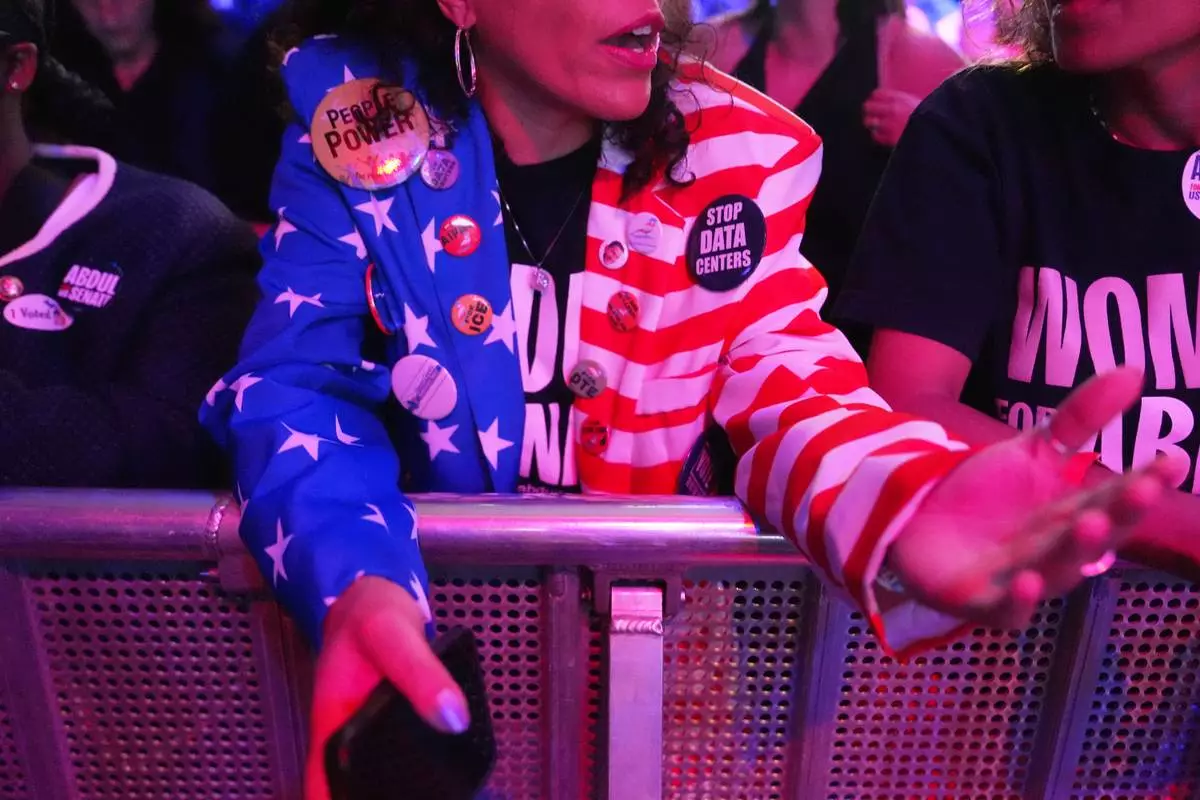
An attendee wears a pin reading "STOP DATA CENTERS" during a primary election night event for Abdul El-Sayed, a progressive candidate in the Democratic primary for U.S. Senate in Michigan, Tuesday, Aug. 4, 2026, at the Majestic Theatre in Detroit. (AP Photo/Julia Demaree Nikhinson)
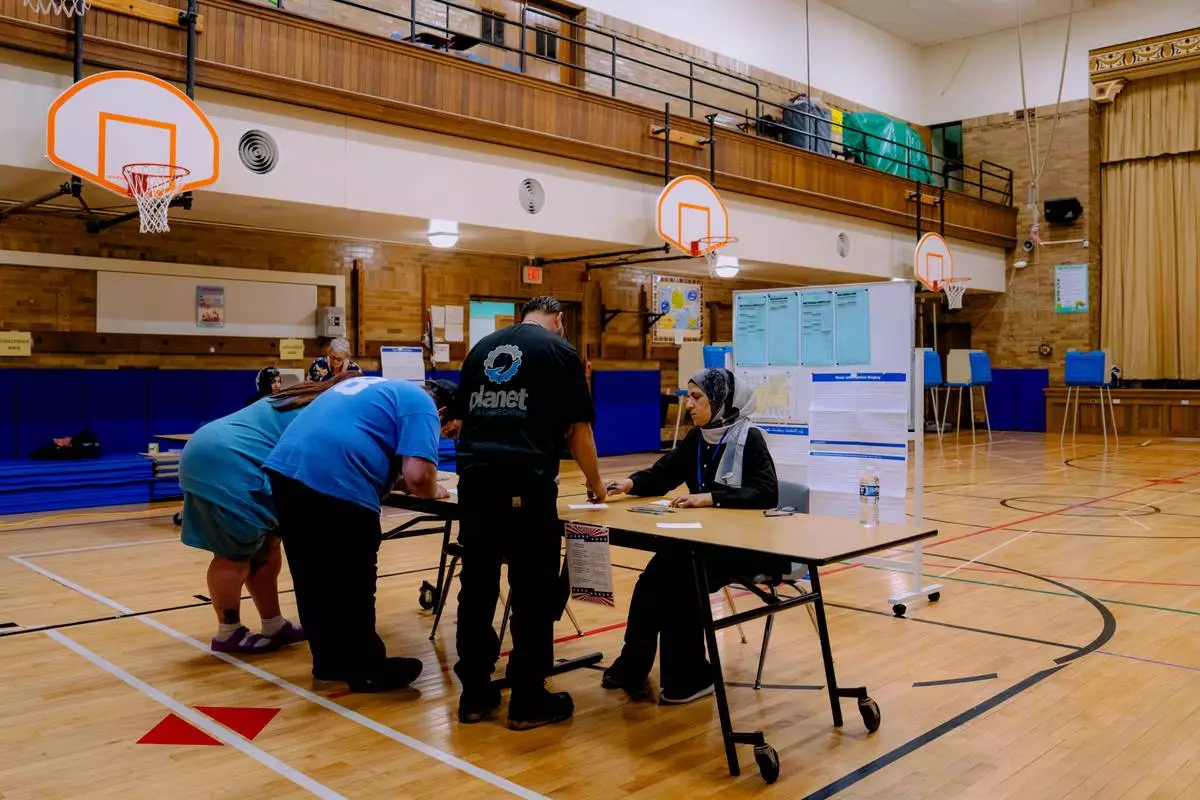
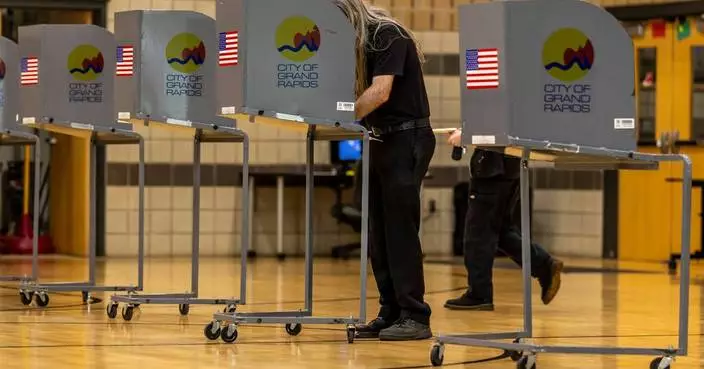
People prepare to vote at Oakman Elementary School on primary election day, Tuesday, Aug. 4, 2026, in Detroit. (AP Photo/Nic Antaya)
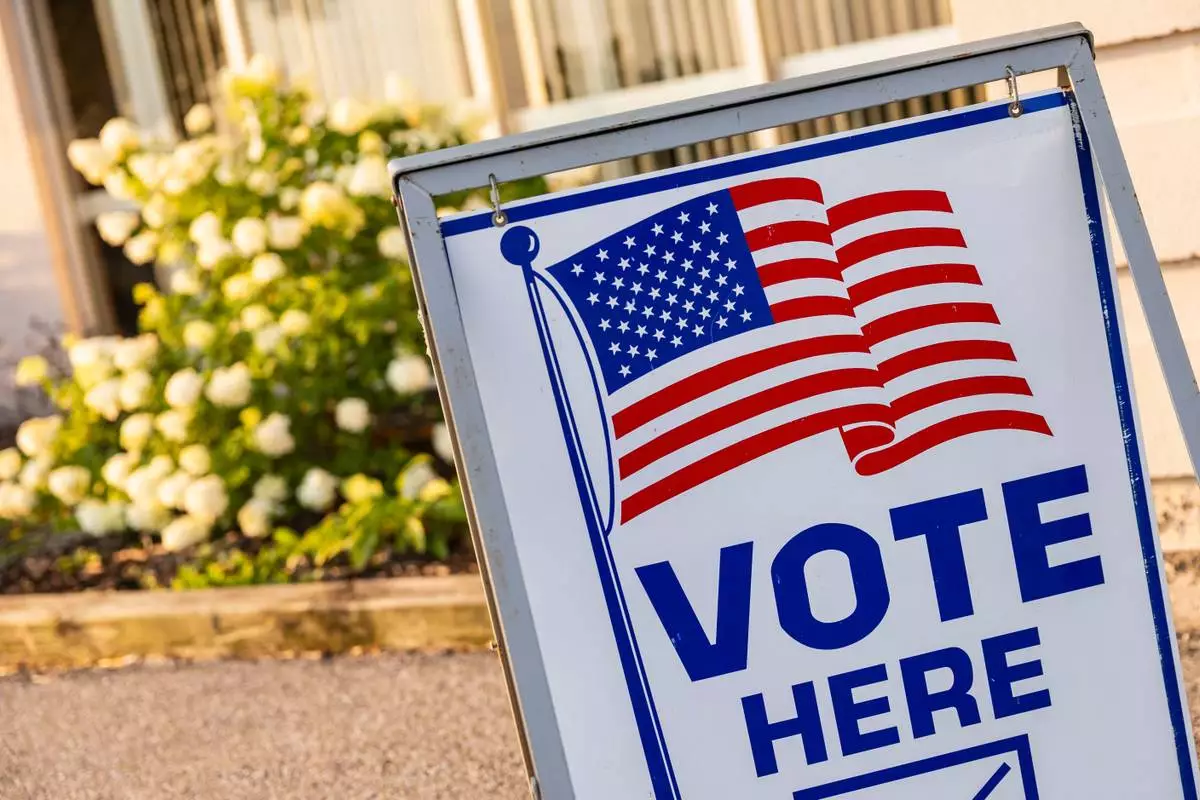
A view of a voting sign at the Portsmouth Township Fire Department, during primary election day, Tuesday, Aug. 4, 2026 in Bay City, Mich. (Kaytie Boomer/The Bay City Times via AP)