Skip to Content Facebook Feature Image

Record heat wave impacts people and animals in Japan and Korean Peninsula

News

Record heat wave impacts people and animals in Japan and Korean Peninsula
News

News

Record heat wave impacts people and animals in Japan and Korean Peninsula

2026-08-05 20:57 Last Updated At:21:00

SEOUL, South Korea (AP) — Fans fainting at a baseball park. Lions dying at a zoo. A woman taking shelter in a car found dead. A doctor advising people to eat dog meat to promote stamina.

The scenes caused by a record heat wave in Northeast Asia illustrate how extreme temperatures have gripped South Korea, North Korea and Japan.

More Images
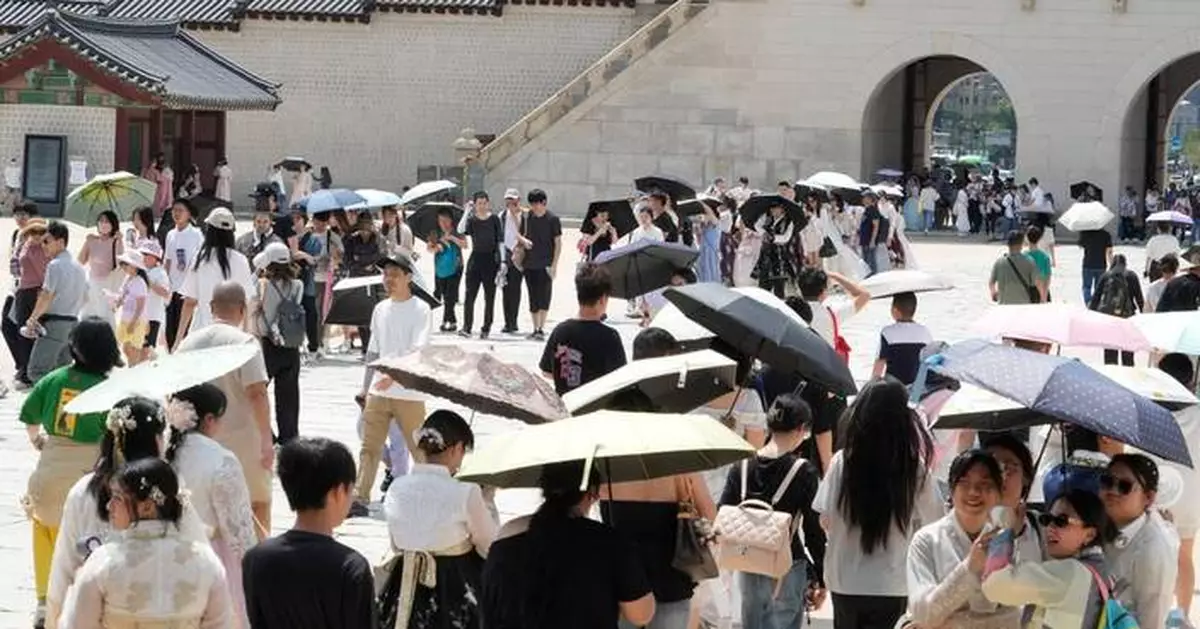
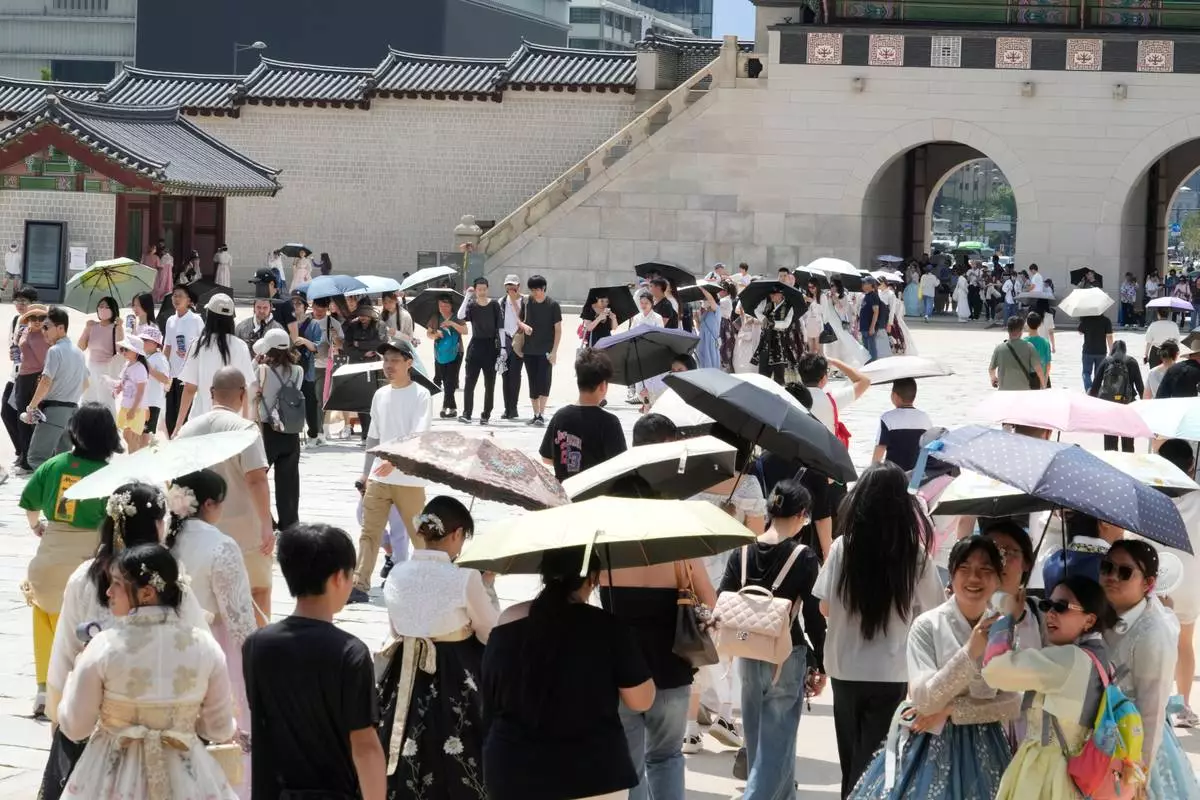
Visitors holding umbrellas to avoid sunshine leave the Gyeongbok Palace in Seoul, South Korea, Wednesday, Aug. 5, 2026. (AP Photo/Ahn Young-joon)
Visitors holding umbrellas to avoid sunshine leave the Gyeongbok Palace in Seoul, South Korea, Wednesday, Aug. 5, 2026. (AP Photo/Ahn Young-joon)

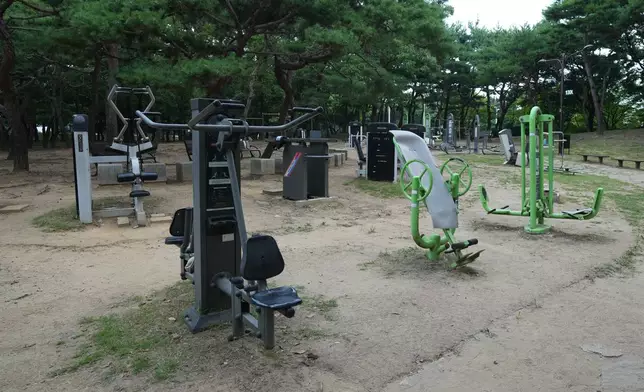
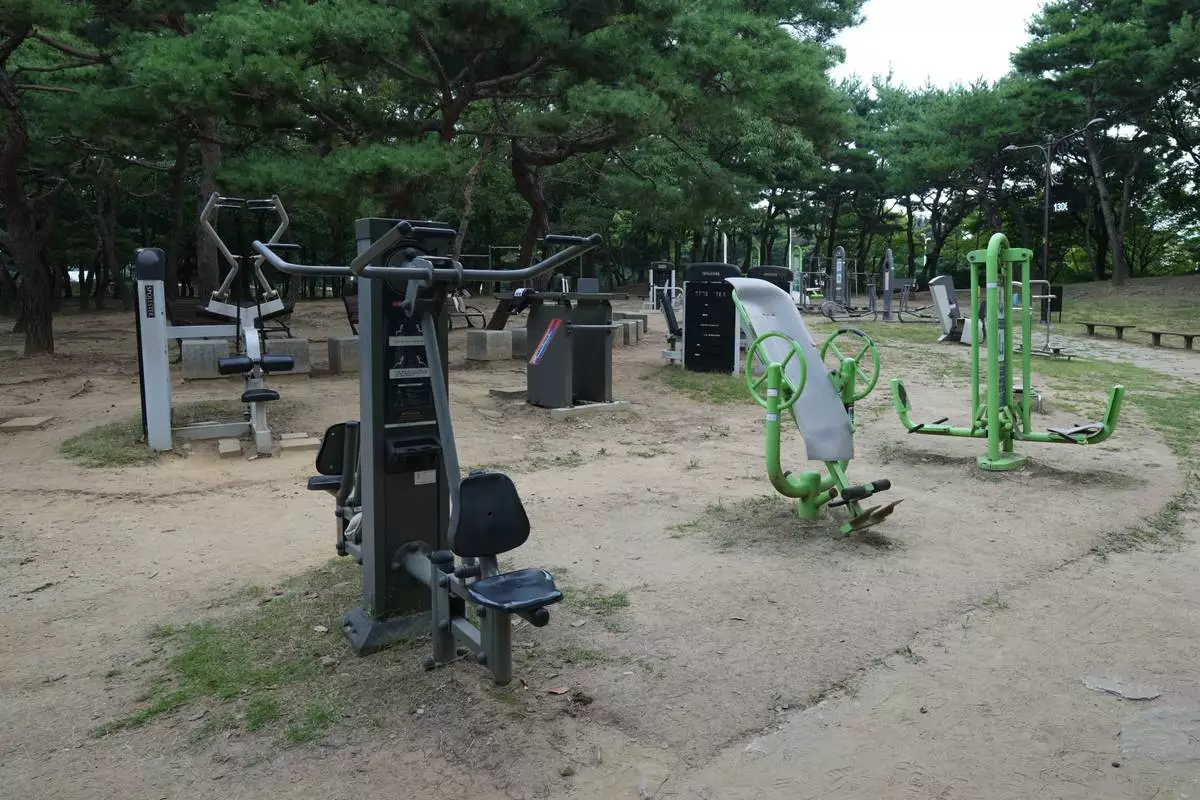
The outdoor fitness equipments are empty due to the heat in Goyang, South Korea, Wednesday, Aug. 5, 2026. (AP Photo/Lee Jin-man)
The outdoor fitness equipments are empty due to the heat in Goyang, South Korea, Wednesday, Aug. 5, 2026. (AP Photo/Lee Jin-man)

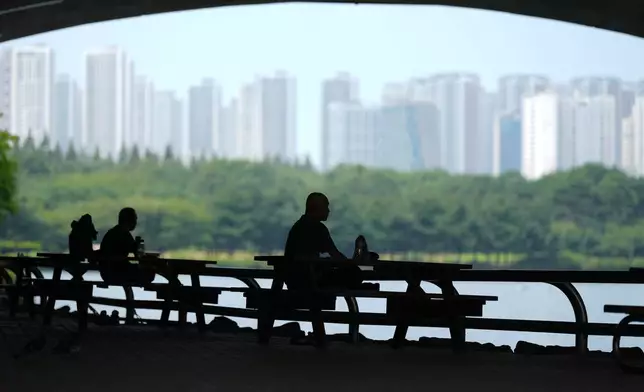
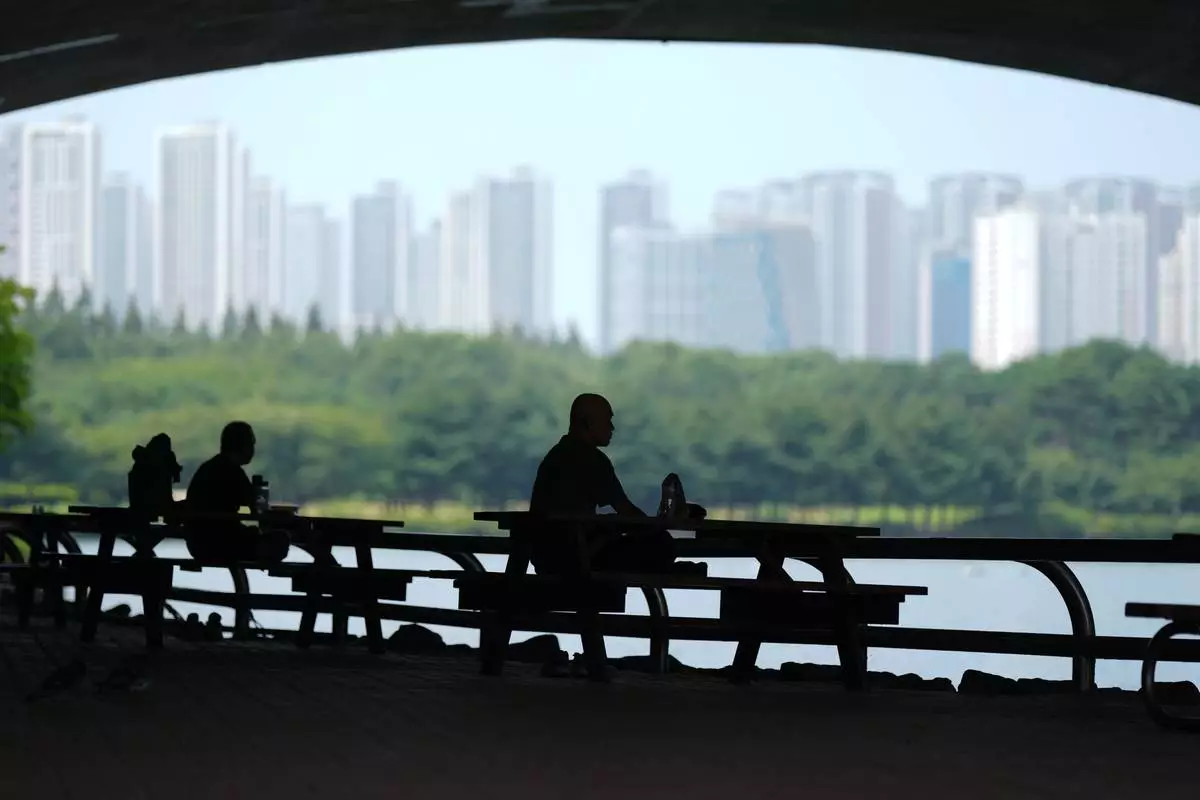
People sit in the shade to avoid the heat in Goyang, South Korea, Wednesday, Aug. 5, 2026. (AP Photo/Lee Jin-man)
People sit in the shade to avoid the heat in Goyang, South Korea, Wednesday, Aug. 5, 2026. (AP Photo/Lee Jin-man)

Visitors hold umbrellas to avoid sunshine at the Gyeongbok Palace in Seoul, South Korea, Wednesday, Aug. 5, 2026. (AP Photo/Ahn Young-joon)

Visitors hold umbrellas to avoid sunshine at the Gyeongbok Palace in Seoul, South Korea, Wednesday, Aug. 5, 2026. (AP Photo/Ahn Young-joon)

In most of South Korea, a major heat wave advisory was in place Wednesday as temperatures in densely populated greater Seoul, home to 20 million people, and adjacent areas soared as high as 39 degrees Celsius (102.2 degrees Fahrenheit).

North Korean authorities have issued a heat wave advisory in many areas and called for people to take safety steps to avoid heat-related health problems.

Japan's anti-disaster agency reported more than 18,000 people with heat stroke symptoms were transported to hospitals during the week of July 20 to 26.

Since mid-May in South Korea, about 2,220 people have been diagnosed with heat-related illnesses and 19 have died, according to a report from Interior and Safety Ministry. About 17,140 livestock, such as chickens, ducks and pigs, and about 160,000 farmed fishes also have died.

On Sunday, the southeastern city of Yangsan saw temperatures reaching 42.5 Celsius (108.5 Fahrenheit), the highest figure recorded since weather observation began in Korea in 1904.

In a Cabinet meeting Tuesday, President Lee Jae Myung instructed officials to view the ongoing heat wave as “a national disaster” and make all-out efforts to protect lives.

On Tuesday night, a spectator in his 20s collapsed while watching a baseball game between SSG Landers and LG Twins at a stadium in Incheon city, west of Seoul. Emergency personnel administered CPR and transported him to a hospital, halting the game for about 10 minutes.

Another fan in his 20s fell unconscious and received treatment at the stadium after the game, according to the Korea Baseball Organization, which announced Wednesday that all 10 games scheduled for Wednesday and Thursday were canceled and would be rescheduled.

Min Son Yong, deputy director of the internal medicine department at Pyongyang General Hospital, told North Korea’s main Rodong Sinmun newspaper on Sunday that people should eat dog meat and fish porridge to supplement protein to beat the heat.

Euphemistically known as “dangogi,” or sweet meat, dog meat has long been considered a stamina food in North Korea and is traditionally eaten during the hottest time of the year.

Min also recommended watermelons, cucumbers, tomatoes, mung beans and ginger to cool down, the newspaper reported.

Dog meat also has been eaten in China, Vietnam and African countries, as well as in South Korea, which plans to formally ban slaughtering, breeding or selling dog meat for human consumption beginning next year.

Japan’s Environment Ministry issued a heat stroke alert for most of the western and southern Japan on Wednesday. While temperatures in the Tokyo region temporarily fell this week, intense heat continued to hit southern Japan.

In the southwestern city of Kumamoto, relief and cleanup work continued following a magnitude 7.1 earthquake on July 28 that killed 38 people, including a woman in her 70s who developed heat stroke while taking shelter in a car. More than 43,000 households were still without water on Wednesday.

Three lions have died at a Tokyo zoo, with a number of their animal peers developing apparent heatstroke symptoms.

Tama Zoological Park said, Mugi, a 3-year-old female lion, developed a loss of appetite on July 19 and was unable to stand the following day. Suspecting heat problem, zoo keepers provided ventilation and a water sprinkler to cool her down. The lion eventually died on July 28 despite treatment with subcutaneous fluid, liver tonics and vitamins, the zoo said.

Two other female lions, Ichigo, 11, and Luena, 15, also died within a few days, the zoo said.

Autopsies showed dehydration and multiple organ failure in all three animals and officials say they believe heat was the cause of the health problems.

Yamaguchi reported from Tokyo.

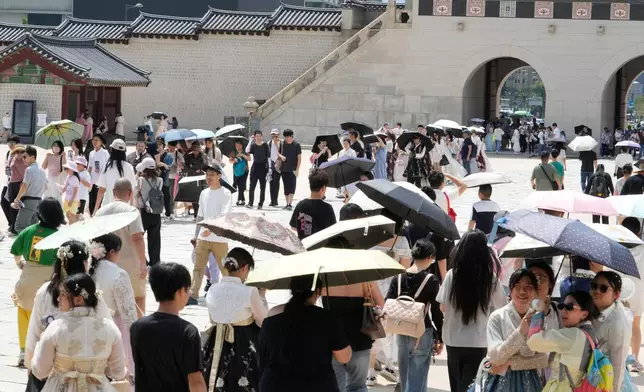
Visitors holding umbrellas to avoid sunshine leave the Gyeongbok Palace in Seoul, South Korea, Wednesday, Aug. 5, 2026. (AP Photo/Ahn Young-joon)
Visitors holding umbrellas to avoid sunshine leave the Gyeongbok Palace in Seoul, South Korea, Wednesday, Aug. 5, 2026. (AP Photo/Ahn Young-joon)

The outdoor fitness equipments are empty due to the heat in Goyang, South Korea, Wednesday, Aug. 5, 2026. (AP Photo/Lee Jin-man)
The outdoor fitness equipments are empty due to the heat in Goyang, South Korea, Wednesday, Aug. 5, 2026. (AP Photo/Lee Jin-man)

People sit in the shade to avoid the heat in Goyang, South Korea, Wednesday, Aug. 5, 2026. (AP Photo/Lee Jin-man)
People sit in the shade to avoid the heat in Goyang, South Korea, Wednesday, Aug. 5, 2026. (AP Photo/Lee Jin-man)

Visitors hold umbrellas to avoid sunshine at the Gyeongbok Palace in Seoul, South Korea, Wednesday, Aug. 5, 2026. (AP Photo/Ahn Young-joon)

Visitors hold umbrellas to avoid sunshine at the Gyeongbok Palace in Seoul, South Korea, Wednesday, Aug. 5, 2026. (AP Photo/Ahn Young-joon)
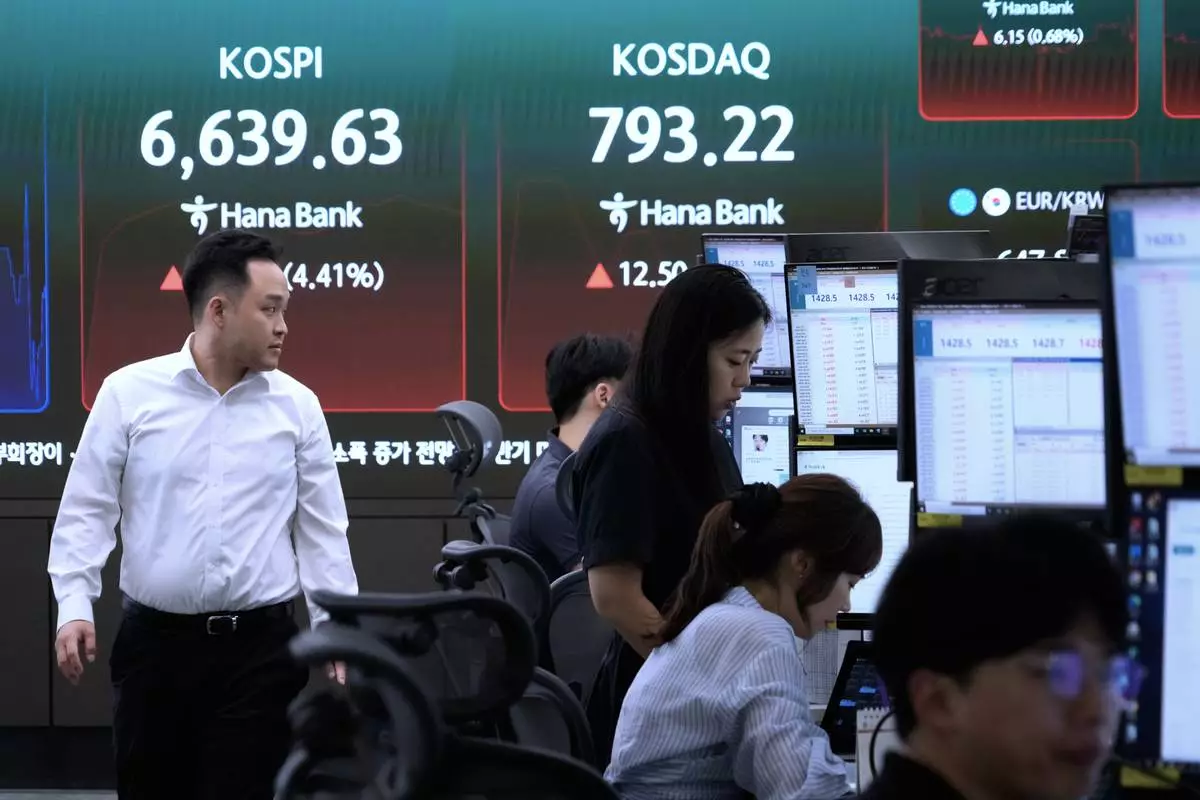
NEW YORK (AP) — U.S. stock futures edged higher Wednesday morning, helped by strong corporate earnings reports and hopes for a deal setting the stage for talks that might eventually end the fighting in Iran.

Dow Jones Industrial Average futures rose 0.3%, while S&P 500 futures added 0.4%. Nasdaq futures gained 0.2%.

The Walt Disney Co. reported on Wednesday that a $1 billion box office haul from “Toy Story 5,” as well as strong results at its U.S. theme parks, helped drive up profits in the quarter ended in June. The stock gained 3.4% in the premarket.

Shares of Chipotle Mexican Grill rose 1.8% in the premarket, a day after sinking nearly 10%. The restaurant chain said Tuesday it removed jalapeños from some of its restaurants after determining the peppers could potentially be tied to a salmonella outbreak public health officials are investigating.

Offsetting those gains were losses for SpaceX, which shed more than 10%. Late Tuesday SpaceX reported a smaller loss than Wall Street expected along with a surge in revenue in its first quarterly report as a public company. Capital expenditures reached $18.4 billion, with the vast majority of that spending going toward AI. That spending reached nearly $16 billion.

President Donald Trump said Tuesday a deal to reopen the Strait of Hormuz could come as early as Wednesday, as Iran and Oman inched toward an agreement on the critical waterway that could ease pressure on the global economy.

Still, oil prices resumed their ascent. Brent crude, the international standard, reversed early losses, gaining 1.15% to $80.28 per barrel early Wednesday. On Tuesday, it sank 5.3% as hopes rose for progress toward a full reopening of the Strait of Hormuz. Oil prices swung between $72 and $102 through July on uncertainty about when calm in the Middle East would allow oil tankers to freely exit the Persian Gulf again to deliver crude around the world.

Benchmarks jumped more than 3% in Tokyo and Seoul as shares in computer chipmakers and other AI-related companies advanced.

Japan’s Nikkei 225 gained 3.7% with chipmaker Kioxia surging 4.2% while chip testing equipment maker Advantest soared 8.8%.

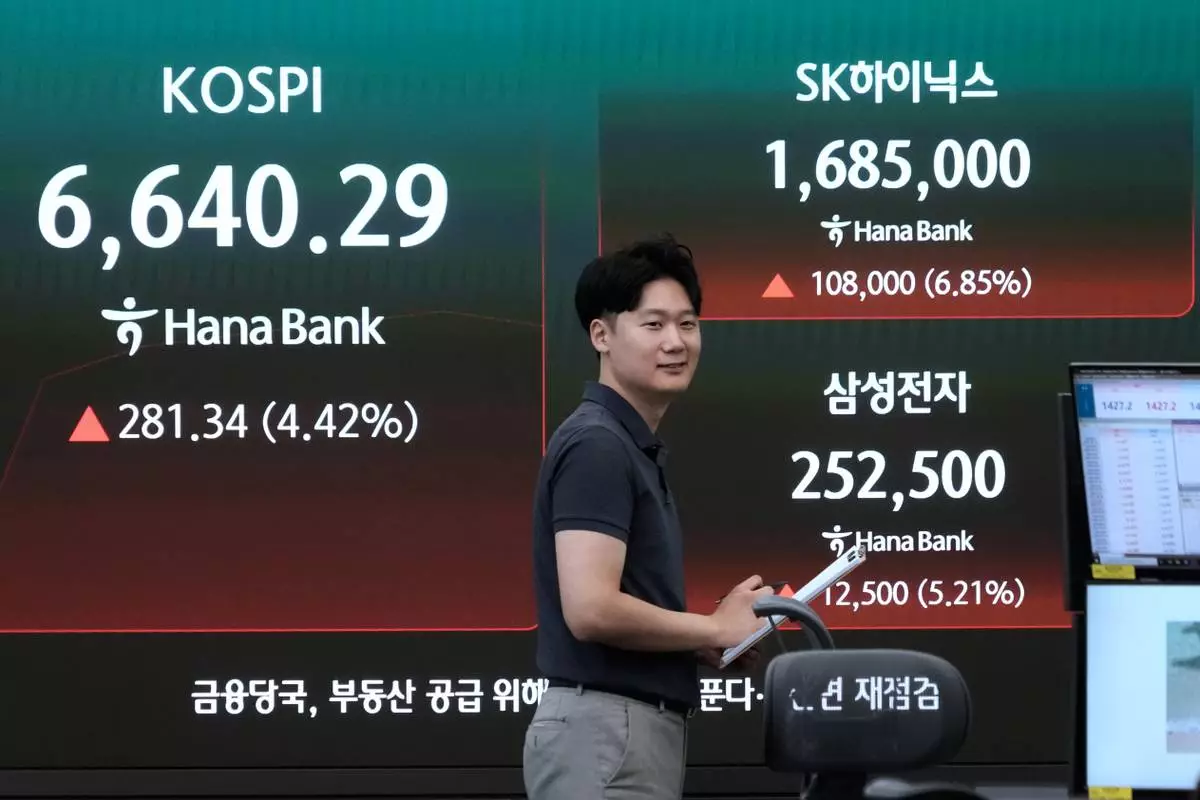
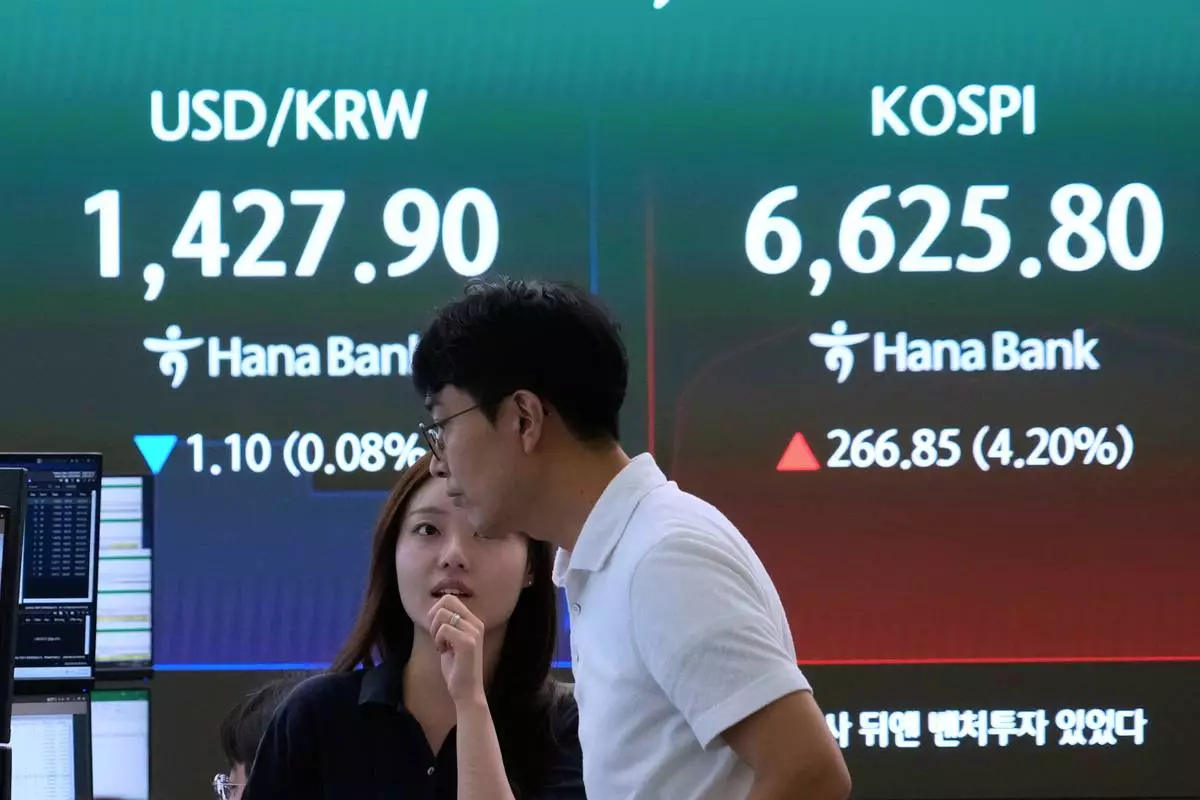
The Kospi in Seoul shot up 3.8%, led by a 5.8% gain for memory chipmaker SK Hynix. Tech giant Samsung Electronics advanced 2.5%.

“Clearly today the market is rallying on the back of AI stocks. You look across the other sectors, there’s a bit of activity here and there, but really the focus has been back on semiconductors, technology and AI,” said Neil Newman, head of strategy for Astris Advisory Japan.

Elsewhere in the region, the Shanghai Composite index picked up 1.5% while Hong Kong’s Hang Seng added 0.3%.

In European trading, Germany’s DAX rose 0.2% while the CAC 40 in Paris edged less than 0.1% higher. Britain’s FTSE 100 declined 0.02%

On Tuesday, the S&P 500 shot up 1.8%, topping its prior all-time high set in June. The Dow Jones Industrial Average added 1.7% to its own record set the day before, while the Nasdaq composite jumped 2.6%.

Associated Press writer Mayuko Ono in Tokyo contributed to this report.

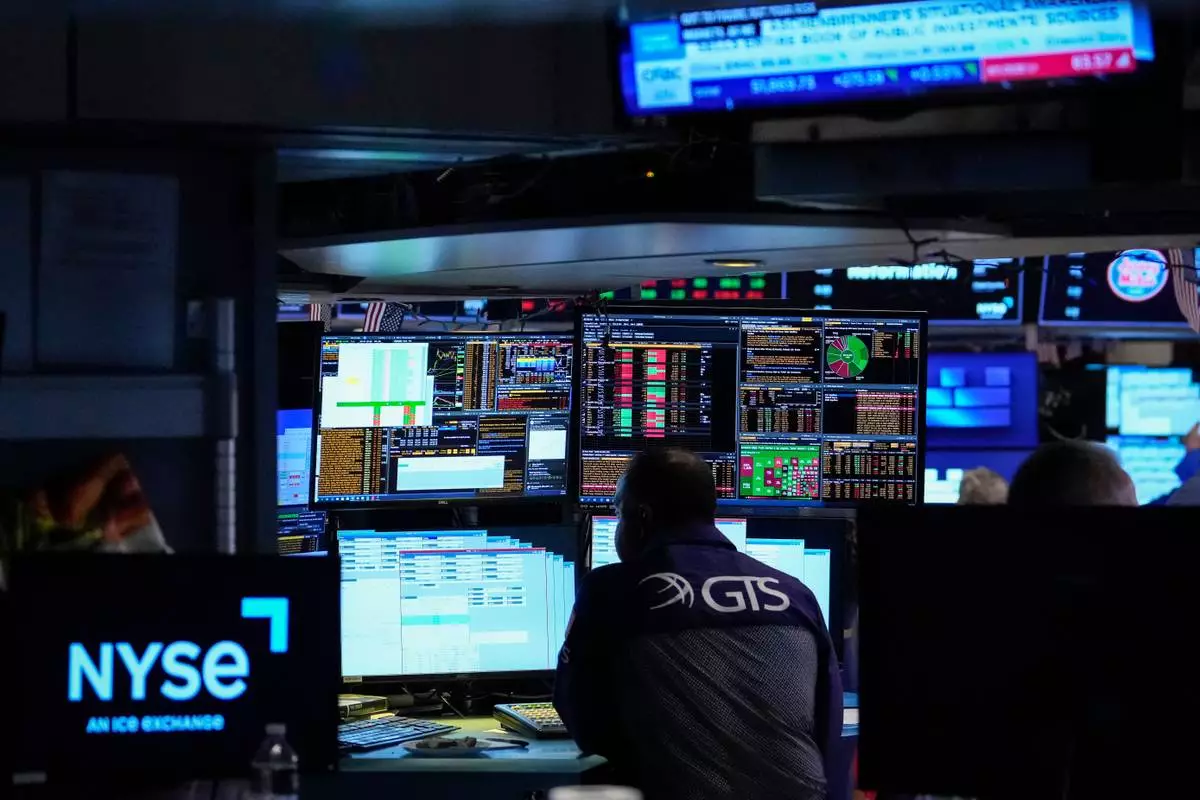
Specialist Dilip Patel works on the floor of the New York Stock Exchange, Thursday, July 30, 2026, in New York. (AP Photo/Yuki Iwamura)

Specialist Dilip Patel works on the floor of the New York Stock Exchange, Thursday, July 30, 2026, in New York. (AP Photo/Yuki Iwamura)

Currency traders work near a screen showing the Korea Composite Stock Price Index (KOSPI) at the foreign exchange dealing room of the Hana Bank headquarters in Seoul, South Korea, Wednesday, Aug. 5, 2026. (AP Photo/Ahn Young-joon)
Currency traders work near a screen showing the Korea Composite Stock Price Index (KOSPI) at the foreign exchange dealing room of the Hana Bank headquarters in Seoul, South Korea, Wednesday, Aug. 5, 2026. (AP Photo/Ahn Young-joon)
A currency trader passes by a screen showing the Korea Composite Stock Price Index (KOSPI), SK Hynix and Samsung Electronics Co. stock price at the foreign exchange dealing room of the Hana Bank headquarters in Seoul, South Korea, Wednesday, Aug. 5, 2026. (AP Photo/Ahn Young-joon)

A currency trader passes by a screen showing the Korea Composite Stock Price Index (KOSPI), SK Hynix and Samsung Electronics Co. stock price at the foreign exchange dealing room of the Hana Bank headquarters in Seoul, South Korea, Wednesday, Aug. 5, 2026. (AP Photo/Ahn Young-joon)
Currency traders work near a screen showing the Korea Composite Stock Price Index (KOSPI) and the foreign exchange rate between U.S. dollar and South Korean won at the foreign exchange dealing room of the Hana Bank headquarters in Seoul, South Korea, Wednesday, Aug. 5, 2026. (AP Photo/Ahn Young-joon)

Currency traders work near a screen showing the Korea Composite Stock Price Index (KOSPI) and the foreign exchange rate between U.S. dollar and South Korean won at the foreign exchange dealing room of the Hana Bank headquarters in Seoul, South Korea, Wednesday, Aug. 5, 2026. (AP Photo/Ahn Young-joon)

Currency traders pass by a screen showing the Korea Composite Stock Price Index (KOSPI) at the foreign exchange dealing room of the Hana Bank headquarters in Seoul, South Korea, Wednesday, Aug. 5, 2026. (AP Photo/Ahn Young-joon)

Currency traders pass by a screen showing the Korea Composite Stock Price Index (KOSPI) at the foreign exchange dealing room of the Hana Bank headquarters in Seoul, South Korea, Wednesday, Aug. 5, 2026. (AP Photo/Ahn Young-joon)
Recommended Articles