PARIS (AP) — France next week will ban unsolicited telemarketing calls under a new law aimed at protecting consumers from intrusive sales pitches and shielding vulnerable people from fraudulent commercial practices.
The law backed by President Emmanuel Macron's government enters into force on Aug. 11.
Here's a look at the law and its potential impact.
Previously in France, people who wanted to avoid marketing calls had to register their number with a government-run service, but consumer groups said some call centers ignored the list.
Now, "businesses are prohibited from contacting consumers without their prior consent,” said Alice Vilcot, chief of staff at the Directorate-General for Competition, Consumer Affairs and Prevention of Fraud. “That consent can be withdrawn at any time.”
The government says the law is a response to years of consumer complaints. Authorities estimate that about three-quarters of people in France receive at least one unsolicited sales call every week, and many receive more.
In 2024, 11 consumer organizations issued a joint call for a ban, denouncing “relentless harassment of consumers through countless unwanted telemarketing calls to both landlines and mobile phones — an intrusion that has become a regular part of their daily lives.”
Parliament approved the law last year.
Individuals who make illegal calls can be fined up to 75,000 euros ($87,000) per call. Companies can face fines of up to 375,000 euros ($435,000) per call.
There are exceptions. Consumers may consent to receive marketing calls, for example by checking a consent box on a form. Companies can contact customers with new commercial offers if they already have a contractual relationship.
People can report unsolicited calls through a government website.
Vilcot noted that an Ireland-based company was fined 6 million euros ($6.9 million) last year for violating France’s previous telemarketing rules by calling people on the no-call list.
France's new law has raised concerns in Morocco, where the minister of employment, Younes Sekkouri, said in March that between 40,000 and 50,000 jobs were at risk in the country’s call centers. Sekkouri said the French market accounts for more than 80% of revenue in the sector.
Neighboring Germany has had a similar ban since 2009.
Many other countries rely on opt-out systems.
In the United States, people can sign up for the national Do Not Call registry, which cuts down on unwanted sales calls, Canada has its own Do Not Call list, while the U.K. has the Telephone Preference Service.
In Britain, companies that call people who have opted out can be fined up to 500,000 pounds ($670,000) per call.
AP writer Jill Lawless in London contributed.

FILE - A person uses his phone near the Eiffel Tower in Paris, Wednesday, Aug. 31, 2022. (AP Photo/Aurelien Morissard, File)
Here's a look at the latest developments in the Iran war and the wider Middle East on Wednesday. Full coverage can be found here.
For the first time in weeks, Israel's military told residents of an area in Lebanon to evacuate. The military said it was in response to what it described as “a blatant violation of the ceasefire” by the Iran-backed Hezbollah militant group.
In a post on X, military spokesperson Lt. Col. Ella Waweya told residents of Mansouri to immediately move at least 1,000 meters (yards) north of the village to open areas. The military later said it was conducting “precise strikes” in southern Lebanon.
Lebanon’s health ministry said one person was killed and 12 wounded in an Israeli strike in the town of Tebnine.
The escalation came as Lebanese and Israeli negotiators met in Rome for a second day to discuss implementation of a deal under which Israeli forces are supposed to withdraw from areas they occupy in southern Lebanon in exchange for Hezbollah's disarmament.
A shaky ceasefire between Israel and Hezbollah has largely held since June 20. The fighting erupted two days after the Iran war began when Hezbollah fired at Israel.
U.S. President Donald Trump has said a deal to reopen the Strait of Hormuz could come as early as Wednesday.
Iran and Oman, the country on the other side of the strait, are inching toward an agreement on the critical waterway that could ease pressure on the global economy and potentially help end the war.
The U.S. and Israel launched the war on Feb. 28, citing goals including toppling Tehran’s government and ending its nuclear program. But the conflict has devolved into a fight over the strait as Iran asserts control and its attacks on shipping have brought traffic to a near-halt. The U.S. recently reimposed a blockade on Iranian ports.
Closure of the strait, through which a fifth of the world’s oil and natural gas passed before the war, has driven up the price of fuel and related goods far beyond the region, roiling the global economy.
Trump is under mounting pressure to end the unpopular war ahead of midterm congressional elections later this year.
The U.S. lifted sanctions on three Iran-linked companies. A Treasury official said it came after an appeal and was not indicative of any shift in U.S. policy toward the Islamic Republic. The official spoke on condition of anonymity to preview the sanctions.
One company is Fly Baghdad Airlines, sanctioned in January 2024 for allegedly providing assistance to Iran’s Revolutionary Guard and Iran-backed armed groups in Iraq, Syria and Lebanon. Sanctions also were lifted on Iraq Express and another Fly Baghdad-linked firm.
— Fatima Hussein in Washington
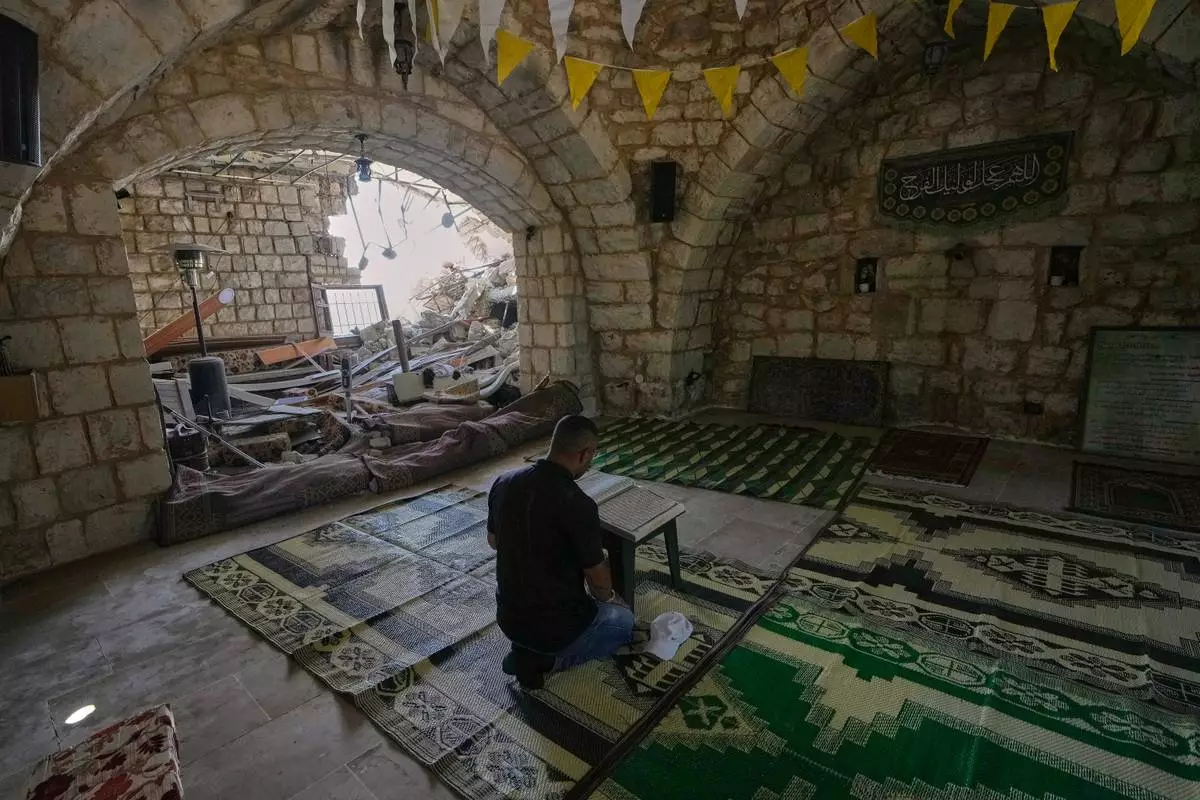
A Lebanese man reads a copy of the Quran inside a damaged house in the village of Zawtar al-Gharbieh, south Lebanon, Wednesday, Aug. 5, 2026. (AP Photo/Mohammed Zaatari)
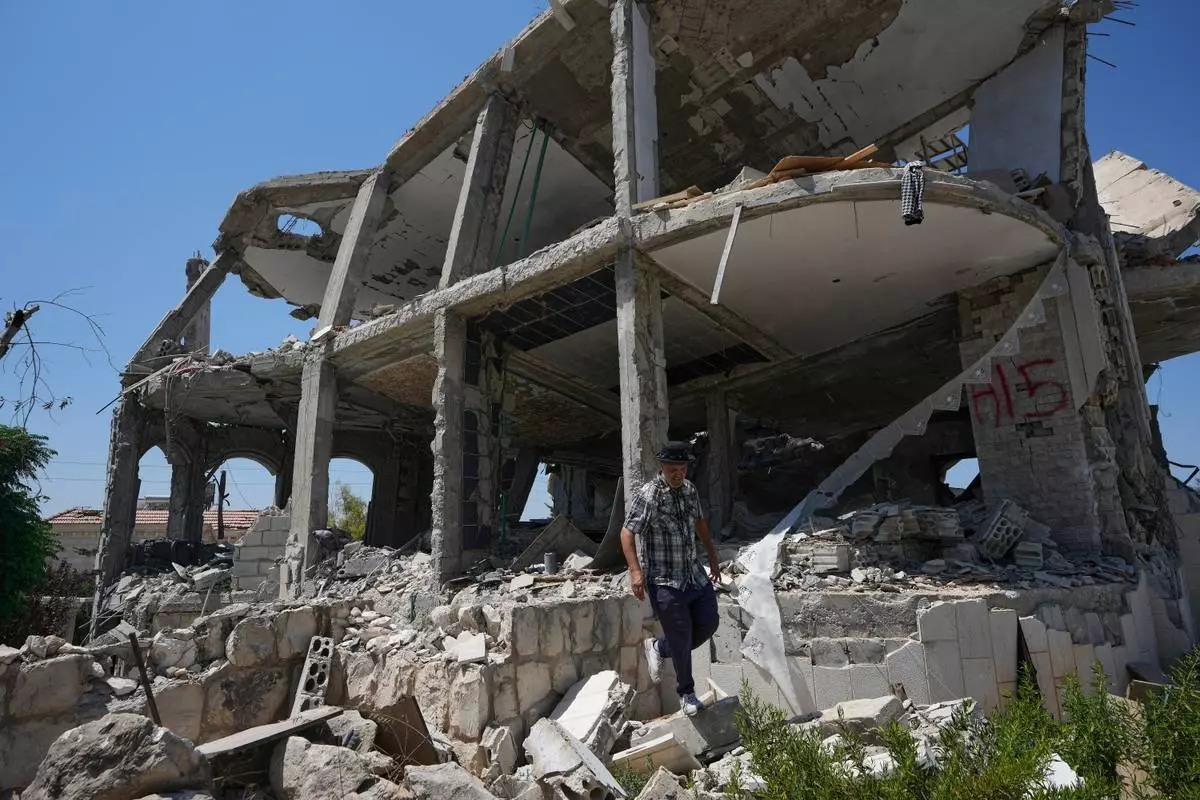
A Lebanese man checks a destroyed house in the village of Zawtar al-Gharbieh, south Lebanon, Wednesday, Aug. 5, 2026. (AP Photo/Mohammed Zaatari)
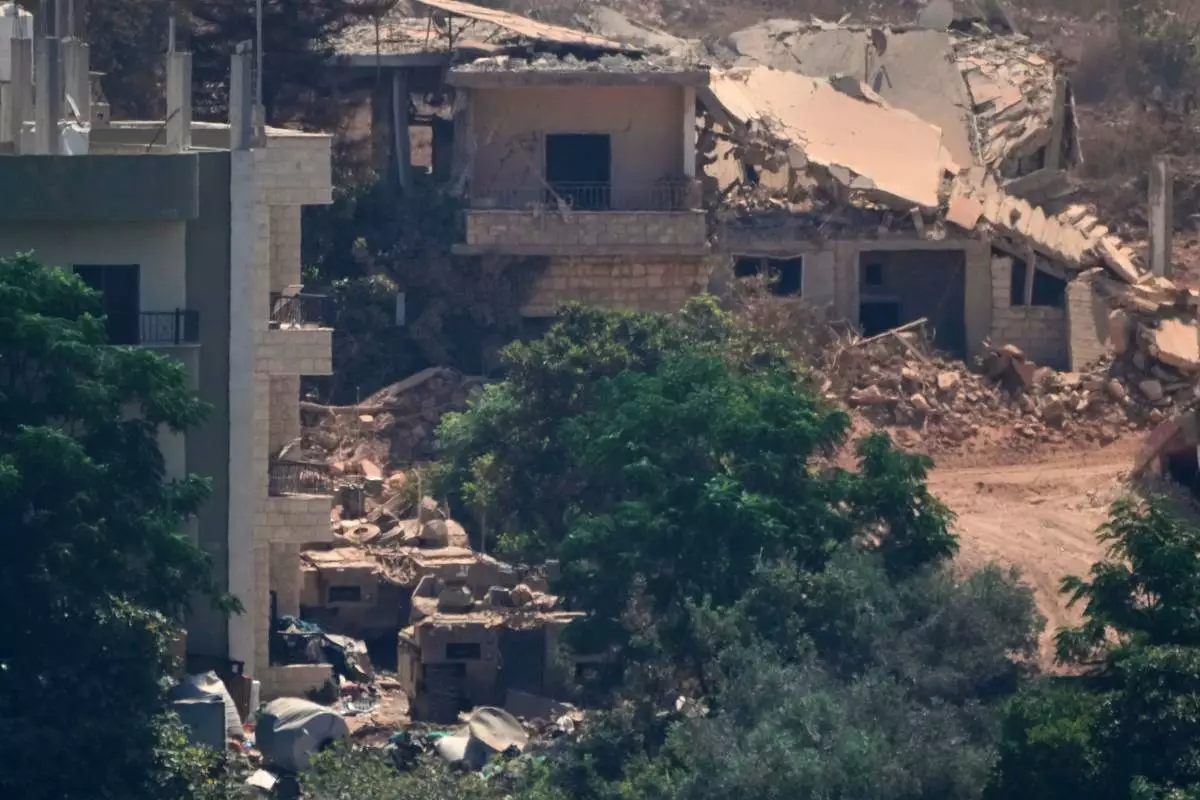
Israeli military vehicles, left, are seen stationed among homes in the village of Zawtar al-Sharqiyah, occupied by Israeli forces, is seen from the southern village of Zawtar al-Gharbieh, Lebanon, Wednesday, Aug. 5, 2026. (AP Photo/Mohammed Zaatari)
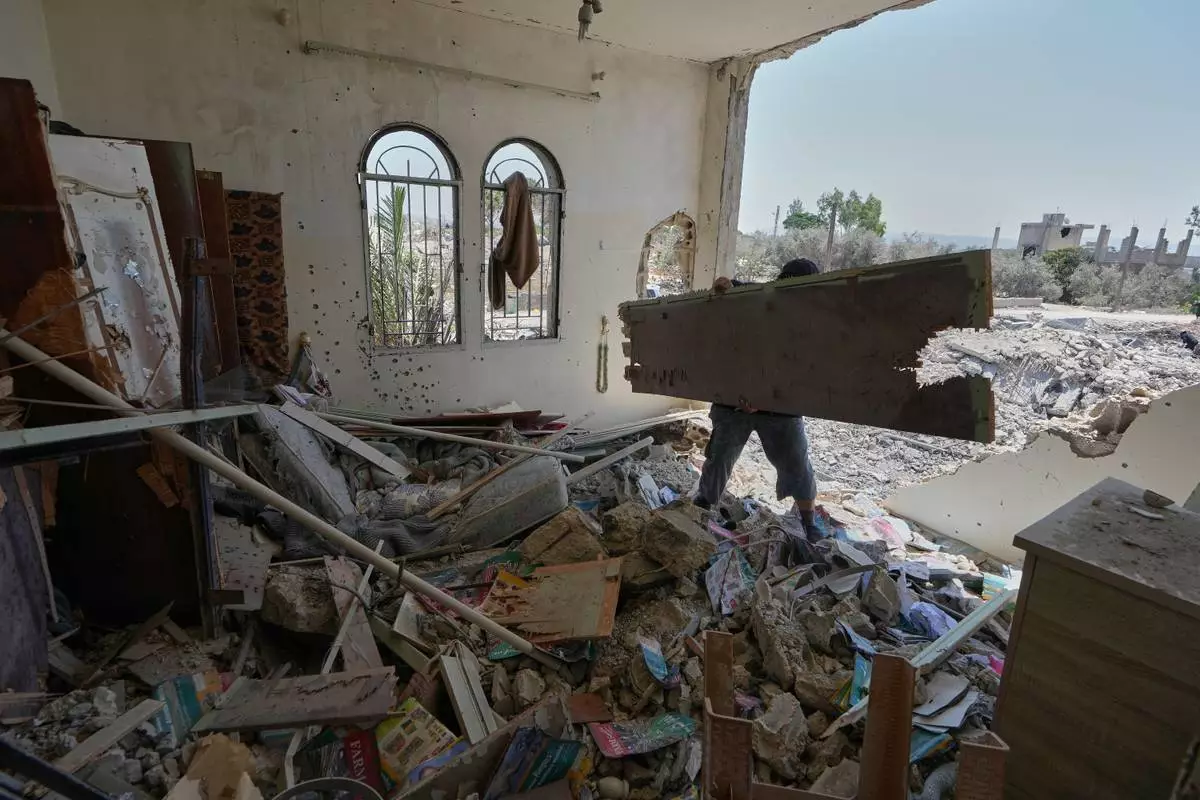
A Lebanese man removes debris from his destroyed house in the village of Zawtar al-Gharbieh, south Lebanon, Wednesday, Aug. 5, 2026. (AP Photo/Mohammed Zaatari)
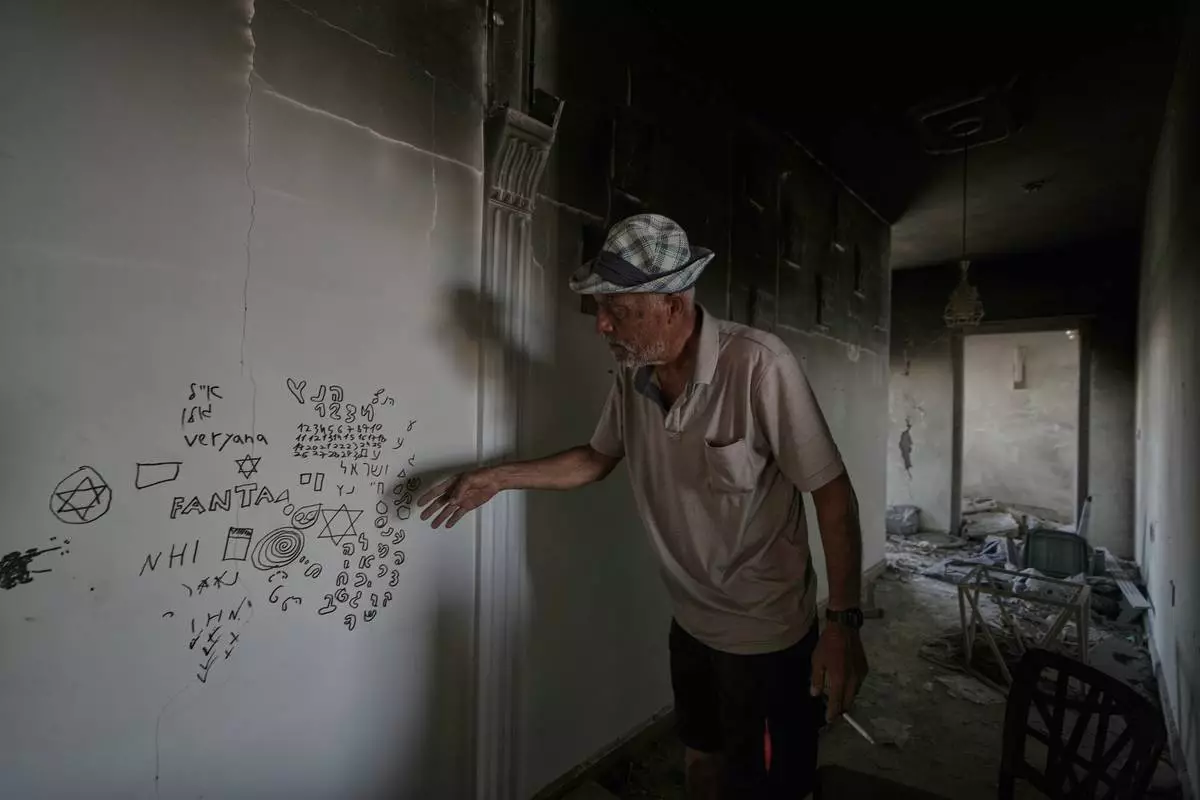
A Lebanese man points to Hebrew writing left by Israeli soldiers inside his destroyed home in the village of Zawtar al-Gharbieh, southern Lebanon, Wednesday, Aug. 5, 2026.(AP Photo/Mohammed Zaatari)