KYIV, Ukraine (AP) — When Russia fires a ballistic missile at Ukraine, air-defense systems have only minutes — sometimes seconds — to detect and intercept the deadly threat.
The lack of time has left Kyiv and other cities increasingly exposed to devastating attacks by the missiles that come down so fast and so steeply that Ukraine says only the U.S.-made Patriot defense system can stop them. But Ukraine says it has too few batteries and interceptors to protect itself.
Click to Gallery
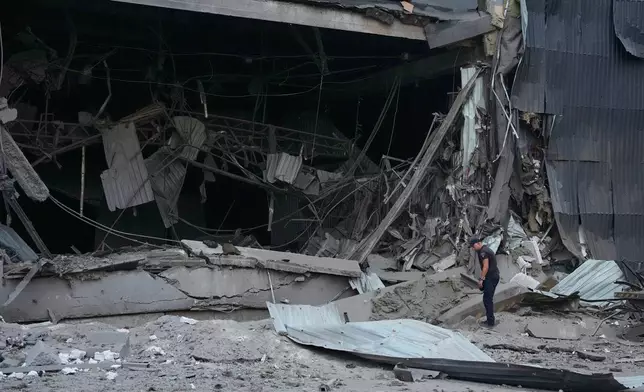
A police officer examines a damaged Nova Poshta postal warehouse after Russian missiles strikes in Kyiv, Ukraine, Wednesday, Aug. 5, 2026. (AP Photo/Efrem Lukatsky)
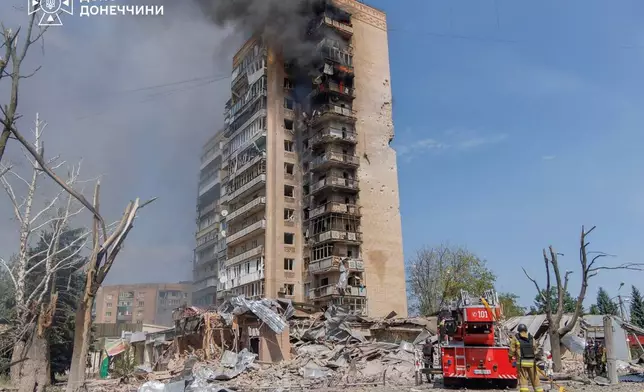
In this photo provided by the Ukrainian Emergency Service, firefighters put out a fire in a residential building following a Russian air attack in Kramatorsk, Donetsk region, Ukraine, Wednesday, Aug. 5, 2026. (Ukrainian Emergency Service via AP)
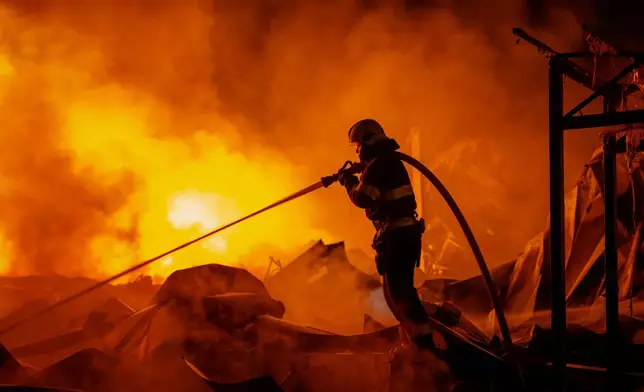
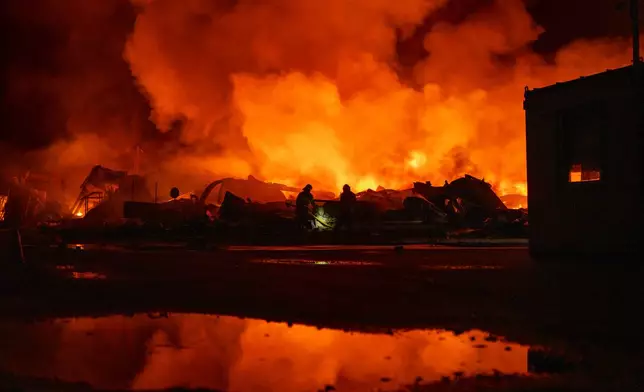
Firefighters put out a fire after Russian missiles hit a warehouse in Kyiv, Ukraine, Wednesday, Aug. 5, 2026. (AP Photo/Dan Bashakov)
Firefighters put out a fire after Russian missiles hit a warehouse in Kyiv, Ukraine, Wednesday, Aug. 5, 2026. (AP Photo/Dan Bashakov)
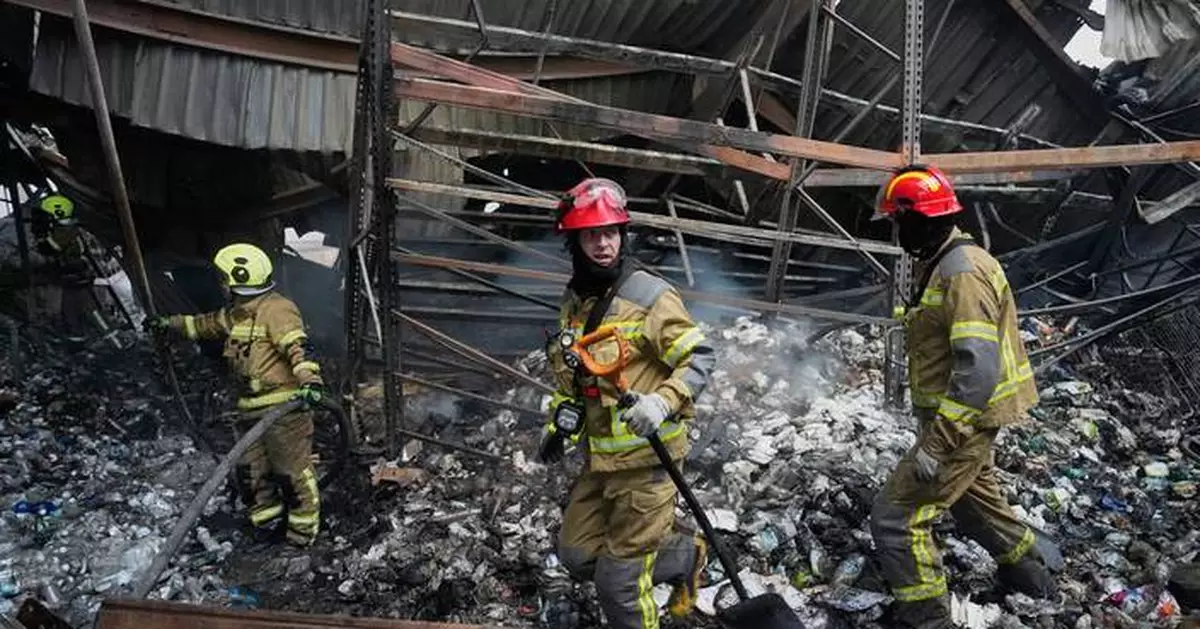
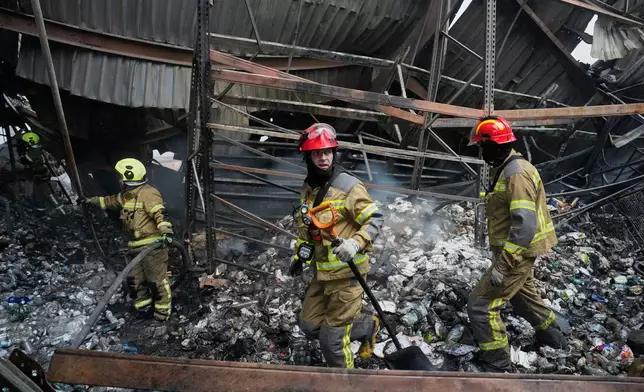
Firefighters put out a fire after Russian missiles hit a food warehouse near Kyiv, Ukraine, Wednesday, Aug. 5, 2026. (AP Photo/Efrem Lukatsky)
Unlike cruise missiles, which behave like pilotless planes, ballistic missiles are launched like rockets and then dive steeply toward their targets at several times the speed of sound.
That sharply reduces the time available to find and destroy a warhead. The result has been repeated attacks like the latest barrage on the Ukrainian capital that targeted a brewery, a warehouse and a mail-sorting office. At least 17 people were killed and dozens more wounded, President Volodymyr Zelenskyy said Wednesday.
When the warhead is hurled toward its target, “it’s very, very steep and it’s going at a ridiculous speed,” said Thomas Withington, an expert on electronic warfare at the Royal United Services Institute, who compared the physics to playing catch. If the ball is “going really fast, it’s harder to catch.”
Russia’s ground-launched Iskander-M missile is the Kremlin’s main ballistic missile. Another example is the air-launched Kinzhal missile. Russia has also fired S-300 and S-400 air-defense missiles at ground targets. A model known as the Zircon is technically a hypersonic anti-ship cruise missile, but its high speed resembles that of a ballistic missile and creates a similar interception problem.
Here's a look at the challenge of shielding Ukraine from some of Russia's deadliest projectiles.
The most capable Patriot system supplied to Ukraine is designed for high-speed missile defense. Instead of exploding near a target, the PAC-3 system uses a maneuverable interceptor designed to collide with an incoming warhead. The Patriot technology must track the missile, predict its path and launch within minutes, sometimes leaving seconds for the final engagement.
Patriots are currently the only system in Ukrainian service able to intercept the Russian Iskander-M, S-400 and Zircon missiles, according to Ukrainian Air Force spokesman Yurii Ihnat. The United States and its allies operate other anti-ballistic systems, including THAAD and sea-based Aegis defenses, but they have not been provided to Ukraine.
Even Patriot protection is not guaranteed. When a Patriot battery is absent, out of position or short of missiles, most other Ukrainian defenses cannot substitute for it.
Ukraine has too few batteries to shield every city. Russia combines ballistic missiles with cruise missiles, drones and decoys, forcing defenders to track many threats and ration scarce interceptors.
The interceptor shortage has become more acute as the U.S.-Israeli war with Iran has consumed large numbers of Patriot and THAAD interceptors. An analysis by The Associated Press estimated that the U.S. Patriot inventory had fallen by at least 65% from its prewar level, while the Pentagon said it retained a deep arsenal.
Production cannot immediately close the gap. Lockheed Martin delivered more than 600 PAC-3 MSE interceptors in 2025 and is working toward annual capacity of 2,000 by the end of 2030. NATO says Europe’s first Patriot missile production facility is expected to open in September in Germany.
Political signals from Washington have also shifted. At a NATO summit last month in Turkey, President Donald Trump said the United States would give Ukraine a license to produce Patriots. About three weeks later, he said he had not made a final decision. Even with a license, officials and experts told AP that starting production in Ukraine would take years.
Ukraine is also trying to destroy Russian missile launchers and infrastructure before missiles can be fired — shooting the archer instead of the arrow.
People familiar with the discussions told AP that Zelenskyy asked Trump to help secure Elon Musk’s permission for Ukrainian forces to use Starlink communications for targeting inside Russia, where Musk has restricted the service.
Such access could help Ukrainian drones hunt launchers and related infrastructure, reducing the number of missiles Patriot batteries must face. The request had not been publicly confirmed by the White House, the Ukrainian Embassy or SpaceX.
Kyiv is also developing Freya, a proposed Ukrainian-led, lower-cost anti-ballistic system intended to reduce dependence on Patriots. Ukraine and nine European countries formed a coalition in July to pursue a shared missile-defense capability, with Zelenskyy saying they could jointly develop a mass-produced system within 12 months. Freya remains under development, and it is unclear when it could become operational.
Following the most recent Russian ballistic attack on Kyiv, Zelenskyy said Ukraine received only one-third as many air-defense missiles in the first half of 2026 as in the same period last year. He said Ukraine's partners that are unwilling to increase interceptor deliveries immediately should instead impose new sanctions, noting that a significant share of Russia’s ballistic missile production has been untouched by sanctions.
Associated Press Writer Danica Kirka in London contributed to this report.
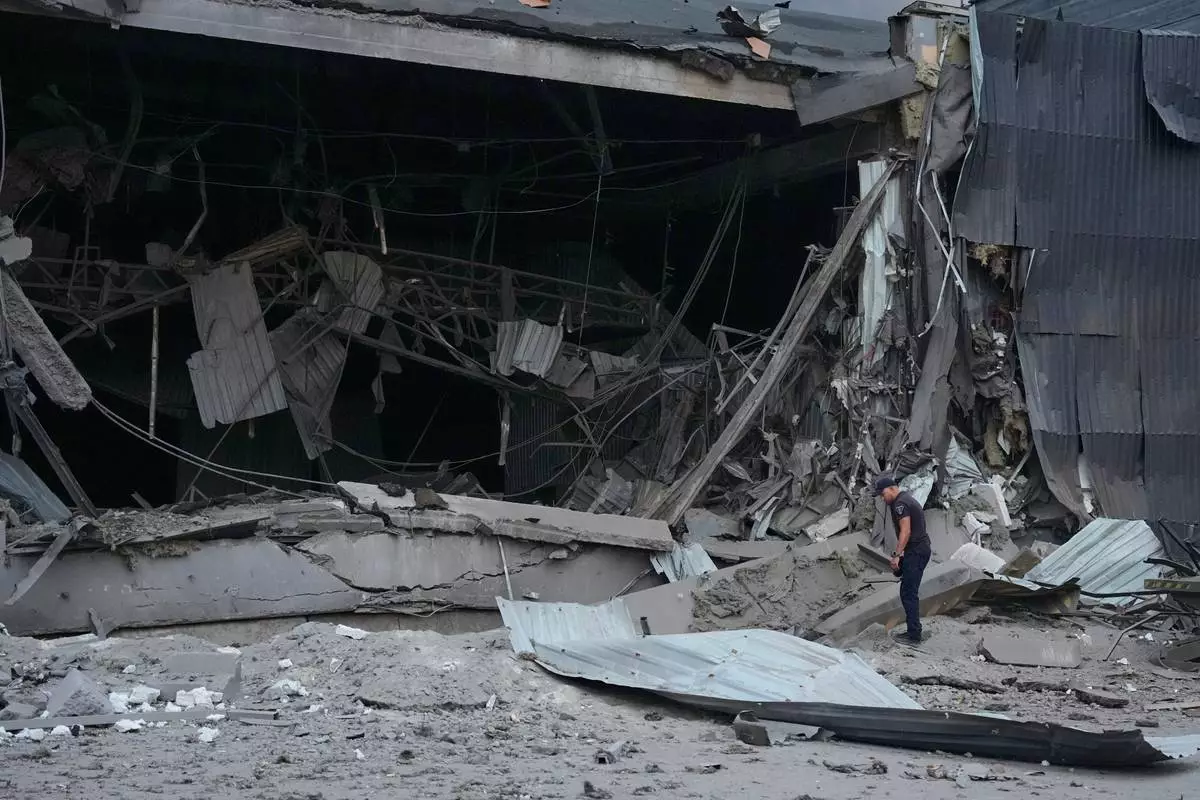
A police officer examines a damaged Nova Poshta postal warehouse after Russian missiles strikes in Kyiv, Ukraine, Wednesday, Aug. 5, 2026. (AP Photo/Efrem Lukatsky)
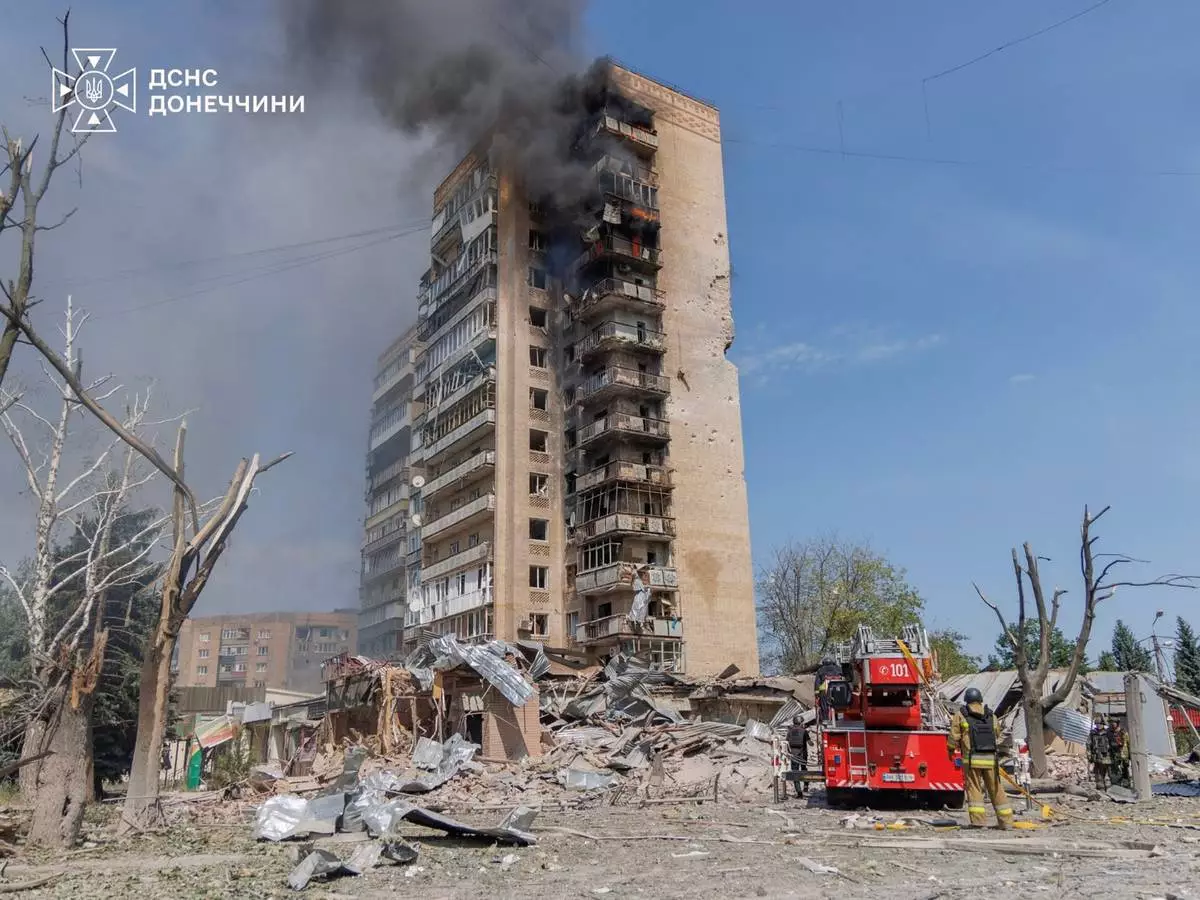
In this photo provided by the Ukrainian Emergency Service, firefighters put out a fire in a residential building following a Russian air attack in Kramatorsk, Donetsk region, Ukraine, Wednesday, Aug. 5, 2026. (Ukrainian Emergency Service via AP)
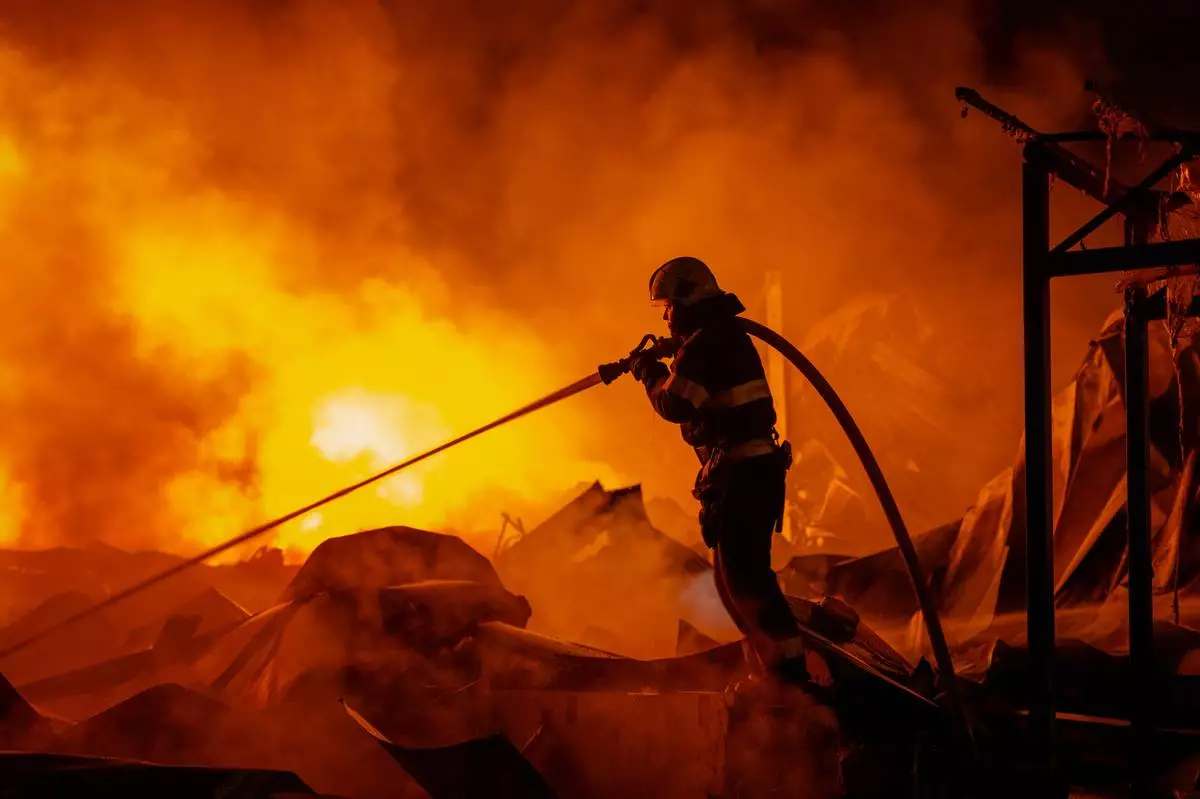
Firefighters put out a fire after Russian missiles hit a warehouse in Kyiv, Ukraine, Wednesday, Aug. 5, 2026. (AP Photo/Dan Bashakov)
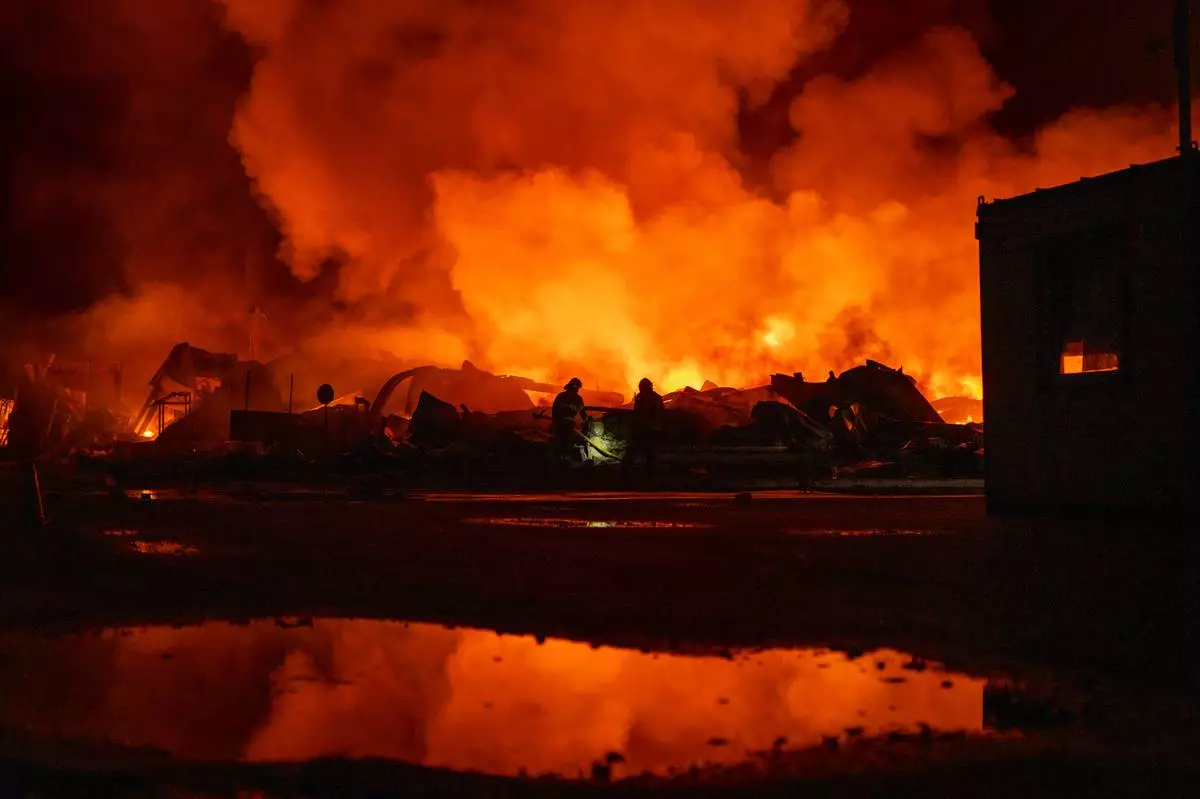
Firefighters put out a fire after Russian missiles hit a warehouse in Kyiv, Ukraine, Wednesday, Aug. 5, 2026. (AP Photo/Dan Bashakov)
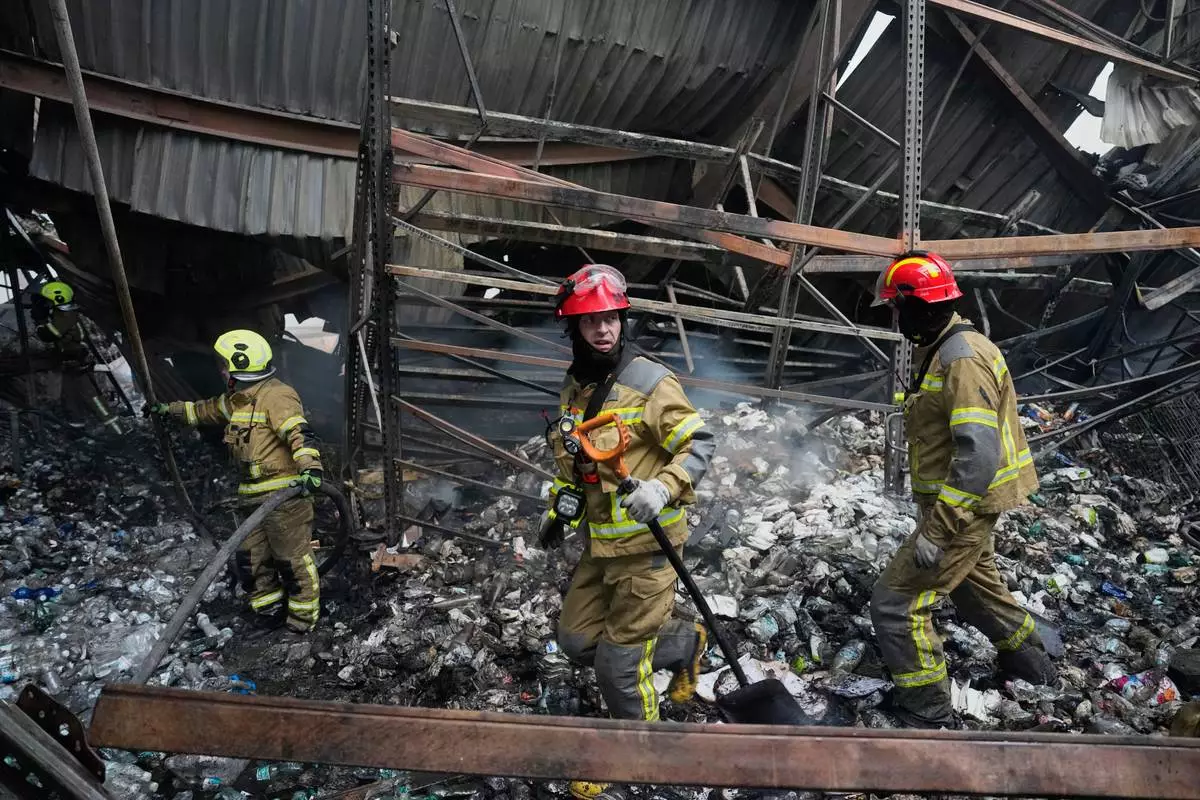
Firefighters put out a fire after Russian missiles hit a food warehouse near Kyiv, Ukraine, Wednesday, Aug. 5, 2026. (AP Photo/Efrem Lukatsky)
KYIV, Ukraine (AP) — Russian attacks on Kyiv and its surrounding region killed 17 people and wounded dozens, President Volodymyr Zelenskyy said Wednesday, as Ukraine’s depleted air defenses failed to stop any of Moscow’s incoming missiles overnight.
The barrage, which lasted about two hours, was the latest in a series of large-scale Russian missile strikes that have become almost routine this summer. Moscow is exploiting Ukraine’s critical shortage of interceptors for the U.S.-made Patriot systems, the sole air defense weapon in its arsenal able to shoot down ballistic missiles.
Zelenskyy has pleaded with other countries, especially the U.S., to send more of the ammunition made scarcer by the Iran war. Failing that, he wants to make Patriot ammunition in Ukraine or win permission from Elon Musk to use his Starlink satellite communications system to guide strikes inside Russia that can hit its missile launchers.
It's unclear how many interceptors Ukraine has left. Zelenskyy said after a Russian attack Friday night that air defenses shot down only one ballistic missile “solely because there are no missiles for the Patriots.” Supplies of defensive missiles for Ukraine in the first half of this year fell to one-third of the 2025 level, Zelenskyy said.
“Ballistic interceptors are what could have saved the lives of those killed today,” Zelenskyy said Wednesday on social media. “It is very important for our partners to understand that delays in supplying them, or a reluctance to hand over anti-ballistic systems, lead directly to such horrific casualties and destruction.”
The targets hit in the barrage included a brewery, a warehouse for construction material, and a mail sorting office that had nothing to do with the war, Zelenskyy said. But Russia's Defense Ministry said the businesses had military ties.
Thursday was set as an official day of mourning for the 17 people killed, said Tymur Tkachenko, head of Kyiv's regional military administration. In addition to the dead, at least 44 people were injured.
With U.S.-led peace efforts apparently stalled, Ukraine has stepped up its deep strikes on key Russian targets such as oil refineries to try to compel Russian President Vladimir Putin to negotiate. Zelenskyy has accepted an unconditional ceasefire demanded by U.S. President Donald Trump but Putin has refused.
In its latest attack on facilities for Russia’s biggest online retailer Wildberries, Ukrainian drones hit a warehouse in the Tula region south of Moscow, the company and the region’s governor said.
Ukraine has struck over a dozen Wildberries facilities in under three weeks, saying the company provides goods that can be used by the military. Kyiv is also keen to unsettle the Russian public with high-profile attacks.
The Russian Defense Ministry said its forces downed 475 Ukrainian drones overnight over 16 Russian regions, as well as in illegally annexed Crimea and the waters of the Sea of Azov and the Black Sea.
Russia fired 24 ballistic missiles, four other missiles identified as either hypersonic Zircon or supersonic Onik cruise missiles, and 115 drones, many of them jet-powered and harder to stop due to their speed, Ukrainian authorities said.
The Russian Defense Ministry said it struck transport, logistics and distribution centers involved in war-related activity, four of which were in Kyiv.
“The enemy is attacking everything indiscriminately — retail warehouses, food storage facilities, logistics hubs, enterprises, building materials warehouses,” Zelenskyy adviser Serhii Beskrestnov, said on Facebook.
It was not immediately possible to independently reconcile the different Russian and Ukrainian accounts of the military value of the targets.
Kyiv warehouse worker Mykhailo Hukov said an air raid warning that included a ballistic missile threat sounded just after midnight.
“So everyone started running,” he told The Associated Press. “I turned everyone around so they wouldn’t go back inside for their backpacks.”
In an underground shelter minutes later, they heard “very loud explosions.”
Ukraine’s largest private postal operator, Nova Poshta, said a Russian cluster munition destroyed one of its sorting centers in Kyiv.
The Russian Defense Ministry said the center was “storing and distributing dual-use goods, including those used in the production of long- and medium-range uncrewed aerial vehicles, as well as robotic systems and electronic warfare systems.” It claimed that two other logistics centers in the Kyiv region stored drones or components for drones.
Separately, Russia said its forces hit three bulk carriers on the Black Sea south of Odesa that it claimed were transporting Ukrainian weapons and military equipment. Ukrainian officials didn't comment on that claim.
Ivan Braga, a 46-year-old truck driver from Moldova who was in Kyiv during the attack, said he and a colleague ran from their vehicle when it was struck by shrapnel in a blast wave.
“We didn’t even have time to grab our documents or anything else,” Braga told AP. “I couldn’t believe it. I’d already been in Kyiv and had heard explosions before, but nothing like today.”
One of the companies that came under heavy fire was Epicentr, one of Ukraine’s largest retail and construction chains. It said in a statement on Facebook that “in minutes, Russian missiles destroyed what the company had built over decades.” One employee was killed and three others were wounded.
According to the Russian Defense Ministry, the Epicenter logistics center handled order processing, sorting, storing, and delivery of dual-use goods and components for drone production.
The director of a factory that makes drones for the Russian military was seriously injured when his car exploded in the Ural Mountains city of Yekaterinburg, news reports said Wednesday.
Vladimir Tkachuk was hospitalized after the explosion late Tuesday just outside the city 1,400 kilometers (about 870 miles) east of Moscow, the state Tass and RIA Novosti agencies said.
His factory, Uraldronzavod, manufactured the Upyr, a cheap and simple drone that was popular with troops for the protection it offers against jamming.
Russian officials made no comment, but authorities previously have blamed Ukraine for a string of bombings and other attacks targeting military officials.
AP reporters Illia Novikov, Volodymyr Yurchuk and Dan Bashakov in Kyiv contributed.
Follow the AP’s coverage of the war in Ukraine at https://apnews.com/hub/russia-ukraine
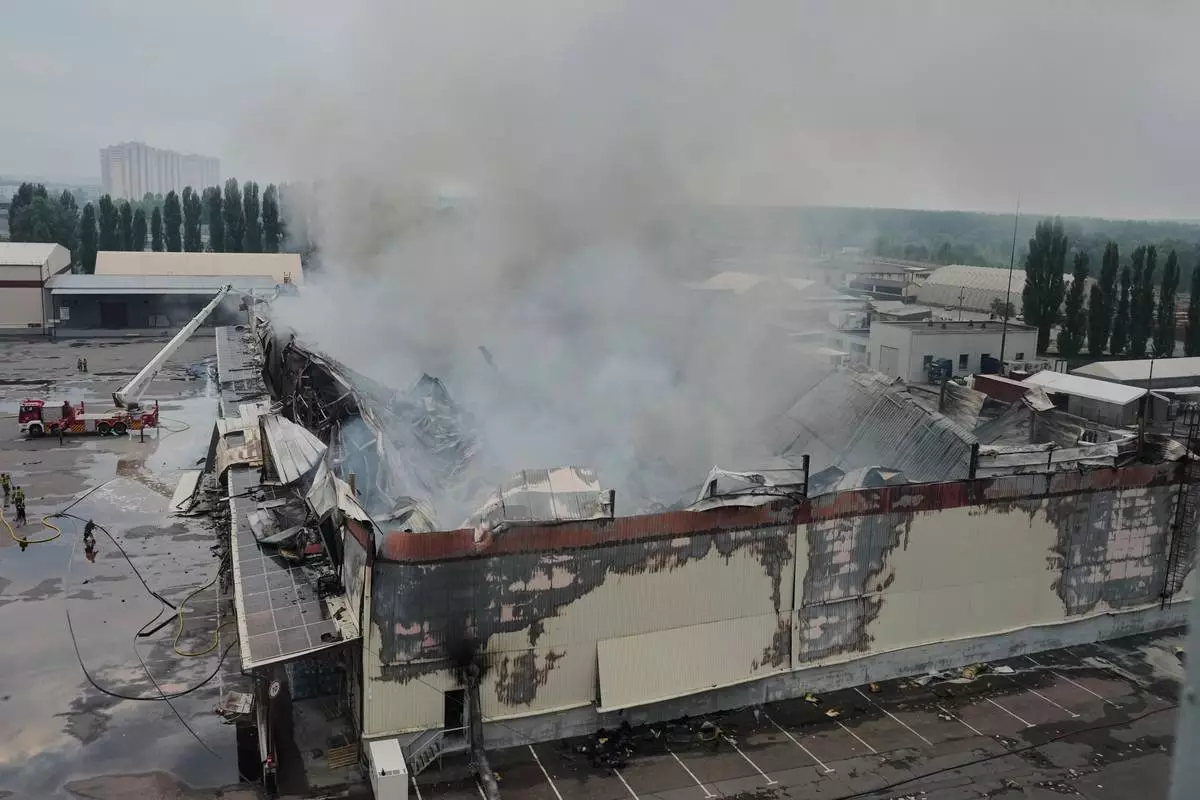
Firefighters put out a fire after Russian missiles hit a food warehouse near Kyiv, Ukraine, Wednesday, Aug. 5, 2026. (AP Photo/Efrem Lukatsky)
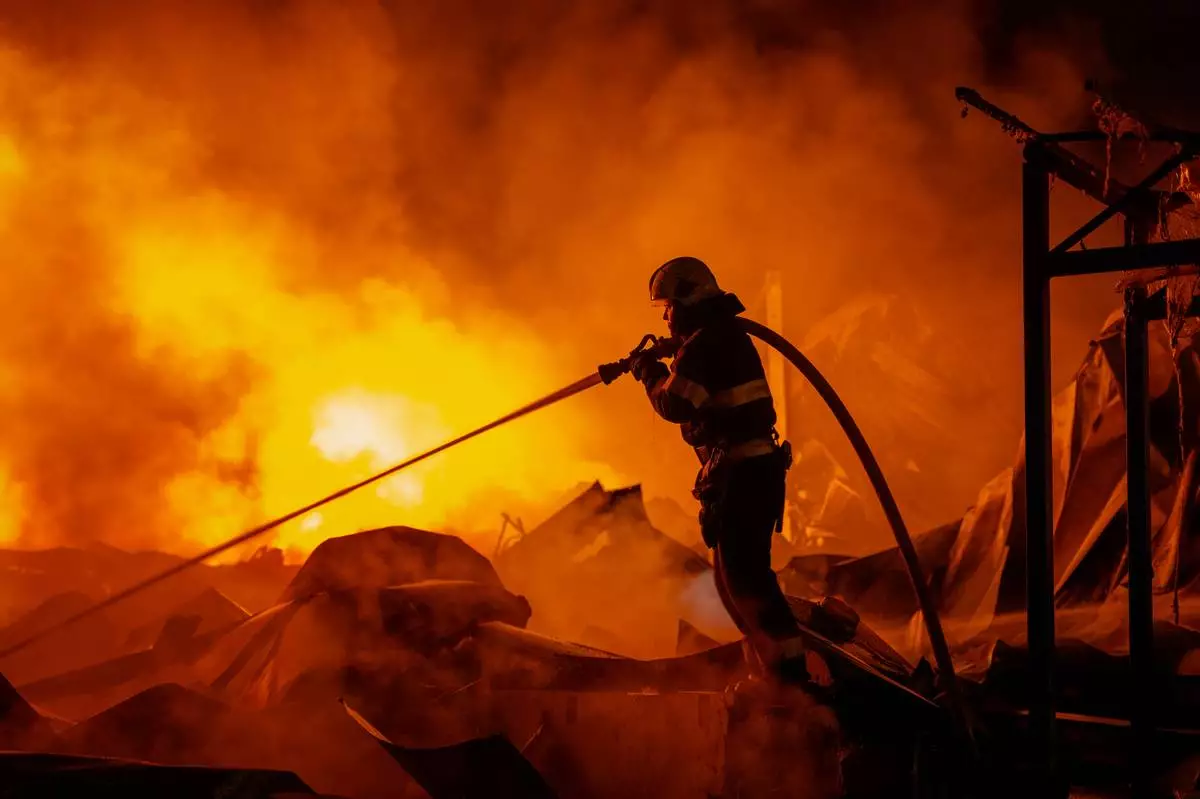
Firefighters put out a fire after Russian missiles hit a warehouse in Kyiv, Ukraine, Wednesday, Aug. 5, 2026. (AP Photo/Dan Bashakov)
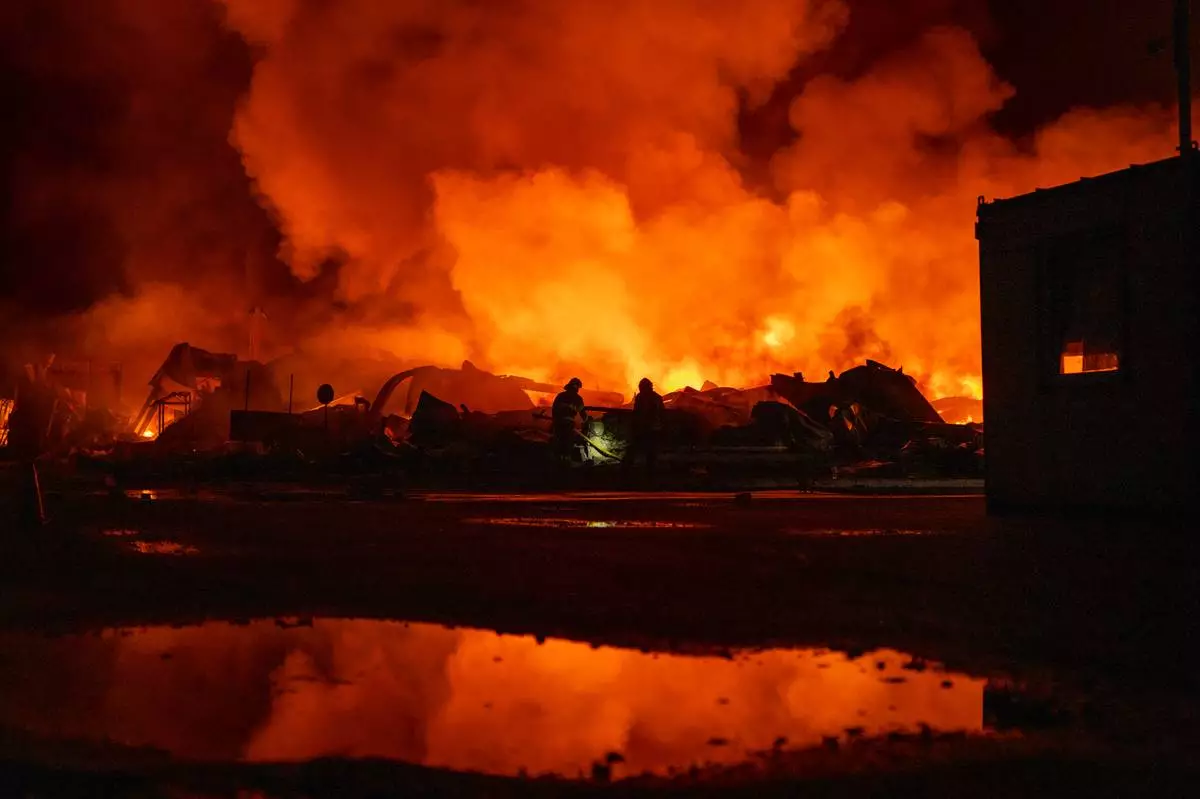
Firefighters put out a fire after Russian missiles hit a warehouse in Kyiv, Ukraine, Wednesday, Aug. 5, 2026. (AP Photo/Dan Bashakov)
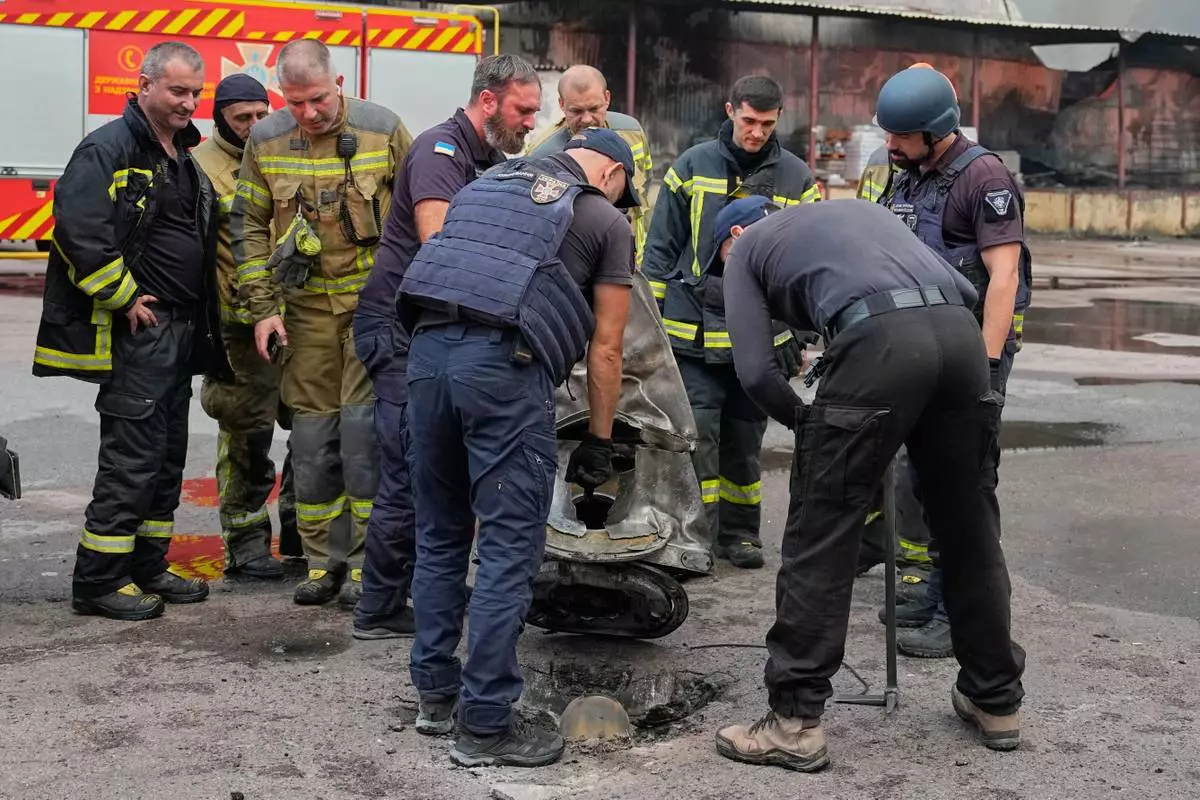
Firefighters examine a fragment of a Russian missile after air strikes at a food warehouse in Kyiv, Ukraine, Wednesday, Aug. 5, 2026. (AP Photo/Efrem Lukatsky)
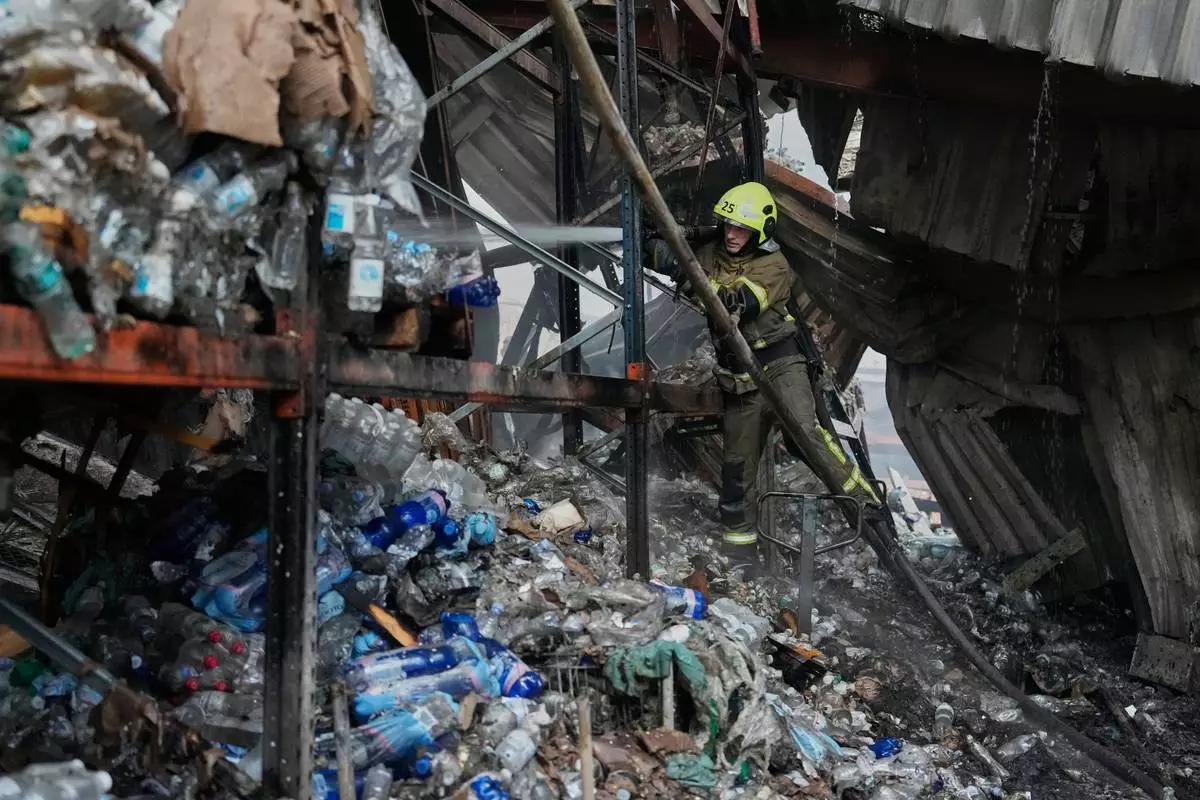
Firefighters put out a fire after Russian missiles hit a food warehouse near Kyiv, Ukraine, Wednesday, Aug. 5, 2026. (AP Photo/Efrem Lukatsky)
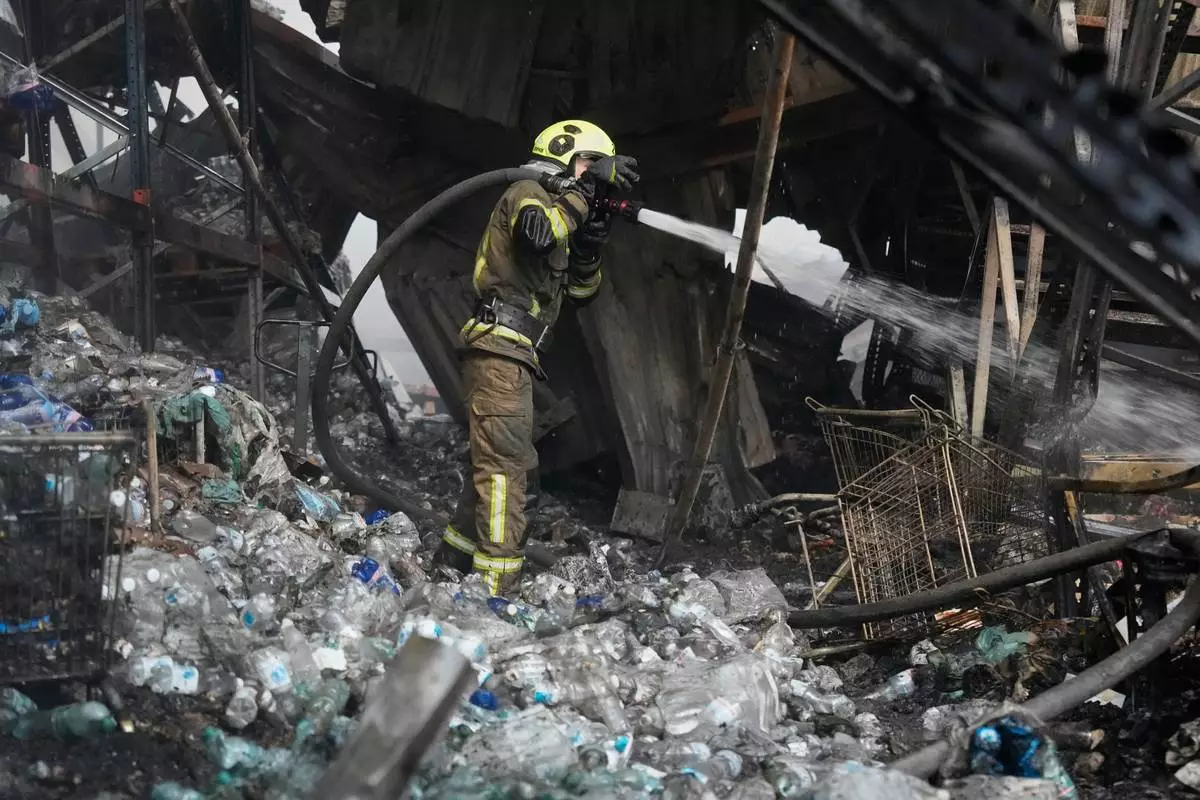
A firefighter puts out a fire after Russian missiles hit a food warehouse near Kyiv, Ukraine, Wednesday, Aug. 5, 2026. (AP Photo/Efrem Lukatsky)
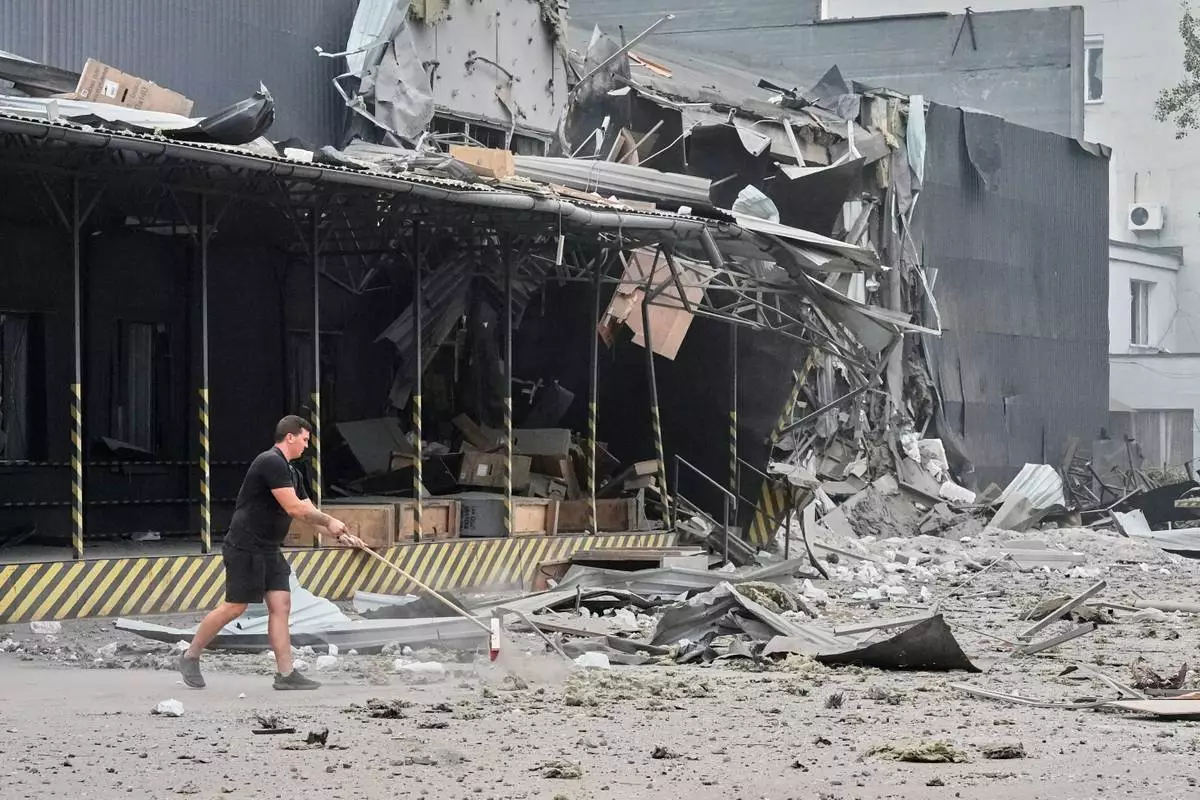
A postal worker clears the debris at the damaged Nova Poshta postal warehouse after Russian missiles strikes in Kyiv, Ukraine, Wednesday, Aug. 5, 2026. (AP Photo/Efrem Lukatsky)
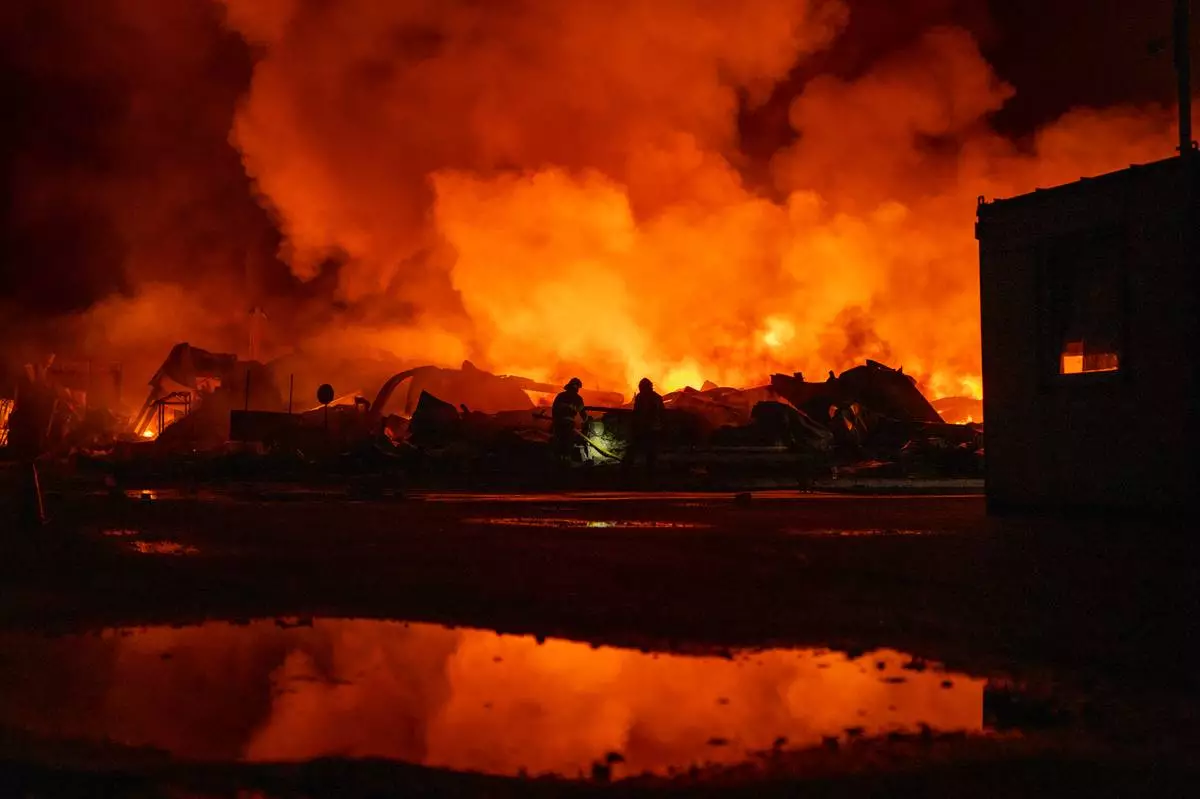
Firefighters put out a fire after Russian missiles hit a warehouse in Kyiv, Ukraine, Wednesday, Aug. 5, 2026. (AP Photo/Dan Bashakov)
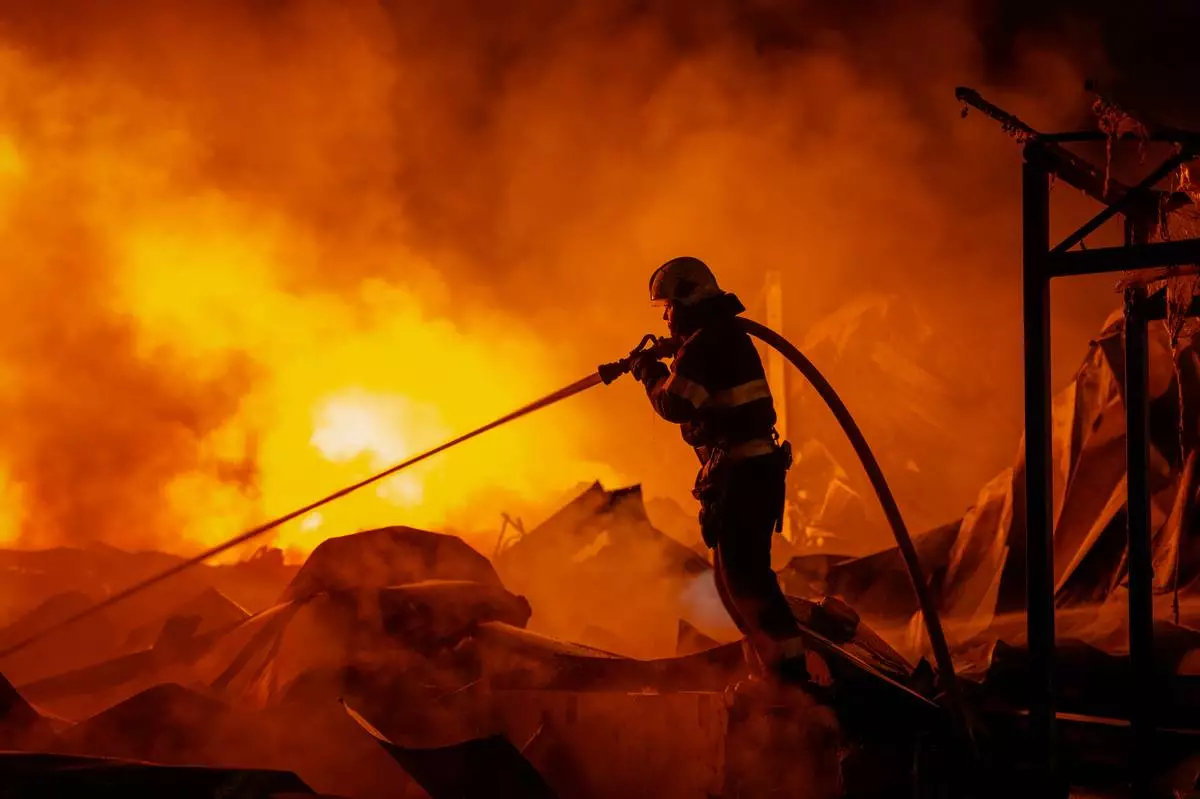
Firefighters put out a fire after Russian missiles hit a warehouse in Kyiv, Ukraine, Wednesday, Aug. 5, 2026. (AP Photo/Dan Bashakov)