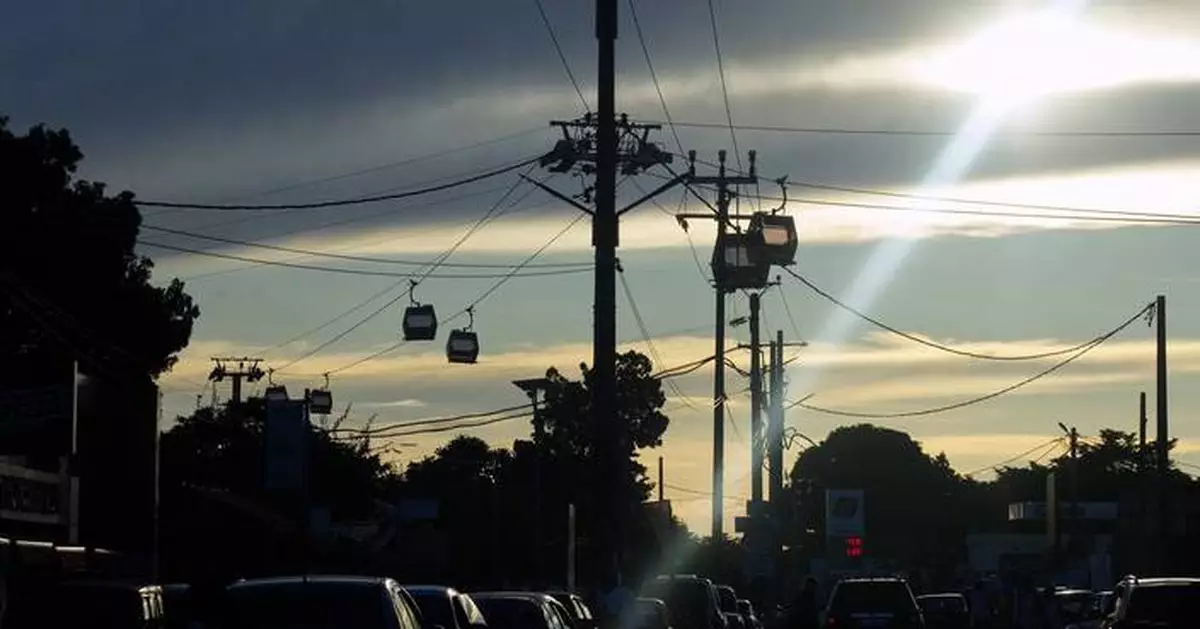
ANTANANARIVO, Madagascar (AP) — The idea was unique for sub-Saharan Africa: Use cable cars to lift thousands of commuters above the daily gridlock in one of Africa's fast-growing cities.
But the system ran for only a few weeks, and now the car-less cables hang unused above Madagascar 's capital in what might be a $170 million mistake by one of the world's poorest countries.
Click to Gallery
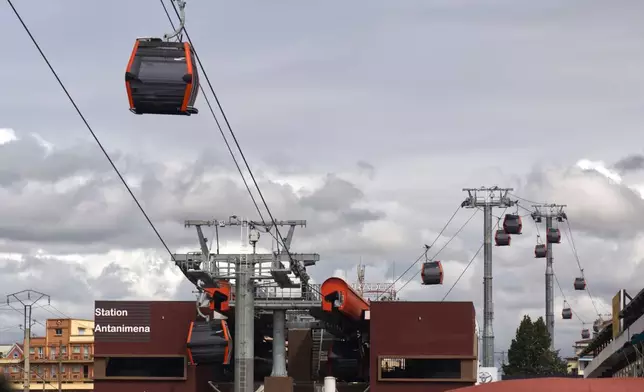
Cable cars operate during testing in Antananarivo, Madagascar, Friday, June 27, 2025. (AP Photo/Alexander Joe)
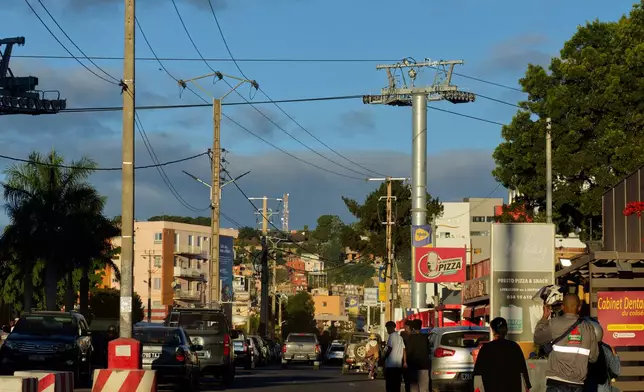
Wires for cable cars cut across the skyline of Antananarivo, Madagascar, Friday, May 1, 2026. (AP Photo/Alexander Joe)
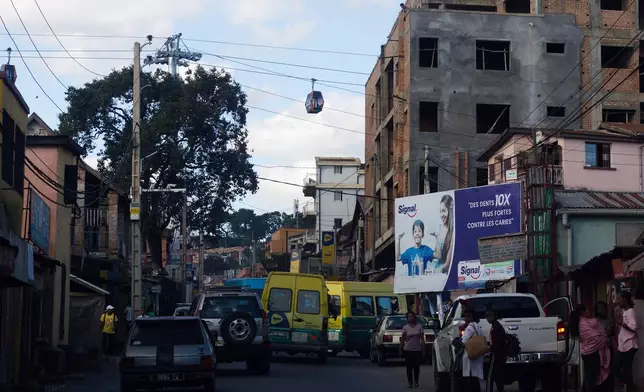
A cable car operates during testing in Antananarivo, Madagascar, Sunday, April 6, 2025. (AP Photo/Alexander Joe)
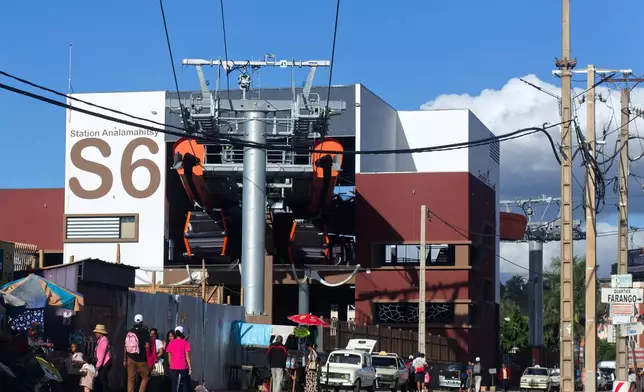
Cable cars at a station during testing in Antananarivo, Madagascar, Sunday, April 6, 2025. (AP Photo/Alexander Joe)
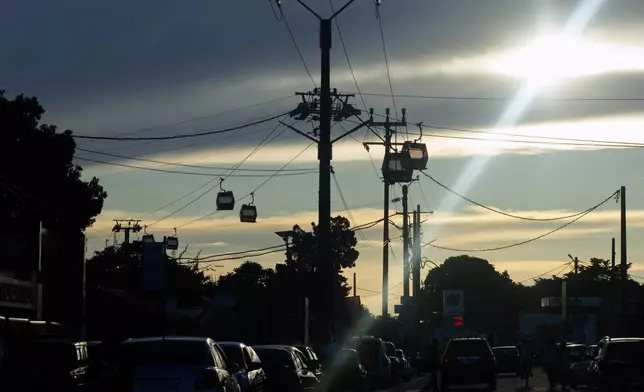
Cable cars cut across the skyline during testing in Antananarivo, Madagascar, Sunday, April 6, 2025. (AP Photo/Alexander Joe)
The cable car system in Antananarivo was promoted and inaugurated by former President Andry Rajoelina before he was deposed in a military coup late last year following youth-led protests alleging widespread government failures.
He reasoned it was the best way to end the reliance on aging, overcrowded minibus taxis that create traffic jams stretching for hours, an annoyance for many in the island nation off east Africa. Light rail wouldn't work because of the area's marshlands, he said.
“Antananarivo was built for 300,000 inhabitants. Now there are three million of us,” Rajoelina said when the cable cars were unveiled in 2024.
Rajoelina called the system's opening last year a landmark moment, like France building the Eiffel Tower.
Officials said the cable cars could carry up to 75,000 people a day, take 2,000 vehicles off the roads and cut commutes from up to three hours to about 10 to 30 minutes, depending on the route.
At the unveiling, Rajoelina and his prime minister rode above Antananarivo's steep hills and tightly packed neighborhoods. But few ordinary Madagascans followed.
The unusual transit system, built over three years for around $173 million with loans from France, has run into a common problem for Africa and its more than 1.5 billion people: affordability.
Officials set the fee for users at between 70 and 90 U.S. cents a trip — six to eight times the price to ride in a minibus. Many people have been unwilling to pay that in a country where the average monthly salary for a commuter is around $72, according to a 2022 report by the World Bank.
Poverty affects around 75% of Madagascar's population of 30 million people.
Pieter Onderwater, a public transport planning consultant and guest lecturer at the Center for Transport Studies at the University of Cape Town in South Africa, said Madagascar's government and the cable car system's French developers may have missed how money is more important than convenience for most people on a poor continent.
“Obviously people will not use it because money is far more key than time,” Onderwater said. “The price is six times higher than a conventional (minibus) taxi? Well then, we just sit in traffic because we know better things to do with that money."
The cable cars also provoked anger from residents who for years had complained about a lack of basic public services like water and electricity. They questioned why those issues weren't addressed first.
Residents remain suspicious of the cable car project, which also faced electricity outages that often brought it to a halt.
“In a city where they cannot even fix the roads, how can we trust being more than 20 meters (65 feet) above the ground when there is a power cut?" said Erica, an Antananarivo shop owner who gave only her first name. "And if something goes wrong, how long would it take them to fix it?”
During the coup that removed Rajoelina, some cable car stations were burned or otherwise damaged as people accused the government of being out of touch with their needs.
A transitional government led by coup leader and former army colonel Michael Randrianirina took over in October but has not mentioned any plan for the cable cars. The government did not respond to questions.
A consortium that built the system inspected it in March and submitted findings to Madagascar authorities “to decide on the next steps,” a French company that was part of it told the AP.
Commuting in the capital is becoming more of a challenge.
Antananarivo's population has increased by more than 10 times since the 1960s, spurred by rural-to-urban migration that is happening across Africa. Africa's urban population of 700 million people is expected to double by 2050, according to the intergovernmental Organization for Economic Co-operation and Development.
That brings huge demand for more public transport as well as other services like housing, health, education, water and electricity.
And yet Africa has some of the world's least developed public transport systems despite some of the fastest urbanization rates, according to Transport Africa, a research institution.
Onderwater said African governments have generally left transport to the private sector, which has proved relatively effective with the swarm of minibus taxis known as kombis in South Africa, matatus in Kenya and danfo in Nigeria that carry the vast majority of people to work.
Some commuters in Antananarivo expressed wonder at the thought of being lifted above the daily grind in a cable car, but they were brought back to earth by concerns about cost, reliability, safety during strong storms including cyclones and other practicalities.
Hery Ratsimbazafy, an office worker, said the cable cars — which don't go right into the city center — simply don't serve his needs: “It doesn’t help me get where I need to go."
Associated Press writer Gerald Imray contributed from Cape Town, South Africa.
For more on Africa and development: https://apnews.com/hub/africa-pulse
The Associated Press receives financial support for global health and development coverage in Africa from the Gates Foundation. The AP is solely responsible for all content. Find AP’s standards for working with philanthropies, a list of supporters and funded coverage areas at AP.org.
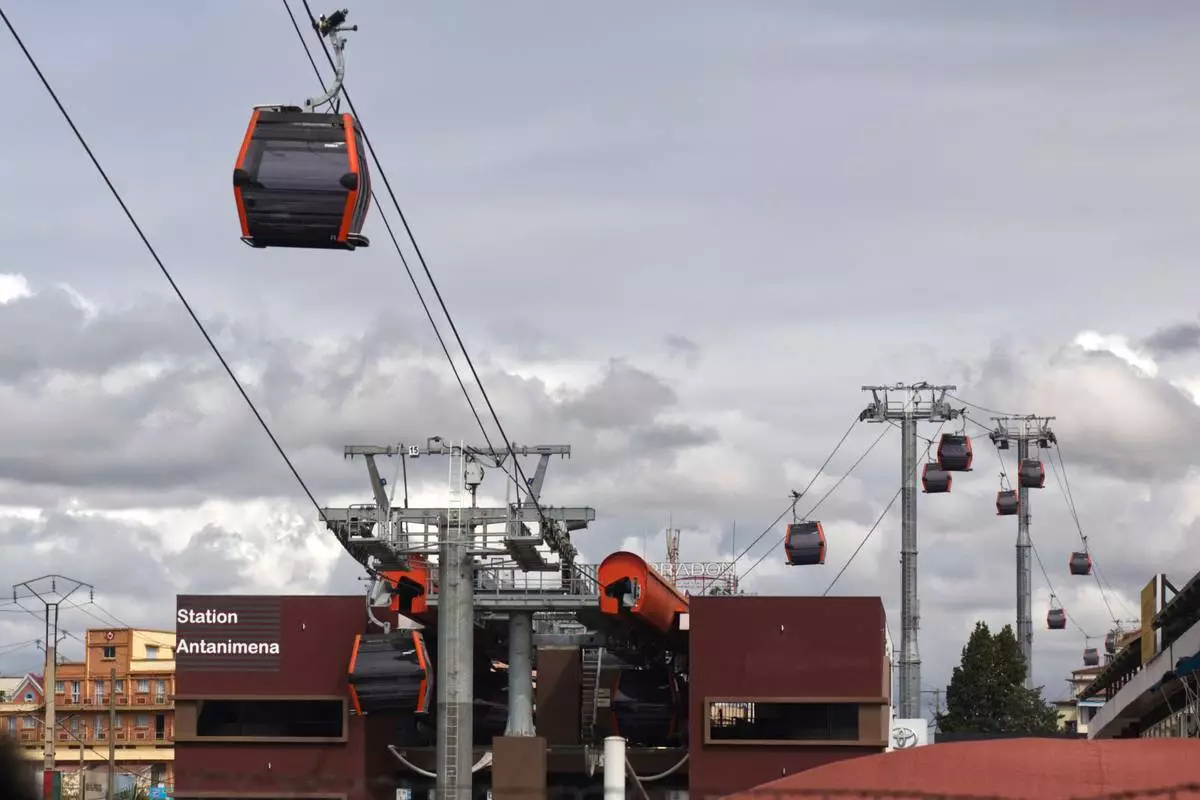
Cable cars operate during testing in Antananarivo, Madagascar, Friday, June 27, 2025. (AP Photo/Alexander Joe)
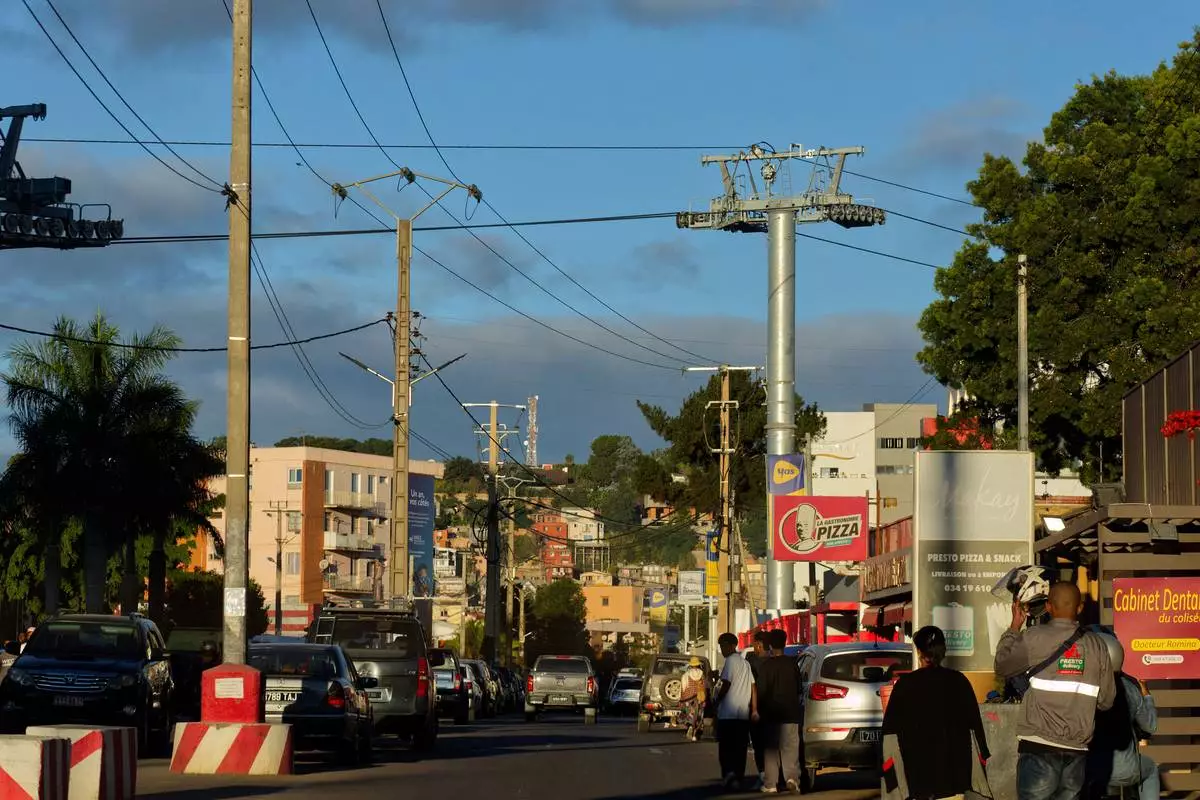
Wires for cable cars cut across the skyline of Antananarivo, Madagascar, Friday, May 1, 2026. (AP Photo/Alexander Joe)
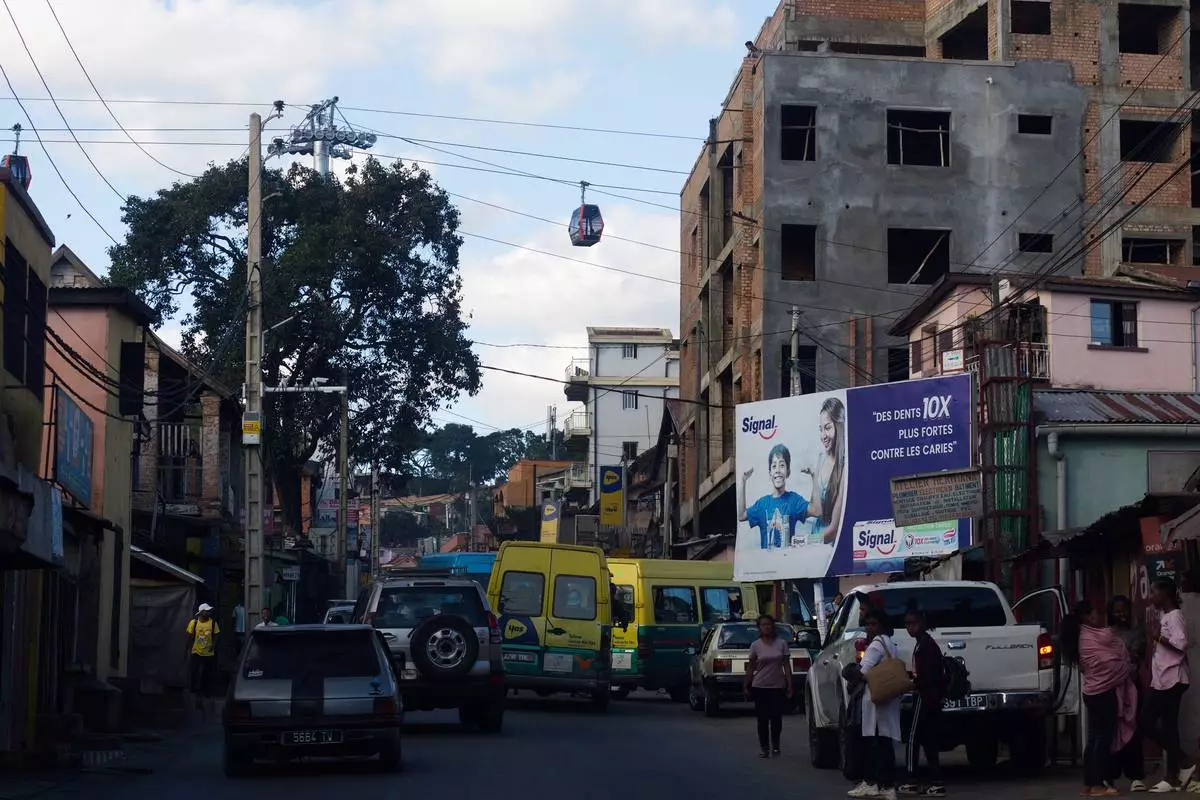
A cable car operates during testing in Antananarivo, Madagascar, Sunday, April 6, 2025. (AP Photo/Alexander Joe)
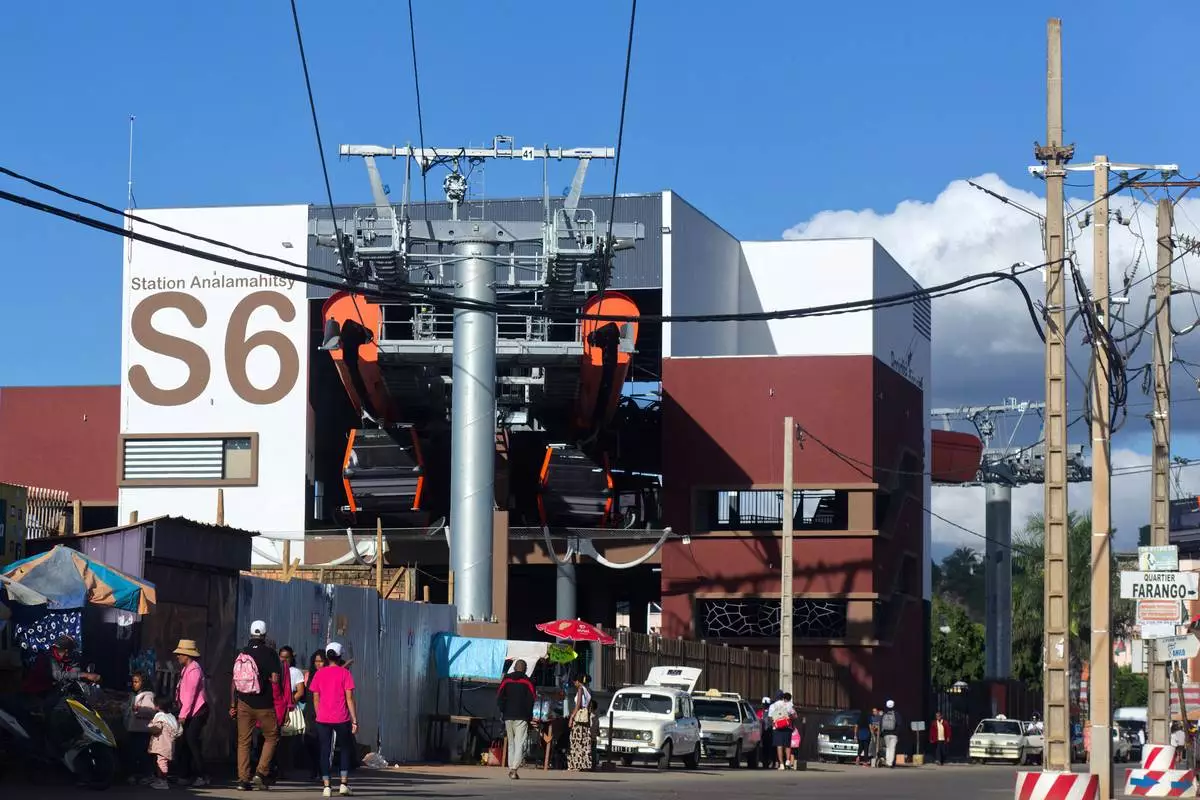
Cable cars at a station during testing in Antananarivo, Madagascar, Sunday, April 6, 2025. (AP Photo/Alexander Joe)

Cable cars cut across the skyline during testing in Antananarivo, Madagascar, Sunday, April 6, 2025. (AP Photo/Alexander Joe)