Sometimes inventions save countless lives. Sometimes they end just as many. Sometimes, they do both.
The United States dropped the first atomic bomb ever used in warfare on Aug. 6, 1945. The olive-green steel cylinder called “Little Boy” exploded above Hiroshima, Japan, killing tens of thousands of people, sickening many more and reshaping global politics forever.
Three days later, the U.S. did it again. The second bomb, named “Fat Man,” went off over Nagasaki where another 70,000 people died and tens of thousands more were wounded.
The airplane, the polio vaccine, the personal computer and other American inventions moved the world into a mostly better future. Though the atomic bomb hastened Japan's surrender and the end of World War II, it ushered in world annihilation fears and decades of arms races.
Traveling to his family home in the days after the Hiroshima bombing, United Press International reporter Leslie Nakashima found his mother safe and his hometown of 300,000 people destroyed. In an Aug. 27 report, he described the bomb's “stupendous destructive power."
In Nagasaki about a mile (1.8 kilometers) from the epicenter, Sumiteru Taniguchi was a 16-year-old delivering mail when the explosion threw him from his bicycle. It left him with a web of wounds on his back and three damaged ribs that painfully pressed into his lungs until he died in 2017.
On his way home from discussing Germany's defeat, President Harry S. Truman declared that "what has been done is the greatest achievement of organized science in history.” In America, jubilant crowds celebrated the war's end.
The Soviet Union went on to explode its own bomb in 1949, followed by British, French, Chinese, Indian, Pakistani and North Korean programs. In the Middle East, nuclear capabilities remain contentious.
Some analysts believe the risk of nuclear destruction has helped quash armed conflicts. But many point to the new and unknown risks created by the violent competition over becoming the next nuclear power.
Artificial intelligence has increased nations’ abilities to defend against terrorism, cyberattacks and drones. The biggest threat to modern civilization is a nuclear weapon in the hands of irresponsible populists, former British diplomat Tim Willasey-Wilsey wrote in a recent essay.
“The greatest danger of a massive global shock would come from the use of a nuclear weapon in anger for the first time since 1945,” he wrote. “A nuclear war will not be about an inability to join dots but another massive failure of human imagination.”
Part of a recurring series, “American Objects,” marking the 250th anniversary of the United States. For more American objects, click here. For more stories on the anniversary, click here.
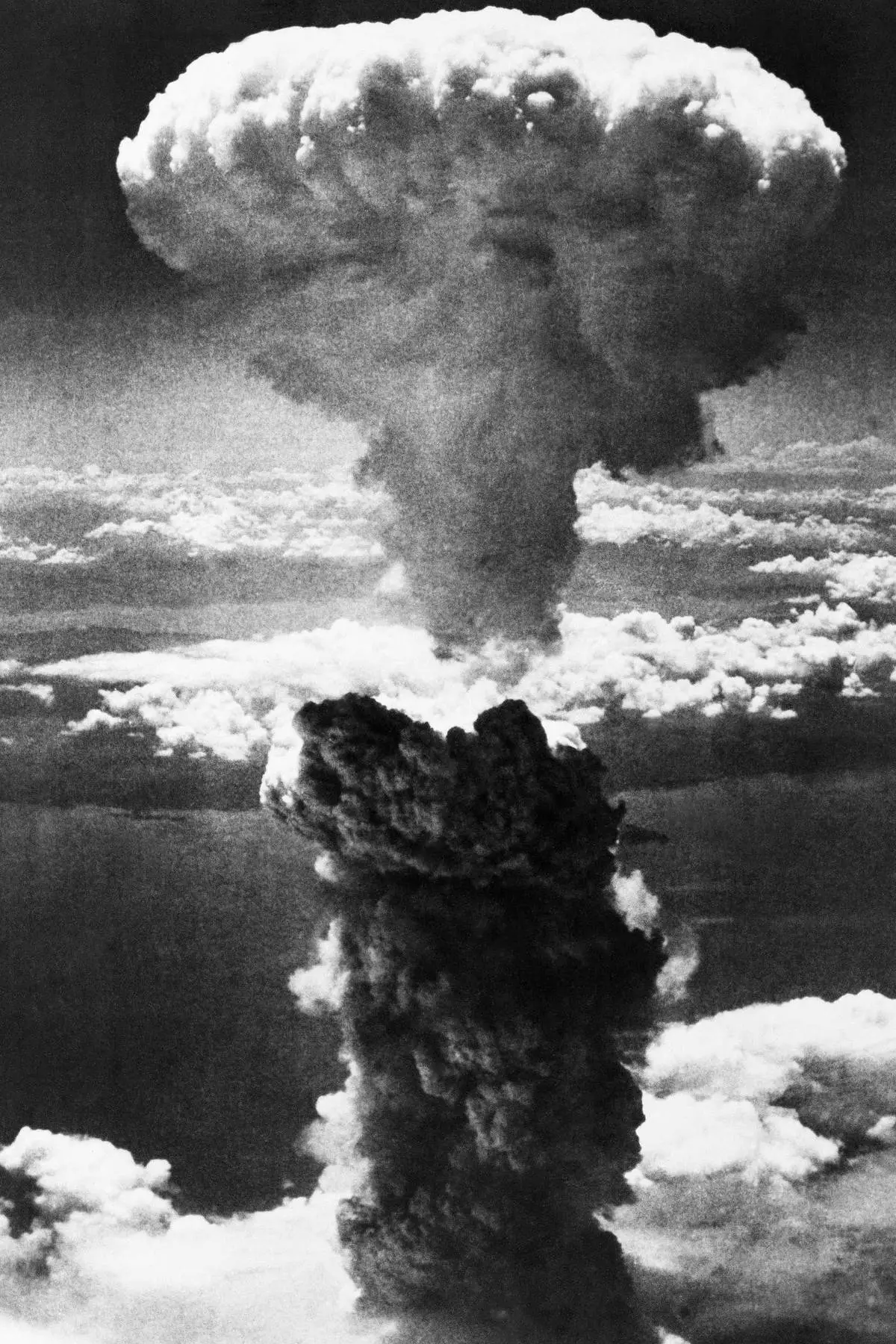
FILE - A giant column of smoke rises after the second atomic bomb ever used in warfare explodes over the Japanese port town of Nagasaki, Japan, Aug. 9, 1945. (AP Photo, File)
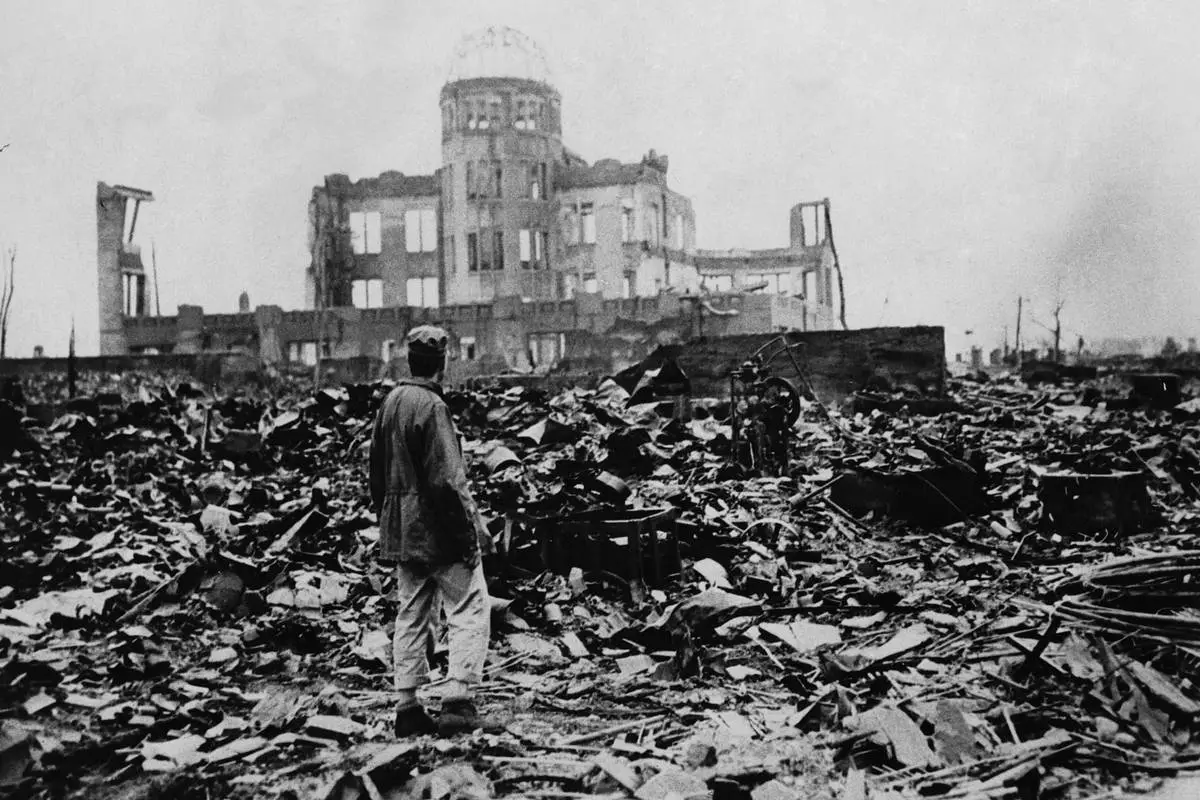
FILE - A huge expanse of ruins left the explosion of the atomic bomb on Aug. 6, 1945 in Hiroshima. (AP Photo, File)

FILE - This is a 1960 photo of a U.S. nuclear weapon of the uranium bomb Little Boy type that was detonated over Hiroshima in World War II, the world's first atomic bomb used in combat. (AP Photo/U.S. Department of Defense via AP, File)
WASHINGTON (AP) — President Donald Trump's administration said Thursday it plans to overhaul Head Start, tossing out many of the regulations that are the hallmark of the early education program for the nation's poorest children.
Officials from the Department of Health and Human Services, which oversees the federally funded preschool program, said the proposed changes would encourage more local decision-making. Early childhood policy experts argue the deregulation could undermine Head Start's position as the gold standard in early education.
The Associated Press previously reported on the overhaul proposal, which became public Thursday when it was posted online. The public will have 60 days to weigh in on it before it goes into effect, though it could face legal challenges that would delay implementation.
Head Start centers serve around 700,000 of the nation’s most vulnerable children, including those who are homeless, in foster care or disabled. That wouldn't change under the overhaul.
But Alex J. Adams, an assistant secretary at Health and Human Services, said the department is hoping to give Head Start centers the flexibility to change the way they operate. That means eliminating most of Head Start's regulations, such as standards for low staff-to-student ratios or requirements to provide services to preschoolers' families.
"Federal mandates can certainly hinder local decision-making, drive up costs and limit the program’s reach,” Adams said on a call with reporters. He highlighted a decade-long decline in Head Start enrollment. “If we get this proposed rule right, we will grow the number of Head Start slots.”
On a call previewing the proposed changes, Health Secretary Robert F. Kennedy spoke reverently about Head Start, which was started by his uncle Sargent Shriver during the Lyndon B. Johnson administration.
“It’s a program that works for the most vulnerable of the poorest kids in our society, and it’s really important we protect it,” Kennedy said.
But the changes would undermine many of the things that make Head Start distinct from other early education programs, policy experts say.
“This version of Head Start is a shell of the program,” said Khari Garvin, who oversaw Head Start under Democratic President Joe Biden. “This is a deeply diluted version of the program which in my view will cause child and community outcomes to wane.”
Head Start, which began in the 1960s as part of Johnson's War on Poverty, is currently governed by more than 100 pages of regulations. Those regulations require centers to have low staff-to-student ratios and a research-backed curriculum, among other things, and they ensure centers are providing wraparound services that are critical to children in poverty, including medical and dental screenings and parent coaching.
The proposal would toss out nearly all of that rule book. Instead, Head Start’s 1,600 operators — which include nonprofits and school districts — would look to state and local childcare licensing requirements for guidance on many aspects of the program.
While the proposed rules largely loosen requirements, Adams emphasized that centers have the option to continue to operate as they had in the past. He estimated the new rules could generate more than $2 billion in savings and potentially allow Head Start to serve more children.
The proposal adds some new requirements. Staffers would have to deliver all instruction in English, except in tribal communities that run immersion programs in native languages. There would be a 5% cap on administrative expenses, down from 15%. The proposal also includes new nutrition standards, championed by Kennedy, and a requirement for 30 minutes of physical activity — outside if the weather permits — for every three and a half hours of the program.
Overall, experts emphasize, state childcare licensing requirements are far more lax than Head Start's current regulations. State rules are largely focused on ensuring children are healthy and safe. Generally speaking, they do not require centers to provide things like medical or dental screenings, they don't specify ways to engage with parents, and they don't speak to what — if anything — should be taught in childcare settings.
Shantel Meek, who heads the Children’s Equity Project at Arizona State University, co-authored an analysis that compared state licensing requirements with Head Start standards and found massive gaps.
“Whereas licensing is, like, the bare minimum to keep kids safe, Head Start includes keeping kids safe but also ensuring that kids are developing, growing, learning well,” Meek said. “It’s a totally different purpose.”
Critically, states allow adults to care for far more children than is allowed under Head Start standards. In Mississippi, for example, one Head Start teacher is only allowed to teach up to four 2-year-olds. State childcare regulations would permit up to a dozen 2-year-olds to be supervised by one adult.
Head Start, which operates in all 50 states, has long had support from both Democrats and Republicans. But it has faced repeated threats under the Trump administration, whose budget chief, Russell Vought, had previously called for it to be eliminated. Not long after Trump, a Republican, took office again in early 2025, some Head Start programs had to briefly shutter because they had problems accessing their federal money. Later, a budget draft eliminated Head Start's funding, but it was restored after widespread backlash.
In a call with reporters, Kennedy said he believes Head Start is effective. He cited research showing its graduates have fewer law enforcement encounters, do better in school and have better jobs than their peers. He added that he tried to shield Head Start from many of the cuts that hit the rest of his agency.
Still, the Trump administration succeeded last year in laying off much of Head Start's support staff and closing half of its regional offices.
The Associated Press’ education coverage receives financial support from multiple private foundations. The AP is solely responsible for all content. Find the AP's standards for working with philanthropies, a list of supporters and funded coverage areas at AP.org.
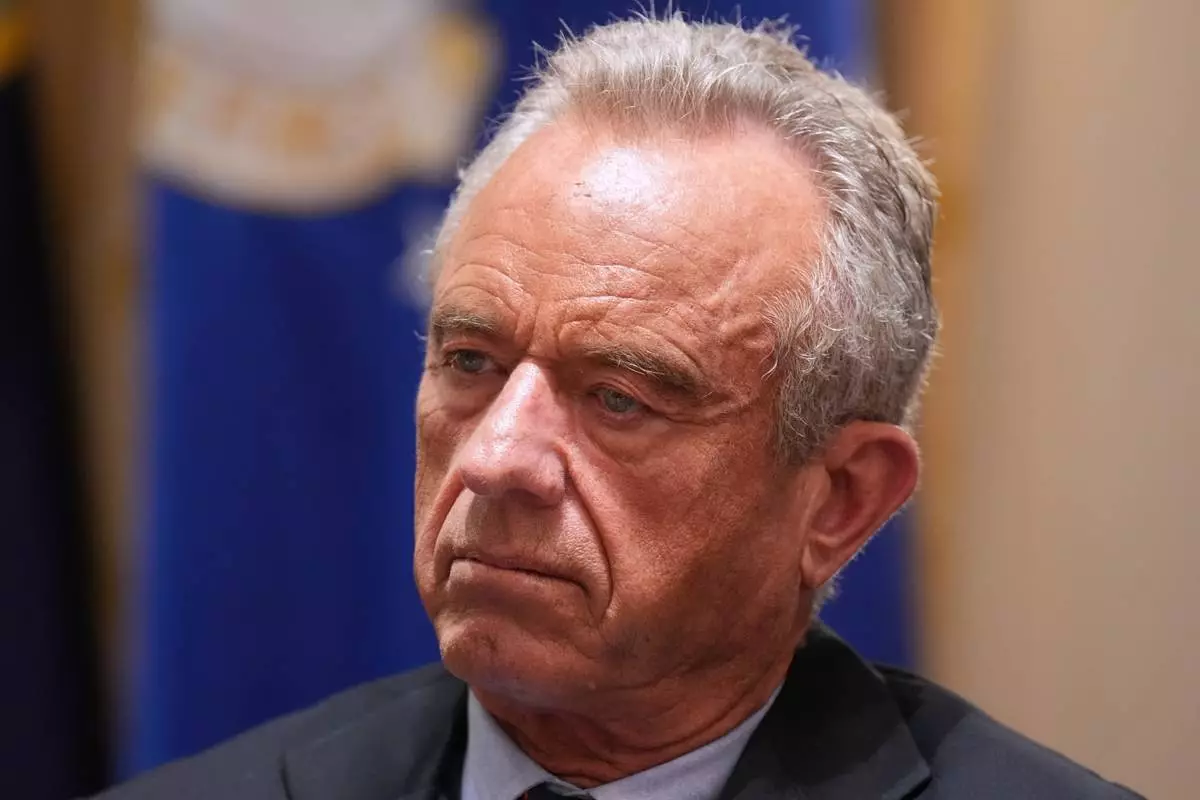
FILE - Secretary of Health and Human Services Robert F. Kennedy Jr., listens during a Cabinet meeting at the White House, May 27, 2026, in Washington. (AP Photo/Jacquelyn Martin, File)