Hong Kong Customs seizes suspected cannabis buds worth about $1.2 million at airport
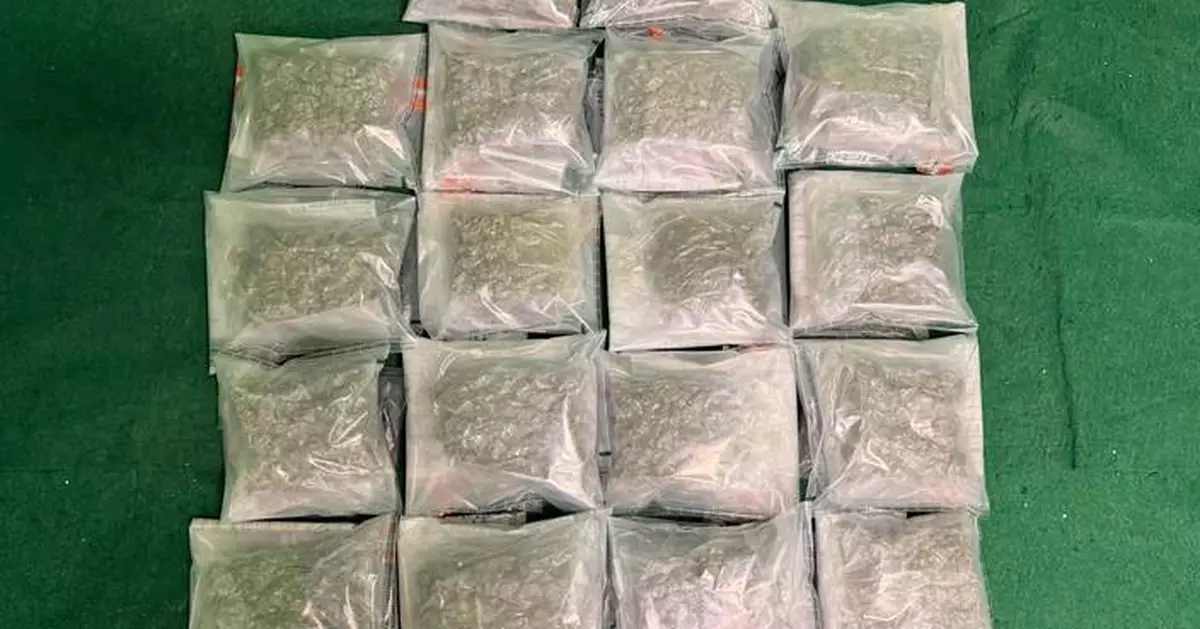
Hong Kong Customs yesterday (August 6) detected a drug trafficking case involving baggage concealment at Hong Kong International Airport. About 6 kilograms of suspected cannabis buds with an estimated market value of about $1.2 million were seized.
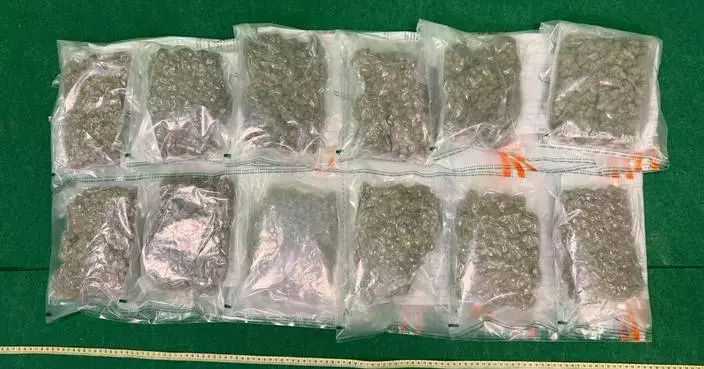
A 46-year-old Mainland male passenger arrived in Hong Kong from Bangkok, Thailand, yesterday. During Customs clearance, the suspected cannabis buds, weighing about 6kg in total, were found in 20 bags in his carry-on suitcase. The man was subsequently arrested.
The arrested person has been charged with one count of trafficking in a dangerous drug. The case will be brought up at the Kowloon City Magistrates' Court tomorrow (August 8).
Customs will continue to step up enforcement against drug trafficking activities through intelligence analysis. The department also reminds members of the public to stay alert and not participate in drug trafficking activities for monetary return. They must not accept hiring or delegation from another party to carry controlled items into and out of Hong Kong. They are also reminded not to carry unknown items for other people.
Customs will continue to apply a risk assessment approach and focus on selecting passengers from high-risk regions for clearance to combat transnational drug trafficking activities.
Under the Dangerous Drugs Ordinance, trafficking in a dangerous drug is a serious offence. The maximum penalty upon conviction is a fine of $5 million and life imprisonment.
Members of the public may report any suspected drug trafficking activities to Customs' 24-hour hotline 182 8080 or its dedicated crime-reporting email account(crimereport@customs.gov.hk) or online form (eform.cefs.gov.hk/form/ced002).
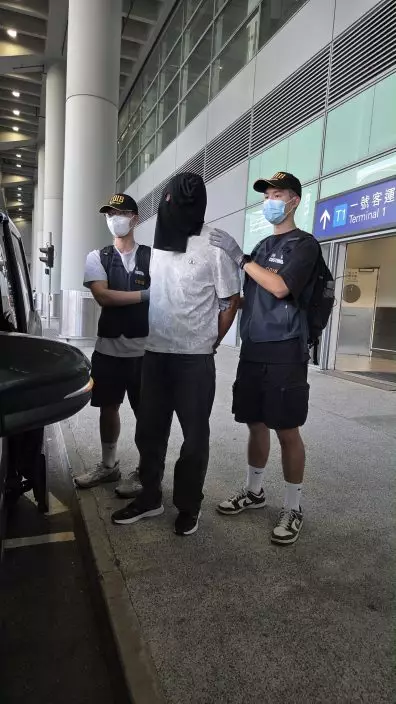
Hong Kong Customs yesterday (August 6) detected a drug trafficking case involving baggage concealment at Hong Kong International Airport. About 6 kilograms of suspected cannabis buds with an estimated market value of about $1.2 million were seized. Photo shows the arrested person involved in the case. Source: HKSAR Government Press Releases
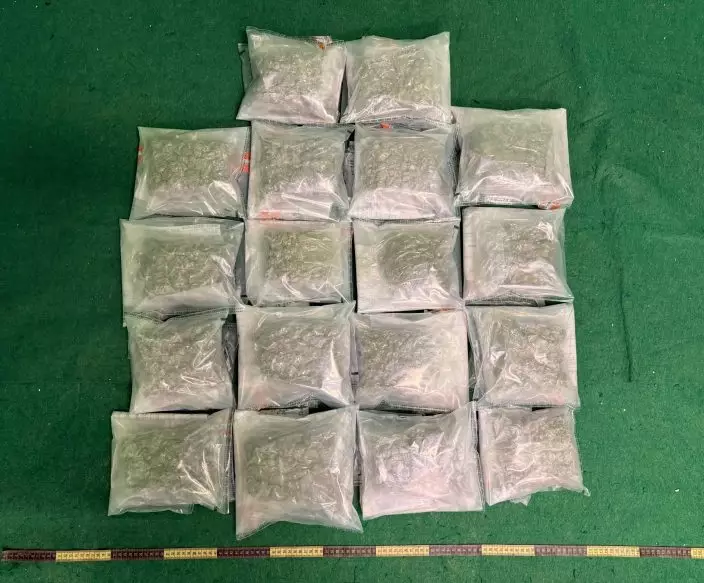
Hong Kong Customs yesterday (August 6) detected a drug trafficking case involving baggage concealment at Hong Kong International Airport. About 6 kilograms of suspected cannabis buds with an estimated market value of about $1.2 million were seized. Photo shows the suspected cannabis buds seized. Source: HKSAR Government Press Releases
CHP investigates case of human infection of rat Hepatitis E virus
The Centre for Health Protection (CHP) of the Department of Health today (September 25) is investigating a case of human infection of rat Hepatitis E virus (HEV). The CHP urges the public to maintain good personal, food and environmental hygiene, and to implement effective rodent prevention and control measures to prevent rat HEV infection.
Case details
--------------
The case involves a 91-year-old man with underlying illnesses. He was sent to the Accident and Emergency Department of Queen Elizabeth Hospital on September 16 due to a fever and weakness in four limbs. Routine blood tests revealed that he had abnormal liver function. His blood sample tested positive for rat HEV upon laboratory testing by the Public Health Laboratory Services Branch under the CHP. The patient's symptoms were relatively mild, and he remains in stable condition. After receiving treatment, he recovered and was discharged on September 21.
The CHP's epidemiological investigation revealed that the patient lives in a Residential Care Home for the Elderly (RCHE) in Kowloon City District and primarily spends his time in the RCHE and in the vicinity of the Homantin Plaza. The patient had no travel history during the incubation period. The case is classified as a locally acquired case. According to the information provided by the patient, the RCHE staff and the patient's family, the patient had no direct contact with rodents or rats, nor were rats observed in the RCHE. Apart from the meals provided by the RCHE, the patient dines at a restaurant in Homantin Plaza with his family at least once or twice a week. The CHP does not rule out that the patient might have come into indirect contact with places or food contaminated by rats or their excreta during the incubation period. His family, other residents and staff of the RCHE have no symptoms currently and has been put under medical surveillance.
Staff from the CHP and the Food and Environmental Hygiene Department (FEHD) have conducted site inspections of the environmental hygiene conditions at the RCHE concerned and in the areas where the patient regularly spends time. They also dispatched staff to inspect the food premises where the patient frequently visited. During the inspection, it was found that the hygiene condition within the food premises was substandard and signs of rodent activity were detected. The FEHD initiated a prosecution to the person-in-charge of the food premises concerned under the Food Business Regulation (Cap. 132X), and will serve a Notice of Elimination of Vermin pursuant to section 47 of the Public Health and Municipal Ordinance (Cap. 132). The FEHD will strengthen cleaning, disinfection and rodent control work in the public areas near the locations where the patient visited.
The CHP and the FEHD will continue to investigate the source and route of infection of this case.
This is the third case of human infection of rat HEV recorded so far this year.
Symptoms of rat hepatitis E
--------------------------------
Human cases of rat hepatitis E virus infection affect mostly immunocompromised persons. Most cases are asymptomatic, while symptomatic patients reported mild symptoms, such as fatigue, abdominal pain and loss in appetite. It is less likely for patients with rat HEV infection to develop jaundice compared to HEV infected patients.
Prevention
--------------
The possible routes of transmission of rat HEV to humans include ingestion of food or water contaminated by rodents or their excreta, exposure to environments or objects contaminated by rodents or their excreta and direct contact with rodents or their excreta. The HEV that usually causes human infection is mainly transmitted through the faecal-oral route.
To prevent infection, the members of the public should maintain good personal, food and environmental hygiene. For example, they should wash their hands thoroughly before eating, store food properly or in the refrigerator, avoid leaving food at room temperature for a long time, and use 1:99 diluted household bleach for general household cleaning and disinfection as household detergents may not kill HEV.
The Five Keys to Food Safety should be adopted when handling food, i.e. Choose (choose safe raw materials), Clean (keep hands and utensils clean), Separate (separate raw and cooked food), Cook (cook thoroughly) and Safe Temperature (keep food at a safe temperature), to prevent food-borne diseases.
In general, rodents (such as rats) can transmit multiple diseases to humans, both directly and indirectly. The public is advised to take the following measures:
- Eliminate sources of food and nesting places for rodents in the living environments. Store food in covered containers and handle pet food properly to prevent it frombecoming food for rodents;
- Store all refuse and food remnants in dustbins with well-fitted covers. Dustbins must be emptied at least once a day;
- Keep premises, especially refuse rooms and stairways, clean. Avoid accumulation of articles;
- Inspect all flower beds and pavements regularly for signs of rodent infestation; and
- Avoid the high-risk activities below to reduce rodent contact:
- Avoid contact with rodents and areas contaminated by rodent excreta;
- Avoid handling rodents with bare hands;
- Wash hands with liquid soap and water immediately after handling animals, and disinfect contaminated areas; and
- If a wound appears, clean the broken skin immediately and cover it properly with waterproof adhesive dressings.
Rodent control requires co-operation from all sectors of society. The CHP urged the public to strengthen rodent prevention and control measures and co-operate with government's efforts to reduce the risk of rat HEV transmission.
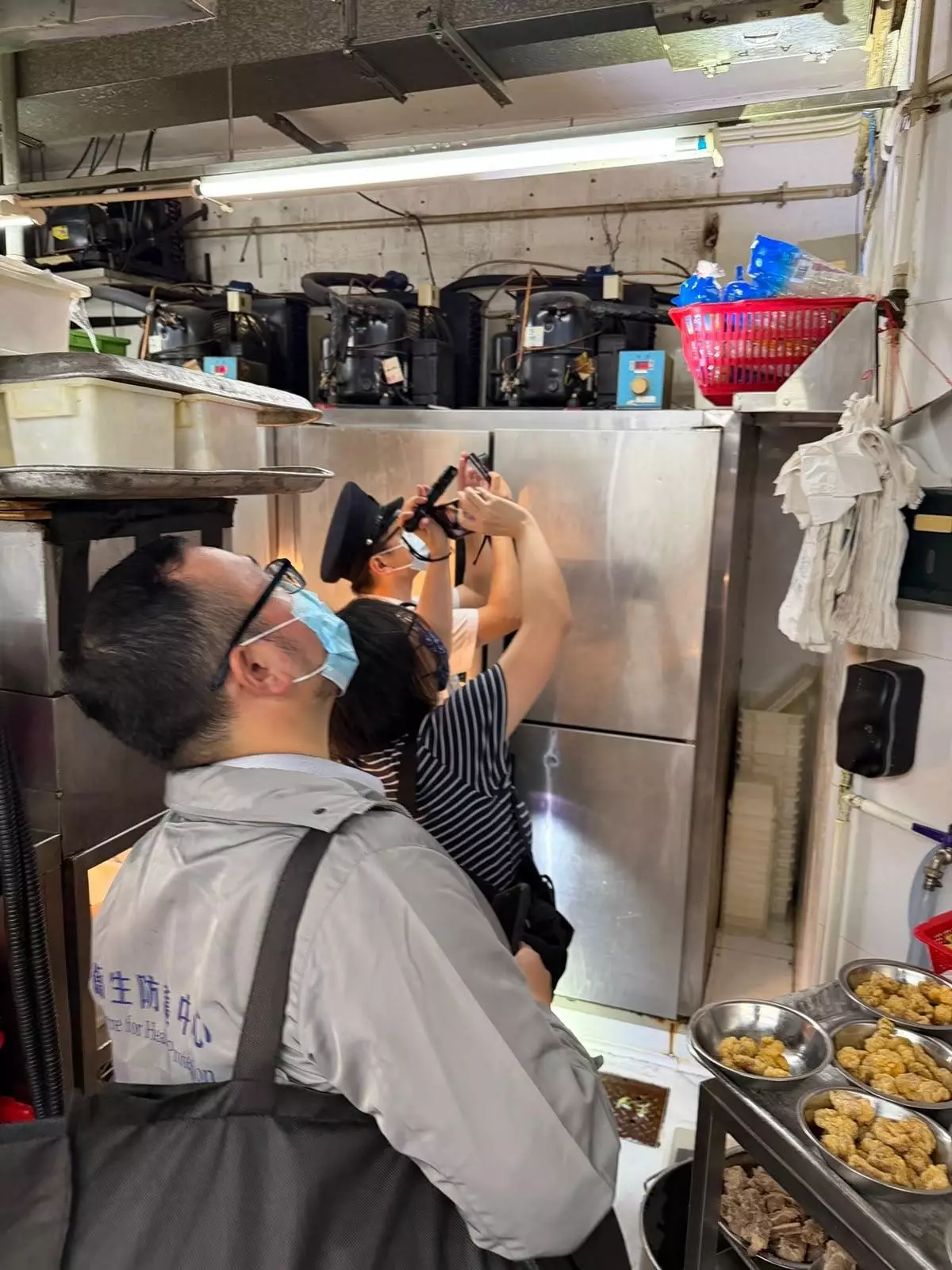
CHP investigates case of human infection of rat Hepatitis E virus Source: HKSAR Government Press Releases
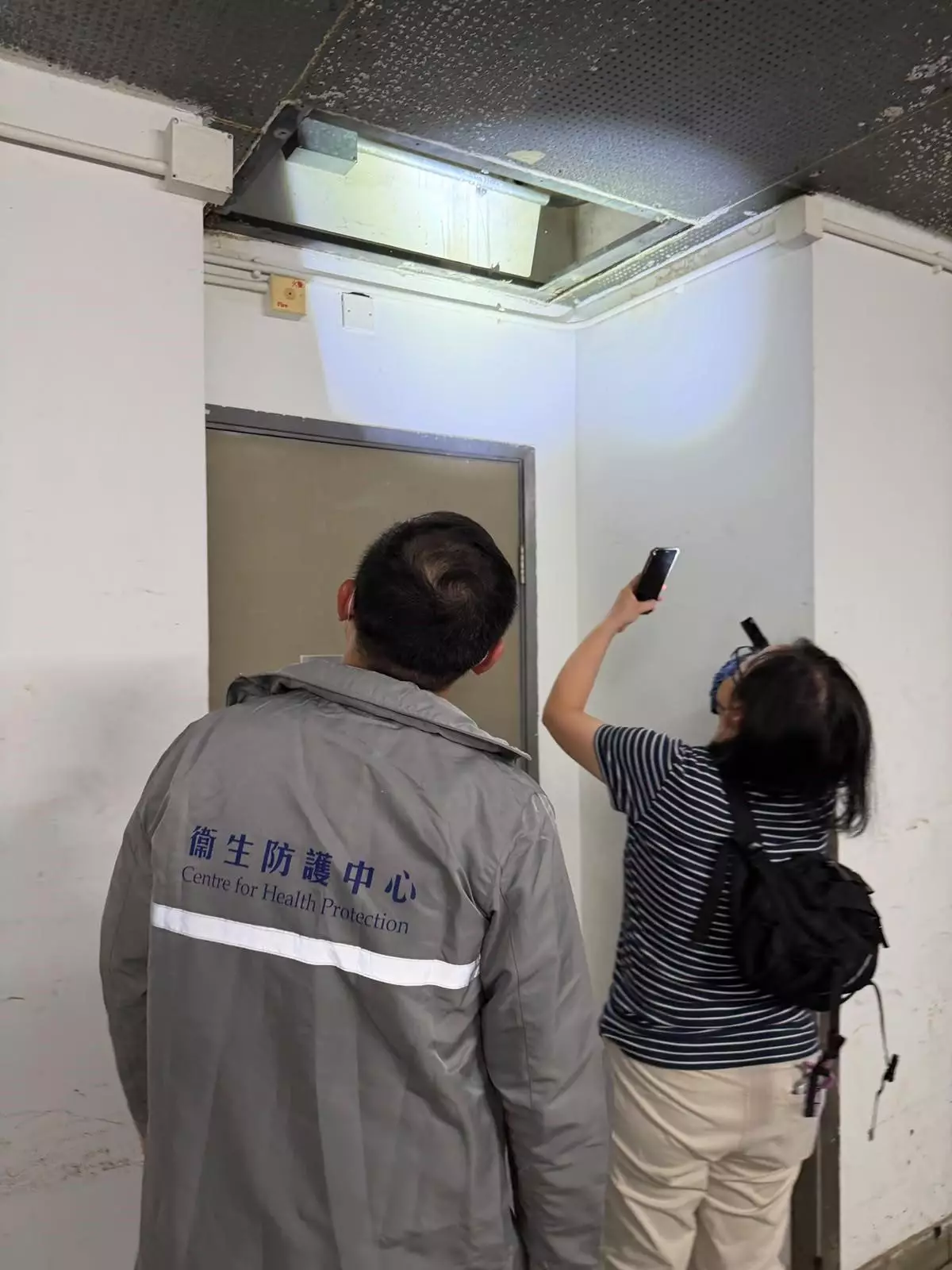
CHP investigates case of human infection of rat Hepatitis E virus Source: HKSAR Government Press Releases
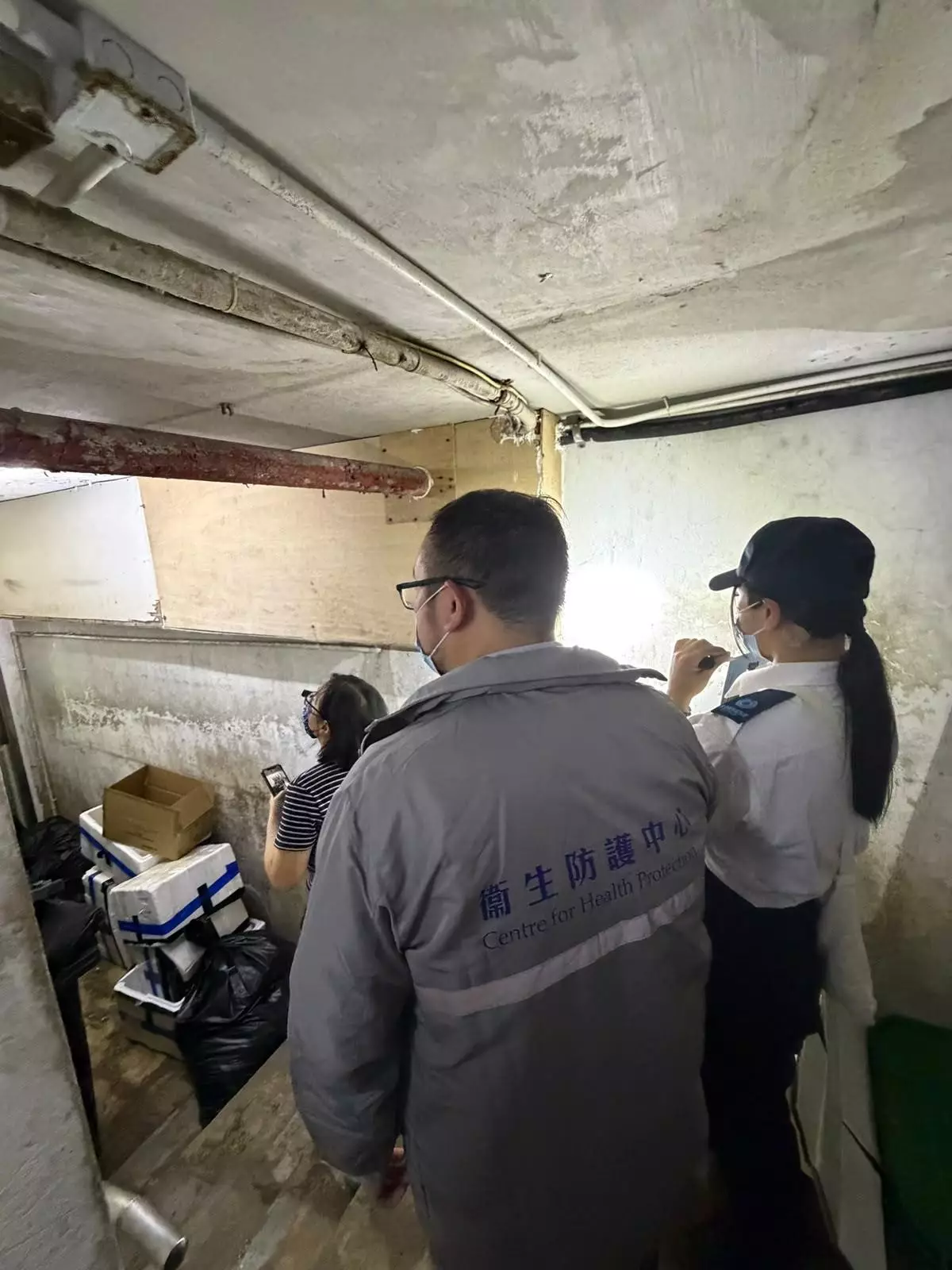
CHP investigates case of human infection of rat Hepatitis E virus Source: HKSAR Government Press Releases