Skip to Content Facebook Feature Image

HKMA: HKD Remains Broadly Stable Amid Economic Growth and Market Trends

HK

HKMA: HKD Remains Broadly Stable Amid Economic Growth and Market Trends
HK

HK

HKMA: HKD Remains Broadly Stable Amid Economic Growth and Market Trends

2026-08-07 16:30 Last Updated At:18:55

Record of discussion of meeting of Exchange Fund Advisory Committee Currency Board Sub-Committee held on July 2

The following is issued on behalf of the Hong Kong Monetary Authority:

(Approved for Issue by the Exchange Fund Advisory Committee on July 15, 2026)
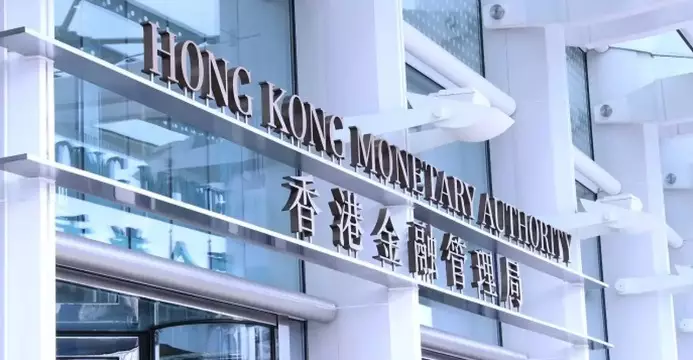
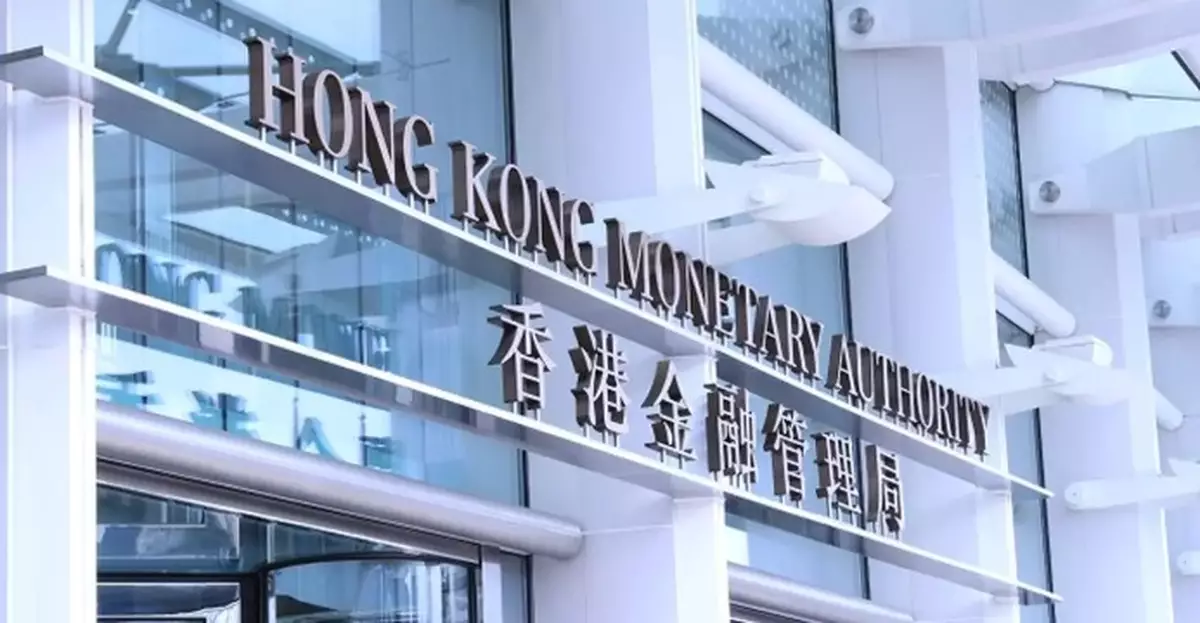
The Hong Kong Monetary Authority, Photo source: reference image

The Hong Kong Monetary Authority, Photo source: reference image

Report on Currency Board Operations (April 23 - June 22, 2026)

------------------------------------------------------------------------

The Currency Board Sub-Committee (Sub-Committee) noted that the Hong Kong dollar (HKD) traded within a range of 7.8289 - 7.8397 against the US dollar (USD) during the review period. The HKD remained broadly stable, with fluctuations largely driven by flows related to Southbound Stock Connect and other capital market activities. While HKD interbank rates (HIBORs) generally tracked their USD counterparts under the Linked Exchange Rate System, they were also influenced by the local supply and demand of HKD funding. The overnight HIBOR recorded occasional upticks, reflecting month-end and capital market-related funding demands, while HIBORs at longer tenors increased modestly during the reporting period. The Convertibility Undertakings were not triggered and the Aggregate Balance was stable at around HK$54 billion. No abnormality was noted in the usage of the Discount Window. Overall, the HKD exchange and interbank markets continued to trade in a smooth and orderly manner.

The Sub-Committee noted that the Monetary Base increased to HK$2,072.94 billion at the end of the review period. In accordance with the Currency Board principles, all changes in the Monetary Base had been fully matched by changes in foreign reserves.

Monitoring of Risks and Vulnerabilities

-------------------------------------------

The Sub-Committee noted that in the US, the economy had sustained its growth momentum, supported by robust artificial intelligence (AI) capital expenditure and resilient consumption. However, the energy-related inflation driven by the prolonged Middle East conflict, coupled with a stronger-than-expected labour market, had reignited concerns about potential Federal Reserve rate hikes. Meanwhile, growing fiscal sustainability concerns had led to a surge in long-end yields, adding further pressure on the fiscal position down the road.

The Sub-Committee noted that in Asia-Pacific, regional economies showed solid growth in Q1 despite the Middle East conflict, partly due to robust AI-driven exports. Yet, the energy shock had boosted regional inflation, which together with the downward pressures on some regional currencies, prompted several regional central banks to raise their policy rates significantly.

The Sub-Committee noted that in the Chinese Mainland, despite strong AI-driven external trade, overall economic growth moderated and key domestic activities missed expectations in April and May. The housing market remained generally soft, but top-tier cities performed relatively better. Although producer price inflation rose notably amid the global energy shocks, consumer price inflation remained subdued. Overall, risks to Q2 economic growth were tilted to the downside.

The Sub-Committee noted that in Hong Kong, economic growth accelerated in Q1, driven by broad-based strengthening in both domestic and external demand, with the momentum continuing into Q2. Inflation picked up but stayed in check, while the labour market remained broadly stable. Meanwhile, the housing market maintained its upward momentum, supported by positive market sentiment. The commercial real estate markets remained under pressure, though there were some signs of improvement in the Grade A offices in prime districts. Looking ahead, the economy was expected to remain resilient, although the outlook remained subject to downside risks stemming from the Middle East conflict, the sustainability of the AI investment boom, evolving global trade policies and the US policy rate path.  

Fast Interface for New Issuance (FINI) and the HKD Interbank Market During Initial Public Offerings (IPOs)

-----------------------------------------------------------------------------------------------------------------------

The Sub-Committee noted a paper that examined how FINI helped reduce IPO-related interbank fund transfers and moderate short-term HIBOR fluctuations.
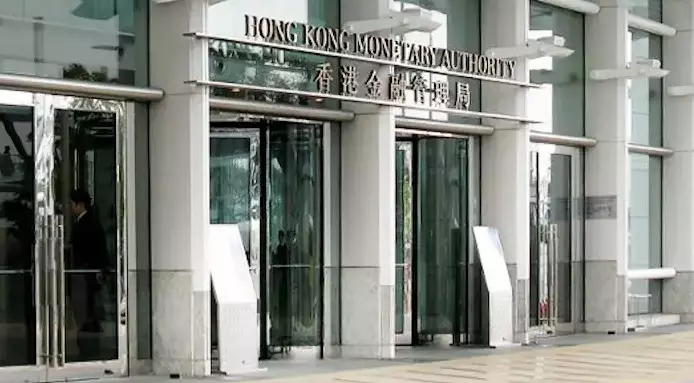
The Hong Kong Monetary Authority, Photo source: reference image

The Hong Kong Monetary Authority, Photo source: reference image

Speech by DSJ at forum on "Legal and Professional Services Empowering Chinese Enterprises to Enter into Kazakhstan"

Following is the speech by the Deputy Secretary for Justice, Dr Cheung Kwok-kwan, at a forum on "Legal and Professional Services Empowering Chinese Enterprises to Enter into Kazakhstan" organised by the Asia Pacific Law Association today (August 7):

Dr Phyllis Kwong (President of the Asia Pacific Law Association), Consul General Mr Dosmanbetov (Consul General of the Republic of Kazakhstan in Hong Kong, Mr Bauyrzhan Dosmanbetov), (Deputy Secretary-General of the China Overseas Development Association, Ms Liu Jianqing), distinguished speakers, guests, ladies and gentlemen,

Good afternoon. It is a great pleasure to join today's forum organised by the Asia Pacific Law Association.

In June, I had the privilege of joining a highly fruitful delegation led by the Chief Executive to Kazakhstan in my capacity as the Deputy Secretary for Justice as well as the Chairman of the Expert Committee on Professional Services for Going Global.

That visit reinforced a clear message: Hong Kong is a natural and indispensable partner not only for Kazakhstan's development, but also for Chinese Mainland enterprises seeking to expand into Kazakhstan and beyond. I would like to share some of my observations.

Opportunities in Kazakhstan

Kazakhstan, the largest country in Central Asia, sits at the strategic crossroads of Europe and Asia. Its economy momentum is remarkable - with growth of 6.5 per cent in 2025 and projected to hold steady at 4.8 per cent in 2026. As a global heavyweight in energy fuels and critical minerals, and a vital node of the Belt and Road Initiative, Kazakhstan is not just opening its markets, but undergoing profound economic transformation.

Its young and tech-savvy population is driving unprecedented demand for digital services, modern infrastructure, and sophisticated financial products. This creates a fertile ground for partnership.

I am certain that the Consul General will share more on Kazakhstan's latest development in a minute.

Hong Kong's Unique "Hub-to-Hub" Role

Let me now focus on how Hong Kong serves as the ideal "hub" to connect with Kazakhstan's growing "hub" - a "hub-to-hub" collaboration as remarked by the Chief Executive in our recent visit.

Under the "one country, two systems" principle, Hong Kong is more than a gateway. We are the active catalyst.

Hong Kong as the Premier Financial Hub

First, let's consider our financial market. In the first quarter of 2026, our stock market ranked first globally in IPO (initial public offering) funds raised. This liquidity is matched by a deep and robust bond market, evidenced by the Development Bank of Kazakhstan's issuance of Renminbi "dim sum" bonds in Hong Kong.

We serve as a deal-making bridge connecting Kazakh capital with high-growth Mainland sectors. This is essential for pre-IPO financing through which Chinese businesses' capital base would be diversified while enriching Kazakh financial industry's investment portfolio.

On capital market listings, we facilitate dual access. Last year, we welcomed the first simultaneous dual listing on the Hong Kong and Astana exchanges of a Mainland mining firm. By tapping into investor bases simultaneously, the company was able to raise more funds than it could have through a single listing.

Meanwhile, Kazakhstan's national railway company wholly-owned by its sovereign wealth fund has recently submitted its listing application to the Stock Exchange of Hong Kong. This showcases how Hong Kong also acts as the premier gateway for Kazakh state-owned enterprises seeking international expansion and funding.

The Common Law Advantage

Behind every successful transaction lies a solid legal foundation. The Astana International Financial Centre in Kazakhstan has established a special jurisdiction operating under common law principles. This mutual legal grounding in common law gives Hong Kong a distinctive edge in safeguarding cross-border transactions with predictability.

First, on investment infrastructure. Complex and multi-jurisdictional Belt and Road projects require sophisticated legal engineering with expertise in cross-border regulatory landscape. Hong Kong lawyers, with rich experience and a wide network, navigate the intersection of common law, international regulations, and Chinese corporate governance to ensure the projects' sustainability.

Second, on dispute resolution. Hong Kong offers a regulatory framework that delivers the certainty and effectiveness for cross-border dispute resolution. We have established a comprehensive mutual legal assistance network with the Chinese Mainland, enabling distinctive advantages no other jurisdiction could match, including in mutual enforcement of civil and commercial judgments and interim measures for arbitral proceedings.

Our Judiciary is setting up the Hong Kong International Commercial Court (HKICC), a specialist division of the High Court, to adjudicate complex, high-value international and cross-border commercial disputes. The HKICC, together with the Hong Kong International Arbitration Centre and the International Organization for Mediation headquartered in Hong Kong, will provide businesses with a comprehensive range of dispute resolution options.

Our Initiatives

Now that you have a clearer picture of how Hong Kong's world-leading financial market with quality professional services could assist businesses to seize Kazakh opportunities. The next question is: how to find your suitable advisors?

To strengthen the connection between enterprises and Hong Kong's professional services, the Department of Justice (DoJ) has launched several new initiatives.

We have been leading mission trips to the Chinese Mainland and beyond, directly linking Hong Kong's legal and other professionals with enterprises seeking to go global. These are not just networking events but matchmaking platforms for concrete business needs.

This April, the DoJ published the Panel List of Hong Kong Legal Service Providers Supporting "Go Global", detailing their practice areas, such as capital markets, taxation, etc, and the industries they have assisted.

We have also compiled two collections of success stories, showcasing the track record of Hong Kong's legal, accounting, financial and business consultancy services.

With these tools, businesses could appreciate in practical terms the value our professional services could create, backing their full business cycle.

Ladies and gentlemen, the distinctive advantages of Hong Kong's financial and legal infrastructures position us to play a pivotal role in supporting closer collaboration with Kazakhstan. I look forward to working together with you to build better partnerships among Chinese Mainland enterprises, Hong Kong and Kazakhstan. I wish today's event a huge success. Thank you very much.

Photo

Photo

Speech by DSJ at forum on "Legal and Professional Services Empowering Chinese Enterprises to Enter into Kazakhstan" Source: HKSAR Government Press Releases

Speech by DSJ at forum on "Legal and Professional Services Empowering Chinese Enterprises to Enter into Kazakhstan" Source: HKSAR Government Press Releases

Recommended Articles