Lindsay Clancy ’s lawyer probed her psychiatrist's expertise, prescribing decisions and overall treatment as the defense sought Monday to suggest that the mental healthcare system mishandled the Massachusetts mother's decline in the months before she killed her three young children.
In questioning Dr. Jennifer Tufts, defense lawyer Kevin Reddington spotlighted her use of 25-minute video appointments with limited time for talk therapy, the computerized forms that documented her observations, and the series of pharmaceuticals she recommended as Clancy reported various side effects, symptoms and concerns about taking medications.
Click to Gallery
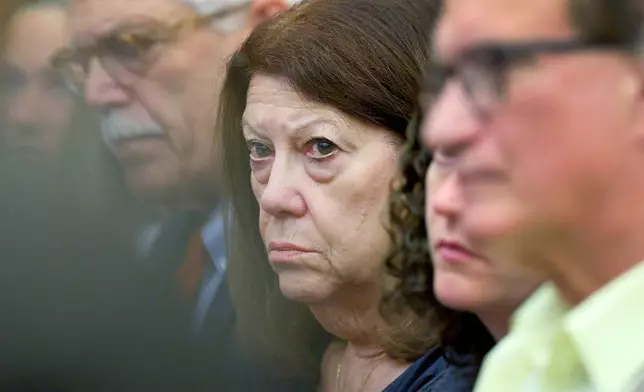
Defendant Lindsay Clancy's mother Paula listens during her daughter's murder trial at Plymouth Superior Court in Plymouth, Mass., Monday, Aug. 10, 2026. (Greg Derr/The Patriot Ledger via AP, Pool)
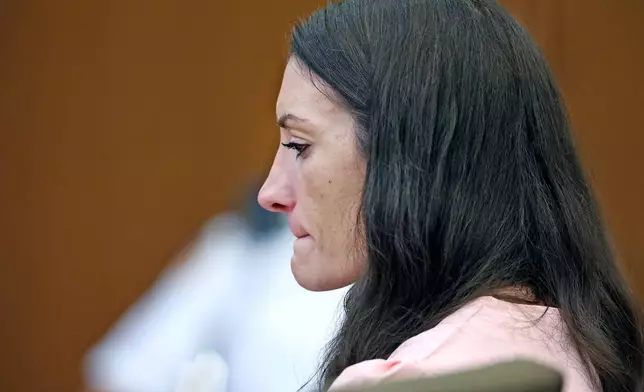
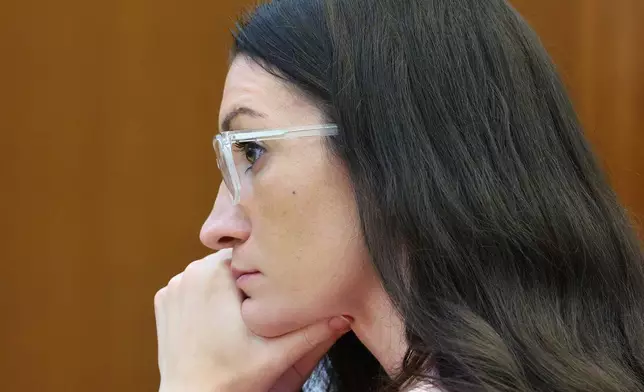
Defendant Lindsay Clancy listens to Dr. Jennifer Tufts on the witness stand during her murder trial at Plymouth Superior Court in Plymouth, Mass., Monday, Aug. 10, 2026. (Greg Derr/The Patriot Ledger via AP, Pool)
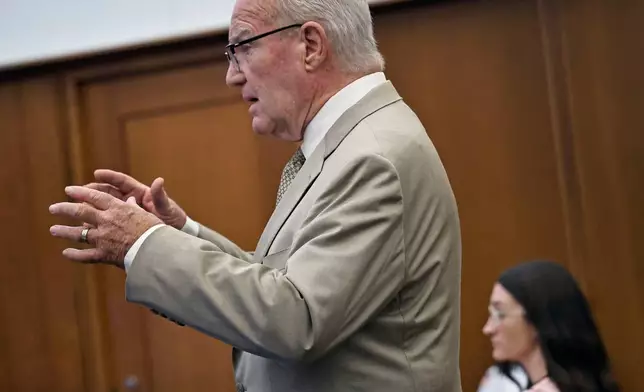
Defense attorney Kevin Reddington cross examines Dr. Jennifer Tufts who treated Lindsay Clancy during Clancy's murder trial at Plymouth Superior Court in Plymouth, Mass., Monday, Aug. 10, 2026. (Greg Derr/The Patriot Ledger via AP, Pool)
Defendant Lindsay Clancy listens to Dr. Jennifer Tufts on the witness stand during her murder trial at Plymouth Superior Court in Plymouth, Mass., Monday, Aug. 10, 2026. (Greg Derr/The Patriot Ledger via AP, Pool)
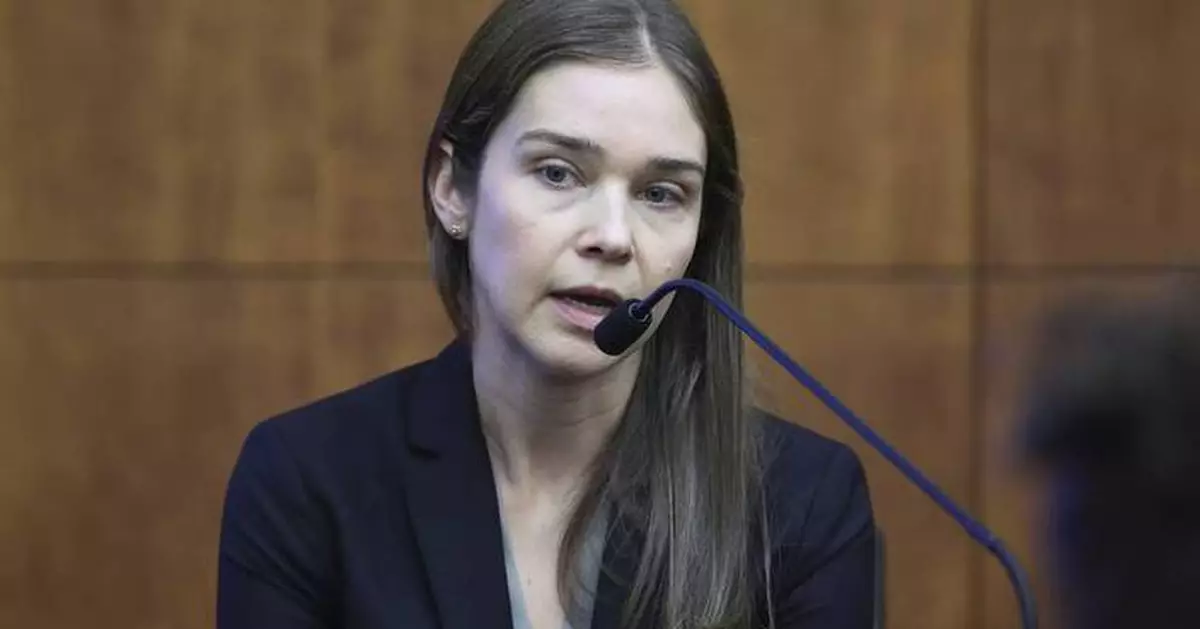
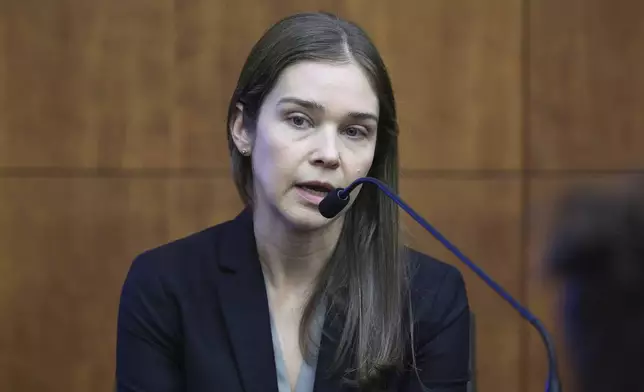
Psychiatrist Dr. Jennifer Tufts speaks on the witness stand during Lindsay Clancy's murder trial at Plymouth Superior Court in Plymouth, Mass., Monday, Aug. 10, 2026. (Greg Derr/The Patriot Ledger via AP, Pool)
Reddington portrayed Clancy’s care not as common practice in U.S. mental healthcare, but rather as inadequate and indifferent treatment of a deteriorating patient. At one point, Reddington implied that the doctor was a box-checking “robot.”
“What did you do? You had a woman who was telling you she felt hopeless,” he asked as they discussed an appointment about two months before the killings.
“I told her that this was something we could address, that there was hope, that there are treatments, that there are different types of programs,” Tufts said, “so she knew that she still had options and a reason to hope.”
“Did you ever suggest to her that ‘maybe you should come in and see me, rather than on the computer?’” Reddington asked.
“Talking to her over the video didn’t seem like an issue. It didn’t seem like there was something I was missing,” Tufts replied.
EDITOR’S NOTE: This story includes discussion of suicide. If you or someone you know needs help, the national suicide and crisis lifeline in the U.S. is available by calling or texting 988.
Clancy, 35, has pleaded not guilty to murder charges in the deaths of Callan, Dawson and Cora Clancy, who ranged from 8 months to 5 years old. They were found in the basement of the family’s home in coastal Duxbury, Massachusetts, where their mother was lying in the yard. She had jumped out a second-story window and remains paralyzed from the waist down.
Prosecutors argue that the former labor and delivery nurse was an intentional killer who connived to get her husband out of the house, then strangled the children with exercise bands on Jan. 24, 2023. Prosecutor Shanan Buckingham has urged jurors not to view the trial as “a public debate about women’s mental health and how the medical system treats women.”
Clancy's attorneys don't dispute that she killed the children. But they say she shouldn't be held criminally responsible because she was mentally ill, believing that she heard voices ordering her to take the children's lives and her own.
The defense contends that she was in the grip of bipolar disorder and postpartum psychosis, a rare postpregnancy condition that can alter women's sense of reality. A forensic psychiatrist diagnosed her with those conditions after the killings.
Her attorneys say Clancy did everything she could to seek help: She turned to multiple outpatient providers, tried various drugs they prescribed, called a suicide hotline, went to an emergency room, and approached but wasn't accepted into a hospital-based, full-day treatment program for women with postpregnancy mental health problems. Clancy then even checked herself into a psychiatric hospital for several days.
Rather than improving, her condition worsened on the ever-remixed cocktail of psychiatric medications, some of them problematic for bipolar patients, her attorneys and family say. Tufts noted that it can be difficult to tell whether such conditions as depression are continuing because of a medicine or despite it.
Tufts saw Clancy, via video, from September 2022 until the day before the killings. Her diagnosis: generalized anxiety disorder and an adjustment disorder with depressed mood.
The psychiatrist testified that Clancy never told her about manic episodes, a criterion for bipolar diagnoses, nor about hearing voices or having other signs of psychosis.
Clancy at times said she was “close” to feeling suicidal, hopeless or like she was going to die, Tufts recalled. But she said Clancy denied having a plan to take her own life or harm anyone else and never revealed — as the defense says she did to her husband — that she had thoughts about harming the children.
“I would have been very concerned if I had heard that,” Tufts said.
Clancy is suing Tufts and other practitioners in civil court.
“I do not believe that I’ve been negligent,” Tufts testified in the criminal trial Monday as Reddington questioned how much experience she had treating postpregnancy conditions before Clancy came to her. Tufts finished her psychiatric residency training in July 2022 and joined a private practice the month before Clancy's first appointment.
As Tufts left court after two days of testimony, Clancy sat still in her wheelchair with her knitted hands to her face, looking downward at the defense table.
Prosecutors went on to question psychiatric nurse-practitioner and nurse midwife Julie Paul, a pregnancy and postpregnancy specialist whom Clancy consulted briefly in November 2022. Their interactions spanned about 10 days, as Paul was leaving for another job.
Paul testified that Clancy came to her with concerns about medications she'd been using for sleep, and that led to a few reshufflings as Clancy continued reporting various symptoms and seeking new solutions by the day. Trial-and-error switching isn't unusual in psychiatry, said Paul, who also said Clancy never told her of any thoughts of harming herself or her children or having any hallucinations.
Reddington will have his chance to question Paul on Tuesday.
If convicted of murder, Clancy faces life in prison without parole. If found not guilty due to a lack of criminal responsibility, she would be committed to a state mental health facility.
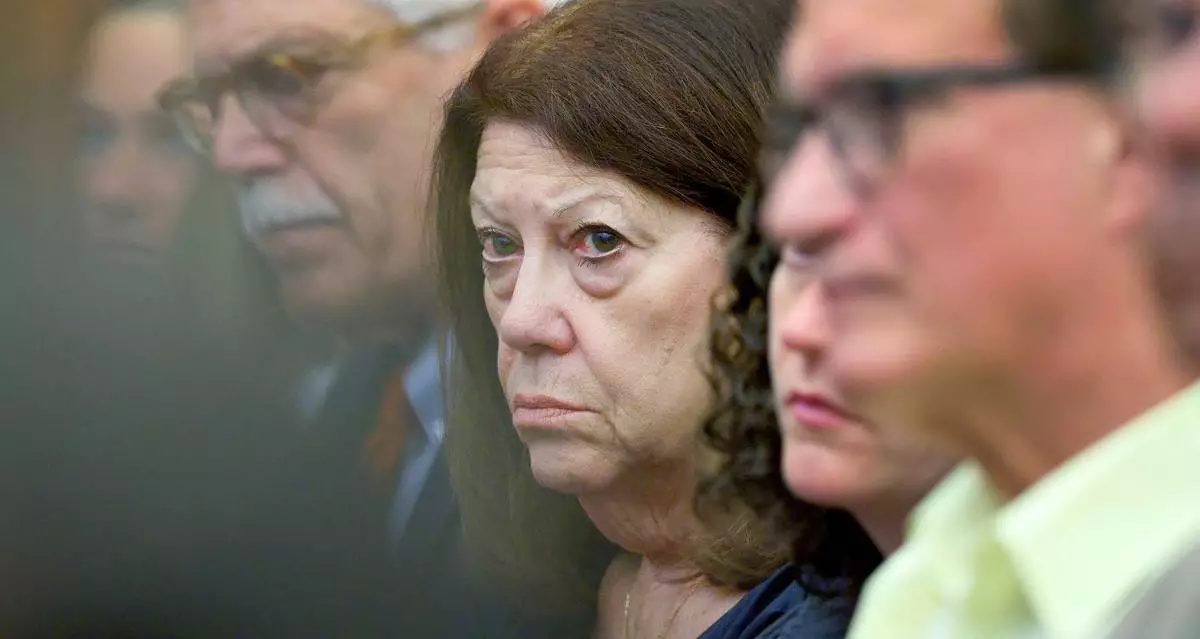
Defendant Lindsay Clancy's mother Paula listens during her daughter's murder trial at Plymouth Superior Court in Plymouth, Mass., Monday, Aug. 10, 2026. (Greg Derr/The Patriot Ledger via AP, Pool)
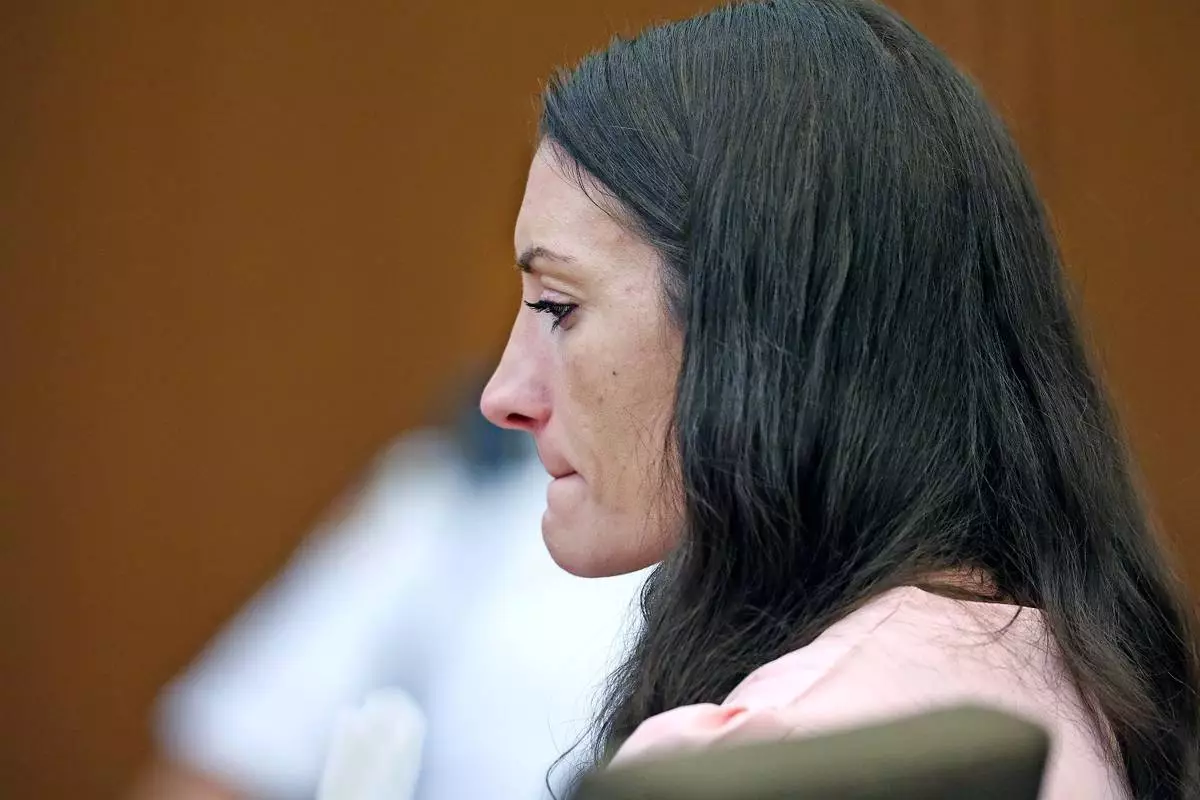
Defendant Lindsay Clancy listens to Dr. Jennifer Tufts on the witness stand during her murder trial at Plymouth Superior Court in Plymouth, Mass., Monday, Aug. 10, 2026. (Greg Derr/The Patriot Ledger via AP, Pool)
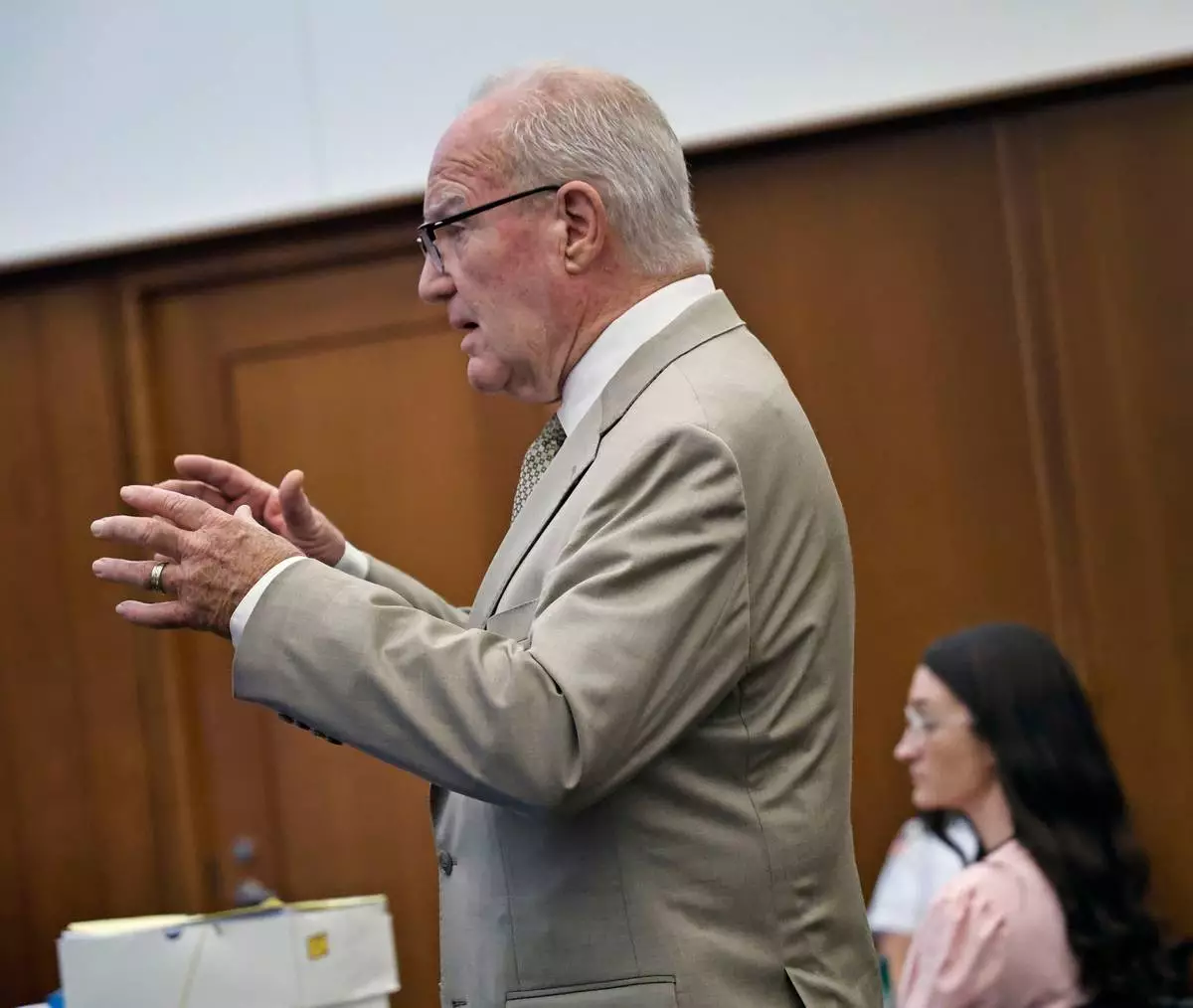
Defense attorney Kevin Reddington cross examines Dr. Jennifer Tufts who treated Lindsay Clancy during Clancy's murder trial at Plymouth Superior Court in Plymouth, Mass., Monday, Aug. 10, 2026. (Greg Derr/The Patriot Ledger via AP, Pool)
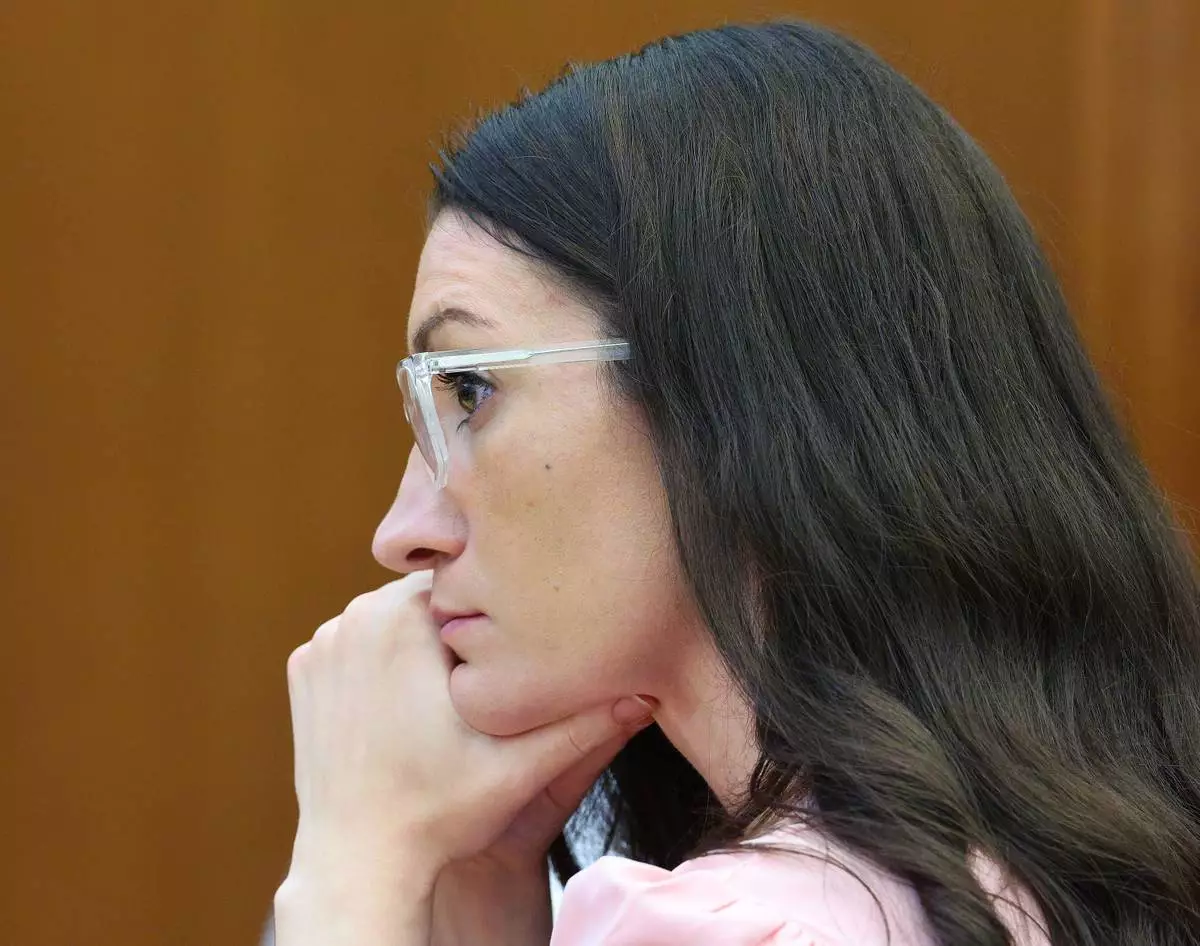
Defendant Lindsay Clancy listens to Dr. Jennifer Tufts on the witness stand during her murder trial at Plymouth Superior Court in Plymouth, Mass., Monday, Aug. 10, 2026. (Greg Derr/The Patriot Ledger via AP, Pool)
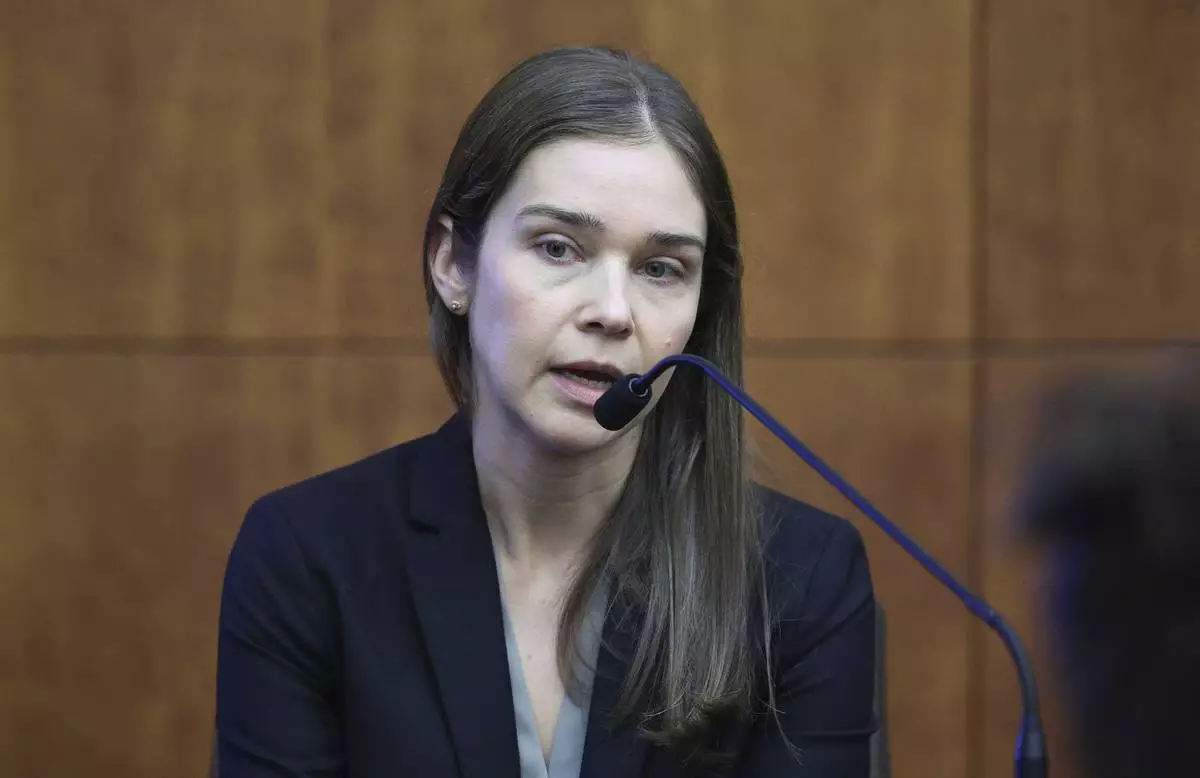
Psychiatrist Dr. Jennifer Tufts speaks on the witness stand during Lindsay Clancy's murder trial at Plymouth Superior Court in Plymouth, Mass., Monday, Aug. 10, 2026. (Greg Derr/The Patriot Ledger via AP, Pool)
MADISON, Wis. (AP) — Progressive candidates for governor in Wisconsin and U.S. Senate in Minnesota are making their final pushes ahead of Tuesday's election, increasing the pressure on a Democratic establishment that has spent the year on its heels.
The primaries come a week after Abdul El-Sayed narrowly defeated Rep. Haley Stevens in Michigan’s divisive and costly U.S. Senate primary. El-Sayed's victory has energized the left while stoking fears among Democratic Party leaders that the shift to the left, particularly in battleground states like Michigan and Wisconsin, will make it more difficult to win in November.
In Wisconsin, democratic socialist Francesca Hong is trying to win a four-way Democratic primary for governor where her top opponent has been endorsed by popular Gov. Tony Evers, who isn't seeking a third term.
Evers got behind Milwaukee County Executive David Crowley on July 18, the same day Crowley reentered the race after dropping out 10 days earlier. Crowley rejoined after the candidate he backed, Lt. Gov. Sara Rodriguez, ended her candidacy amid a campaign finance scandal.
Evers and Crowley were crisscrossing the state together in the last days before final ballots are cast Tuesday.
“I feel like we caught lightning in a bottle,” said Crowley, standing next to Evers at a stop to thank campaign volunteers in Madison on Monday. “Momentum is just growing and growing and growing.”
Evers and more establishment Democrats were hoping to finally coalesce around Crowley in the final days of the chaotic primary that saw two other candidates drop out, most notably former Lt. Gov. Mandela Barnes on July 29.
Barnes and Rodriguez, who were both seen as potential front-runners, remain on the ballot and absentee votes already cast for them can’t be undone.
Republicans are putting money behind Hong, thinking she will be the better matchup for Republican U.S. Rep. Tom Tiffany in November. The Republican Governors Association has spent nearly $3.6 million through its Right Direction Wisconsin PAC on ads contrasting Hong with President Donald Trump and playing up her liberal policies.
Crowley and other Democrats argue the ads are meant to bolster Hong's standing in the primary because Republicans see her as the easier opponent.
Evers projected confidence at a rally that attracted hundreds of people in Hong’s hometown of Madison on Sunday night, saying Crowley was the best chance Democrats had to defeat Tiffany.
“We’re going to win this thing,” Evers said, telling the Crowley supporters that Tiffany would be “the worst governor in the history of Wisconsin.”
“If Tom Tiffany wins in November that will be like electing Donald Trump as governor of the state of Wisconsin,” he said.
Crowley urged Democrats to come together after the primary to beat Tiffany.
“Our ultimate goal is to make sure we don’t have a MAGA extremist occupying the governor’s office,” Crowley said.
Hong, speaking to supporters Monday afternoon, said the coalition she built isn't just about winning the primary.
“We have to come together to defeat Tom Tiffany,” she said, adding that she would welcome Evers campaigning with her after the primary.
“This is about uniting,” she said.
Tiffany, one of the most conservative members of Congress, is endorsed by Trump.
The president called Hong a communist in remarks on Wednesday, where he mentioned a 2020 social media post by Hong calling for Thanksgiving to be canceled. Asked about the post this week, Hong reversed herself and said that Thanksgiving was her favorite holiday.
Trump won Wisconsin in 2016 and 2024, and Republicans have held majorities in both chambers of the Legislature since 2011. Holding onto the governor's office is key to Wisconsin Democrats' effort to gain full control of state government for the first time in 16 years.
In the race to replace Tiffany, U.S. Transportation Secretary Sean Duffy's son-in-law Michael Alfonso is in a five-person Republican primary. Alfonso, who is trying to represent Duffy's old congressional district, has Trump's endorsement.
In neighboring Minnesota, voters are choosing between moderate U.S. Rep. Angie Craig and progressive Lt. Gov. Peggy Flanagan in a Democratic U.S. Senate primary that’s playing out in the aftermath of Trump’s aggressive immigration enforcement surge in the state.
The race has been shaped by the killing of Renee Good and Alex Pretti by federal immigration officers in Minneapolis, confrontations that were caught on camera and fueled a backlash to Trump’s immigration policies.
Both Craig and Flanagan spent the weekend traversing the Twin Cities metro area.
In a driveway in suburban Eagan on Sunday, Craig spoke to the angst among Democratic primary voters who feel that Washington isn’t working for them. Members of Congress need to stop trading stocks and becoming lobbyists when they leave office, she said, and the U.S. needs to restrict the flood of corporate campaign spending.
“But the only way we pass any of the progressive policies that all of us here support is by winning elections and taking damn majorities,” she said.
Unlike in Wisconsin, where the incumbent governor has endorsed a candidate in the race to succeed him, Minnesota Gov. Tim Walz has not gotten involved in the Senate primary. But his wife, Gwen Walz, has endorsed Craig and campaigned with her on Sunday.
Flanagan campaigned Saturday with U.S. Sen. Chris Van Hollen, a Maryland Democrat, who helped her make the case that Washington needs a shake-up to root out the deep-pocketed forces propping up a broken status quo.
“It is big corporations, it’s special interests who are putting their thumb on the scale in our elections across the country,” Flanagan said. “And it’s not just Republicans. It’s Democrats, too.”
The race has been one of the most expensive Minnesota has seen, with millions of dollars backing both candidates, but disproportionately falling in Craig’s favor.
Whoever wins the primary will be the front-runner to replace retiring Democratic Sen. Tina Smith in November. Minnesota voters haven’t elected a Republican to a statewide office since 2006.
Mike Lindell, the founder of MyPillow, is a top Republican candidate in the governor's race. He's endorsed by Trump, and he was a prominent promoter of falsehoods about election fraud. U.S. Sen. Amy Klobuchar is in a six-person primary on the Democratic side.
Two veteran Democratic incumbents in Connecticut face challenges from the left.
Moderate Democratic Gov. Ned Lamont is running for a third term but faces progressive state Rep. Josh Elliott. The Democratic nominee will face Republican state Sen. Ryan Fazio in November.
Longtime Democratic U.S. Rep. John Larson, 78, is running for a 15th term and his age and health have been major issues in the four-person race.
Former Hartford Mayor Luke Bronin narrowly won the party's endorsement at its state convention in May. Other candidates are Hartford Board of Education member Ruth Fortune and state Rep. Jillian Gilchrest.
In Vermont, two Democrats are running in for a chance to take on Republican Gov. Phil Scott.
Former child advocacy organization CEO Aly Richards boasts endorsements from former Democratic Govs. Howard Dean and Madeleine Kunin. She faces economist Amanda Janoo.
Follow the AP’s coverage of the 2026 election at https://apnews.com/projects/elections-2026/.
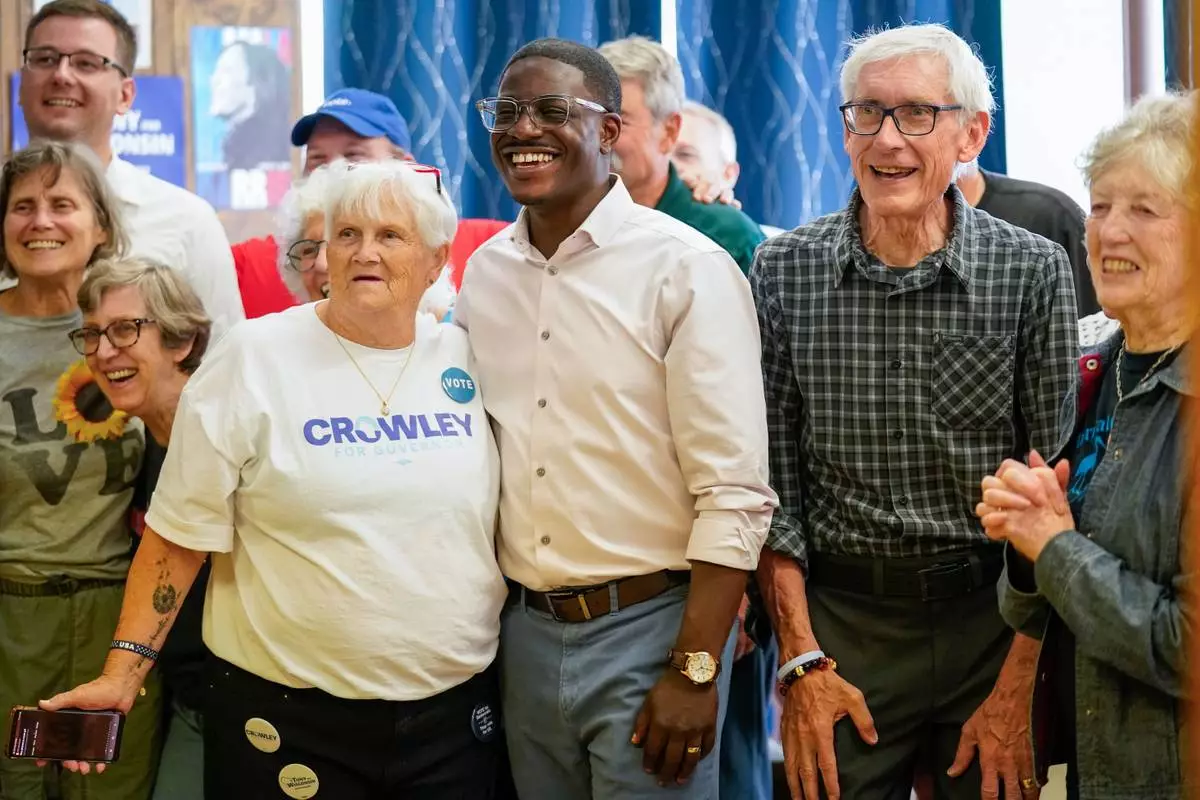
David Crowley, Democratic candidate for Wisconsin governor, center, takes a group photo with Wisconsin Gov. Tony Evers, right, and supporters gathered at the Sheboygan County Democratic Party office during a campaign stop Friday, Aug. 7, 2026, in Sheboygan, Wis. (AP Photo/Kayla Wolf)
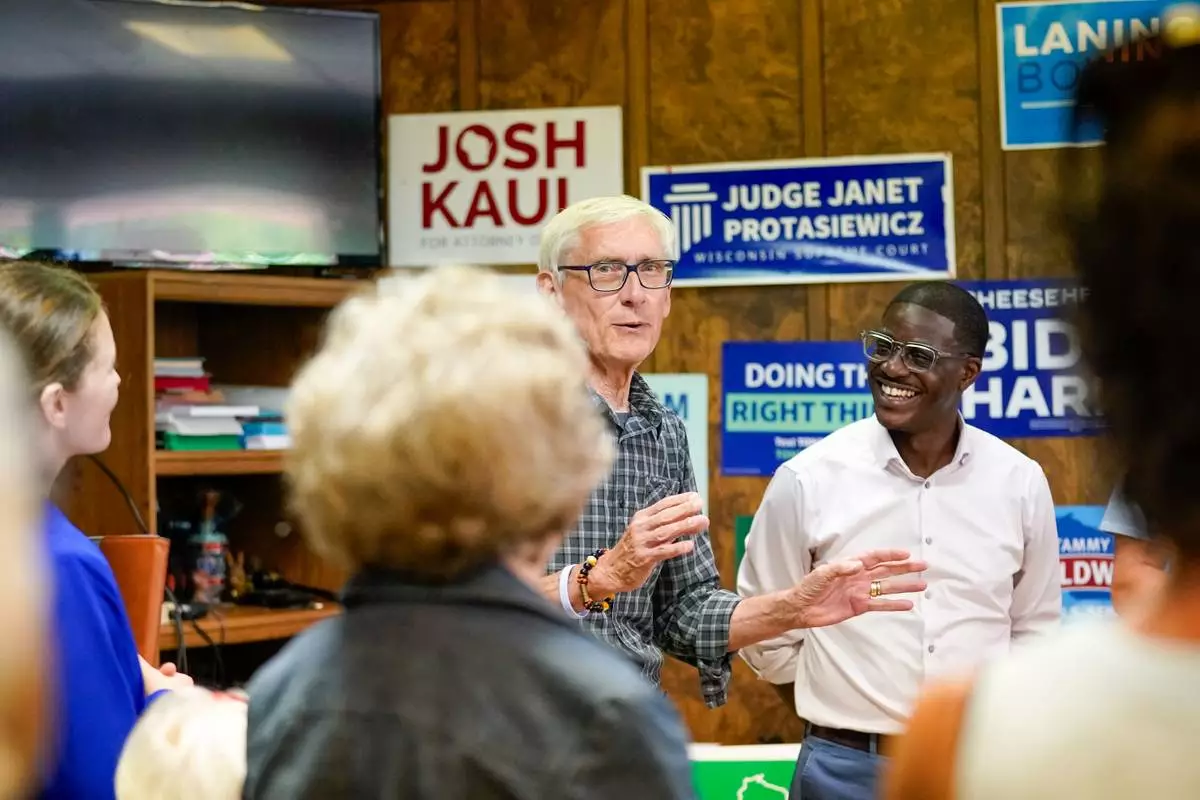
Wisconsin Gov. Tony Evers, center left, speaks in support of David Crowley, right, Democratic candidate for Wisconsin governor while campaigning at the Sheboygan County Democratic Party Friday, Aug. 7, 2026, in Sheboygan, Wis. (AP Photo/Kayla Wolf)

Candidates for Minnesota governor, from left, Sen. Amy Klobuchar, D-Minn., Minnesota House Speaker Lisa Demuth, Mike Lindell and Kendall Qualls participate in a forum at Farmfest, Wednesday, Aug. 5, 2026, in Morgan, Minn. (AP Photo/Ellen Schmidt)

U.S. Rep. Angie Craig, D-Minn., left, and Minnesota Lt. Gov. Peggy Flanagan participate in a forum for U.S. Senate candidates at Farmfest Wednesday, Aug. 5, 2026, in Morgan, Minn. (AP Photo/Ellen Schmidt)
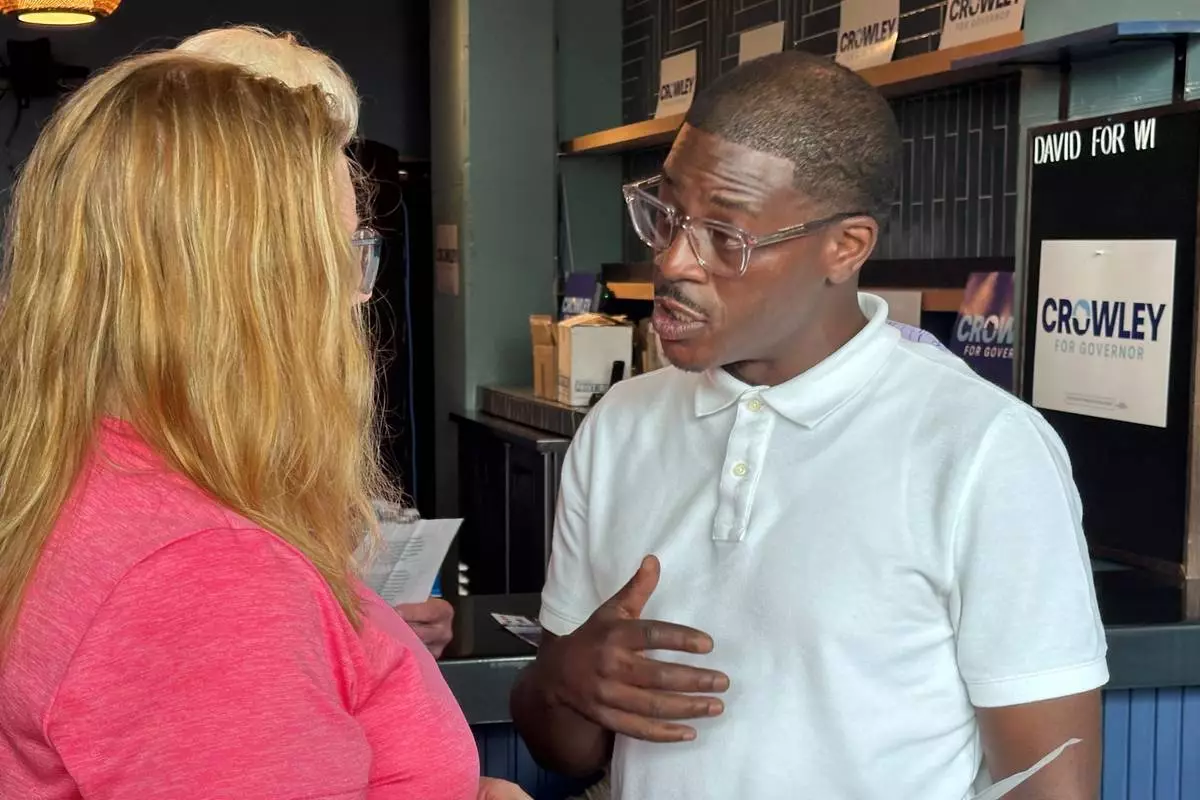
David Crowley, Democratic candidate for Wisconsin governor, speaks with supporter Abigail Tessmann during a campaign stop Wednesday, Aug. 5, 2026, in Madison, Wis. (AP Photo/Scott Bauer)
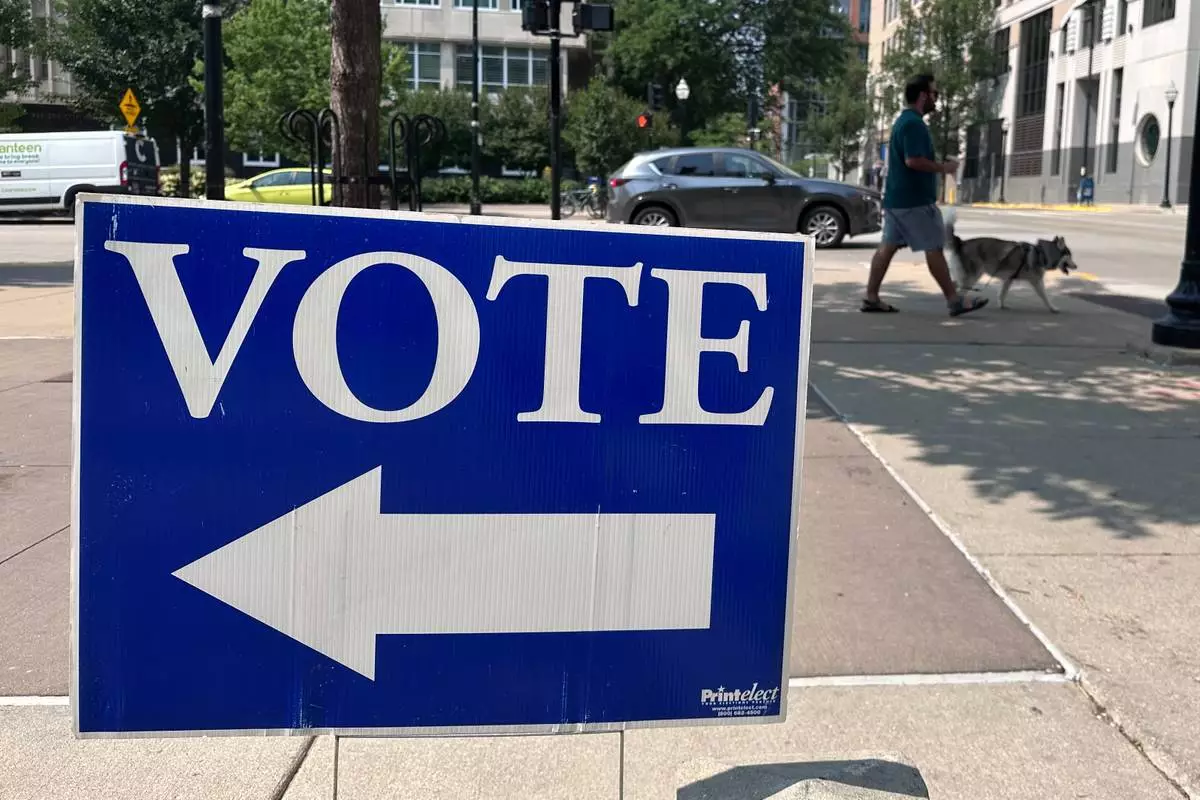
A person walks past a sign for a polling place on the first day of in-person absentee voting for Wisconsin's chaotic Democratic primary for governor Tuesday, July 28, 2026, in Madison, Wis. (AP Photo/Scott Bauer)