NEW YORK (AP) — For those trapped in rubble after an earthquake, survival depends on many factors, including weather and access to water and air.
If their injuries aren't too severe, victims can survive for a week or more, assuming the weather isn't too hot or cold, experts say.
Two days after a powerful deadly earthquake struck western Colombia, rescue teams are racing against the clock to search for survivors.
Most rescues happen in the 24 hours after a disaster. The chances of survival drop with each day after that, experts say. Most victims are badly injured or buried by falling stones or other debris.
After the 2011 earthquake and tsunami in Japan, a teenager and his 80-year-old grandmother were found alive after nine days trapped in their flattened home. And the year before, a 16-year-old Haitian girl was rescued from earthquake rubble in Port-au-Prince after 15 days.
Trapped victims are more likely to survive if they are in a debris-free pocket that prevents major injury while they await rescue, like under a sturdy desk, said geophysicist Victor Tsai from Brown University. Experts call this a survivable void space.
If fire, smoke or hazardous chemicals were released as a result of the building collapse, they may decrease a person's survival odds, said emergency response expert Dr. Joseph Barbera at George Washington University.
Beyond that, having air to breathe and water to drink are crucial as the days go on.
“You could survive a while without food,” Barbera said. “You could survive less without water.”
Temperatures where someone is trapped may affect survival, and temperatures outside the rubble can affect rescue missions.
In Colombia, where governments across Latin America have offered help, authorities have said most of the earthquake deaths occurred in the cities of Cali, Pereira, Manizales and Quibdo, but there is less information about rural areas.
There have been signs of hope, including a 32-year-old woman who was pulled from a collapsed building in Pereira after being trapped for 36 hours.
It can be important for survivors to receive vital medical care before they are removed from the rubble, Barbera said. If not, the buildup of toxins from crushed muscles could make them go into shock after they are rescued.
The best practices for survival during an earthquake depend on where you are in the world. Building codes in regions with active fault lines are often designed to withstand earthquakes, but that doesn't hold true everywhere.
In many countries, including the United States, the best practices are to drop, seek cover and hang on unless you are close to a building exit. Seek shelter under a heavy table or near sturdy furniture that may yield a survivable pocket if the roof collapses. Cover your face with cloth or a mask to protect from dust and debris.
If you are trapped in the rubble after an earthquake, save your energy and don't overexert. Ration food and water, listen for rescue calls and search for something near you to make noise. If you have a phone with you, conserve its battery and try for help in short spurts each day.
The Associated Press Health and Science Department receives support from the Howard Hughes Medical Institute’s Science and Educational Media Group and the Robert Wood Johnson Foundation. The AP is solely responsible for all content.
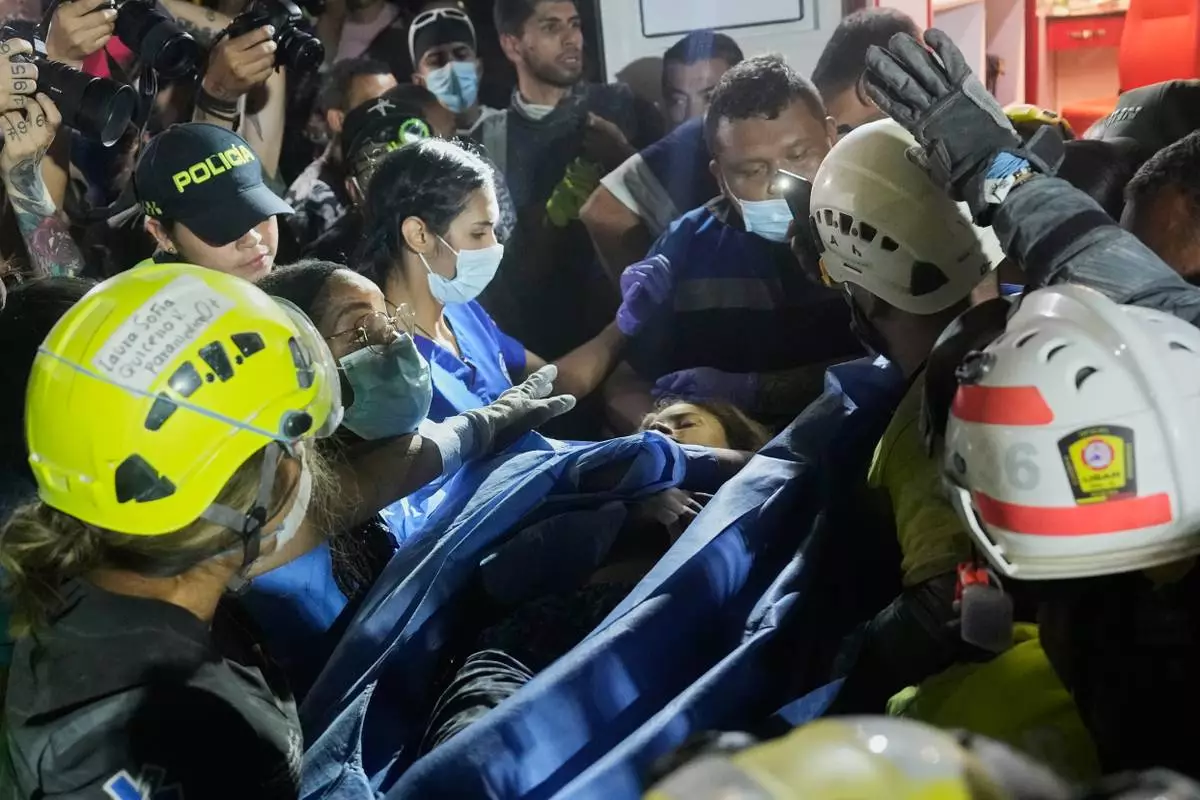
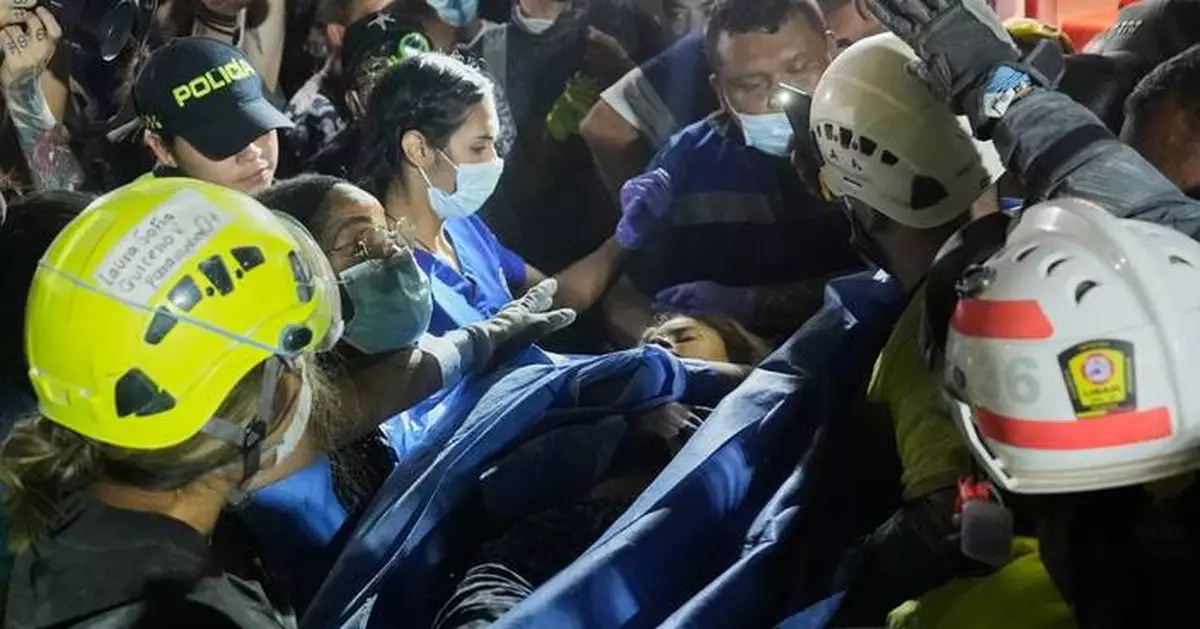
Rescue workers carry a survivor Daniela Largo after pulling her from the rubble the day after an earthquake struck Pereira, Colombia, Tuesday, Aug. 11, 2026. (AP Photo/Fernando Vergara)
PEREIRA, Colombia (AP) — The search for survivors in the rubble of Colombia’s powerful earthquake grew more desperate on Wednesday, two days after the quake brought down buildings, buckled roads and crushed cars.
The devastation has tested Colombia’s new President Abelardo de la Espriella and his government as it scrambles to respond to the natural disaster and civil society as it pushes to provide aid to the vulnerable communities most affected by the quake.
By Tuesday, de la Espriella said the 7.4 magnitude earthquake had killed at least 181 people and left 2,595 more injured in the west of the country. He said at least 195 remained missing, but civilian-run databases put that number at more than 4,000 Wednesday morning.
Teams continued to pick through the rubble overnight in the hardest-hit cities of Cali, Pereira, Manizales and Quibdo, as time ticked away for victims to be found — and rescued — alive.
Aid agencies consider the first 48 to 72 hours crucial for retrieving survivors, though that threshold can be extended if those trapped have access to food and water.
There have been fleeting moments of hope amid the devastation.
In hard-hit Pereira, rescuers pulled Daniela Largo alive from the rubble late Tuesday, capping a complex 12-hour rescue in which crews carved a small opening through the debris to free her pinned arm and a doctor administered IV fluids to stabilize her. Wrapped in a blue blanket, the young woman was carried to a waiting ambulance as firefighters embraced and onlookers erupted in cheers.
Across the coffee-growing region, among the areas worst affected by the quake, authorities have converted sports arenas, schools and other public buildings into temporary shelters for thousands of displaced Colombians. In Pereira and Cali, families have been sleeping in parks — some fearing aftershocks or the collapse of their damaged homes, others without homes to return to.
“We have the most important things: a roof over our heads, food, water and, in my case, medical care," said Edith Penagos, 48, who was staying with her teenage son in one of the white tents set up in a Pereira park after the earthquake forced them from their apartment.
In many areas, the official response to the disaster has been complicated by the ongoing crises of deep poverty and civil warfare that has created waves of forced displacement for decades.
“This earthquake compounds an already severe humanitarian situation, and there is a need for increased support for the humanitarian response,” said Giovanni Rizzo, Colombia director for the Norwegian Refugee Council.
Many aid organizations were already on the ground at the epicenter of the quake in Colombia, supporting a 2016 peace accord between the government and leftist rebels, and responding to violence involving other armed groups that has persisted since then, particularly in Choco.
That presence allowed humanitarian workers to quickly pivot to disaster relief, said María José Torres, the U.N. resident coordinator in Colombia.
“We have a presence on the ground. Therefore, our ability to be there, present with the people, I think, has increased exponentially,” Torres said in a statement Tuesday.
At the same time, aid from other countries and nonprofits abroad continued to roll in.
The U.S. has offered over $15 million in aid and Mexico’s president said she is prepared to send hundreds of search and health workers, tons of health supplies and other equipment.
On Tuesday afternoon, Salvadoran President Nayib Bukele said his country would send two planes loaded with 100 tons of aid in the coming days.
“Our prayers are with the families of the victims, the wounded and all the Colombian people,” Bukele wrote on X.
Suarez reported from Bogota, Colombia, and Janetsky reported from Mexico City. Associated Press writers Edith M. Lederer at the United Nations; Manuel Rueda in Bogota; and Isabel DeBre in Buenos Aires, Argentina, contributed.
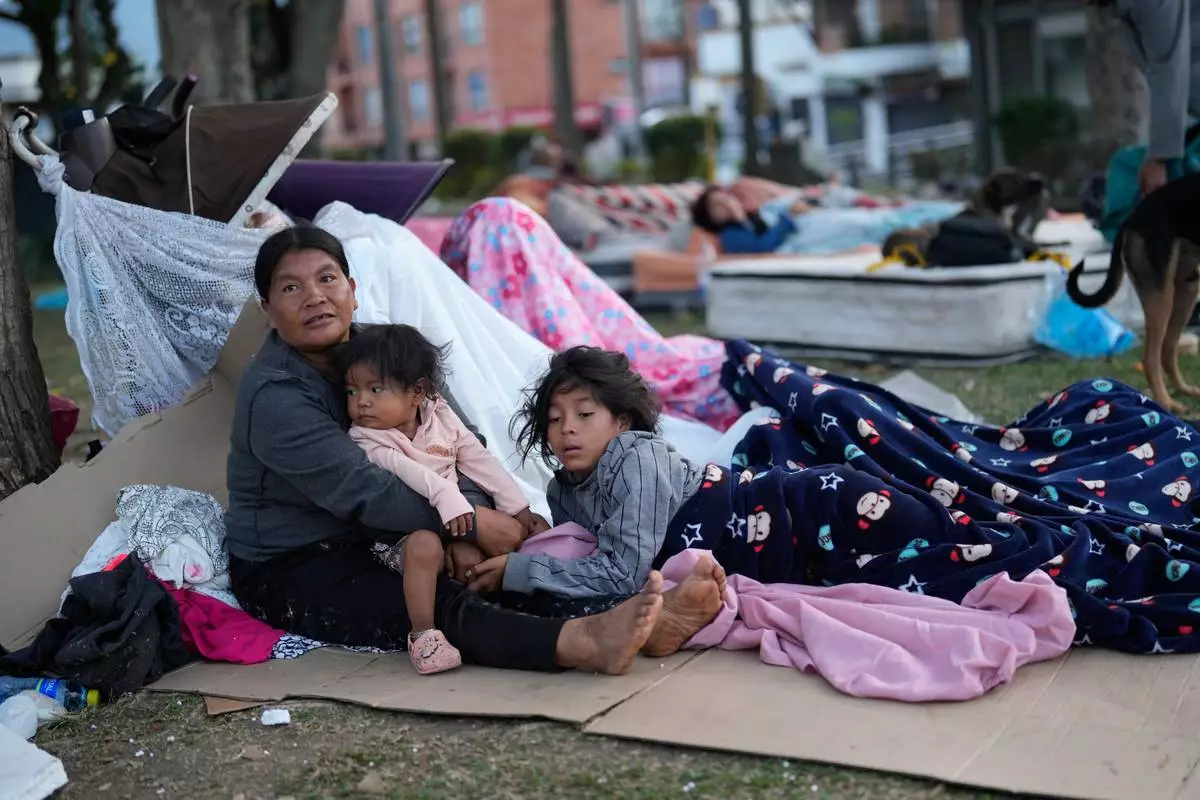
People camp out in a park two days after an earthquake damaged their homes in Pereira, Colombia, Wednesday, Aug. 12, 2026. (AP Photo/Fernando Vergara)
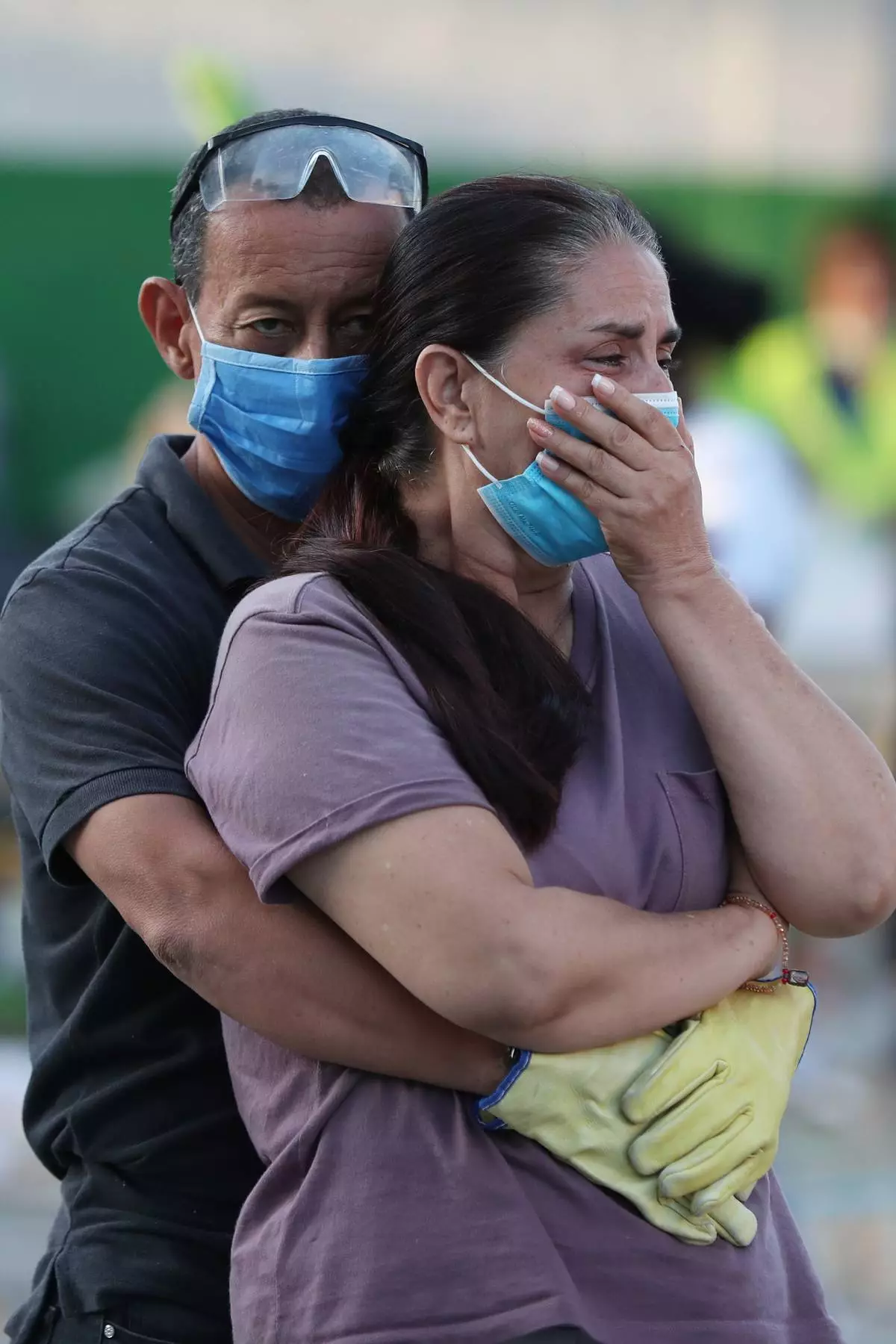
Residentes embrace as rescue workers search through the rubble of their damaged home the day after an earthquake struck Cali, Colombia, Tuesday, Aug. 11, 2026. (AP Photo/Santiago Saldarriaga)
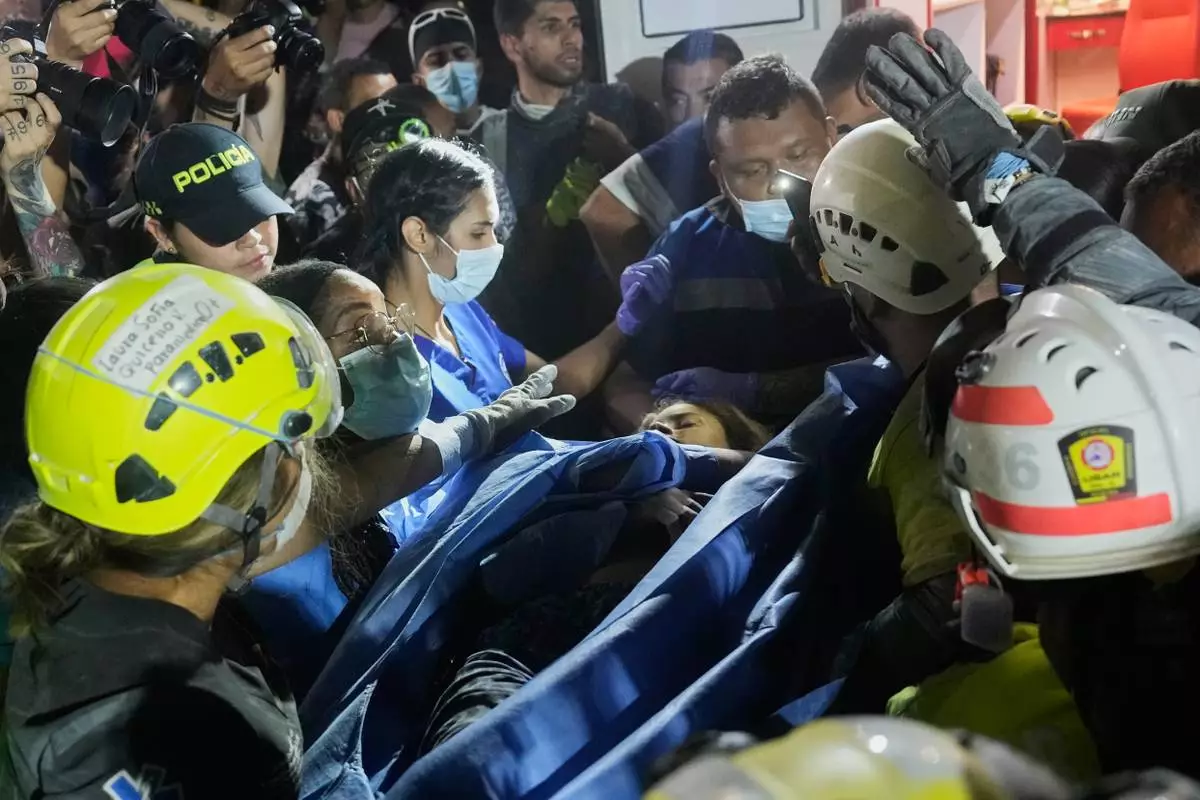
Rescue workers carry a survivor Daniela Largo after pulling her from the rubble the day after an earthquake struck Pereira, Colombia, Tuesday, Aug. 11, 2026. (AP Photo/Fernando Vergara)
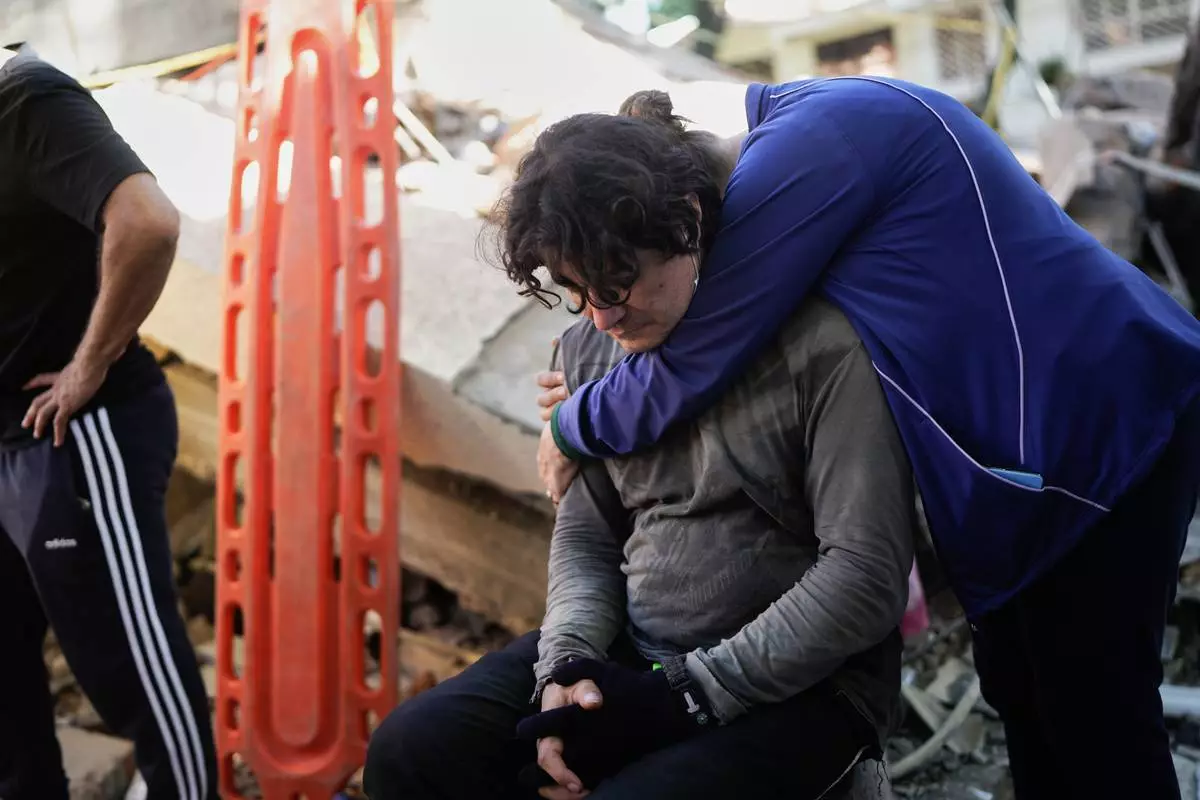
Neighbors embrace as rescue workers search through the rubble of a collapsed apartment building the day after an earthquake struck Cali, Colombia, Tuesday, Aug. 11, 2026. (AP Photo/Ivan Valencia)
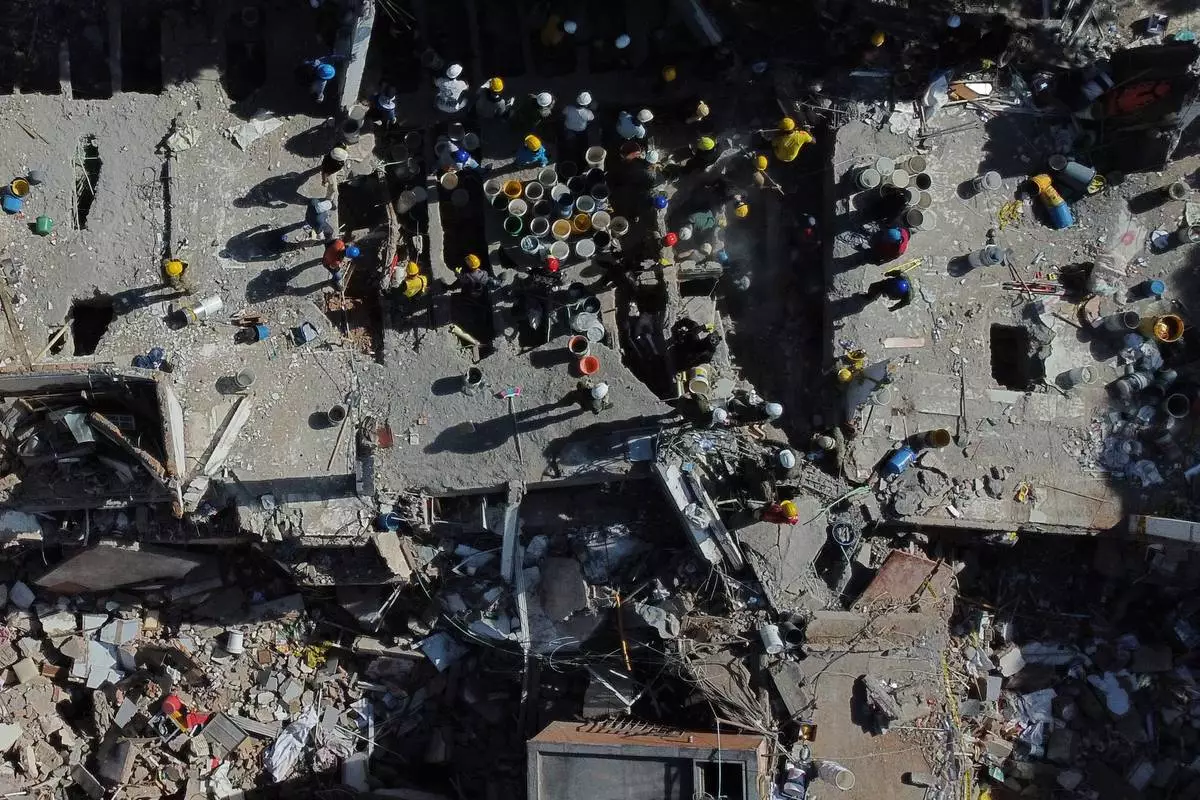
Volunteers and rescue workers use buckets to remove debris of a collapsed building a day after an earthquake struck Cali, Colombia, Tuesday, Aug. 11, 2026. (AP Photo/Santiago Saldarriaga)
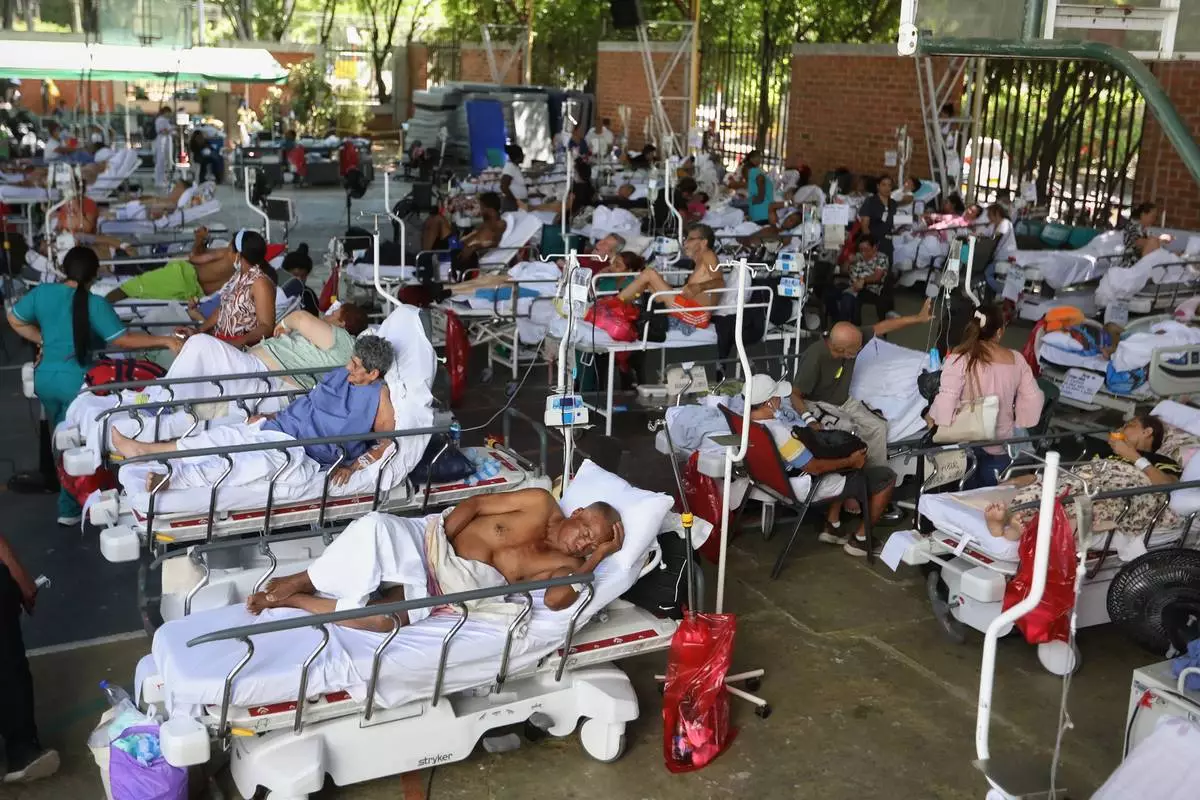
Patients from a clinic evacuated due to earthquake damage lie in beds at a temporary facility set up in a gymnasium at a nearby school in Cali, Colombia, Tuesday, Aug. 11, 2026. (AP Photo/Santiago Saldarriaga)
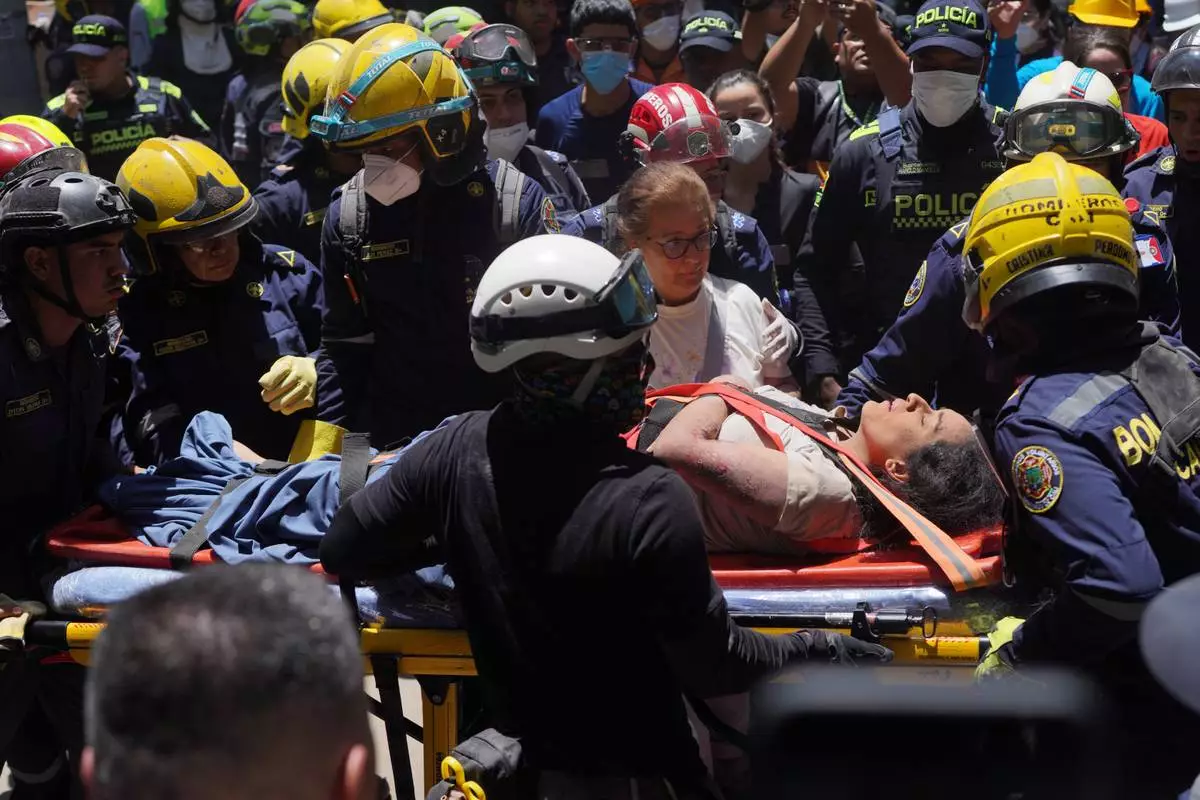
Rescue workers carry Diana Troncoso after pulling her from the rubble the day after an earthquake struck Cali, Colombia, Tuesday, Aug. 11, 2026. (AP Photo/Ivan Valencia) CORRECTION: Changes city to Cali, not Pereira.