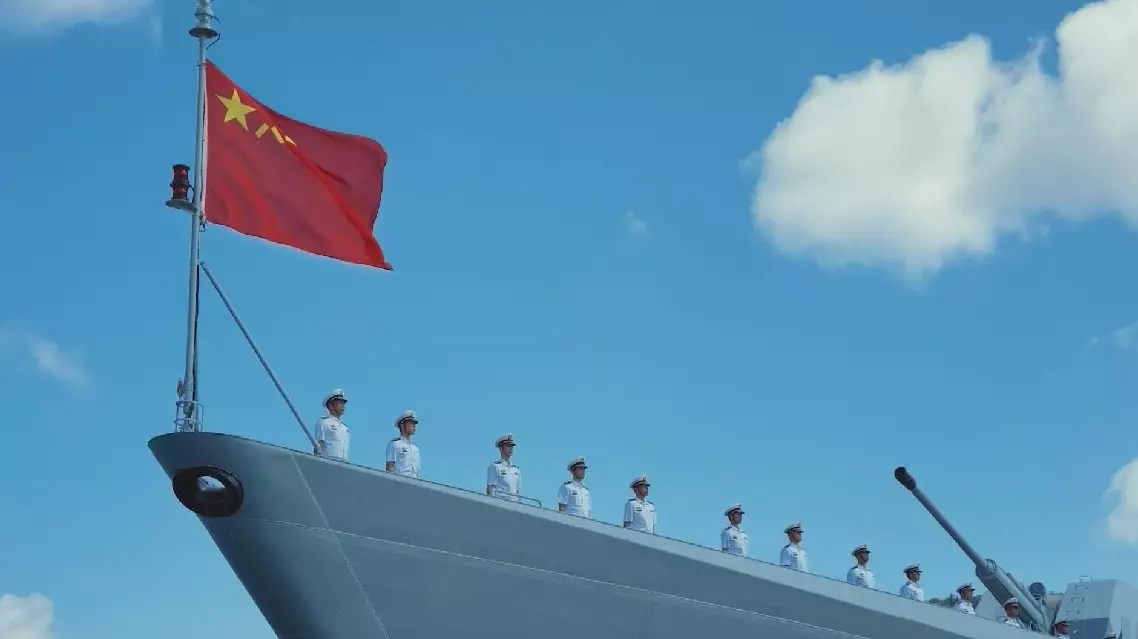
The 49th escort fleet of the Chinese People's Liberation Army (PLA) Navy on Wednesday morning departed from a military port in Sanya, south China's Hainan Province, bound for the Gulf of Aden and waters off Somalia to carry out escort missions in the region.
The fleet, mainly composed of naval forces from the Southern Theater Command, consists of the guided-missile destroyer Kunming, the guided-missile frigate Yueyang and the comprehensive supply ship Luomahu, with dozens of special operations personnel and two helicopters on board, totaling over 700 personnel on the mission.
At around 10:30, the fleet's ships sailed away from the dock.
The deployment marks the Kunming's first escort mission, while the Yueyang and the Luomahu have both carried out multiple escort missions in the past.
During the mission preparation phase, the fleet carefully assessed the potential risks, challenges and actual threats it might face during the escort operations.
It focused on targeted drills including live-weapon firing, accompanied escort, underway replenishment, and counter-terrorism and anti-piracy exercises in accordance with the requirements of full-element and combat-oriented training.
These drills effectively tested the feasibility of operational plans and the level of force coordination, while honing and enhancing the fleet's capability to carry out its missions.
"We have the confidence and the capability to accomplish this escort mission. Through concrete actions, we will practice the Global Security Initiative and the vision of a maritime community with a shared future, and demonstrate the fine image of PLA Navy in the new era," said Xue Quankui, a crew member of PLA Navy's 172nd task force command post.
The fleet will take over duties from the 48th escort fleet, which set sail in October last year.
In line with relevant United Nations Security Council resolutions, China has maintained a regular naval escort presence in the Gulf of Aden and Somali waters since 2008 to safeguard the security of international shipping routes, escort Chinese and foreign vessels, and rescue, protect or assist ships in distress.
Chinese navy escort fleet embarks on latest escort mission in Gulf of Aden, Somali waters
Thailand's rural tradition of elephant stewardship is rapidly vanishing as livelihoods change and younger people pursue opportunities elsewhere, threatening centuries of irreplaceable elephant-care knowledge.
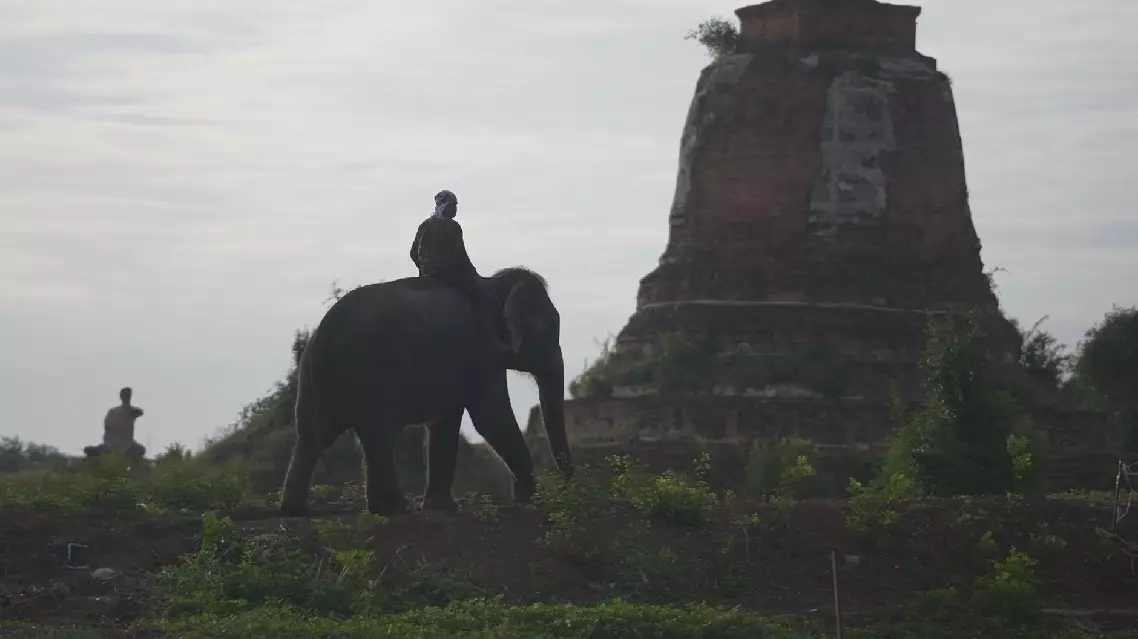
For generations, mahouts in the region have passed on their tradition of closely bonding with the elephants they care for. Taweesuk Lapsan is one of a dwindling number of mahouts who diligently carry on the practice.
Long before the sun rises over the fields, he was already at work, gathering bundles of food for an animal that had been part of his family for generations.
"We've had elephants since our grandparents' and great-grandparents' generations. We've been around elephants our whole lives, so we have a strong connection and experience in raising them. That's how we've been able to live with them like this," the mahout said.
Caring for his elephant was not merely a job, but an inherited way of life. Years of daily coexistence forged an intimate bond defined by an intuitive understanding of subtle movements, sounds, and hesitations that take a lifetime to master.
"We live together like this. It's like a family. We're like family; we always go through things together. Until we breathe our last, it just depends on who lives longer," said Taweesuk.
Mahouts and elephants have been woven into parts of Thailand's cultural landscape, from rural livelihoods and traditional practices. However, the tradition has been upended by the collapse of the commercial logging industry and the rapid expansion of tourism.
As fewer young people follow in their families' footsteps, conservationists warned that an intricate system of animal care, refined over centuries, faces gradual extinction.
"When a mahout disappears, they are replaced by people who simply come in to take care of the elephants, essentially, elephant keepers. There are differences in terms of the bond between the keeper and the elephant, the cultural aspects, and the passing down of knowledge and traditions from one generation to the next. So we are concerned about the quality," said Parntep Ratanakorn, Secretary General of the Asian Elephant Foundation of Thailand.
Taweesuk said that his daughters may choose paths far removed from the stables, a decision he fully respects. As the practice fades, experts warn the loss extends far beyond a vanishing cultural heritage, threatening the daily welfare safety nets upon which captive elephants rely.
Thailand's centuries-old elephant care tradition face extinction as livelihoods change