KABUL, Afghanistan (AP) — In the hills above Kabul, Sima searches for things that others have left behind. She walks through cemeteries looking for plastic, scrap and anything else that might have value. What can be sold is gathered and carried away; some of what cannot is brought home and saved as fuel for cooking or winter.
Five years after the Taliban returned to power in Afghanistan in August 2021, work is scarce. Sima, who believes she is about 60 but does not know her exact age, helps support her extended family. They survive largely through begging and collecting bread, scrap and recyclable waste.
Click to Gallery
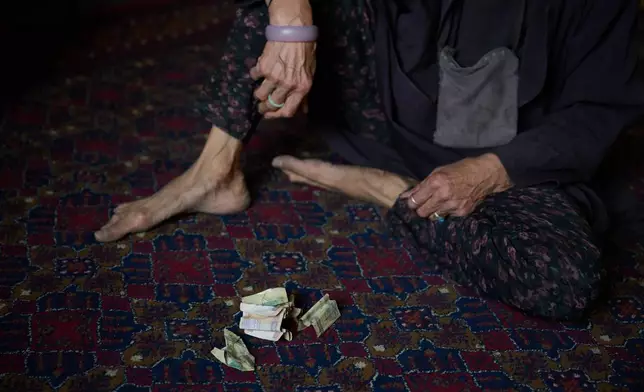
Sima sits beside money she collected while begging outside a mosque in Kabul, Afghanistan, Friday, Aug. 14, 2026. Although begging is prohibited, Sima said Taliban police allowed her to beg and even gave her some change as an exception during celebrations marking five years of Taliban rule. (AP Photo/Nava Jamshidi)
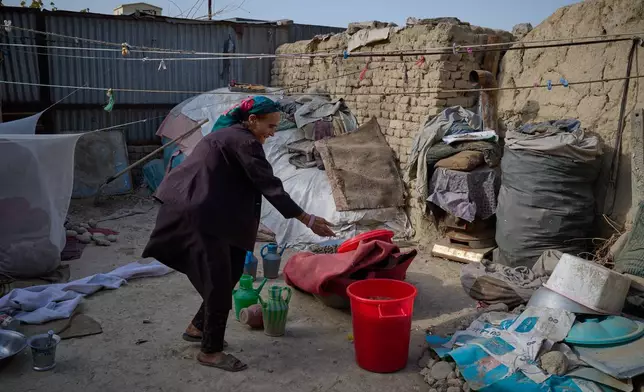
Sima sorts through items in the backyard of her home in Kabul, Afghanistan, Friday, Aug. 14, 2026. (AP Photo/Nava Jamshidi)
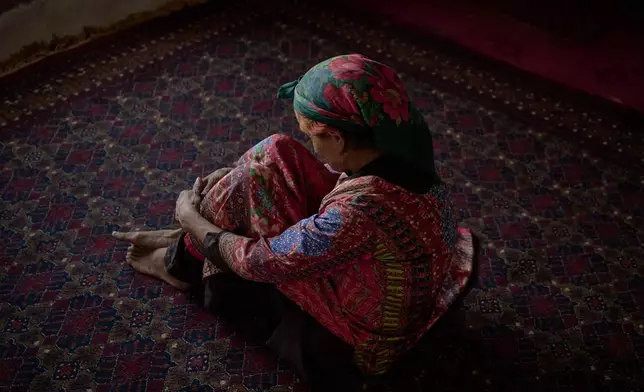
Sima sits barefoot on a carpet at her home in Kabul, Afghanistan, Wednesday, Aug. 12, 2026. (AP Photo/Nava Jamshidi)
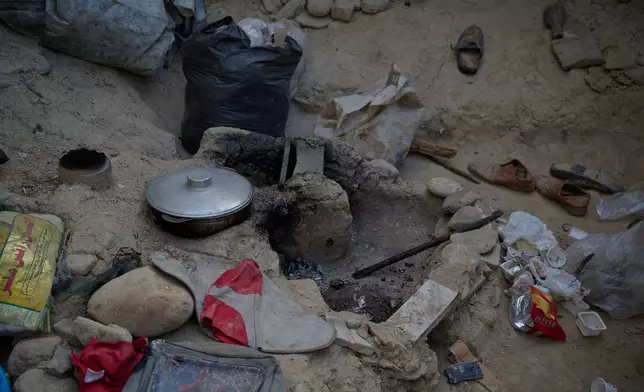
A makeshift cooking area in the courtyard of Sima's home is used to prepare food when the family cannot afford cooking gas, burning discarded plastic, clothing and fabric as fuel, in Kabul, Afghanistan, Wednesday, Aug. 12, 2026. (AP Photo/Nava Jamshidi)
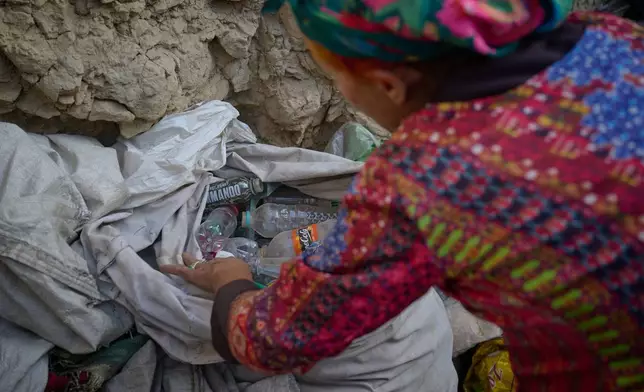
Sima sorts plastic bottles and metal cans she collected from the streets at her home in Kabul, Afghanistan, Wednesday, Aug. 12, 2026. (AP Photo/Nava Jamshidi)
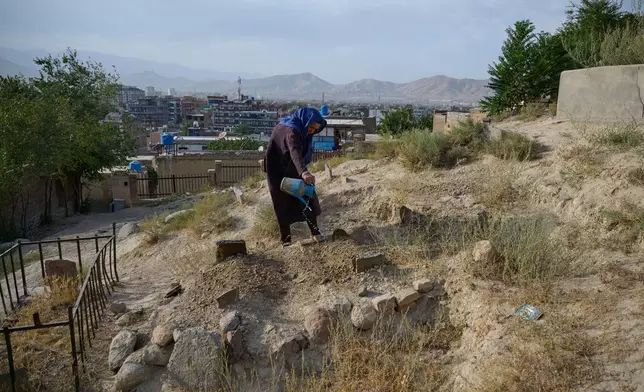
Sima sprinkles water on the graves of two of her grandchildren, both children of her daughter Diba, one of whom died at birth and the other at six months old, in Kabul, Afghanistan, Wednesday, Aug. 12, 2026. (AP Photo/Nava Jamshidi)
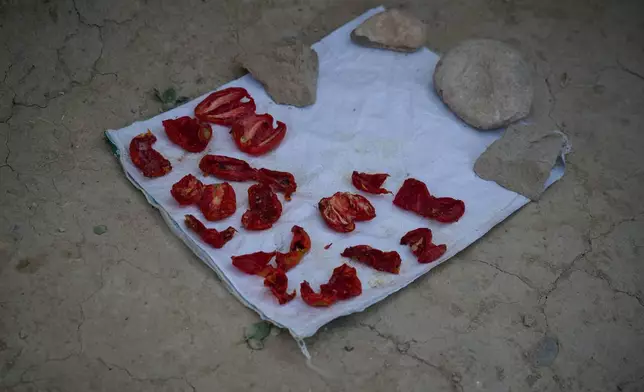
Tomatoes beginning to spoil are left to dry at Sima's home so they can be used later for cooking in Kabul, Afghanistan, Wednesday, Aug. 12, 2026. (AP Photo/Nava Jamshidi)
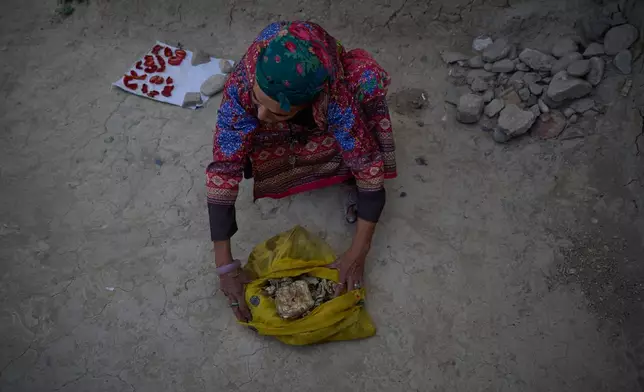
Sima checks dried meat she received during Eid al-Adha and preserved for the winter at her home in Kabul, Afghanistan, Wednesday, Aug. 12, 2026. (AP Photo/Nava Jamshidi)
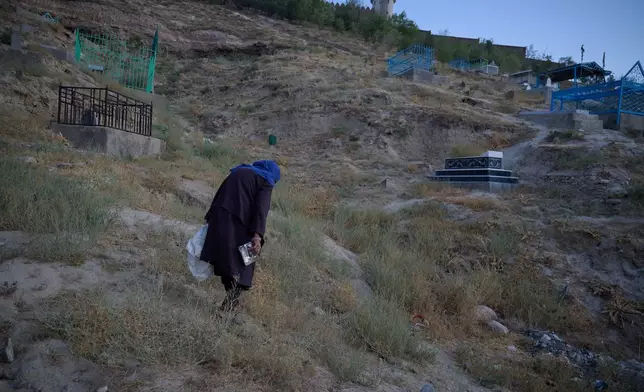
Sima collects discarded items from the ground at a cemetery to reuse or sell in Kabul, Afghanistan, Wednesday, Aug. 12, 2026. (AP Photo/Nava Jamshidi)
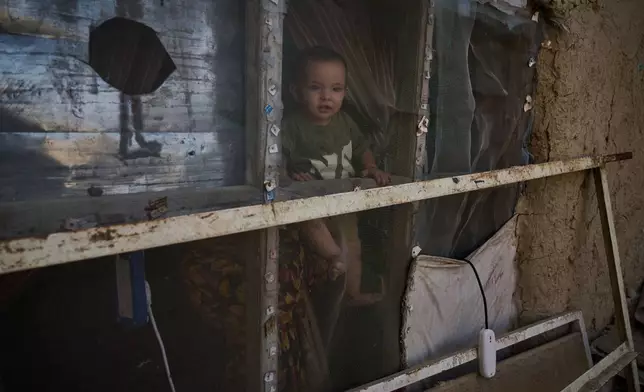
A child looks out the window of the room where Sima lives with several members of her extended family in Kabul, Afghanistan, Wednesday, Aug. 12, 2026. (AP Photo/Nava Jamshidi)
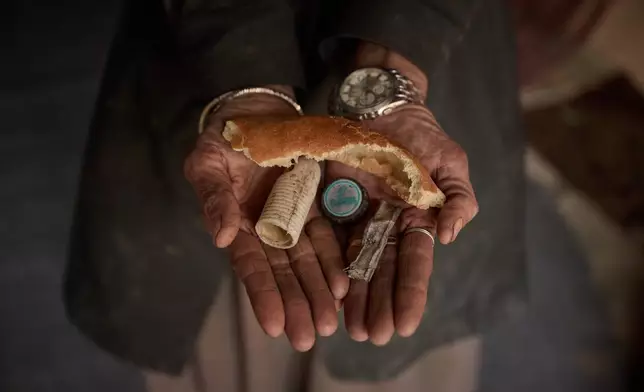
Sima holds discarded items, including a piece of bread and plastic, that she collected from the streets in Kabul, Afghanistan, Tuesday, Dec. 3, 2024. (AP Photo/Nava Jamshidi)
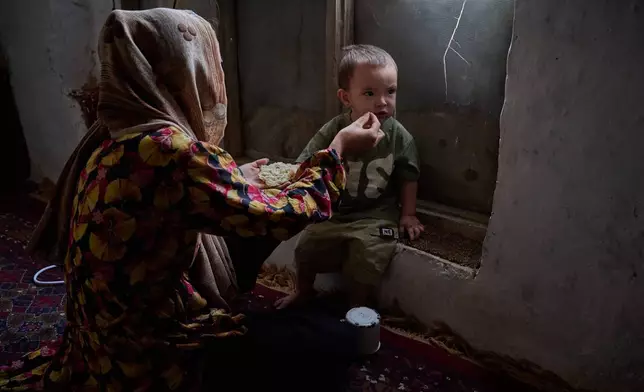
A woman from Sima's extended family feeds her child dry bread softened with water at their home in Kabul, Afghanistan, Wednesday, Aug. 12, 2026. (AP Photo/Nava Jamshidi)
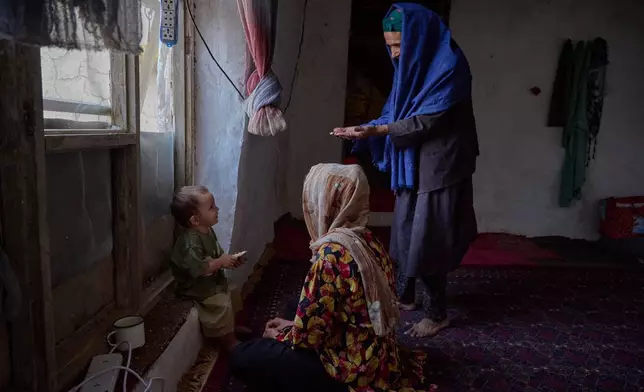
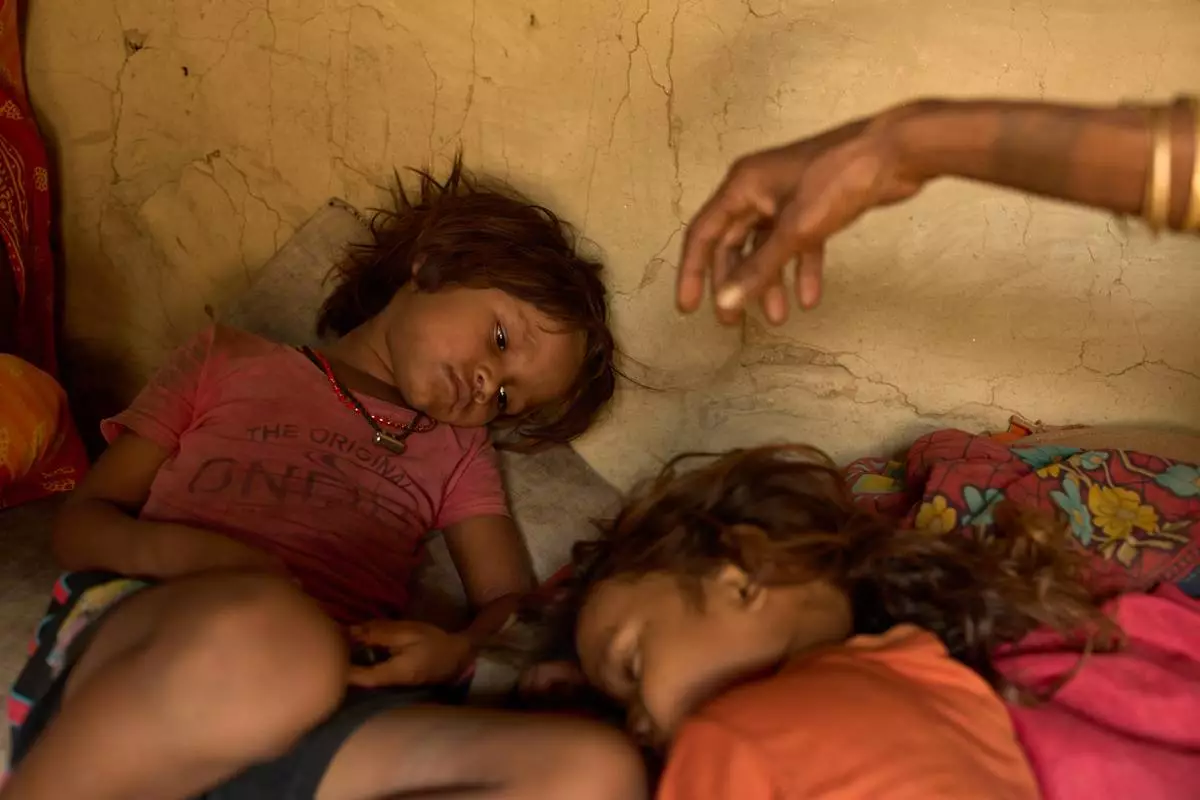
Sima plays with a young child from her extended family as the child's mother sits nearby at their home in Kabul, Afghanistan, Wednesday, Aug. 12, 2026. (AP Photo/Nava Jamshidi)
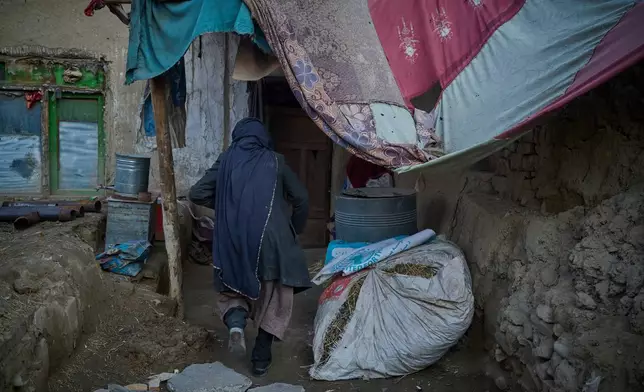
Sima enters her room at her home, where mud-brick walls and fabric coverings frame the entrance, in Kabul, Afghanistan, Tuesday, Dec. 3, 2024. (AP Photo/Nava Jamshidi)
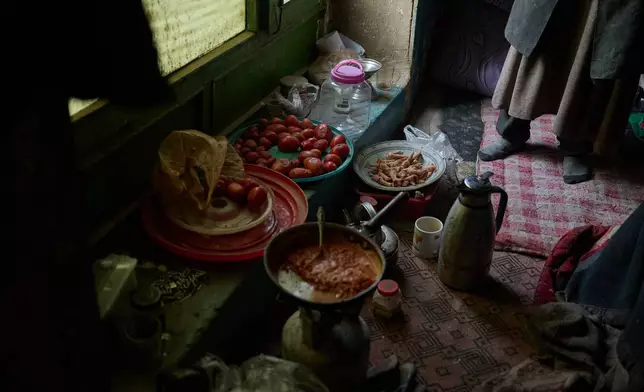
Food, bedding and items collected from the streets fill Sima's room at her home in Kabul, Afghanistan, Tuesday, Dec. 3, 2024. (AP Photo/Nava Jamshidi)
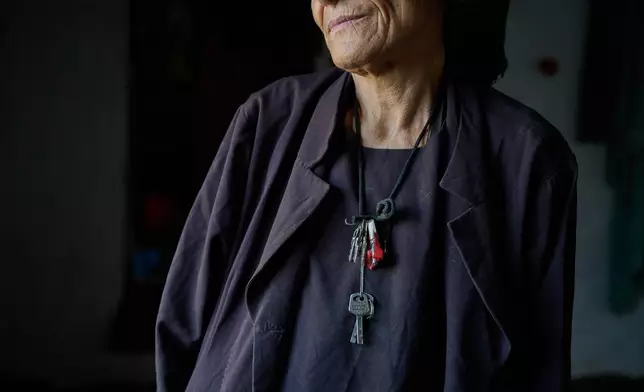
With a set of keys hanging around her neck, Sima, who believes she is about 60 years old but does not know her exact age, stands in the natural light from a window at her home in Kabul, Afghanistan, Wednesday, Aug. 12, 2026. (AP Photo/Nava Jamshidi)
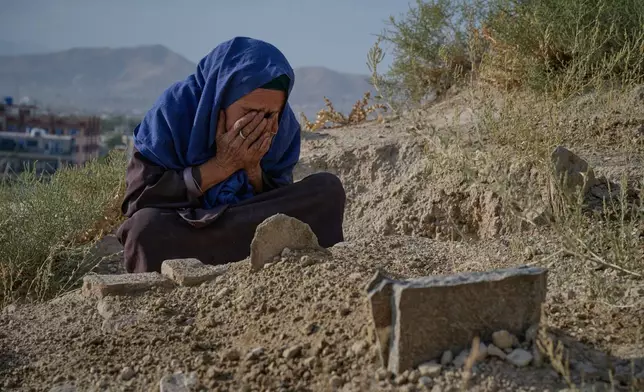
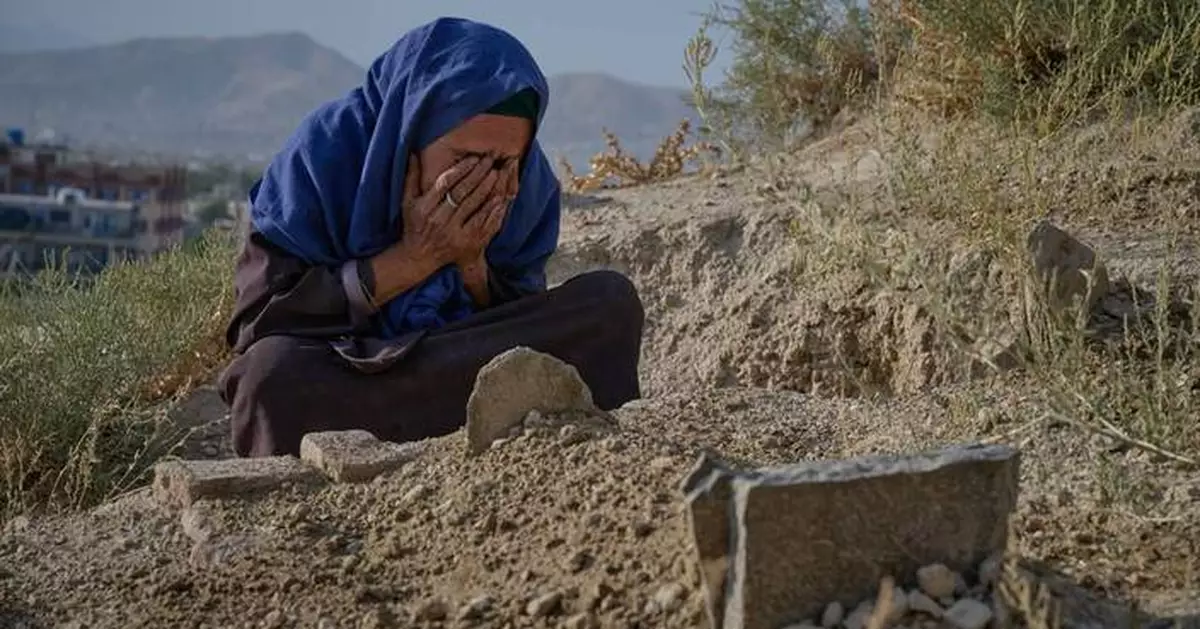
Sima covers her face at the grave of her six-month-old granddaughter, her daughter Diba's daughter, who died during the winter, in Kabul, Afghanistan, Wednesday, Aug. 12, 2026. Originally from Mazar-e-Sharif in northern Afghanistan, Sima, who believes she is about 60 but does not know her exact age, helps support her extended family by begging and collecting items she can reuse or sell. (AP Photo/Nava Jamshidi)
Little is allowed to go to waste. Bread received from bakeries or other people can be resold cheaply to neighbors. Dry bread collected from the ground is saved and sold to livestock owners. Damaged tomatoes are dried for later, watermelon rinds become torshi, a homemade pickle, and meat received during Eid al-Adha is dried and stored for winter.
These small economies carry risks. Begging and collecting waste have been prohibited by the Taliban, and those caught can be detained. For women such as Sima, finding ways to support their families means navigating an increasingly restricted public life as well as severe poverty. Sima sometimes waits until night to beg, when she feels less exposed on Kabul’s streets.
A few months ago, Diba, Sima’s daughter, was detained while begging and held for three months. She had a breastfeeding baby at the time, and during her absence the family struggled to provide enough milk and suitable food for the infant. Two days after Diba was released, her baby died.
Sima now visits the child’s grave. The cemetery is both a place of mourning and one of the places where she searches for discarded material that might help the family survive.
At home, almost everything gathered outside finds a purpose. Food is preserved for another season; salvaged materials wait to be sold or burned for fuel. Sima sorts through what she has collected, while her family remains close around her.
The family lives largely from one day’s findings to the next. Tomatoes drying on a cloth, scraps gathered from the earth, food carefully preserved and a few coins resting in Sima’s hands speak to a life in which almost nothing can simply be thrown away.
This is a photo gallery curated by AP photo editors.
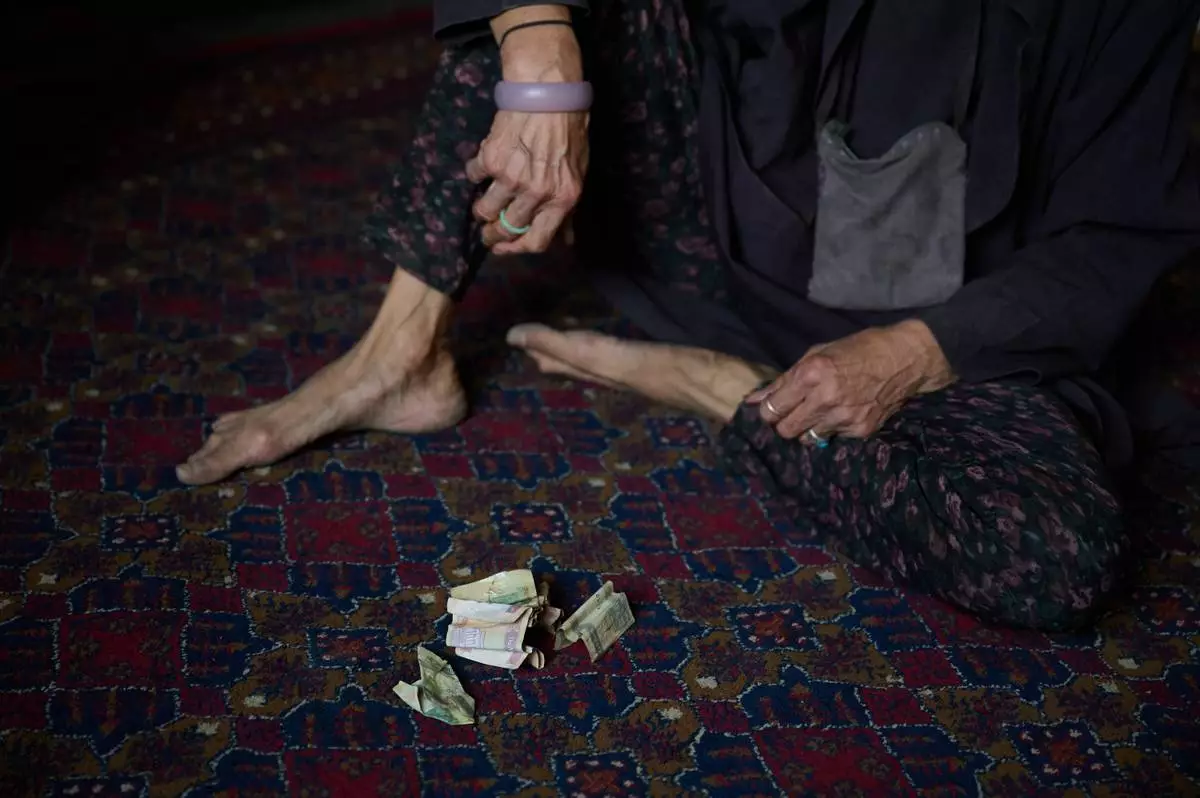
Sima sits beside money she collected while begging outside a mosque in Kabul, Afghanistan, Friday, Aug. 14, 2026. Although begging is prohibited, Sima said Taliban police allowed her to beg and even gave her some change as an exception during celebrations marking five years of Taliban rule. (AP Photo/Nava Jamshidi)
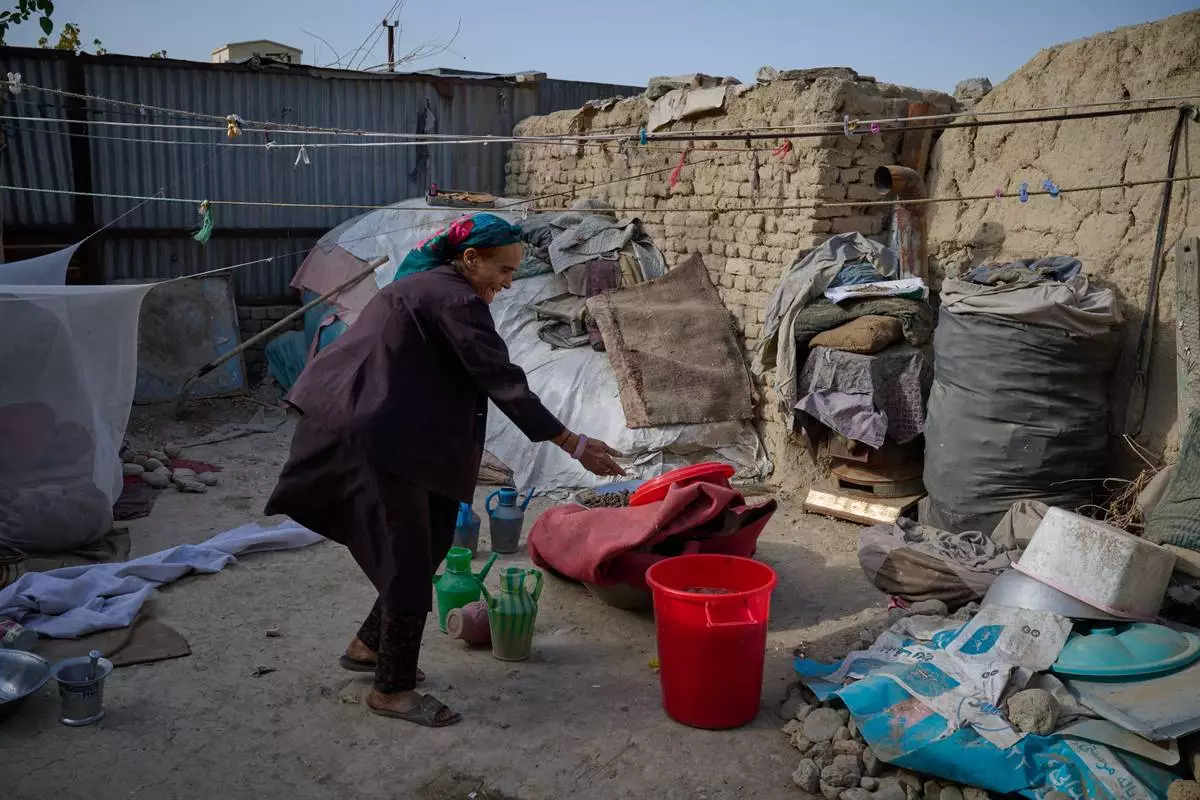
Sima sorts through items in the backyard of her home in Kabul, Afghanistan, Friday, Aug. 14, 2026. (AP Photo/Nava Jamshidi)
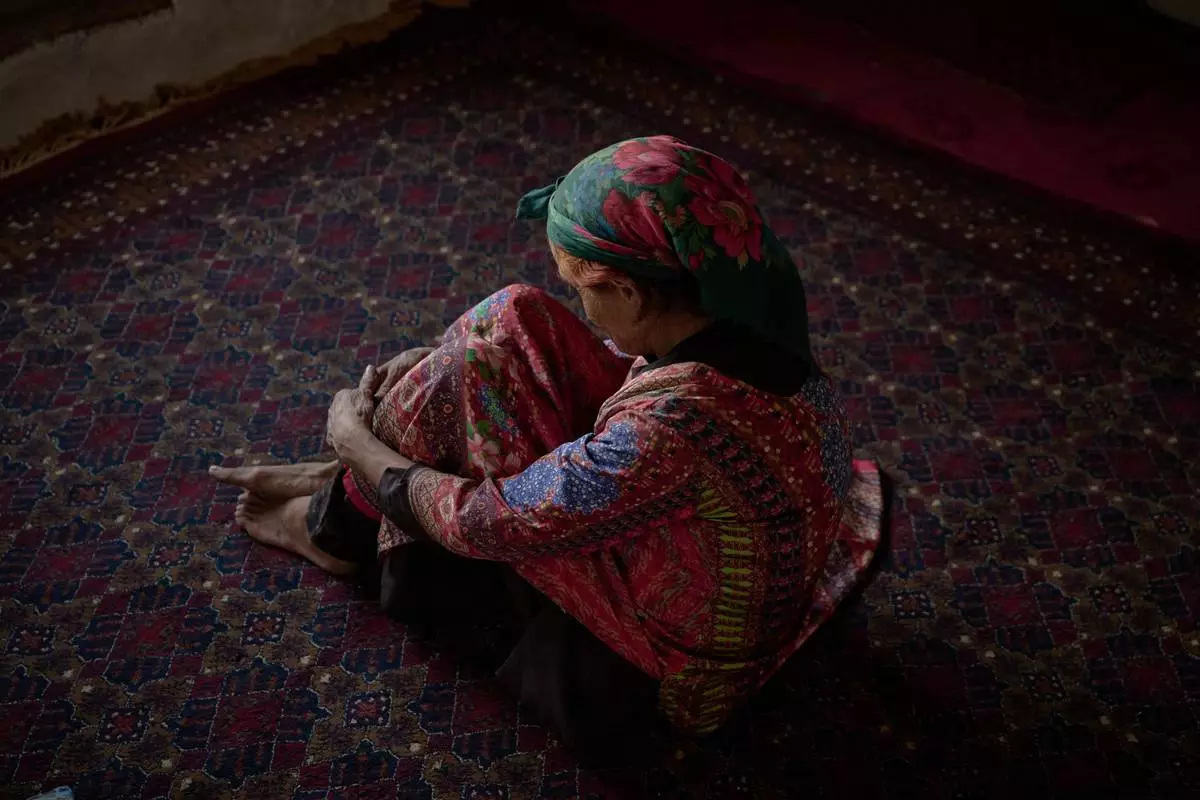
Sima sits barefoot on a carpet at her home in Kabul, Afghanistan, Wednesday, Aug. 12, 2026. (AP Photo/Nava Jamshidi)
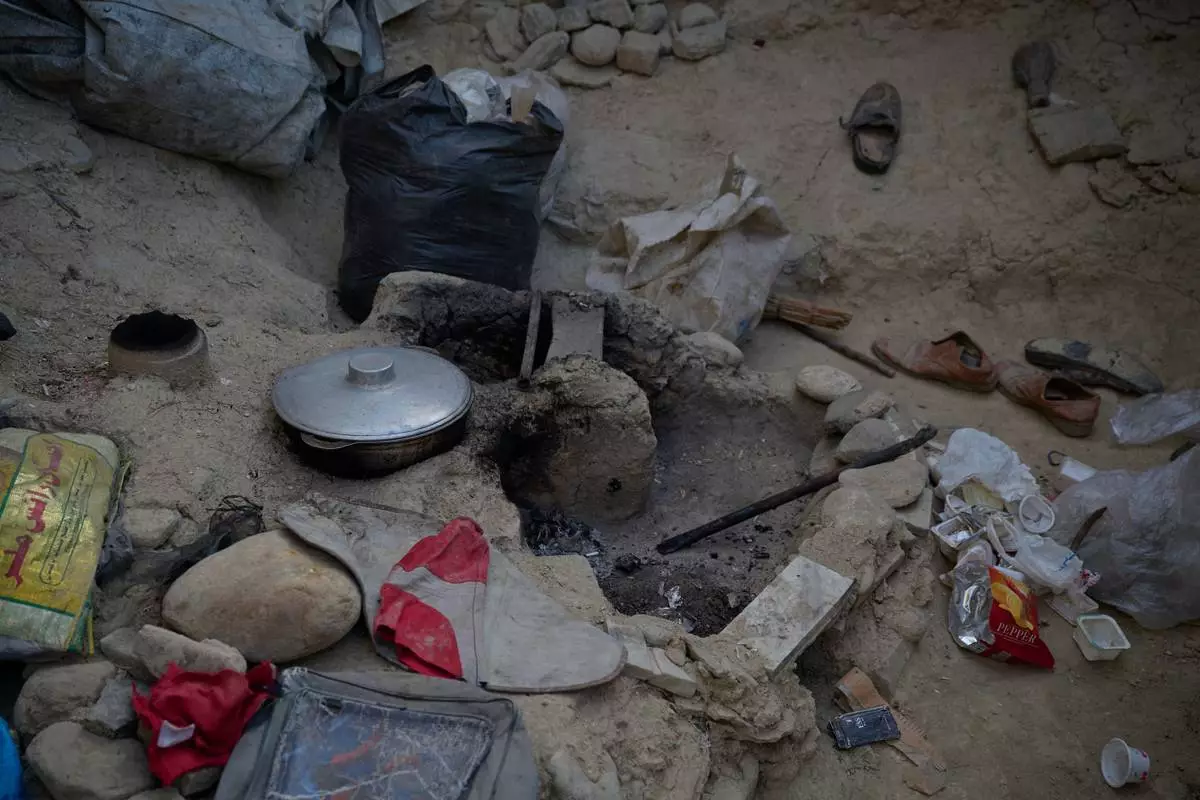
A makeshift cooking area in the courtyard of Sima's home is used to prepare food when the family cannot afford cooking gas, burning discarded plastic, clothing and fabric as fuel, in Kabul, Afghanistan, Wednesday, Aug. 12, 2026. (AP Photo/Nava Jamshidi)
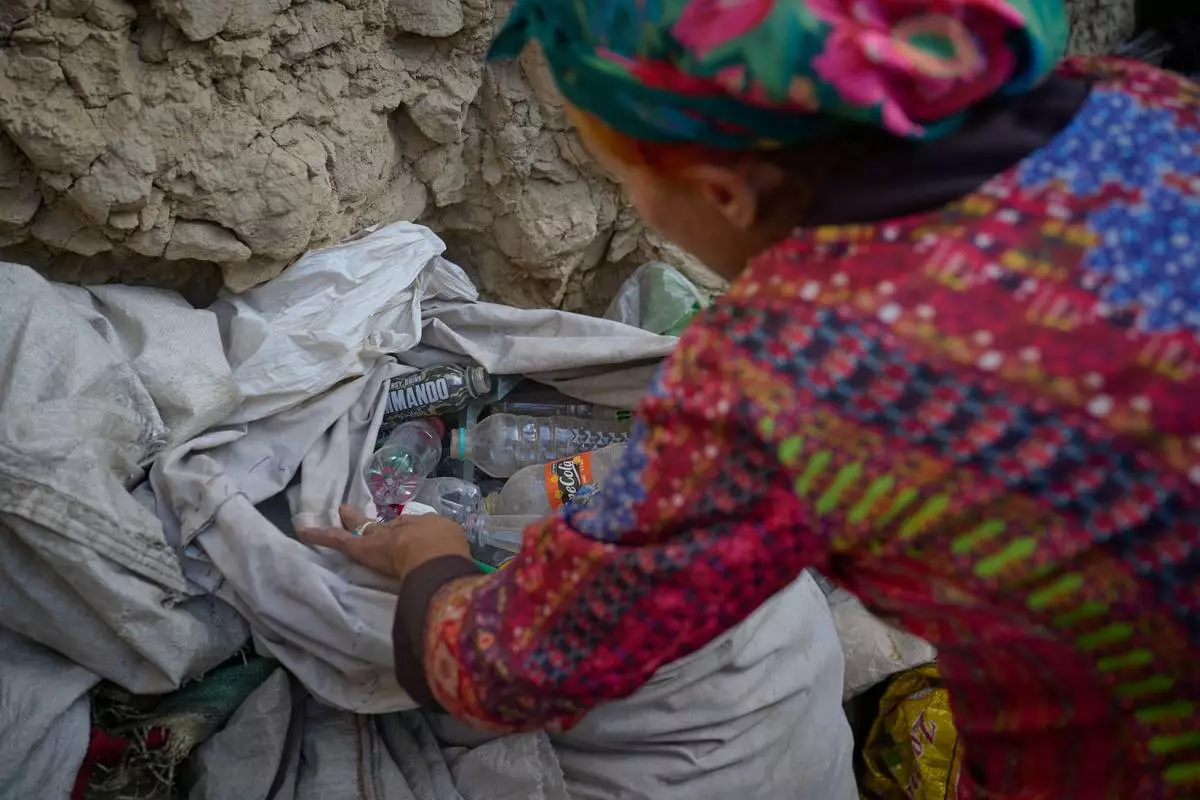
Sima sorts plastic bottles and metal cans she collected from the streets at her home in Kabul, Afghanistan, Wednesday, Aug. 12, 2026. (AP Photo/Nava Jamshidi)
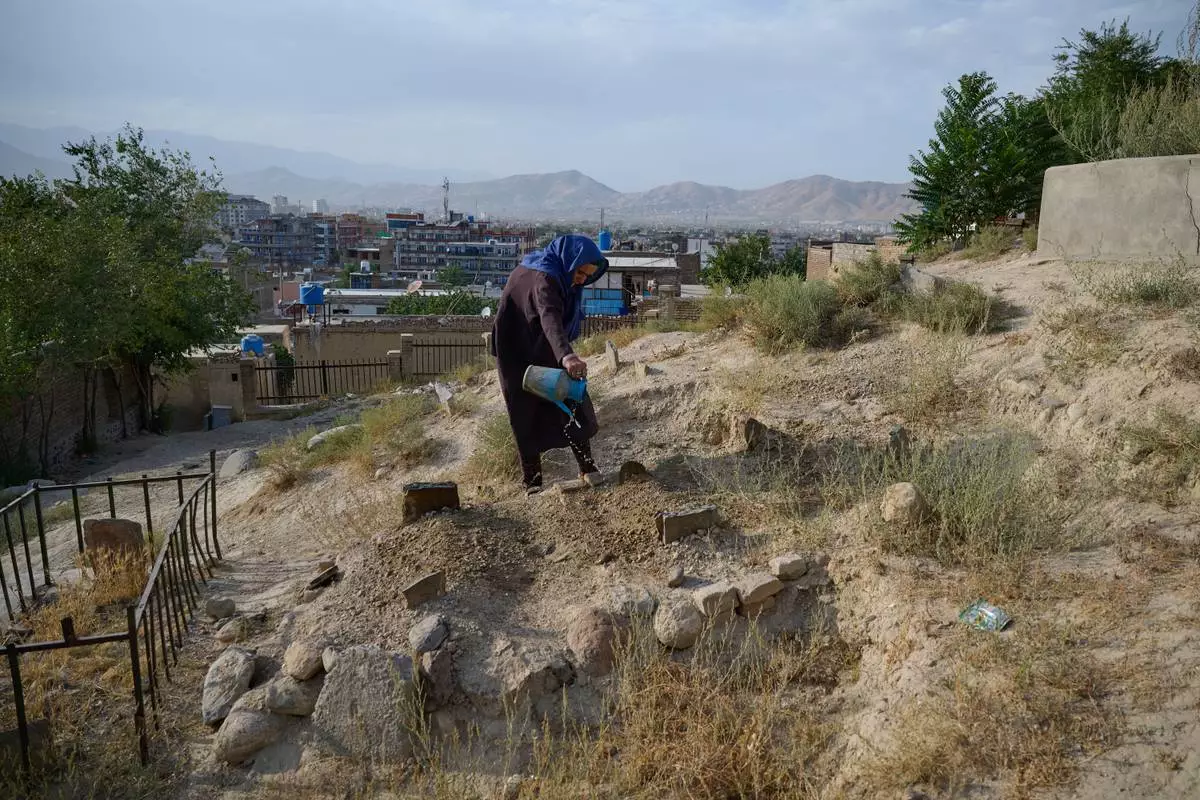
Sima sprinkles water on the graves of two of her grandchildren, both children of her daughter Diba, one of whom died at birth and the other at six months old, in Kabul, Afghanistan, Wednesday, Aug. 12, 2026. (AP Photo/Nava Jamshidi)
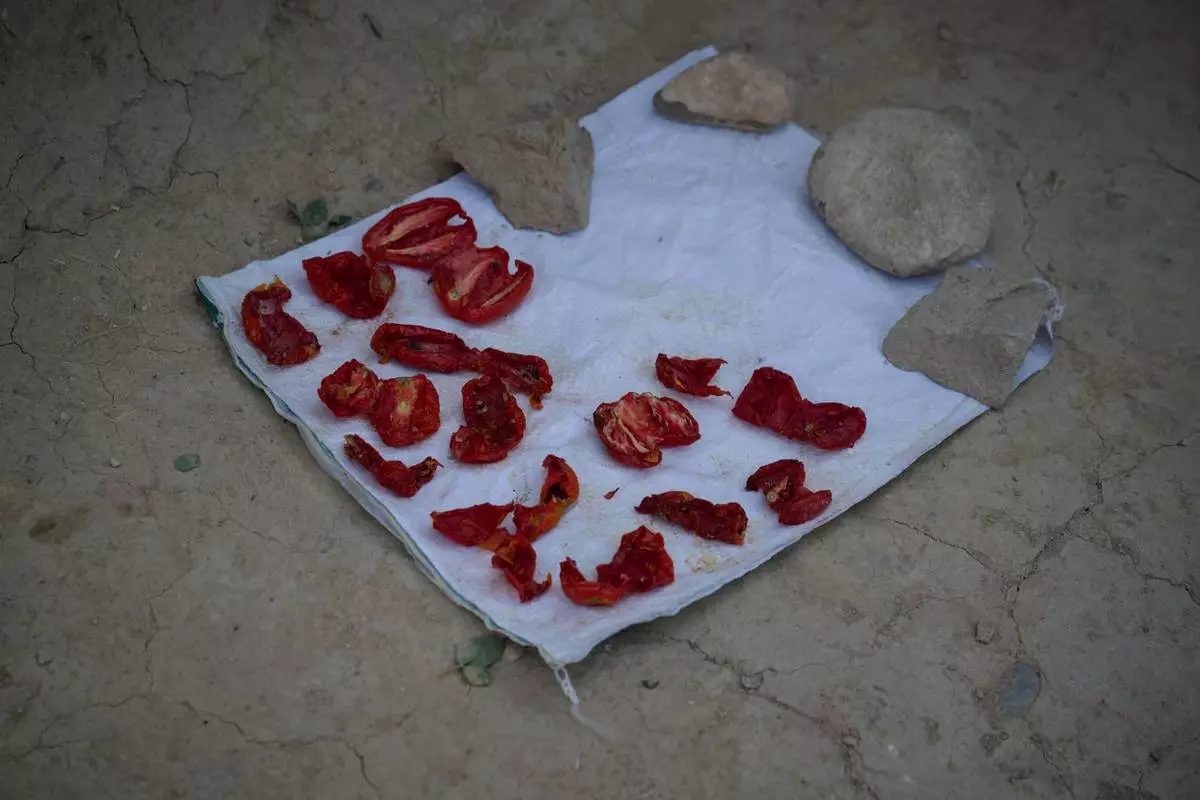
Tomatoes beginning to spoil are left to dry at Sima's home so they can be used later for cooking in Kabul, Afghanistan, Wednesday, Aug. 12, 2026. (AP Photo/Nava Jamshidi)
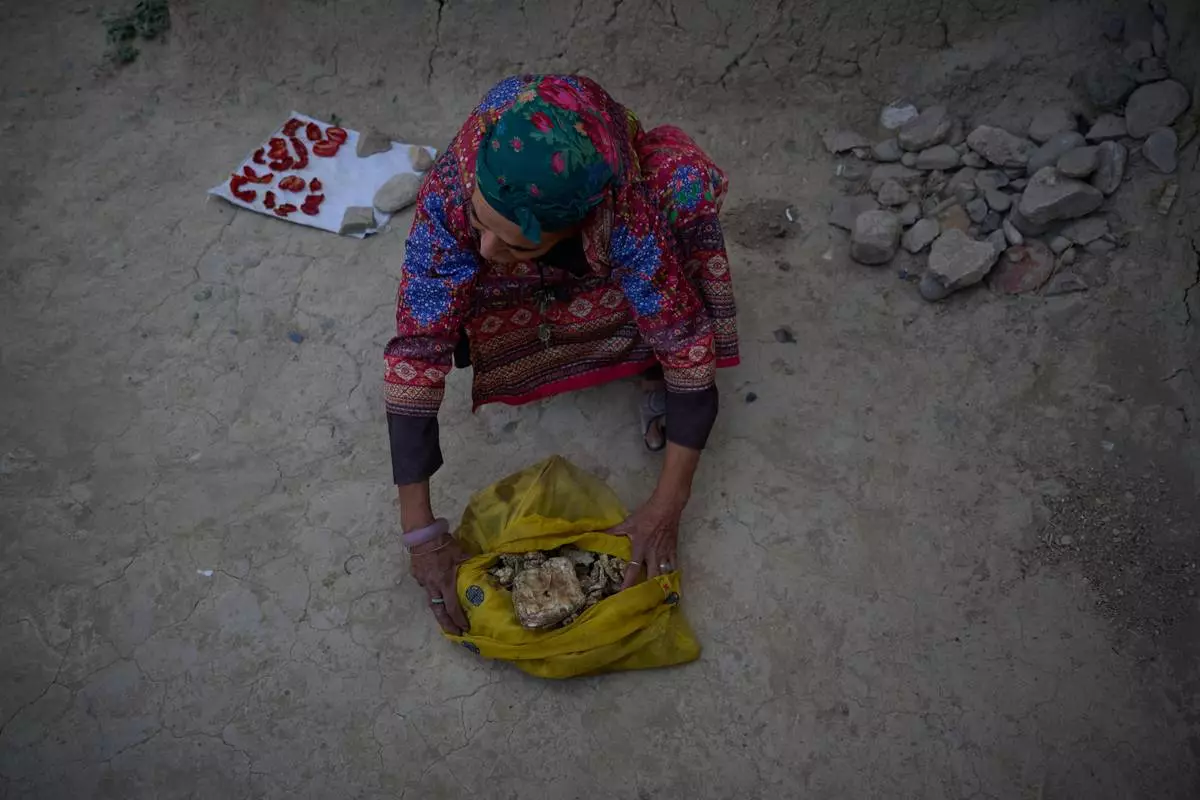
Sima checks dried meat she received during Eid al-Adha and preserved for the winter at her home in Kabul, Afghanistan, Wednesday, Aug. 12, 2026. (AP Photo/Nava Jamshidi)
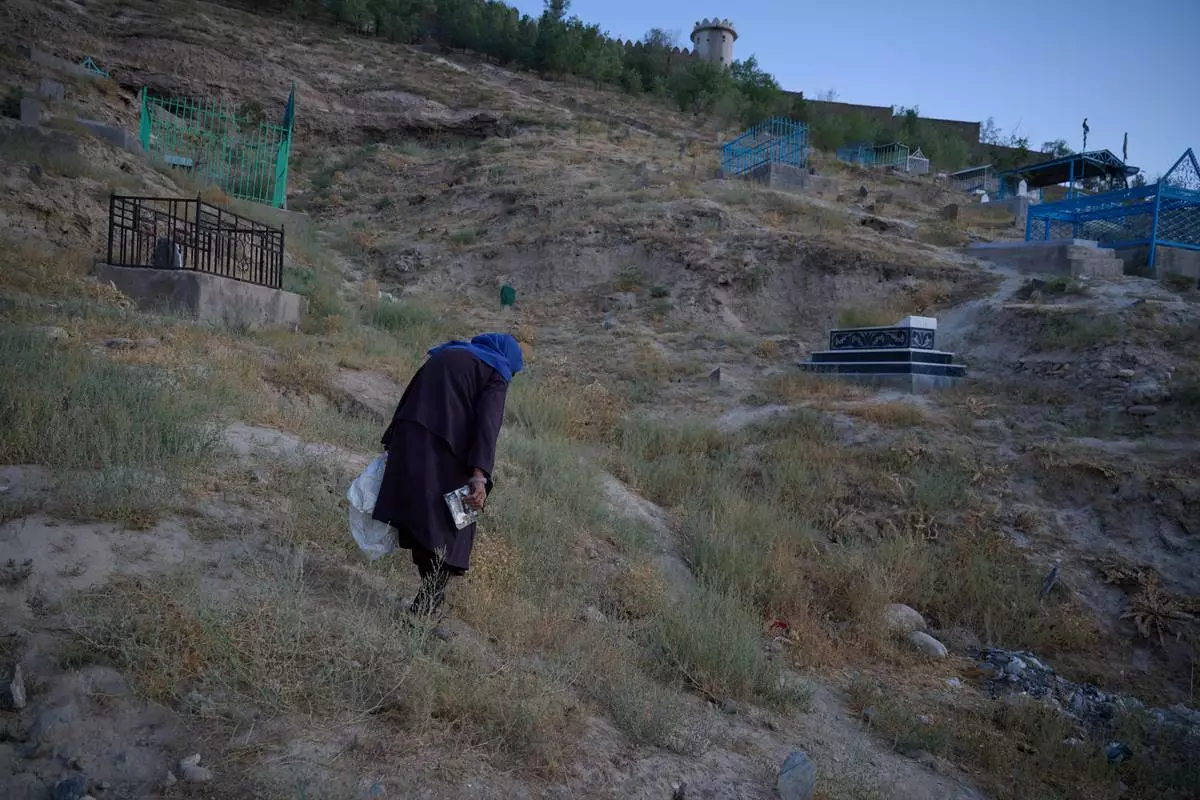
Sima collects discarded items from the ground at a cemetery to reuse or sell in Kabul, Afghanistan, Wednesday, Aug. 12, 2026. (AP Photo/Nava Jamshidi)
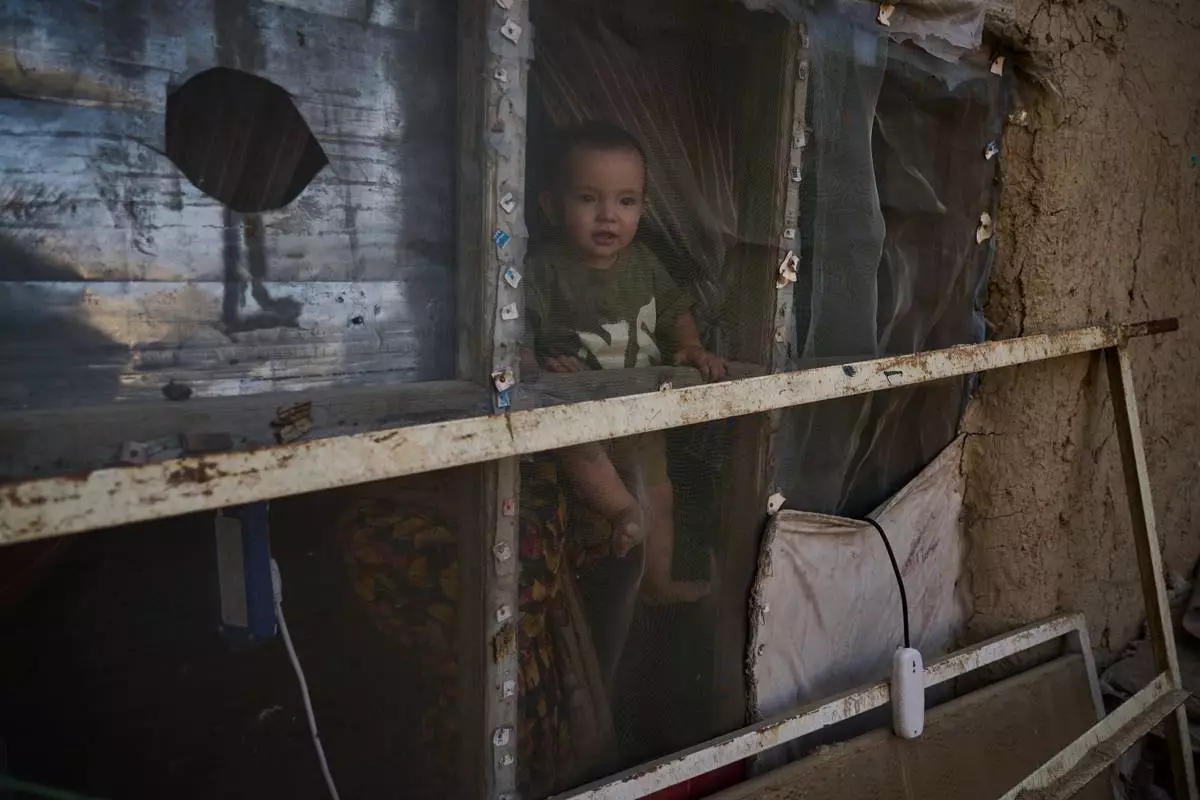
A child looks out the window of the room where Sima lives with several members of her extended family in Kabul, Afghanistan, Wednesday, Aug. 12, 2026. (AP Photo/Nava Jamshidi)
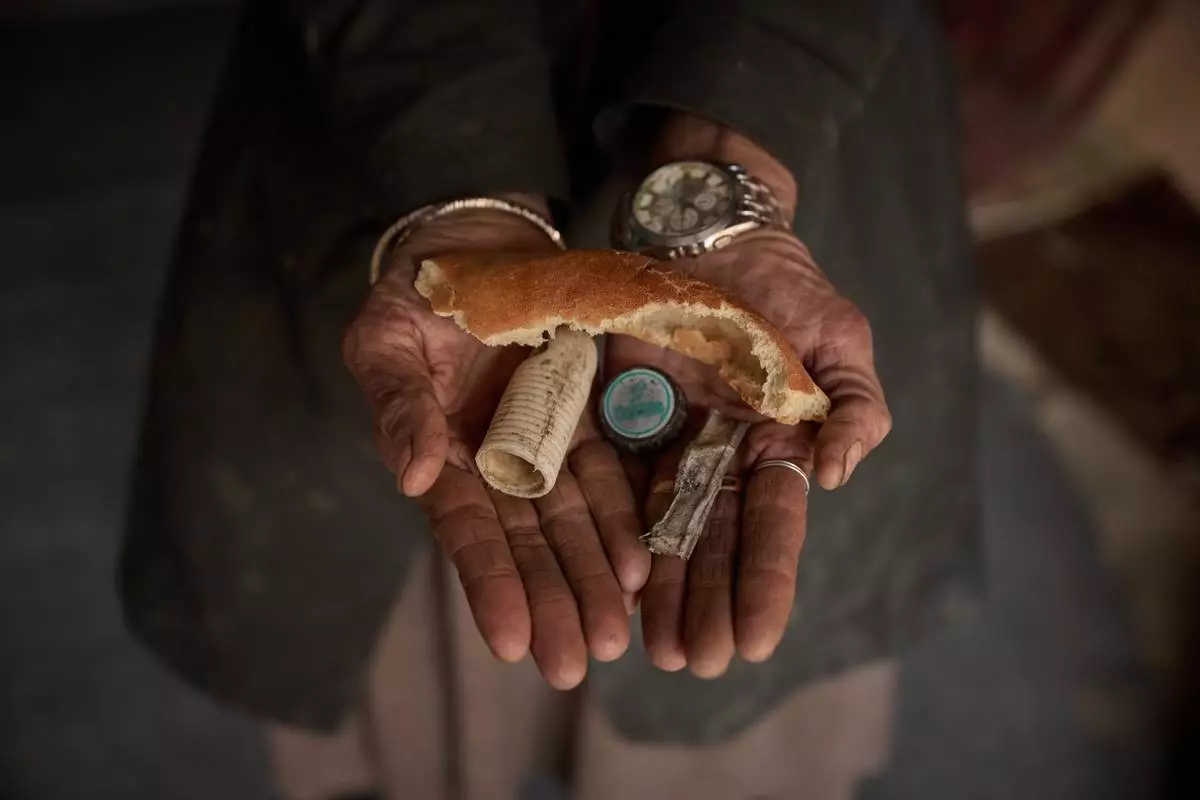
Sima holds discarded items, including a piece of bread and plastic, that she collected from the streets in Kabul, Afghanistan, Tuesday, Dec. 3, 2024. (AP Photo/Nava Jamshidi)
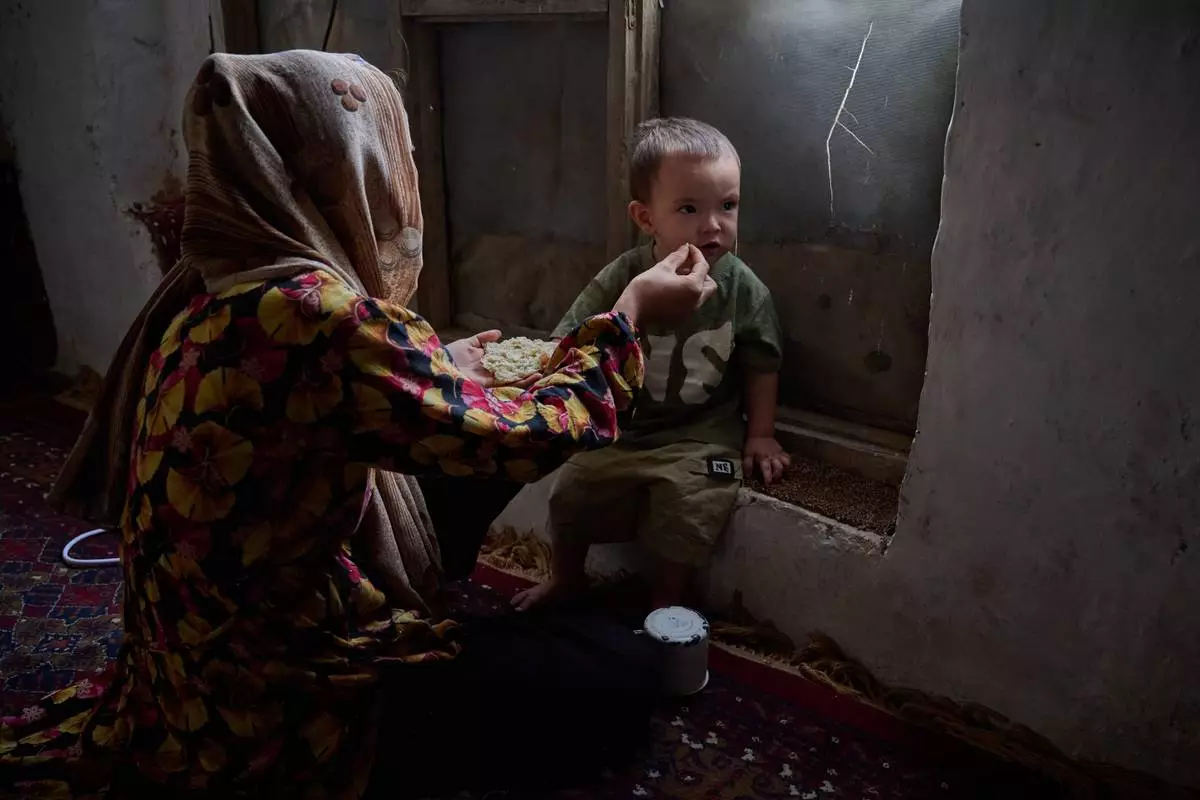
A woman from Sima's extended family feeds her child dry bread softened with water at their home in Kabul, Afghanistan, Wednesday, Aug. 12, 2026. (AP Photo/Nava Jamshidi)
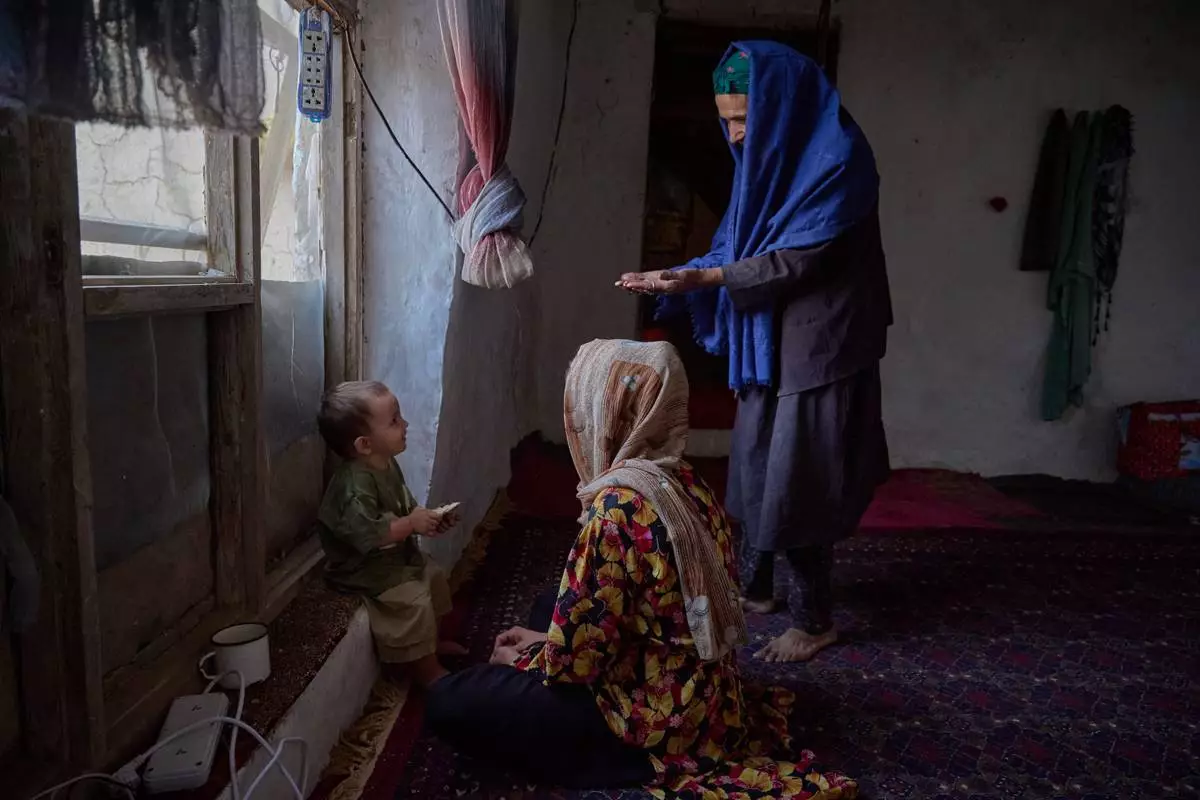
Sima plays with a young child from her extended family as the child's mother sits nearby at their home in Kabul, Afghanistan, Wednesday, Aug. 12, 2026. (AP Photo/Nava Jamshidi)
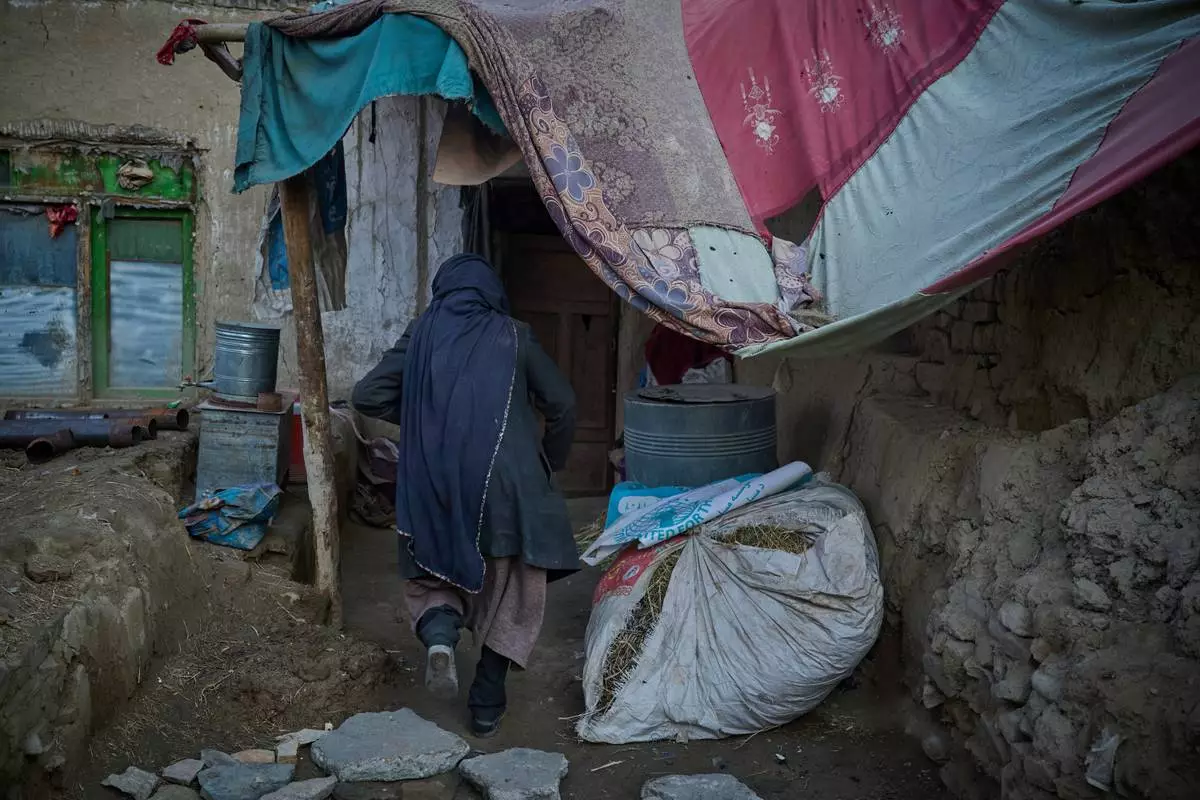
Sima enters her room at her home, where mud-brick walls and fabric coverings frame the entrance, in Kabul, Afghanistan, Tuesday, Dec. 3, 2024. (AP Photo/Nava Jamshidi)
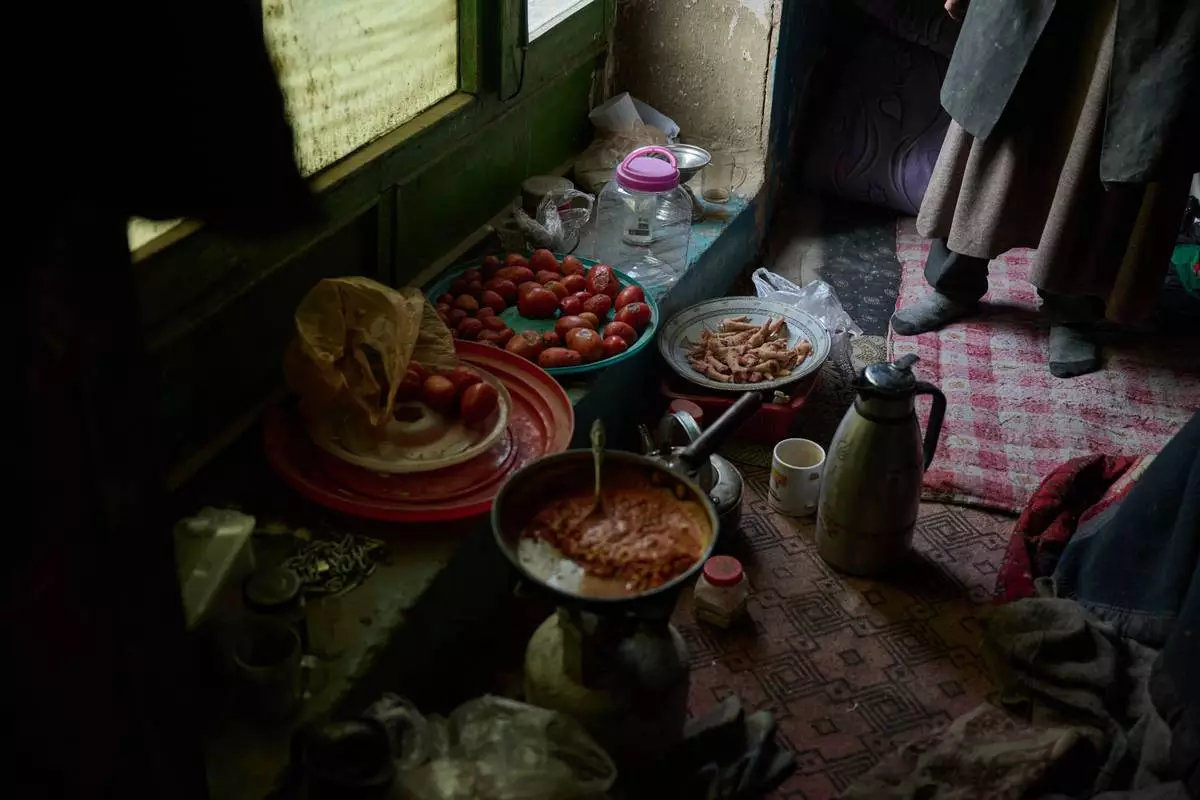
Food, bedding and items collected from the streets fill Sima's room at her home in Kabul, Afghanistan, Tuesday, Dec. 3, 2024. (AP Photo/Nava Jamshidi)
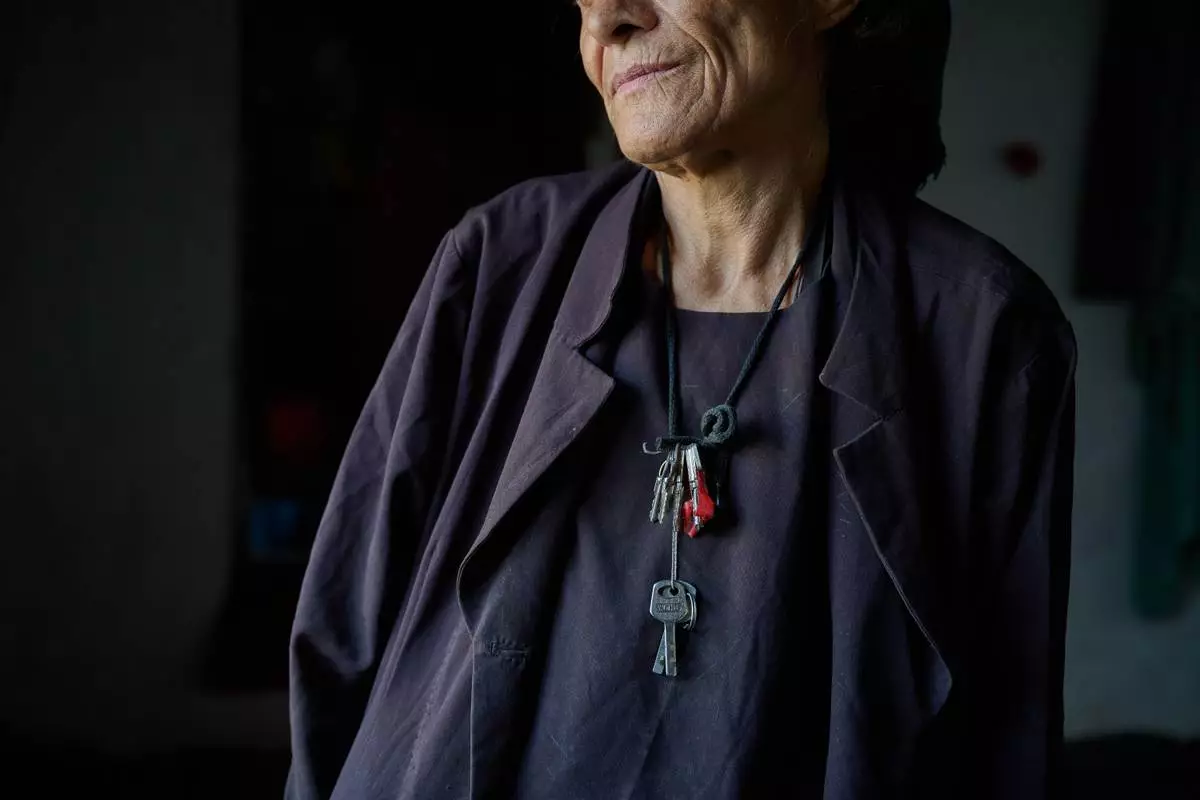
With a set of keys hanging around her neck, Sima, who believes she is about 60 years old but does not know her exact age, stands in the natural light from a window at her home in Kabul, Afghanistan, Wednesday, Aug. 12, 2026. (AP Photo/Nava Jamshidi)
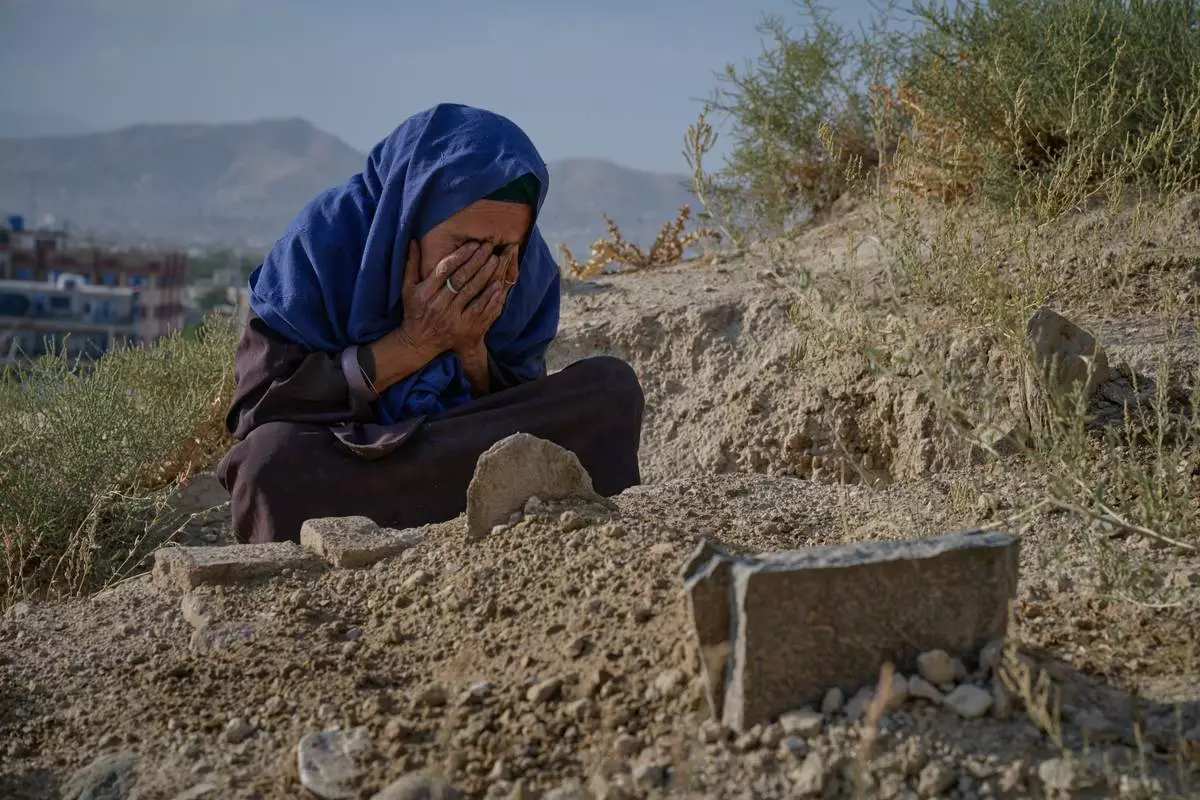
Sima covers her face at the grave of her six-month-old granddaughter, her daughter Diba's daughter, who died during the winter, in Kabul, Afghanistan, Wednesday, Aug. 12, 2026. Originally from Mazar-e-Sharif in northern Afghanistan, Sima, who believes she is about 60 but does not know her exact age, helps support her extended family by begging and collecting items she can reuse or sell. (AP Photo/Nava Jamshidi)