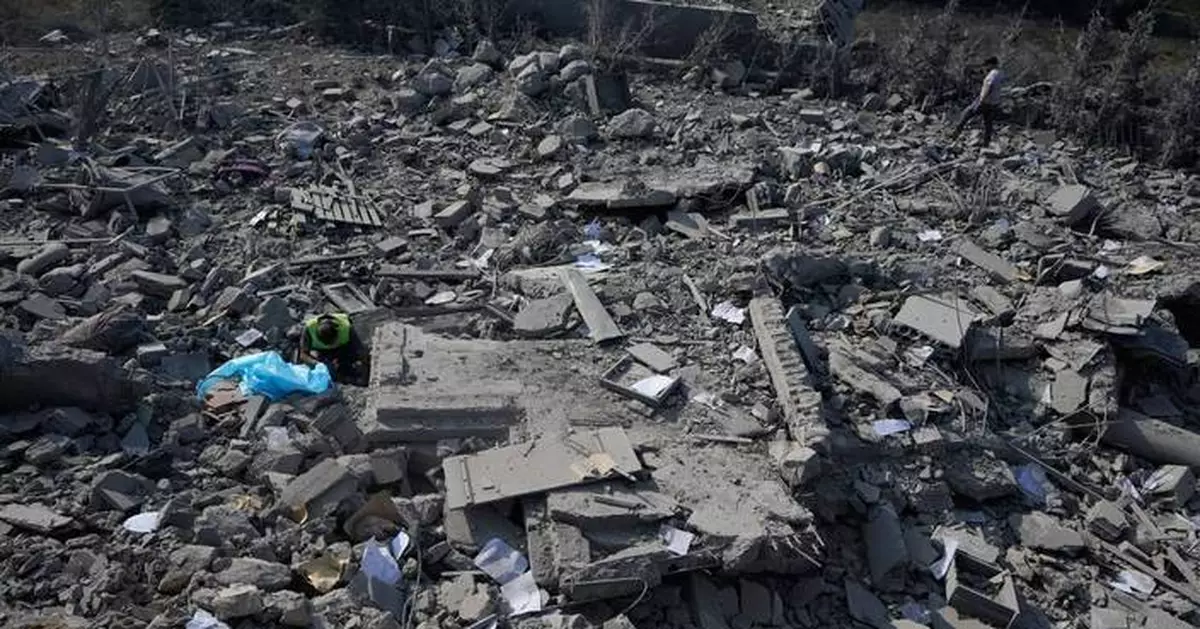
BEIRUT (AP) — Israeli airstrikes on southern Lebanon killed at least 11 people Saturday, in the deadliest attacks since a truce between Israel and Hezbollah went into effect on June 20.
Lebanon's Health Ministry and state news agency said an airstrike that targeted a home on the edge of Ansar village killed seven people, including three children, and wounded two. The second, on the village of Deir al-Zahrani, killed four and wounded 17.
Click to Gallery
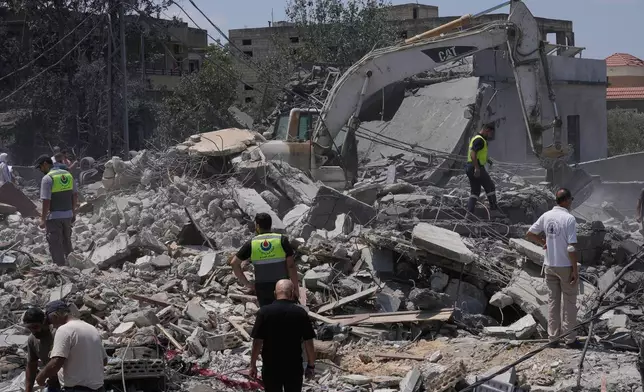
People and rescue workers gather on a destroyed house that was hit by an Israeli airstrike in Deir al-Zahrani village, southern Lebanon, Saturday, Aug. 15, 2026. (AP Photo/Mohammed Zaatari)
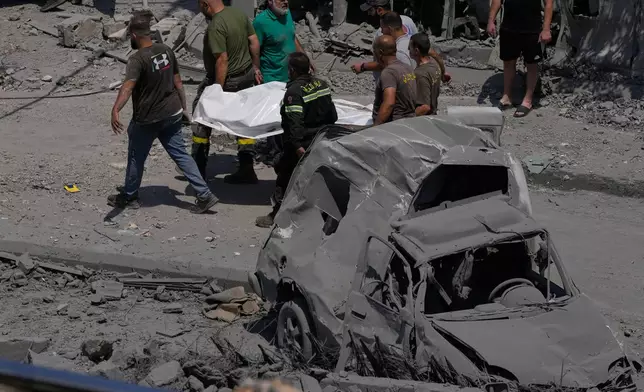
Rescue workers carry a plastic bag, containing the body of a person who was killed at a house that was hit by an Israeli airstrike in Deir al-Zahrani village, southern Lebanon, Saturday, Aug. 15, 2026. (AP Photo/Mohammed Zaatari)
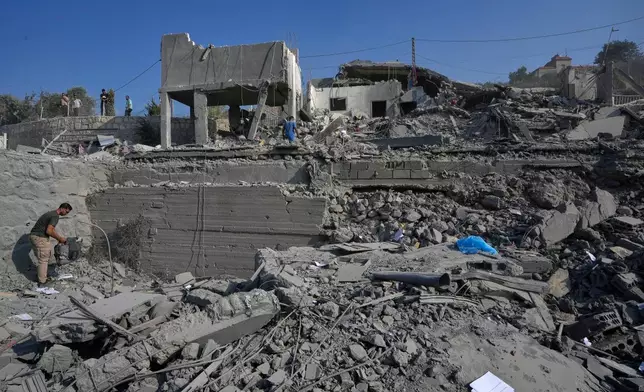
People check a destroyed home that was hit by an Israeli airstrike in Ansar village, southern Lebanon, Saturday, Aug. 15, 2026. (AP Photo/Mohammed Zaatari)
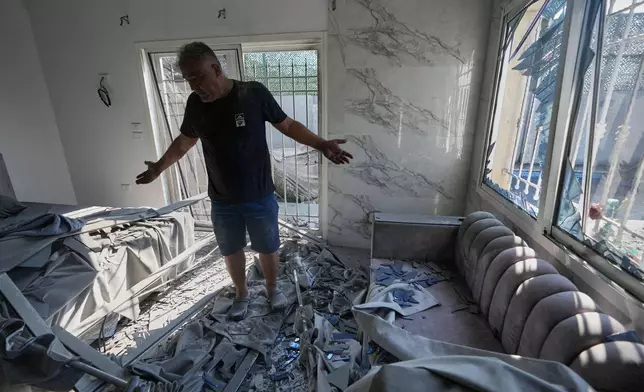
A man checks his damaged bedroom near the site where an Israeli airstrike hit and destroyed a house in Ansar village, southern Lebanon, Saturday, Aug. 15, 2026. (AP Photo/Mohammed Zaatari)
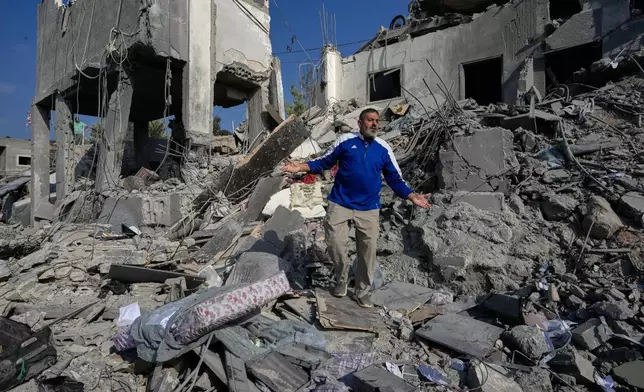
A man reacts on the rubble of a destroyed home that was hit by an Israeli airstrike in Ansar village, southern Lebanon, Saturday, Aug. 15, 2026. (AP Photo/Mohammed Zaatari)
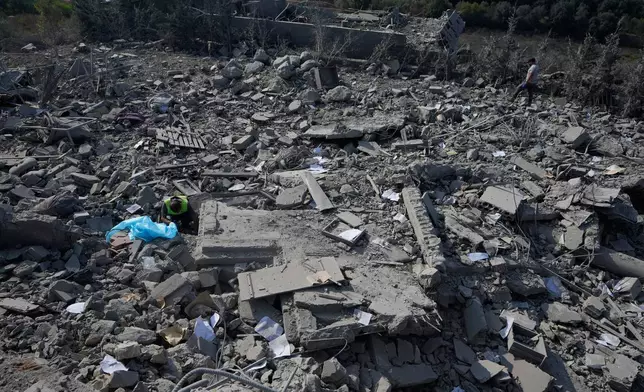
A rescue worker, left, searches for victims under the rubble of a home that was hit by an Israeli airstrike in Ansar village, southern Lebanon, Saturday, Aug. 15, 2026. (AP Photo/Mohammed Zaatari)
Israel and the Lebanese government announced a “framework agreement” on June 26, laying out a plan for Israeli forces to withdraw from southern Lebanon in exchange for the disarmament of the Iran-backed Hezbollah militant group. It envisions steps toward an eventual peace agreement between the countries, which remain technically at war nearly 80 years after Israel’s establishment.
Hezbollah has refused direct talks and wasn’t party to the deal.
Lebanese Prime Minister Nawaf Salam criticized Israel's airstrikes on southern Lebanon, saying they intimidate “residents in their homes" and undermine efforts to stabilize the situation in the south.
“The seven martyrs of the Israeli airstrike on the town of Ansar are not military infrastructure and the children and women killed were not military targets,” Salam said on X. He added that it is the job of the Lebanese state to deal with any military infrastructure in the country.
President Joseph Aoun said in comments released by his office that the strikes are “a clear message to the negotiation track and to the American efforts aimed at implementing this agreement.”
Intense Israeli airstrikes early Saturday also hit the strategic Ali Taher hill, which overlooks parts of the southern city of Nabatiyeh and main roads leading to it, NNA reported. Despite the truce, Israel’s military has continued near-daily attacks in the area north of the Litani River, with large areas to the south under Israeli military control.
The Israeli military said in a statement it struck Hezbollah infrastructure in the areas of Ali Taher and Ansar in response to an action against Israeli soldiers in the area.
The office of Israel's Prime Minister Benjamin Netanyahu said Hezbollah violated the ceasefire by attacking Israeli soldiers inside Lebanon, seriously wounding three. It said the military responded by striking the Hezbollah headquarters which ordered the attack, learning only later that Hezbollah “deliberately put civilians” in that military compound. Israel's military later said the soldiers were hurt by an explosive drone.
The Israeli military issued another statement later Saturday saying the strike on Ansar killed Ali Samir Al-Haj Hassan, whom it described as a battalion commander with Hezbollah's elite Radwan Force unit. The military said Haj Hassan’s family was with him and was harmed, but emphasized that the family was not targeted.
Hezbollah supporters posted photographs on social media of the commander, his wife, three sons and one daughter and said they were all killed in the strike.
A Hezbollah official did not immediately respond when asked for comment on whether they carried out any attacks on Israeli forces in southern Lebanon.
Hezbollah called on the Lebanese state to find ways to halt “this aggression” rather than pursuing U.S.-sponsored direct talks with Israel, arguing that would be “free gifts for the enemy despite the crimes and aggression it is carrying out.”
“The American side is a partner of the Israeli enemy in its crimes and massacres,” Hezbollah added in the statement.
Earlier this month, two Israeli soldiers were killed in an explosion in southern Lebanon, the first Israeli deaths since the truce. Hezbollah has not commented on the blast.
Lebanon and Israel have held seven rounds of talks; the most recent took place in Rome earlier this month.
The Iran-backed Hezbollah has refused to disarm and accuses the Lebanese government of making too many concessions without guaranteeing an Israeli withdrawal.
The latest Israel-Hezbollah war erupted on March 2, when Hezbollah fired rockets across the border two days after the U.S. and Israel launched their attacks on Iran. More than 4,000 people have been killed by Israeli strikes in Lebanon since then, including hundreds of civilians. About 40 soldiers and three civilians — including a military contractor — have been killed on the Israeli side.
Associated Press writer Sam Mednick in Tel Aviv, Israel, contributed to this report.
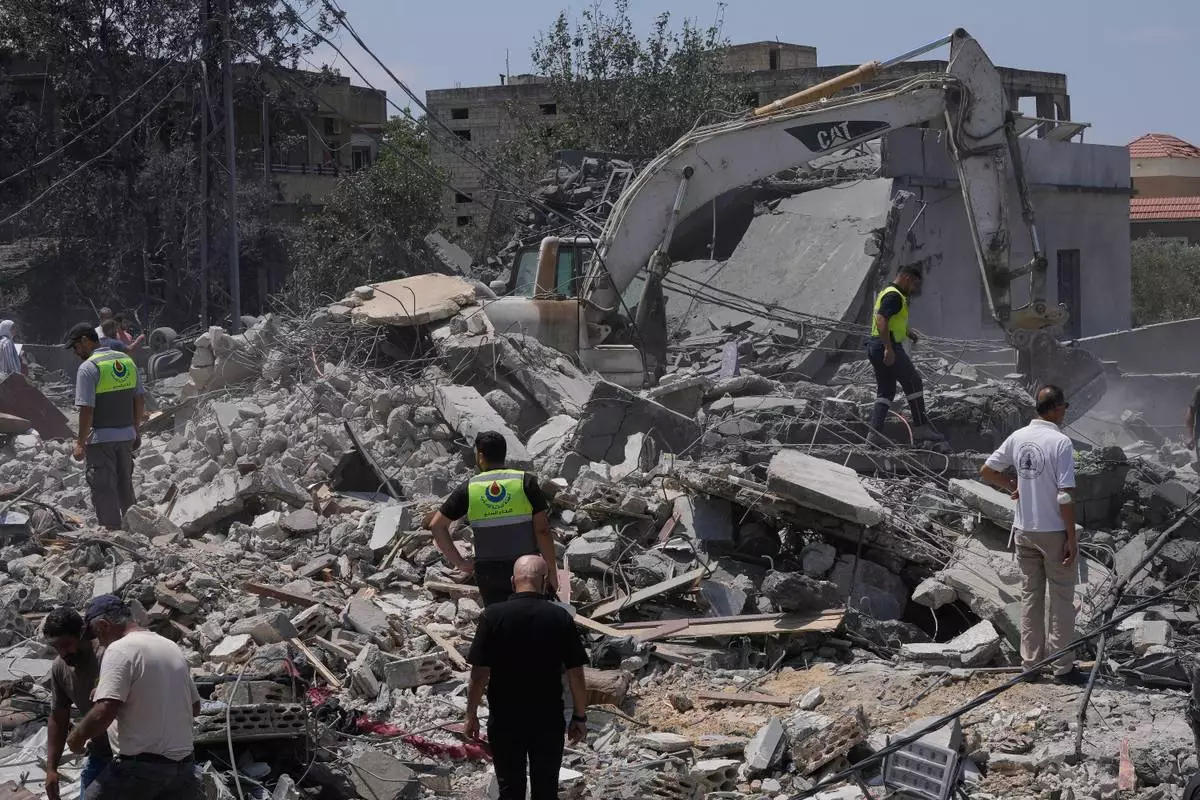
People and rescue workers gather on a destroyed house that was hit by an Israeli airstrike in Deir al-Zahrani village, southern Lebanon, Saturday, Aug. 15, 2026. (AP Photo/Mohammed Zaatari)
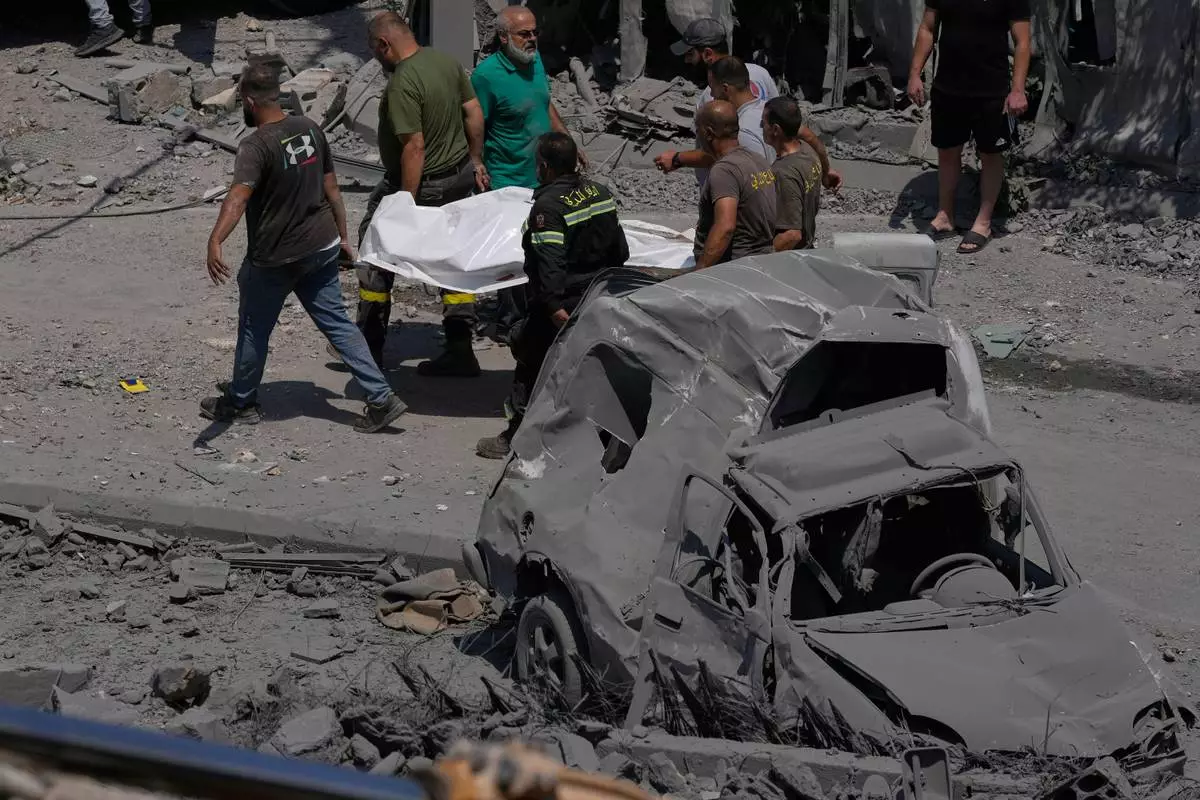
Rescue workers carry a plastic bag, containing the body of a person who was killed at a house that was hit by an Israeli airstrike in Deir al-Zahrani village, southern Lebanon, Saturday, Aug. 15, 2026. (AP Photo/Mohammed Zaatari)
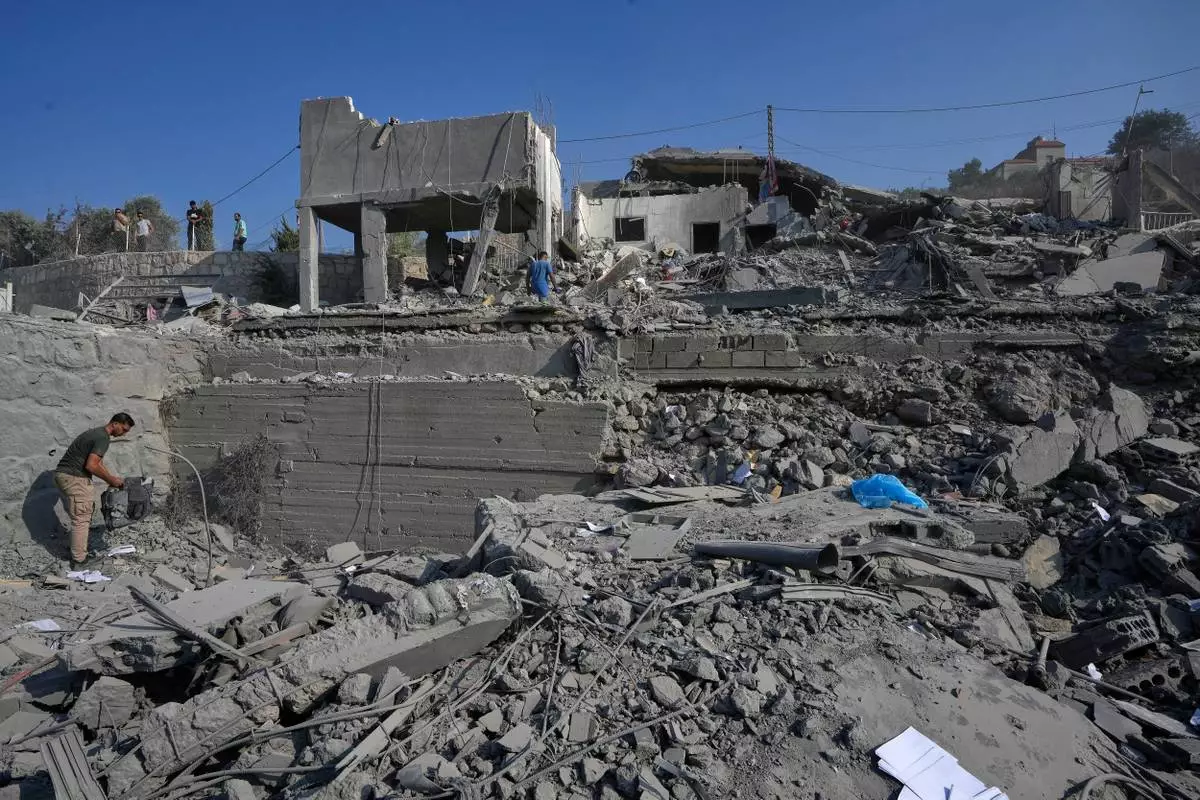
People check a destroyed home that was hit by an Israeli airstrike in Ansar village, southern Lebanon, Saturday, Aug. 15, 2026. (AP Photo/Mohammed Zaatari)
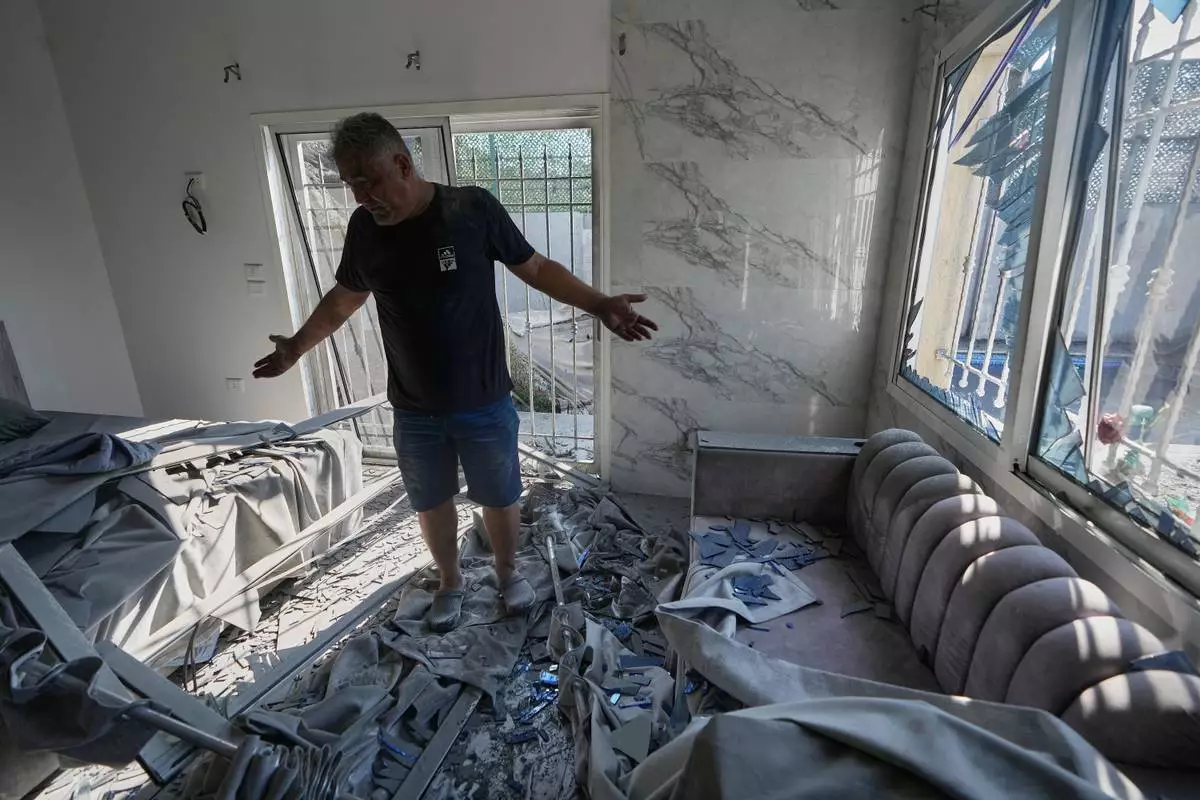
A man checks his damaged bedroom near the site where an Israeli airstrike hit and destroyed a house in Ansar village, southern Lebanon, Saturday, Aug. 15, 2026. (AP Photo/Mohammed Zaatari)
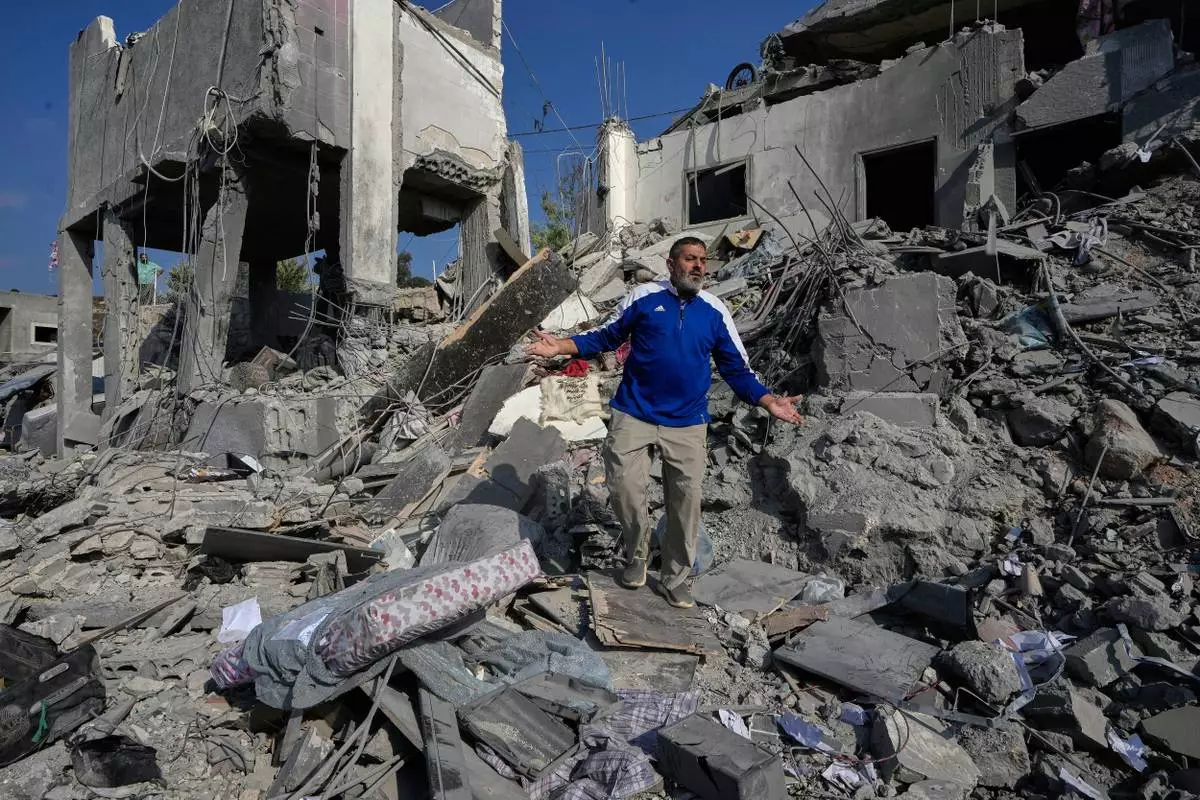
A man reacts on the rubble of a destroyed home that was hit by an Israeli airstrike in Ansar village, southern Lebanon, Saturday, Aug. 15, 2026. (AP Photo/Mohammed Zaatari)
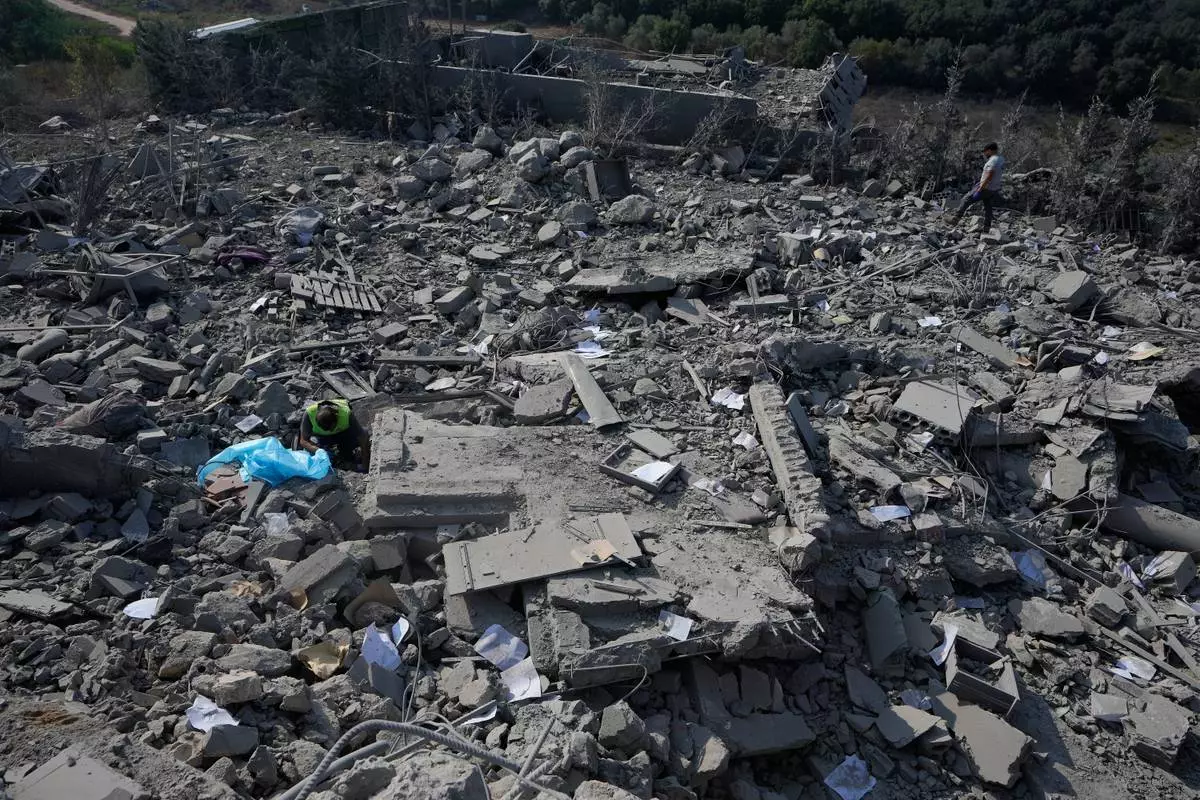
A rescue worker, left, searches for victims under the rubble of a home that was hit by an Israeli airstrike in Ansar village, southern Lebanon, Saturday, Aug. 15, 2026. (AP Photo/Mohammed Zaatari)