Japanese citizens took to the streets of Tokyo on Saturday, the 81st anniversary of Japan's unconditional surrender in World War II, calling on the government to face up to Japan's history of aggression and reflect on its wartime crimes.
The rally came on the same day that Japanese Prime Minister Sanae Takaichi sent a ritual offering to the notorious Yasukuni Shrine, a symbol of Japanese militarism and wartime aggression, while several cabinet ministers and senior politicians visited the controversial shrine.
Their actions have drawn criticism and opposition from many Japanese citizens.
"If they truly understand the atrocities committed in China during the war, they should reflect on them. Some Japanese people today have not reflected on history and do not even know about it, which is really outrageous," a protester said.
Participants at the rally voiced strong opposition to visits by senior government officials to the Yasukuni Shrine, warning against forgetting Japan's wartime aggression.
"Today is August 15. Japan once invaded countries across Asia. From its war of aggression against China to the Pacific War, Japan committed extremely brutal atrocities. Yet key members of the current government are still visiting the Yasukuni Shrine, which means they have not reflected on that war at all. I firmly oppose that," said another protester.
Others warned against a return to Japan's prewar militarism and criticized the current government's stance, citing the lessons of history and the suffering caused by Japan's wartime aggression.
"I think the others who gathered here feel the same way I do. Japanese society today is already in the same situation as it was before World War II. We are only one step away from entering into war again," a demonstrator said.
"For my generation, our fathers went to war and caused tremendous harm to the people of Asia. That is all recorded in books. I absolutely cannot tolerate Takaichi's words and actions, and that is why I am here today," said another participant at the rally.
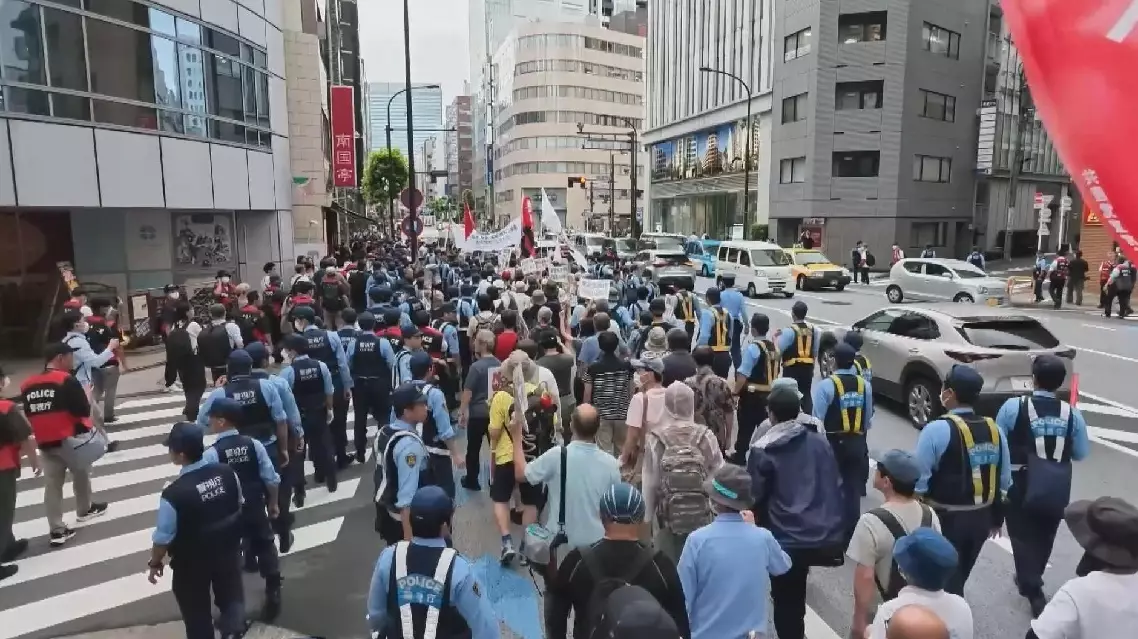
Japanese citizens rally in Tokyo, urge government to reflect on wartime aggression

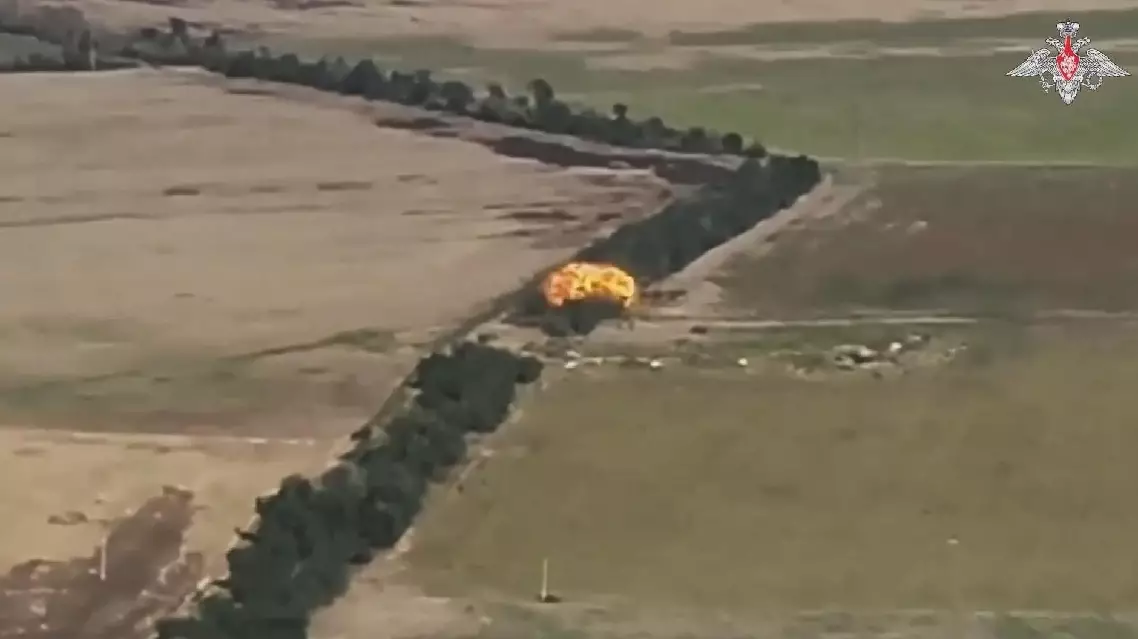
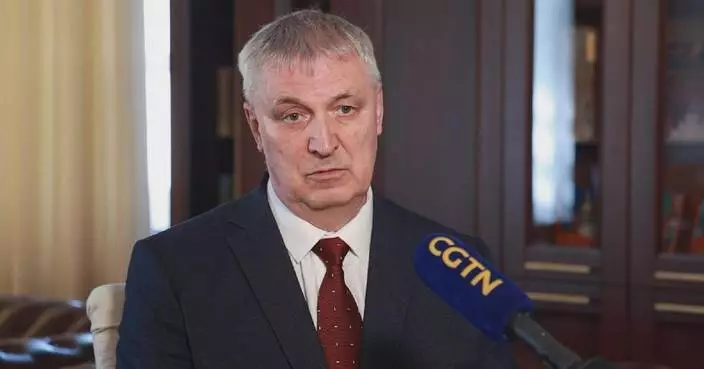
As the United States renews its diplomatic push to end the conflict between Russia and Ukraine, a Chinese international affairs expert cautioned that a lasting peace remains elusive unless fundamental disputes over territory and security guarantees are addressed.
The Chinese expert's remarks came after U.S. special envoys Steve Witkoff and Jared Kushner met with Russian President Vladimir Putin in Moscow on Saturday in efforts to revive Ukraine peace talks. They are also scheduled to visit Kiev the following day.
Meanwhile, both Russia and Ukraine have agreed to halt strikes on each other's capital during the U.S. envoys' visits.
Teng Jianqun, a prominent Chinese international affairs expert, noted that the current geopolitical climate presents a genuine, albeit fragile, window of opportunity for peace.
"Looking at the current situation, this is indeed a window of opportunity. Since February of this year, the United States has primarily focused its attention on dealing with Iran. Now, six months later, Washington is once again urging a Russia-Ukraine ceasefire, signaling that the U.S. has readjusted its strategic focus. In terms of battlefield dynamics, fighting on the frontline has become highly deadlocked. Therefore, it is a critical moment now for both sides to pause and negotiate a resolution to this conflict," said Teng.
Teng added that the U.S. has maintained communication with both Moscow and Kiev, which lays a necessary foundation for discussing a potential ceasefire.
However, the expert warned that significant obstacles remain, particularly regarding territorial sovereignty and the security guarantees that Ukraine demands.
"Given the current situation in the Russia-Ukraine conflict, expecting Russia to withdraw, or asking Ukraine to accept a 'land for peace' plan, are both unacceptable to either side. Therefore, the core issue remains to be territorial sovereignty. Meanwhile, Ukraine's security guarantees represent another fundamental concern. If these two basic issues are unresolved, I believe the conflict will continue," said Teng.
Expert warns U.S. unlikely to end Ukraine crisis without resolving core issues