Global food production could take a severe hit from the twin shocks of shipping disruptions in the Strait of Hormuz and a potentially historic Super El Nino, raising the risk of a worldwide food crisis, a senior JP Morgan economist warned.
In a report titled "Food Security Is National Security: A Compounding Storm," Nora Szentivanyi, JP Morgan's London-based senior global economist, said the combination could cut crop yields, constrain farming, and keep food inflation elevated through the first half of 2027. This year's global energy supply shock, she added, could magnify the inflationary impact of a super El Nino.
Global food inflation is expected to climb from 2.8 percent in the first half of 2026 to 5 percent in the first half of 2027, lifting overall inflation by 0.6 percentage points, she noted in the report published by JPMorgan.
The impact is likely to be deeply uneven, with emerging economies in parts of Asia, Africa, and Latin America bearing the brunt because their agricultural sectors are more sensitive to weather shifts and food makes up a larger share of household spending, according to the report.
The report calls for more help for vulnerable groups already facing food shortages. It cites data showing that some 645 million people worldwide were going hungry last year, while about 2.1 billion people experienced moderate or severe food insecurity, equating to roughly 25.8 percent of the global population.
Other major institutions have sounded similar alarms. Research teams at Goldman Sachs and HSBC have flagged rising global food inflation risks, and a recent UN Food and Agriculture Organization report showed the Global Food Price Index rose month-on-month in July at its fastest pace since January 2023.
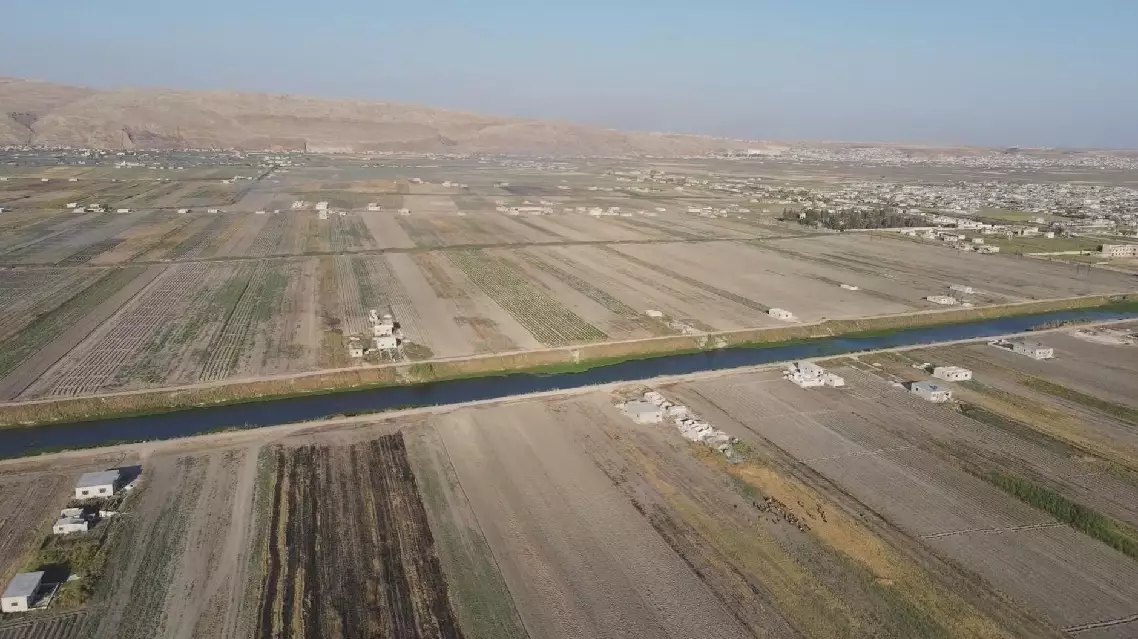
JP Morgan warns of possible global food crisis due to Hormuz Strait disruptions, El Nino
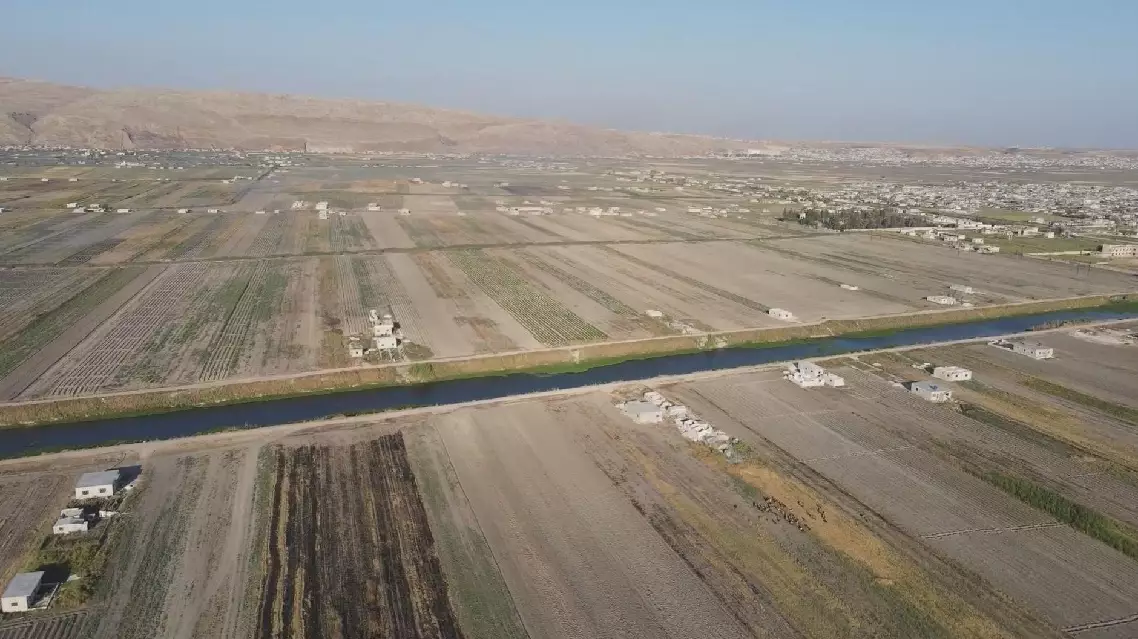
JP Morgan warns of possible global food crisis due to Hormuz Strait disruptions, El Nino
The spirit of the Long March has been passed down to young generations over the past 90 years, inspiring people to keep their faith, brave setback and put the people first.
The Long March was carried out by the Red Army, which was led by the Communist Party of China (CPC), and mainly made up of soldiers from peasants' and workers' families during the Chinese revolution.
Ninety-two years ago, the Red Army crossed the mountains and rivers of southwest China's Guizhou Province in search of a way forward.
Between 1934 and 1936, the army trekked up to 12,500 kilometers to break through the Kuomintang Party siege, a journey later known as the Long March.
The year 2026 marks the 90th anniversary of the Long March victory.
Today, a young generation has grown up, carrying forward the spirit of the Long March.
Dong embroidery heritage bearer Lu Yongjiang has undergone five corrective hand surgeries but continues to preserve the traditional craft.
"This was made by my mother, and I've kept it ever since. I think this craft is truly beautiful. I wanted to make it my lifelong career. I've had five corrective surgeries on my hand. When I was learning embroidery, everyone had already written me off. They thought I would never be able to learn it. I couldn't pull the thread with this hand, so I used my teeth to hold it. Then I used my other hand to help pull it through. As long as I can still stand, I won't give up on this craft," Lu said.
"A single embroidery needle may be small, but thousands of needles can stitch a magnificent landscape. When I think about the work I'm doing today, I'm not afraid. I may have a disability, but compared with the hardships the Red Army soldiers went through, I feel very fortunate today," she continued.
Dong-language guide Lu Xianying tells the history of the Long March through Dong songs.
"In Dong communities, many older people don't understand Mandarin. So when I explain this history, I have created several Dong songs based on the history of the Long March. We should approach the history of the Long March with respect. When we tell its story, we have to base it on facts and not distort or alter it. What I most want to do is to bring red culture and Dong culture together, so that both can be passed on," said Lu Xianying, a Dong-language guide of Liping Meeting Memorial Hall.
Zhou Wei, a guide at the Houchang Meeting Memorial Hall, puts it another way.
"I left teaching to become a guide telling the history of the Long March. After learning about this history, I was deeply moved and inspired by the journey of the Red Army. The Red Army soldiers ate tree bark and grass roots back then, so that future generations would never have to do the same. Every generation has its own Long March, and every generation has its own path to walk," said Zhou Wei, deputy director of Houchang Meeting Memorial Hall.
Other young people are working at the grassroots and dealing with challenges of their own. Ninety years later, the mountains and rivers remain, but every generation has its own path to walk.
"More than 90 years ago, when the Red Army crossed the Wujiang River, the current was extremely fast. At the time, the Red Army crossed the river at night to avoid enemy pursuit. They used what was known as the 'Red Army water horse,' which was a type of bamboo raft used to cross the river. This story is known as the 'Red Army water horse'. We tell this story to everyone who comes here to learn about the history," said Wang Yinyin, an official of Jiangjiehe Town Government.
"It was really a matter of chance that I joined the Western China Volunteer Program and was assigned to Jiangjiehe, a village known for the Red Army's crossing of the Wujiang River. I mainly work on rural revitalization, shooting videos and editing social media posts to share stories from Jiangjiehe," said Yu Yaojia, a volunteer of the 2026 Western China Volunteer Program.
"I think the biggest mountain I have to cross is gaining experience at the grassroots level, then using it to better serve people on a bigger platform," said Tian Yintan, an official of Jiangjiehe Town Government.
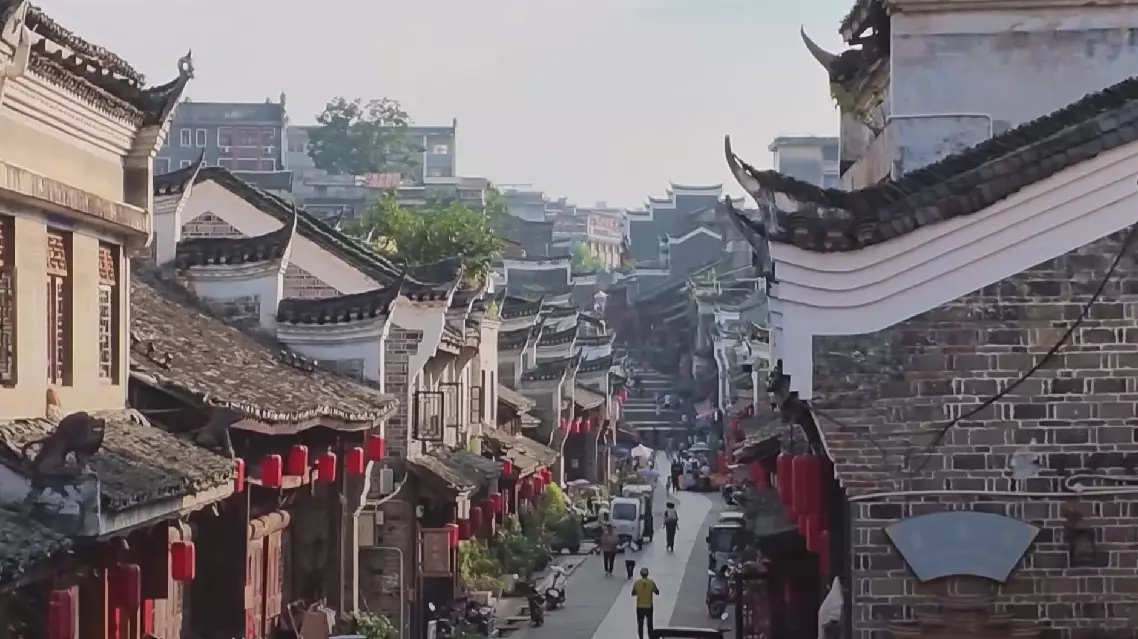
Long March spirit passes down to young generations