U.S. stocks moved lower on Monday, as oil prices and U.S. Treasury yields jumped amid concerns that the U.S.-Iran conflict could reignite.
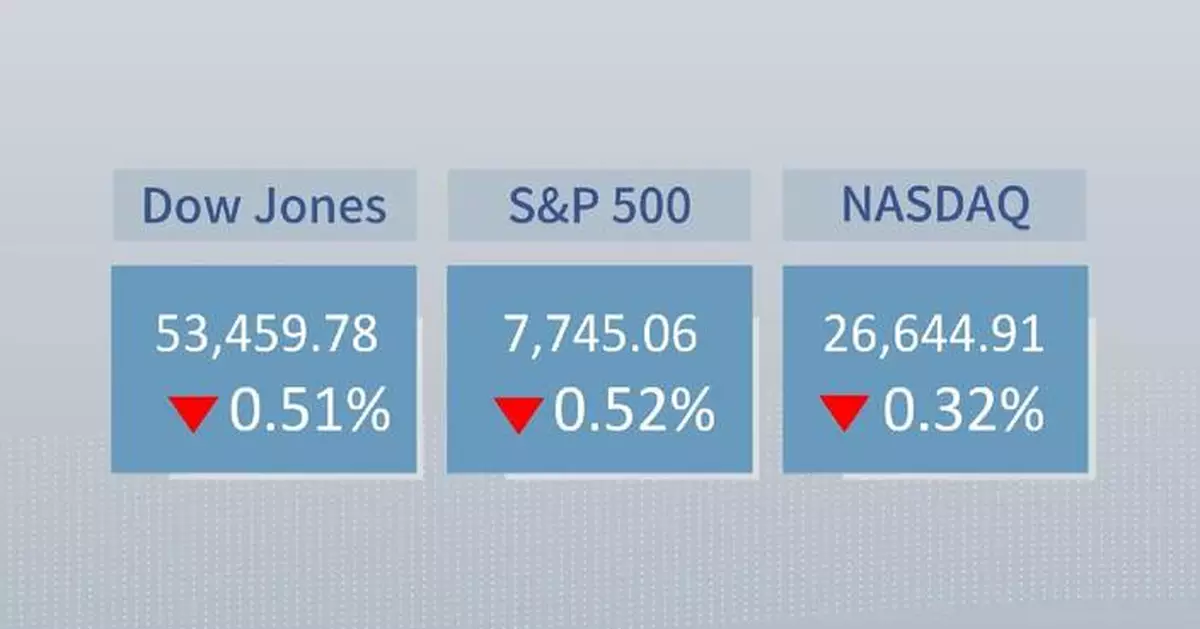
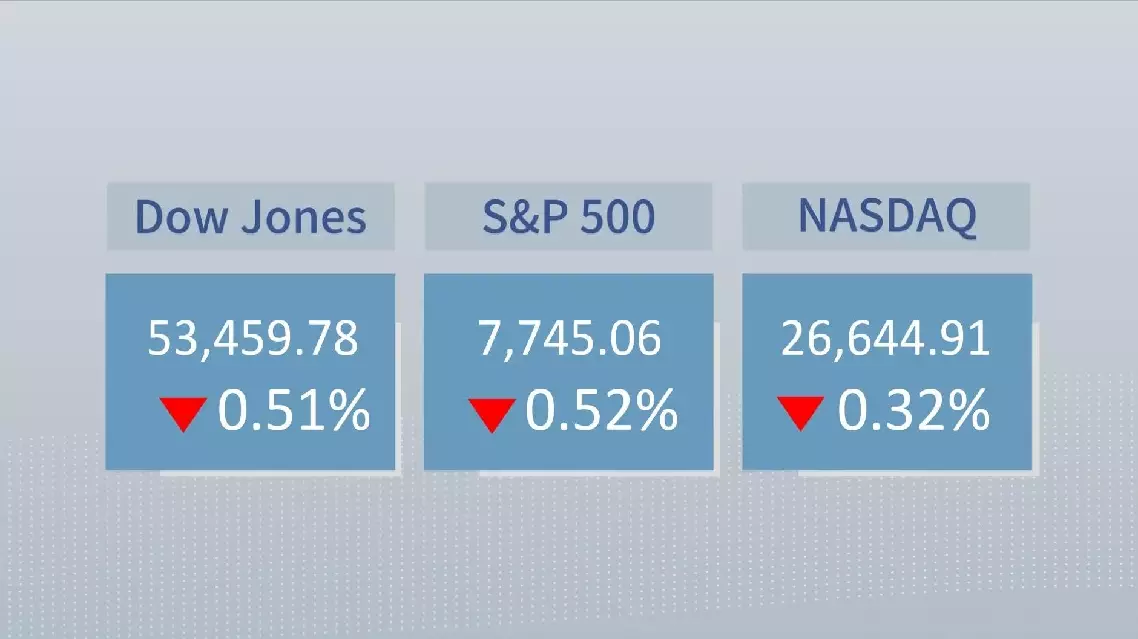
The Dow Jones Industrial Average fell by 272.63 points, or 0.51 percent, to 53,459.78. The S and P 500 sank 40.7 points, or 0.52 percent, to 7,745.06. The Nasdaq Composite Index shed 84.25 points, or 0.32 percent, to 26,644.91.
Ten of the 11 primary S and P 500 sectors ended in the red, with communication services and consumer staples leading the laggards by losing 1.47 percent and 1.46 percent, respectively. Energy bucked the trend by adding 0.87 percent.
Shares tipped lower in afternoon trading after a memorandum of understanding between the United States and Iran expired on Monday, raising worries about a potential escalation of the conflict.
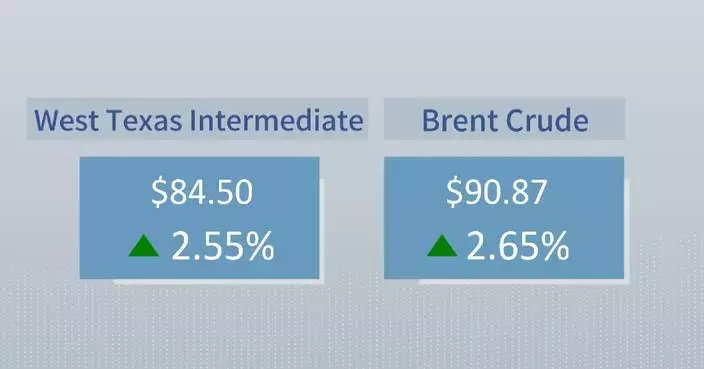
Oil prices rose as West Texas Intermediate crude for September delivery added 2.1 U.S. dollars, or 2.55 percent, to settle at 84.5 dollars a barrel on the New York Mercantile Exchange. Brent crude for October delivery gained 2.35 dollars, or 2.65 percent, to settle at 90.87 dollars a barrel on the London ICE Futures Exchange.
Also weighing on markets was a tightening in financial conditions, with the 10-year and 30-year U.S. Treasury yields extending gains amid concerns over growing national debt. The 30-year yield rose 5 basis points to 5.31 percent, reaching its highest level since June 2007.
Meanwhile, memory stocks outperformed the broader market. The Roundhill Memory ETF advanced 5.36 percent, with components including SanDisk, Western Digital, SK Hynix, Micron Technology and Seagate Technology all rising.
Investors are looking ahead to the Federal Reserve's next policy decision and a slate of retail earnings this week. Major retailers including Walmart, Target, Lowe's and Home Depot are scheduled to report quarterly results.
U.S. stocks close lower as oil, U.S. yields rise on geopolitical concerns