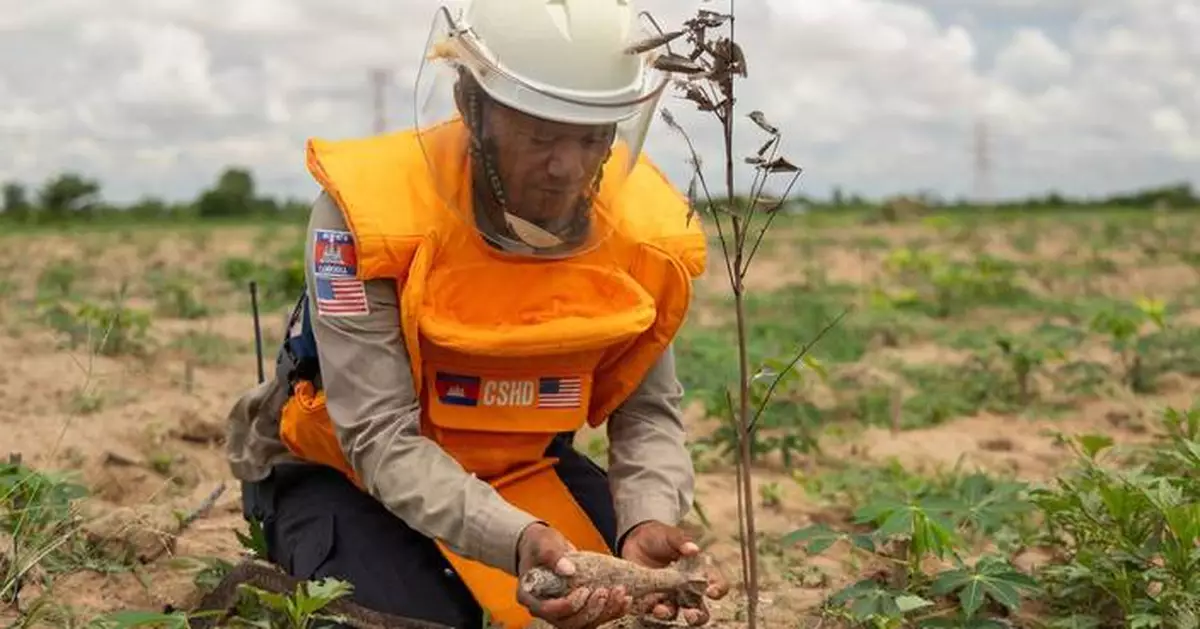
SIEM REAP, Cambodia (AP) — En Poy was minding cattle in a former Khmer Rouge stronghold in Cambodia when he set off his first land mine.
The blast from the rusty relic he picked up cost him an arm and an eye. It also inspired his career with the nonprofit Cambodian Self Help Demining, which clears land mines and unexploded ordnance across the country, deadly remnants of wars from the last century.
Click to Gallery
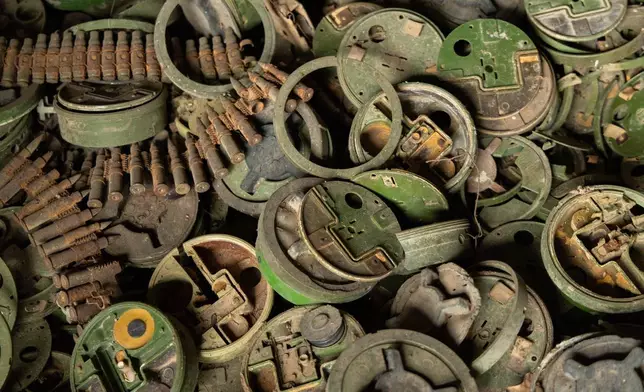
Piles of defused landmines and other remnants of war are seen in the Cambodia Landmine Museum in Siem Reap, Cambodia on Sunday, June 28, 2026. (AP Photo/Anton L. Delgado)
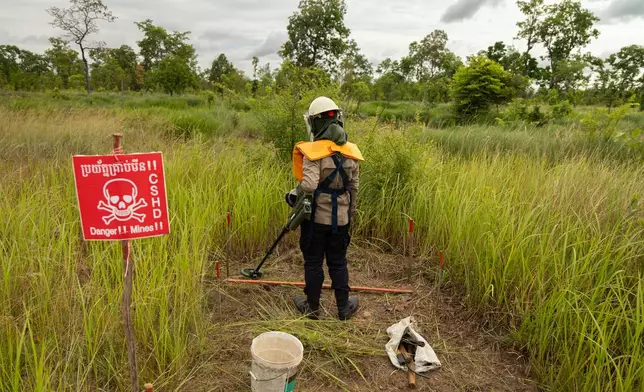
A deminer uses a metal detector to clear a landmine field in Siem Reap, Cambodia, Thursday, July 2, 2026. (AP Photo/Anton L. Delgado)
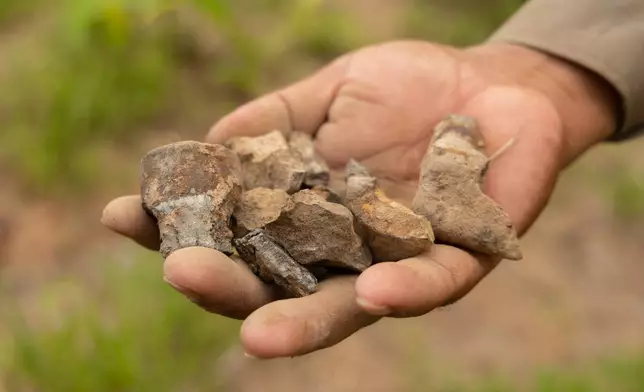
A deminer holds up the remnants of a destroyed anti-personnel landmine in Siem Reap, Cambodia on Thursday, July 2, 2026. (AP Photo/Anton L. Delgado)
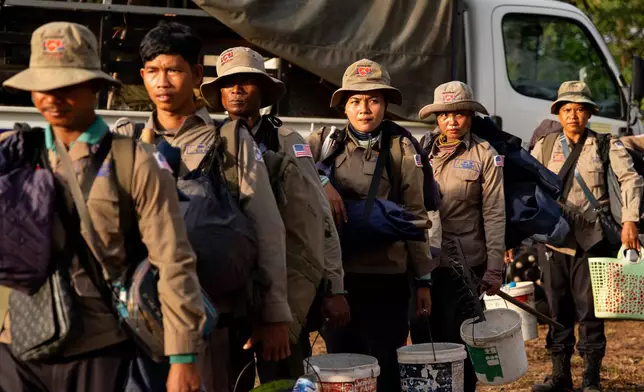
Deminers prepare to enter a landmine field in Siem Reap, Cambodia on Thursday, July 2, 2026. (AP Photo/Anton L. Delgado)
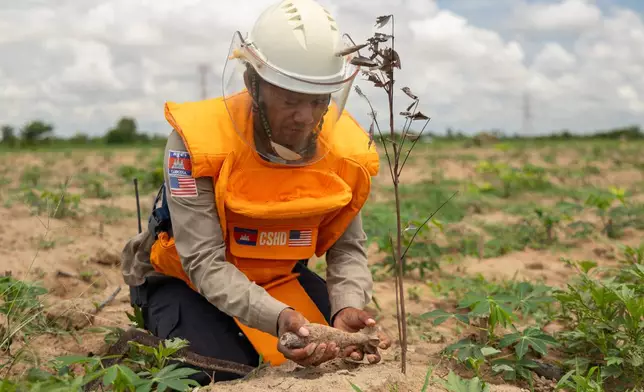
Sun Theary, a member of an explosive ordnance disposal team, picks-up a 60mm mortar round in Siem Reap, Cambodia on Thursday, July 2, 2026. (AP Photo/Anton L. Delgado)
Groups like Poy’s that rely on foreign aid are struggling as donors shift funding for humanitarian demining toward active conflicts in Ukraine, Gaza and Sudan, and to more recent wars, like in Syria and Afghanistan. Today's conflicts are also driving higher defense spending, leaving less money for aid.
President Donald Trump’s dismantling of the U.S. Agency for International Development and a 90-day freeze on foreign aid last year worsened the problems, though American demining support to Cambodia has restarted.
Cambodia's predicament shows that dangers remain even when fighting ends. Demining groups say that without international support, Southeast Asia’s unfinished work clearing land mines and unexploded bombs will continue to endanger communities, maiming and killing people and slowing development for years to come.
Poy was wounded in a second land mine explosion that pierced his face and body with shrapnel and killed three of his colleagues. He now educates fellow Cambodians in high-risk areas on how to avoid such dangers. But he's not sure how long that will last.
“If one day donors stop funding my organization, I would definitely be sad because we haven't finished our job," he said. "There are still a lot of landmines left over."
The Vietnam War bled into neighboring Cambodia and Laos, triggering strife that lasted long after the Americans fled the fall of Saigon, including the Khmer Rouge’s reign of terror, which killed about 1.7 million Cambodians.
Cambodia is one of the world's most land-mined countries. Laos is the most heavily bombed country per capita in history and Vietnam still battles the fallout of chemical weapons.
Since the wars ended, land mines and unexploded ordnance have killed approximately 90,000 people and wounded almost twice as many across the three countries.
Leftover weapons lie beneath fields and forests, blocking construction of roads and schools. They are deadly discoveries, mistaken for toys by children who account for more than 40% of the civilian casualties recorded globally since 1999 by the Landmine and Cluster Munition Monitor, formed by nonprofit groups to track such issues.
Demining is slow and painstaking work.
Teams first survey and map contaminated areas. Then step-by-step they clear vegetation, using metal detectors and specialized equipment to locate explosives and destroy them. Progress is measured in meters (feet) a day and work often stops in wet weather.
“These things don’t really become less dangerous with time. They become more dangerous as they deteriorate,” said Charles Ray, a Vietnam War veteran who became the first post-war U.S. consul general in Ho Chi Minh City and later ambassador to Cambodia.
By funding demining, the U.S. proved it cared, Ray said. “We’re not just this behemoth that comes in with our military machine and breaks things, we can also help nations rebuild,” he said.
Funding for humanitarian demining amounted to $4.3 billion from 2020 to 2024, according to the land mine monitor.
National contributions from affected countries made up about a fifth and foreign aid provided the rest, with most of the funds from the U.S., Germany, the European Union, Norway, and Switzerland, the land mine monitor says.
Recent conflicts are creating unprecedented demand for demining as contaminated areas expand, said Maria Vardis of the U.N. Mine Action Service.
Ukraine received a third of all humanitarian demining funding in 2024, more than any other country, the land mine monitor found. Other active conflict zones, like Yemen and Gaza, received increased funding, while demining efforts in Syria, Sudan and Afghanistan have also ramped up, while some Asian nations are getting less funding.
Germany is considering reducing foreign aid in favor of defense spending and military support to Ukraine.
At the same time, more land mines are being planted and bombs dropped in other conflicts such as the civil war in Myanmar and border conflicts between Cambodia and Thailand.
“Funding does fluctuate year to year, but in the big picture, even in the face of cuts by many governments, the big crises continue to be funded, but smaller and older mine action projects are struggling," Vardis said.
Under Trump, U.S. demining aid to Southeast Asia has yo-yoed. That has “set a really dangerous precedent for what can be done,” said Danae Hendrickson of the U.S.-based advocacy group Legacies of War.
Last year, the U.S. approved $56.5 million for war-legacy programs in Vietnam, according to congressional documents, compared to $197 million allocated in 2024. In July, Secretary of State Marco Rubio announced $130 million in demining assistance for Southeast Asia, without giving details.
Last year's freeze briefly halted war-legacy projects in Vietnam and weakened Hanoi’s confidence in U.S. commitments, said Nguyen Khac Giang, a visiting fellow at Singapore’s ISEAS–Yusof Ishak Institute.
“The lasting damage is to the hard-earned trust between the two former enemies,” he said.
In an email to The Associated Press, a U.S. State Department spokesperson said American assistance is “not charity” and that humanitarian demining aid will continue to serve U.S. interests around the world.
Between 1992 and 2025, about 1.2 million mines and 3.2 million other explosive remnants of war were found in Cambodia, according to the Cambodian Mine Action and Victim Assistance Authority.
The country still had 1,749 square kilometers (about 675 square miles) of uncleared land as of last year.
Thousands or even millions more weapons may still be out there, said Bill Morse, president of the Landmine Relief Fund, which supports Cambodian Self Help Demining.
Barely an hour from the famed Angkor Wat temple complex in Siem Reap, deminers with South Korean, Swiss and American flags on their uniforms and helmets, recently inched through a minefield, clearing the land one painstaking step at a time.
They found a Soviet-designed anti-personnel land mine. Another unit nearby was dispatched to destroy a mortar round and a rocket-propelled grenade at a cassava farm just off a highway leading to a new Chinese-funded airport.
The group may have to stop their work by September due to sharp cutbacks in donations. “We have simply run out of donors," Morse said.
“If people want to pull their money away, that’s a decision that they have to make," he said. "But when they do, people will die here.”
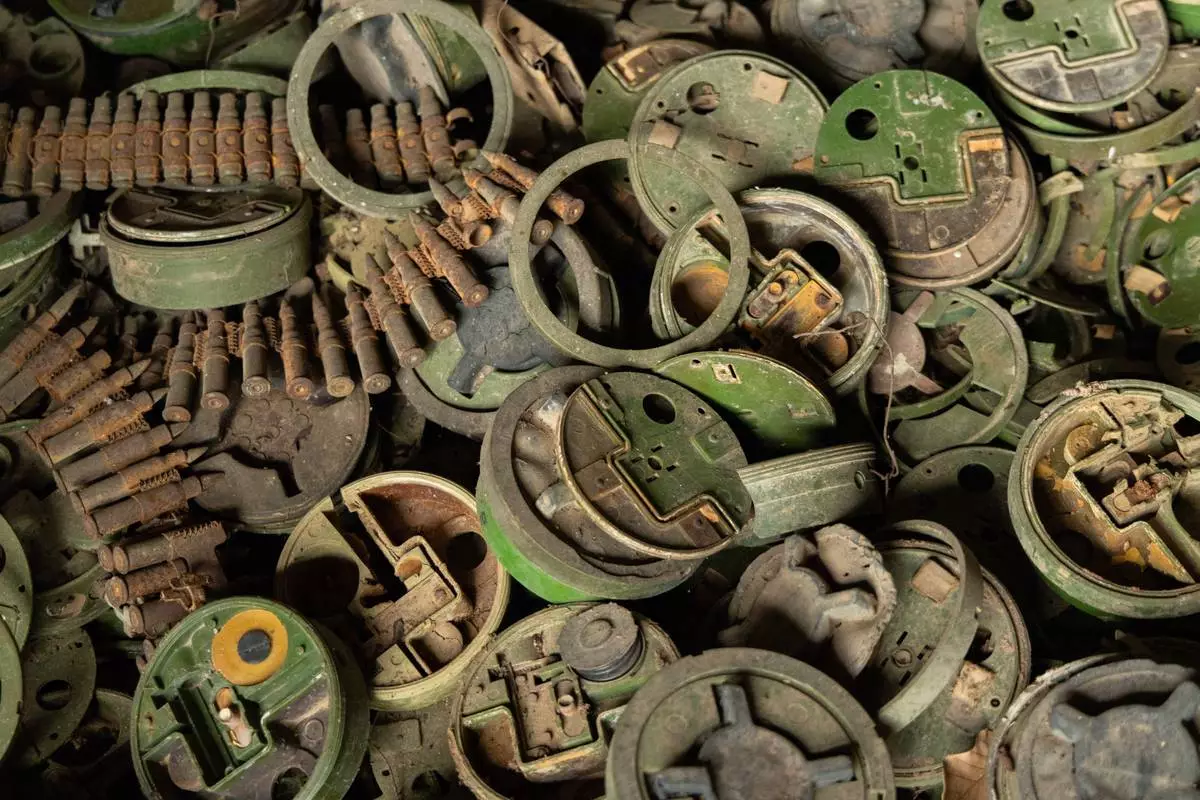
Piles of defused landmines and other remnants of war are seen in the Cambodia Landmine Museum in Siem Reap, Cambodia on Sunday, June 28, 2026. (AP Photo/Anton L. Delgado)
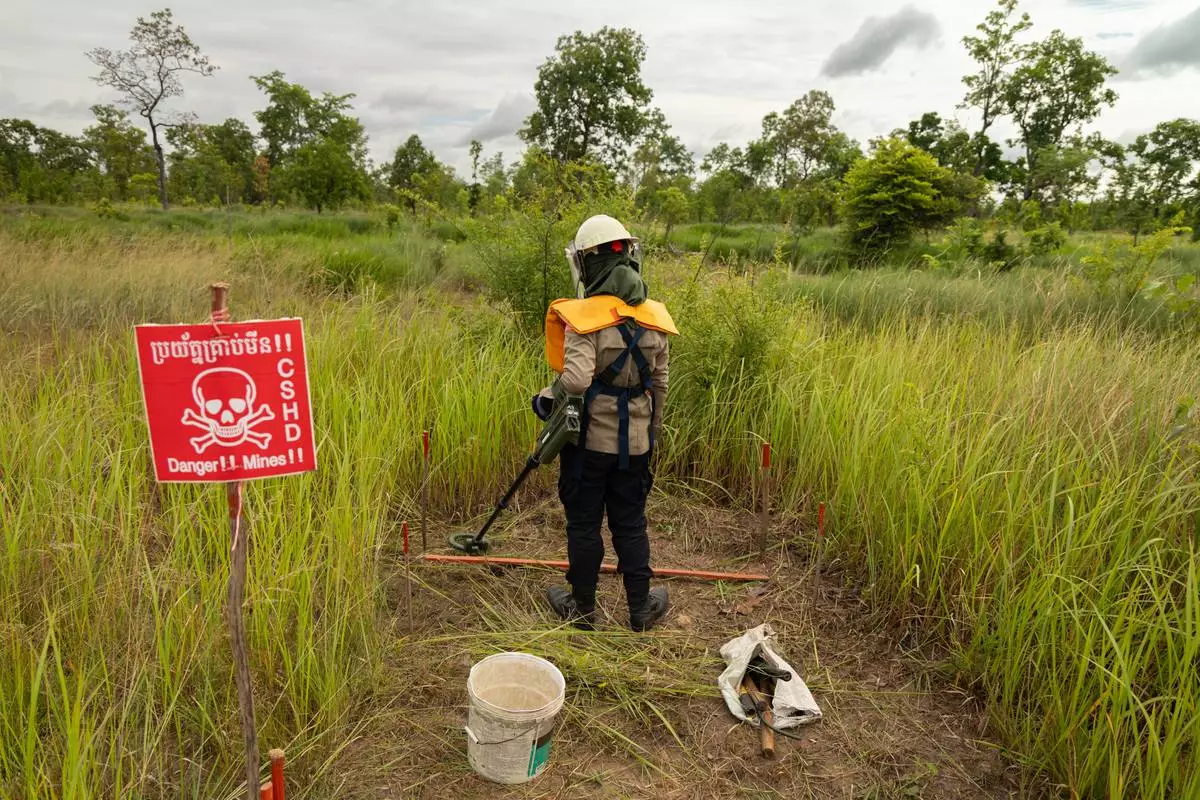
A deminer uses a metal detector to clear a landmine field in Siem Reap, Cambodia, Thursday, July 2, 2026. (AP Photo/Anton L. Delgado)
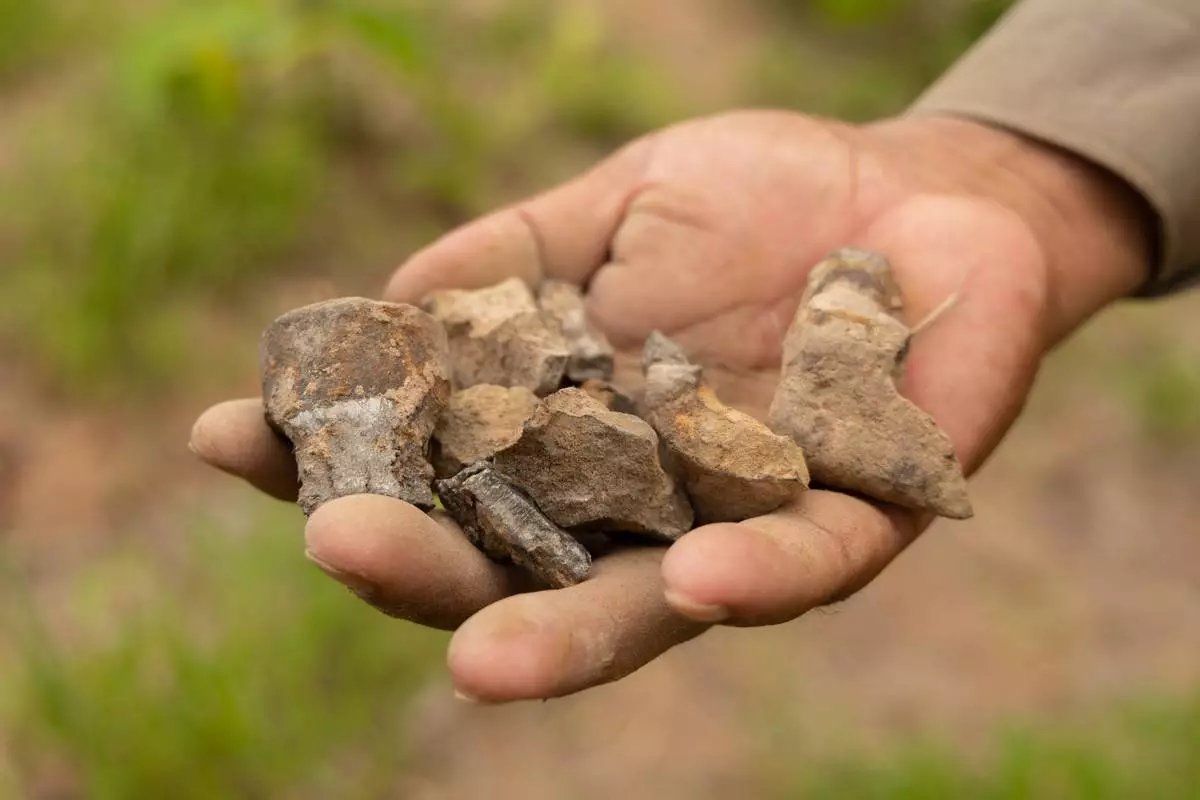
A deminer holds up the remnants of a destroyed anti-personnel landmine in Siem Reap, Cambodia on Thursday, July 2, 2026. (AP Photo/Anton L. Delgado)
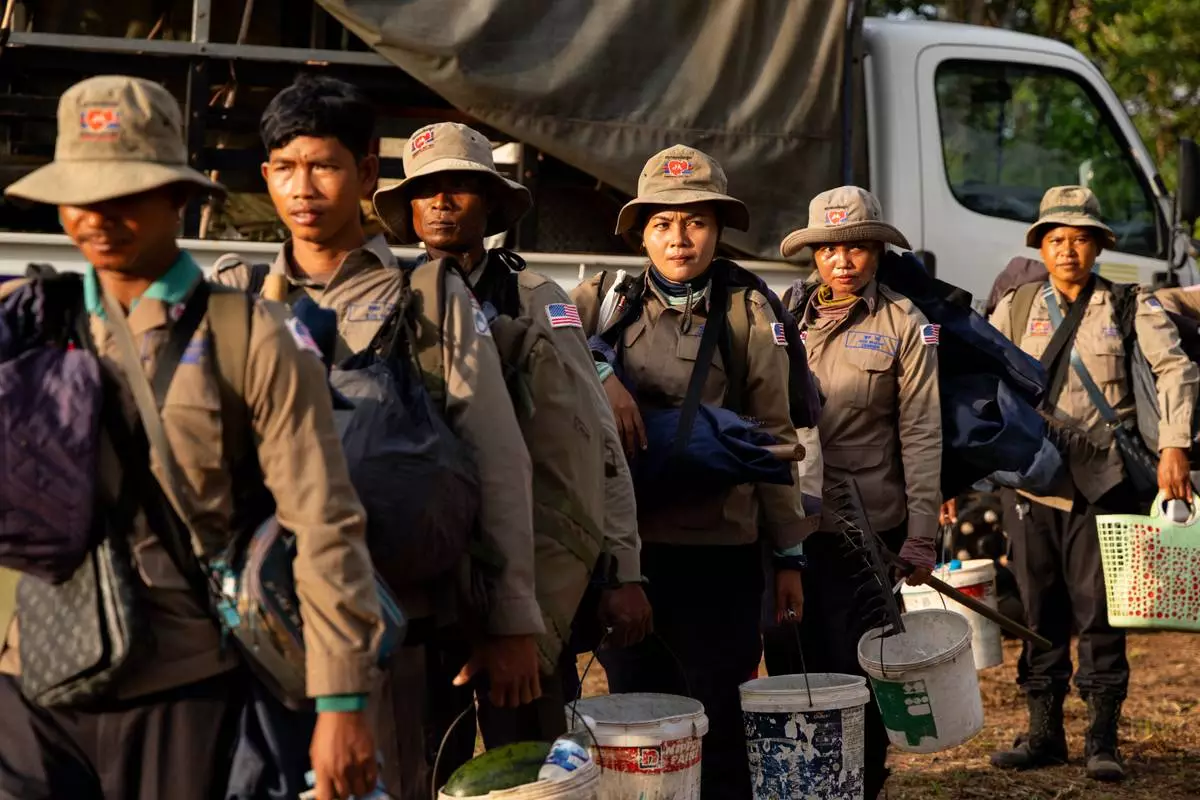
Deminers prepare to enter a landmine field in Siem Reap, Cambodia on Thursday, July 2, 2026. (AP Photo/Anton L. Delgado)
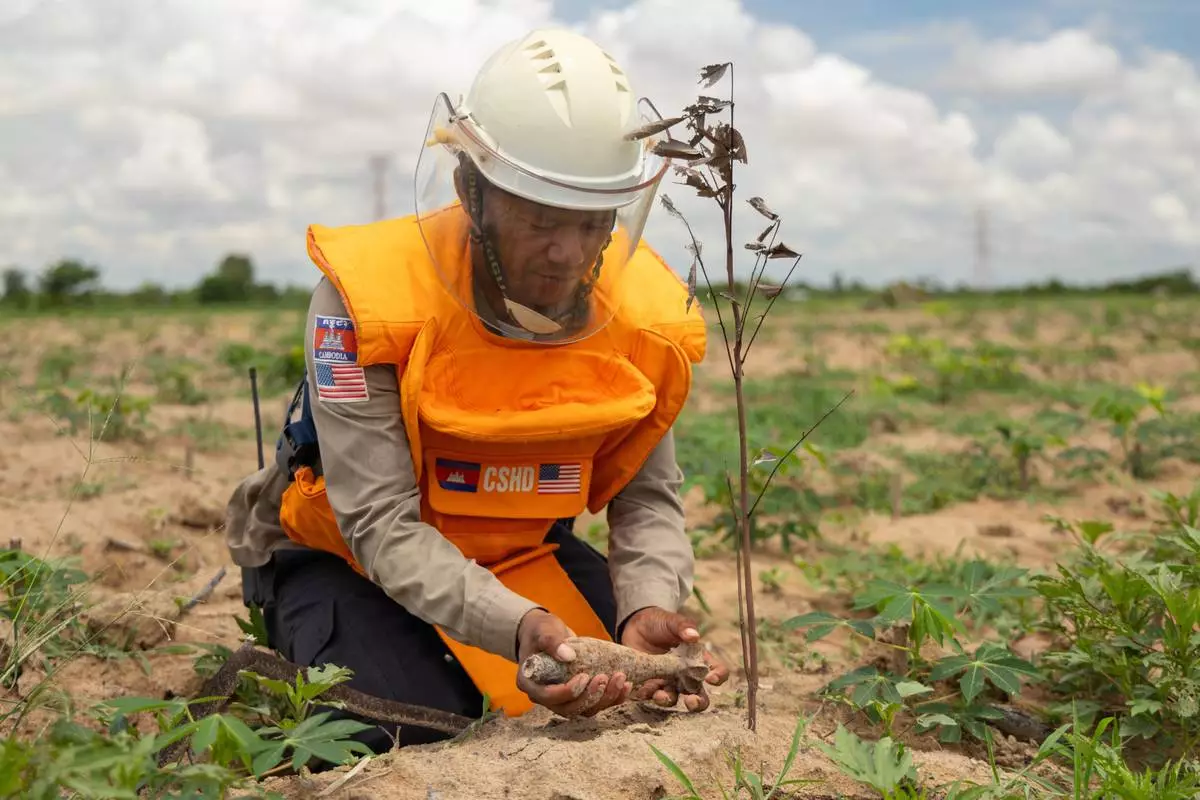
Sun Theary, a member of an explosive ordnance disposal team, picks-up a 60mm mortar round in Siem Reap, Cambodia on Thursday, July 2, 2026. (AP Photo/Anton L. Delgado)