Skip to Content Facebook Feature Image

Network Bio Launches with $50 Million Financing and World’s Largest Patient Tissue Training Dataset

Business

Network Bio Launches with $50 Million Financing and World’s Largest Patient Tissue Training Dataset
Business

Business

Network Bio Launches with $50 Million Financing and World’s Largest Patient Tissue Training Dataset

2026-08-19 20:00 Last Updated At:20:30

PALO ALTO, Calif.--(BUSINESS WIRE)--Aug 19, 2026--

Network Bio, a biotechnology company building disease-specific AI models from human biological data to support the personalized practice of medicine, launched today with $50 million in financing. Investors include Section 32, Thiel Bio, Founders Fund, Breyer Capital, Blue Venture Fund, JSL Health Capital and other life science and AI funds.

This press release features multimedia. View the full release here: https://www.businesswire.com/news/home/20260819858157/en/

The financing will support expansion of Network Bio’s life science platform, which develops disease-specific AI models trained on large scale tissue, blood, molecular and clinical datasets. By leveraging a network of academic biobanks, Network Bio is creating an unprecedented disease-focused dataset on which to train new AI models to advance human health.

Network Bio’s Research Network of Leading U.S. Biobanks

Through collaboration with leading academic medical centers, including Mass General Brigham, the University of Pennsylvania, and the University of Colorado Anschutz, the company has created a research network of large biobanks. Common selection criteria, sample quality standards, and data harmonization across sites make it possible to generate “AI-ready” datasets that combine multiple layers of data from patient tissue and blood samples with longitudinal clinical outcomes at a scale that is not possible working with a single institutional biobank.

Network Bio has a demonstrated track record of building these data atlases, drawing on patient-derived tissue paired with blood samples, longitudinal clinical outcomes, and multimodal molecular data. Following data harmonization and integrated analyses, generated data are returned to commercial partners and its collaborating institutions, supporting basic science and biomedical research at participating U.S. academic medical centers.

"Every patient leaves a barcode of their disease in their tissue, and until now no one has been able to read those barcodes at scale," said Asad Ali Ahmad, Ph.D., CEO and Co-Founder, Network Bio. "Working with the biobanks of some of the country's leading academic medical centers, we built the network that makes reading them possible. We then built an AI platform that is already finding signals in conditions it was never trained on. This is the future of medicine."

“No single academic medical center can capture the full complexity of human disease," said Kimberly Muller, Chief Innovation Officer, CU Anschutz Innovations. "By bringing together biobanks from leading institutions with industry partners, Network Bio is creating a research resource that reflects diverse patient populations and supports discoveries that can translate into real-world clinical practice."

AI Platform Designed to Learn the Biology of Disease

Unlike conventional AI systems built for a single disease or application, Network Bio is developing an AI infrastructure that is capable of learning biological principles that transfer across diseases, tissues and data modalities. The company's vertically integrated platform combines two foundational technologies:

Network Bio’s platform has demonstrated potential across multiple disease areas, including published results in respiratory disease and additional studies in ovarian and bone disease. These studies illustrate the platform’s ability to transfer learning across diseases, including in settings with limited or previously unseen datasets.

Network Bio has established early commercial validation through a strategic collaboration valued at more than $30 million with a Fortune-100, top-10 healthcare company to develop next-generation AI models. The collaboration represents an important milestone in applying the Company's multimodal AI model to real-world clinical applications.

“Medicine is approaching an inflection point where AI can fundamentally change how biomedical discovery is done,” said Mike Pellini, M.D., Managing Partner at Section 32 and Chairman of Network Bio's Board of Directors. “What differentiates Network Bio is the combination of the network of academic medical center biobanks with an AI architecture built for medicine. Rather than building models one disease at a time, the company is building General Medical Intelligence that becomes more capable with every new biological question it answers.”

“We built Network Bio based on the belief that AI and data hold the keys to advancing the human condition. We have been focused tirelessly on the dual mandate of gaining access to the tissue datasets which explain disease and building the AI systems capable of interpreting the complex results,” said Network Bio co-founders, Hani Goodarzi, Ph.D. and Raphael Potter.

“Clinical care is the largest biological experiment ever conducted, and we have no system for learning from it at scale,” said Morgan Cheatham, M.D., Partner at Breyer Capital. “Network Bio pairs deep molecular and clinical phenotyping with tissue and longitudinal outcomes at leading US academic medical centers. The platform enables fundamental mechanistic understanding of human health and disease, compounding at every layer of the stack: data, intelligence, diagnostics, therapeutics.”

About Network Bio

Network Bio is a biotechnology company building disease-specific AI models from human biological data to support the personalized practice of medicine. Through collaborations with U.S.-based academic medical centers, the company has connected data spanning immunology, metabolic, cardiovascular, auto-immune disease, among others. By integrating this biological foundation with AI purpose-built for medicine, Network Bio is developing technologies designed to accelerate diagnostics, biomarker discovery and drug development. For more information, visit www.network.bio.

Network Bio Co-Founders Asad Ahmad, CEO, and Raphael Potter." Photo credit: Network Bio

Network Bio Co-Founders Asad Ahmad, CEO, and Raphael Potter." Photo credit: Network Bio
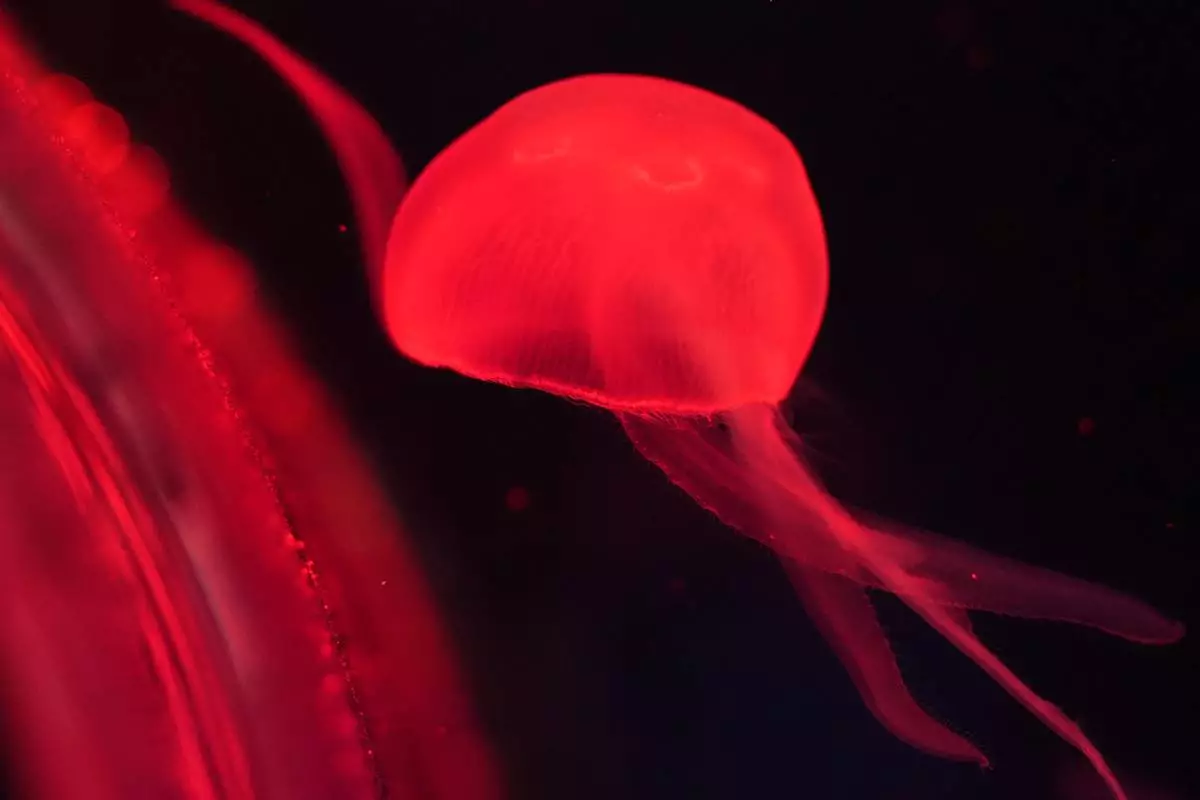
POMPANO BEACH, Fla. (AP) — The floating tentacled predators pulse and swirl in hypnotic patterns in the dark museum space, lit primarily by images projected on the walls and the glowing light from the saltwater tanks.

The private Jellyfish Museum in Pompano Beach, Florida, just north of Fort Lauderdale, is believed to be the first museum in the United States dedicated solely to the translucent invertebrates, and one of the few such spaces in the world, according to the city and the museum’s founders.

It was created by Alex and Yana Yanovsky, who previously developed successful aquariums in Ukraine, including their first jellyfish museum in Kyiv. The couple left those facilities behind when they fled Ukraine following the 2022 Russian invasion, operations manager Jessica Eisenbarth said.

The museum, which opened this past spring, is the couple's first aquatic attraction since immigrating to the U.S., but they'd like to expand.

“When they left Ukraine, they moved to Florida, and then they immediately wanted to share their passion here,” Eisenbarth said.

Jellyfish have survived for over 500 million years, making them older than dinosaurs and even trees. Their ancient origins are part of their allure, along with their hypnotic, pulsing movements. They have no heart or brain, and are made up primarily of water, giving them a translucent look.

Yana Yanovsky came up with the idea for the jellyfish museum after noticing how popular the jellyfish were at their other aquariums.

“Jellyfish are some of the most resilient creatures on Earth. While they lack a brain, they maintain a simple nerve net that allows them to respond to their environment,” Yana said in a statement provided by the city. “Their movement is mesmerizing, almost meditative, and they play an important role in marine ecosystems.”

Monty Graham, director of the Smithsonian Environmental Research Center, said he’s not surprised someone made an aquarium dedicated specifically to jellyfish. He credits the Monterey Bay Aquarium in California with kicking off the popularity of jellyfish exhibits at aquariums all over the world. Monterey Bay Aquarium began displaying jellyfish in temporary exhibits in 1985 and opened a permanent gallery in 1996.

“Jellyfish are cool, they’re things that people don’t get to see up close unless they’re scuba diving,” Graham said. “So here was this opportunity, in a controlled environment, very beautiful settings. It clicked all the buttons and checked all the boxes, and it was a very good, positive thing.”

The nearly 10,000-square-foot (900 square meters) Jellyfish Museum houses roughly 20 unique species of jellyfish found in Florida waters and other parts of the world. Different species can be rotated through the museum's 21 tanks. Some current occupants include Japanese sea nettles, moon jellyfish, spotted jellies and upside-down jellyfish, the last of which can be found among Florida's mangrove swamps.

The jellyfish are acquired through licensed aquaculture partners, according to the city.

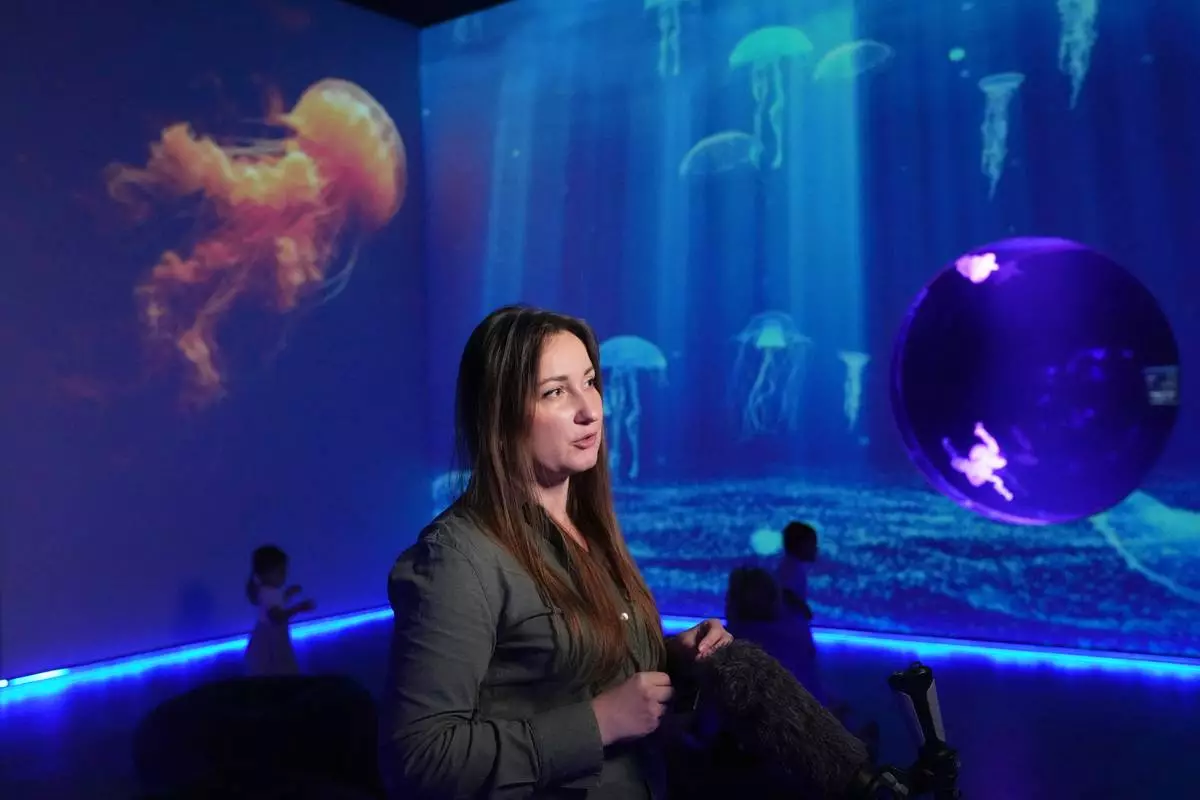
The space is designed to exude calm and tranquility, general manager Iryna Pelypkanych said. It was converted from a former Wells Fargo bank branch with about $100,000 in community redevelopment grants from the city of Pompano Beach. Guides teach people about the role jellyfish play in marine ecosystems and the importance of protecting them.

“The biggest idea here is to leave people with the feeling that they know something more about the population of jellyfish,” Pelypkanych said. “Because so far, we know around 4,000 different species that can be called jellyfish.”

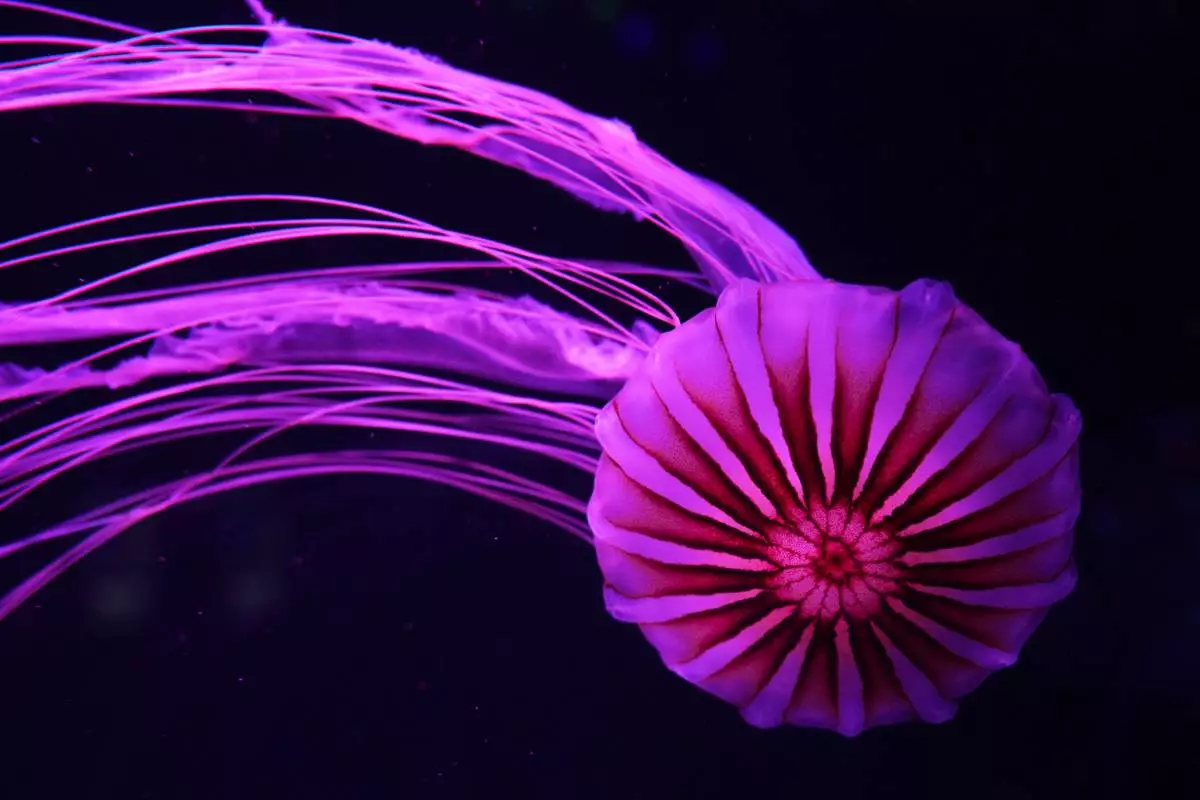
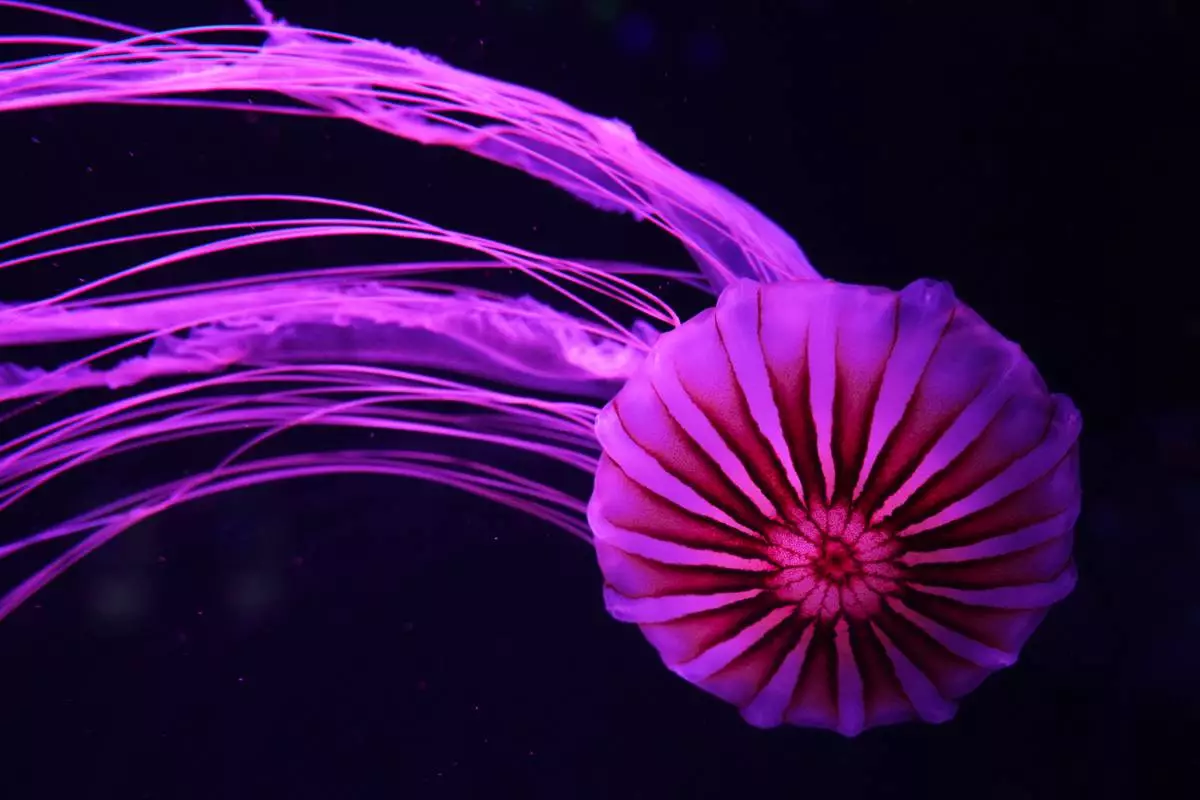
A Japanese sea nettle is displayed at the Jellyfish Museum, a facility that is home to about 20 unique species of jellyfish found in Florida and other parts of the world, Friday, Aug. 14, 2026, in Pompano Beach, Fla. (AP Photo/Lynne Sladky)

A Japanese sea nettle is displayed at the Jellyfish Museum, a facility that is home to about 20 unique species of jellyfish found in Florida and other parts of the world, Friday, Aug. 14, 2026, in Pompano Beach, Fla. (AP Photo/Lynne Sladky)

A moon jellyfish is displayed at the Jellyfish Museum, a facility that is home to about 20 unique species of jellyfish found in Florida and other parts of the world, Friday, Aug. 14, 2026, in Pompano Beach, Fla. (AP Photo/Lynne Sladky)

A moon jellyfish is displayed at the Jellyfish Museum, a facility that is home to about 20 unique species of jellyfish found in Florida and other parts of the world, Friday, Aug. 14, 2026, in Pompano Beach, Fla. (AP Photo/Lynne Sladky)

Iryna Pelypkanych, general manger of the Jellyfish Museum, its interviewed at the facility Friday, Aug. 14, 2026, in Pompano Beach, Fla. (AP Photo/Lynne Sladky)

Iryna Pelypkanych, general manger of the Jellyfish Museum, its interviewed at the facility Friday, Aug. 14, 2026, in Pompano Beach, Fla. (AP Photo/Lynne Sladky)

A Japanese sea nettle is displayed at the Jellyfish Museum, a facility that is home to about 20 unique species of jellyfish found in Florida and other parts of the world, Friday, Aug. 14, 2026, in Pompano Beach, Fla. (AP Photo/Lynne Sladky)

A Japanese sea nettle is displayed at the Jellyfish Museum, a facility that is home to about 20 unique species of jellyfish found in Florida and other parts of the world, Friday, Aug. 14, 2026, in Pompano Beach, Fla. (AP Photo/Lynne Sladky)

Moon jellyfish are displayed at the Jellyfish Museum, a facility that is home to about 20 unique species of jellyfish found in Florida and other parts of the world, Friday, Aug. 14, 2026, in Pompano Beach, Fla. (AP Photo/Lynne Sladky)

Moon jellyfish are displayed at the Jellyfish Museum, a facility that is home to about 20 unique species of jellyfish found in Florida and other parts of the world, Friday, Aug. 14, 2026, in Pompano Beach, Fla. (AP Photo/Lynne Sladky)

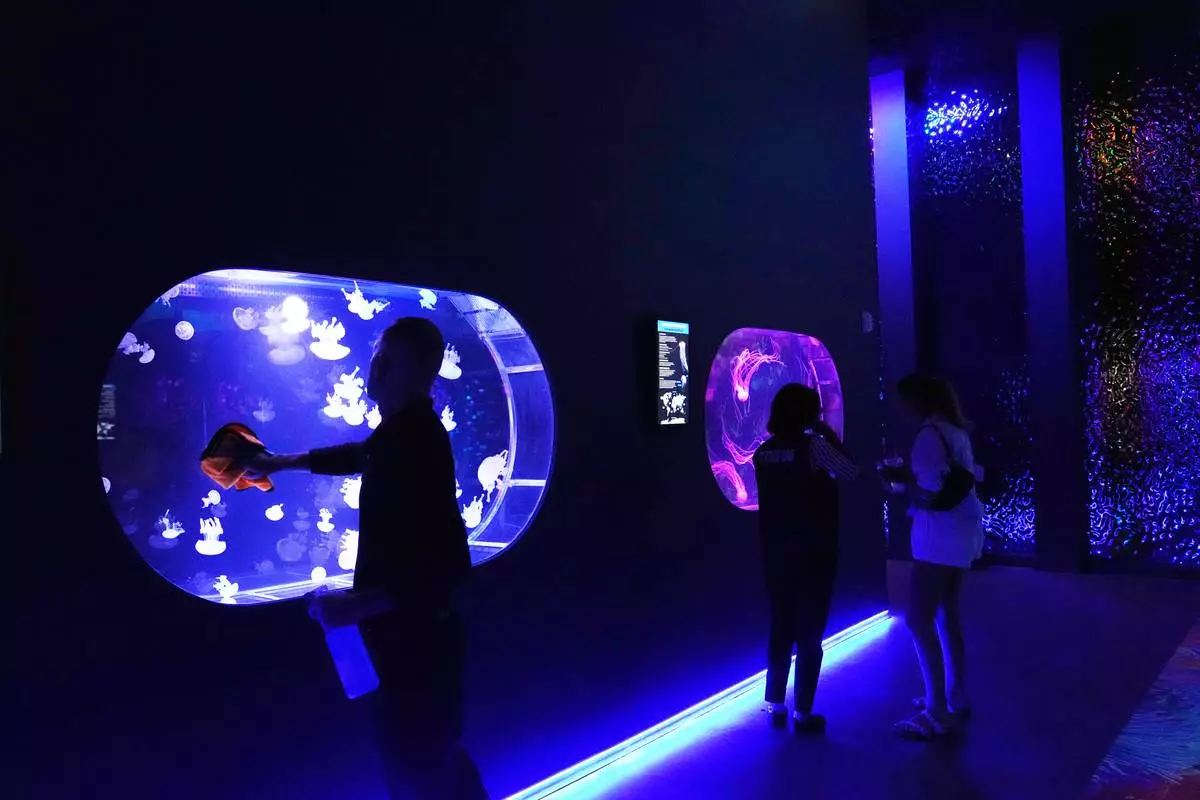
An employee cleans a display at the Jellyfish Museum, a facility that is home to about 20 unique species of jellyfish found in Florida and other parts of the world, Friday, Aug. 14, 2026, in Pompano Beach, Fla. (AP Photo/Lynne Sladky)

An employee cleans a display at the Jellyfish Museum, a facility that is home to about 20 unique species of jellyfish found in Florida and other parts of the world, Friday, Aug. 14, 2026, in Pompano Beach, Fla. (AP Photo/Lynne Sladky)

Recommended Articles