GENEVA, N.Y.--(BUSINESS WIRE)--Aug 19, 2026--
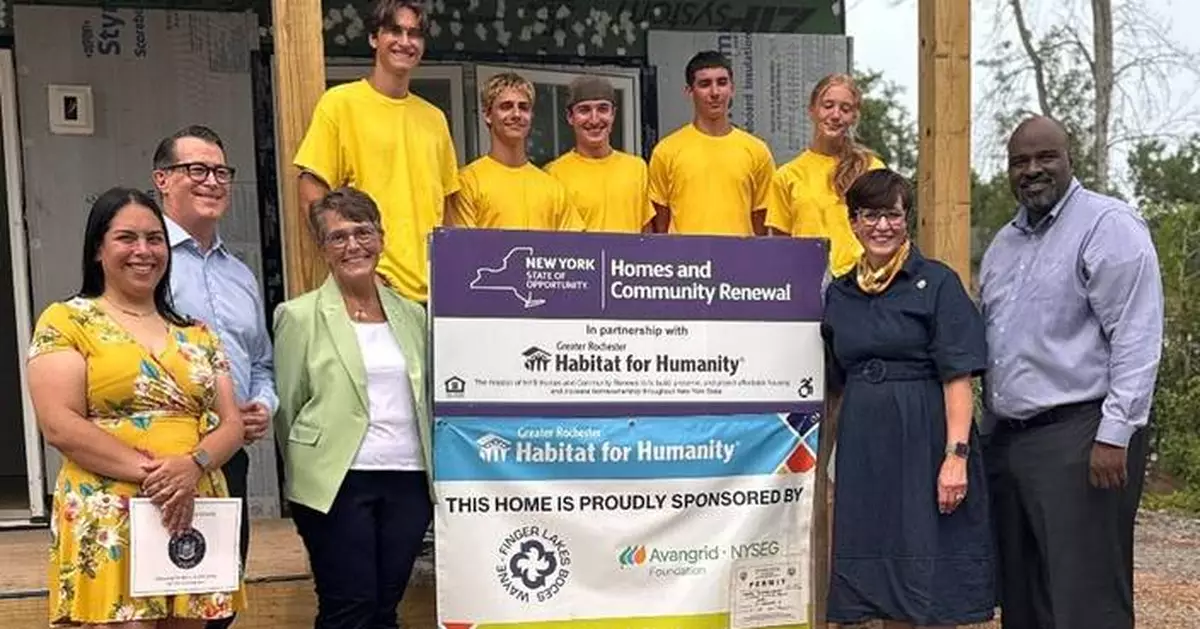
The Avangrid Foundation, the philanthropic arm of leading energy company Avangrid Inc., a member of the Iberdrola Group, hosted a site tour last week of the Greater Rochester Habitat for Humanity 2026 Youth Build Program. Held at a Habitat for Humanity home under construction on Katherine Street in Geneva, the event showcased how the Youth Build Program provides local students with hands-on experience in the skilled trades while helping construct a future home for a local family.
This press release features multimedia. View the full release here: https://www.businesswire.com/news/home/20260819945938/en/
“The future workforce is shaped by hands-on learning experiences like the Greater Rochester Habitat for Humanity’s Youth Build Program,” said Avangrid CEO Jose Antonio Miranda. “This partnership provides students with practical skills, exposure to career pathways in the trades, and the opportunity to contribute to a project that will make a meaningful difference for a local family.”
“By supporting Greater Rochester Habitat for Humanity's Youth Build Program, the Avangrid Foundation is helping local students gain valuable skills while expanding access to affordable housing for families in Geneva,” said Pablo Colón, Director of Corporate Citizenship and Executive Director of the Avangrid Foundation. “When organizations come together around a shared purpose, we can create opportunities that strengthen communities, open doors for young people, and help families build a brighter future.”
Through support from the Avangrid Foundation, five students participated in the nine-week summer program, gaining valuable experience in residential construction, workplace safety, teamwork, and building trades. In addition to creating career pathways for young people, the program supported Greater Rochester Habitat for Humanity's mission of expanding access to safe, affordable homeownership opportunities.
"My experience with Habitat for Humanity has been one of the most uniquely hands-on and transformational experiences that I've participated in. My experience so far has consisted of not just learning, but performing many new skills crucial to the fields of carpentry and construction. I have learned how to create houses with accuracy and how to properly communicate with others on a job site. This alone would have been extremely valuable in my future career, but above that, I have been able to learn from a great community. Between our mentors (Roman and Jared), the other interns, and many consistent volunteers, I have greatly appreciated and learned from the very supportive community at Habitat for Humanity. My experience has been deeply educational and I would wholeheartedly recommend others to pursue this internship in future years if given the chance,” said student intern Emmet Crawley.
The site tour included Pablo Colón, Executive Director of the Avangrid Foundation and Director of Corporate Citizenship at Avangrid; Trish Nilsen, CEO of NYSEG and RG&E; Kim Brumber, CEO of Greater Rochester Habitat for Humanity, Jim Cecere, Mayor of Geneva, and representatives from Senator Pam Helming’s office.
“Through support from the Avangrid Foundation, five students participated in the nine-week summer program, gaining valuable experience in residential construction, workplace safety, teamwork, and building trades. In addition to creating career pathways for young people, the program supported Greater Rochester Habitat for Humanity's mission of expanding access to safe, affordable homeownership opportunities,” said Kim Brumber, CEO of Greater Rochester Habitat for Humanity.
“Greater Rochester Habitat for Humanity’s Youth Build Program brings together two things that are vital to our region: preparing young people for in-demand careers in the skilled trades and helping a local family achieve the dream of homeownership,” said Senator Pam Helming. “The students who worked on this home should be proud of what they accomplished. They didn’t just learn a skill; they changed a family’s life. Congratulations to Francheska and her daughters, Danielys and Elayanis, on their new home. I wish them many years of happiness and wonderful memories together. Thank you to the entire Greater Rochester Habitat for Humanity team for investing in our young people and supporting families throughout our community.”
“The work underway on Katherine Street shows what a strong community partnership can accomplish,” said City of Geneva Mayor Jim Cecere. “Habitat for Humanity is creating a pathway to homeownership for a Geneva family, BOCES students are gaining valuable hands-on experience, and the Avangrid Foundation is providing the financial support that helps make this work possible. Each partner is contributing to a project that will have a lasting impact on the family and our community.”
About Avangrid Foundation: The Avangrid Foundation is an independent, nonprofit organization that funds philanthropic investments that primarily impact communities where Avangrid, Inc. and its subsidiaries operate. Since 2001, the Avangrid Foundation and its predecessors have invested more than $45 million in partnerships that focus on building sustainable, vital and healthy communities; preserving cultural and artistic heritage; advancing education; and improving people’s lives. The Avangrid Foundation is committed to advancing the United Nations Sustainable Development Goals in the United States. For more information, please visit https://www.avangrid.com/avangrid-foundation.
About Avangrid: Avangrid, Inc. is a leading energy company in the United States working to meet the growing demand for energy for homes and businesses across the nation through service, innovation, and continued investments by expanding grid infrastructure and energy generation projects. Avangrid has offices in Connecticut, New York, Massachusetts, Maine, and Oregon, including operations in 25 states with approximately $50 billion in assets. Avangrid owns and operates seven electric and natural gas utilities, serving more than 3.4 million customers in New York and New England. It also owns and operates nearly 100 energy generation facilities across the United States producing more than 11 GW of power for over 3 million customers. Avangrid employs approximately 8,500 people and was named among the World’s Most Ethical Companies in 2026 for the eighth consecutive year by the Ethisphere Institute. Avangrid is a member of the group of companies controlled by Iberdrola, S.A. For more information, visit http://www.avangrid.com.
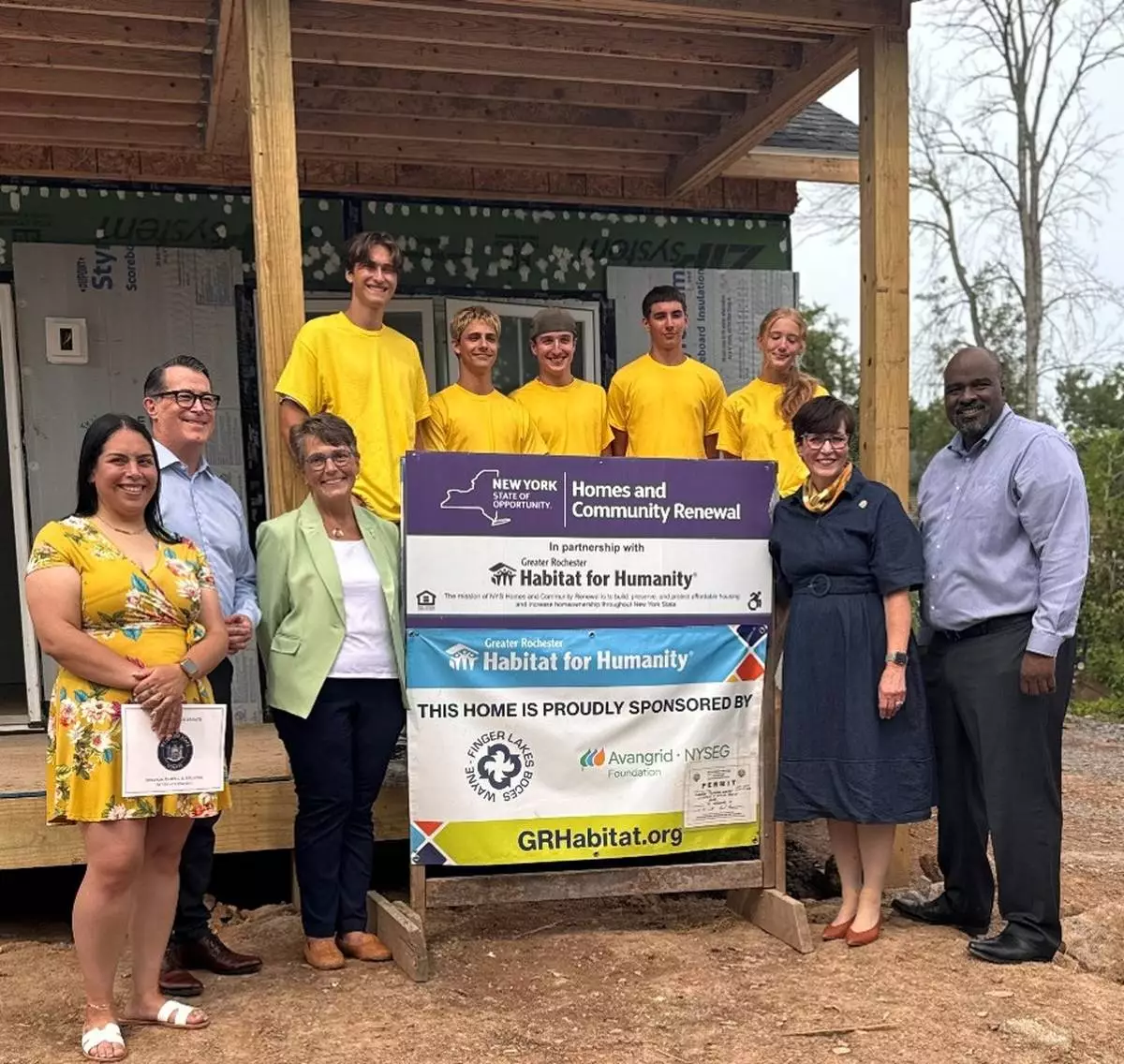
Avangrid Foundation Partners with Greater Rochester Habitat for Humanity to Advance Workforce Development and Affordable Home Ownership