Pig farm at Sheung Che in Pat Heung, Yuen Long convicted of illegal livestock waste discharge
The owner of a pig farm in Sheung Che at Pat Heung, Yuen Long, was convicted of violating the Waste Disposal (Livestock Waste) Regulations by discharging improperly treated livestock waste into nearby watercourse, and was fined $8,000 by the Fanling Magistrates' Courts on August 18.
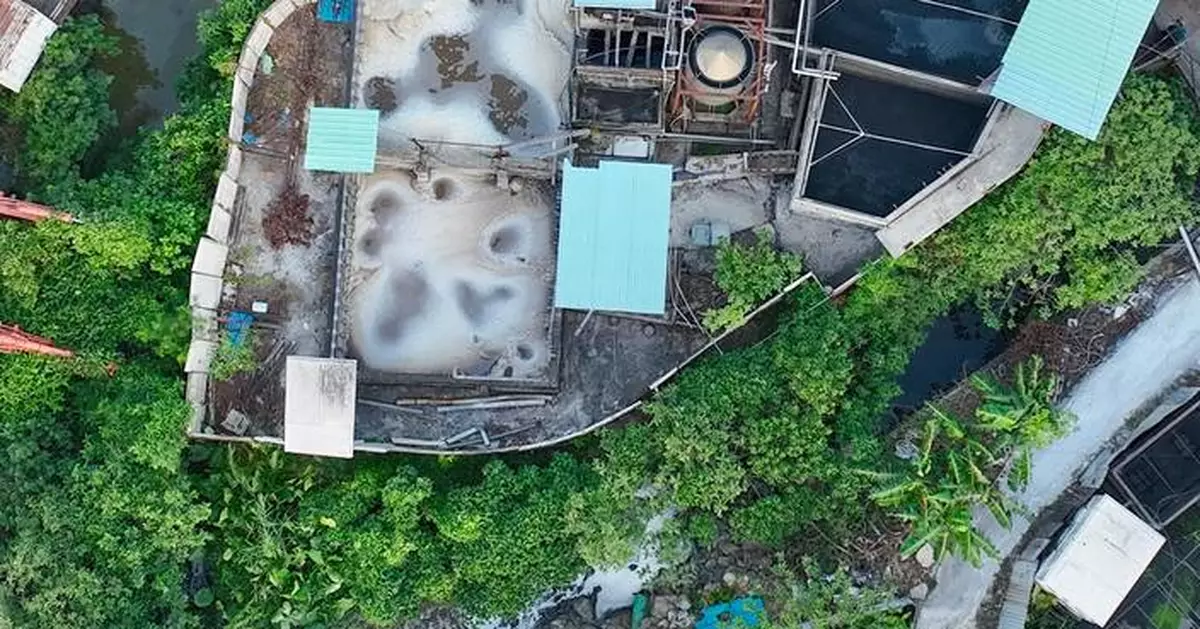
During a previous surprise inspection in Yuen Long, the Environmental Protection Department (EPD) staff applied smart technology to assist in monitoring and gathering evidence, including conducting aerial surveillance of the pig farm concerned using a drone, and spotted that a large amount of brownish wastewater with foam carrying odour of pig manure was being discharged into a nearby watercourse from a pipe of the pig farm concerned, causing serious pollution to the downstream water quality of Kam Tin River. The EPD staff immediately collected a wastewater sample for analysis, and the result indicated an exceedance of the legal discharge standard. The EPD subsequently instigated a prosecution against the pig farm owner involved in the case, in accordance with the Waste Disposal (Livestock Waste) Regulations, and notified the Agriculture, Fisheries and Conservation Department of the case for follow-up action.
An EPD spokesman said that the department is highly concerned about illegal wastewater discharge from livestock farms along Kam Tin River. Livestock waste without proper treatment contains high concentration of pollutants. Its discharge into rivers not only causes serious water pollution, but also odour nuisance. According to the Waste Disposal (Livestock Waste) Regulations, liquid livestock waste generated by livestock farms must be properly treated to meet the statutory requirements before discharge. Offenders are liable to a maximum fine of $50,000 and a fine of $5,000 for each day on which the offence continues. Operators and staff of livestock farms must strictly comply with the law, properly operate and maintain wastewater treatment facilities for livestock waste, and must not, for the sake of convenience, discharge untreated livestock waste into nearby rivers or water bodies. Any contravention will be subject to prosecution.
The EPD spokesman reiterated that the department will continue to combat any illegal wastewater discharge activity by surprise inspections, smart technology application and inter-departmental collaboration to safeguard environmental health and river water quality.
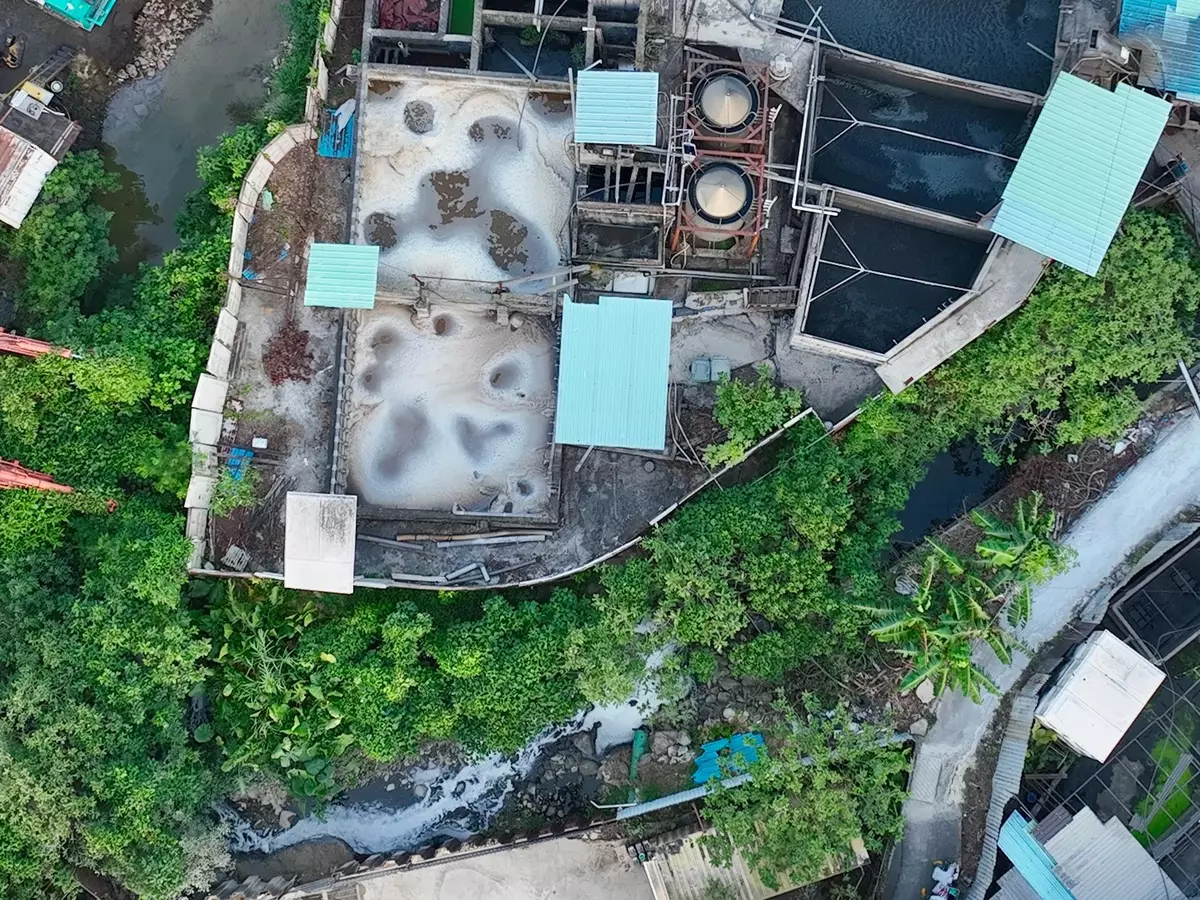
Pig farm at Sheung Che in Pat Heung, Yuen Long convicted of illegal livestock waste discharge Source: HKSAR Government Press Releases
CHP investigates imported Mpox case
The Centre for Health Protection (CHP) of the Department of Health (DH) said today (August 20) that it is investigating an imported Mpox (also known as Monkeypox) case, and strongly urged high-risk target groups to receive Mpox vaccinations. Meanwhile, the public is advised to be vigilant and avoid close physical contact with individuals suspected of contracting Mpox.
The case involves a 39-year-old male. He developed a sore throat, a fever and rashes on various parts of his body, including his genital area, trunk and limbs, on August 12. He attended a private clinic on the next day (August 13) and sought medical attention at the Accident and Emergency Department of Ruttonjee Hospital on August 17. He was admitted for treatment on the same day. Upon laboratory testing by the CHP's Public Health Laboratory Services Branch, his specimen tested positive for the Monkeypox virus. The CHP arranged for the patient to receive isolation treatment at Princess Margaret Hospital and he is in stable condition.
According to information provided by the patient, he had not received Mpox vaccination. He had high-risk exposure with a male stranger in Thailand during the incubation period. No epidemiological linkages between this case and confirmed Mpox cases earlier recorded in Hong Kong have been identified so far. The CHP is continuing an epidemiological investigation of the case, and will endeavour to contact individuals who had high-risk contact with the patient. The CHP will also report the case to the World Health Organization.
Since 2022, Hong Kong has recorded a total of 96 Mpox cases (76 local cases and 20 imported cases), including the above-mentioned case. All patients were males. Epidemiological investigations revealed that most cases had high-risk sexual behaviour, including having sex with strangers or having sex without wearing condoms.
The Mpox vaccine can prevent infection and severe disease. The DH provides Mpox vaccination services for highrisk groups. The following high-risk target groups are eligible for Mpox vaccinations on a voluntary basis:
- individuals with high-risk sexual practices, e.g. having multiple sexual partners, sex workers, or having a history of sexually transmitted infection within the past 12 months;
- healthcare workers responsible for caring for patients with confirmed Mpox;
- laboratory personnel handling zoonotic pox viruses; and
- animal care personnel with high risk of exposure in case of Mpox occurrences in animals in Hong Kong.
High-risk target groups can receive Mpox walk-in vaccinations at any of the DH's Social Hygiene Service Clinics (SocHS) (namely Chai Wan SocHS, Wan Chai Male SocHS, Wan Chai Female SocHS, Yau Ma Tei Male SocHS, Yau Ma Tei Female SocHS, Yung Fung Shee SocHS, Fanling SocHS and Tuen Mun SocHS) and the DH's Yau Ma Tei Integrated Treatment Centre, without prior appointments.
Meanwhile, the DH's Kowloon Bay Integrated Treatment Centre and the Hospital Authority's Special Medical Clinics at Queen Elizabeth Hospital and Princess Margaret Hospital also provide Mpox vaccination services for their clients.
Mpox is not transmitted through respiratory droplets or aerosols in general, and transmission would not occur through social contact. The CHP reminds the public, especially those at higher risks of exposure, to take precautions and avoid close physical contact with persons or animals suspected of being infected. They should seek medical attention as soon as possible if they experience relevant symptoms, including rash, fever, chills, swollen lymph nodes, exhaustion, muscle pain, and severe headaches. They should not engage in activities with others that may involve contact with skin rash or body fluids.
For more details, please visit the CHP's webpages onMpoxandMpox Vaccination Programme.
Source: AI-found images