CHP investigates imported case of Shiga toxin-producing Escherichia coli infection
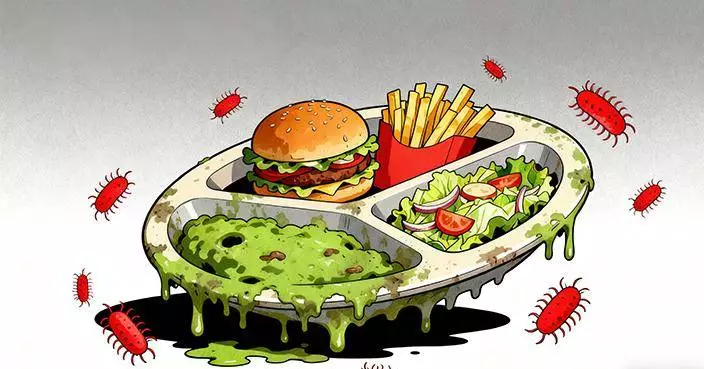
The Centre for Health Protection (CHP) of the Department of Health today (August 21) announced an imported case of Shiga toxin-producing Escherichia coli (STEC) infection and reminded the public to maintain good personal, food and environmental hygiene to prevent intestinal infections.
The case involves a 24-year-old male with good past health. He developed abdominal pain, fever, diarrhoea, blood and mucus in stool and headache since August 6. He attended a private hospital on August 9 and was admitted for treatment. His condition improved after treatment and was discharged on August 13. Throughout the hospitalisation period, his condition remained stable without any complications. His stool sample tested positive for STEC by the CHP's Public Health Laboratory Services Branch.
According to information provided by the patient, he travelled to Malaysia between August 1 and 8, part of which fell within the incubation period. During the trip, he had consumed high-risk food and beverages, including drinking unboiled tap water, and consuming pre-cut fruits and street foods. The CHP classified the case as an imported case. One of his five travel collaterals also developed diarrhoea. The CHP advised the travel collateral to seek medical attention as soon as possible with arrangement to test stool sample to confirm if there is any infection. The CHP's investigation is ongoing.
Over the past five years (2021 to 2025), the CHP has recorded one to six cases of STEC infection annually. The above case is the fourth case of STEC infection recorded in Hong Kong this year.
The incubation period of STEC infection generally ranges from three to four days. In general, STEC infections are mostly associated with the consumption of contaminated food or water, such as raw or undercooked meat products, contaminated fruits and vegetables, and unpasteurised dairy products. Direct person-to-person transmission through the faecal-oral route can also occur. Waterborne transmissions have been reported, both from contaminated drinking water and from recreational waters. The public is advised to observe good personal and food hygiene.
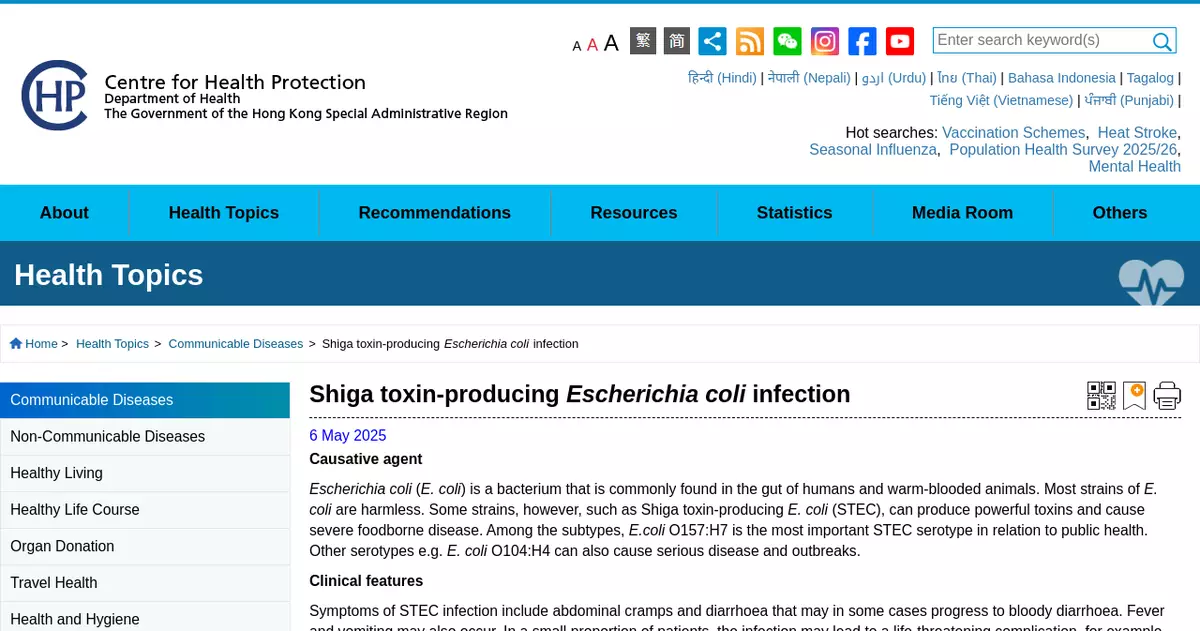
Members of the public may refer to the CHP'swebpagefor more information about STEC.
Source: AI-found images
CHP records case of severe paediatric influenza A infection
The Centre for Health Protection (CHP) of the Department of Health today (August 21) recorded a severe paediatric influenza A infection case. The CHP urged the public to maintain good personal and environmental hygiene at all times to prevent influenza and other respiratory illnesses.
The case involves an 11-year-old boy with underlying illnesses. He developed a fever and cough since August 16, followed by shortness of breath the next day. He attended the Accident and Emergency Department of Kwong Wah Hospital (KWH) and was admitted for treatment. His respiratory specimen tested positive for influenza A (H3) virus. His clinical diagnosis was influenza A infection complicated with severe pneumonia and myocarditis. The patient remains hospitalised in the paediatric intensive care unit at KWH and is in serious condition.
The CHP's preliminary investigation revealed that the boy had no travel history during the incubation period. One of his household contacts, who was recently hospitalised for fever and upper respiratory symptoms, also tested positive for influenza A (H3) virus. This household contact has recovered and been discharged. The CHP will continue to investigate the case.
"Since Hong Kong entered the influenza season in late June, a total of 11 cases of severe paediatric influenza infection have been recorded. Among these cases, six patients have recovered and been discharged from hospital, one patient is in stable condition, one is in serious condition (the aforementioned case), two are in critical condition and one has passed away. We anticipate that activity levels for influenzawill remain at a relatively high level in the coming weeks. Owing to continued influenza transmission in the community, the number of infections will rise, and the number of severe cases will increase accordingly. In general, the situation in the current influenza season is comparable to that of previous influenza seasons, and the disease primarily affects the elderly and children. The predominant influenza viruses detected in Hong Kong are influenza A (H1), followed by influenza A (H3). The Public Health Laboratory Services Branch under the CHP has conducted viral genetic analyses of influenza cases and confirmed that the predominant influenza virus strains are similar to those circulating in other regions of the world, with no evidence of causing a more severe illness or resistance to antiviral drugs so far," said the Controller of the CHP, Dr Edwin Tsui.
"The Government has completed the procurement process for the 2026/27 Seasonal Influenza Vaccination (SIV) Programmes and is actively preparing various vaccination arrangements. The 2026/27 Seasonal Influenza Vaccination School Outreach Programme (SIVSOP) will introduce a new Electronic Consent Form (e-consent form) feature. We have distributed school-specific QR codes to participating schools for distribution to parents. The QR codes have become effective. Parents are encouraged to fill out the e-consent forms for their children as soon as possible. I appeal to all schools and parents in Hong Kong to work closely with the CHP to actively participate in the coming season's SIVSOP and use the e-consent forms to complete the consent process as soon as possible, so that schools can plan and organise SIV school outreach activities earlier," he added.
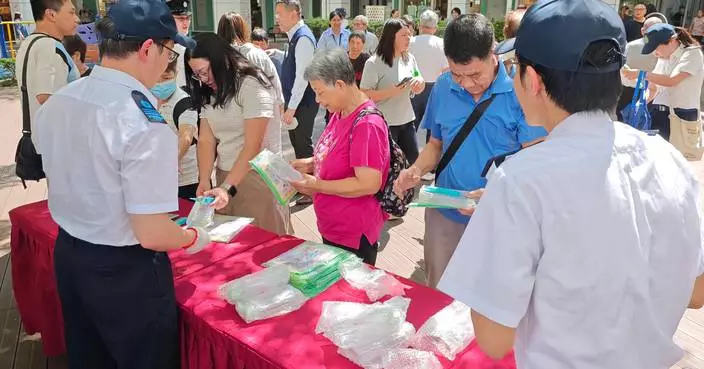
Dr Tsui reminded parents that the health condition of children with influenza can deteriorate rapidly. Parents must pay close attention to their condition, and visit an accident and emergency department immediately if the child's condition deteriorates with symptoms such as shortness of breath, wheezing, blue lips, chest pain, confusion, a persistent fever or convulsions. Members of the public should seek medical attention as soon as possible if they develop respiratory symptoms. If they live with members of high-risk groups, such as children, the elderly and those with underlying illnesses or compromised immune systems, they should wear a surgical mask at home to reduce the risk of infecting them. Other effective ways to reduce the spread of the disease include maintaining household hygiene, frequently cleaning and disinfecting frequently touched surfaces, practising good hand hygiene, and ensuring proper indoor air circulation.
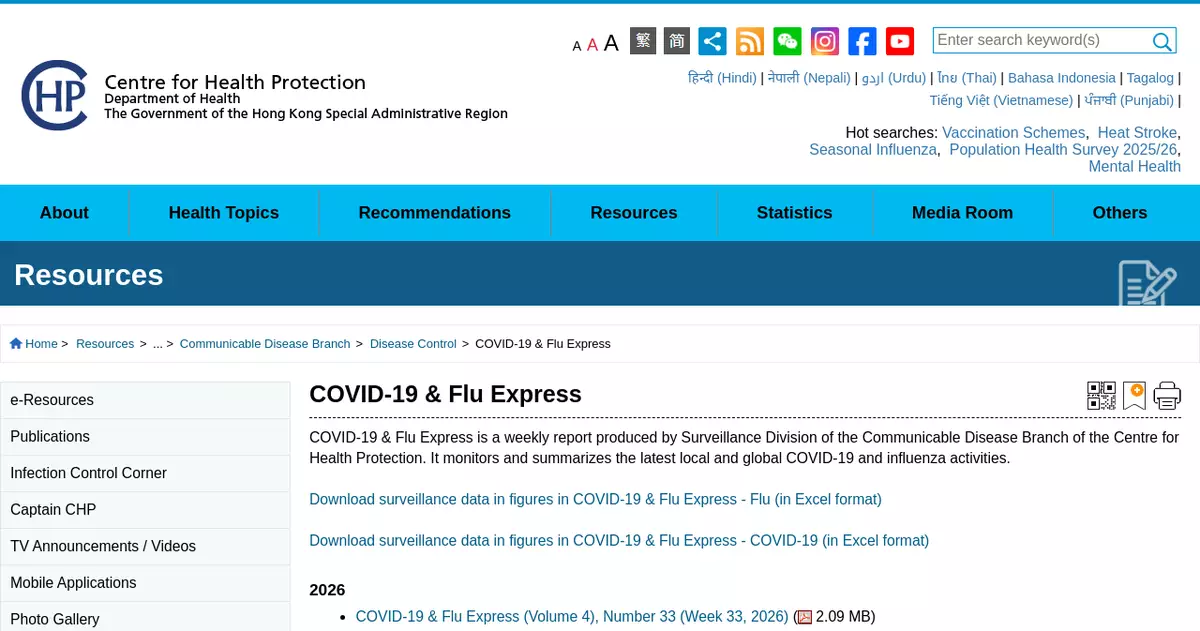
Members of the public may refer to the CHP's COVID-19 & Flu Express, Seasonal Influenza Webpage and COVID-19 Vaccination Programme Webpagefor the latest information.
Source: AI-found images