BILLINGS, Mont. (AP) — The 250th anniversary of U.S. independence was just months away when National Park Service employees received a surprising directive from Washington: Maintenance projects approved for this year at sites across the nation were being relegated to a new “low priority” list.
Work wanted by the White House was taking precedence, including repairs to the Lincoln Memorial Reflecting Pool, according to documents obtained by The Associated Press and three officials from the park service and Interior Department who spoke on condition of anonymity because they were not authorized to comment publicly.
Click to Gallery
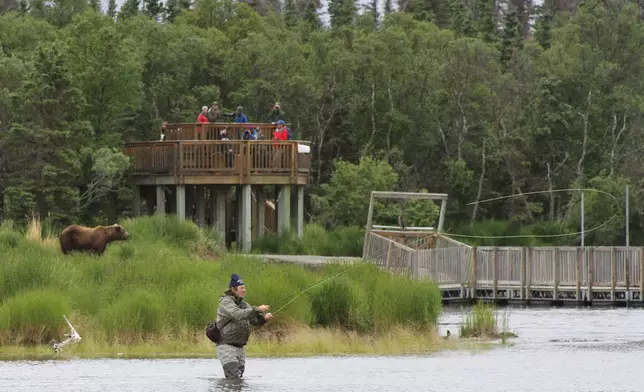
FILE - A bear walks between a viewing stand and an angler fisherman at Katmai National Park and Preserve, Alaska on July 4, 2013. (AP Photo/Mark Thiessen, File)
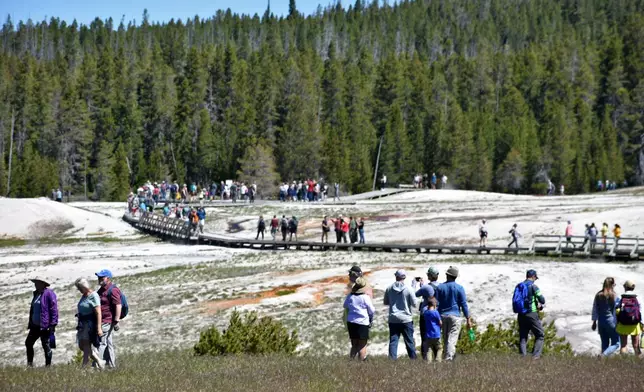
FILE - Tourists walk along a boardwalk in Upper Geyser Basin on June 22, 2022, in Yellowstone National Park, Wyo. (AP Photo/Matthew Brown, File)
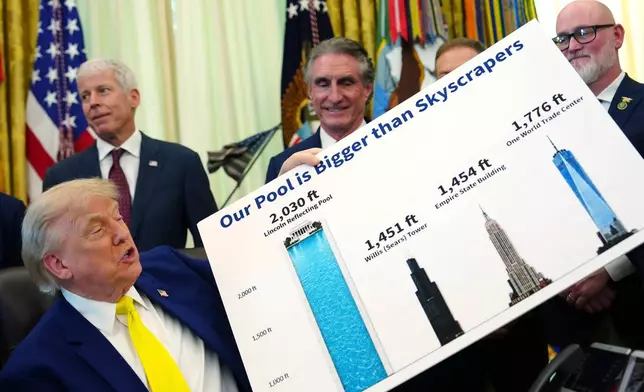
FILE - President Donald Trump holds a poster as Energy Secretary Chris Wright, from left, Interior Secretary Doug Burgum, Environmental Protection Agency administrator Lee Zeldin, obstructed, and Rep. Derrick Van Orden, R-Wis., listen, June 4, 2026, in the Oval Office of the White House in Washington. (AP Photo/Julia Demaree Nikhinson, File)
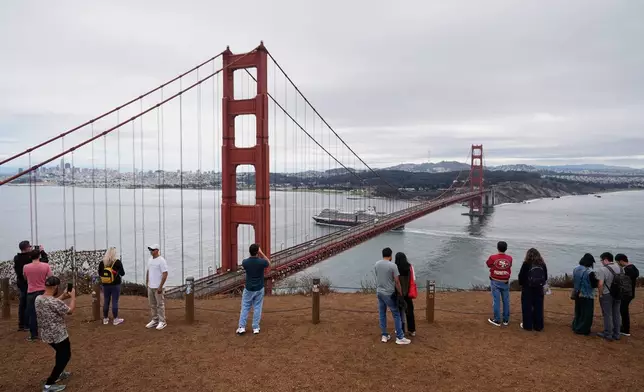
FILE - People look at and photograph the Golden Gate Bridge while visiting Marin Headlands, which is part of the Golden Gate National Recreation Area, Oct. 1, 2025, in Mill Valley, Calif. (AP Photo/Godofredo A. Vásquez, File)
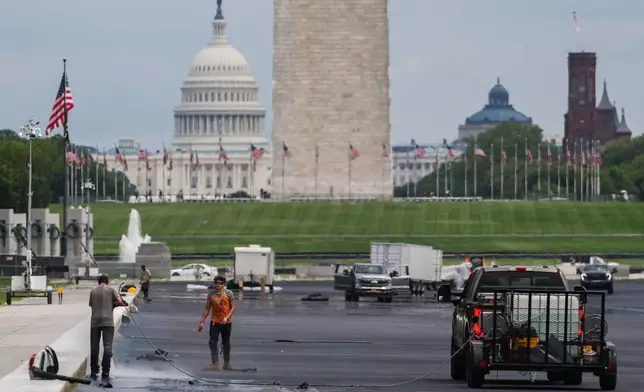
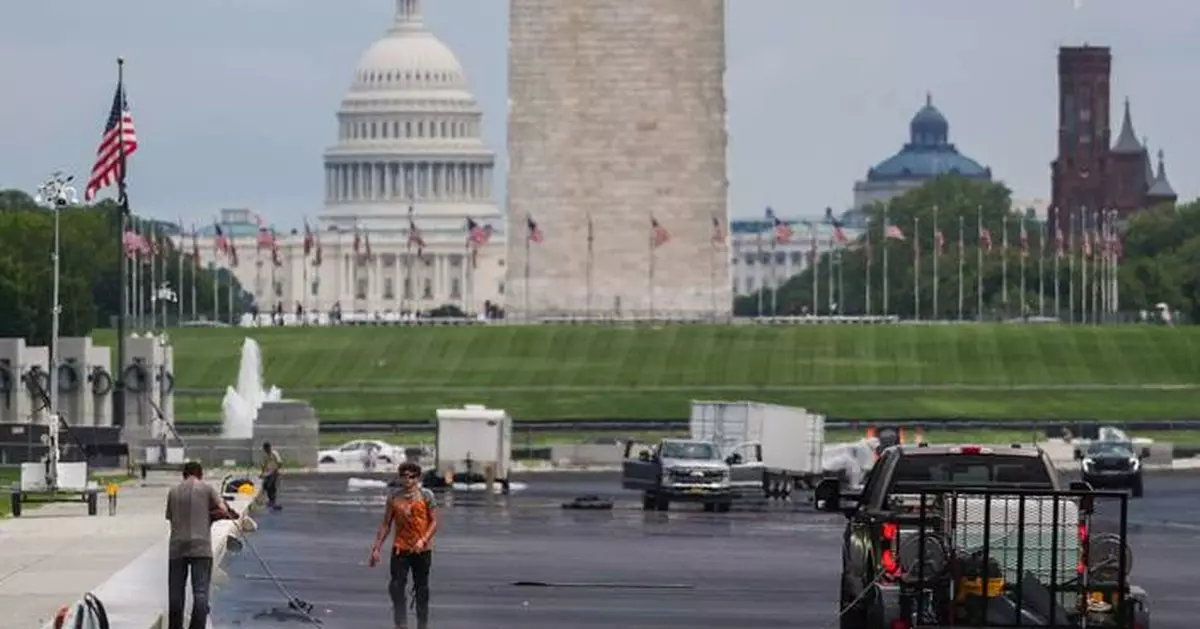
Work continues on the Lincoln Memorial Reflecting Pool, Tuesday, Aug. 18, 2026, in Washington. (AP Photo/Julia Demaree Nikhinson)
The reflecting pool repairs and other projects tied to President Donald Trump’s Freedom 250 initiative landed on a separate list for White House priorities, the documents show. Many of the administration-backed projects have advanced, though the reflecting pool repairs were botched.
Meanwhile, almost all of about 1,500 maintenance and other projects on the low priority list as of last month are expected to go undone, the officials said. That will worsen a repair backlog at national parks that doubled over the last decade to more than $24 billion even as visitor numbers surged.
The shelved projects, many already approved, span more than 200 sites and range from roof repairs at Golden Gate National Recreation Area, to computer upgrades at Alaska’s Katmai National Park and bulk purchases of toilet paper and garbage bags at Yellowstone National Park.
Because of their low priority designation and with the fiscal year ending on Sept. 30, it's unknown when they will move forward unless park staff can find a workaround, two of the officials said.
Park service employees “were told to not expect anything on the low priority list to be contracted,” one of the officials said.
“The first priority was White House priorities," the official said. “Anywhere that is 250th-related they would have been diverting resources, some it probably planned but a lot of it pushed by the administration."
The Interior Department said many entries on the low priority list had been “mis-prioritized and were corrected.” It declined to say how many or which ones, or how much parks are spending on projects outside Washington. Agency officials declined to answer questions about the reflecting pool.
The park service has a third list for “high priority" projects that includes more than 2,000 items, many with contracts awarded or in process, the documents show.
“In any year, the National Park Service must prioritize projects most in need,” Interior spokesperson Katie Martin wrote in a statement. “The National Park Service has not only been focused on beautifying the district for the 250th celebrations in our nation’s capital but has also been working on many deferred maintenance projects throughout the country."
The 1,500 low priority projects had a combined cost estimate of more than $400 million.
Maine Independent Sen. Angus King, the ranking member of the Senate's National Parks Subcommittee, said the administration’s pursuits around Washington “are more aesthetic than strictly necessary,” even as they siphon resources from sites elsewhere in the U.S.
“I don’t object to setting priorities,” King said in an interview. “I object to the White House priority list being tacked onto the top of that pyramid.”
He added it could lead to “the deterioration of America’s gems” as things like sanitation upgrades and basic maintenance don't happen.
Congress during both Democratic and Republican presidencies has pushed to address the backlog. The bipartisan Great American Outdoors Act in 2020 included $6.5 billion for maintenance and repairs through 2025. A legislative extension is pending.
The priority designations came from park service headquarters in Washington, according to documents obtained by AP and one of the unnamed officials.
The park service appears to be moving forward on at least $80 million in White House priorities, including $52 million awarded, the documents indicate. Much of that work was championed by Trump and Interior Secretary Doug Burgum, such as the reflecting pool repairs and the rehabilitation of other parks in the capital with an eye toward the 250th celebrations.
Trump announced his plans to paint the Reflecting Pool blue in April, aiming to address longstanding problems at the site before July 4. But the $16 million initiative faced immediate problems, including peeling sealant and a fierce return of green algae.
Not all of the administration's priorities advanced: A $70 million line item for “turf maintenance” over five years at parks in the Washington, D.C., area is among more than $80 million in work marked as “canceled” in the Interior Department data.
The park service’s mission has been tested under Trump as its employees navigate new realities. It lost at least one-quarter of its permanent workforce under Trump.
Remaining employees have been ordered to revise exhibits that Trump said advanced “improper ideology,” and demolish the East Wing of the White House, which is under park stewardship, for the creation of a ballroom. Trump also reduced Bears Ears and Grand Staircase-Escalante national monuments in Utah as Republicans reshape public lands management.
Pressure to deliver on administration demands for Freedom 250 was compounded by staffing cuts that made it harder to execute contracts, the unnamed officials said.
Prior to Trump’s second term, the parks had 275 contracting officers. They've since been consolidated into the Interior Department, which nevertheless saw its contracting workforce drop more than 20%, public records show.
About $140 million has been obligated or spent by the park service in Washington, D.C., this year, according to public data. That includes the reflecting pool work and the rehabilitation of fountains across the district.
Interior spokesperson Martin said the Trump administration is eyeing different revenue sources for maintenance including endowments and park pass sales.
Those sales rose more than $2 million, to $16.7 million, in the first quarter of 2026 compared to a year earlier, she said.
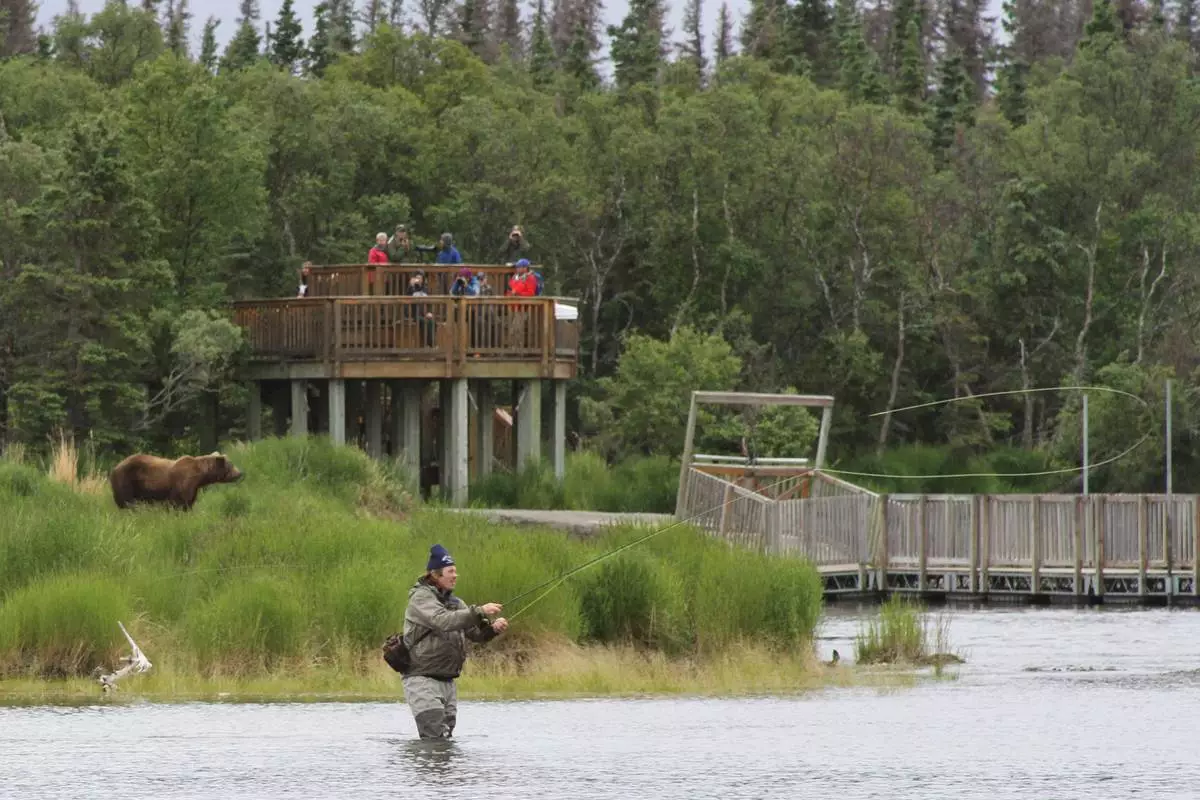
FILE - A bear walks between a viewing stand and an angler fisherman at Katmai National Park and Preserve, Alaska on July 4, 2013. (AP Photo/Mark Thiessen, File)
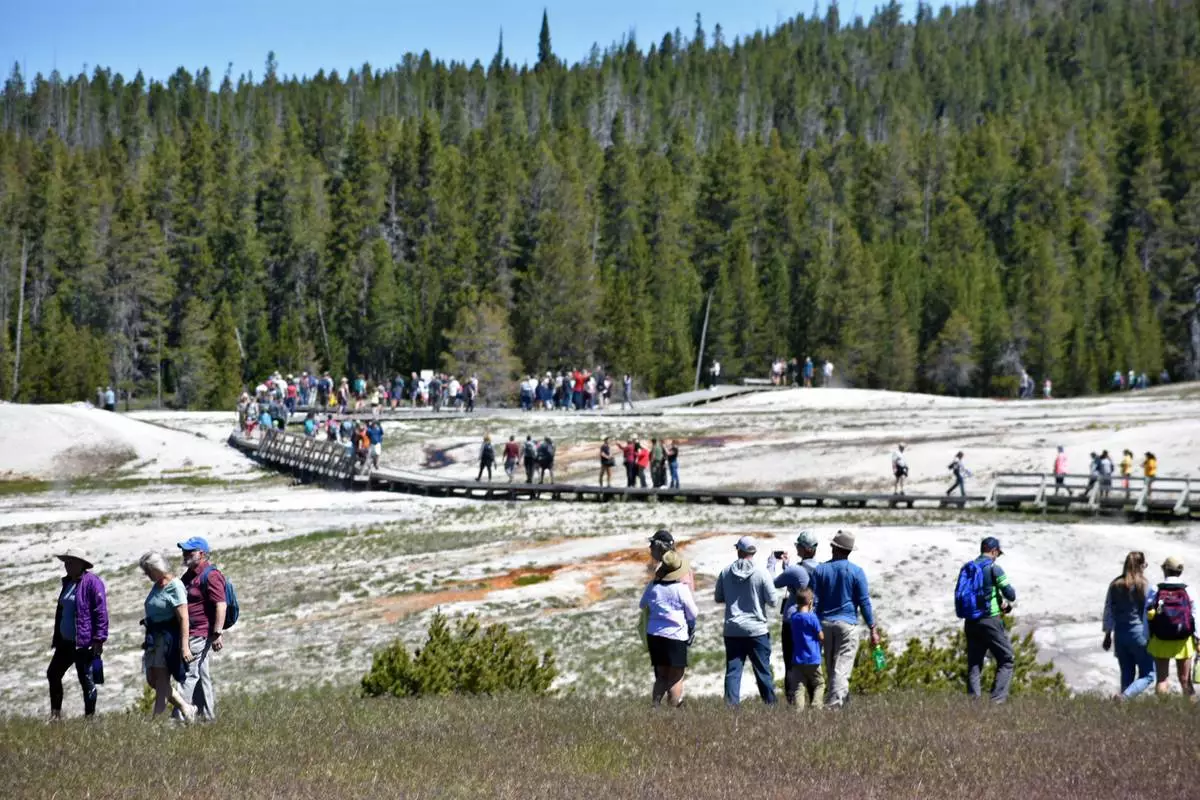
FILE - Tourists walk along a boardwalk in Upper Geyser Basin on June 22, 2022, in Yellowstone National Park, Wyo. (AP Photo/Matthew Brown, File)
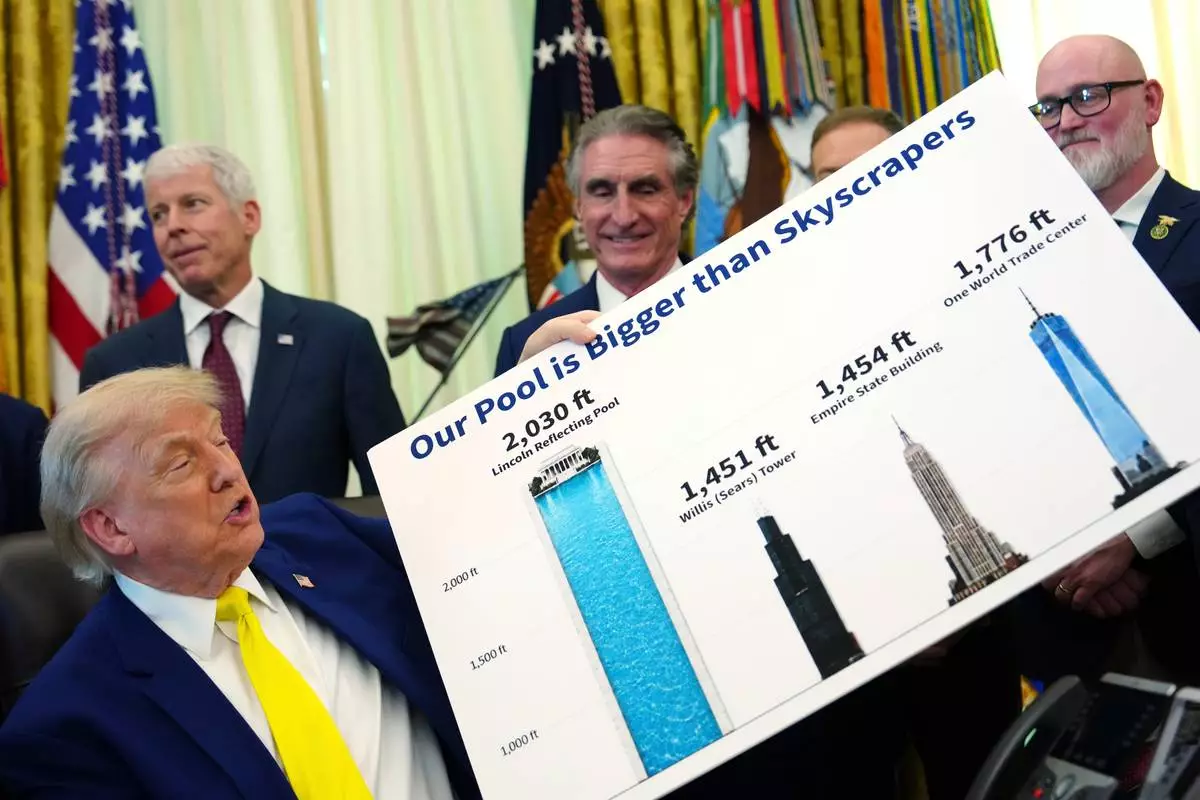
FILE - President Donald Trump holds a poster as Energy Secretary Chris Wright, from left, Interior Secretary Doug Burgum, Environmental Protection Agency administrator Lee Zeldin, obstructed, and Rep. Derrick Van Orden, R-Wis., listen, June 4, 2026, in the Oval Office of the White House in Washington. (AP Photo/Julia Demaree Nikhinson, File)
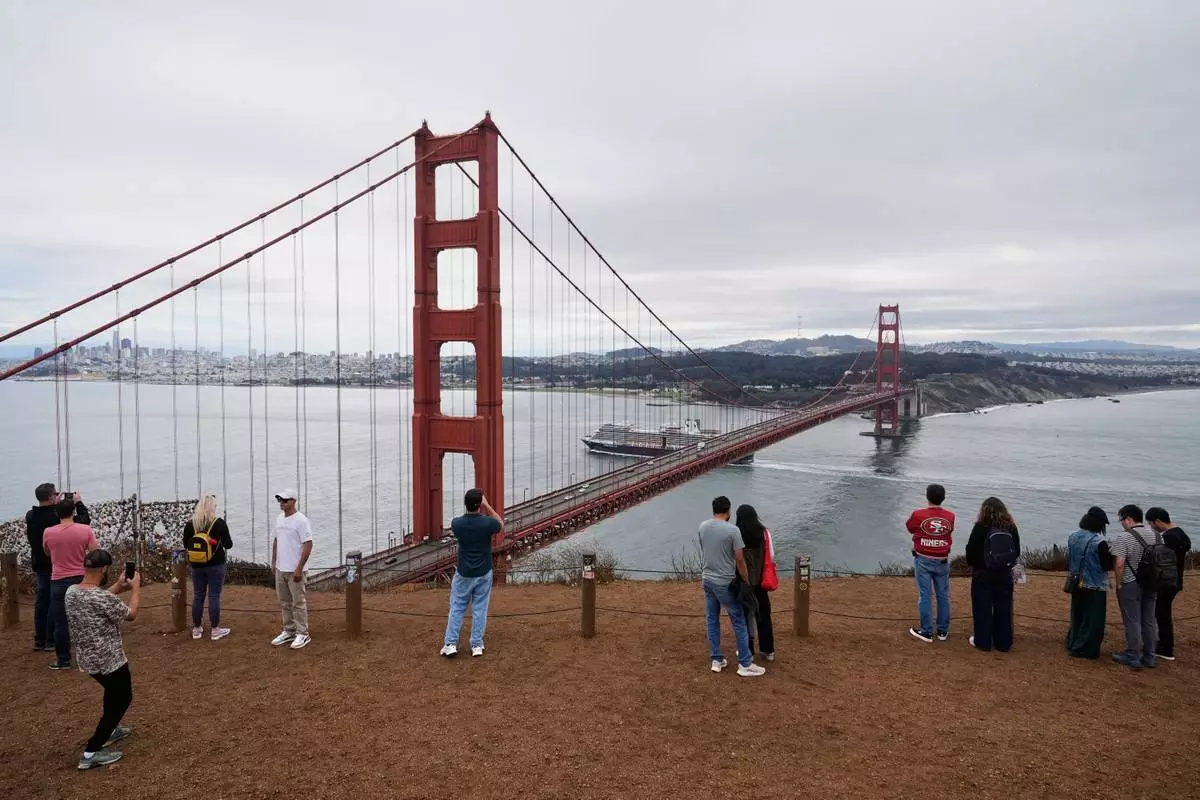
FILE - People look at and photograph the Golden Gate Bridge while visiting Marin Headlands, which is part of the Golden Gate National Recreation Area, Oct. 1, 2025, in Mill Valley, Calif. (AP Photo/Godofredo A. Vásquez, File)
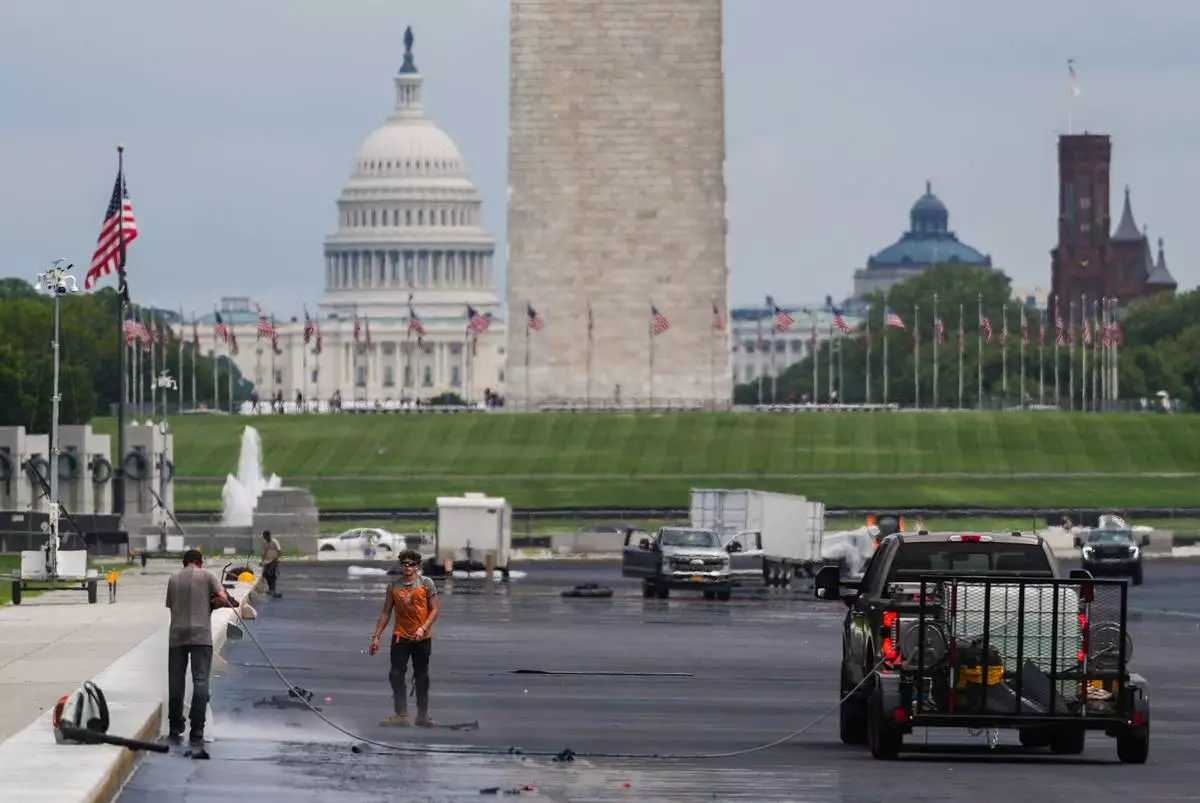
Work continues on the Lincoln Memorial Reflecting Pool, Tuesday, Aug. 18, 2026, in Washington. (AP Photo/Julia Demaree Nikhinson)