WEST SACRAMENTO, Calif. (AP) — Athletics shortstop Jacob Wilson was placed on the 10-day injured list Friday because of a dislocated left shoulder.
The A's also announced first baseman Nick Kurtz was moved to the 60-day IL with a strained right thumb. Outfielder Tyler Soderstrom, already out for the season because of a left hip injury, underwent surgery in Vail, Colorado.
Infielder Michael Stefanic and right-hander Kade Morris were called up from Triple-A and right-hander Taylor Rashi was optioned to Las Vegas.
Wilson is on the IL for the third time this season. He has a 115-game streak without committing an error, a major league record for a shortstop. Wilson, an All-Star last year, is hitting .266 with 37 RBIs in 80 games.
Kurtz, the 2025 AL Rookie of the Year, was placed on the 10-day IL on Aug. 4. He was batting .256 with 21 home runs and 69 RBIs in 99 games.
Soderstrom was hitting .245 with 19 homers and 56 RBIs in 109 games.
See AP’s full MLB coverage here

Athletics' Jacob Wilson reacts after being hit by a pitch during an at-bat in the first inning of a baseball game against the Texas Rangers Friday, Aug. 14, 2026, in West Sacramento, Calif. (AP Photo/Sara Nevis)
BOSTON (AP) — The defense rested its case Friday in the Lindsay Clancy murder trial after eliciting several days of testimony about her mental state before and after she strangled her three young children.
Prosecutors then began calling rebuttal witnesses in the trial, which is likely entering its final days. Closing arguments are expected next week.
Clancy, 36, has pleaded not guilty to murder charges in the deaths of her children Callan, Dawson and Cora Clancy, who ranged from 8 months to 5 years old. They were found in the basement of the family’s home in coastal Duxbury, Massachusetts. Clancy jumped from a second-story window after strangling the children and remains paralyzed from the waist down.
Prosecutors argue that Clancy, a former labor and delivery nurse, planned the killings.
EDITOR’S NOTE: This story includes discussion of suicide. If you or someone you know needs help, the national suicide and crisis lifeline in the U.S. is available by calling or texting 988.
Clancy’s lawyer, Kevin Reddington, hasn’t disputed that she killed the children but says she should not be held criminally responsible because she had postpartum psychosis, a rare mental illness linked to the stress, sleep deprivation and hormonal changes that follow childbirth.
He sought to bolster that defense by having the jury hear from more of Clancy’s family members, who detailed her worsening mental health and attempts to fix it through psychiatric treatment and medications before the January 2023 killings. The jury also heard from a psychologist and a hospital chaplain who met with Clancy after the killings.
For his final witness on Friday, Reddington called Dr. Phillip Resnick, a forensic psychiatrist and expert in filicide, or the killing of a child by a parent.
Resnick testified that Clancy was “clearly psychotic” on the day she killed her children and was not in control of her actions.
“It was almost like she was a puppet and someone else was pulling the strings,” said Resnick, who testified for the defense in the 2006 trial of Andrea Yates, the Texas mother who drowned her five children in 2001.
Resnick said he spent hours interviewing Clancy four months after the killings and believed she tended to minimize rather than exaggerate her symptoms. He said she suffered from severe depression, showed evidence consistent with bipolar disorder and reported hearing a voice commanding her to kill her children.
Resnick described several categories of filicide, including killings involving abuse. Others involve psychosis or what he calls “altruistic” filicide — a killing committed “out of love rather than hostility.” He said he found Clancy’s case involved both of the latter categories, but he didn’t find evidence of abuse.
Resnick said Clancy had a delusional belief that if social services took the children or if she killed herself, her children would suffer without her, and believed that they would be better off dying with her and going to heaven.
“She believed that she was doing what was right for her children,” he said.
Under cross-examination by prosecutor Jennifer Sprague, Resnick acknowledged that Clancy did not disclose thoughts of harming her children to medical providers who asked, but said that was “very common because people fear their children will be taken away.”
“So it’s better to kill them than have them taken away?” Sprague asked.
The judge struck the question.
Prosecutors argue that Clancy contrived to get her husband out of the house the day of the killings. They have attempted to show that while she was getting treatment for anxiety, insomnia and depression, she wasn't suffering from psychosis or bipolar disorder.
After the defense rested, prosecutors called forensic psychiatrist Dr. Avram Mack as a rebuttal witness. Mack agreed that Clancy suffered from a major depressive episode but said he found no evidence of mania or hypomania to support a bipolar diagnosis — or of psychosis — leading up to the killings.
Mack said Clancy recounted the killings to him, saying she heard a loud male voice telling her to kill the children so she could kill herself. She recalled strangling the children and saying “go to God” as she did so, he told jurors.
Mack said Clancy was experiencing severe mental illness when she killed her children but that it was a continuation of the depression she had experienced for months in which she was able to control impulses and distinguish right from wrong.
He also said, “There’s no reason that psychosis in and of itself inhibits a person’s ability to know right from wrong.”
Clancy’s first name was misspelled in the headline of an earlier version of this story. It has been corrected to Lindsay, instead of Lindsey.
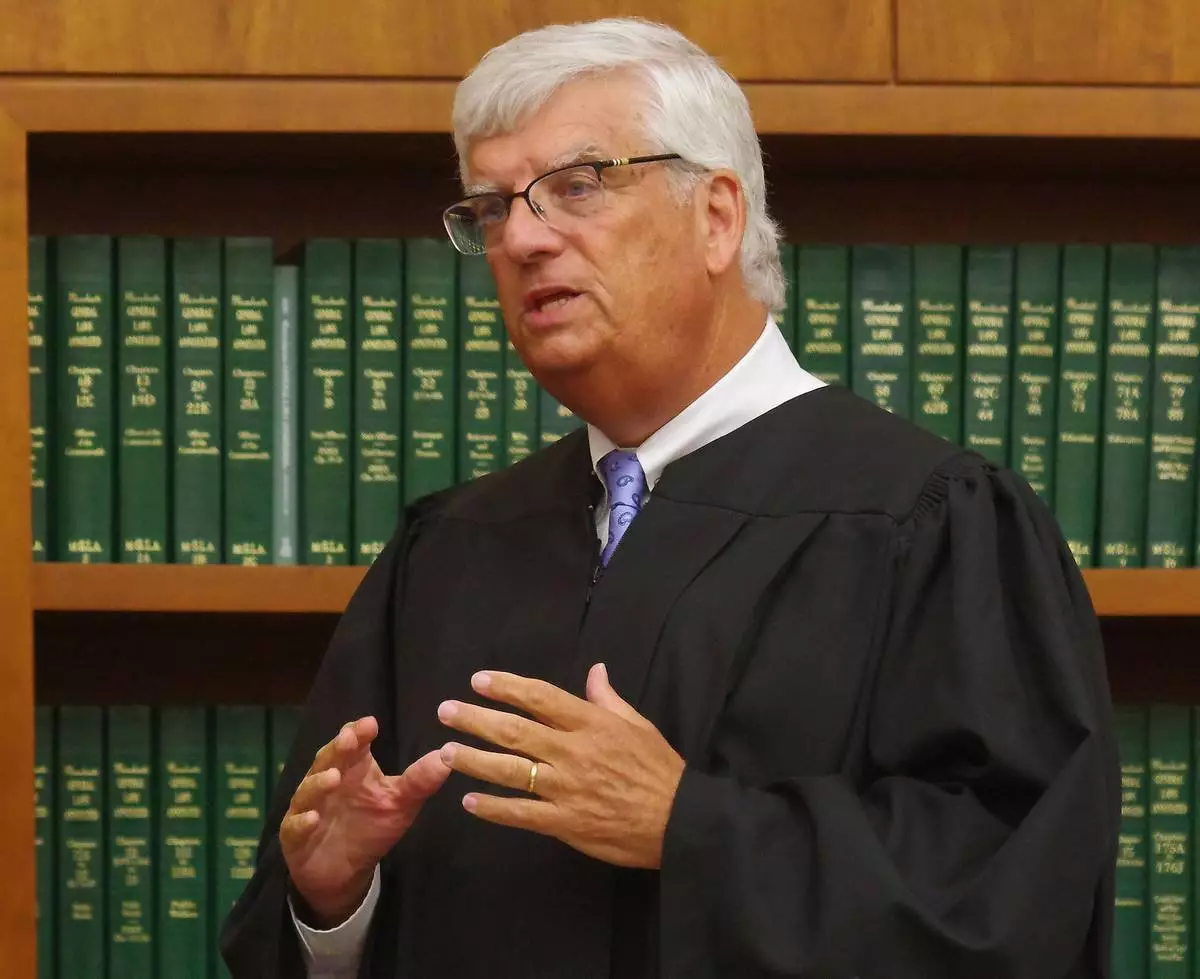
Judge William Sullivan greets the jury during the Lindsay Clancy murder trial, Friday, Aug. 21, 2026, in Plymouth, Mass. (Mark Chavous/The Enterprise via AP, Pool)
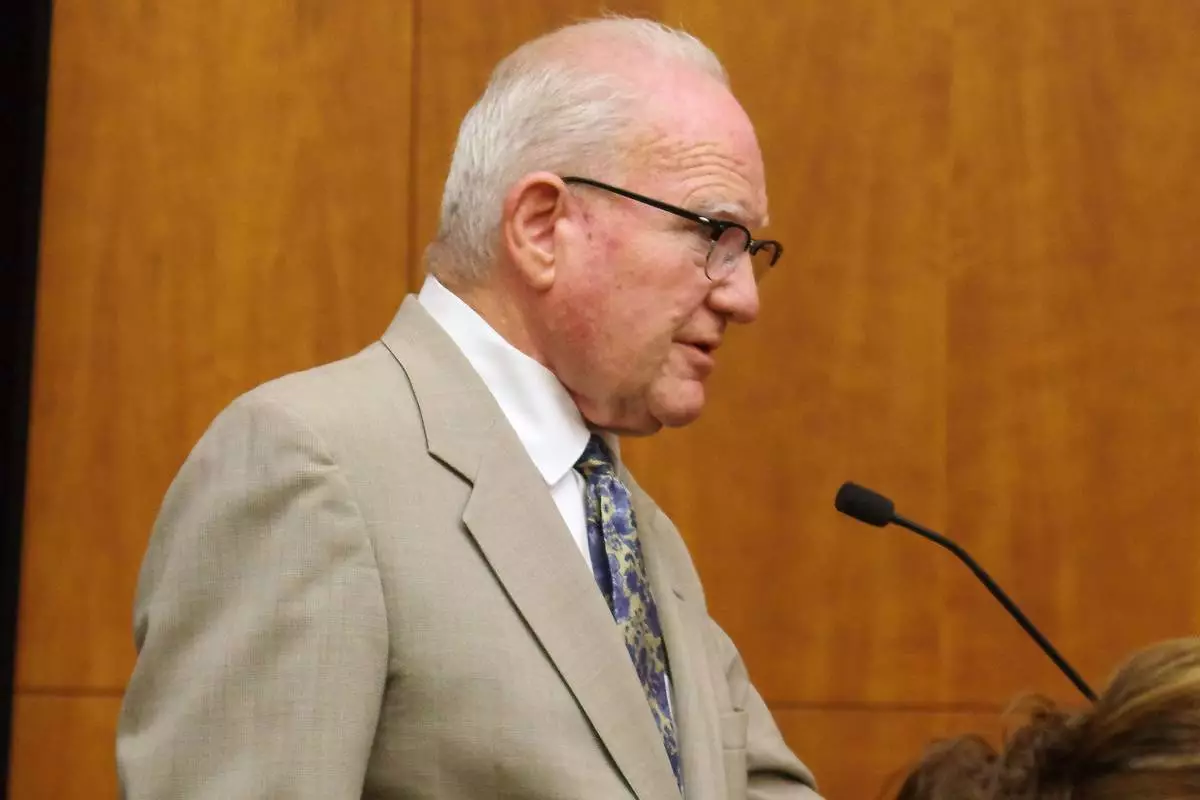
Defense Attorney Kevin Reddington begins his questioning of witness Dr. Phillip Resnick during the Lindsay Clancy murder trial, Friday, Aug. 21, 2026, in Plymouth, Mass. (Mark Chavous/The Enterprise via AP, Pool)
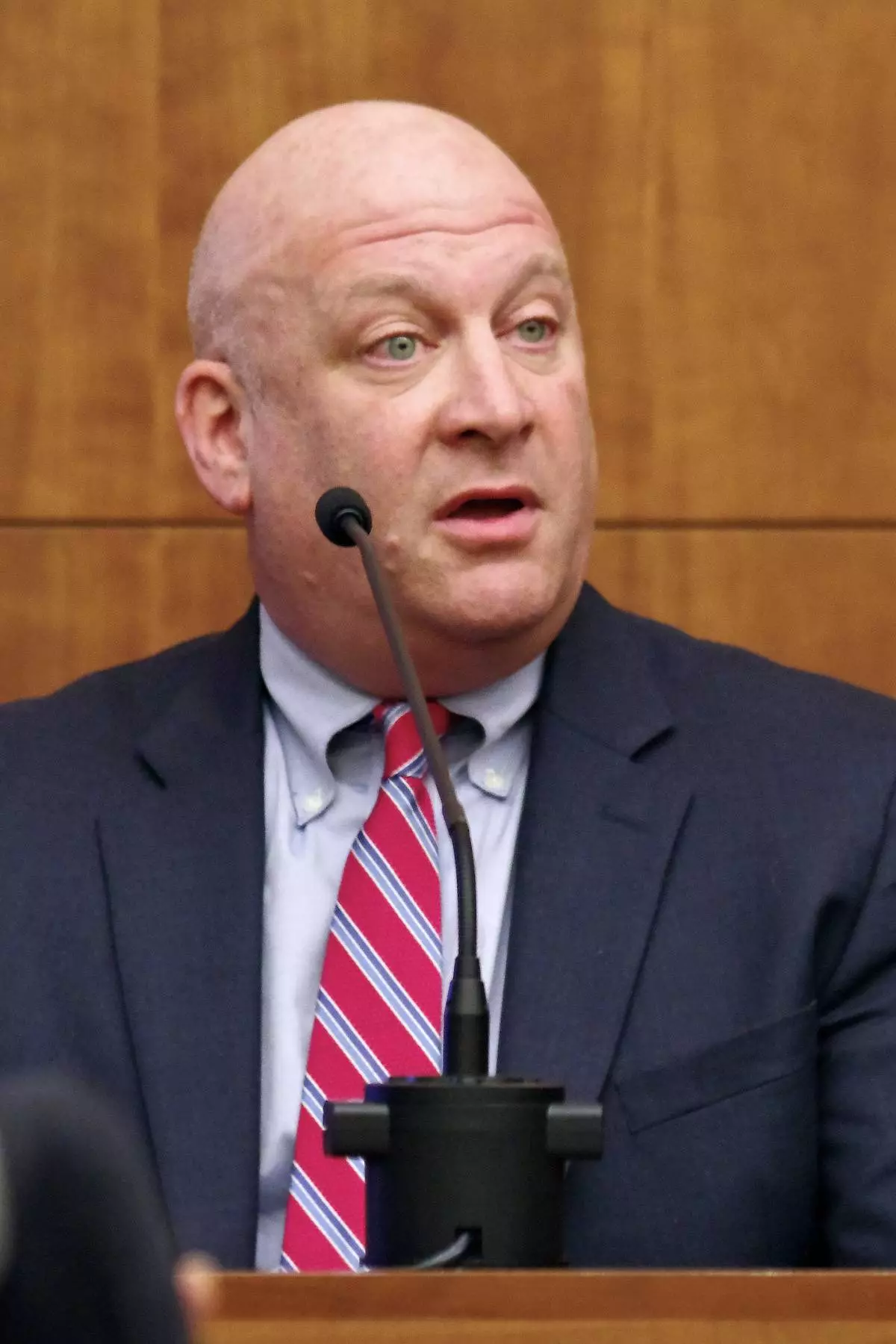
Dr Avram Mack answers questions from the witness stand during the Lindsay Clancy murder trial, Friday, Aug. 21, 2026, in Plymouth, Mass. (Mark Chavous /The Enterprise via AP, Pool)
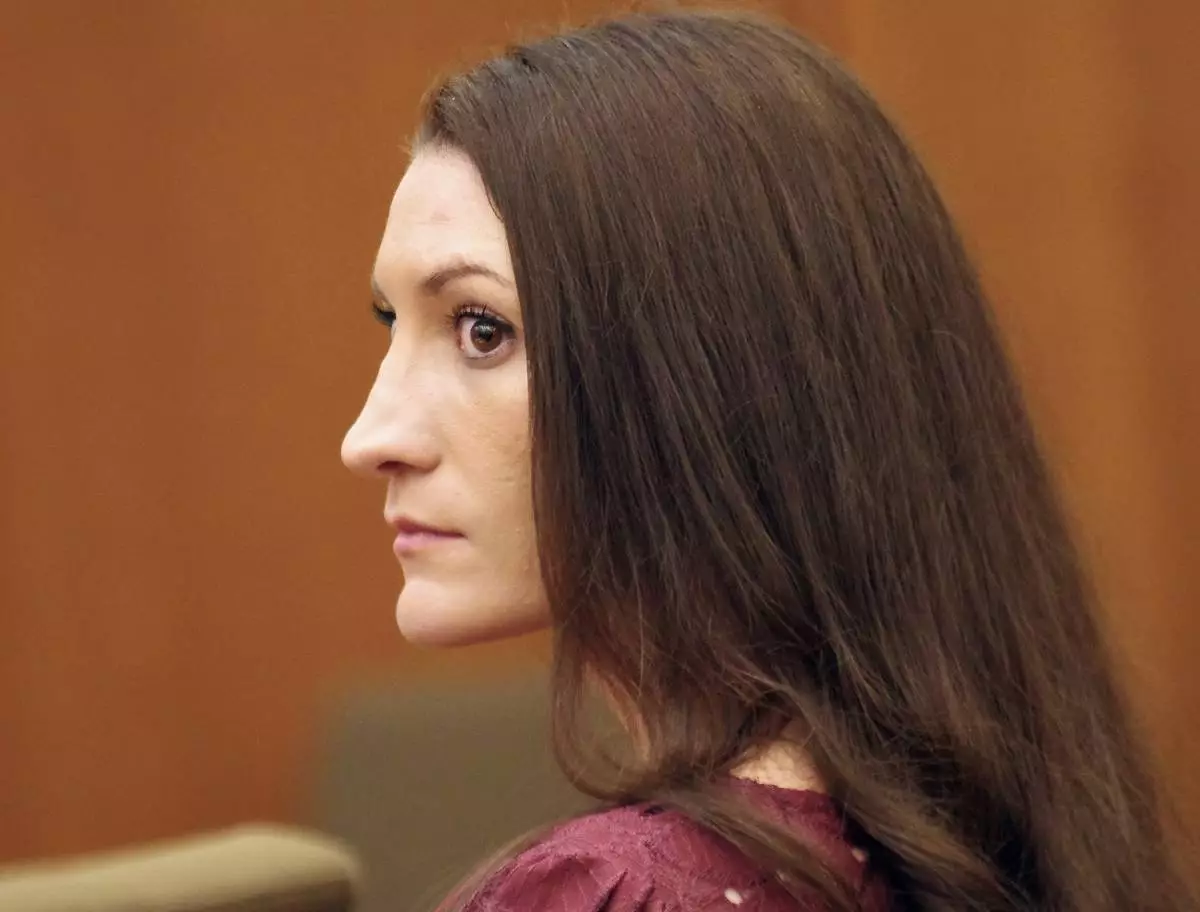
Defendant Lindsay Clancy watches as her attorney Kevin Reddington prepares to interview a witness during proceedings in her murder trial, Friday, Aug. 21, 2026, in Plymouth, Mass. (Mark Chavous /The Enterprise via AP, Pool)
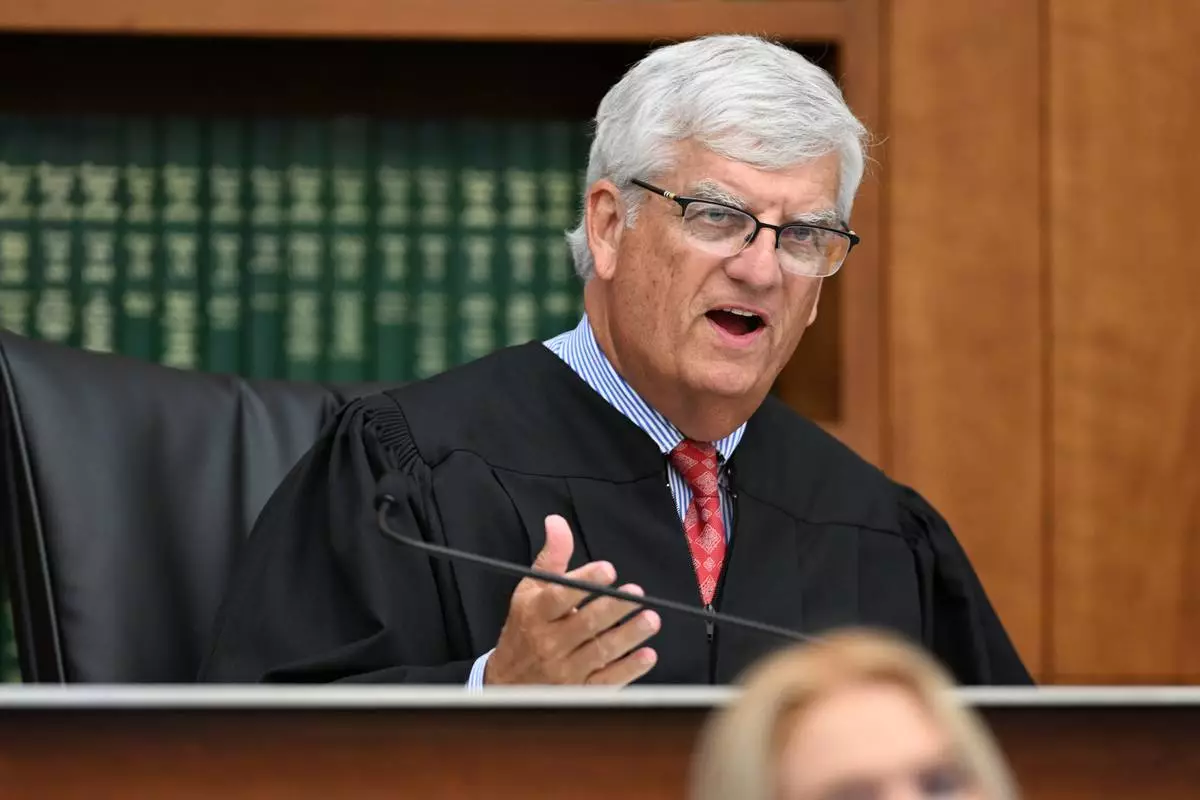
Judge William Sullivan speaks to the prosecution as they discuss the preparation of jury instructions during Lindsay Clancy's murder trial, Thursday, Aug. 20, 2026, in Plymouth, Mass. (AP Photo/Josh Reynolds, Pool)
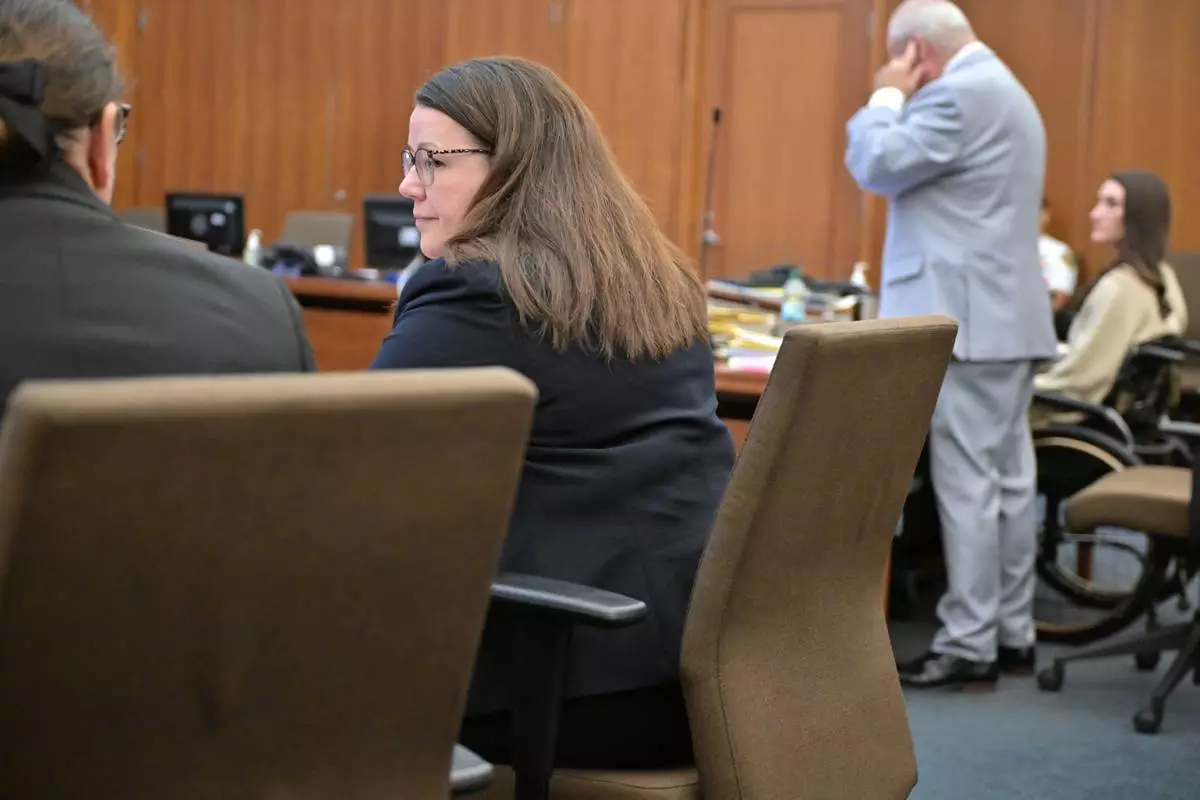
From left, prosecutor Shanan Buckingham, and Assistant District Attorney Jennifer Sprague confer as lawyer Kevin Reddington speaks during proceedings in the murder trial of Lindsay Clancy, Thursday, Aug. 20, 2026, in Plymouth, Mass. (AP Photo/Josh Reynolds, Pool)
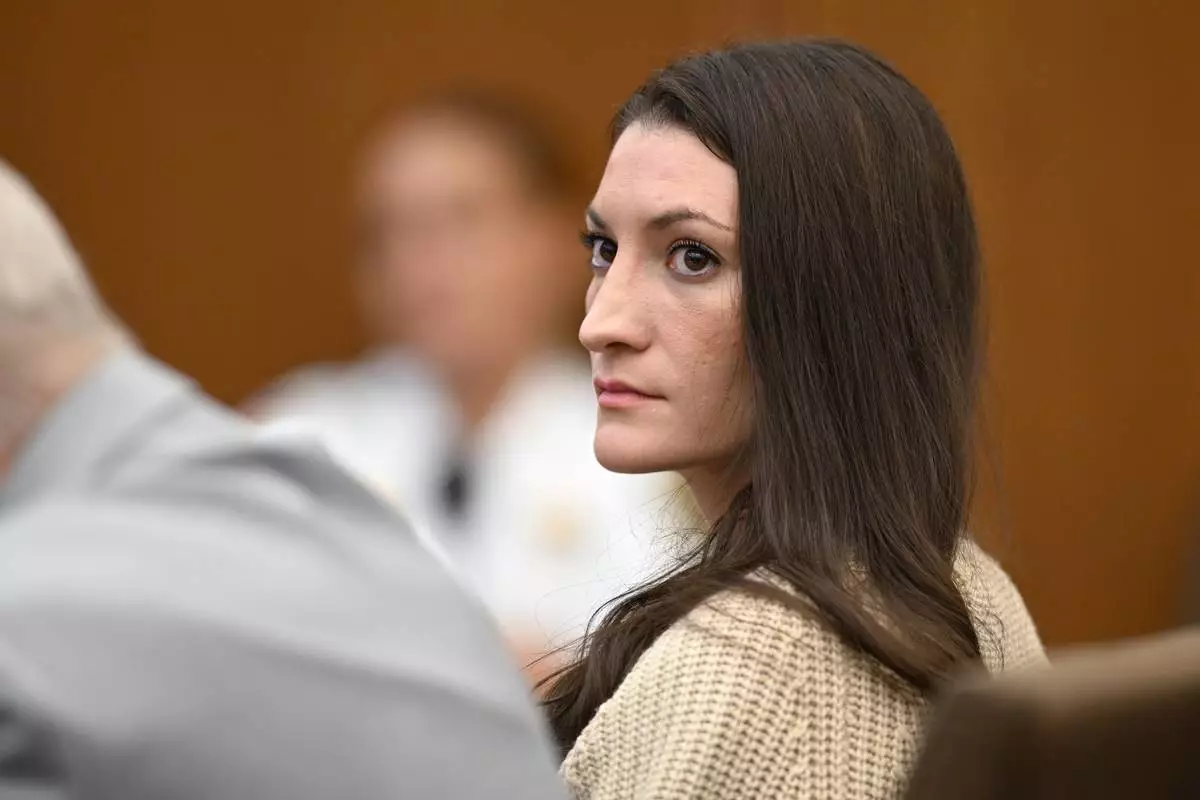
Lindsay Clancy, looks toward reporters in the courtroom during proceedings in her murder trial, Thursday, Aug. 20, 2026, in Plymouth, Mass. (AP Photo/Josh Reynolds, Pool)